
by Fedor Eliseev and Ian Hind
John Halcrow was born in 1935. Since his childhood, he was fascinated by cars, trains and ships. Sadly, there is not much information about his young age, but there is no doubt that he was a great fan of motorsport. This passion encouraged John to try his hand at racing. In 1960, he took part in the Australian Touring Car Championship, driving a Holden 48-215 in New South Wales events. John didn’t achieve much success, but his passion didn’t stop.
At that time, model companies weren’t producing Australian racing cars, and he decided to fill this gap. After many experiments with materials, John was able to make a series of slot cars, including the Jaguar Mk2, FJ and EH Holdens, which reproduced his racing cars. They were sold in the late 60s-early 70s through the “Hobbyco” shop, which still exists in Sydney.
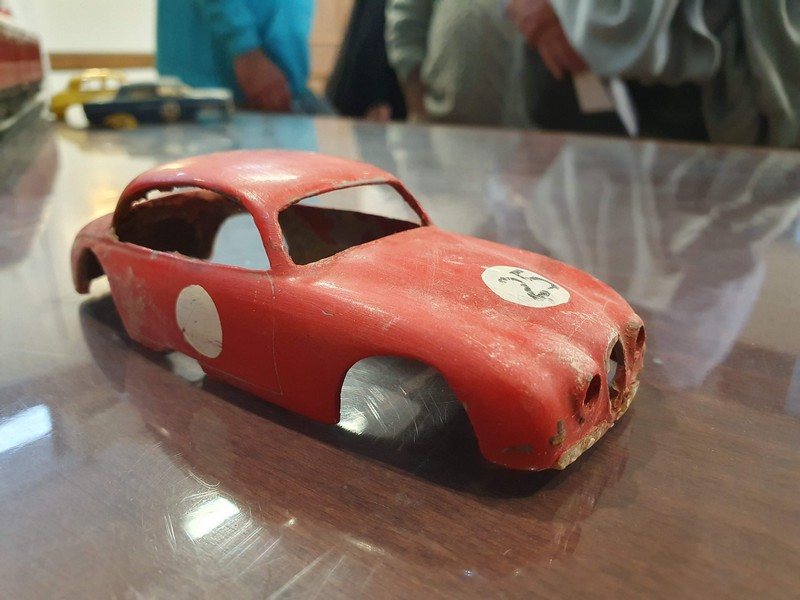
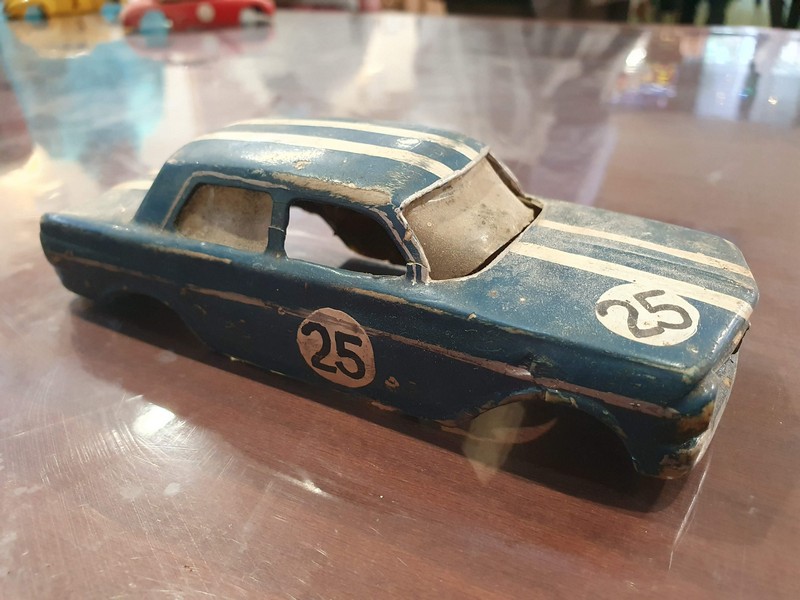
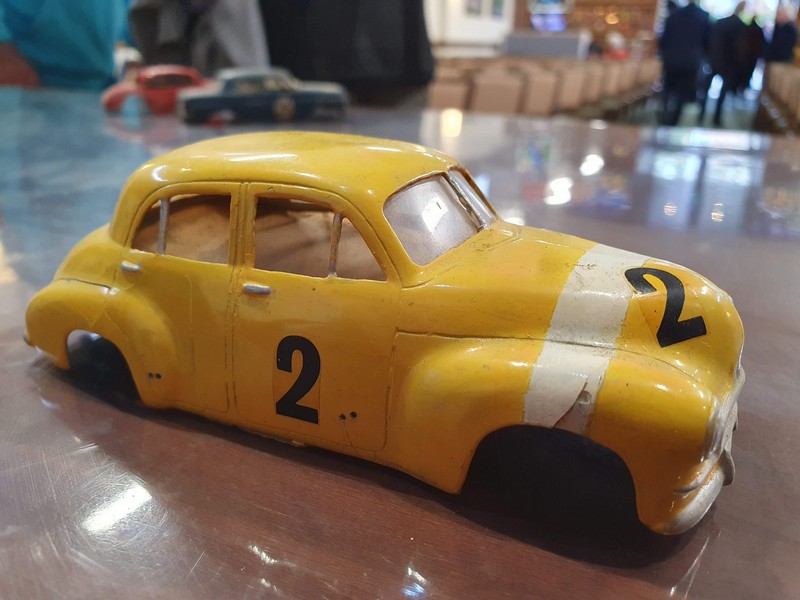
Step by step, the business was expanding, and John was involved in drafting, tool making and styling models for luxury motor cruisers.
By the early 90s, he decided to focus on precision models for collectors and established a company in Newport called Big River Models, which got its name in honour of the Clarence River, the biggest river in Australia, which flowed around Grafton in NSW, where John lived for a time. Having excellent experience in pattern making, resin casting and great enthusiasm, he had no doubts about success.
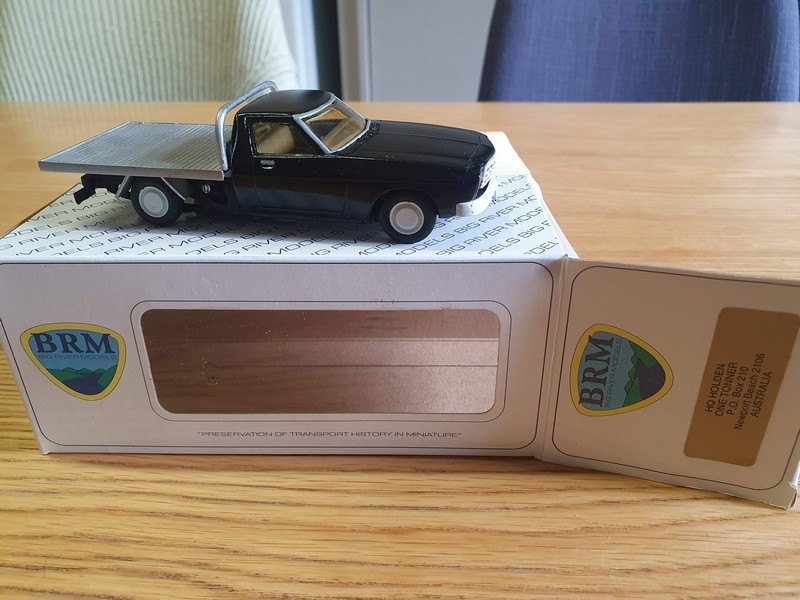
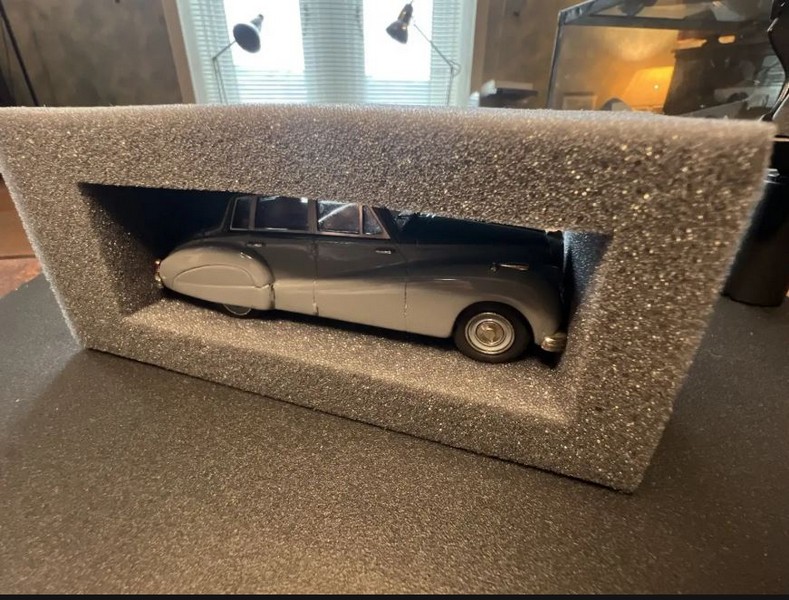
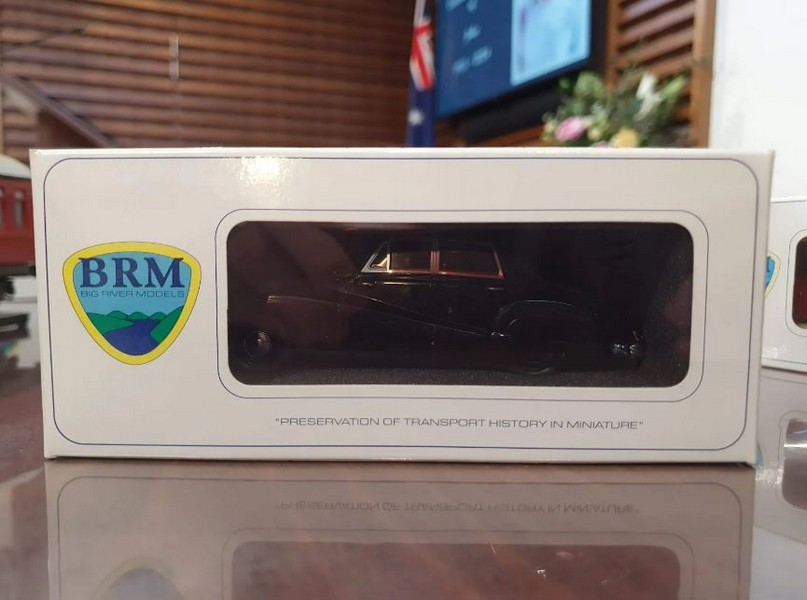
The first production of the BRM workshop was 1/76 Albion double-decker buses. They had white metal baseplates and rims and resin bodies. The packaging was a cardboard box made in a Trax style, with a window which allowed the model to be seen. The miniatures were fixed to a plastic podium, and the box carried BRM logos.
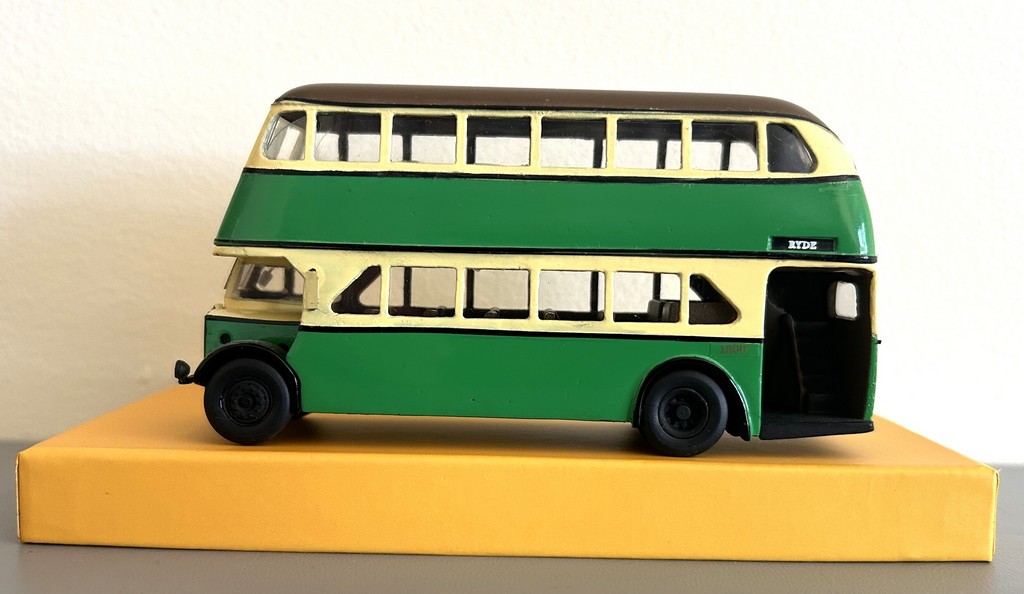
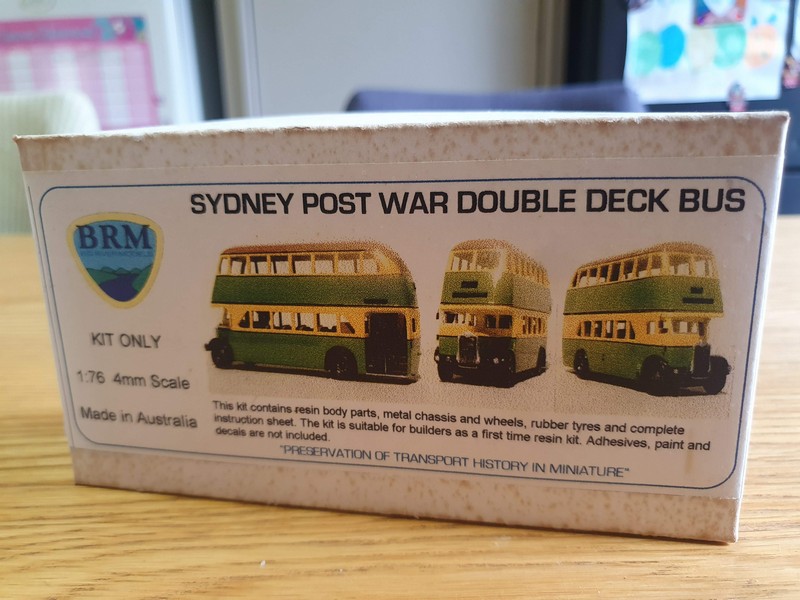
The workshop was situated in John’s house. Here, he had a resin casting machine and painting equipment. Several employees assisted him with the painting and assembling processes. The first models were also available in kit form, but subsequently John decided to produce only fully finished items.
The next challenge for BRM was models in 1/43 scale. Being a racing enthusiast, John modelled the 1957 Buckle Sports Coupe, a fiberglass-bodied car produced by Buckle Motors. Bill Buckle was a son of a successful car dealer who was importing such brands as Armstrong-Siddeley, DeSoto, Goliath and Borgward to Australia after WW2. In the late 1940s, Bill travelled to Europe, where he was fascinated by motorsport and cars by Ferrari, Maserati, AC etc. After returning home, he participated in road races and hill climbs, but also wanted to create his own European-style sports car. In collaboration with his friend Charles Buck and mechanic Ron Toranack, Bill established a workshop and designed a fiberglass car using Ford Zephyr’s 2.6 six-cylinder engine. Weighing 865 kg, the car was capable of achieving 160 km/h.
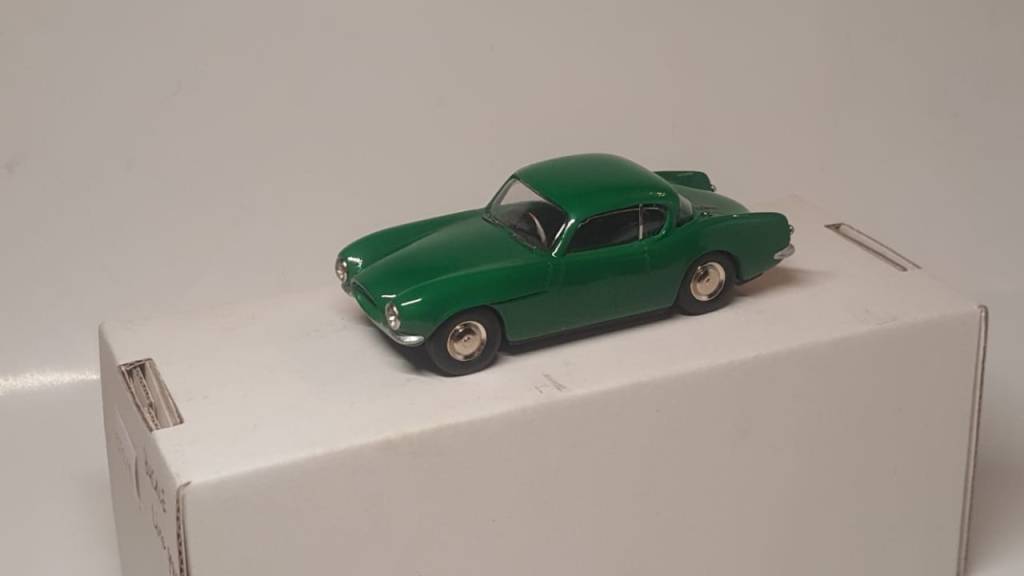
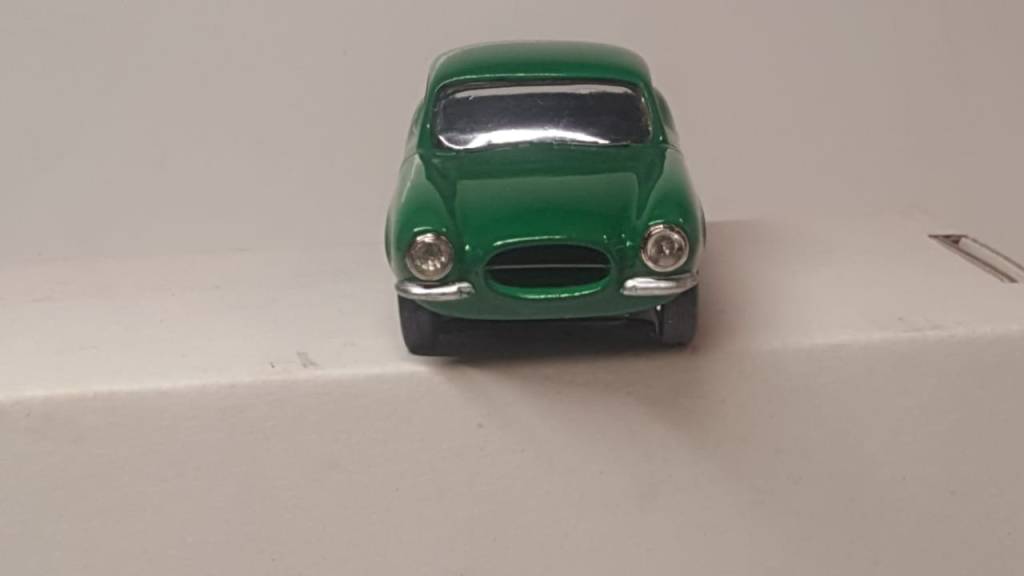
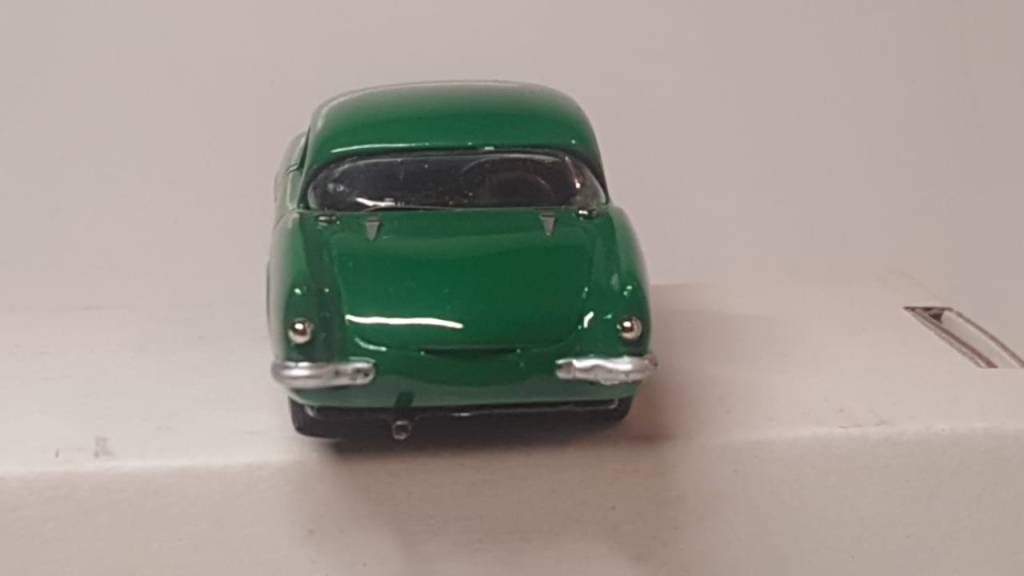
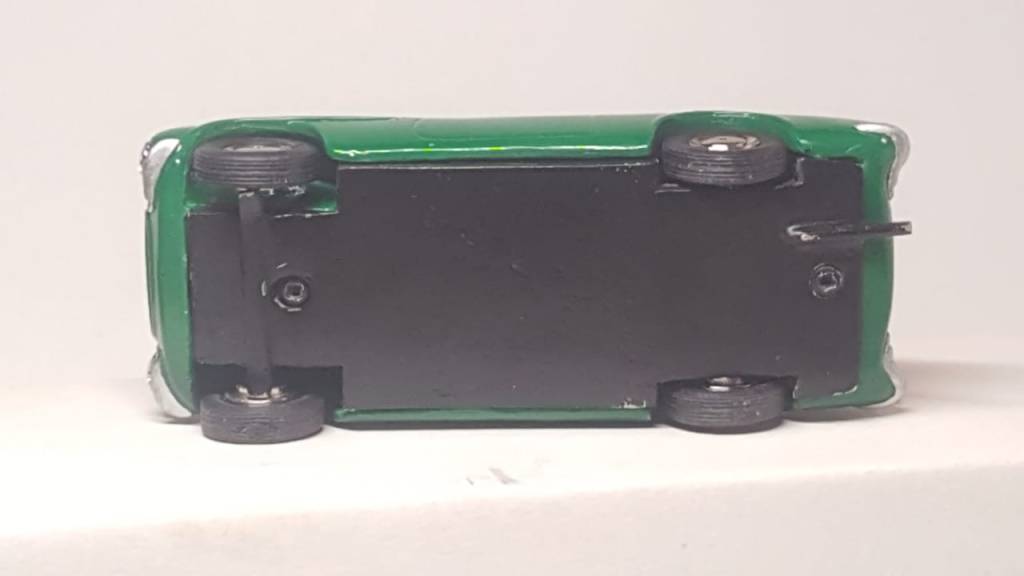
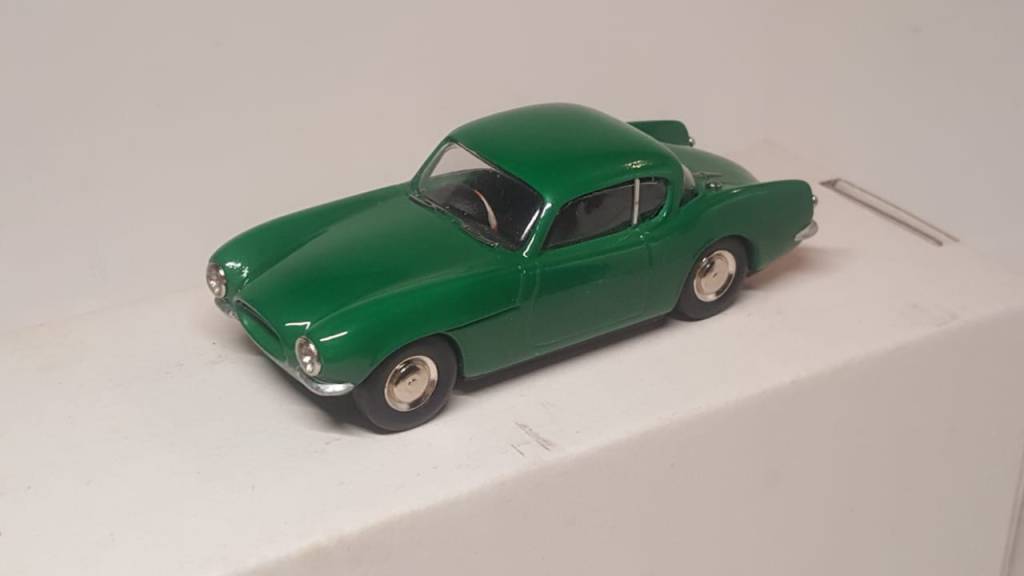
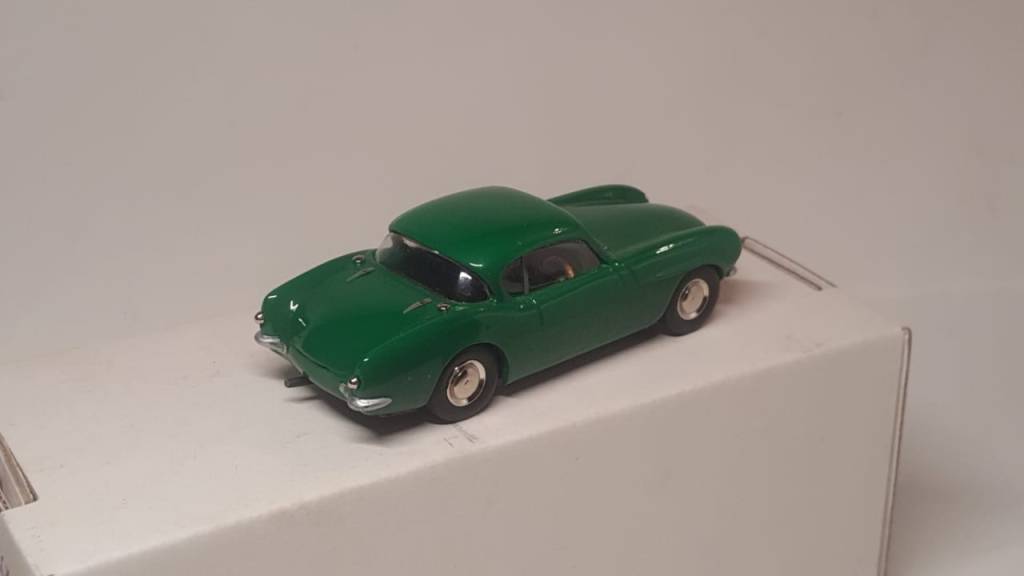
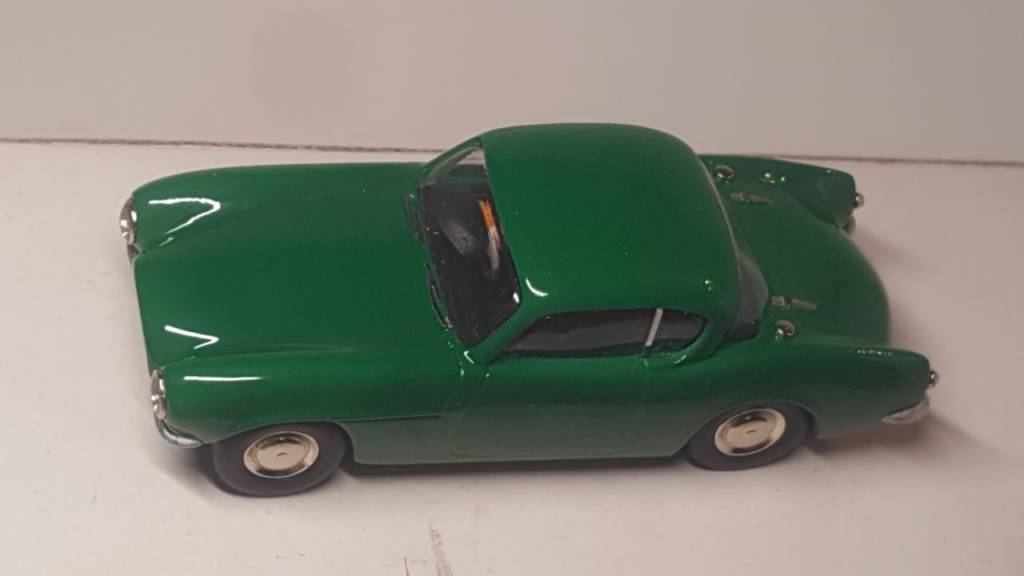
Except for the basic version, an upgraded variant was available. It was equipped with a 3-litre Ford Zephyr engine with a Raymond Mays head and a gearbox with overdrive. Buckles took part in many competitions, where it achieved huge success, like Dick Newell’s win in the 1963 New South Wales GT Championship and many records in hill climbs and GT class races. Sadly, despite its motorsport wins, the Buckle cars had no commercial success. That’s why only 20 units were built from 1957 till 1959.
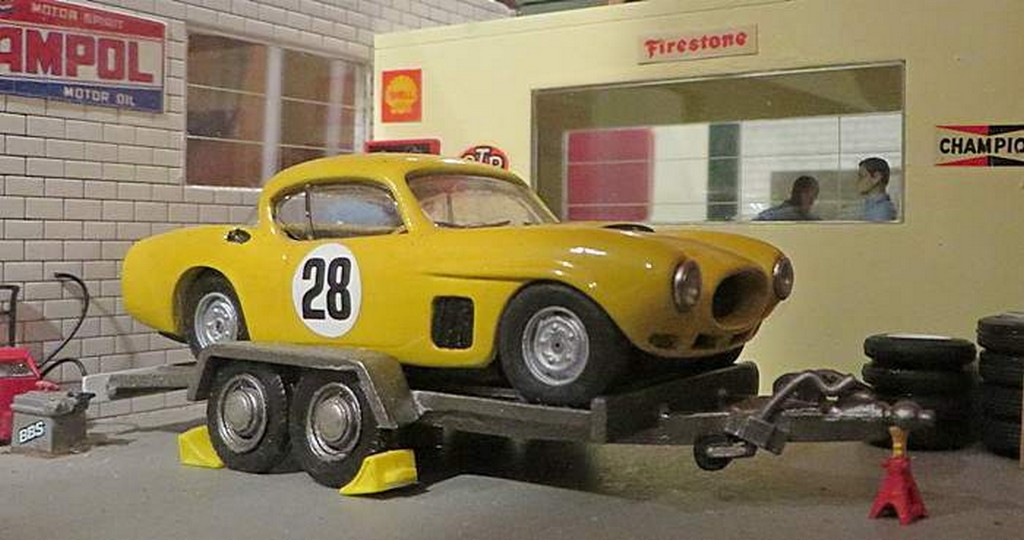
John made about 300 castings of the Buckle Sports Coupe. 200 were painted and assembled as standard cars, while about 100 units were made in specific colours and racing versions over the next 10-20 years by order of the Buckle Club.
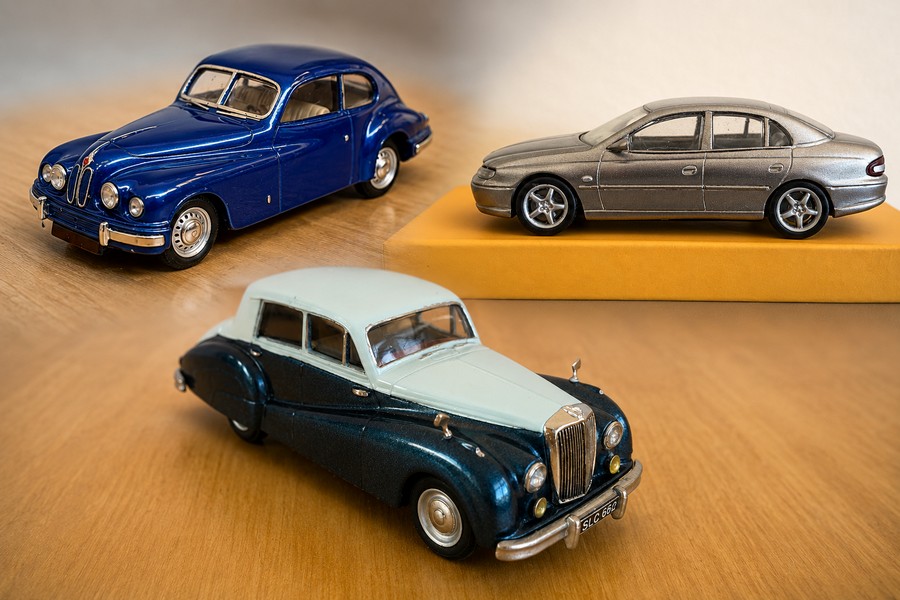
In fact, the Buckle Sports Coupe, like the following 1997 Holden Commodore VT, were rather simple but accurate models. They had resin bodies and flash metal baseplates.
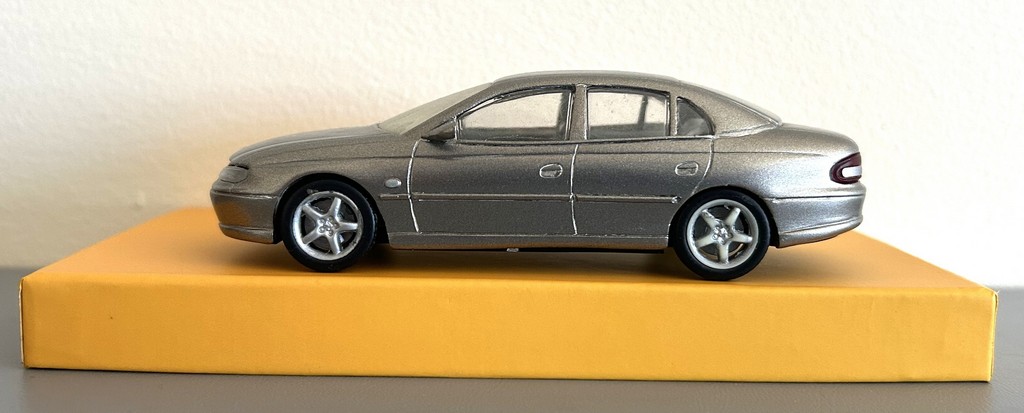
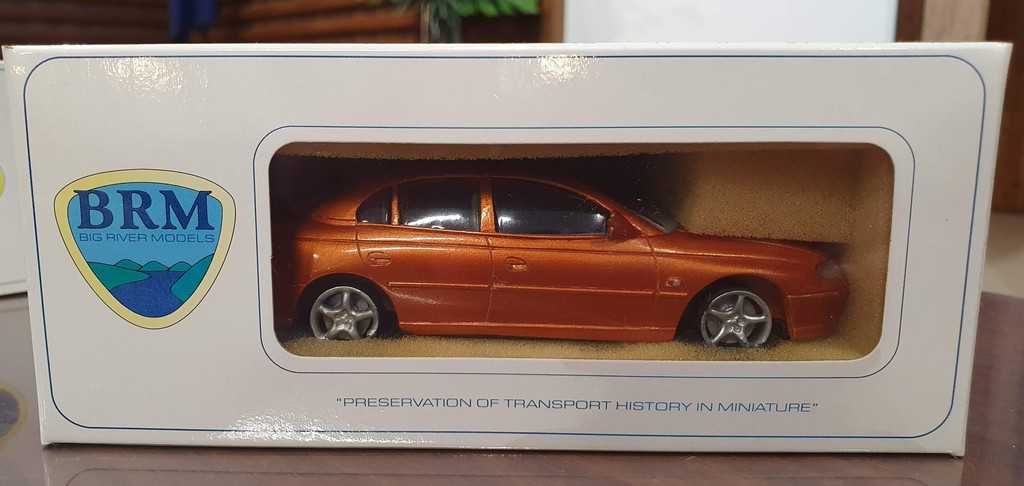
Trying to fill other gaps, John started working on the 1956 Ford Customline. He showed a resin body at the Sydney Collector Club, but sadly never finished this project. Only in the 2010s did Trax release this model in resin.
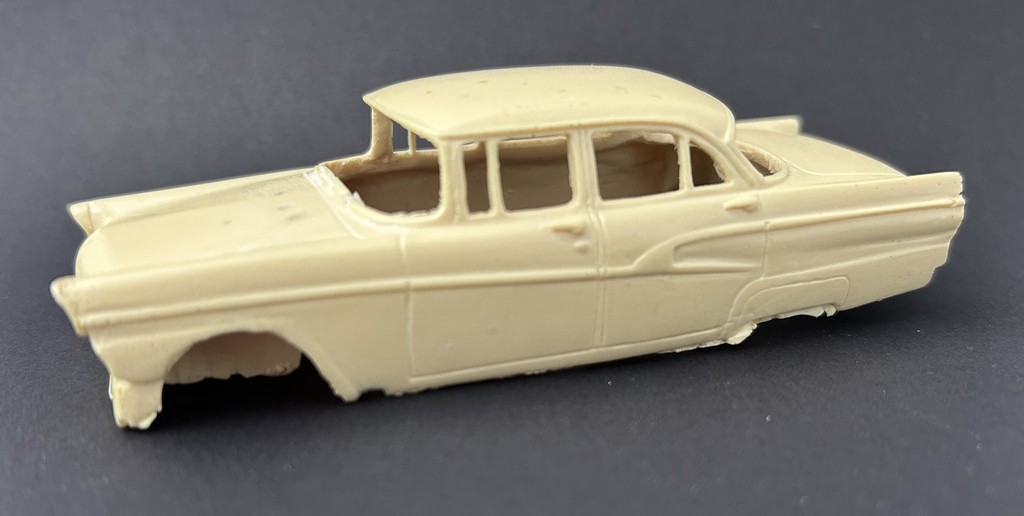
In the mid-90s, BRM was known in Australia, but in 1997 things changed. In that year, John Halcrow, inspired by the British models by Brooklin, Western Models and Somerville, decided to make some almost entirely white metal miniatures. To release this project, he approached Milestone Models, a company from Sydney which had a white metal casting machine.
John chose the 1937 Chevrolet Utility for reproduction. This model was detailed according to the highest standards of the white metal industry.
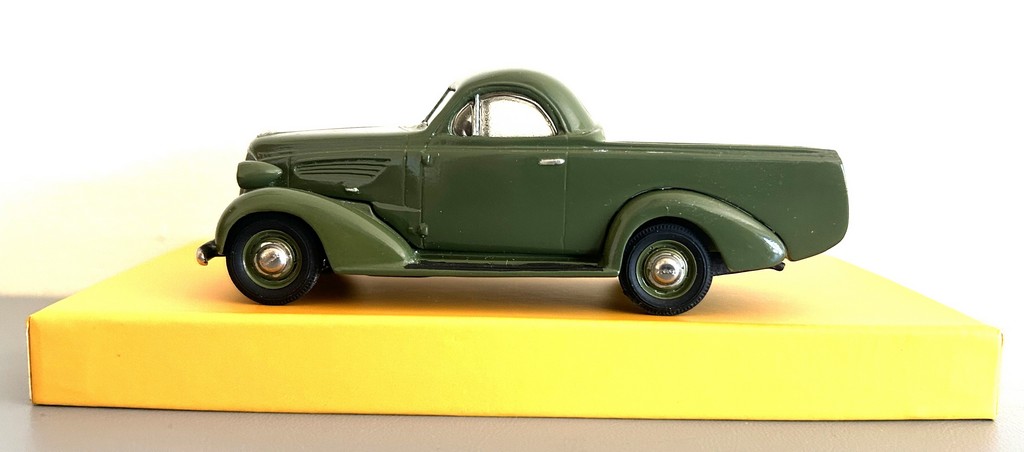
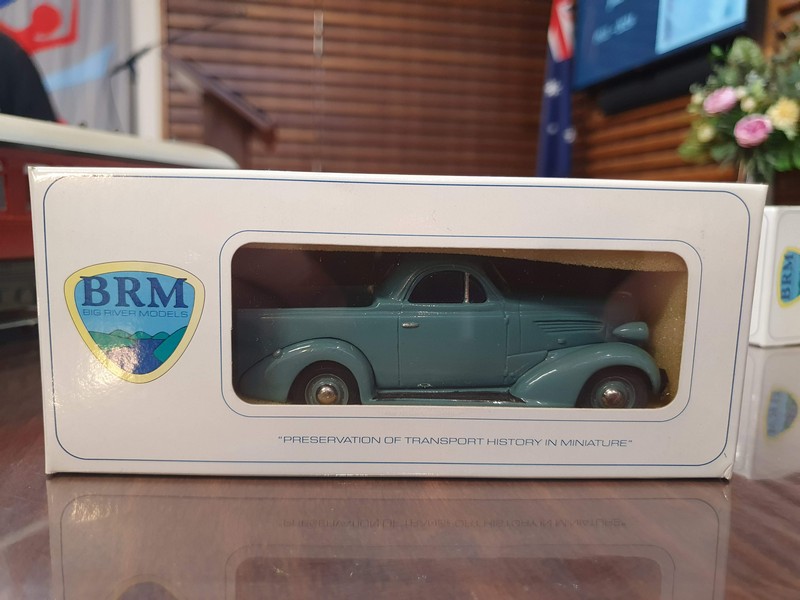
The price of Aus $180 was very expensive, but it was at the same level as Crossway, Somerville and Pathfinder. After publishing a short review and donating a model as a prize in MAR magazine (issues 115 and 116, October-November 1997) and the July issue of Model Collector, BRM became known not only in Australia.
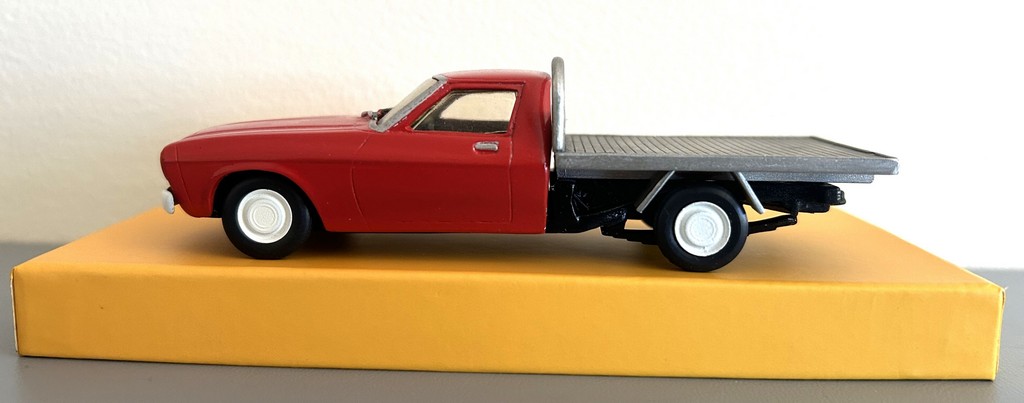
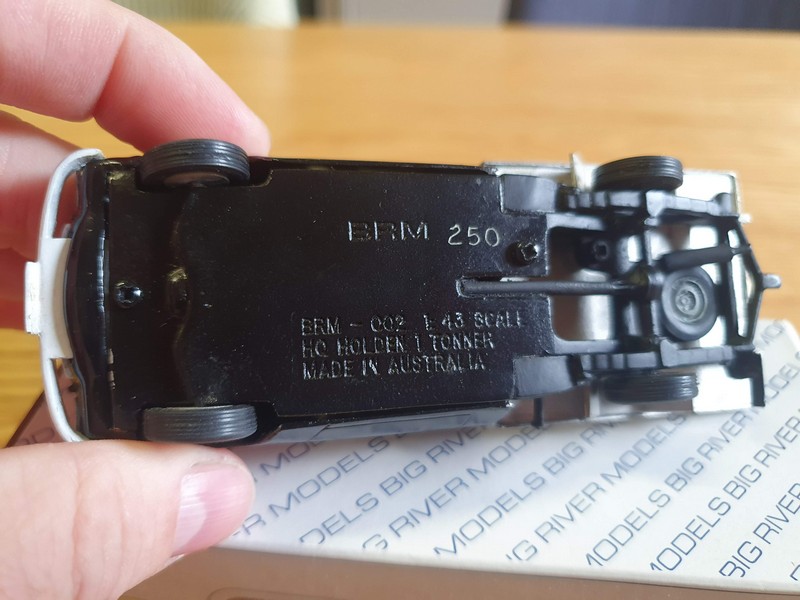
Trying to develop this success, John made his next models with Milestone: the 1971 Holden One Tonner HQ. Several years later, it was reproduced by Trax in diecast.
In 2002, BRM took part in the ModeleX show and was approached by the Armstrong Siddeley Car Club to produce a model of the Sapphire. Sadly, by that time Milestone Models had stopped activity, and John had to start looking for a new production partner for making white metal models. During his visits to the UK, he got in touch with the founder and proprietor of Illustra Models, Steve Overy. Some time later, this acquaintance developed into a friendship, and Illustra became the main production partner for BRM in making a series of British cars.
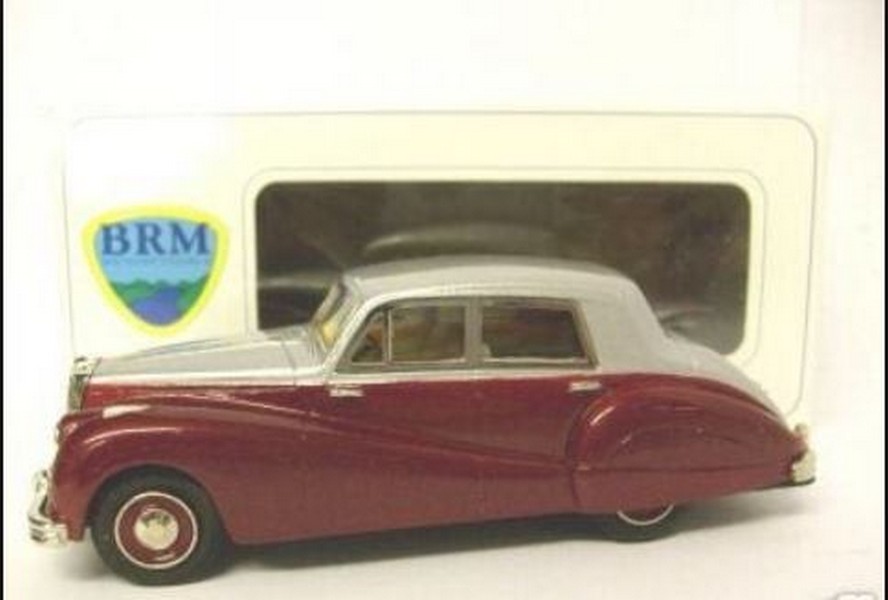
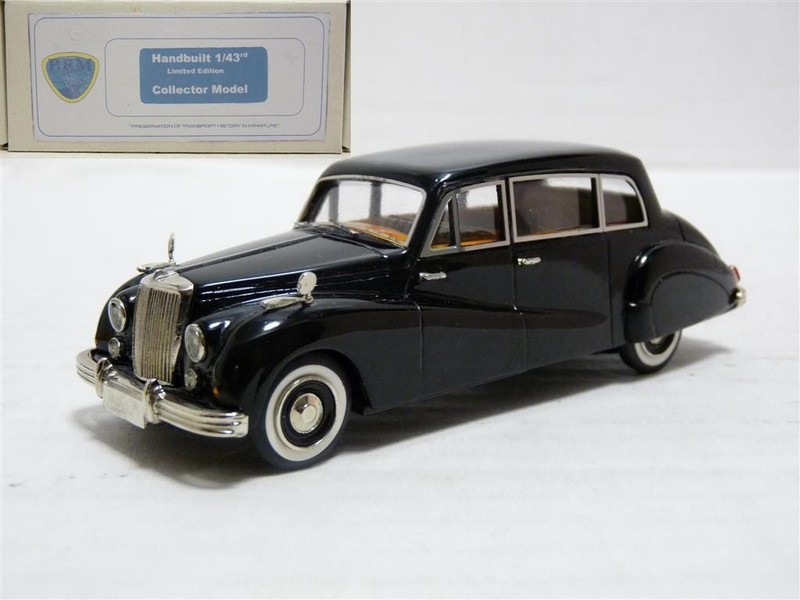
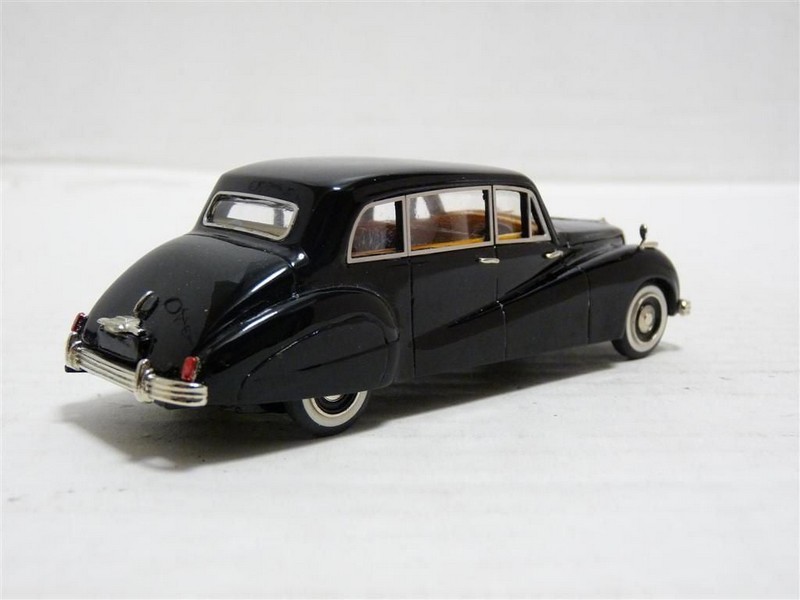
This series was opened with the 1953 Armstrong Siddeley Sapphire 346 Mk1. This luxury car was equipped with a 3.4-litre six-cylinder engine whose standard power was 120 hp, and 150 hp with optional Stromberg carburettors. The car was completed with a manual 4-speed or an optional Wilson electrically controlled fingertip 4-speed preselector gearbox. In 1954, the Mk2 got a Rolls-Royce-made 4-speed Hydramatic 4-speed transmission. 7697 units of all modifications were made until 1960.
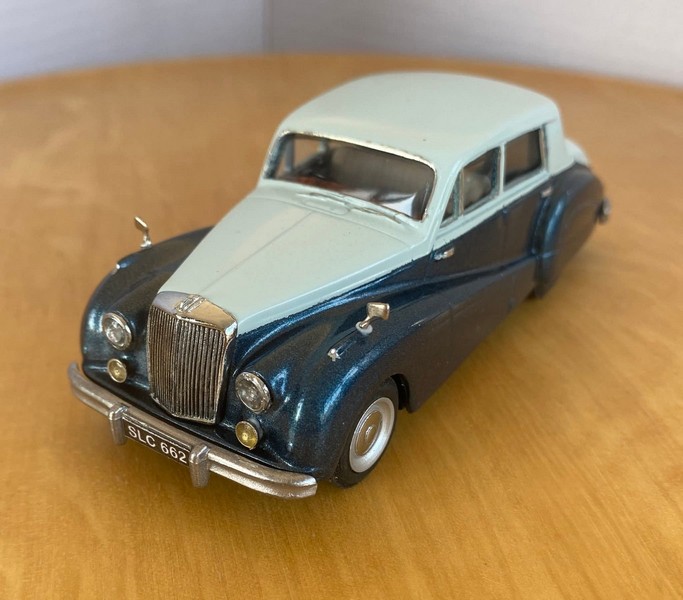
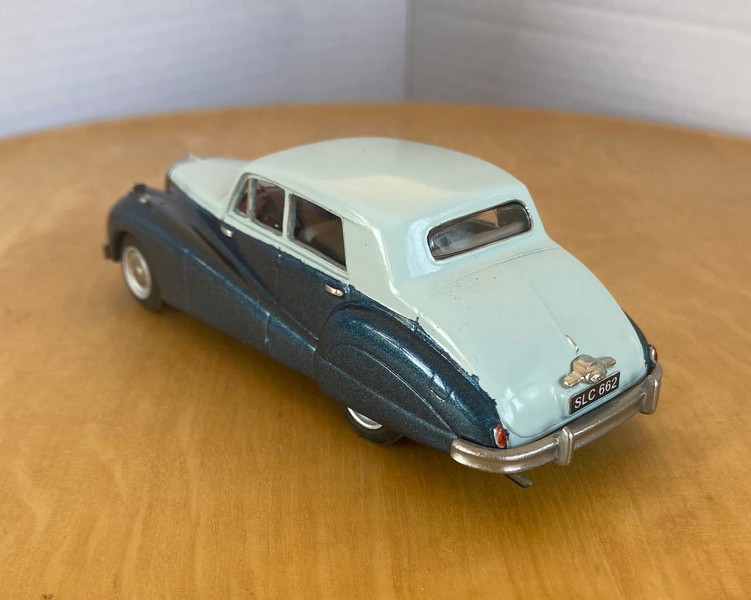
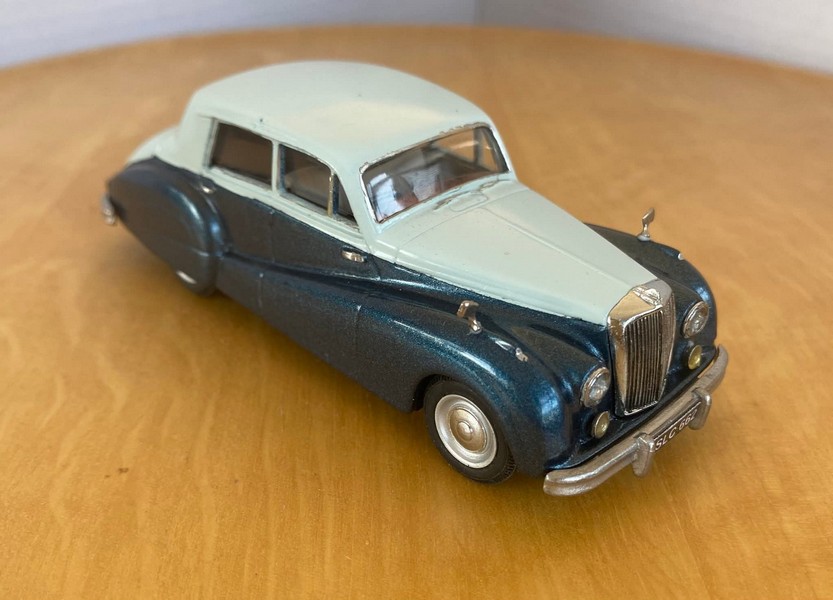
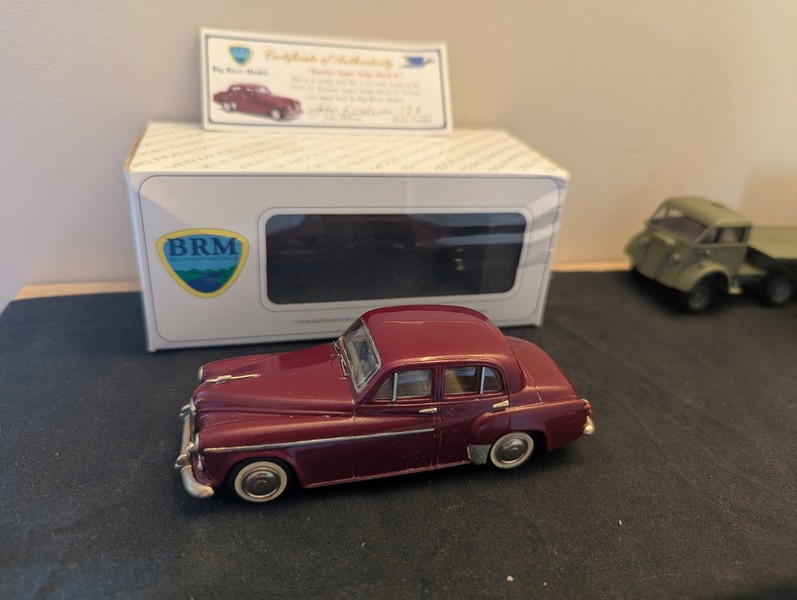
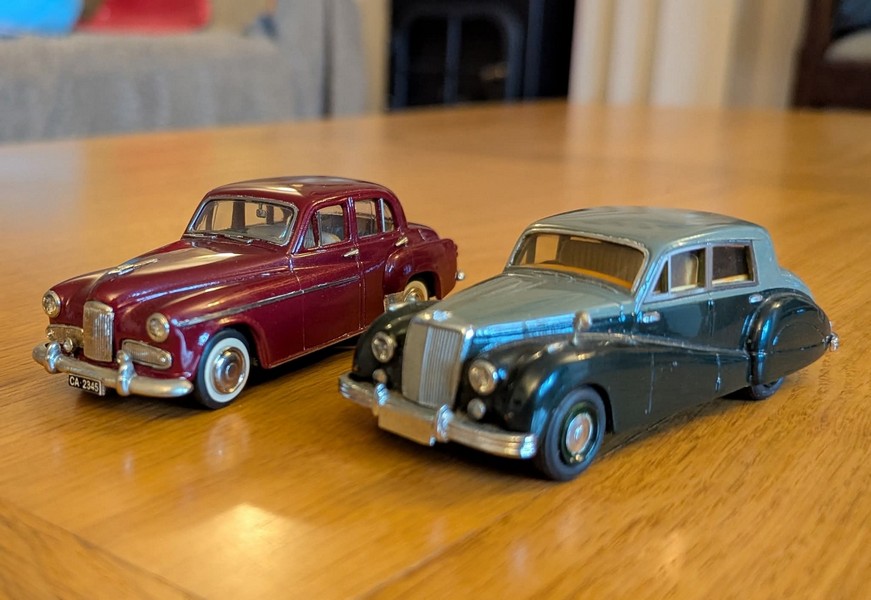
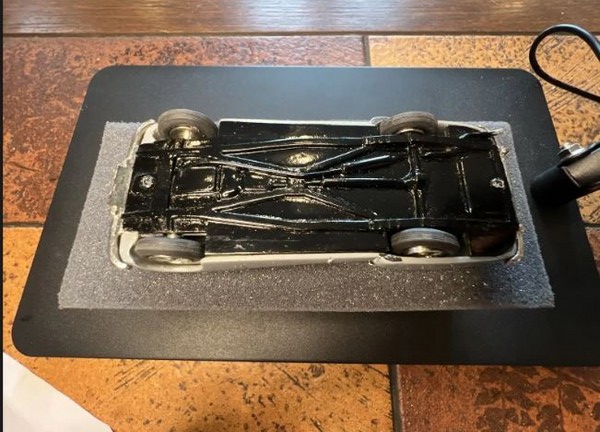
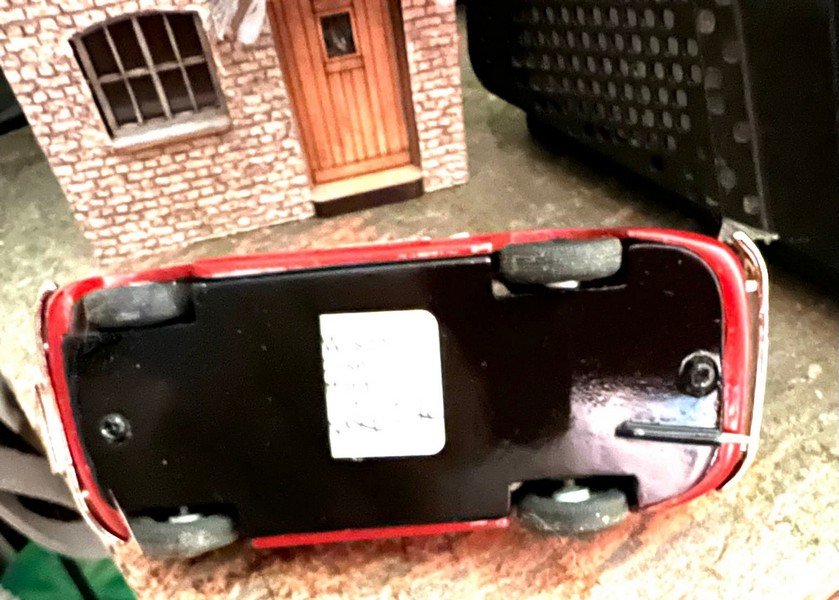
The 346 Sapphire was available in four- or six-light versions, and both were modelled by BRM. John made the brass patterns himself using drawings and brochures, as well as the opportunity to measure and photograph the cars of Club members. The miniatures had such features as all-chromed surrounds, photo-etched parts, resin lenses, head and rear lights, fully detailed interiors and rear mirrors in a separate pocket which had to be fixed by the customers. All models were completed with certificates and made in limited editions. As a rule, 200 units of each colour were produced. Customers could place personal orders to improve the models, such as having them painted in a special colour and adding registration numbers and whitewall tyres. And, of course, models reproducing the cars of Club members were made.
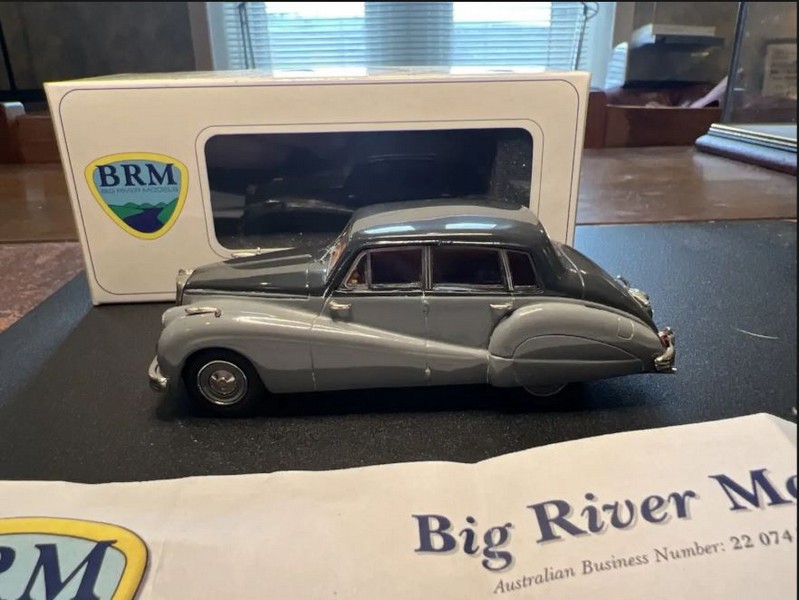
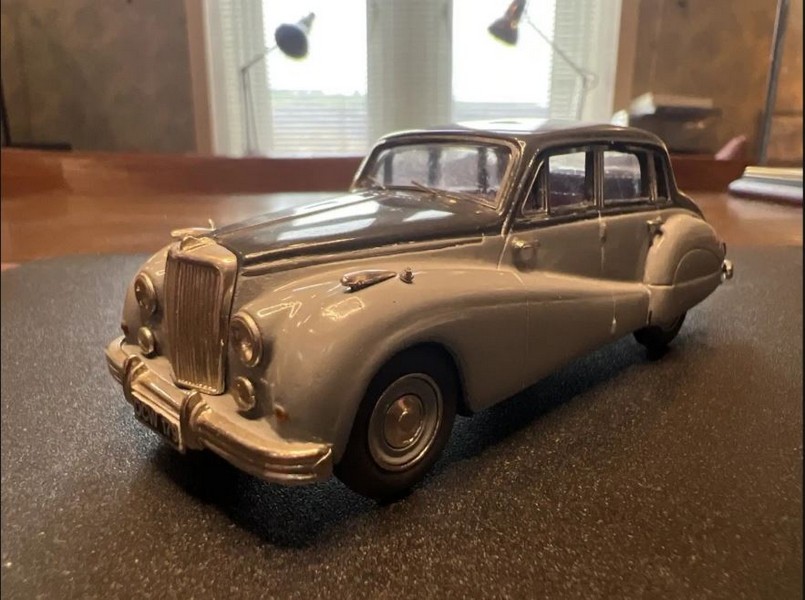
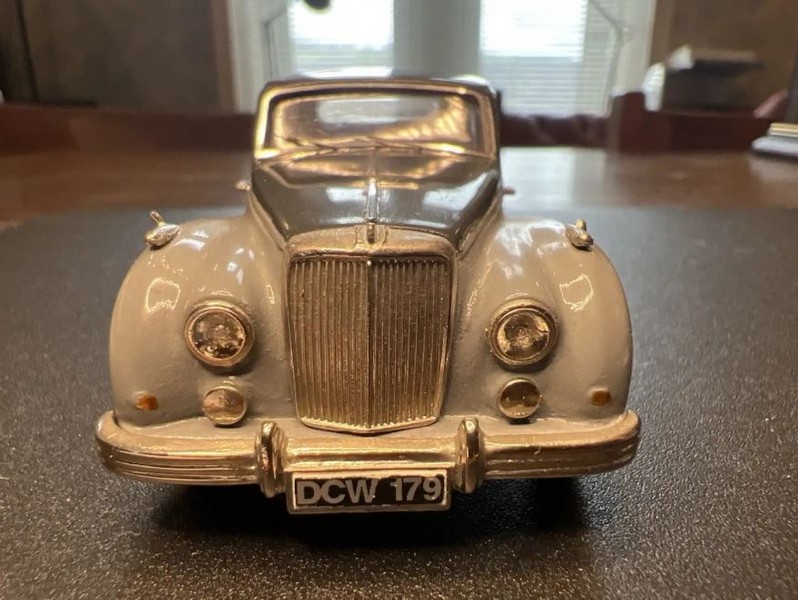
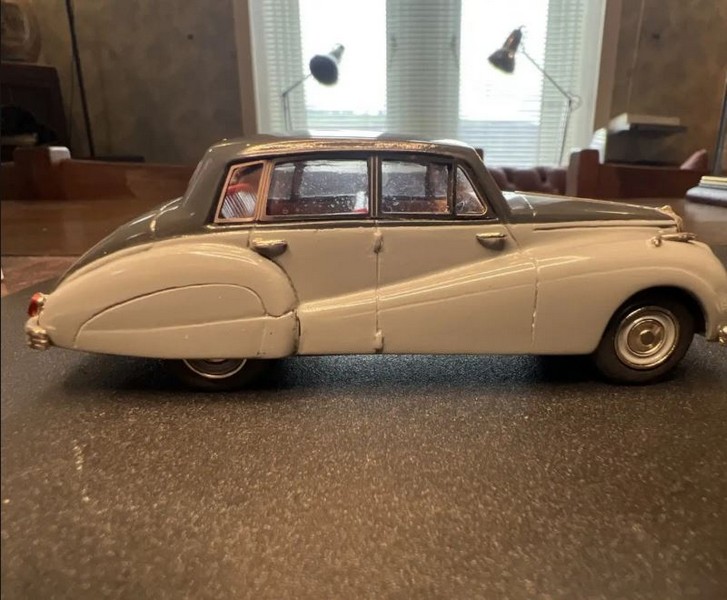
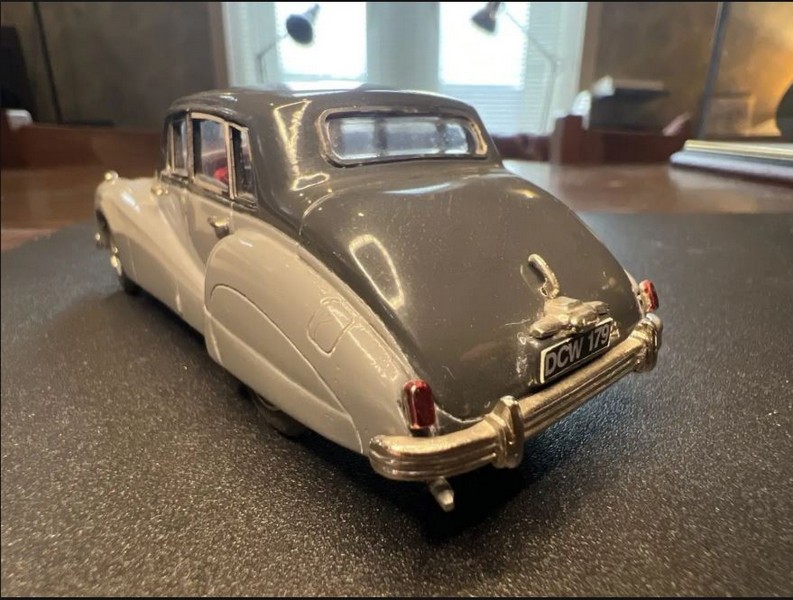
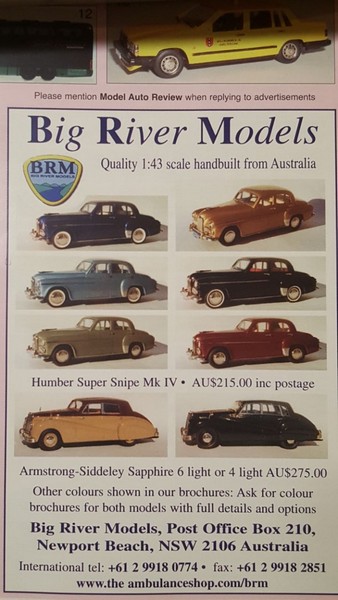
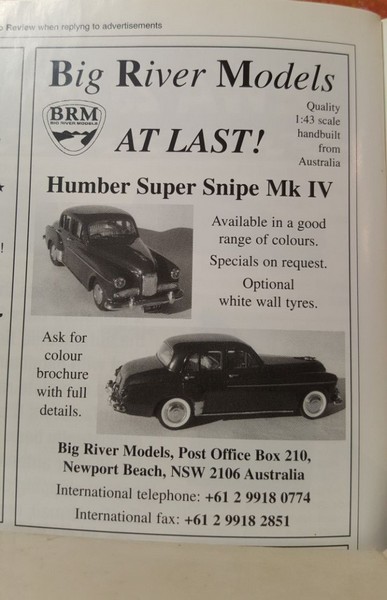
In 2005, the range of British cars was continued with the 1956 Humber Super Snipe Mk4, and in 2006-2008 came a period of Bristols.
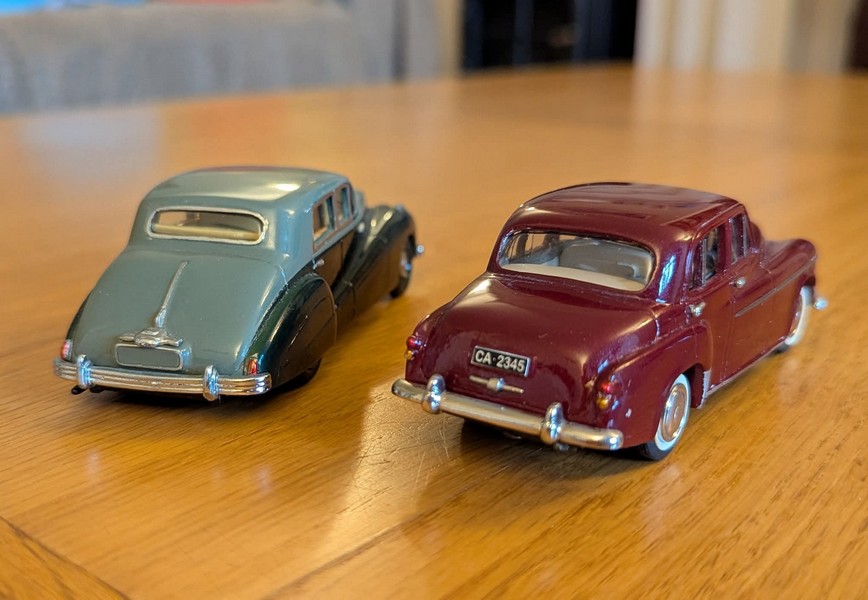
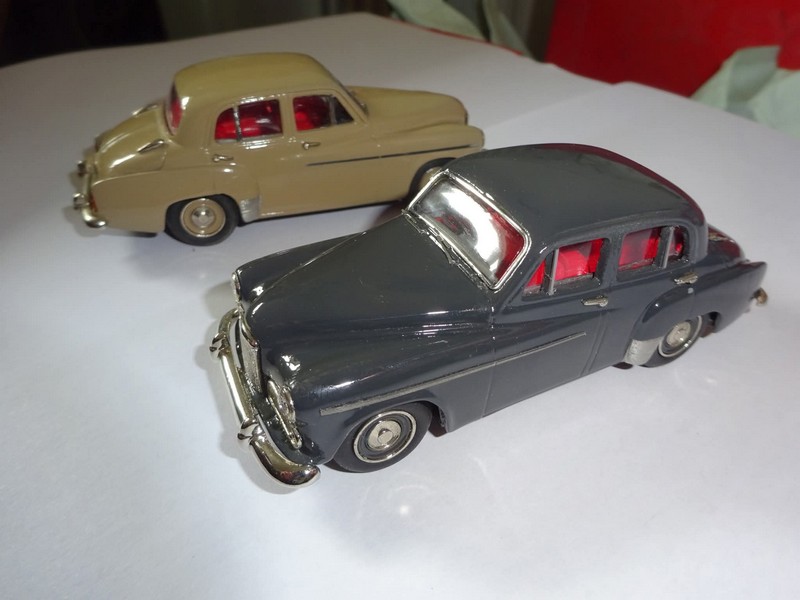
Initially, Mike Michalak made these Bristols for his Cheshire Scale Models brand in the early 90s. He acquired Pathfinder’s pattern of the 1948/53 Bristol 401/403 and asked Martin Field to create brass masters of the 402 and 404 models. Sadly, until bankruptcy and relocation to Australia in 1994, Mike was able to produce only a small batch of 401/403 models. In Australia, he planned to revive production of Bristols under the Premier Scale Models brand, but abandoned this idea, concentrating on diecast Ford and Holden pickups, which were made by his new company, Cadecott Miniature Models.
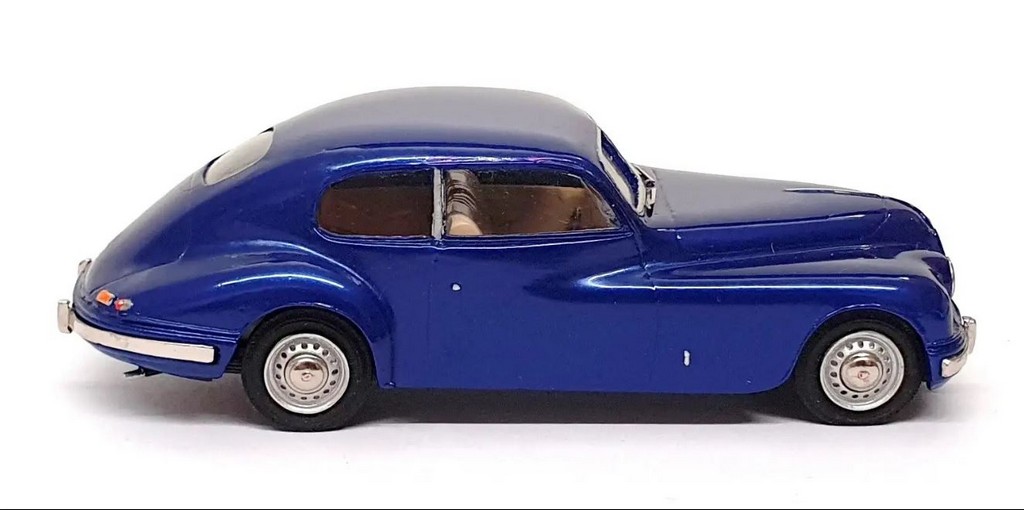
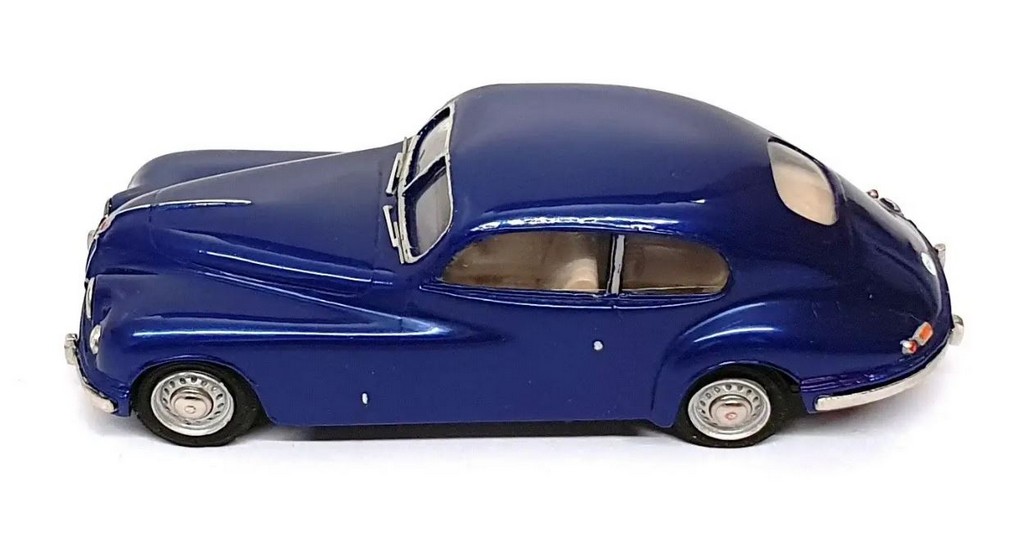
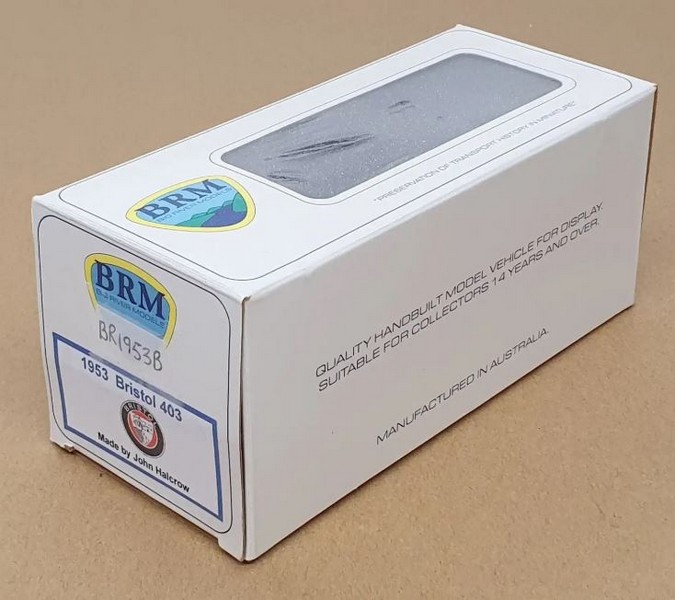
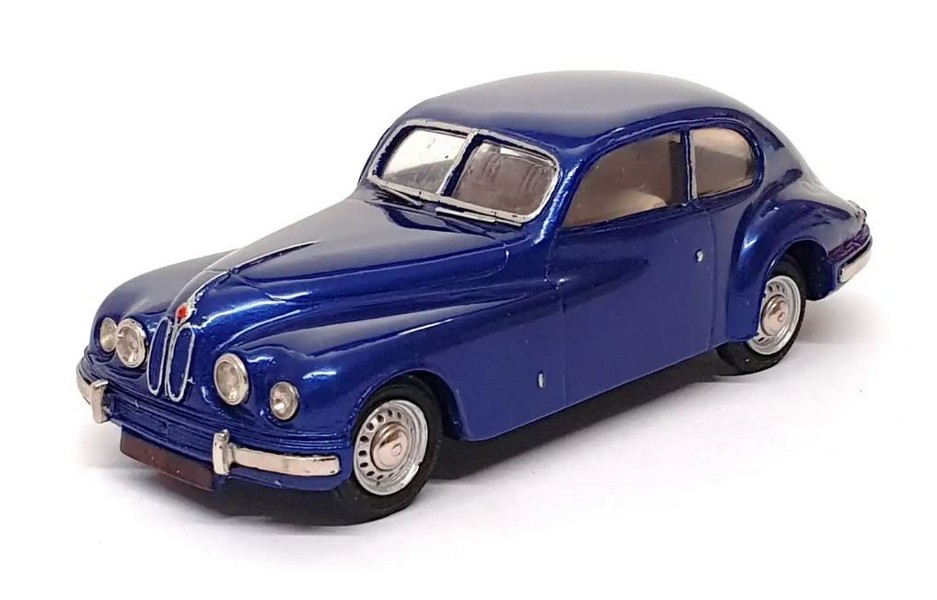
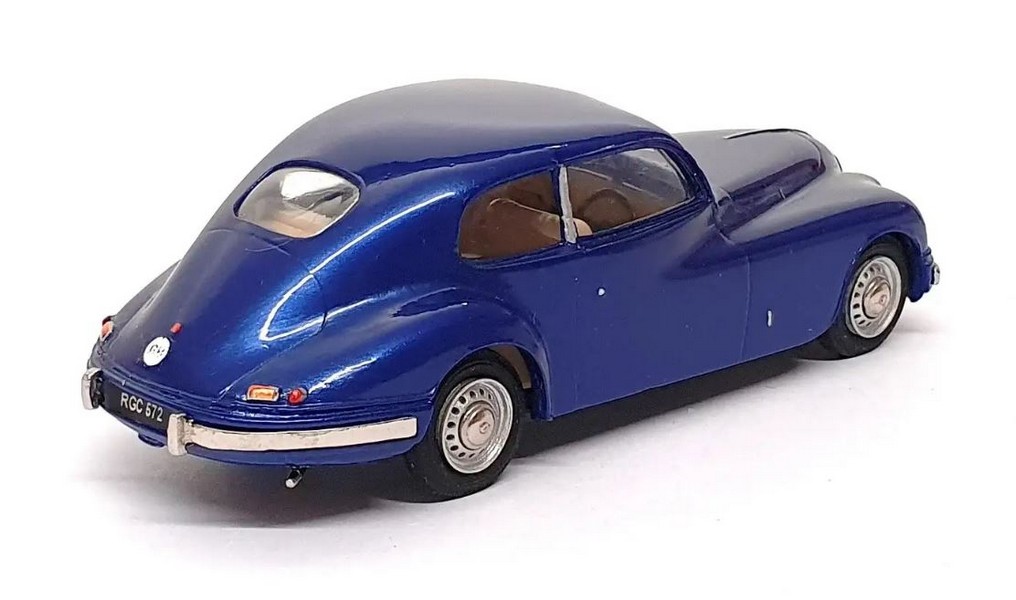
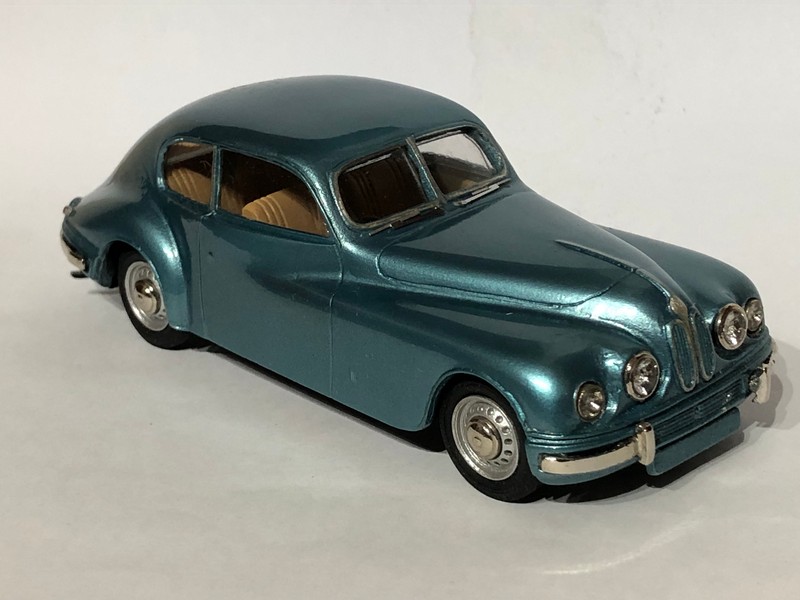
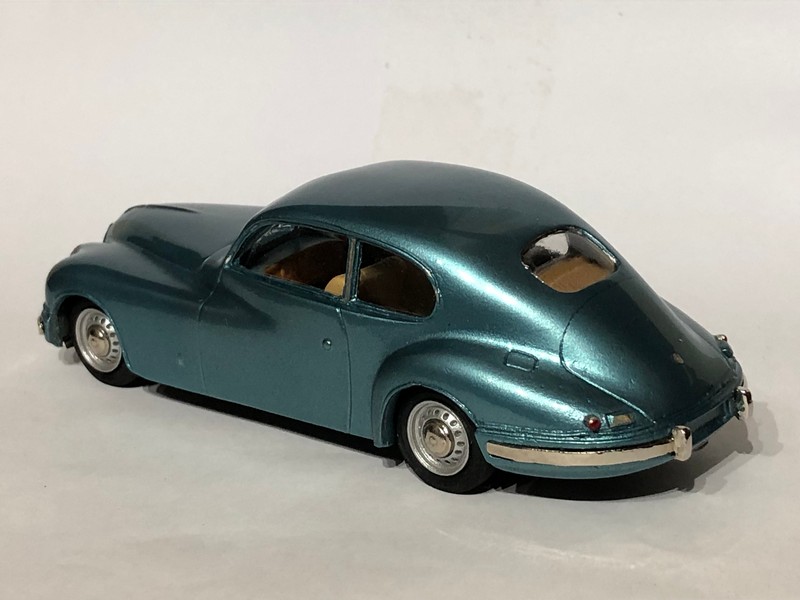
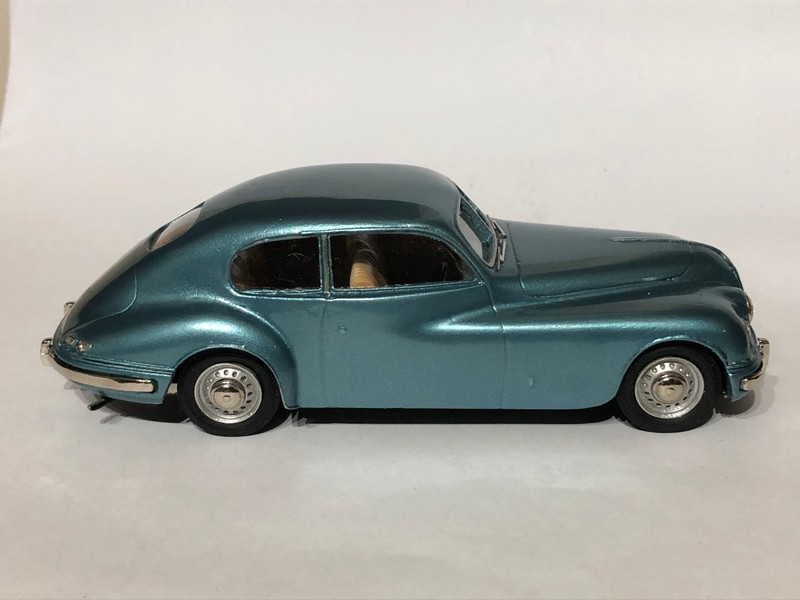
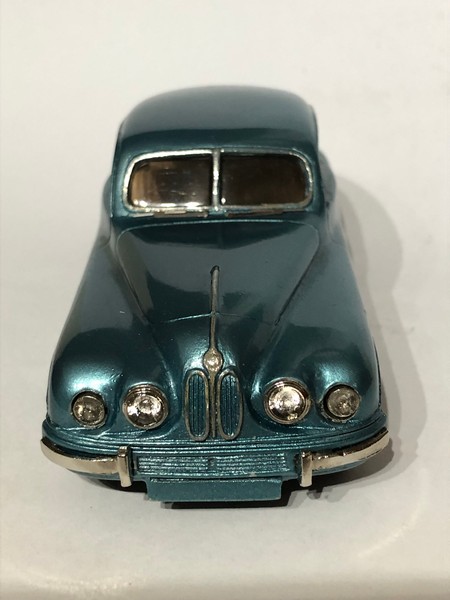
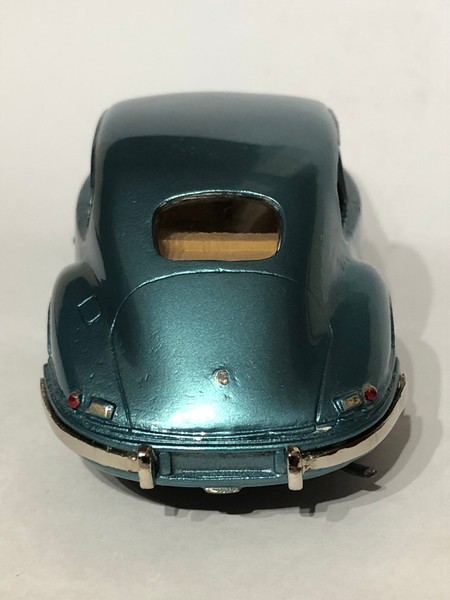
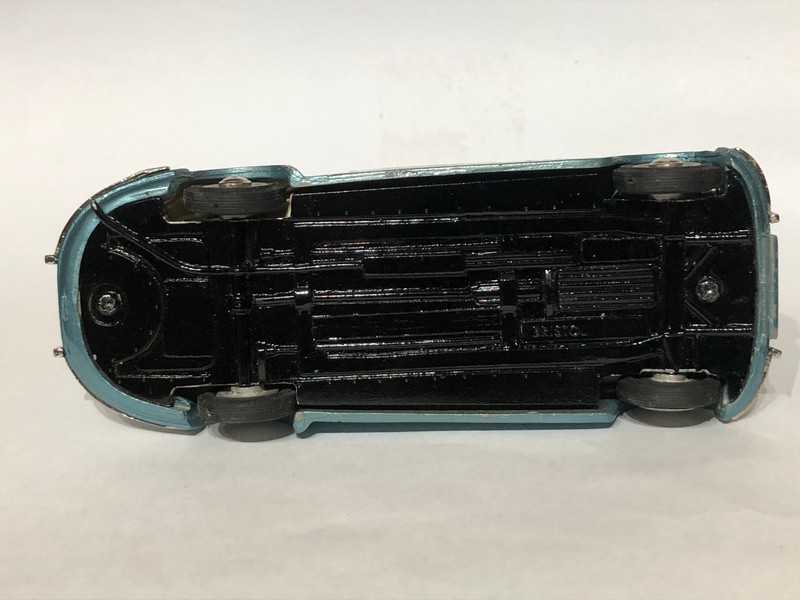
So, in the mid-2000s, John Halcrow purchased all the patterns of the Bristols and significantly reworked them for the BRM range, adding photo-etched parts, chrome window surrounds and resin headlights.
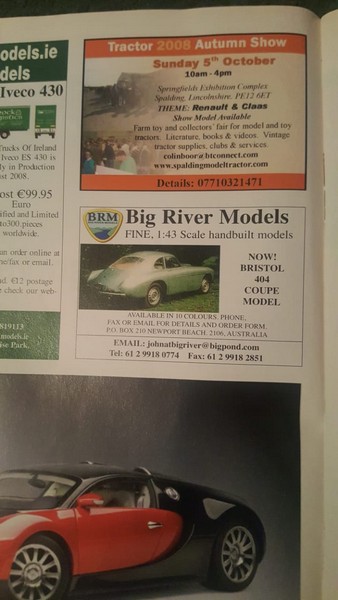
The Bristols 401/403, 402 Convertible and 404 were a huge success among collectors in the mid-to-late 2000s because there had been a really poor choice of 1/43 Bristols before. Only Tri-ang Spot-On and Pathfinder had paid attention to this interesting brand. But thanks to BRM, Bristol’s range was significantly increased.
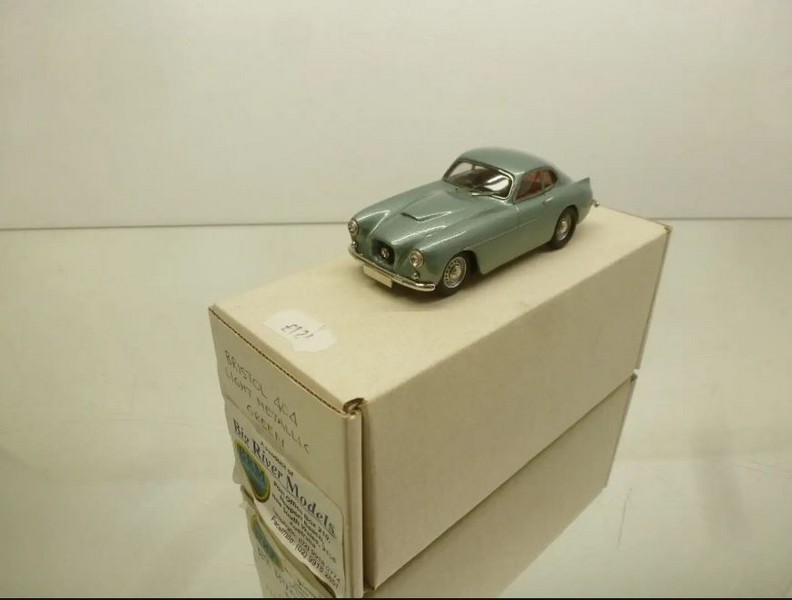
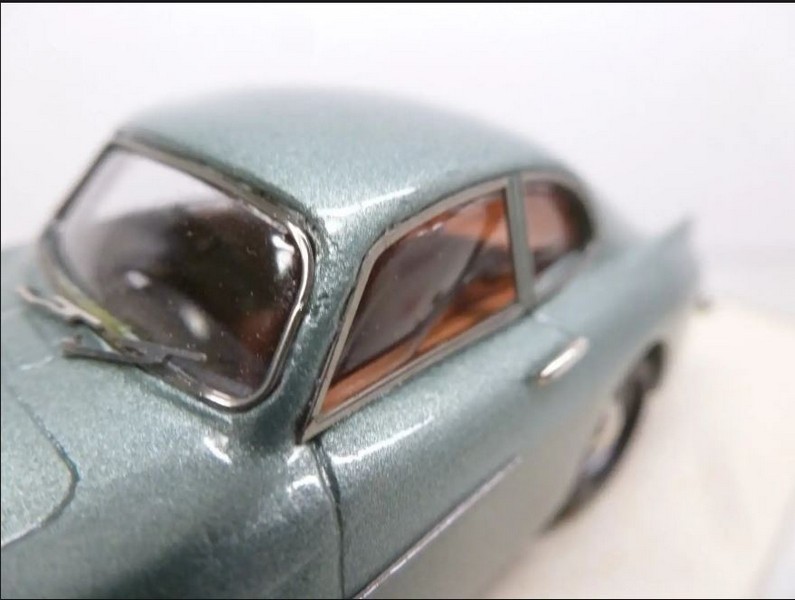
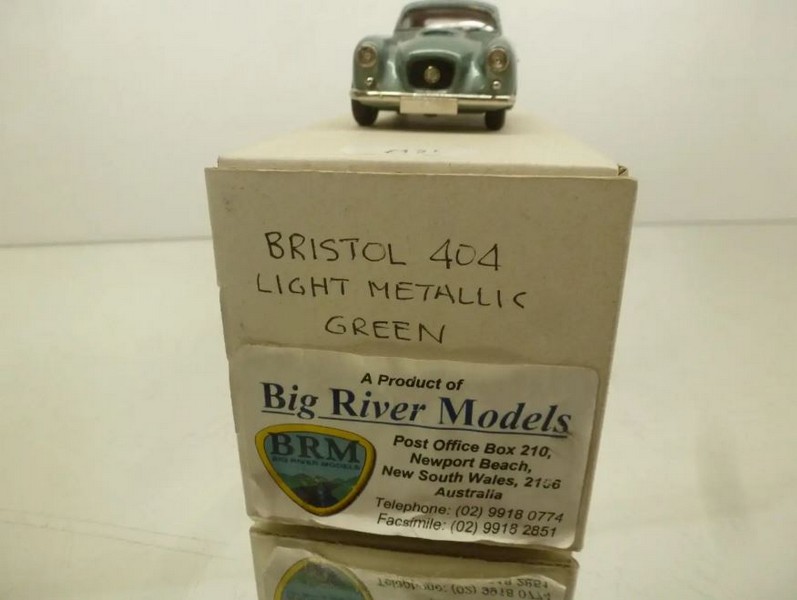
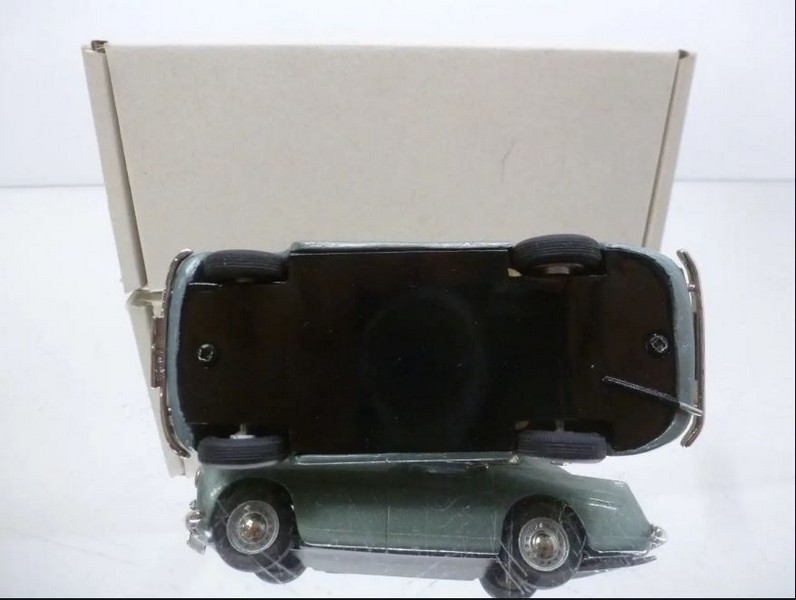
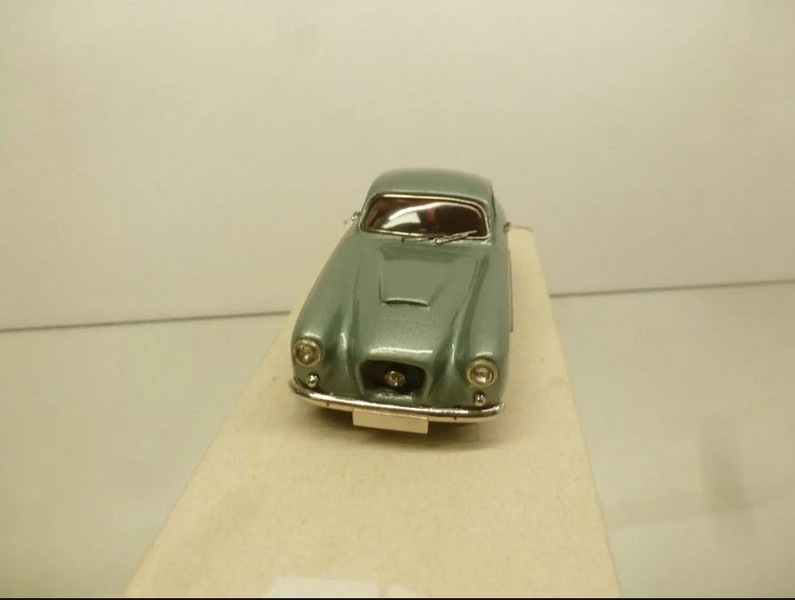
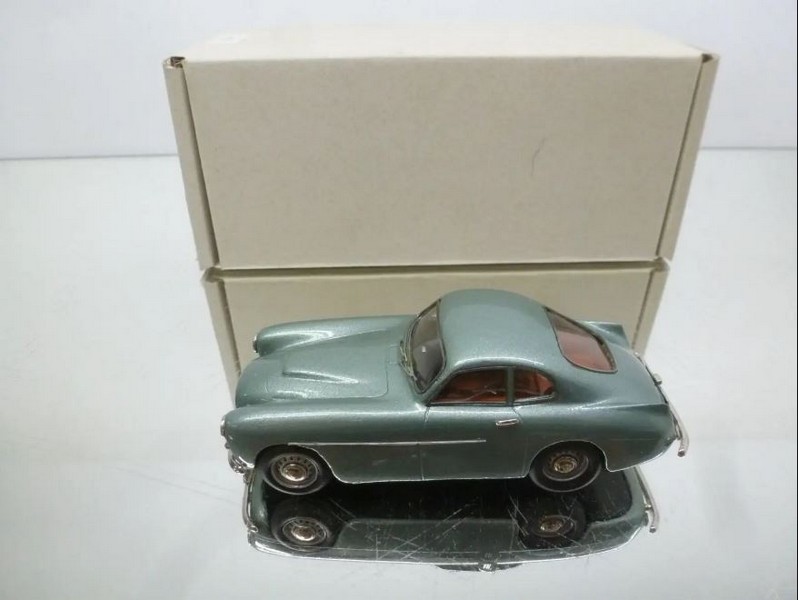
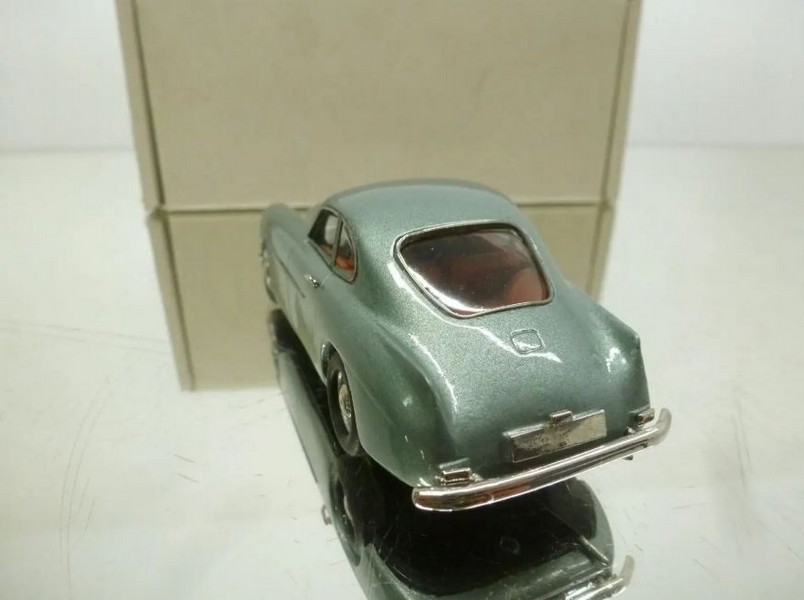
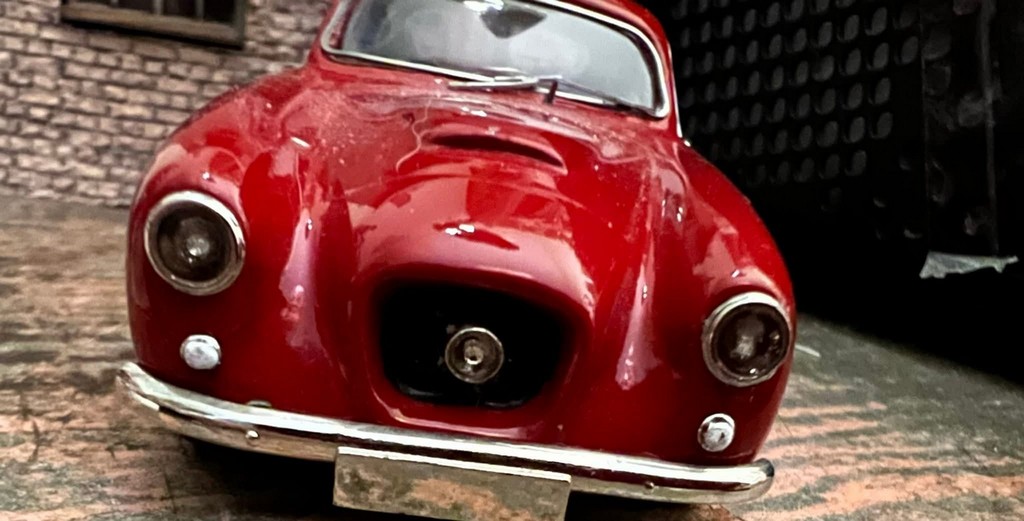
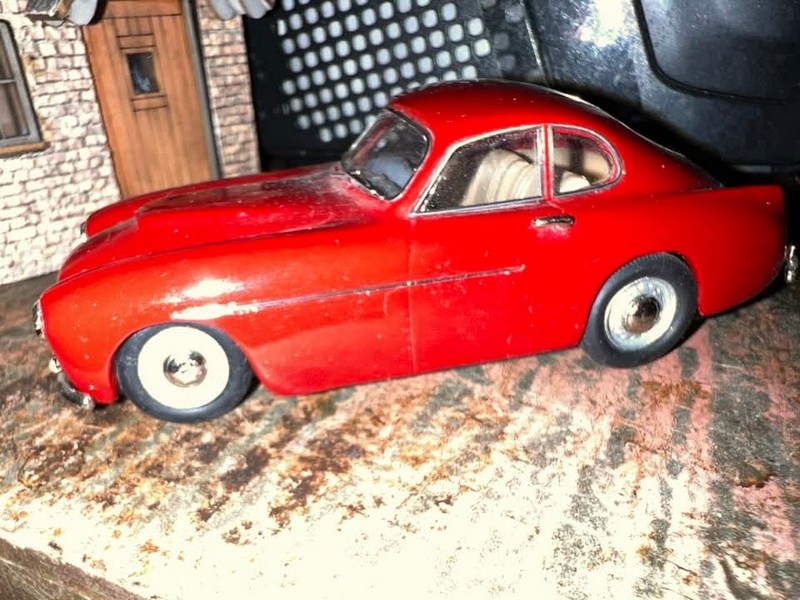
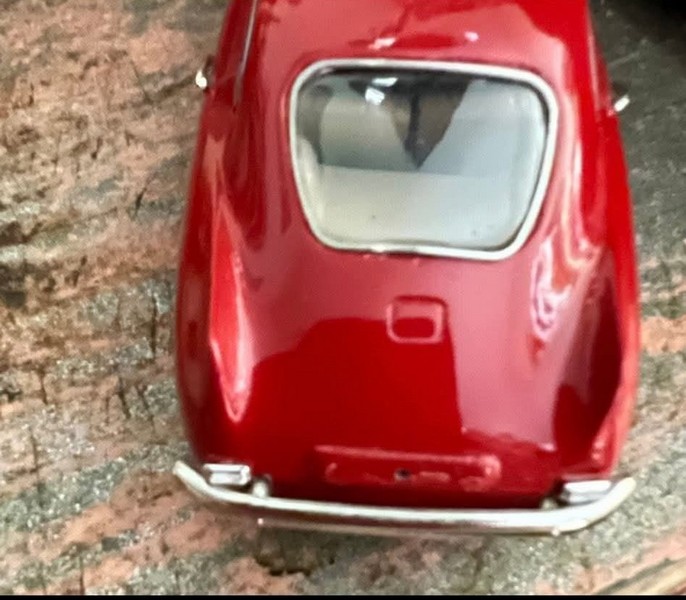
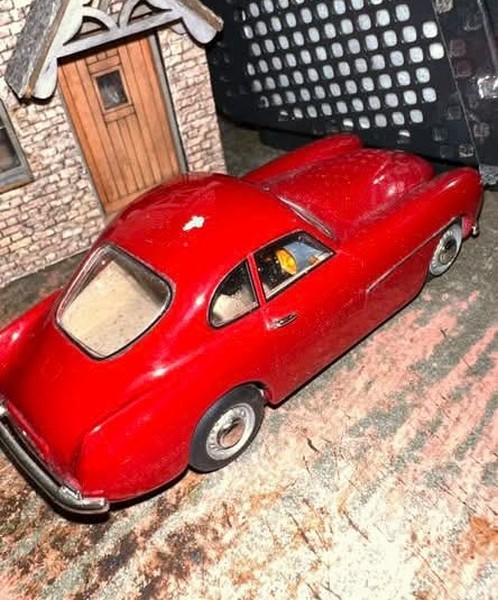
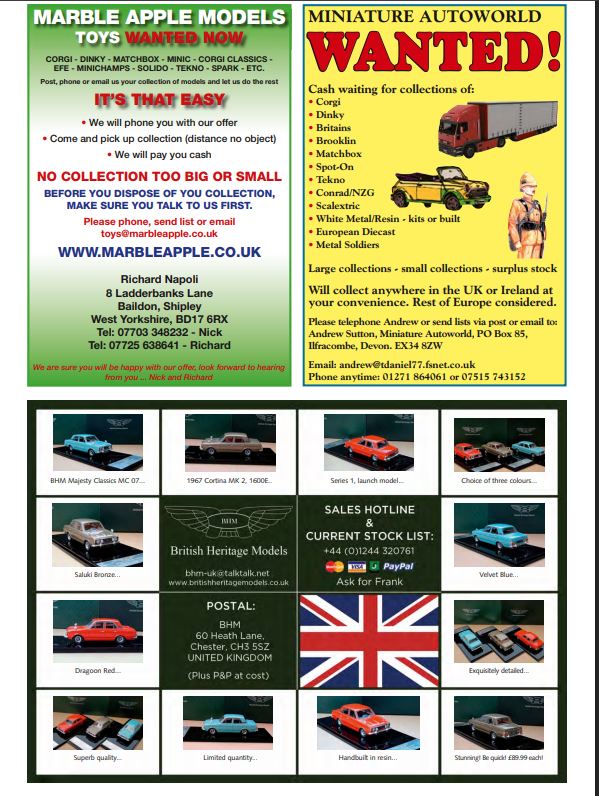
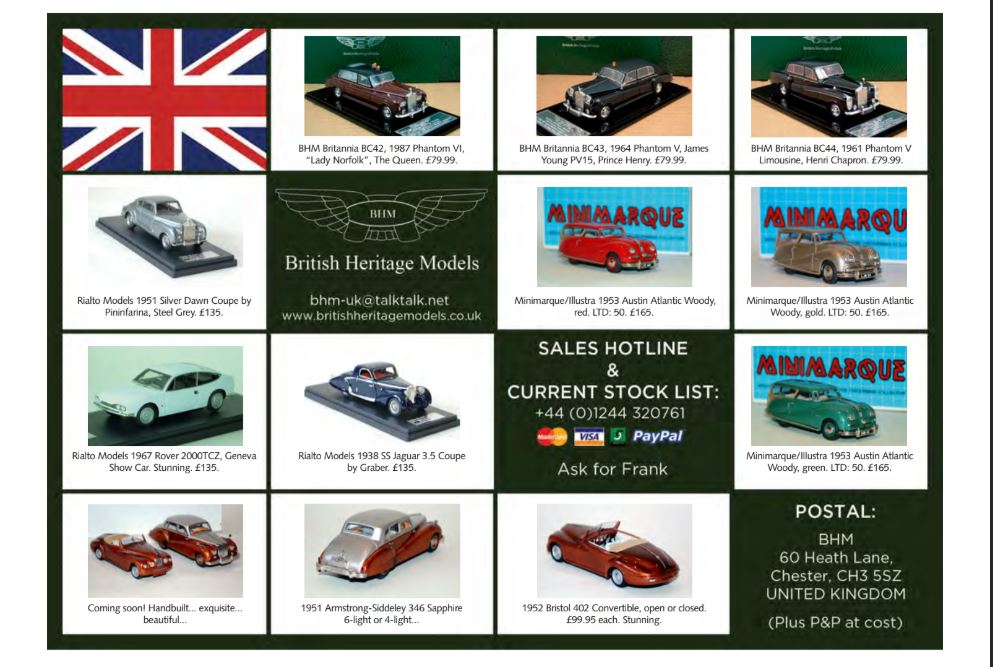
John regularly published ads in MAR and Model Collector magazines, and some dealers in the UK, like JM Toys and British Heritage Models, were selling his models.
Unfortunately, after 2008, the market for white metal models significantly dropped because resin models from China appeared. In 2012, Steve Overy passed away, and John lost a good friend and reliable production partner. He tried to make some of his previous models using resin and also released the 1946 Armstrong Siddeley Typhoon and the 1955 Armstrong Siddeley Sapphire Limousine. Both had resin bodies and white metal baseplates. By that time, John had reached the age of 80, and certainly it was very difficult for him to compete with Neo, Matrix and GLM. That’s why he had to stop production of scale cars.
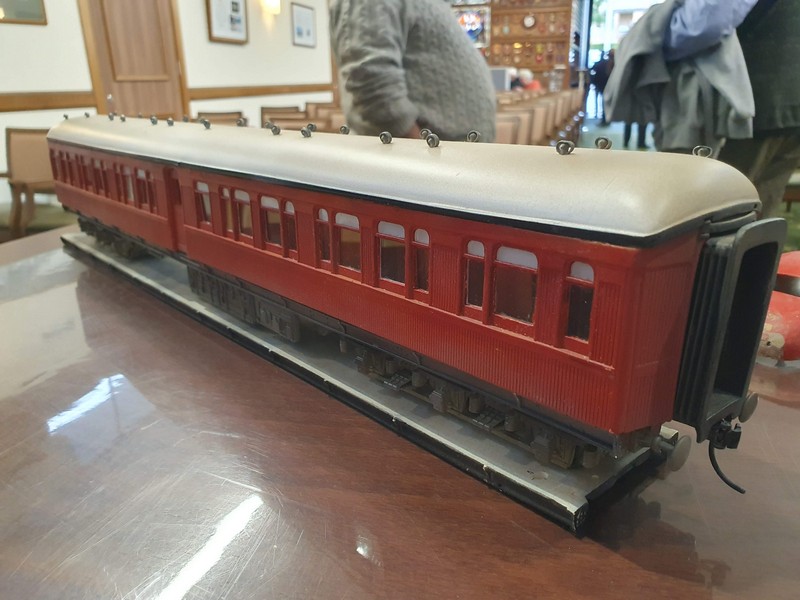
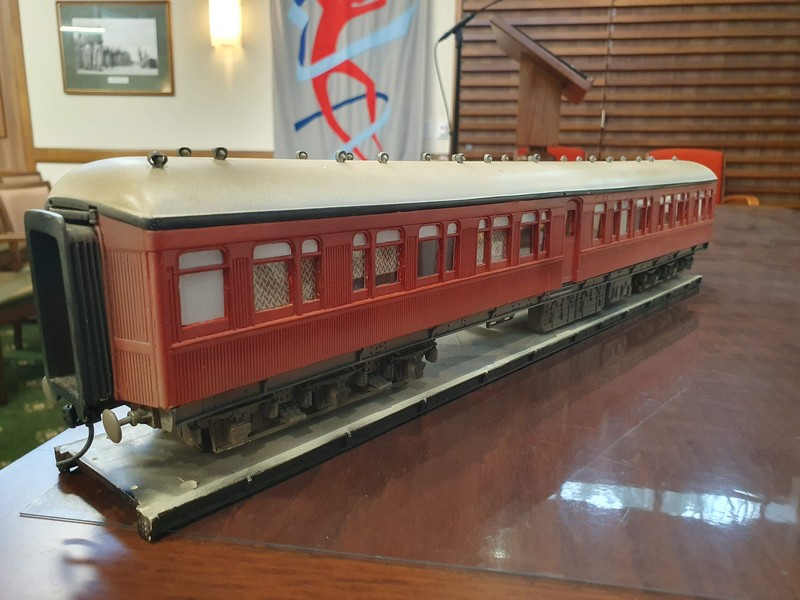
But he didn’t leave the model-building scene and switched to making O-gauge railway carriages. He used resin casting for their production and, in 2021, found a partner for 3D printing by contacting his former employer, Alan Walker.
John was making railway carriages until his death in 2024 at the age of 89. He made a very significant contribution to the model hobby, and we hope that this little article will help to keep the memory of this magnificent man alive.
Many thanks to Alan Walker, Bill Kenchington (Hunter Model Club), Charles Barnett and Roderick Forest for their help in making this article. Personal thanks to Albert Kopans, Nick Richardson, Roger Tennyson, John Roberts, Vladimir Krivosheev and Manuel Goikoetxea for their permission to use photos.
| Model | Material | Production country | Released |
|---|---|---|---|
| 1/76 Albion Sydney Double Decker bus | Resin / metal | Australia | 1995 |
| 1957 Buckle Sport Coupe | Resin / metal | Australia | 1996 |
| 1997 Holden Commodore VT | Resin / metal | Australia | 1997 |
| 1937 Chevrolet Utility | White metal | Australia | 1997 |
| 1971 Holden One Tonner HQ | White metal | Australia | 1998 |
| 1956 Ford Customline | Resin | Australia | Only pattern |
| 1953 Armstrong Siddeley Sapphire 346 4-window | White metal | UK / Australia | 2002 |
| 1953 Armstrong Siddeley Sapphire 346 6-window | White metal | UK / Australia | 2003 |
| 1956 Humber Super Snipe Mk4 | White metal | UK / Australia | 2005 |
| 1948/53 Bristol 401/403 | White metal | UK / Australia | 2006 |
| 1948 Bristol 402 | White metal | UK / Australia | 2007 |
| 1953 Bristol 404 | White metal | UK / Australia | 2008 |
| 1955 Armstrong Siddeley Sapphire Limousine | Resin / metal | Australia | 2010s |
| 1946 Armstrong Siddeley Typhoon | Resin / metal | Australia | 2010s |

