
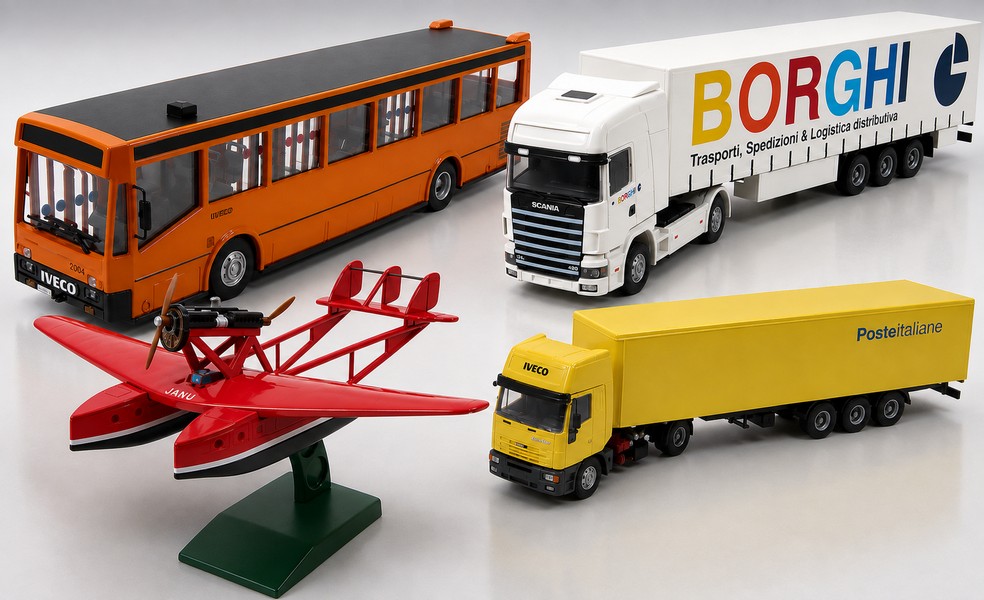
Terza parte della storia della Old Cars, a cura di Fedor Eliseev e Marco Nolasco. Le prime due puntate sono disponibili a questi link: https://pitlaneitalia.com/2026/05/12/old-cars-story-part-1/ e https://pitlaneitalia.com/2026/06/10/old-cars-story-part-2/
by Fedor Eliseev and Marco Nolasco
By the early 1990s, Old Cars had become a leading manufacturer of truck and bus models, not only in Italy but also in Europe. Working directly with Iveco, the company was discussing potential new models with the corporation in order to develop new model ranges.
Iveco 190 Turbo and Turbostar continued to be produced, but in the early 1990s Luigi and Gisella added new generations of Iveco trucks: Eurotech, EuroTrakker and Eurostar.
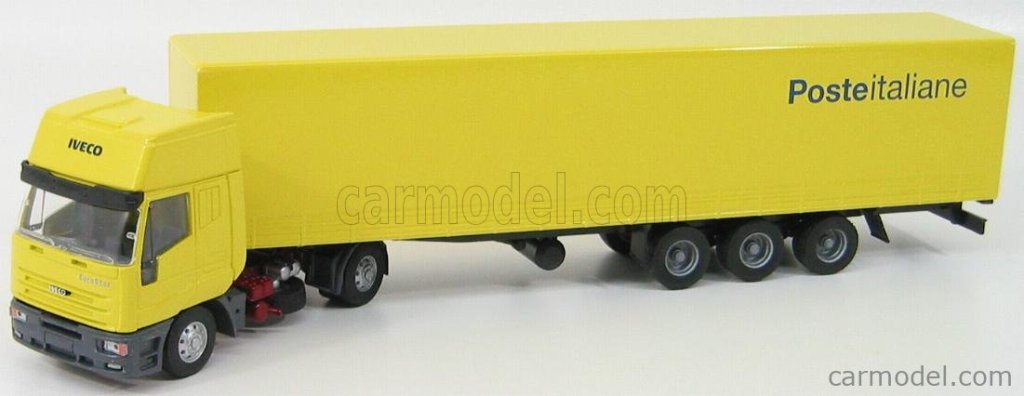
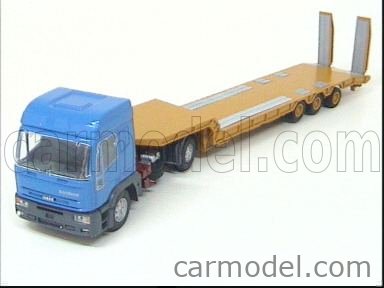
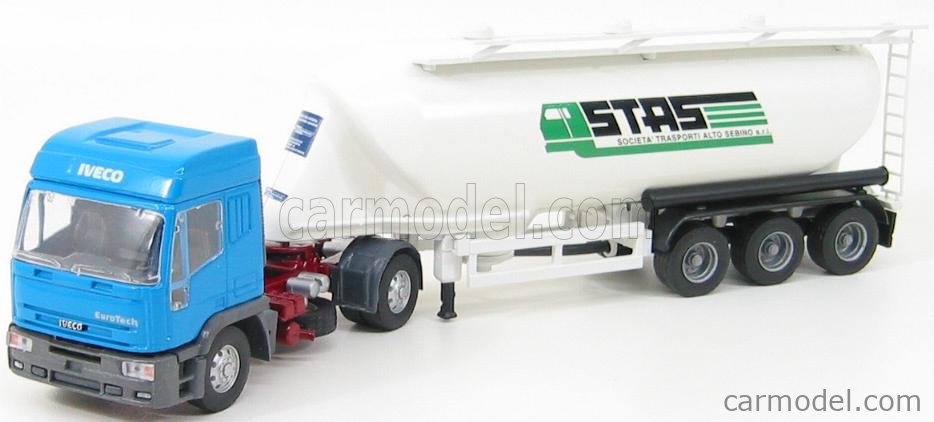
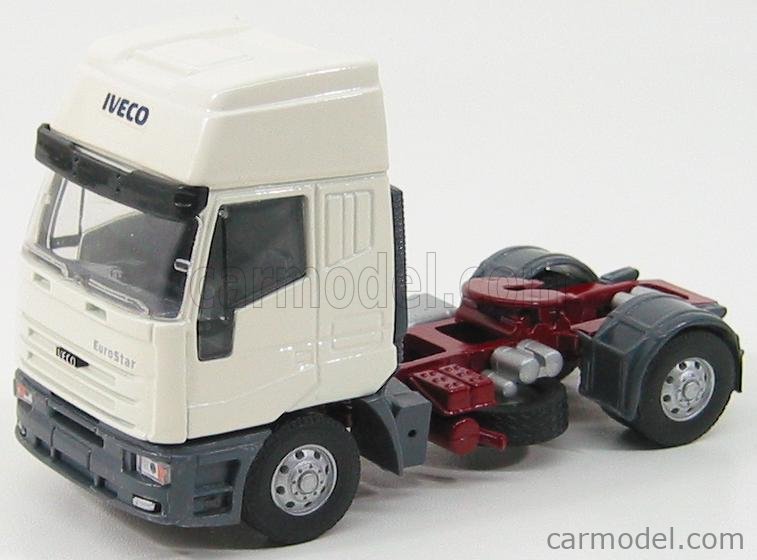
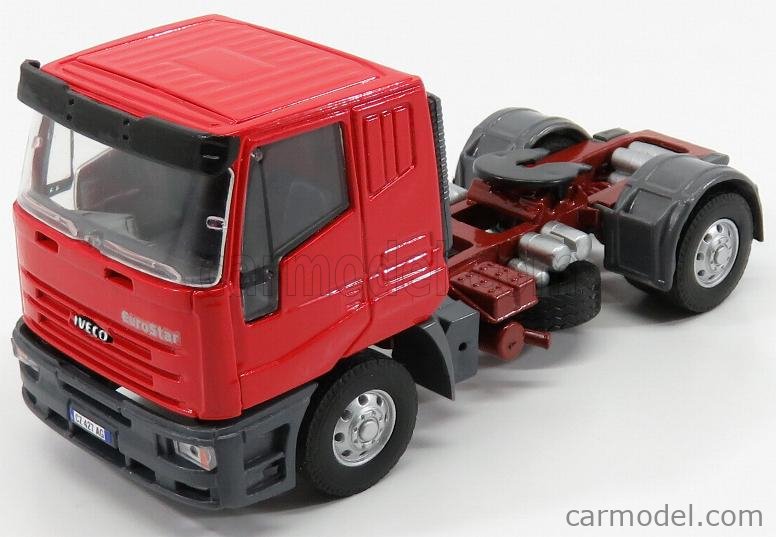
Released in 1992, the Iveco Eurotech was equipped with a cabin borrowed from the Eurocargo. This range was available in chassis and tractor forms and occupied the middle sector, with a weight of 18–26 tonnes. The Eurotech had three versions – MT, MP and HM – and was equipped with 6-cylinder turbodiesel engines.
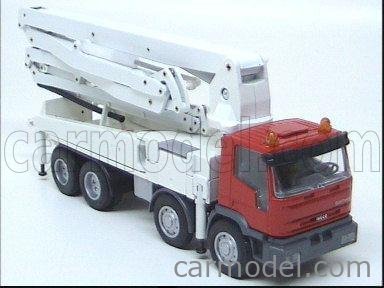
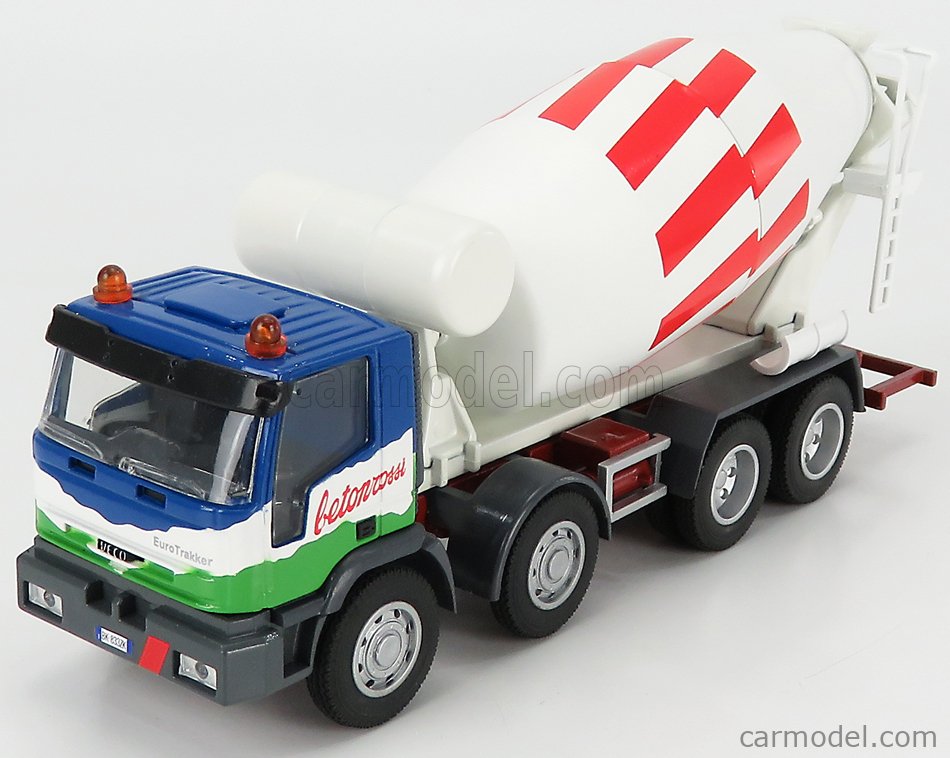
The main purpose of the EuroTrakker series was construction work. These trucks were based on improved MP chassis and had spring suspension. Their total weight with equipment could reach 72 tonnes. Old Cars reproduced the heaviest 8×4 and 8×8 variants in cement mixer and crane-lift forms.
The Iveco Eurostar was the top series in the 1990s. These chassis and tractors were available in 4×2, 6×2 and 6×4 variants.
Of course, the Eurotech, EuroTrakker and Eurostar ranges had many common features, such as cabins and engines. Iveco used a modular method in their production, which led to the optimisation of production and service processes.
Old Cars offered these miniatures in two basic cabin variants – with high and low roofs. Tractors were available in plenty of variants, as with their predecessors. With the new generation of trucks, Iveco asked Luigi and Gisella not to use opening parts anymore. So the models received precision-moulded cabins and rear-view mirrors which had to be fixed by the customer. This was done to avoid damage during transportation.
The packaging was also changed – the company abandoned the acrylic display cases and started using polystyrene and grey cardboard boxes. Some time later, the grey cardboard box was replaced by a stronger white cardboard box.
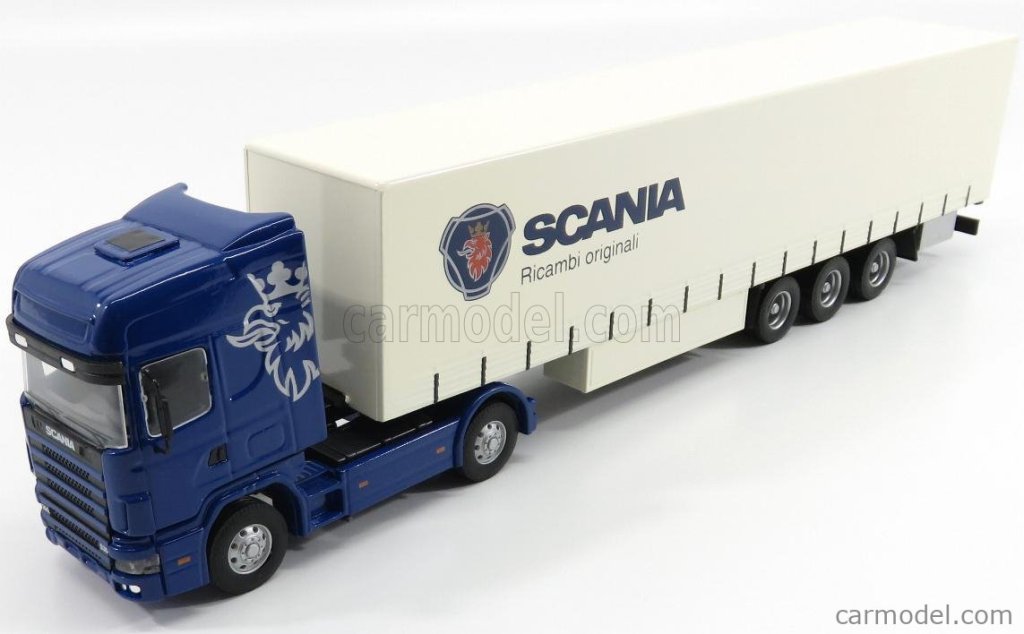
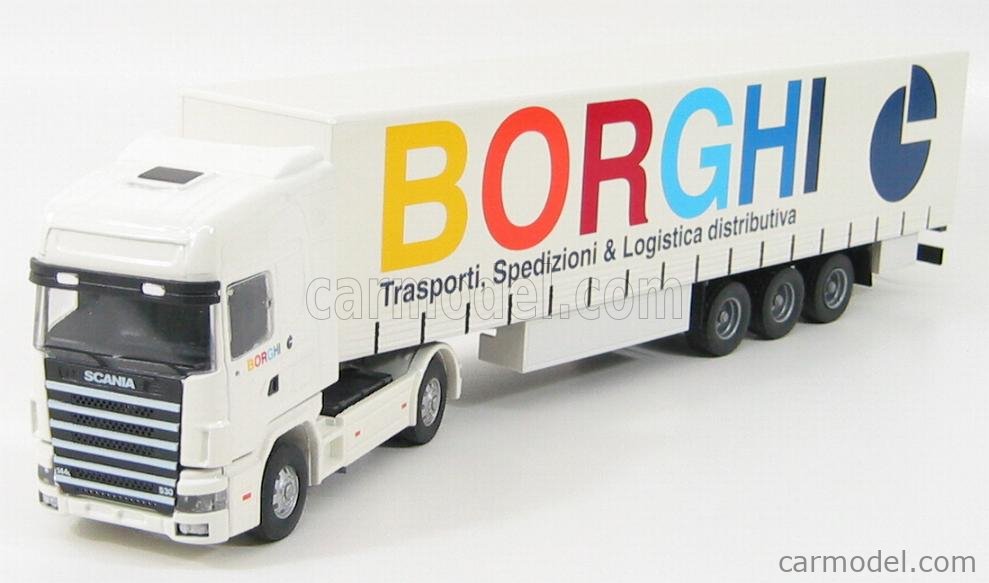
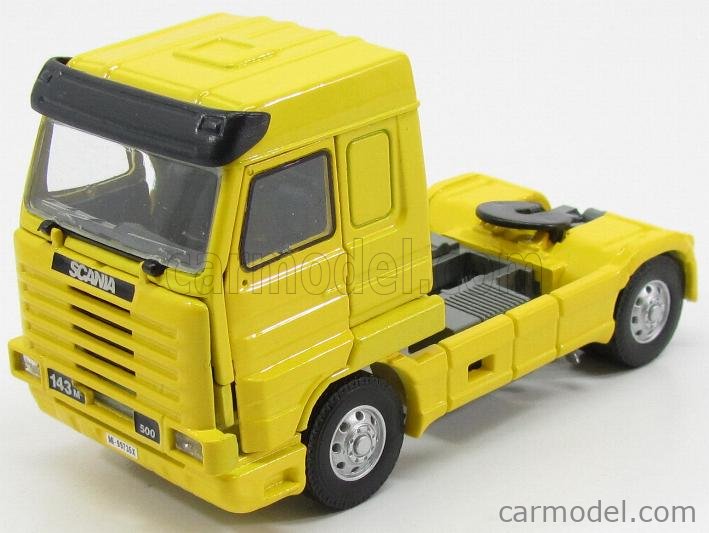
Working directly with Iveco in the beginning of the 1990s, Old Cars received an order from the Italian division of Scania Trucks, which asked them to reproduce Scania 143 tractor trucks. Released in 1987, it is also known as the Scania 3-series and became one of the most iconic trucks in Europe. In 1989, it became Truck of the Year. The Scania 143 was available in many versions, but Old Cars reproduced the most powerful M 500 modification according to the order. This version was equipped with a V8 500 h.p. engine. It was very interesting that the model had opening doors and a bonnet underneath. Two variants of the cabin were produced – with and without a roof spoiler. Except for the 4×2, the company also made 6×4 versions. The model was released in 1992.
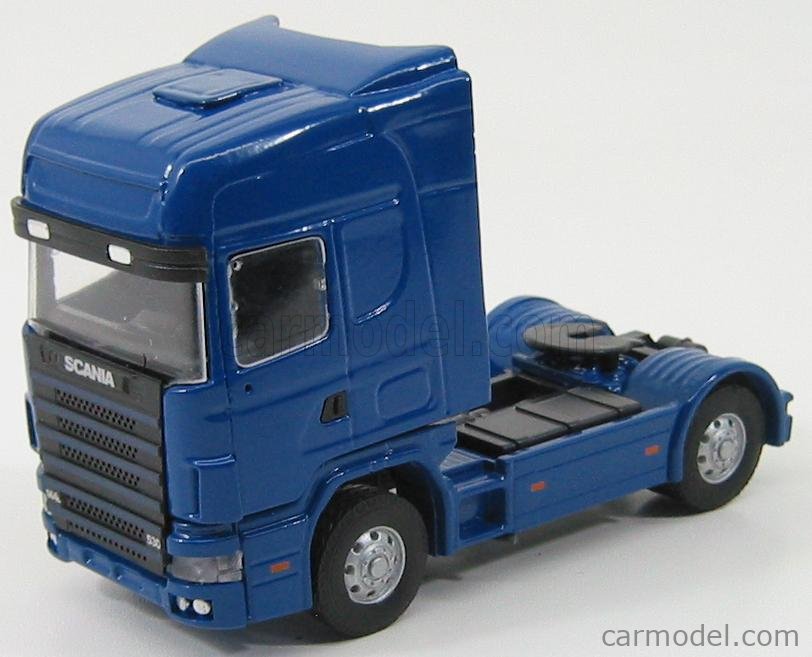
The Italian division of Scania was very pleased with this model and continued its collaboration with the company from Torino. In 1995, the Scania 143 was replaced by the 144, and in that year the 1/43 replica was almost ready. It no longer had opening parts, but the new aerodynamic design of the cabin was reproduced very accurately. Old Cars modelled one of the most powerful 144L 530 modifications.
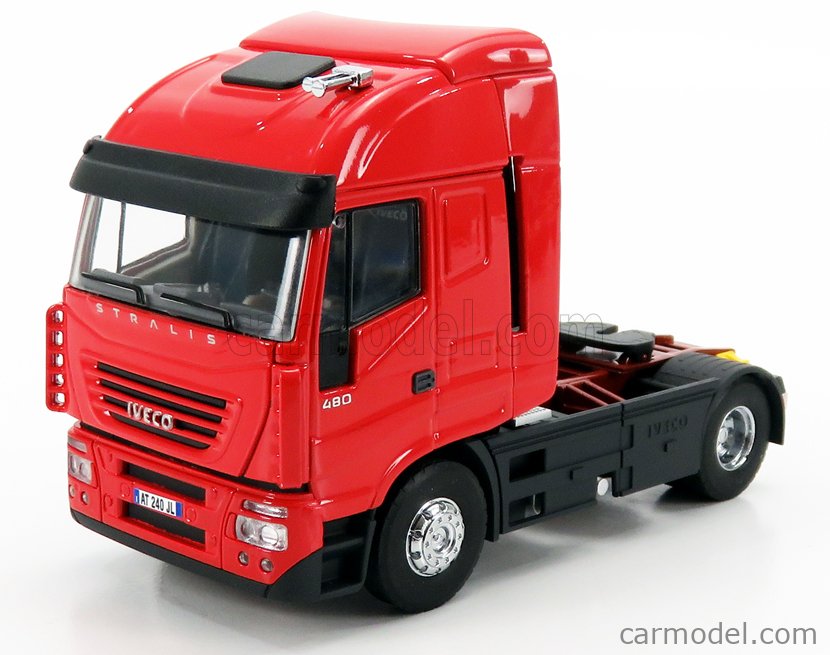
During the 2000s, when Iveco started production of new ranges of trucks, Gisella and Luigi followed their partner, launching such models as the Cursor and Stralis.
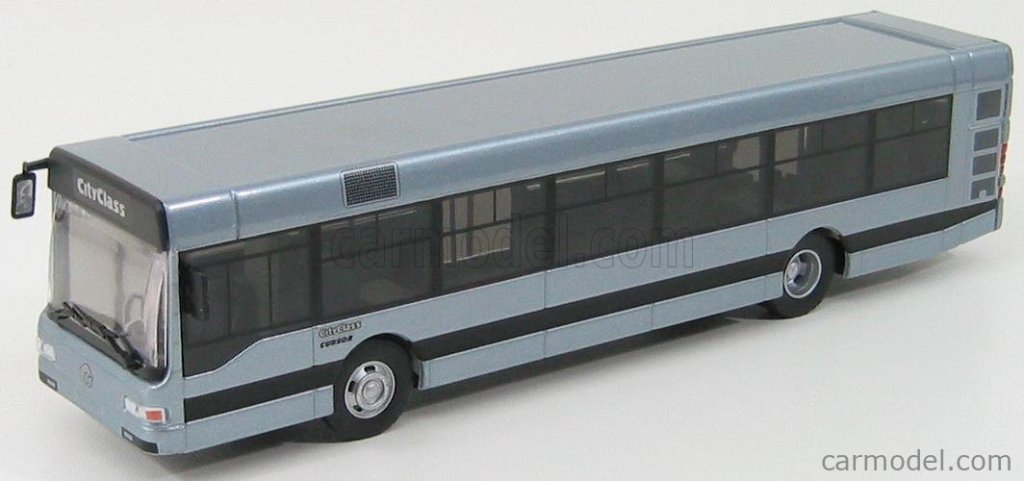
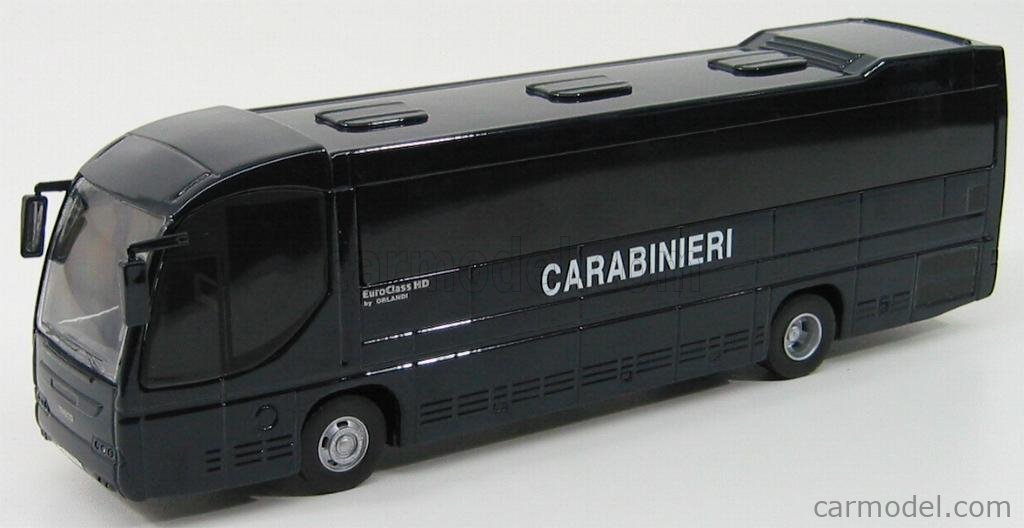
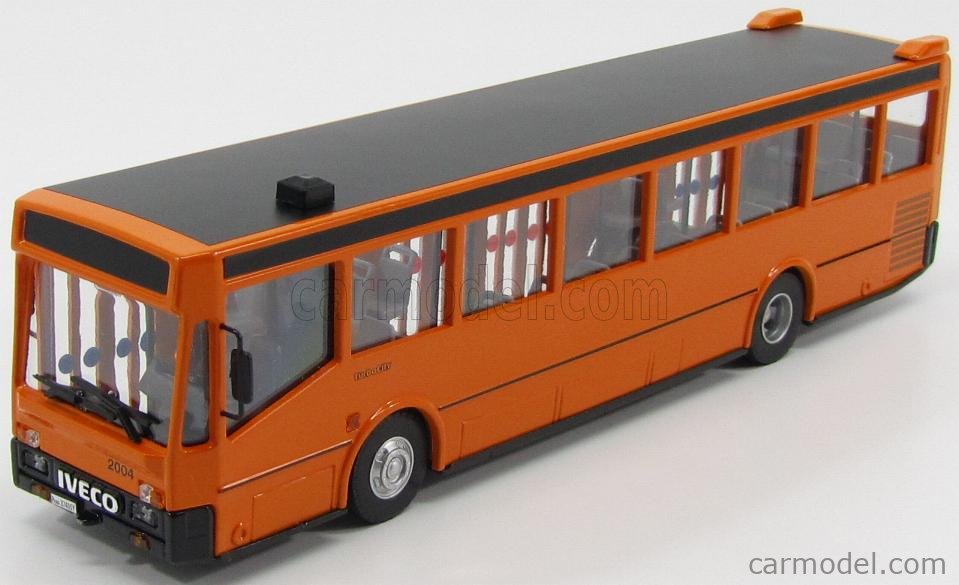
They did not forget about the bus sector, which had good demand among transport companies and some collectors. A range of buses was expanded with models of the Padane MX (1991), Iveco Euroclass 380 (1992), Iveco Cityclass and Domino (1995), Palladio Dallavia for Officine Dallavia (1996), etc. There were different city, suburban and intercity machines.
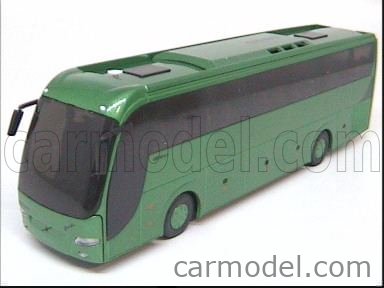
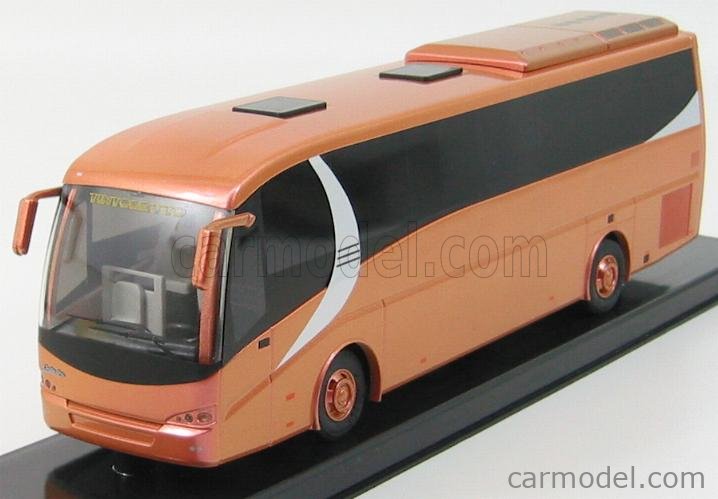
During the 2000s, Old Cars increased its bus section with the Volvo Genesis, made by order of the Volvo division in Italy, Tintoretto Dallavia and Irisbus.
Besides standard transport companies’ liveries, special versions such as emergency services vehicles and Ferrari and Alfa Romeo team vehicles were produced.
By making a huge selection of trucks and buses, Old Cars was opening new segments of the market. One of the most successful decisions in the early 1990s was the design and production of car racing transporters. This is a very interesting topic which needs a special review, so an article about Ferrari racing transporters will be published in the foreseeable future.
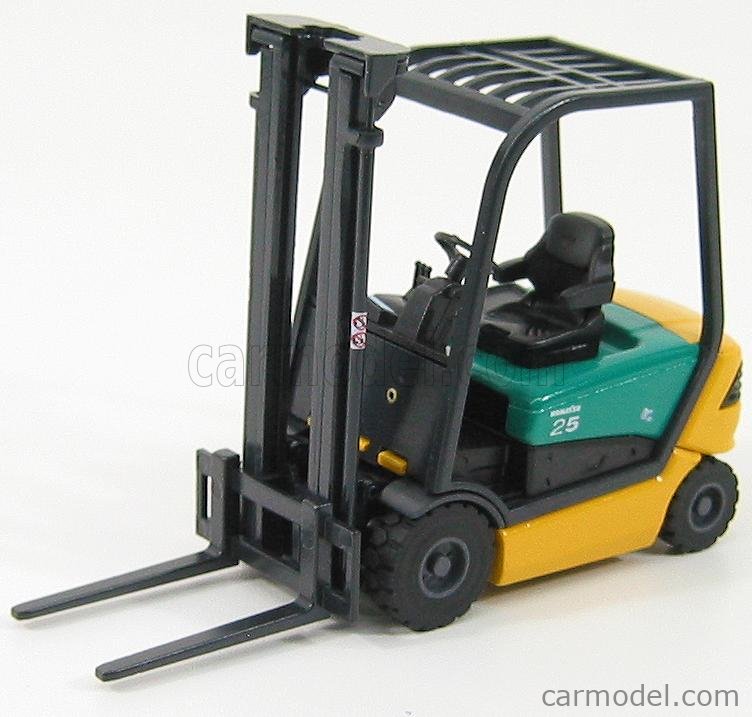
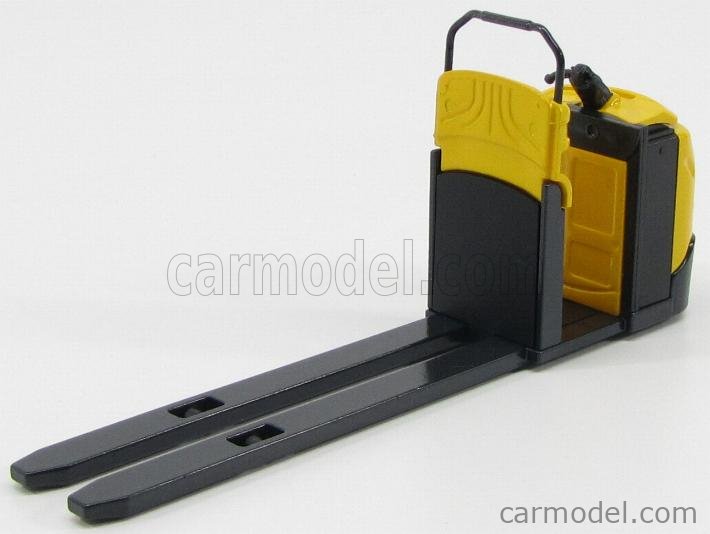
Besides the production of trucks and buses in 1/43 scale, the Castellani family was making other interesting models to special order. For example, Old Cars released a series of educational and exhibition models such as engines, production-line robots, special factory transport vehicles, etc. The latter direction became significant because the company received many orders. A big order for the production of lift trucks came from the FAI company in the mid-1980s. They chose 1/25 scale and a red colour. In 1988, FAI started a collaboration with Komatsu, and the models changed their colours and acquired the name FAI Komatsu. In 1996, Komatsu became the 100% owner of the company and continued ordering miniatures in 1/20, 1/25 and 1/32 scales under its own brand from Old Cars. Their main purpose was advertising and promotion.
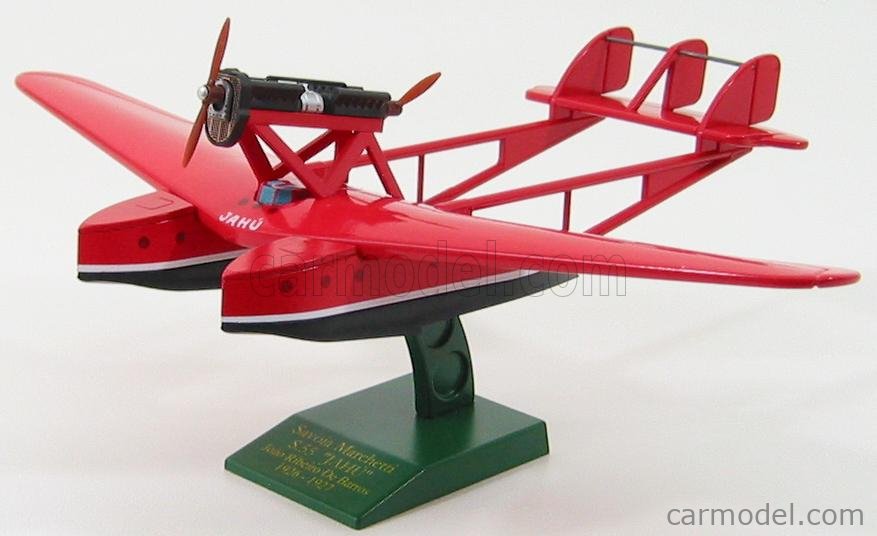
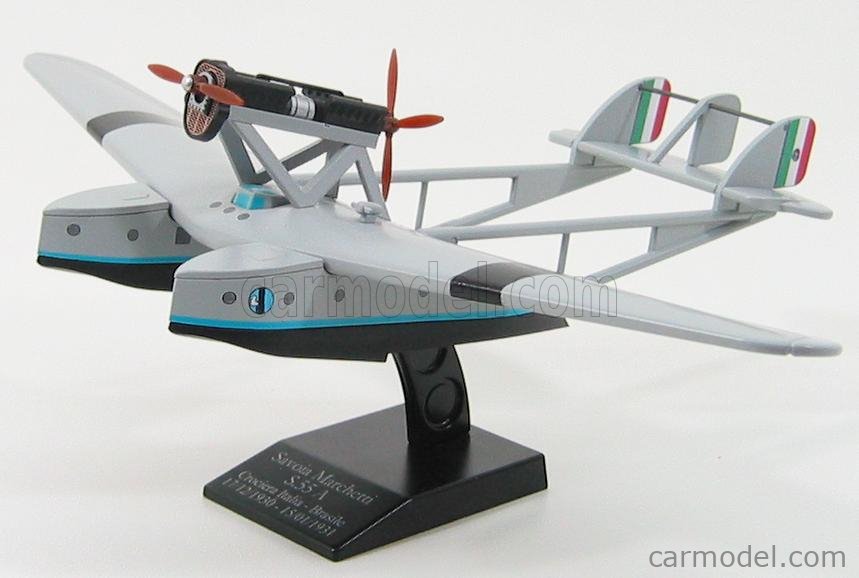
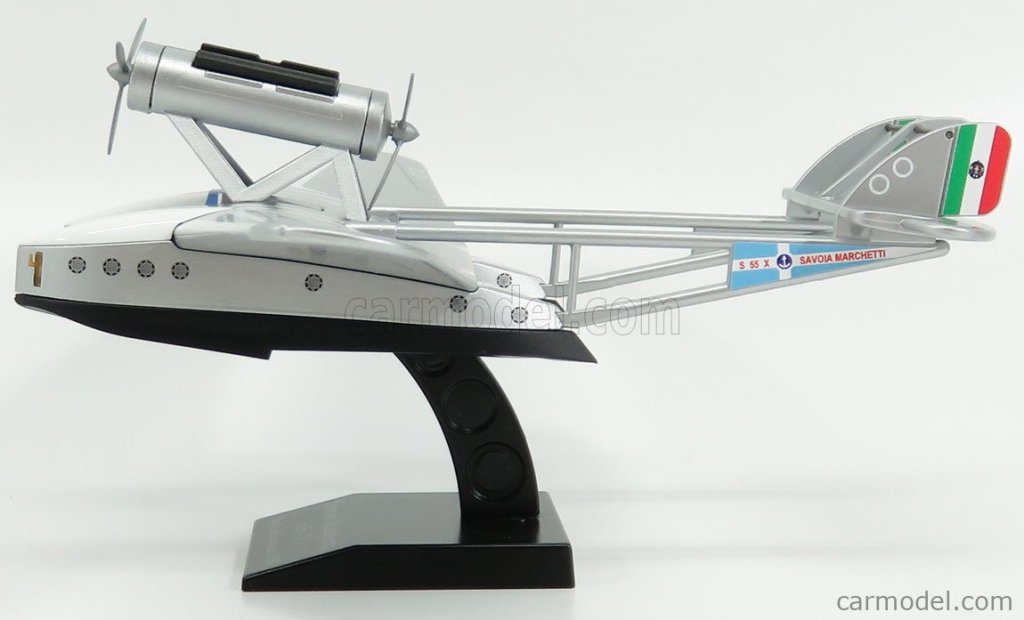
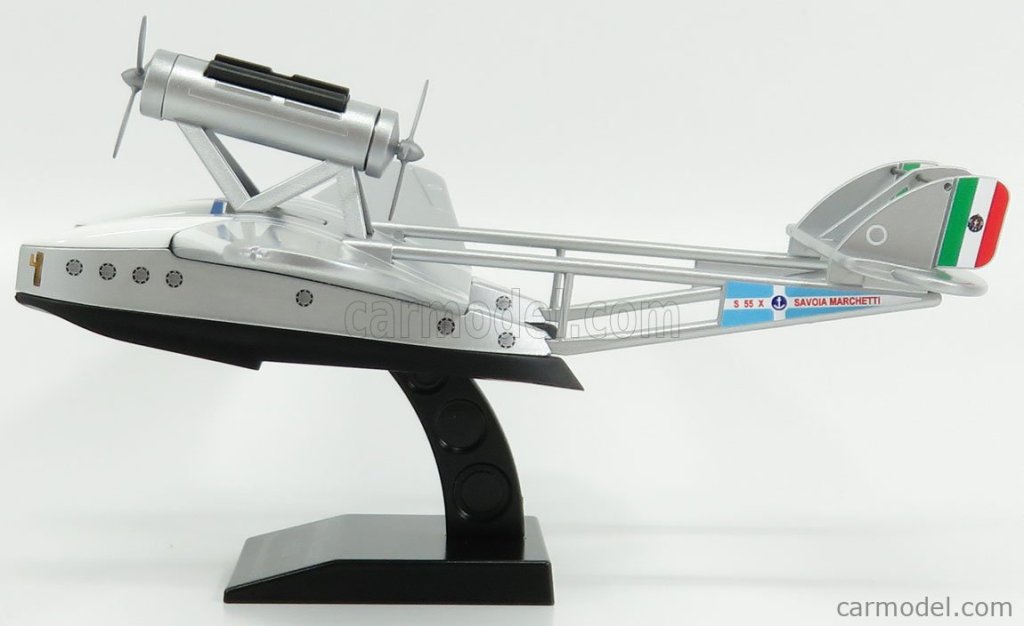
Another interesting page in the history of Old Cars is the creation and launch of models of Savoia Marchetti aircraft. In 1997, SIAI Marchetti – a famous Italian aeronautical company – closed its activities. Former employees decided to preserve the memory of their company and asked the Castellani family to reproduce some of its most significant models. They chose the S.55 and SM 79 models.
The incredible flying boat Savoia Marchetti S.55 was reproduced in 1/96 scale and had many liveries. The most widespread were the S.55 1926 and 1930 Italia–Brasil and the S.55X Transatlantic.
The Savoia Marchetti SM 79 bomber was made in 1/72 scale.
In the 2000s, things changed significantly for Old Cars. Luigi and Gisella Castellani retired and their son Alessandro became the head of the company. This period was not simple because many manufacturers operating in the Far East appeared. Iveco started placing orders with Eligor, which had relocated production to China, while other manufacturers such as Minichamps and Ixo also started operating in the commercial vehicle sector. Sales dropped and Old Cars had to find ways to survive. Rio Tattarletti, head of Brumm, offered a brilliant idea: to produce Ferrari and Maserati racing transporter sets. These sets consisted of Old Cars transporters and racing cars by Brumm. Customers were very pleased with them and demand was high. At the same time, the company continued production of trucks and buses based on current moulds, but no orders for the design of new models came.
The end of the 2000s and the 2010s was a very difficult time for model manufacturers still producing miniatures in Europe. Most of them had to stop their businesses because there was no chance of competing with partworks from China. Sadly, Old Cars did not survive under the new conditions and stopped its activities in 2023.
Nowadays, most trucks and buses are produced by Ixo, which makes them for different partwork series. There is a huge choice, but many years ago Old Cars produced models which were more innovative and had more soul.
Many thanks to Gisella and Alessandro Castellani for their help in writing this article, and to the Carmodel store for permission to use photos for illustrations.


2 pensieri riguardo “Old Cars story – part 3”