
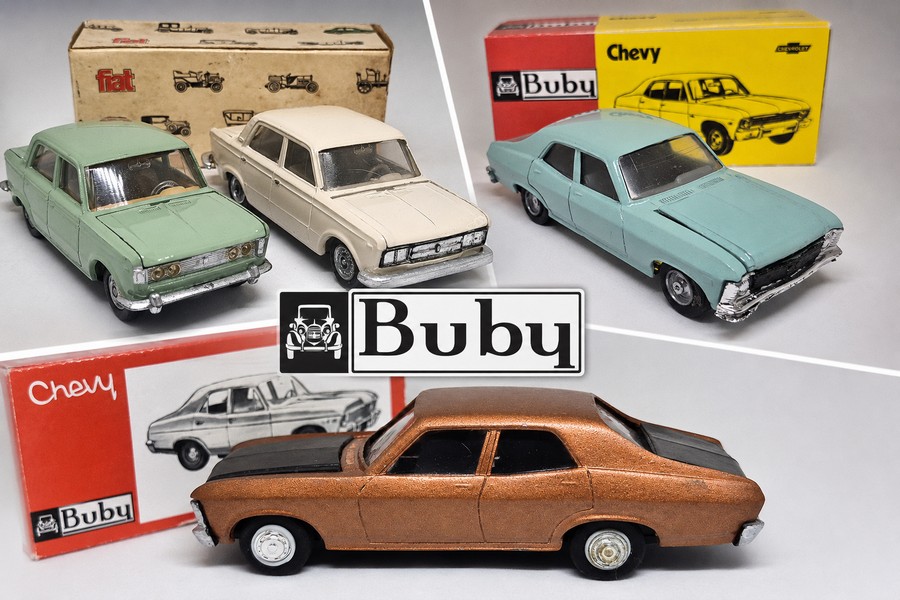
Seconda parte della storia della Buby, a cura di Fedor Eliseev e Fernando Rey, che ringraziamo ancora una volta per la loro preziosa collaborazione con PLIT. La prima parte dello studio potete leggerla a questo link: https://pitlaneitalia.com/2026/07/09/buby-from-argentina-part-1-1957-1967/. Una terza parte, sulla gamma Collector’s Classic, si trova a questo link: https://pitlaneitalia.com/2026/07/31/collectors-classic-1988-1993/.
Buby from Argentina – Part 2 (1967-2000)
By Fedor Eliseev and Fernando Rey
By the end of the 1960s, Buby had become one of the largest model manufacturers not only in South America but in the entire world. Haroldo Mahler and his team therefore decided to expand the model range not only in the traditional 1/43 passenger car segment but also into other areas of the market.
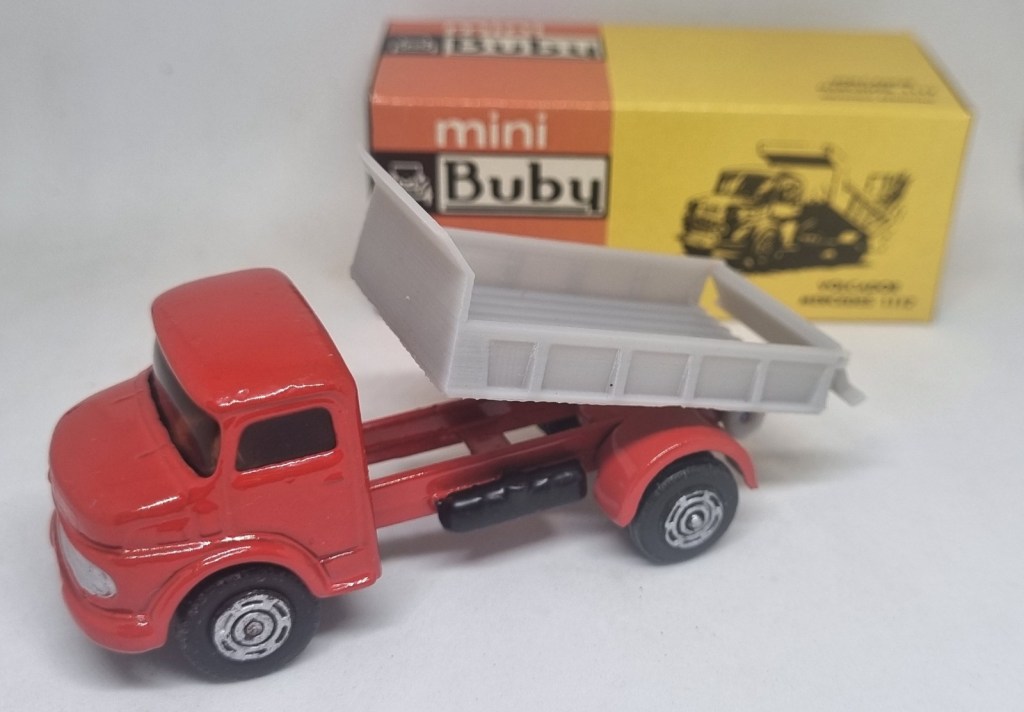
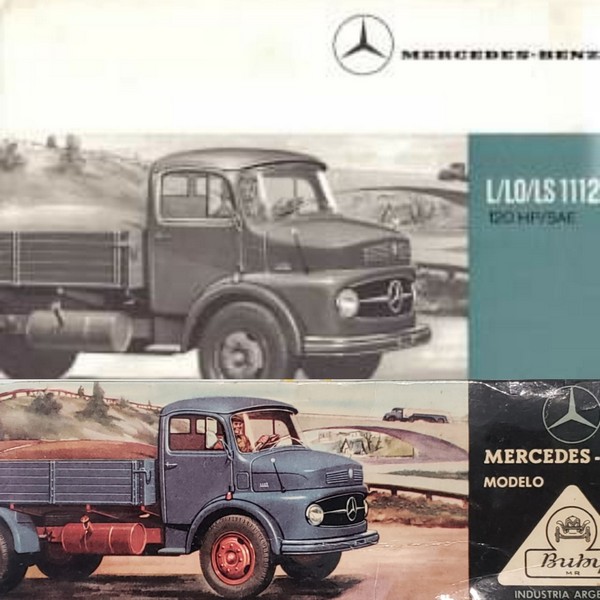
In the second half of the 1960s, Buby introduced a series of 1/40 scale Mercedes-Benz L 1112 and 1114 trucks. These trucks were very popular in Argentina and were produced there for many years during the 1960s and 1970s. It is therefore not surprising that Buby decided to reproduce them.
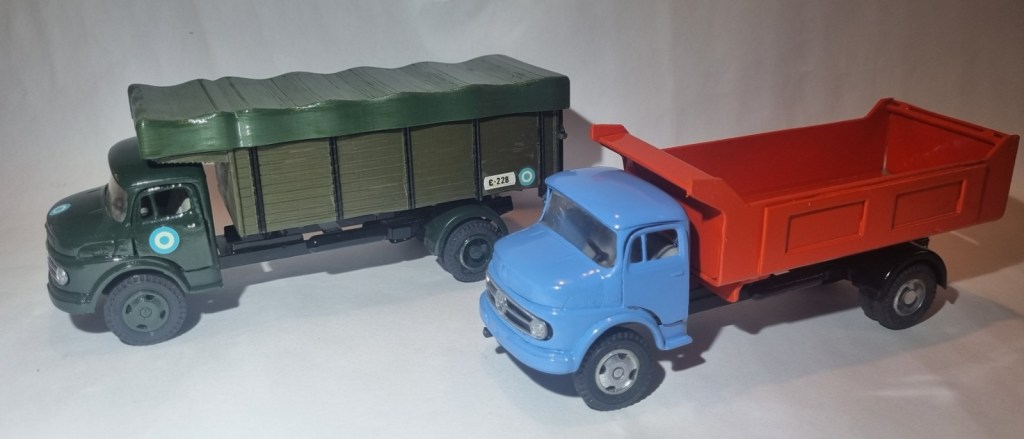
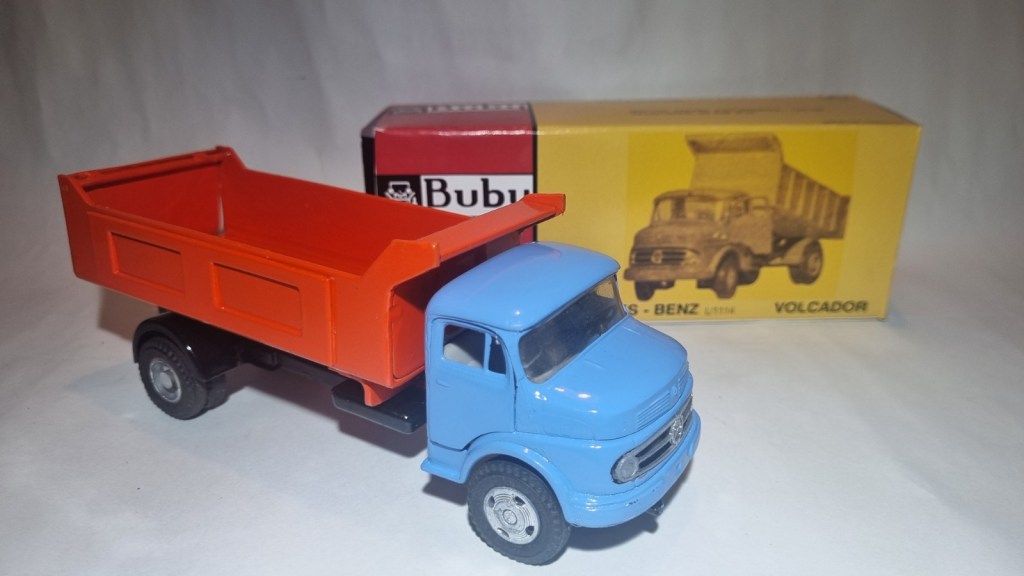
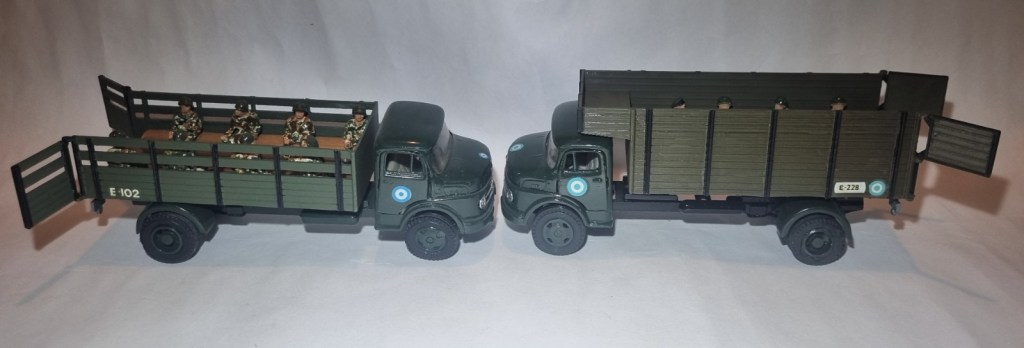
These miniatures were highly innovative. They featured steerable front wheels, opening cab doors, plastic interiors, and detailed chassis. Like all Buby models since the beginning of production, they were also equipped with suspension. They were produced in two main versions: a flatbed truck and a dump truck. The latter featured a working tipping mechanism that allowed the body to be raised for unloading.
Buby produced these models until the end of the 1970s.
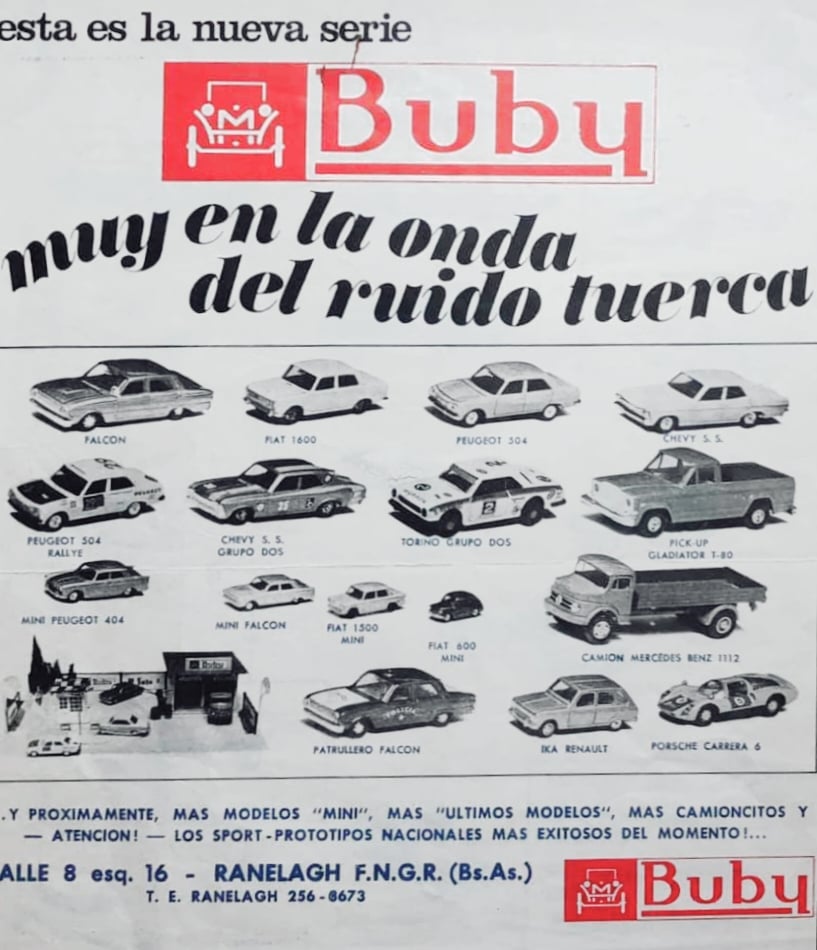
In 1968, Buby entered the 1/64 scale market by introducing the Mini Buby range. At that time, models of this size were extremely popular with children, who could carry them in their pockets to school and play with them during breaks. Matchbox, Hot Wheels and Johnny Lightning were the strongest players in this market.
To provide Argentine children with locally produced models, Don Haroldo organized their manufacture.
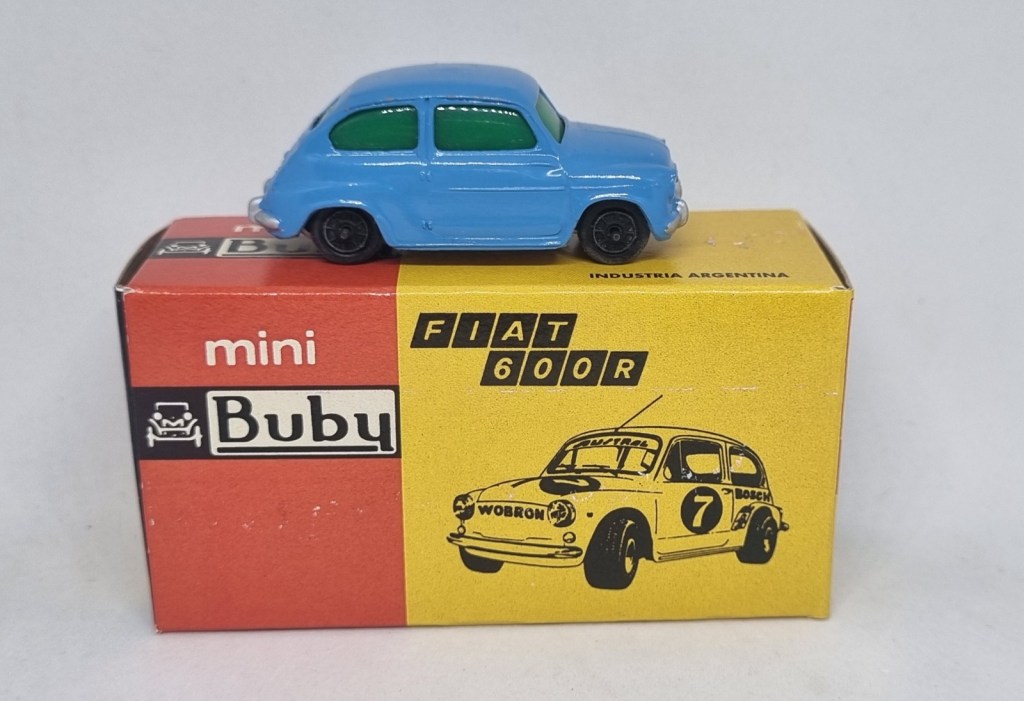
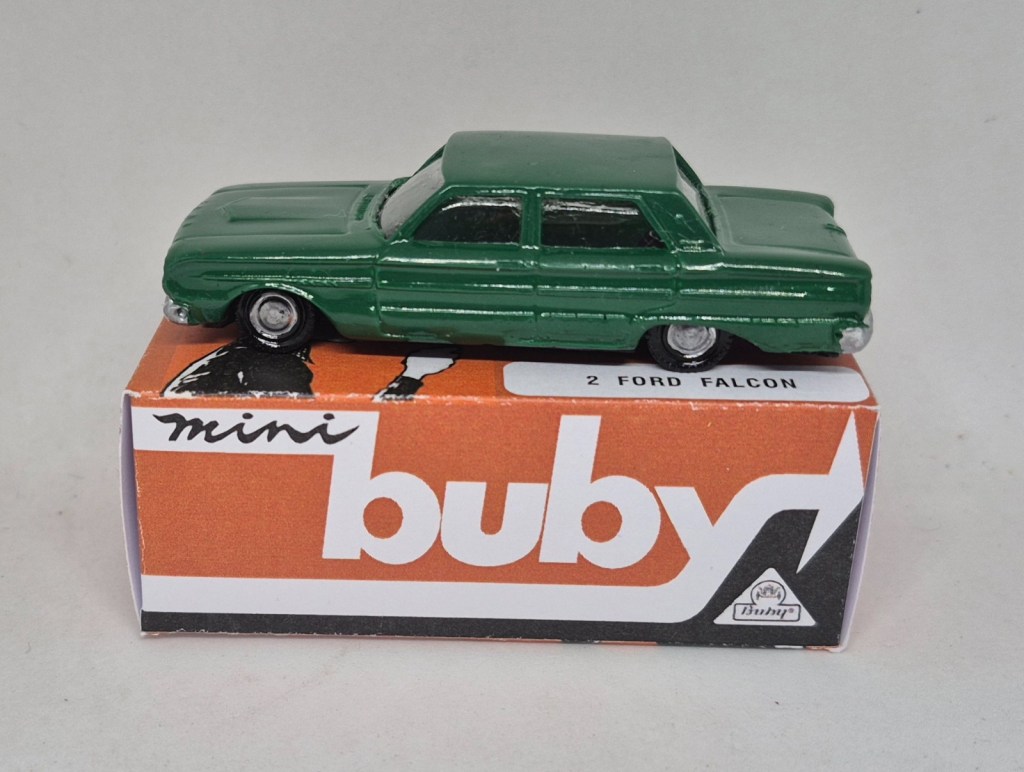
The first four models were made of plastic. This series consisted of the Ford Falcon, Chrysler Valiant 2, FIAT 600 and FIAT 1500, all cars assembled in Argentina.
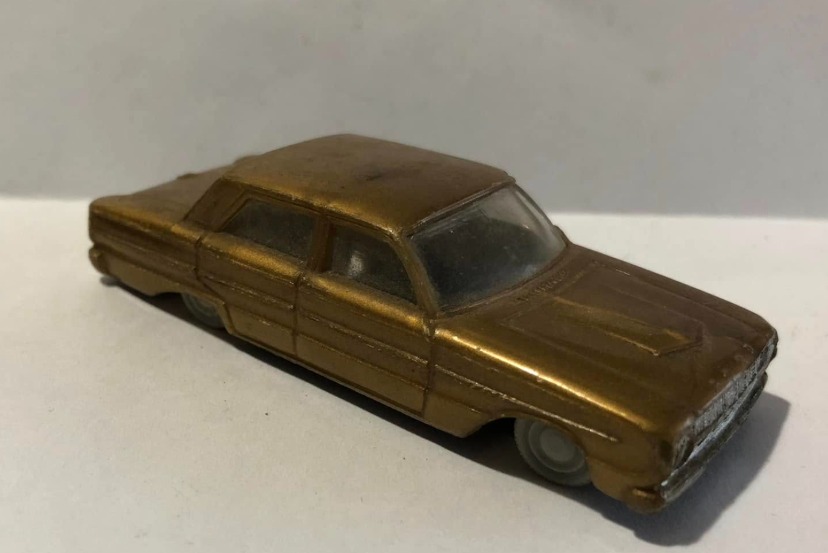
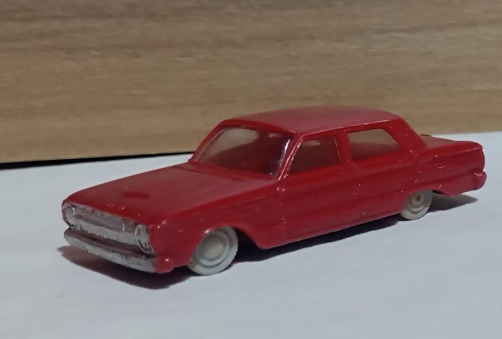
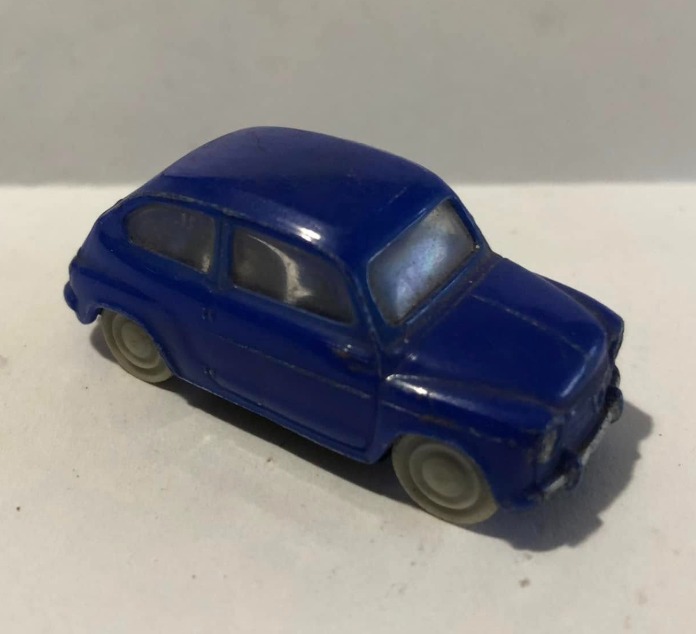
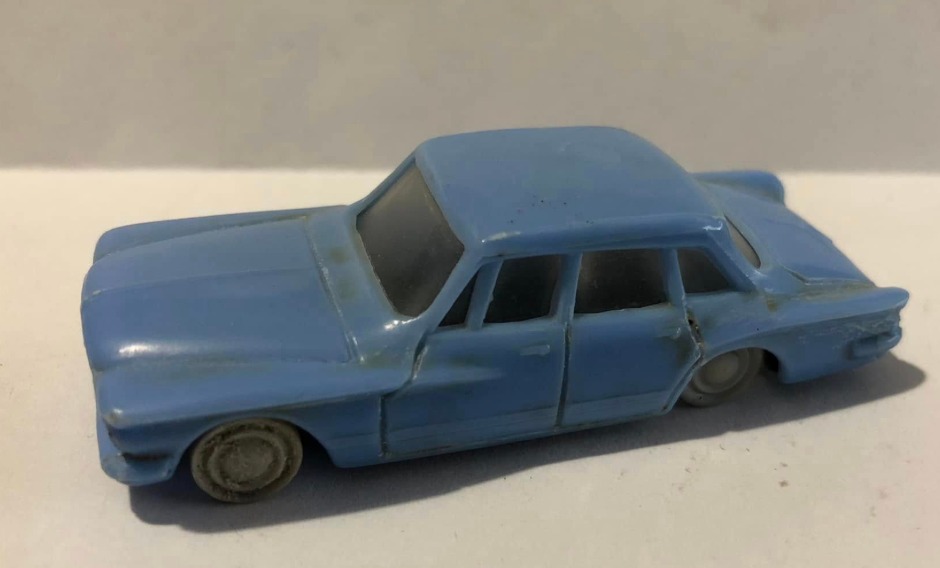
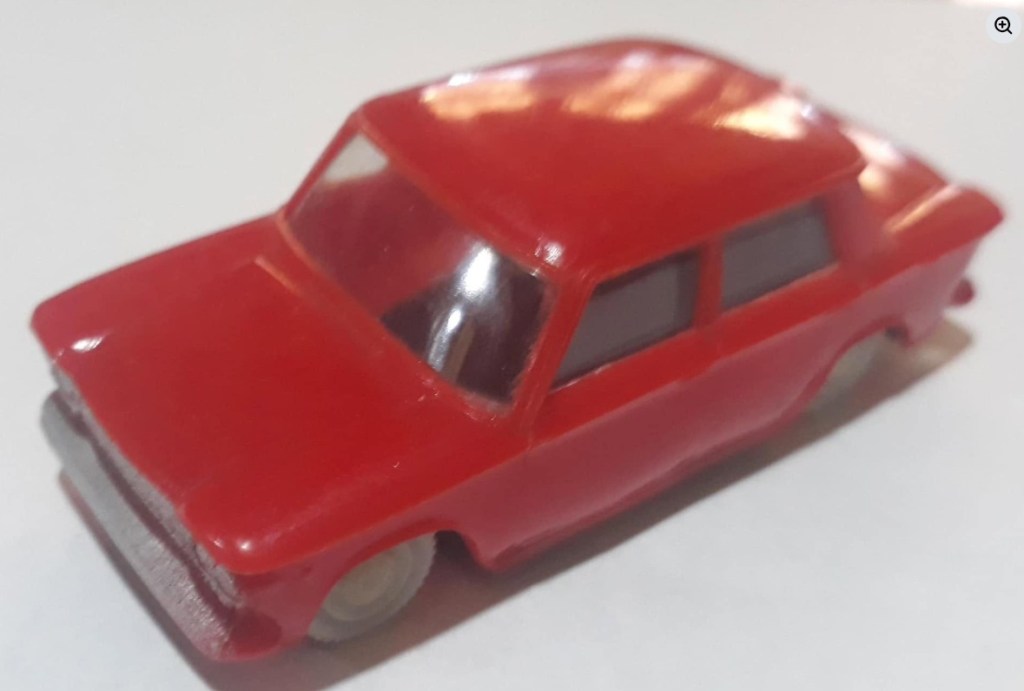
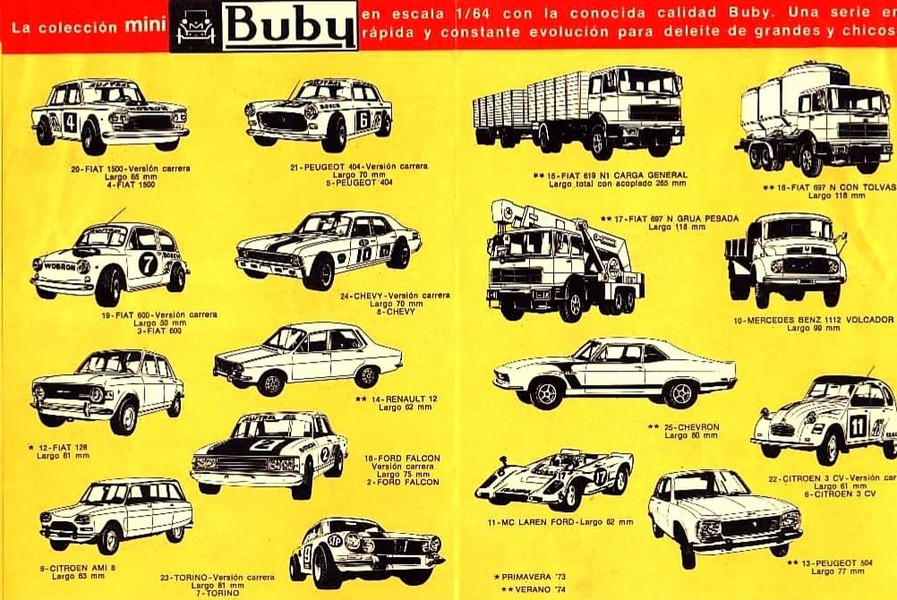
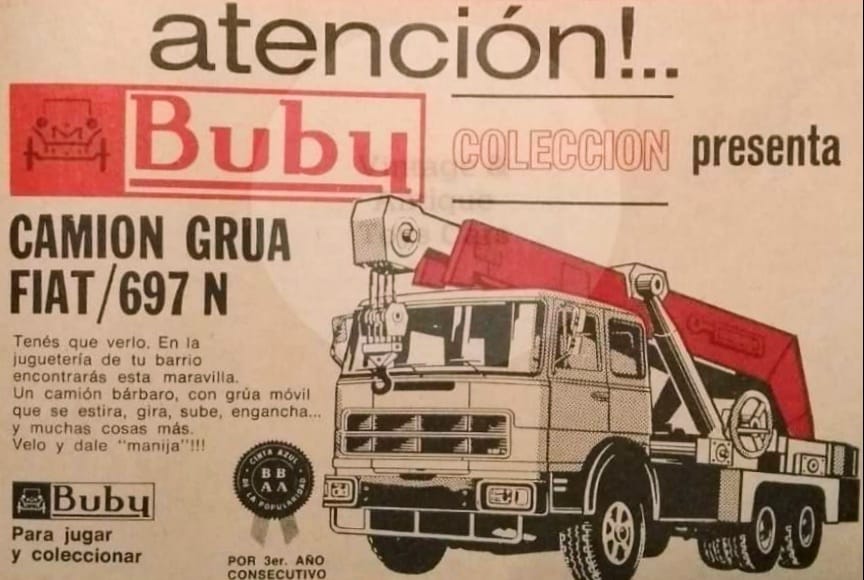
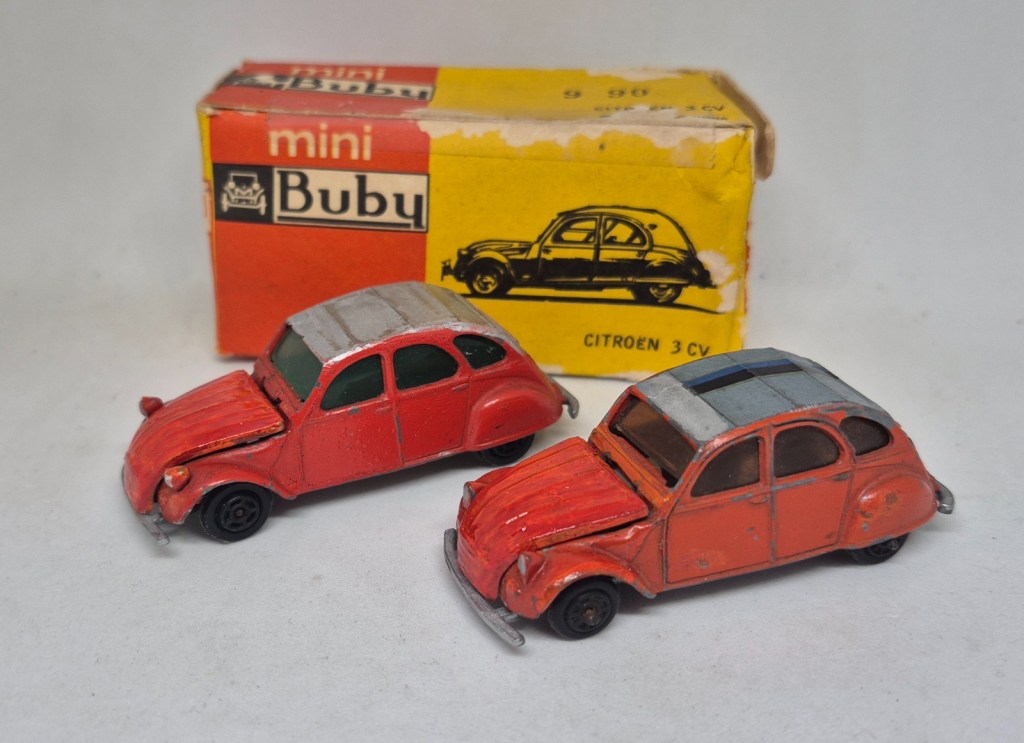
Buby then introduced the impressive diecast Mini Buby 10 Series in 1/64 scale, consisting of 30 references, most of them reproducing the same subjects as the 1/40–1/43 Buby range. However, it also included original models such as the Peugeot 404, Citroën 3 CV, FIAT 697 truck and Maserati Indy.
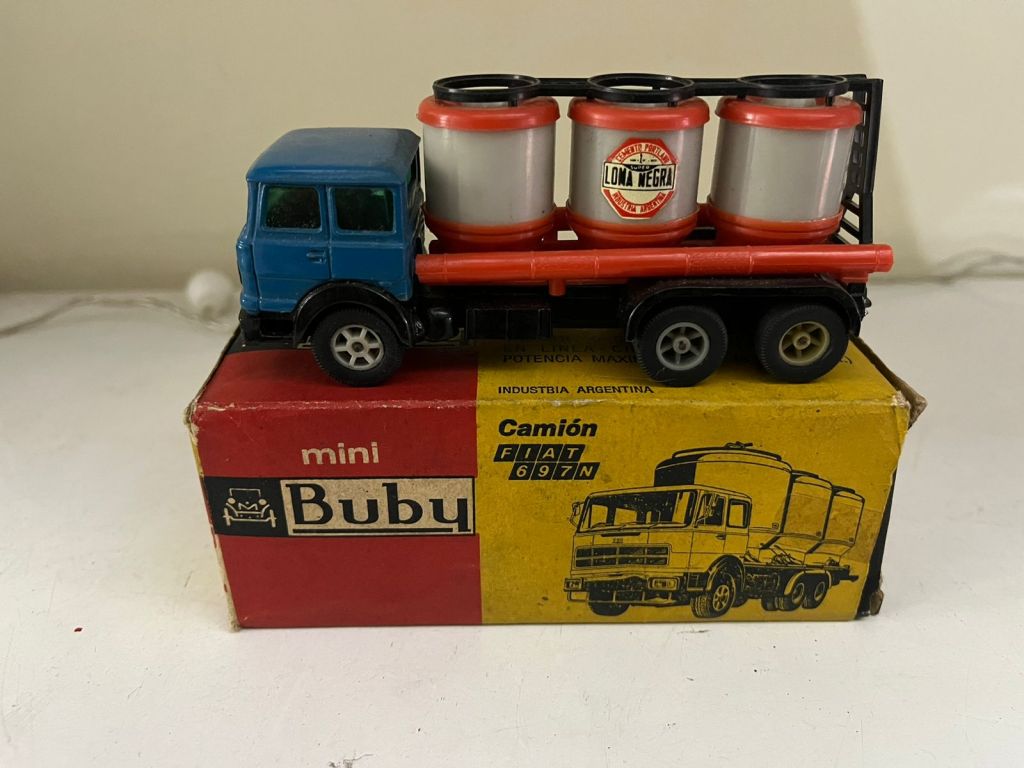
Mini Buby models shared the same construction features as the larger Buby models: rubber tyres, plastic baseplates, opening body parts, suspension and more.
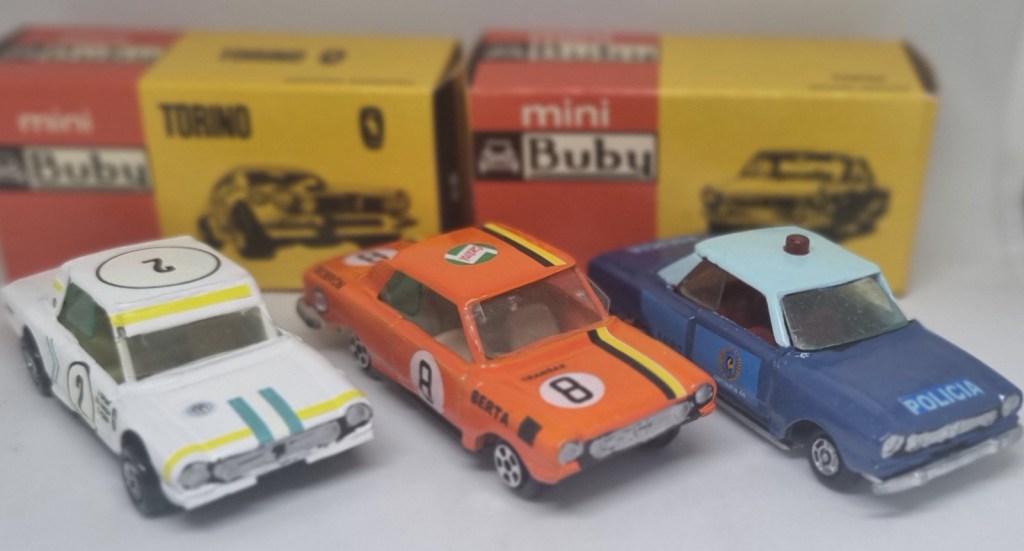
They were packed in cardboard boxes identical to those used for Buby models, only smaller in size. The range became very popular with children and significantly increased Buby’s sales.
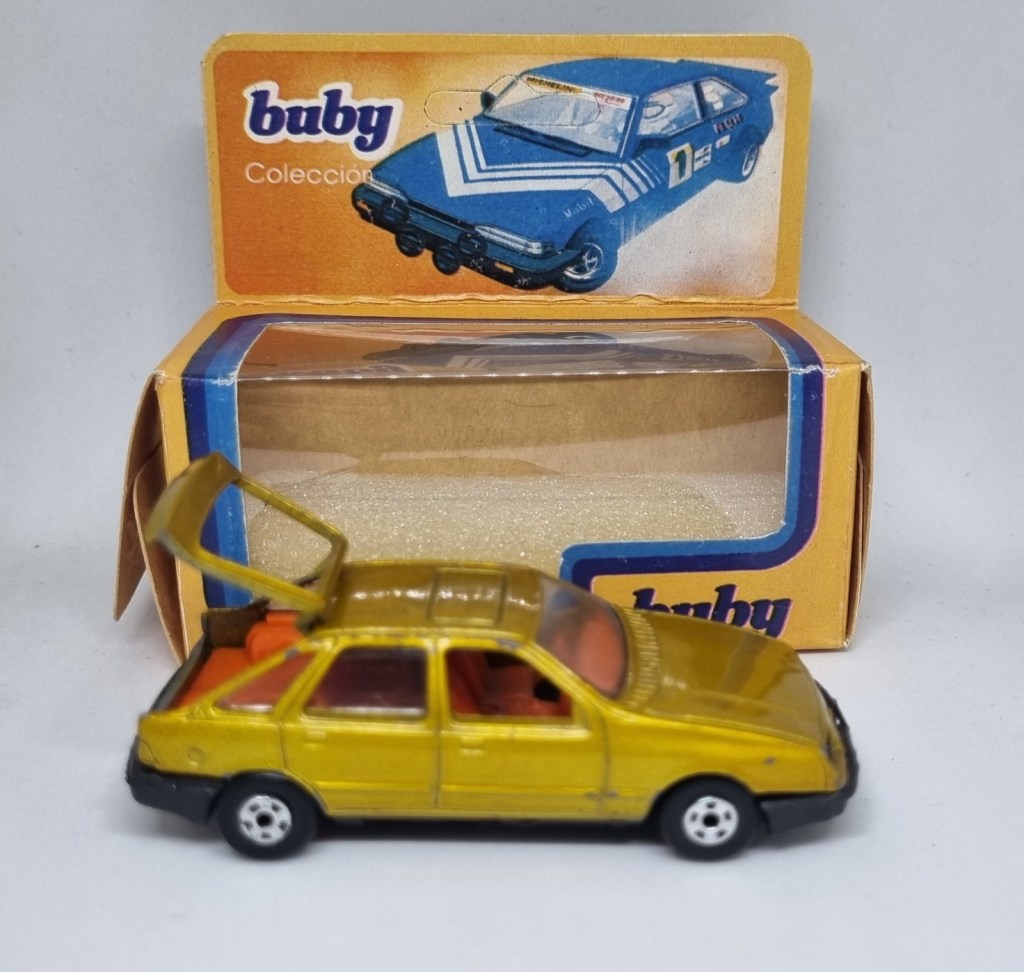
At this time, Buby signed an agreement with the well-known French company Solido to assemble French models in Argentina.
At that time, the country maintained very high customs duties on imported goods. This prevented collectors from buying models from famous European and American brands at reasonable prices.
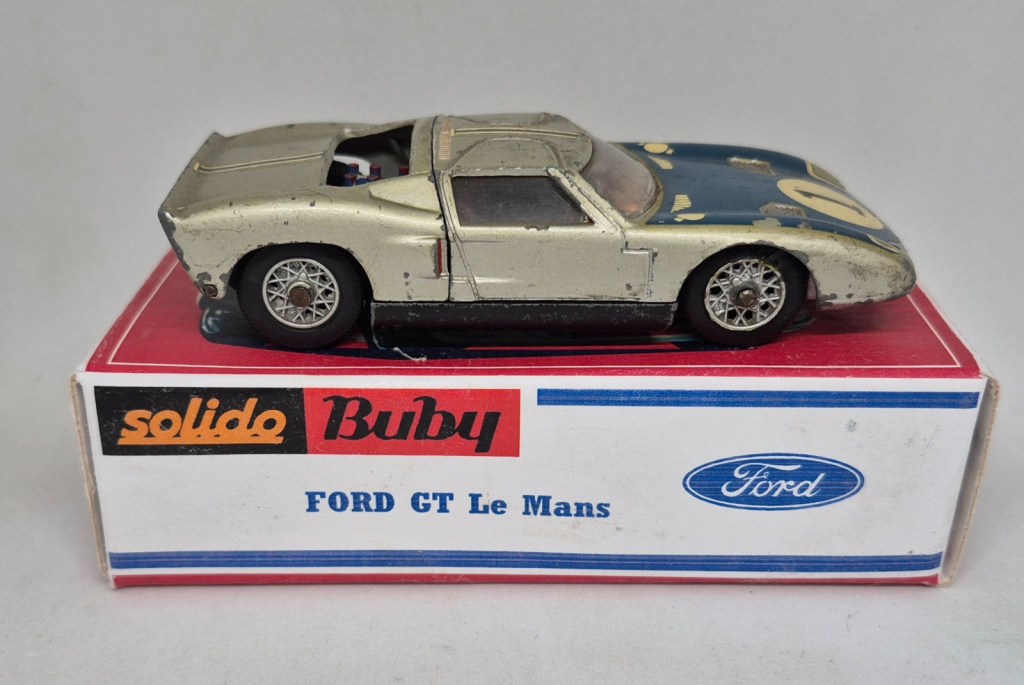
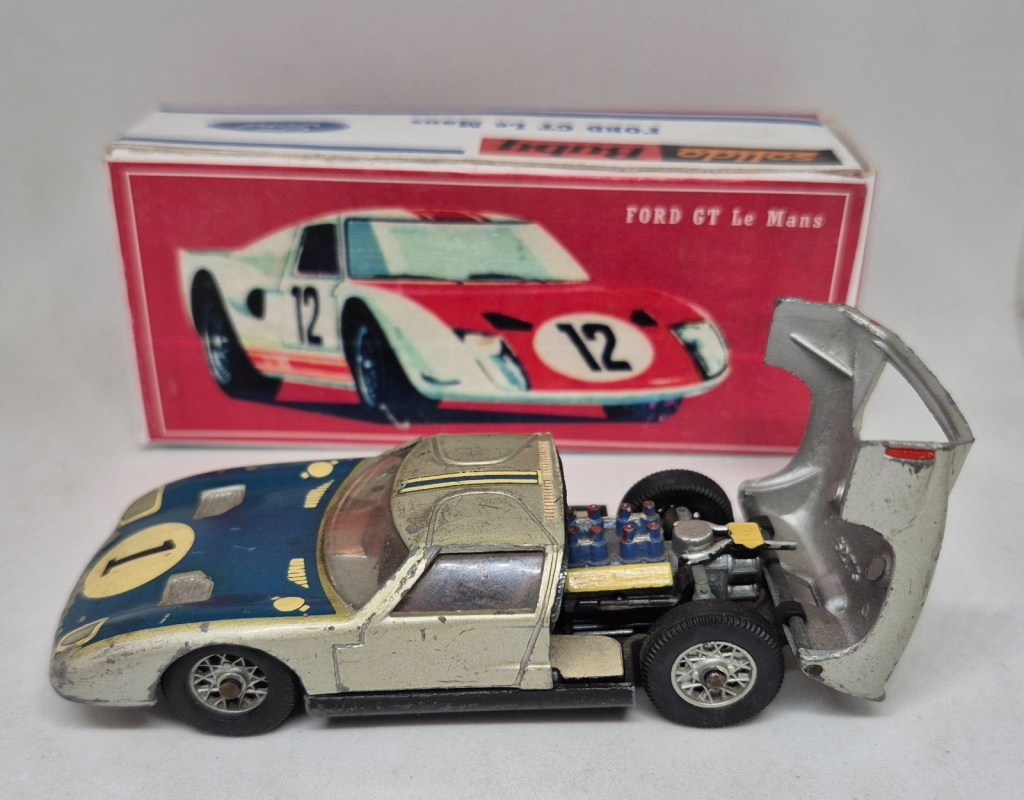
Buby’s agreement with Solido therefore represented an excellent opportunity. Between 1969 and 1971, Buby assembled approximately 200,000 Solido 1/43 scale models. There were 16 miniatures1, from the 100 and the later 10 Series, including the Oldsmobile Toronado, Ferrari 330 P3, Ford Mustang, Ford Capri 2600 Gr.2, Ferrari 250 GT, Porsche GT Le Mans, Lancia Beta Coupé and others.
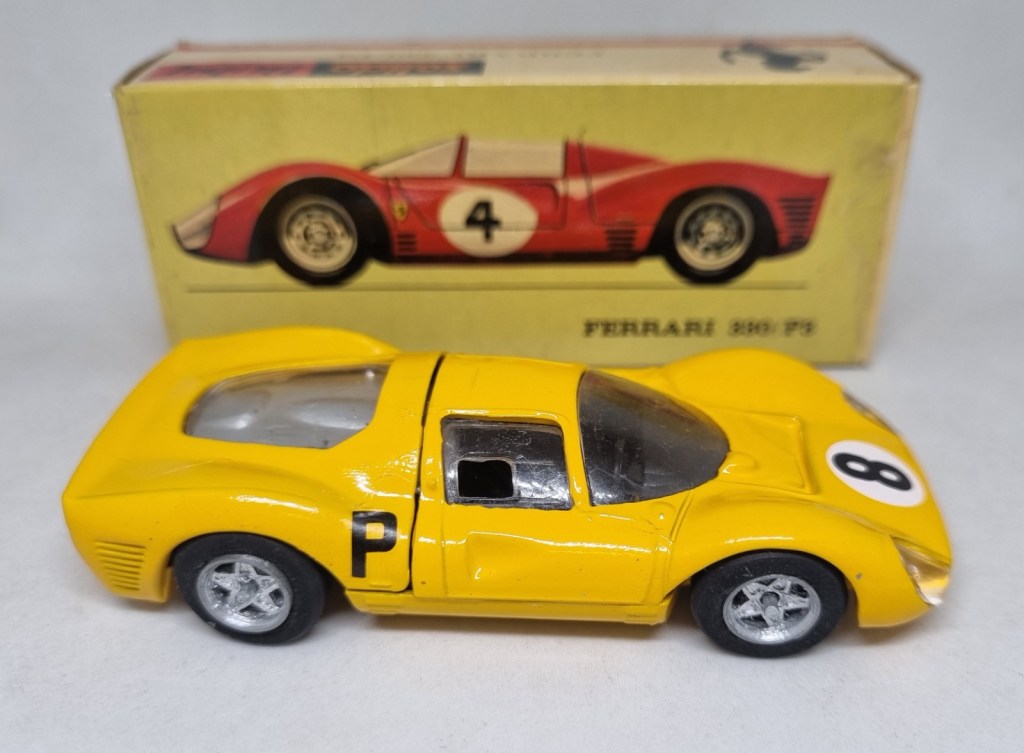
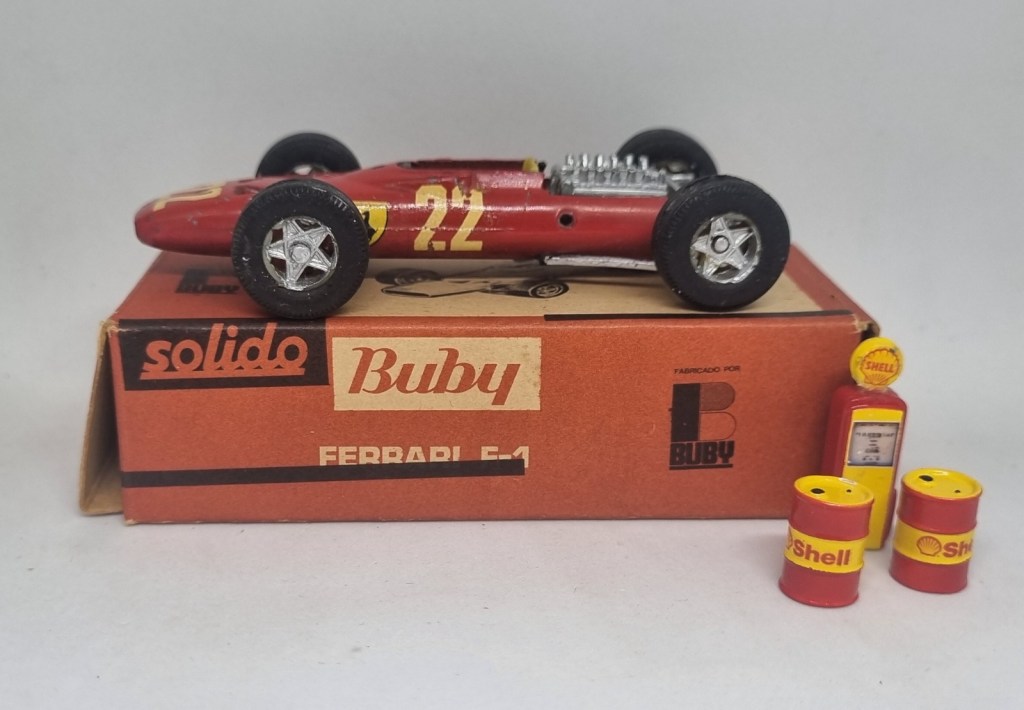
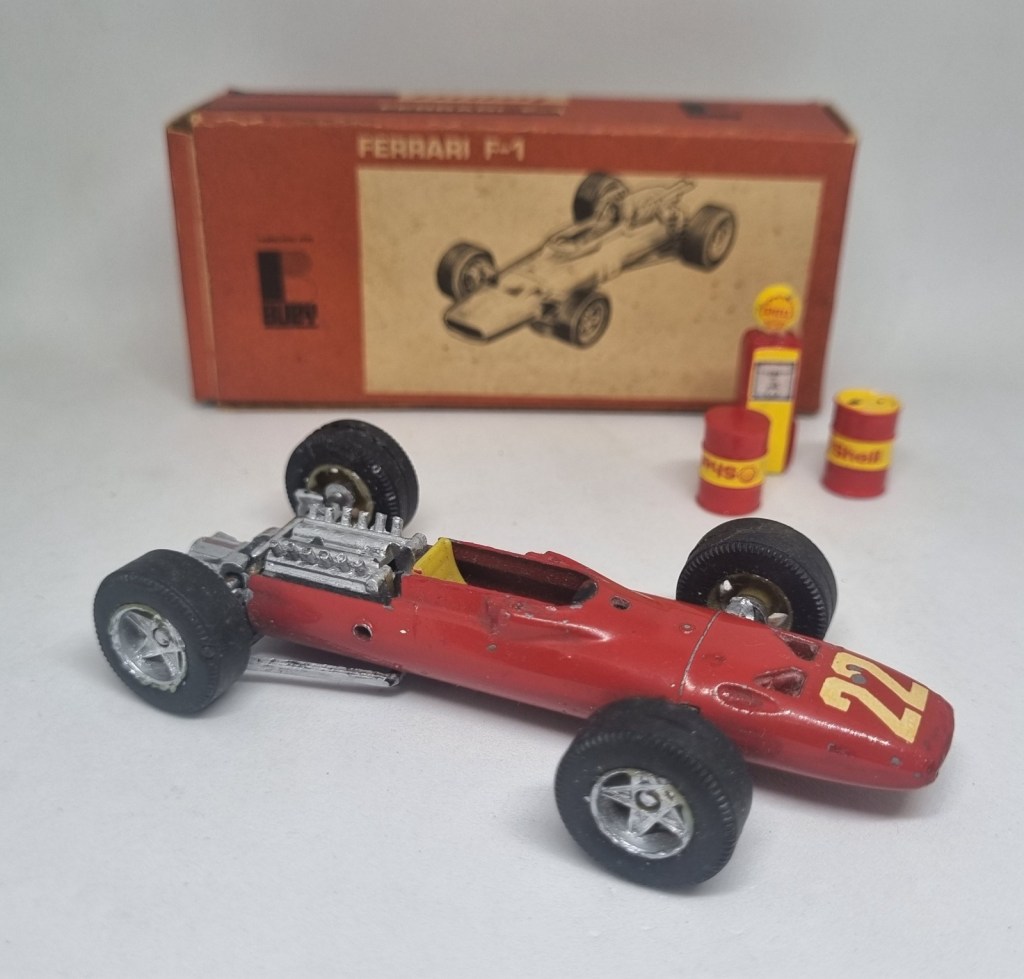
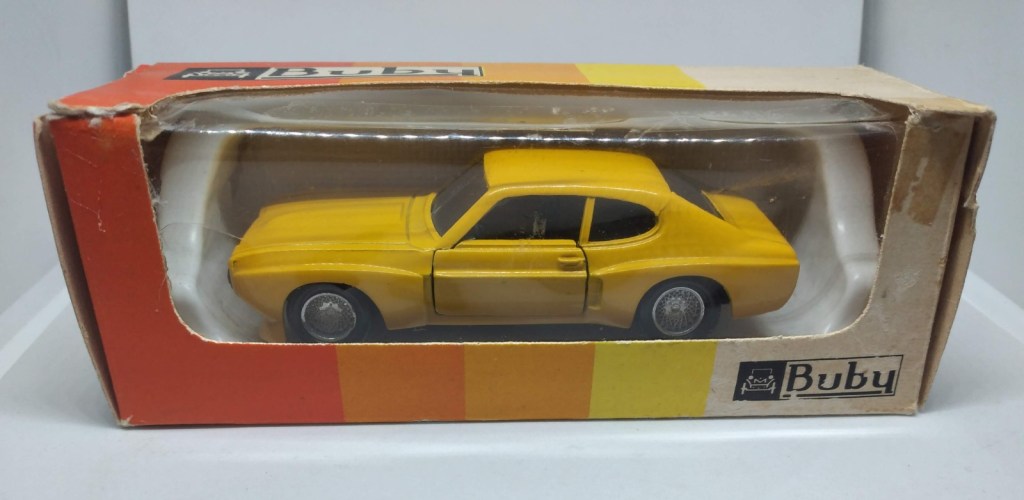
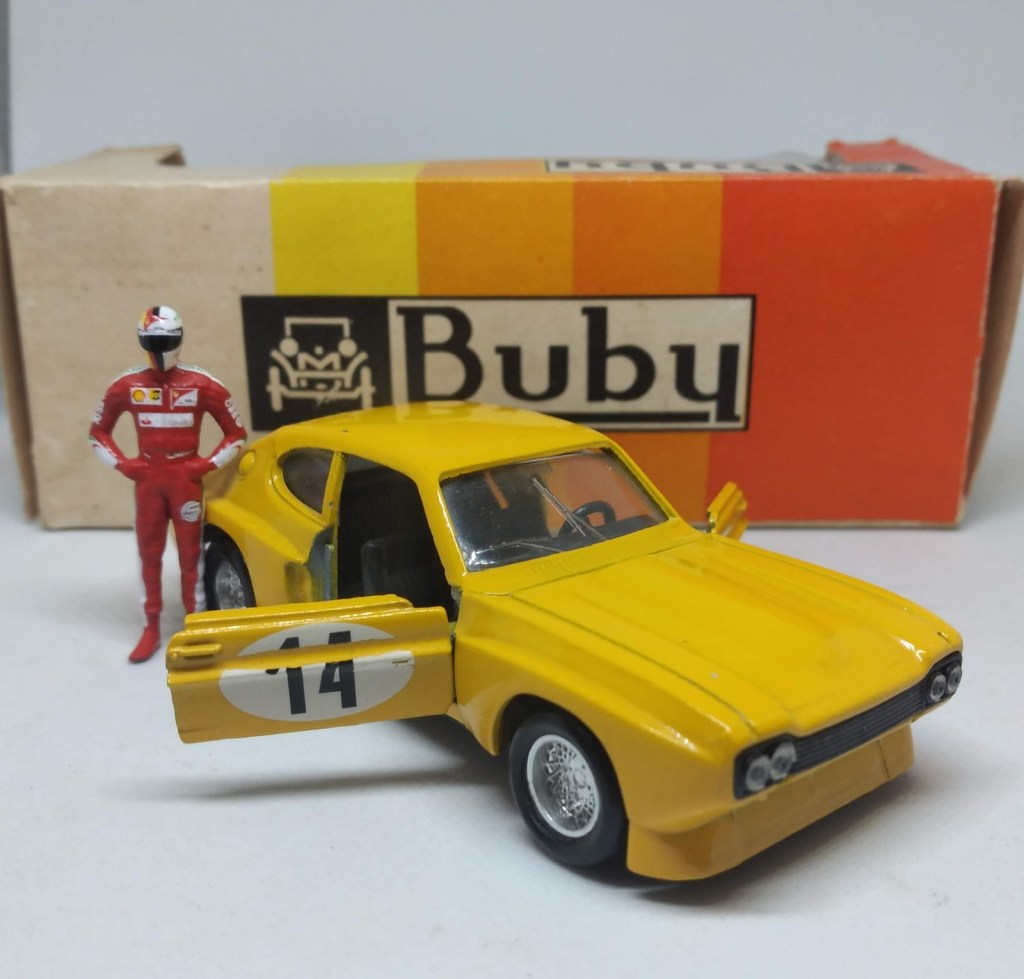
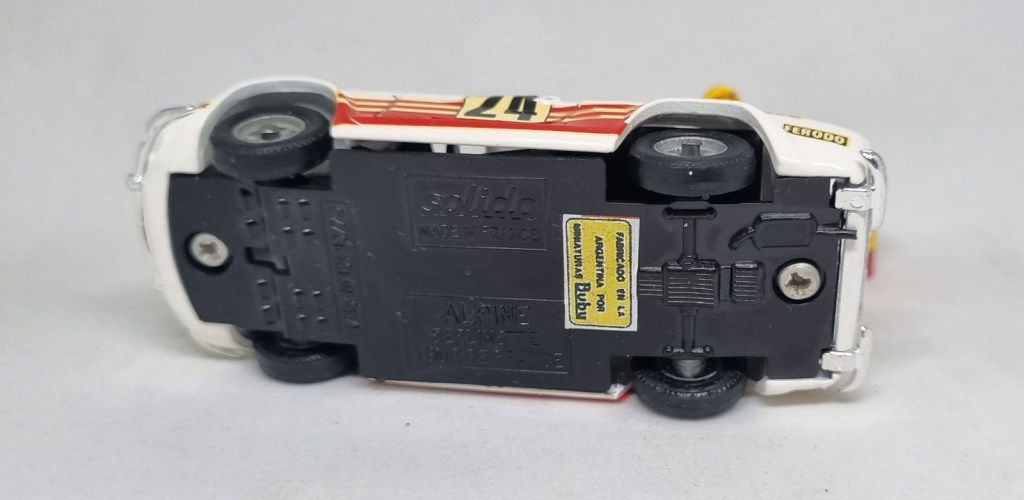
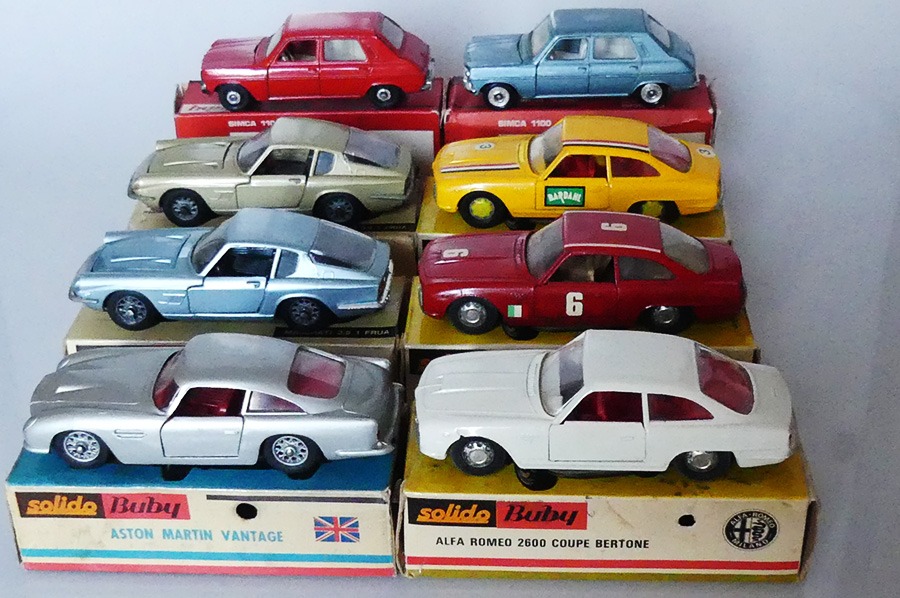
Solido shipped partially assembled models to Argentina. Buby assembled, painted and finished them there, also producing certain components such as the wheels. The Argentine company added its own name to the baseplates and packaged the models in its own cardboard boxes carrying information about the Buby-Solido alliance.
Success in these new market segments brought Buby considerable profits and new investments, allowing the company to open a new factory in Villa General Belgrano, in the province of Córdoba, approximately 800 kilometres from Buenos Aires. This factory was equipped with state-of-the-art machinery and was capable of producing around 200,000 models per month. Buby concentrated its main production there, while the original factory in Ranelagh continued to handle auxiliary production and engineering.
Throughout the 1970s, Buby continued to expand its range in different market segments.
Haroldo Mahler and his team created a model of the FIAT 700S Concord tractor. This highly detailed miniature was commissioned by FIAT Argentina, which had recently started producing agricultural machinery in the country.
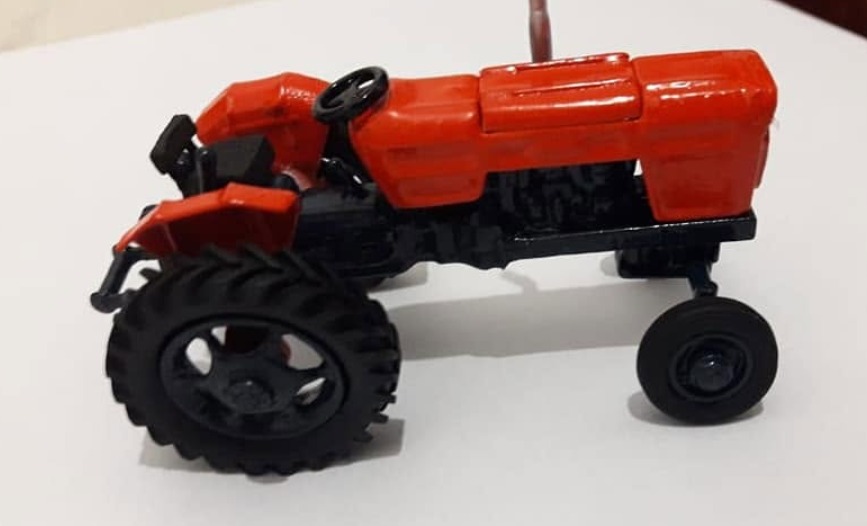
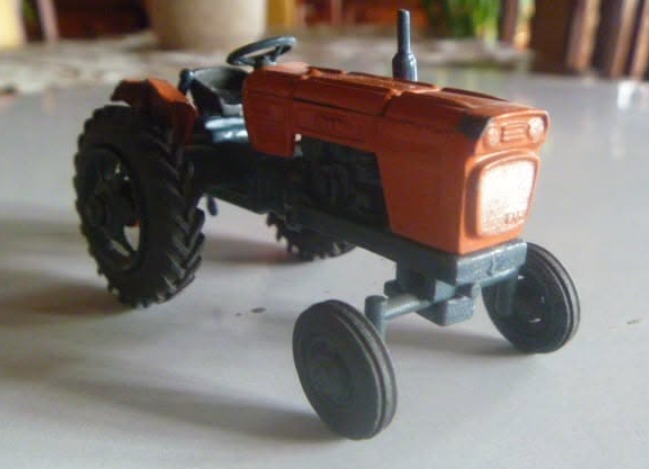
The Buby tractor featured a removable engine cover, a working rear ploughing mechanism, and detailed engine and suspension components.
Buby produced 10,000 examples, none of which were sold in toy or model shops.
Instead, FIAT distributed them as gifts through its dealerships.
Customers who purchased a FIAT car could receive the miniature tractor as a gift. In most cases, the tractor was painted in the same colour as the full-size vehicle—a very interesting marketing idea.
At the same time, Buby also produced a model of the Centurion tank in Argentine Army colours, creating a very accurate scale replica.
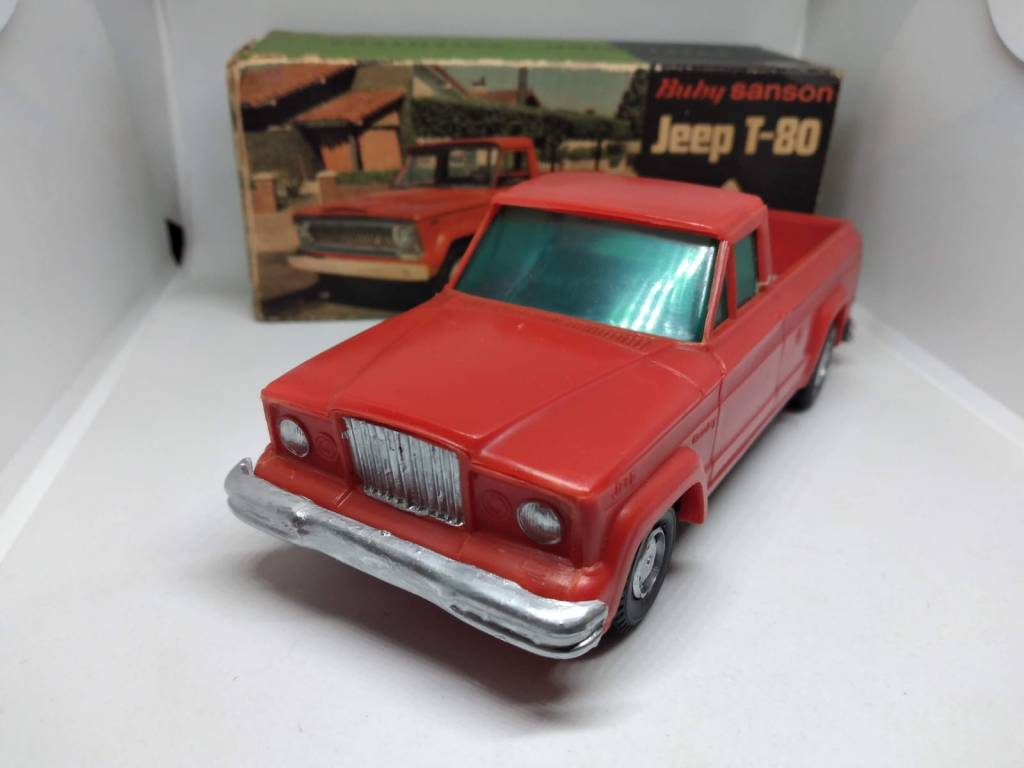
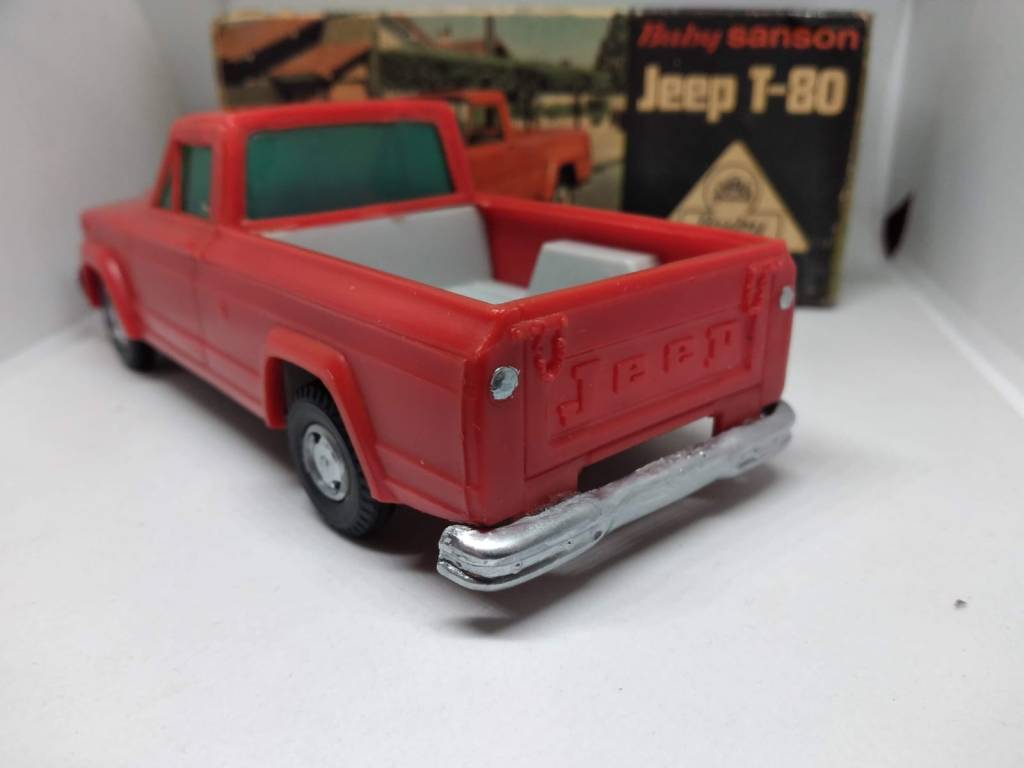
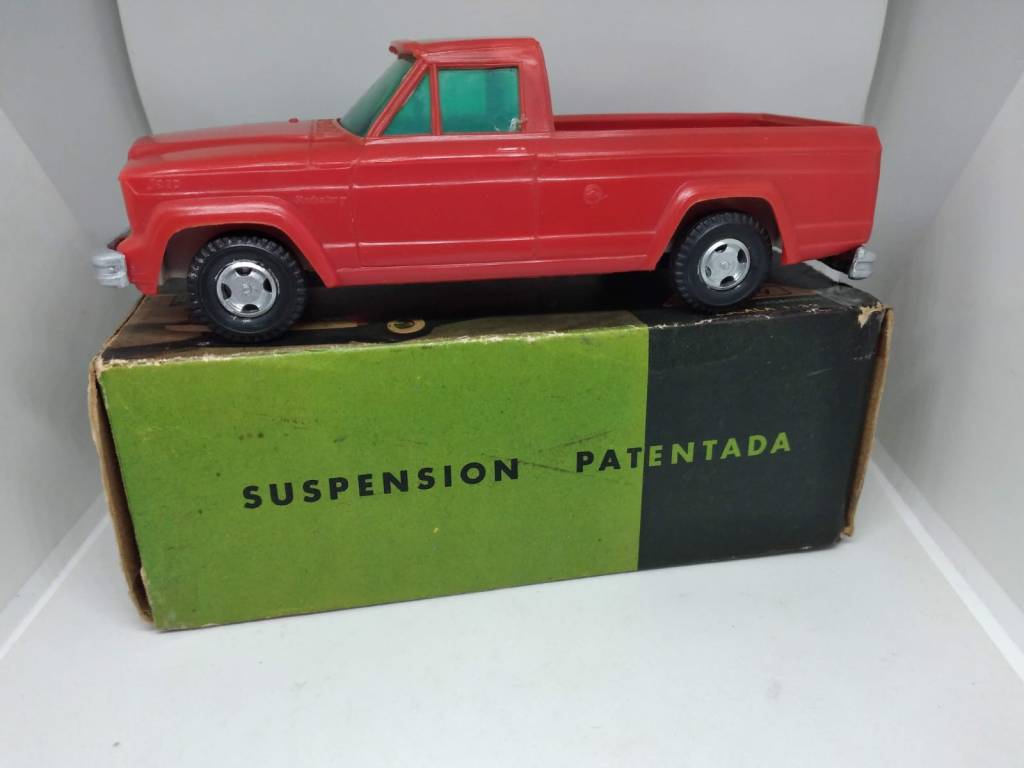
The plastic 1/32 scale Jeep Gladiator was the result of a collaboration with the toy company Juguetes R & M (Rivaplastic). This project was called Sanson and was intended to develop a new line of plastic miniatures including the IKA Torino 380W and Peugeot 504. However, after producing the Gladiator, Buby withdrew from the project.
Buby’s entry into railway models was completely unexpected. Don Haroldo and his team introduced a train set that included a steam locomotive, passenger coaches, track for a complete circuit and various accessories. Customers could also purchase additional railway accessories to expand the layout according to their imagination. The plastic train was powered by a 3W motor, making it especially enjoyable for children.
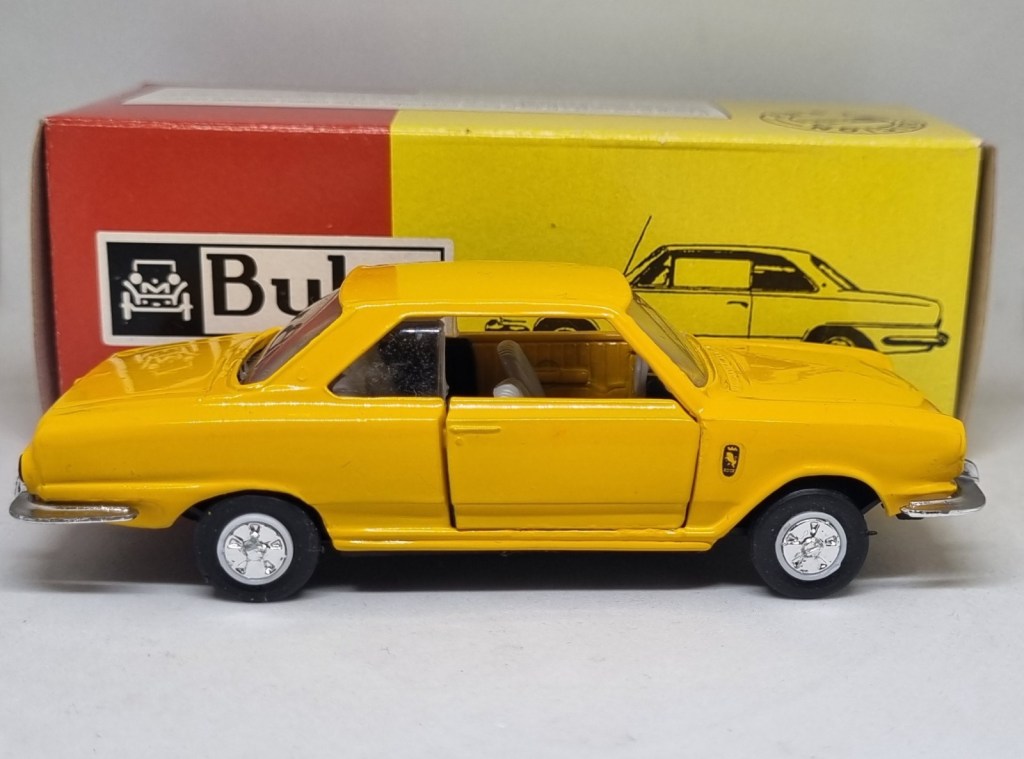
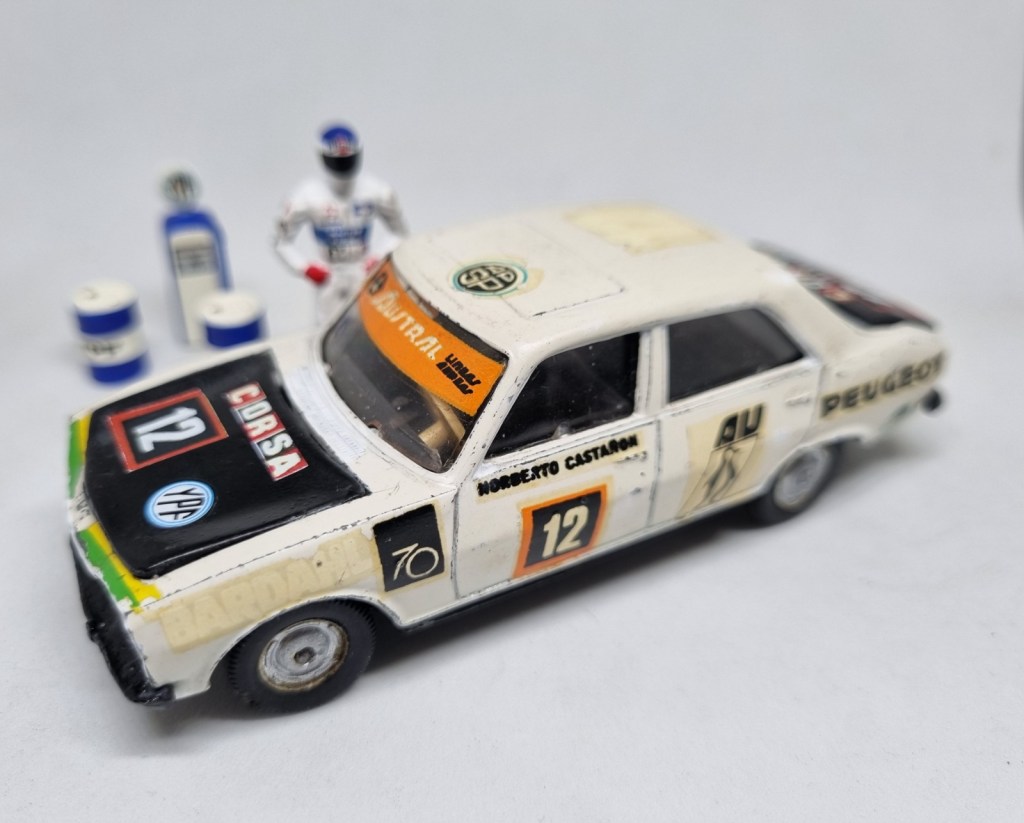
Expansion into other market segments did not prevent Buby from continuing to develop its 1/40–1/43 scale range. During the 1970s, Don Haroldo concentrated mainly on Argentina’s domestic automotive industry, reproducing cars assembled locally. As a result, Buby produced models of the Ford Falcon, IKA Torino, Chevrolet Nova and various FIAT models.
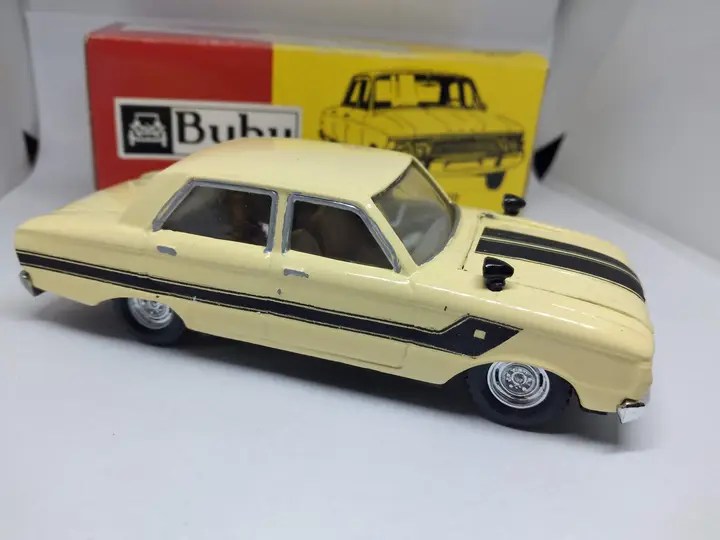
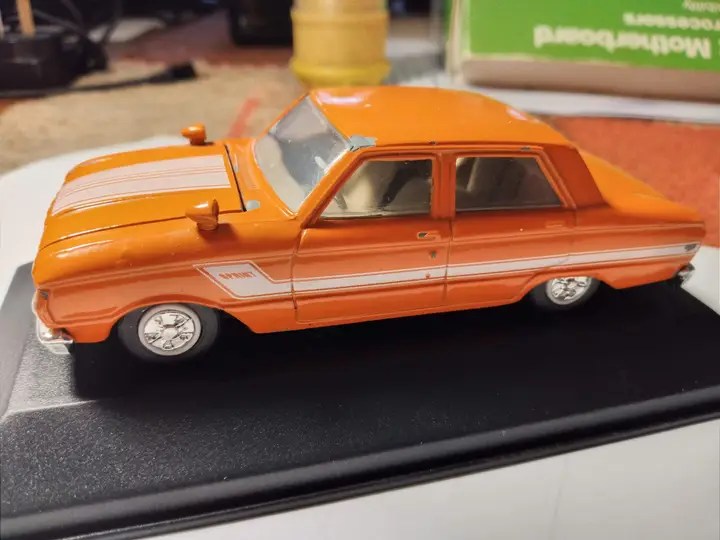
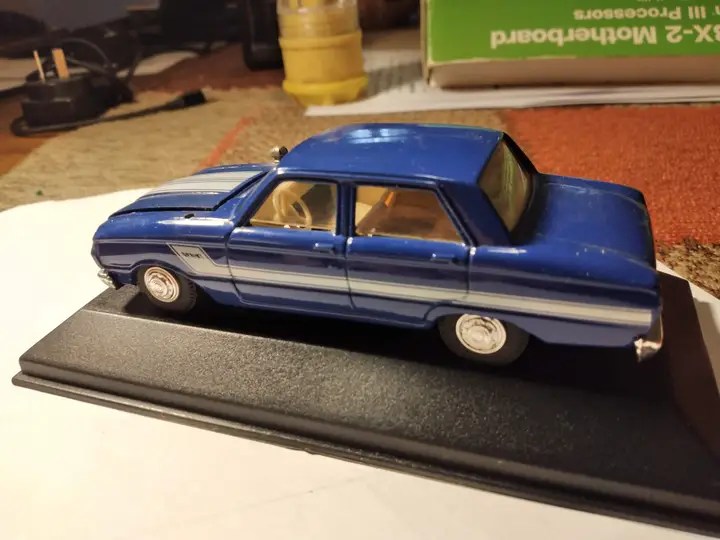
The Ford Falcon is one of the most iconic cars in Argentina. It was assembled there for 30 years, from 1961 until 1991.
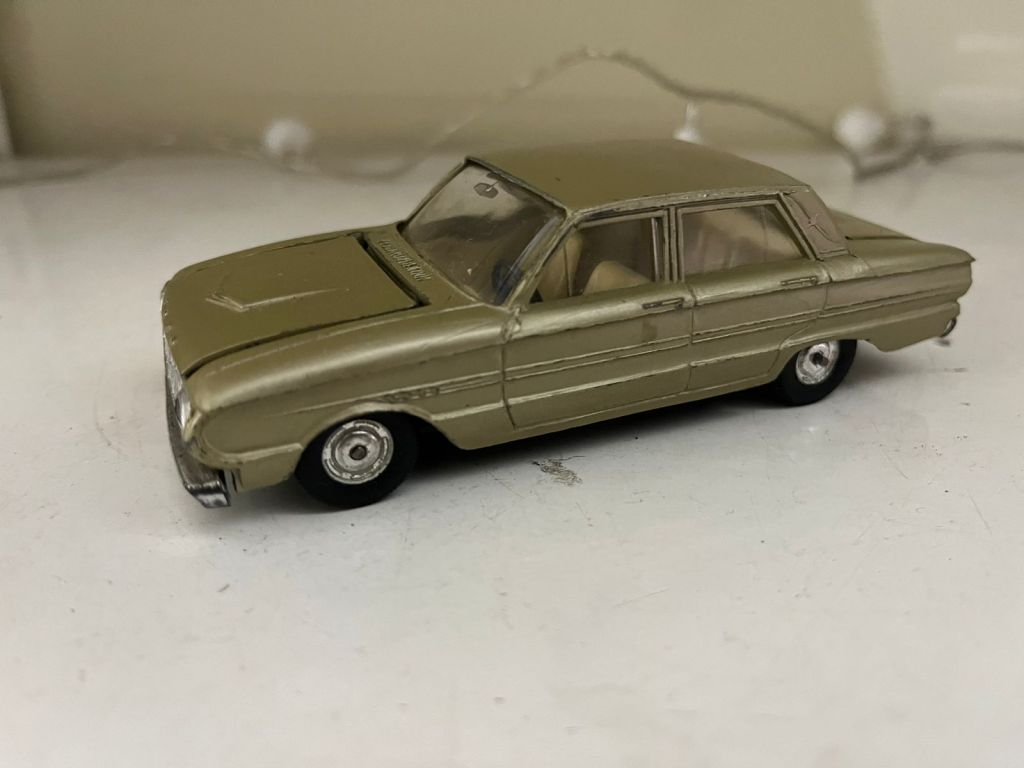
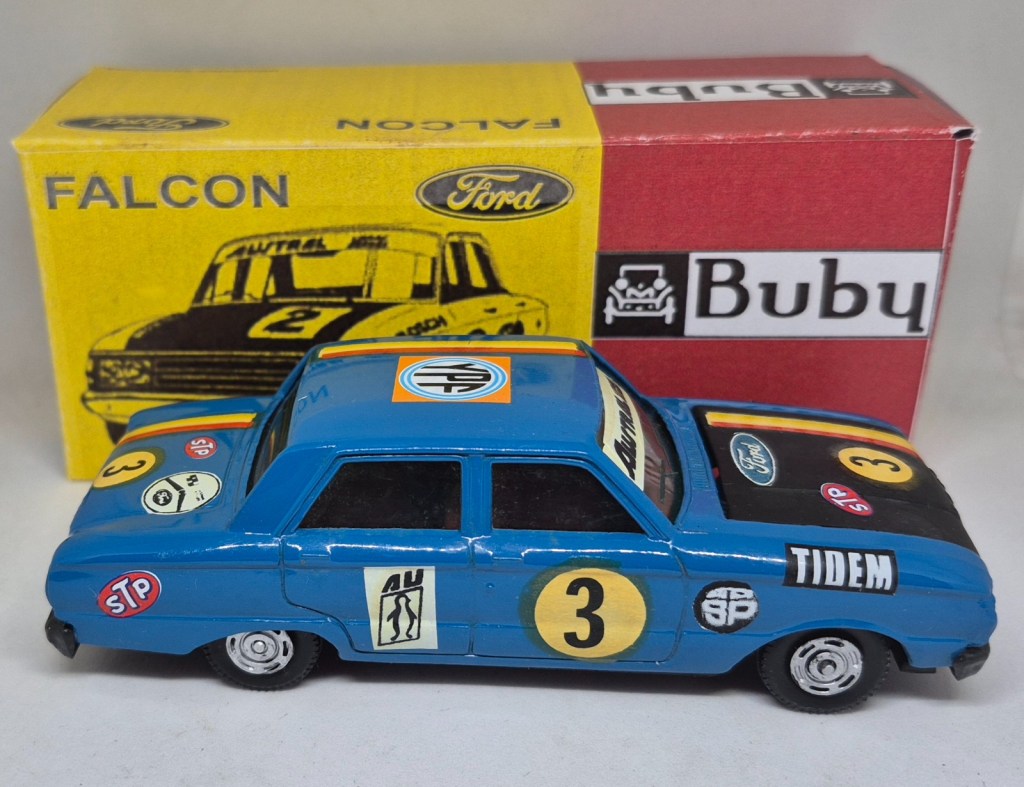
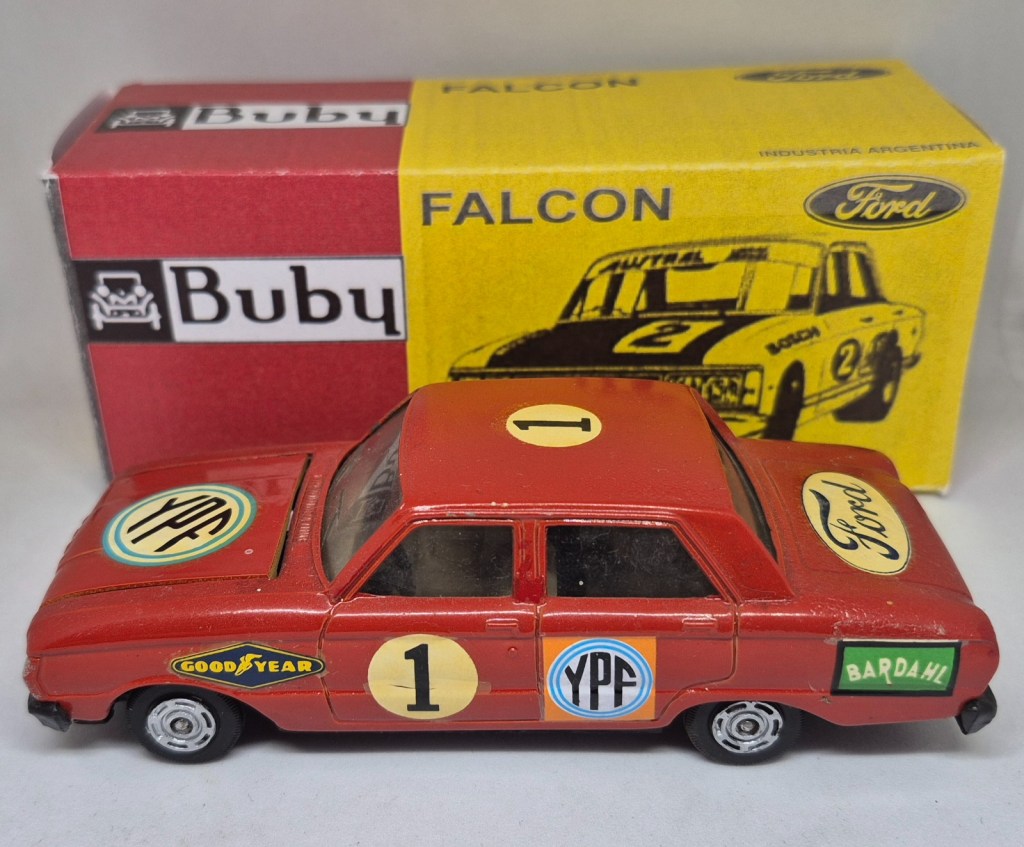
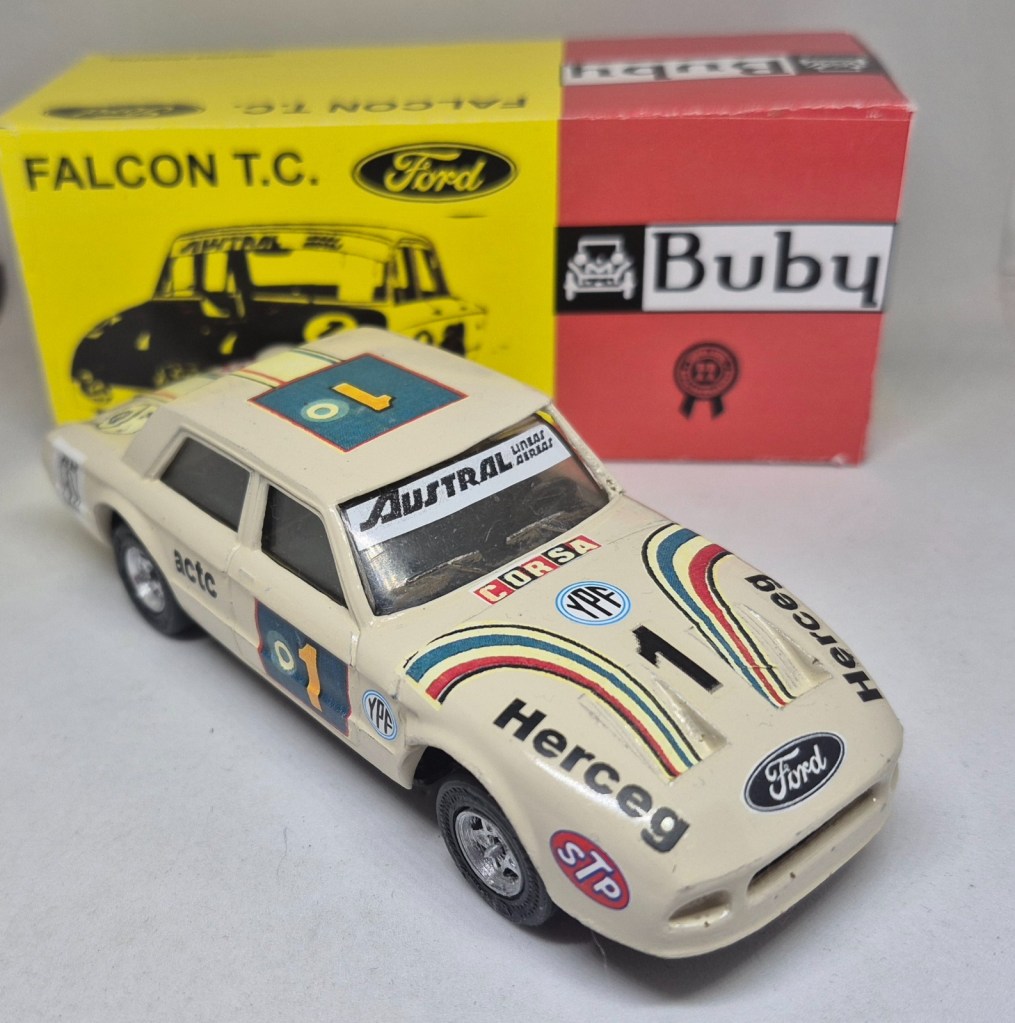
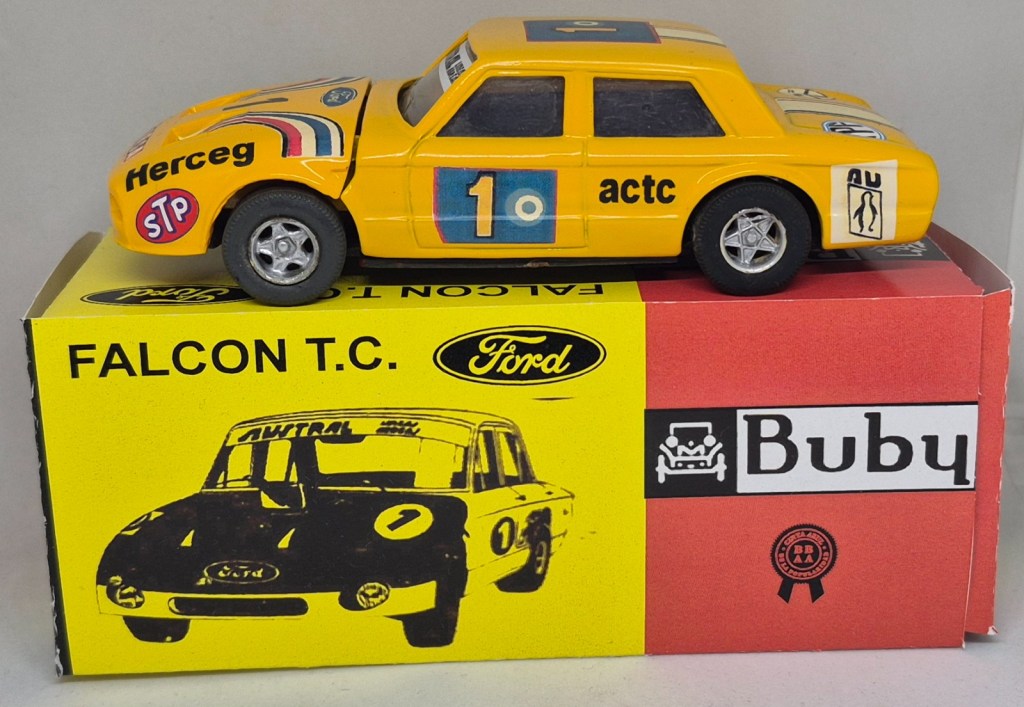
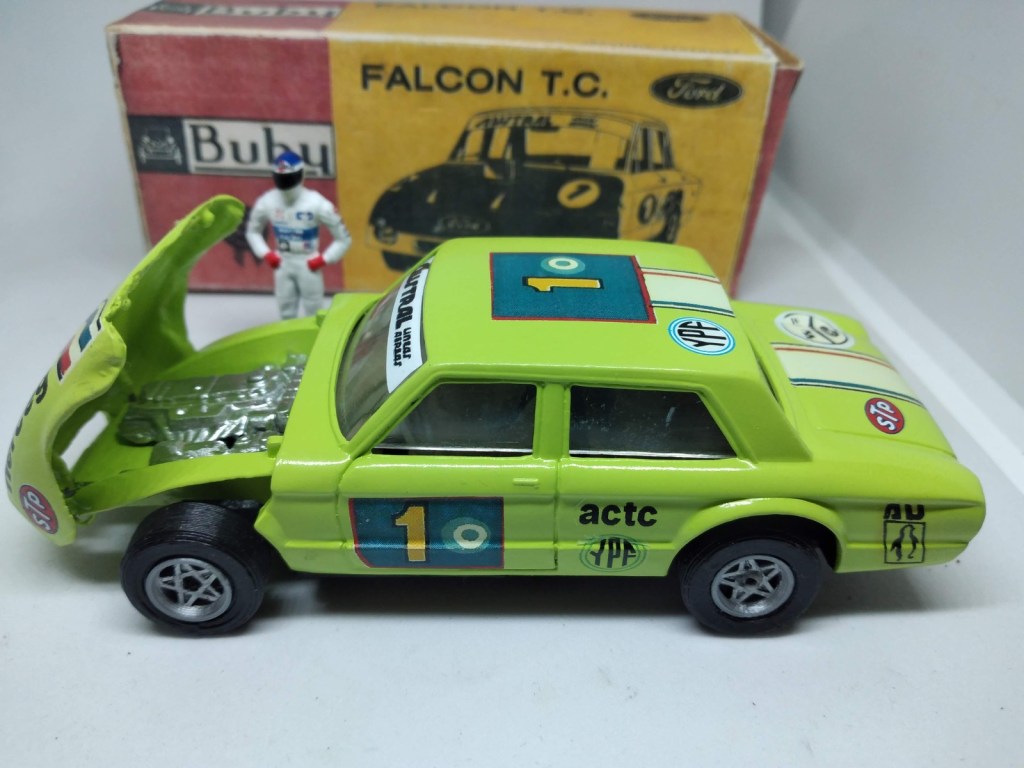
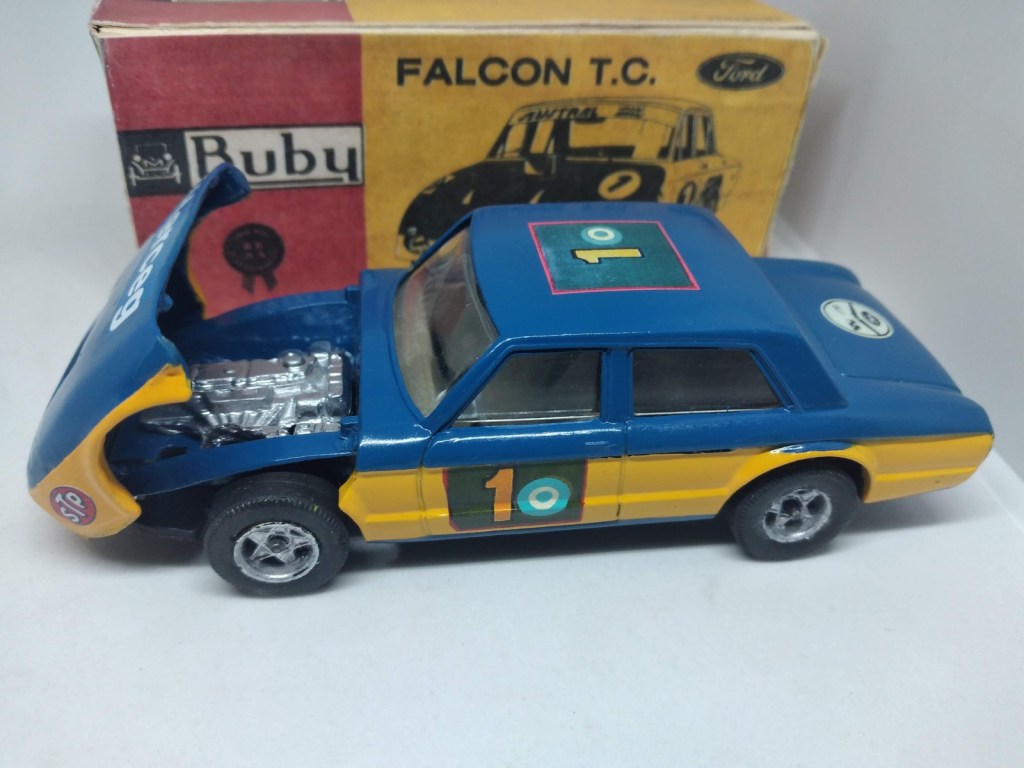
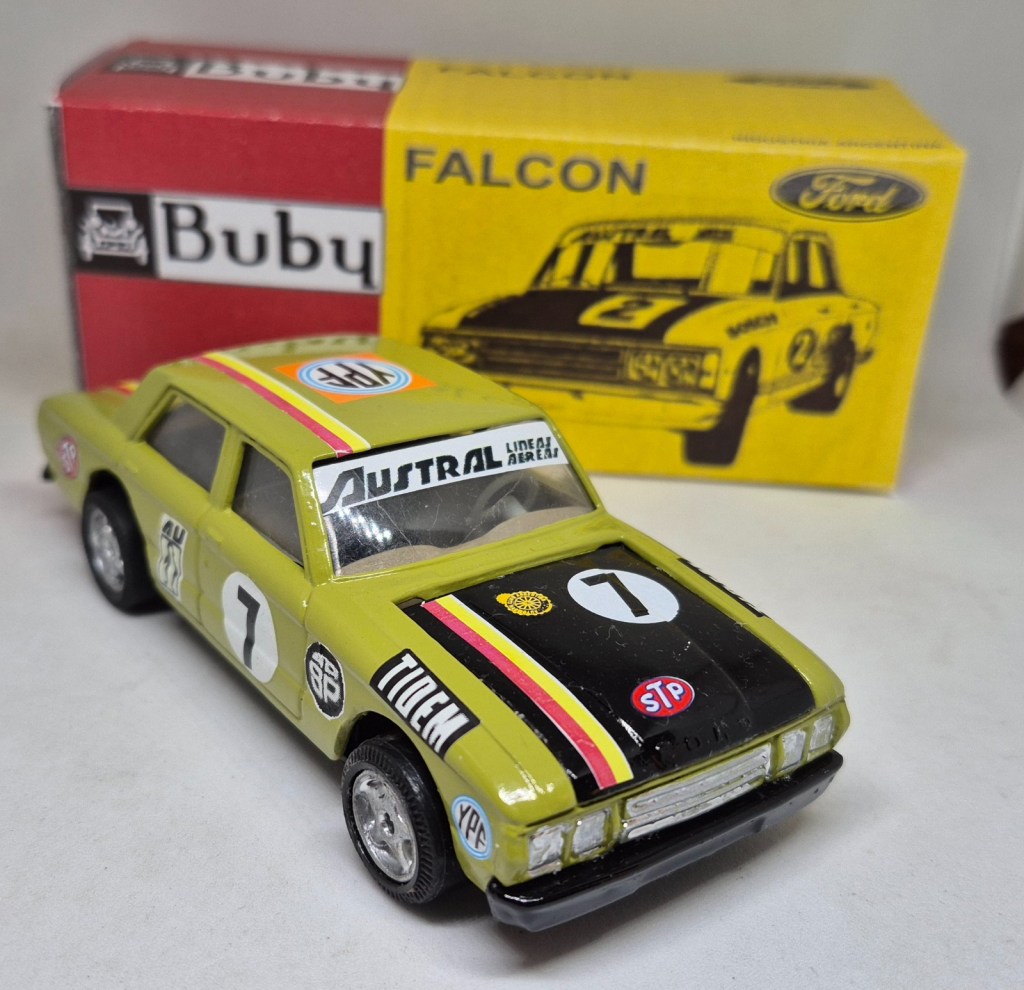
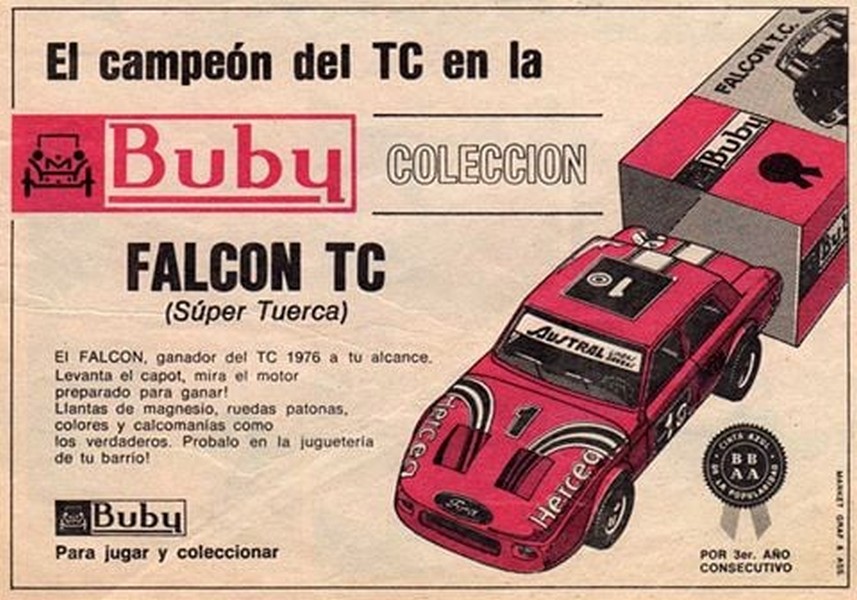
Buby first introduced the early 1960s Falcon and later the post-1973 restyled Sprint version. The model featured an opening bonnet and boot lid. Beneath the bonnet, the engine compartment was reproduced in remarkable detail, including the air filter and radiator. Falcon models were also produced in police, taxi and racing versions. Buby reproduced the Carrera rally cars and Turismo Carretera racing cars in two different specifications. The first represented the 1967 version equipped with a 4-litre, 300 hp engine fitted with four carburettors.
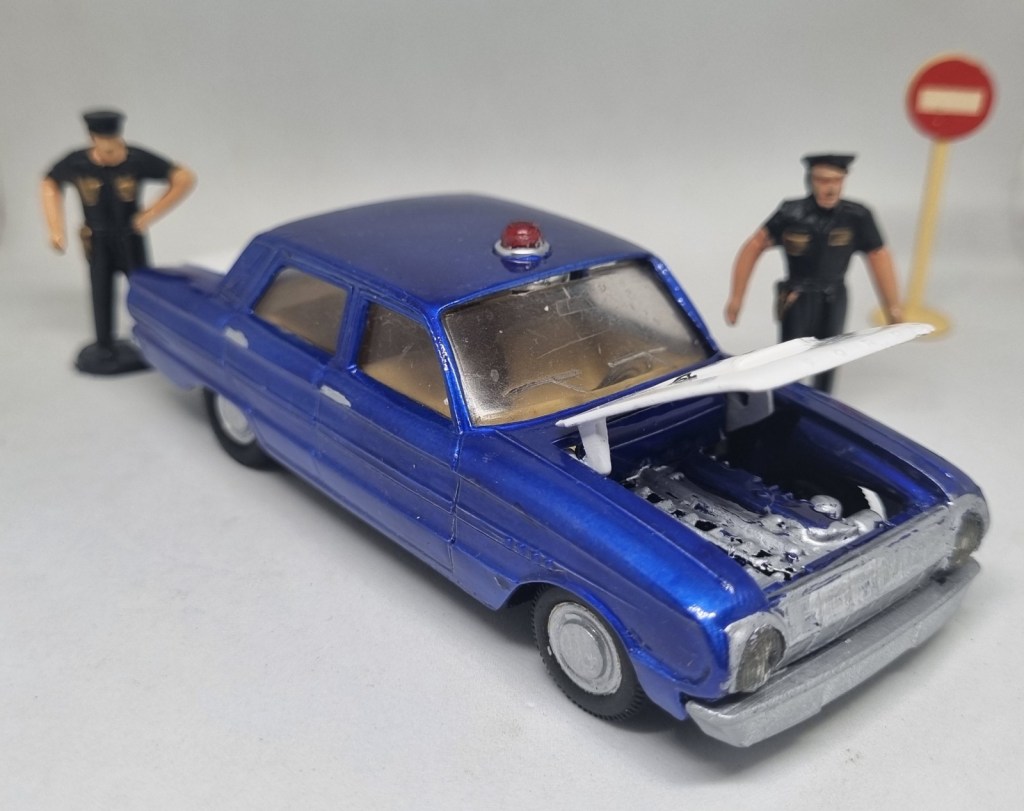
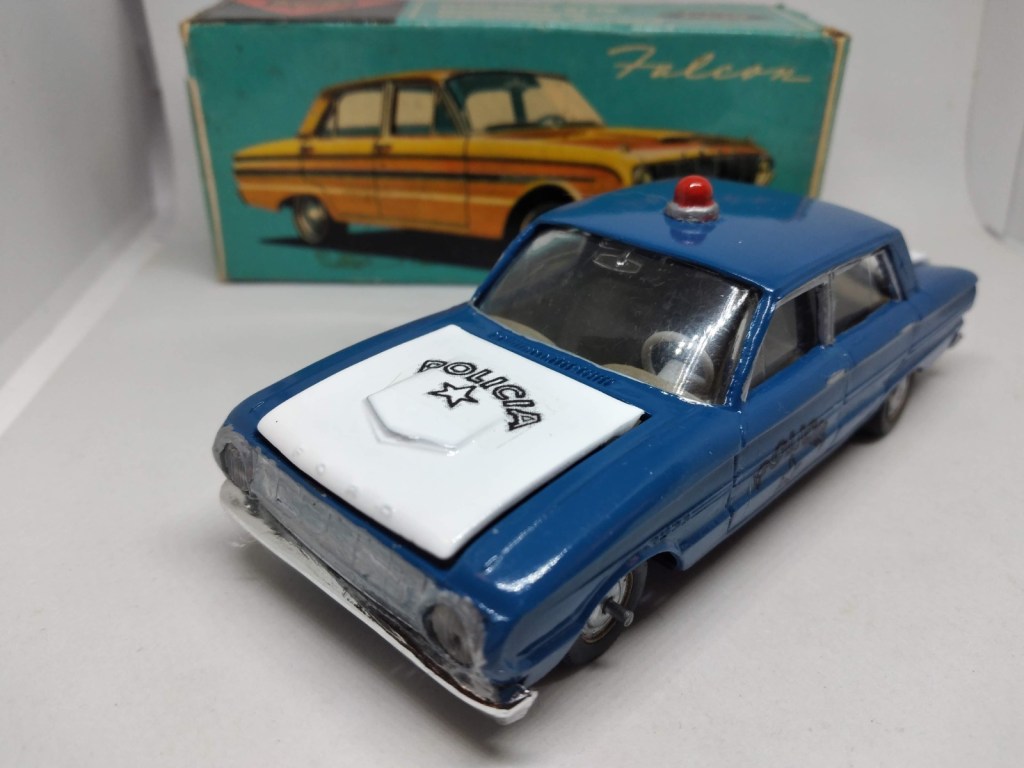
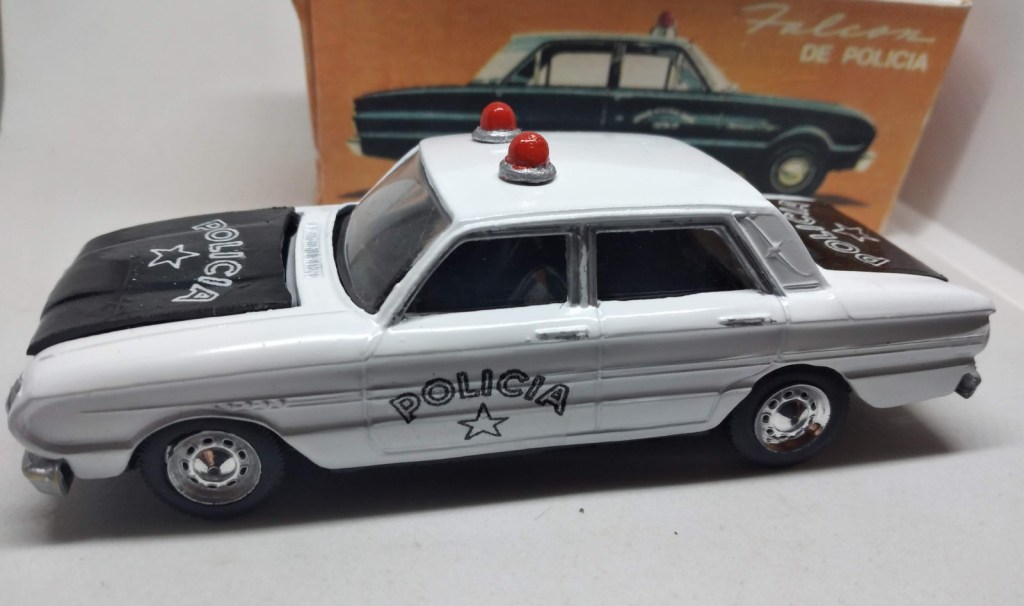
The second represented the Turismo Carretera version of the 1970s. It featured the distinctive bonnet extending across the entire front section of the car, including the front wings, together with new wheel designs reflecting the regulation changes introduced in Turismo Carretera racing.
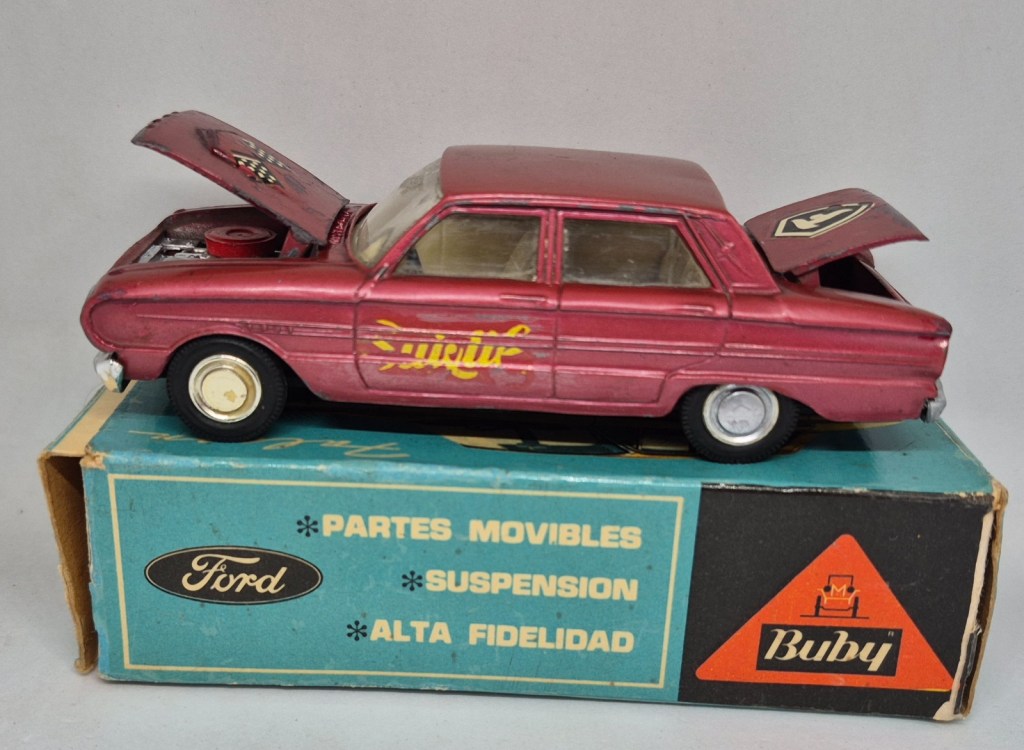
The Falcon TC eventually became a legend of Argentine motorsport, and many examples still compete today.
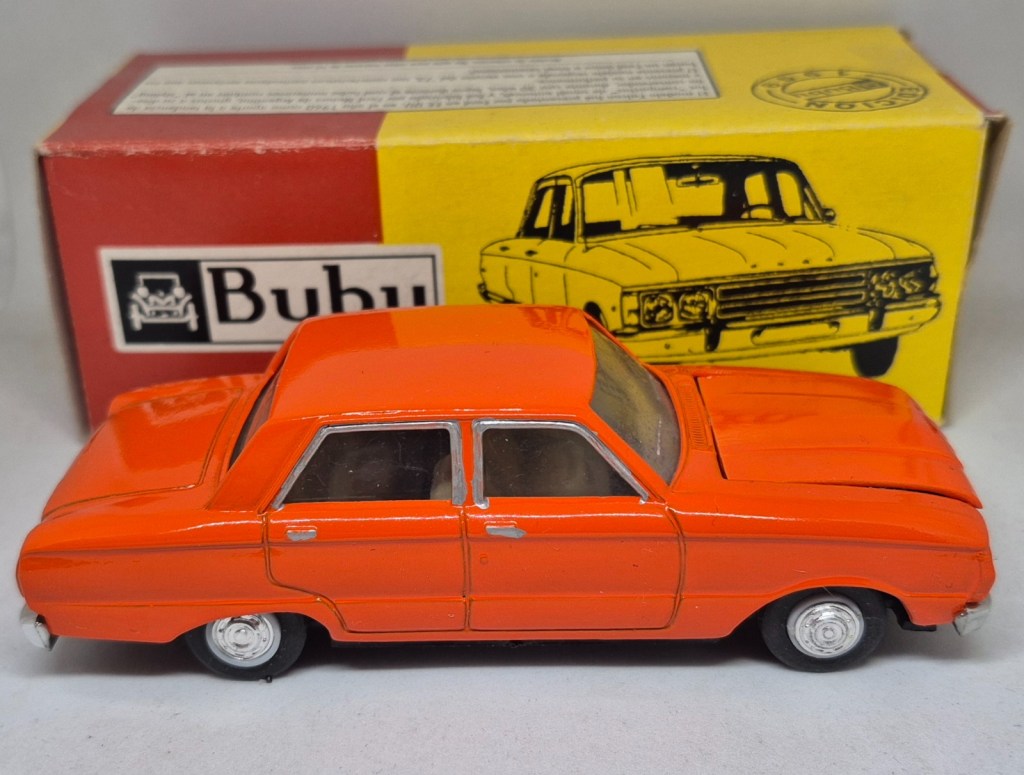
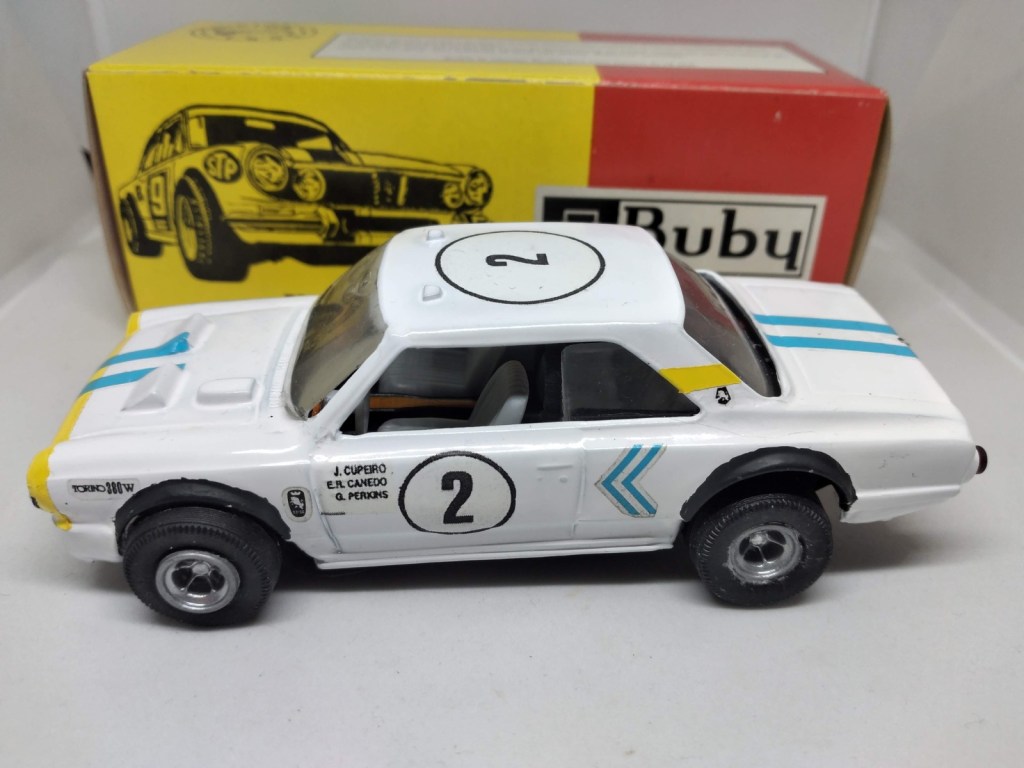
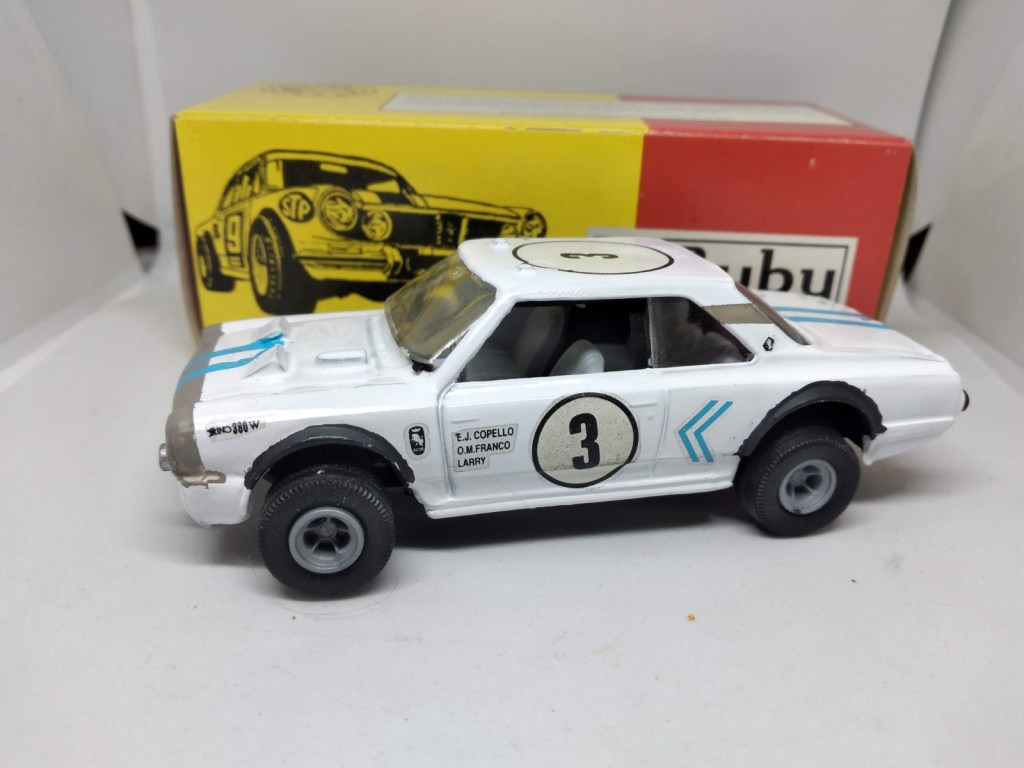
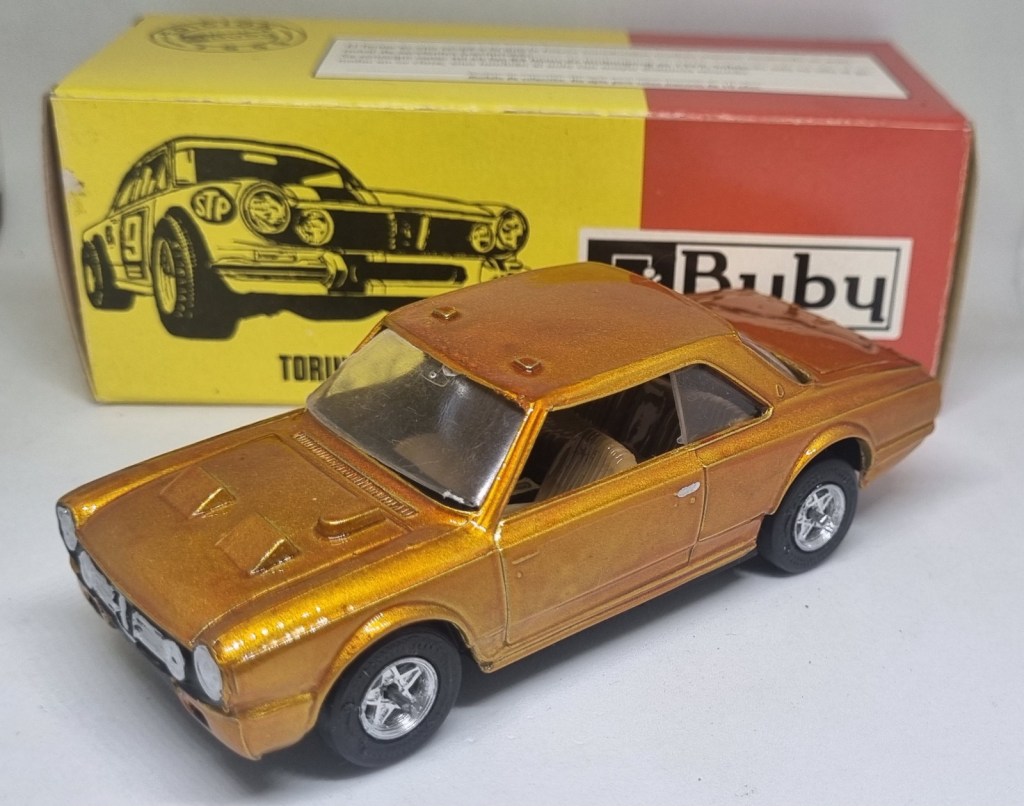
The IKA Torino TS 380W was another legendary model produced by Buby. The real car was based on the Rambler American 440 Hardtop.
Don Haroldo introduced models featuring opening doors and highly detailed, accurate plastic interiors. The 1/40 scale Torino range included the TS 380W, TS 380W Nürburgring and the Turismo Carretera version.
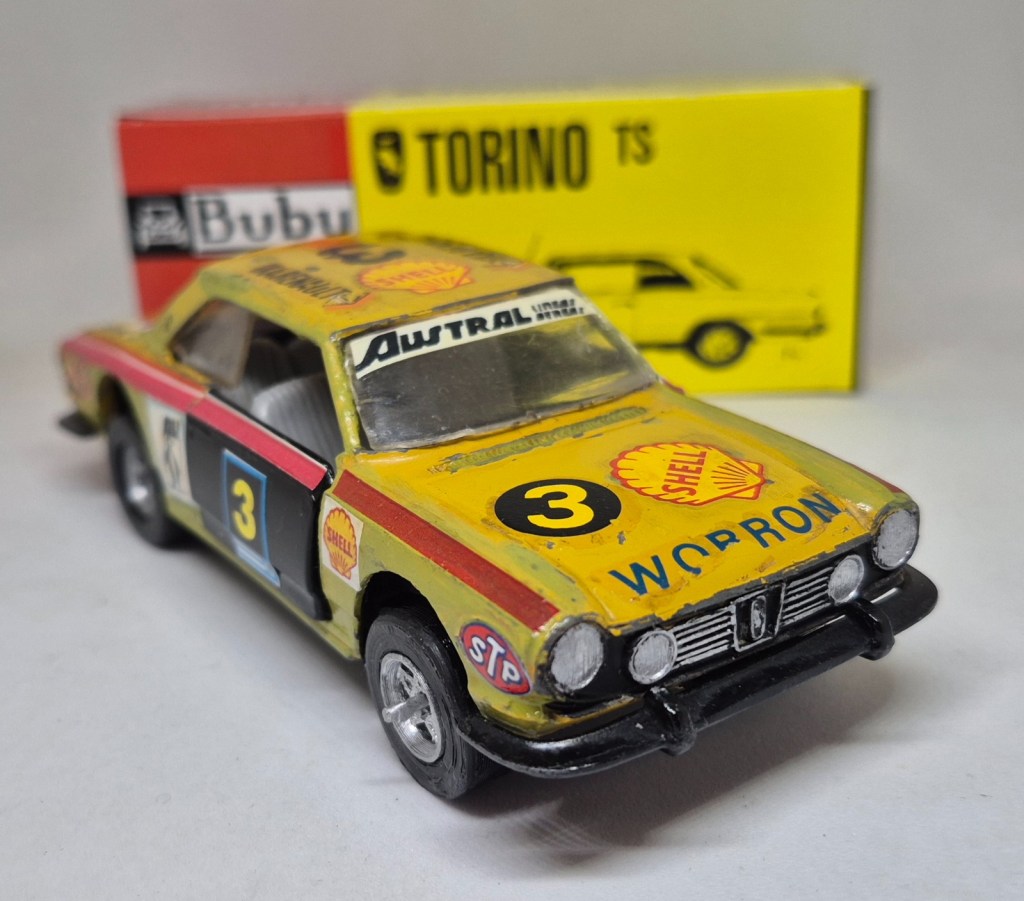
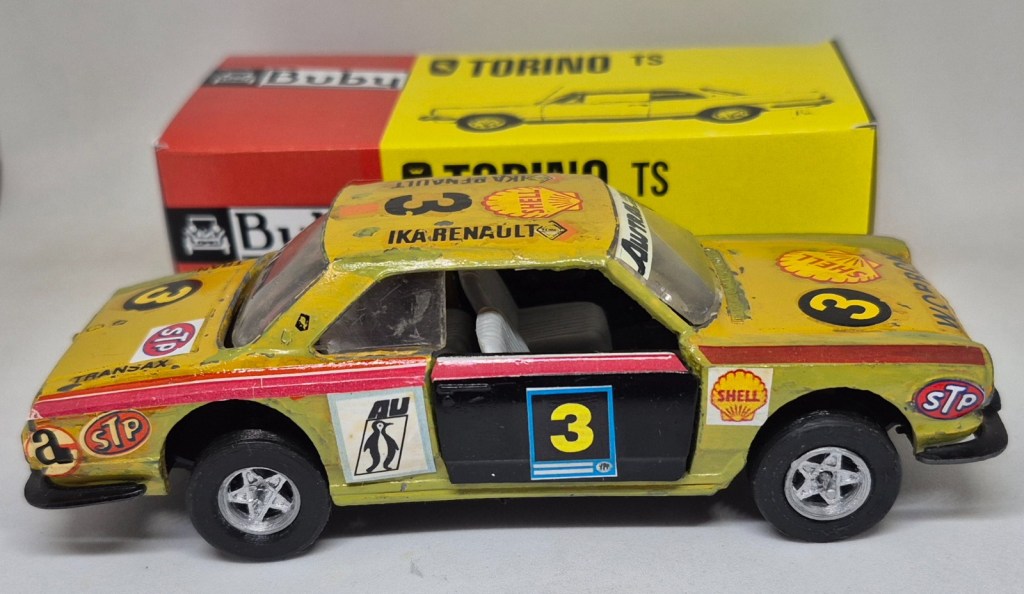
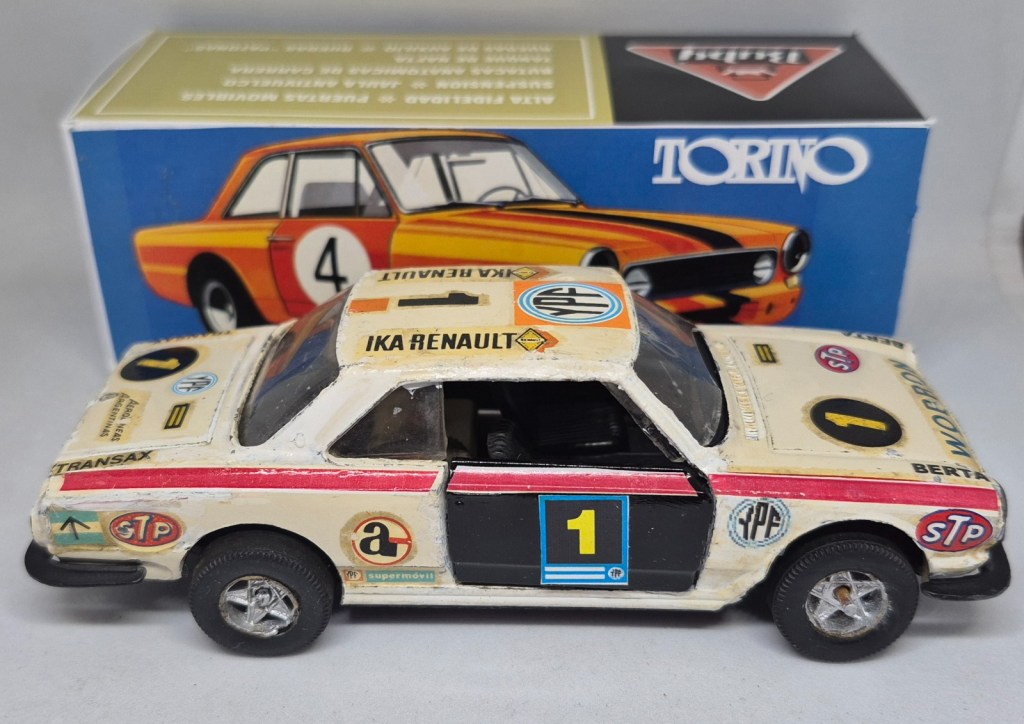
The IKA Torino TS 380W Nürburgring represents one of the most celebrated chapters in Argentine motorsport history. In 1969, the national team, managed by Juan Manuel Fangio and equipped with specially prepared racing cars, competed in the Marathon de la Route at the Nürburgring. One of the Torinos crossed the finish line first after 84 hours of racing. Unfortunately, penalties relegated the Argentine team to fourth place. Nevertheless, for many Argentinians the Torino remains the moral winner and a source of national pride.
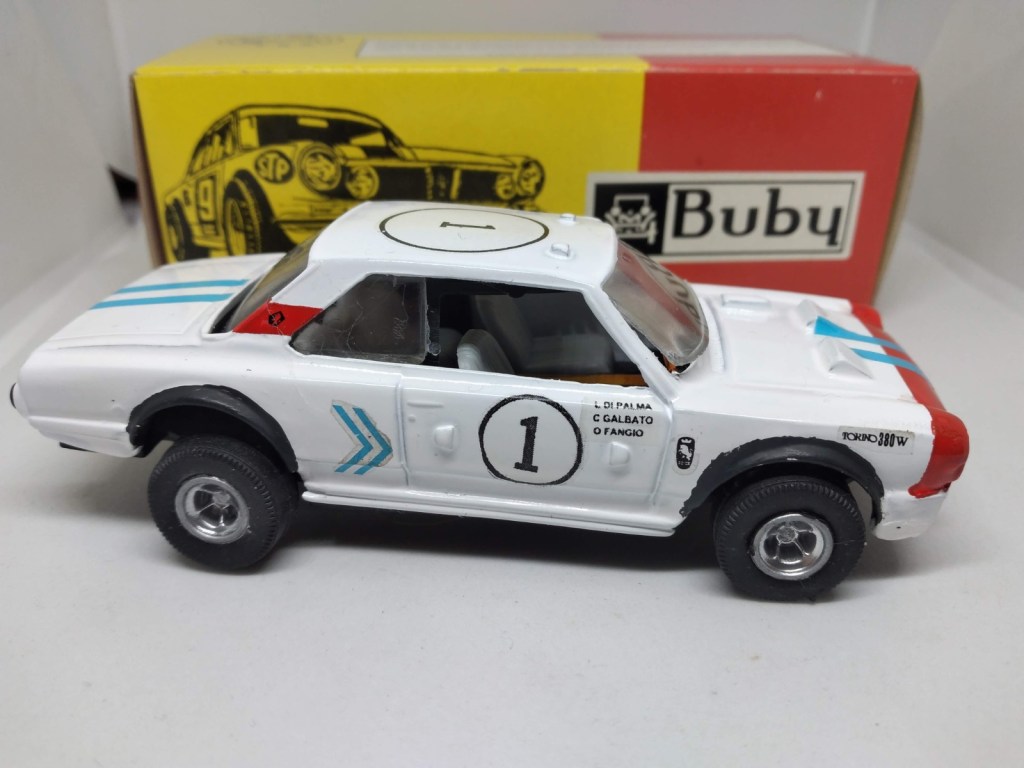
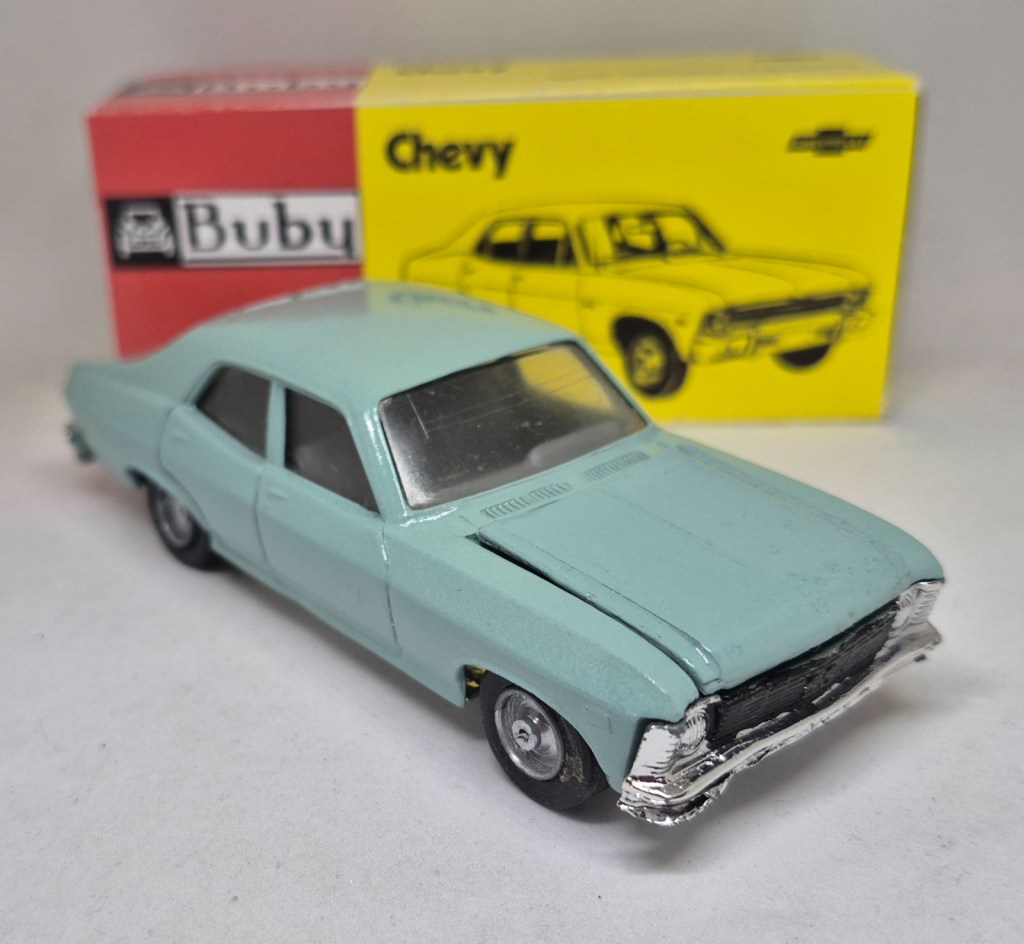
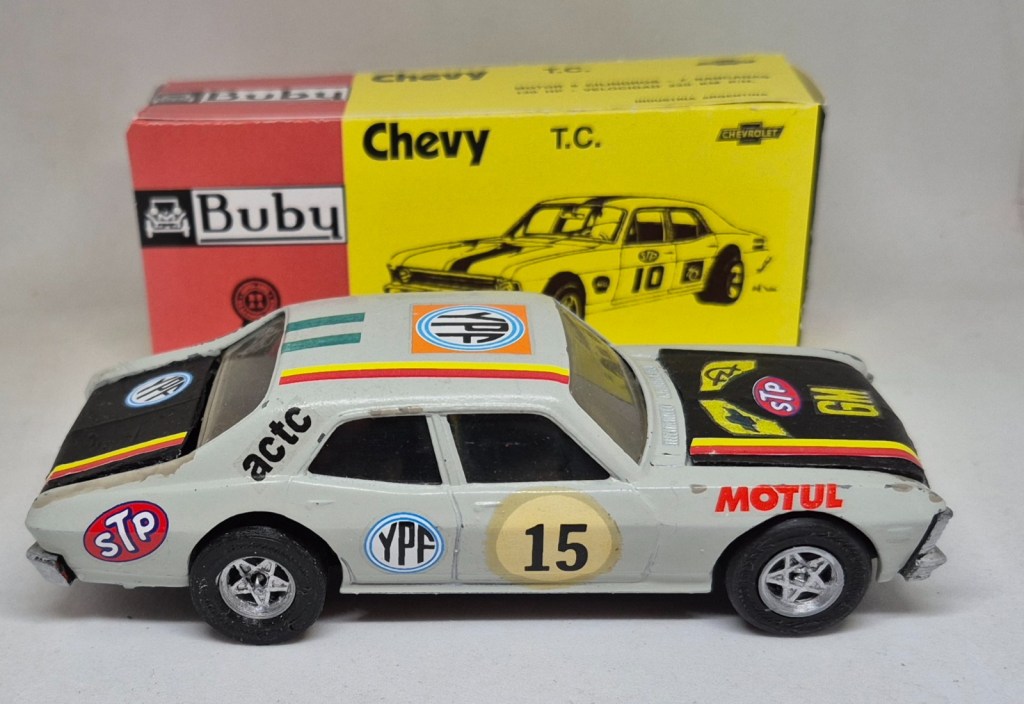
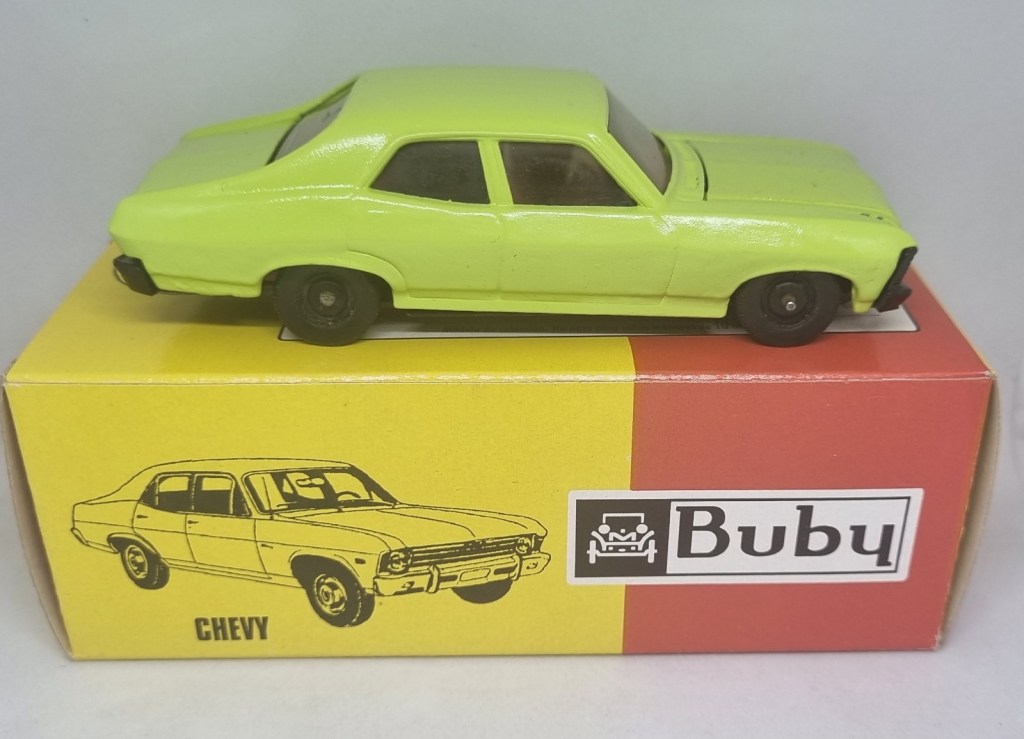
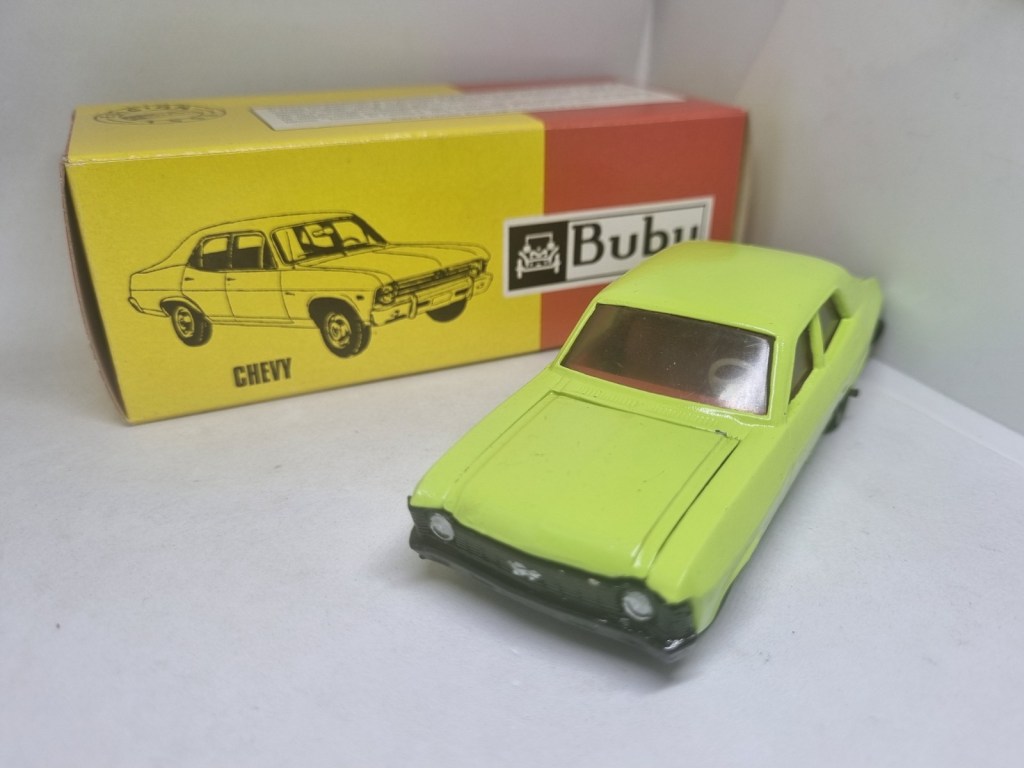
The Chevrolet Nova was also produced in Argentina and became another legendary car, particularly in Turismo Carretera, where it competed directly against the Ford Falcon. Buby reproduced both the standard 1972 Nova and the TC racing versions.
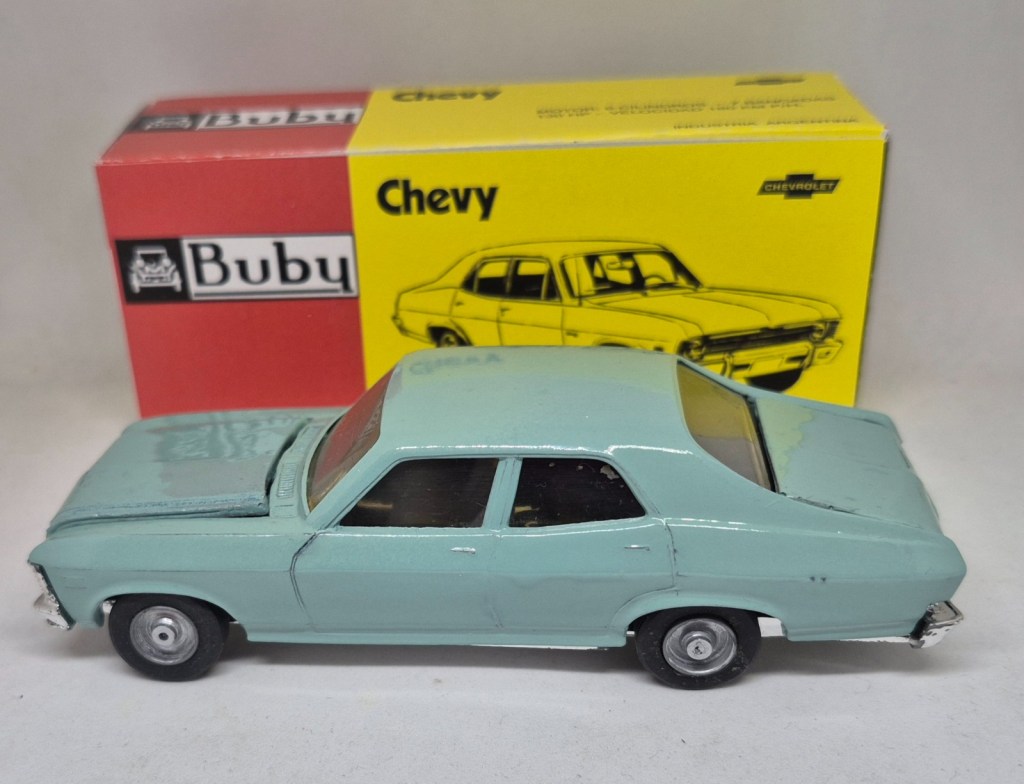
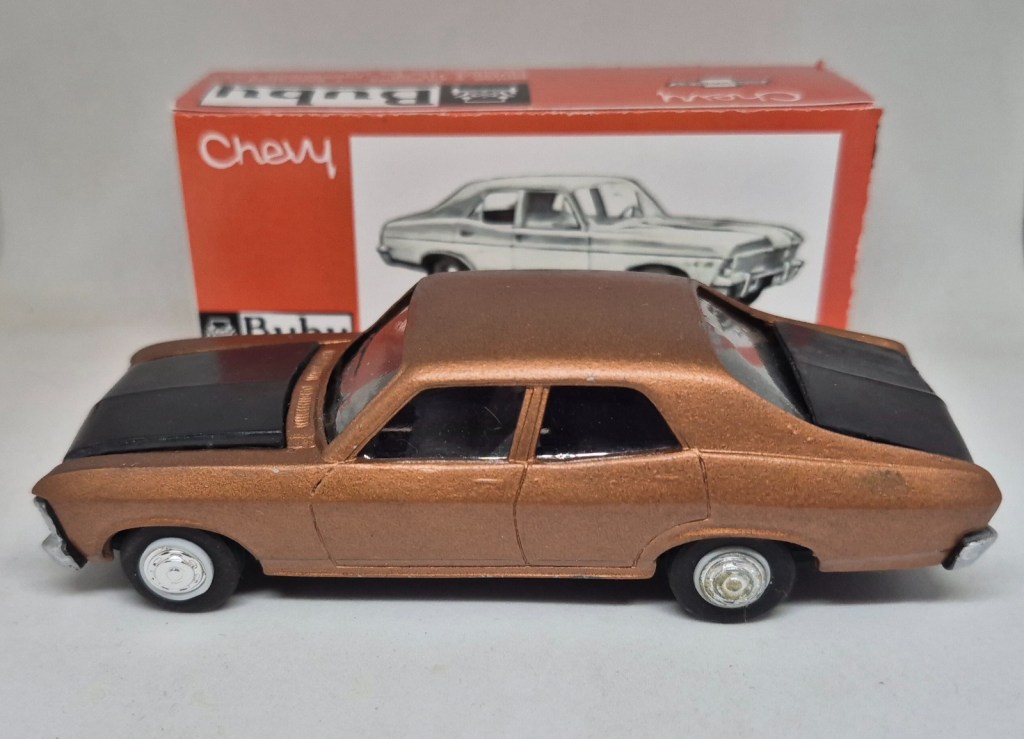
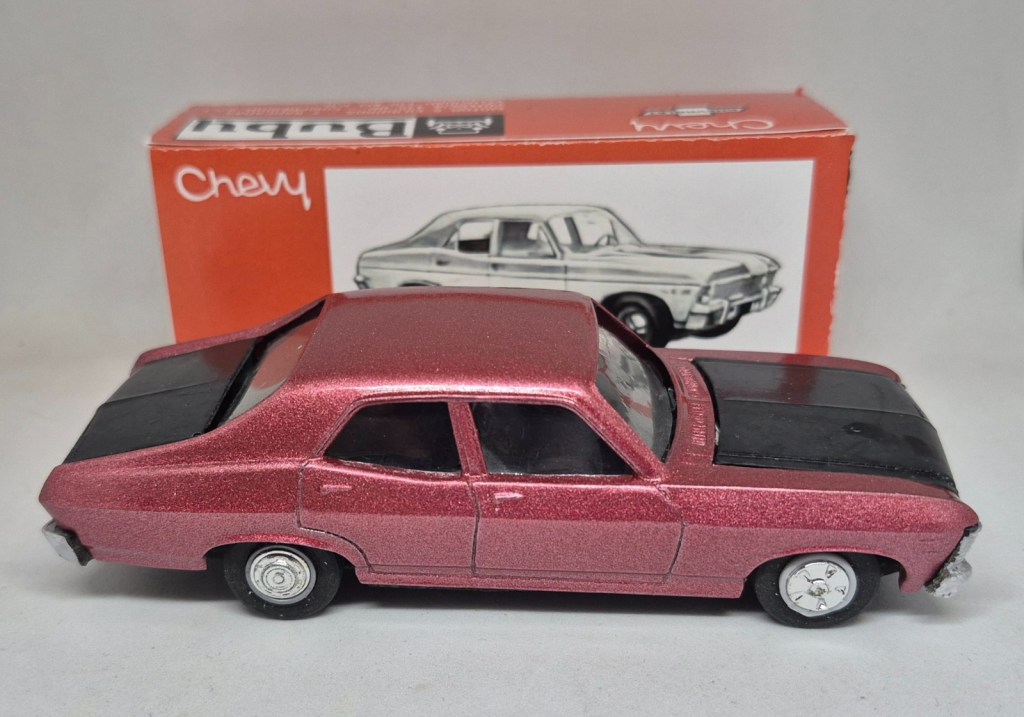
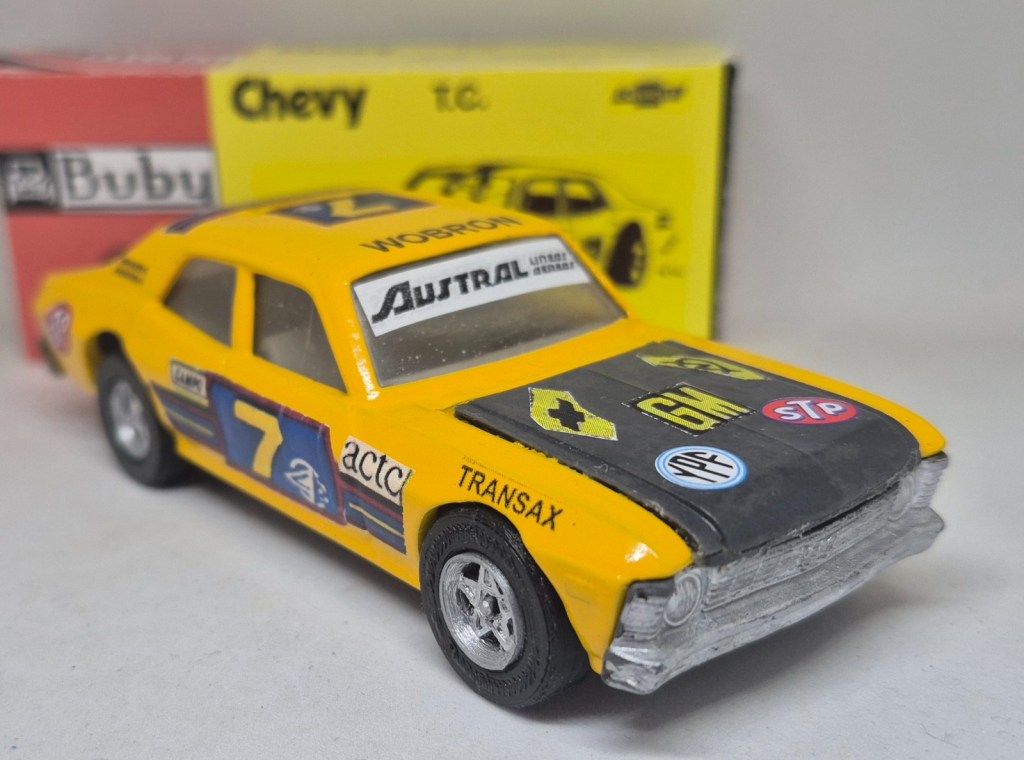
Haroldo Mahler and his team continued expanding the range by introducing the FIAT 1600, FIAT 125 and FIAT 128.
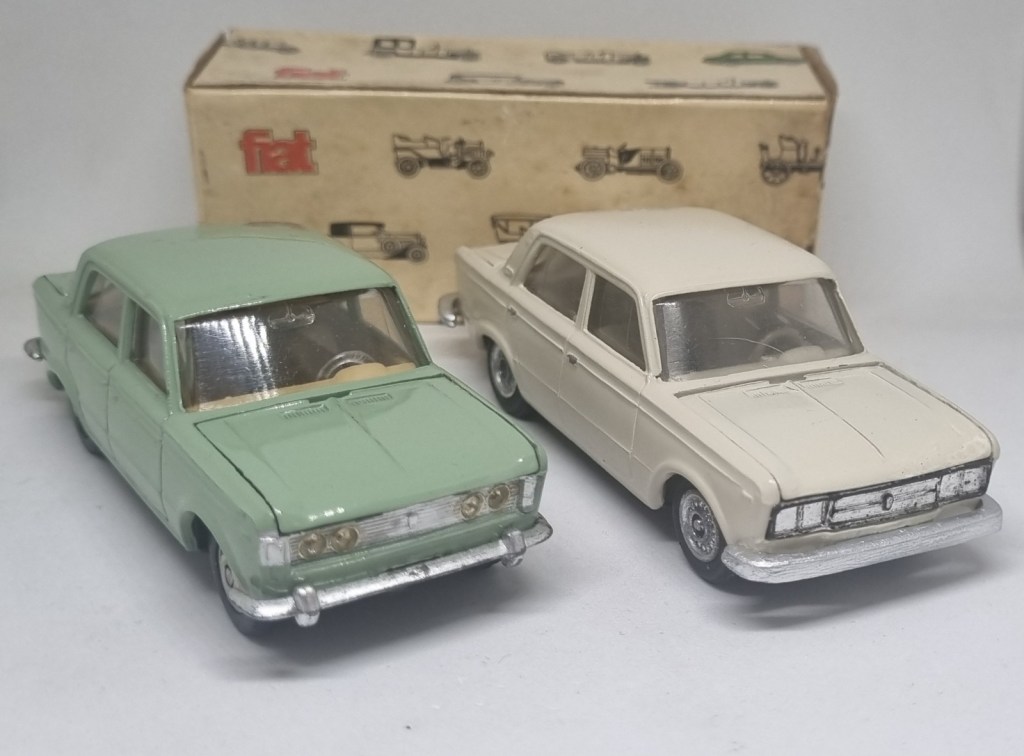
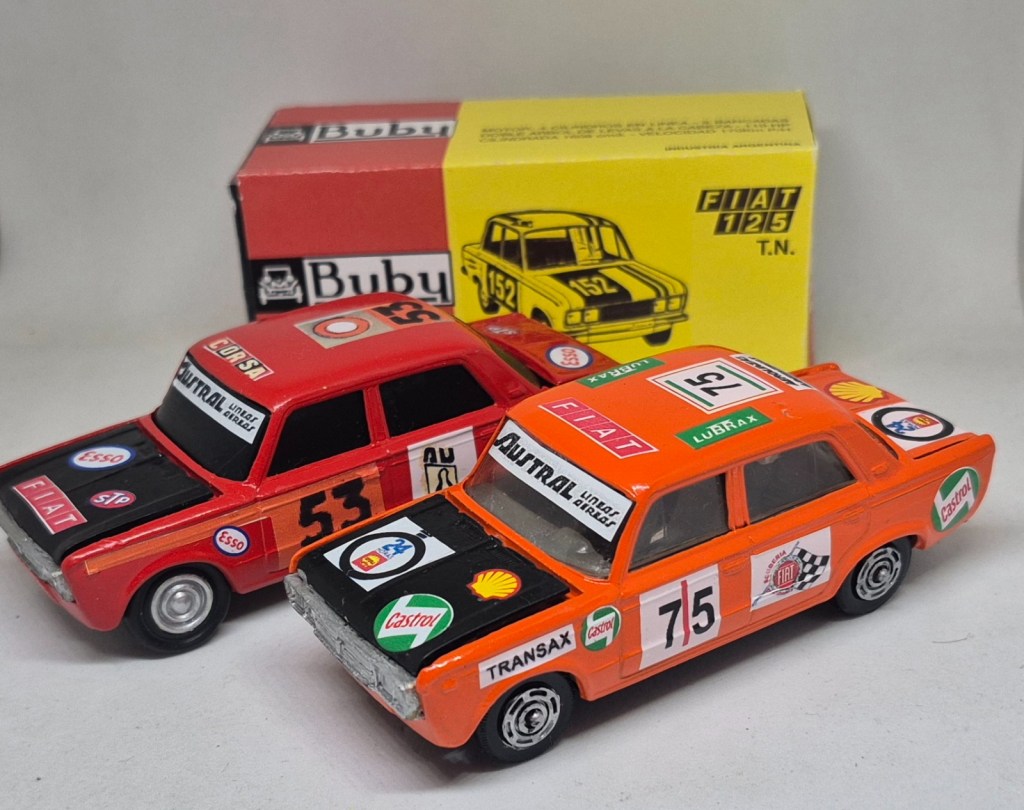
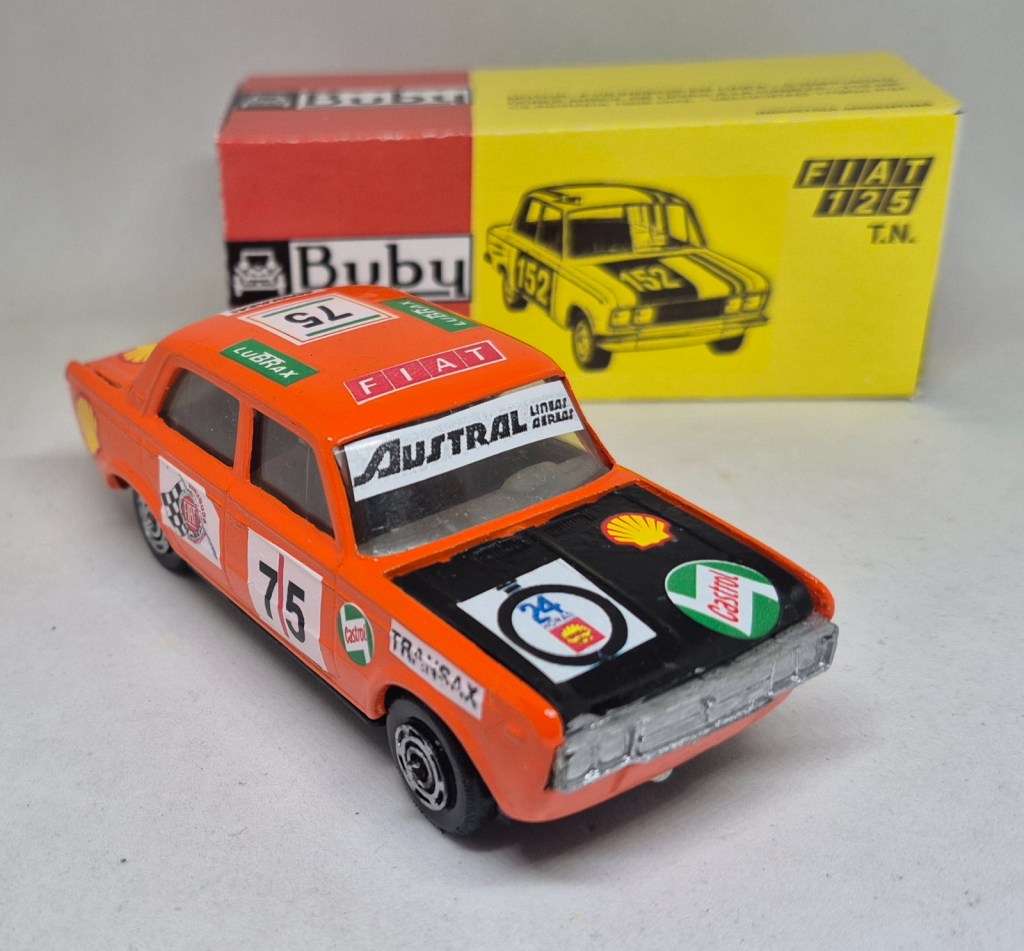
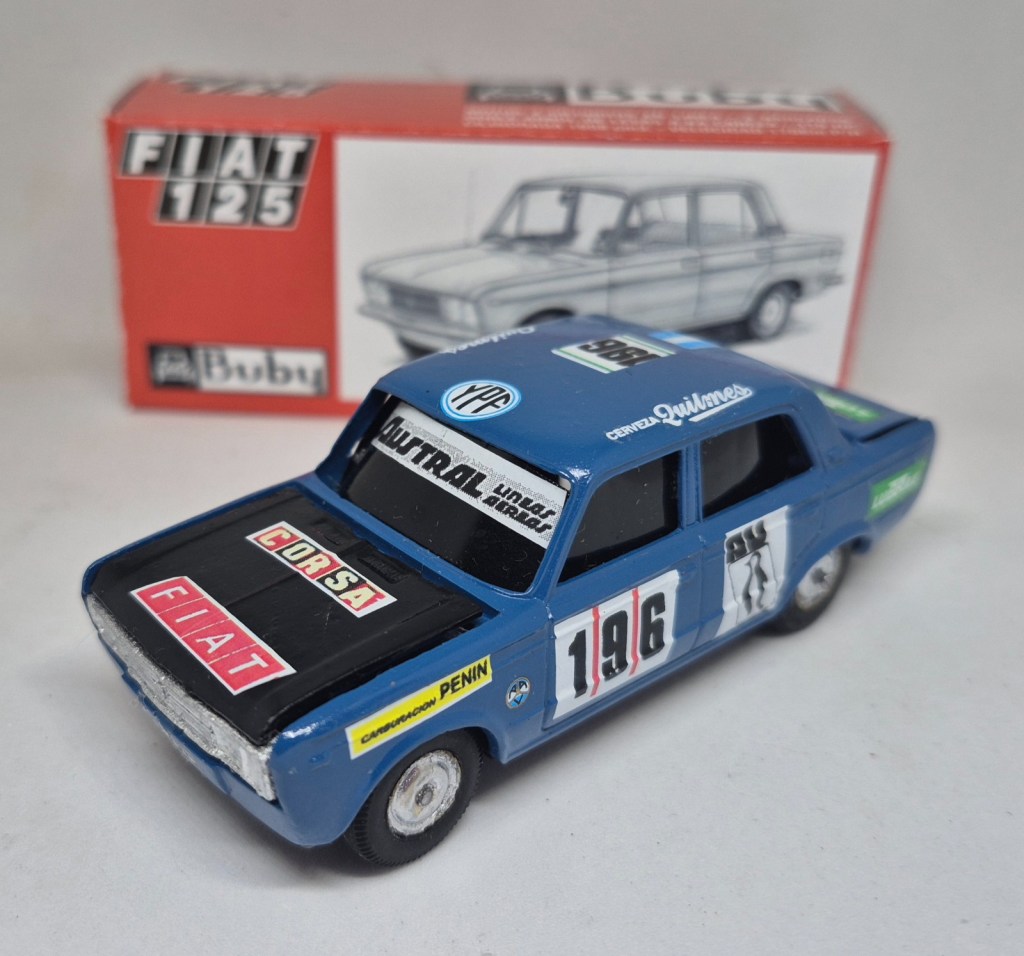
Collectors could therefore own virtually the complete Argentine FIAT range. During the 1960s and 1970s, the Turin-based manufacturer was extremely active internationally and invested heavily in promotion. This explains the success of its collaboration with Buby throughout the 1970s and 1980s.
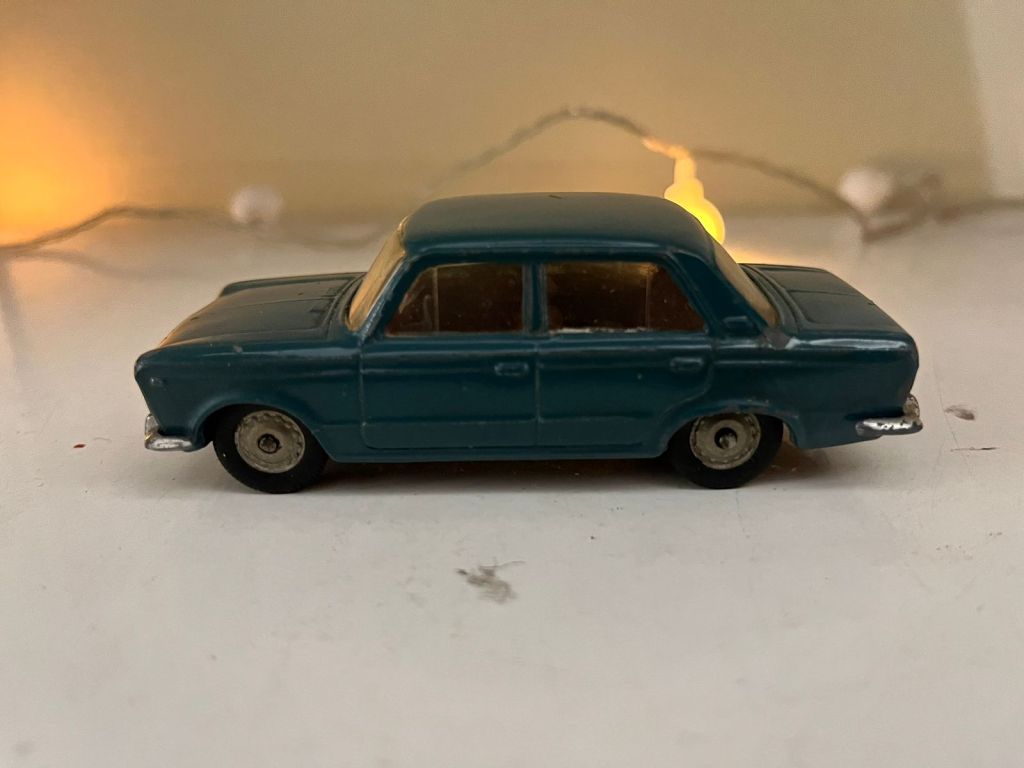
All FIAT miniatures were exceptionally detailed for their time. The most innovative versions were the FIAT 128s, which featured opening front doors complete with window frames as well as an opening bonnet.
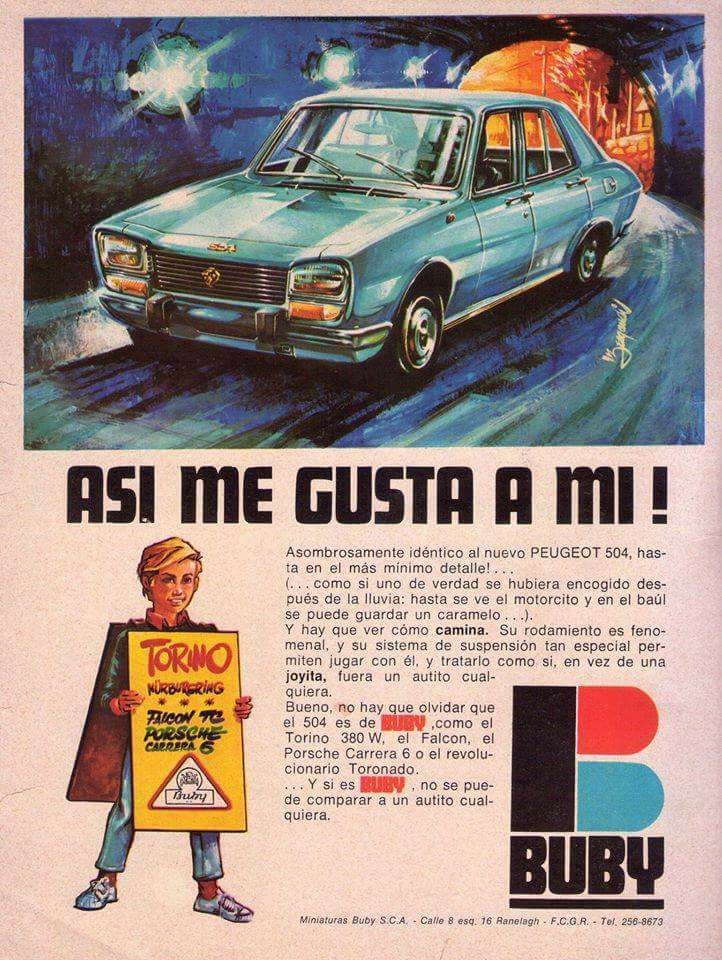
The range of locally produced vehicles continued with the Peugeot 504 and IKA Renault 6. The latter was introduced during the second half of the 1970s and was highly modern for its time. It featured an opening bonnet with a detailed engine, opening front doors complete with frames and a realistic plastic interior.
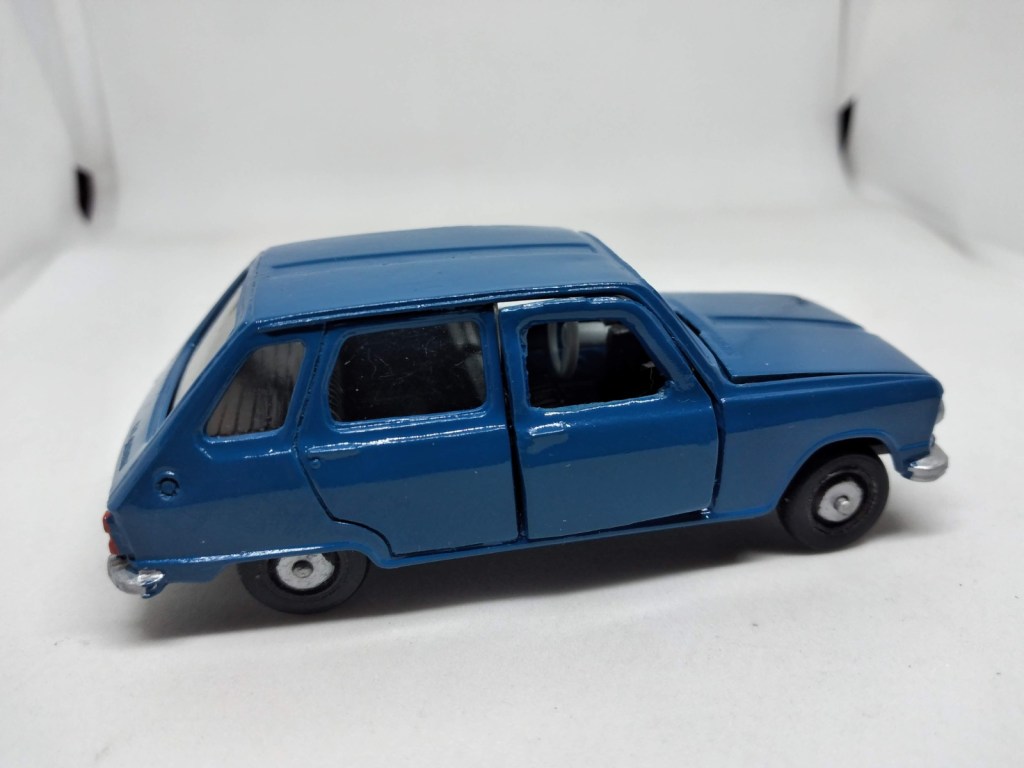
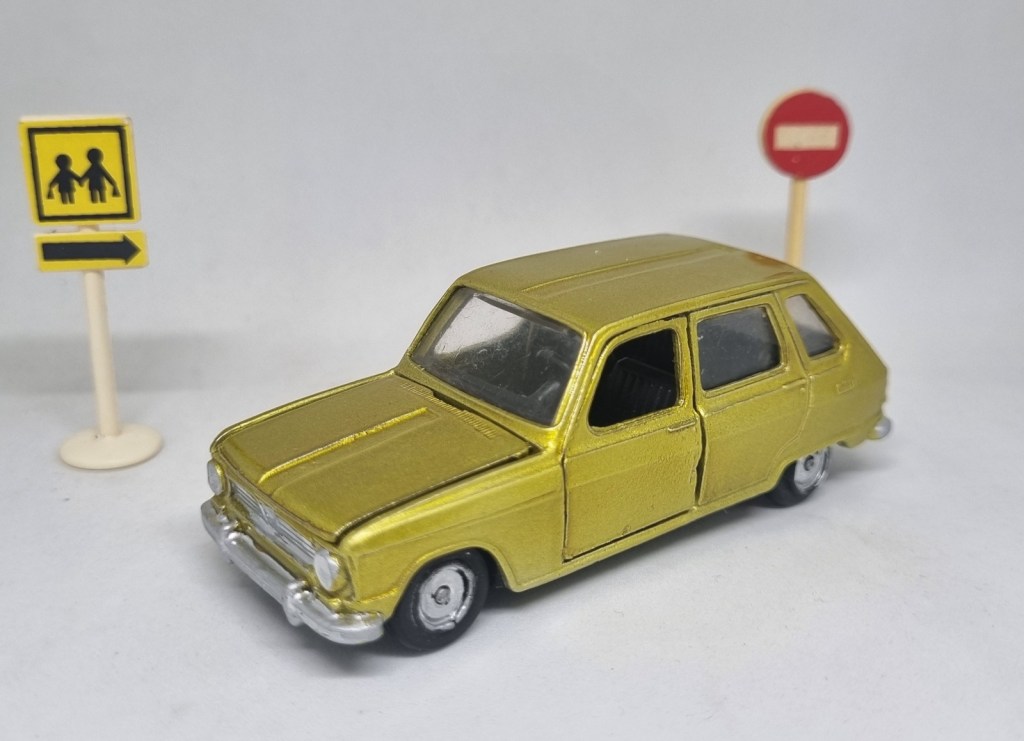
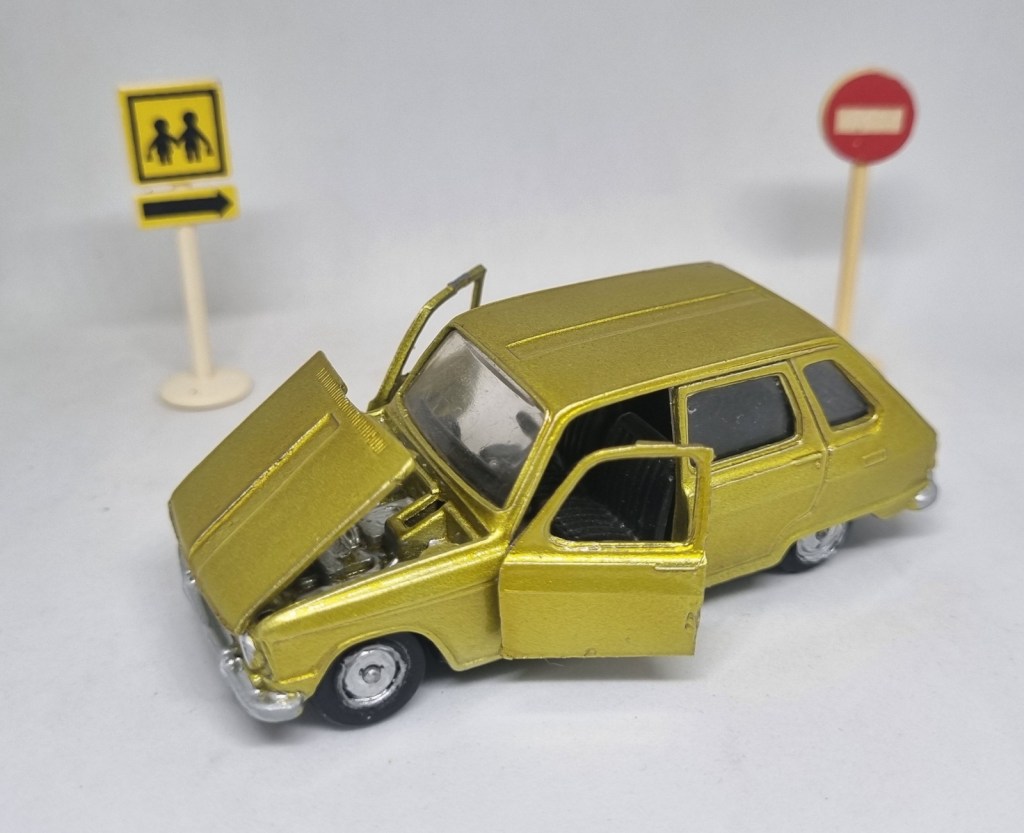
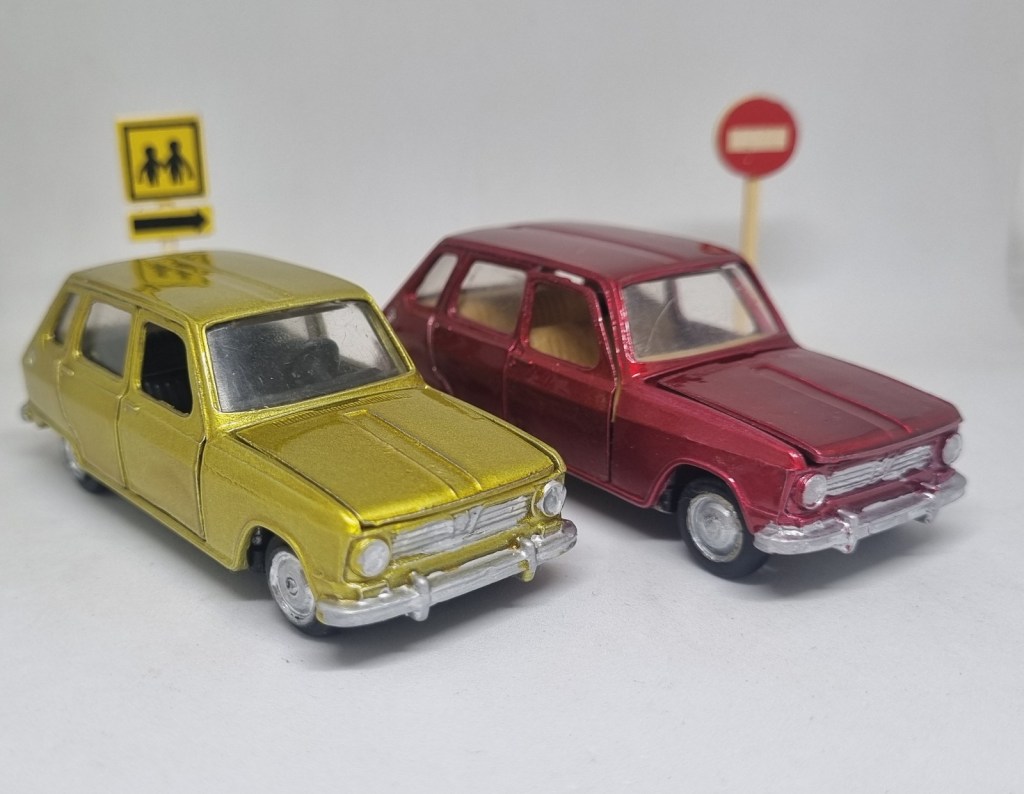
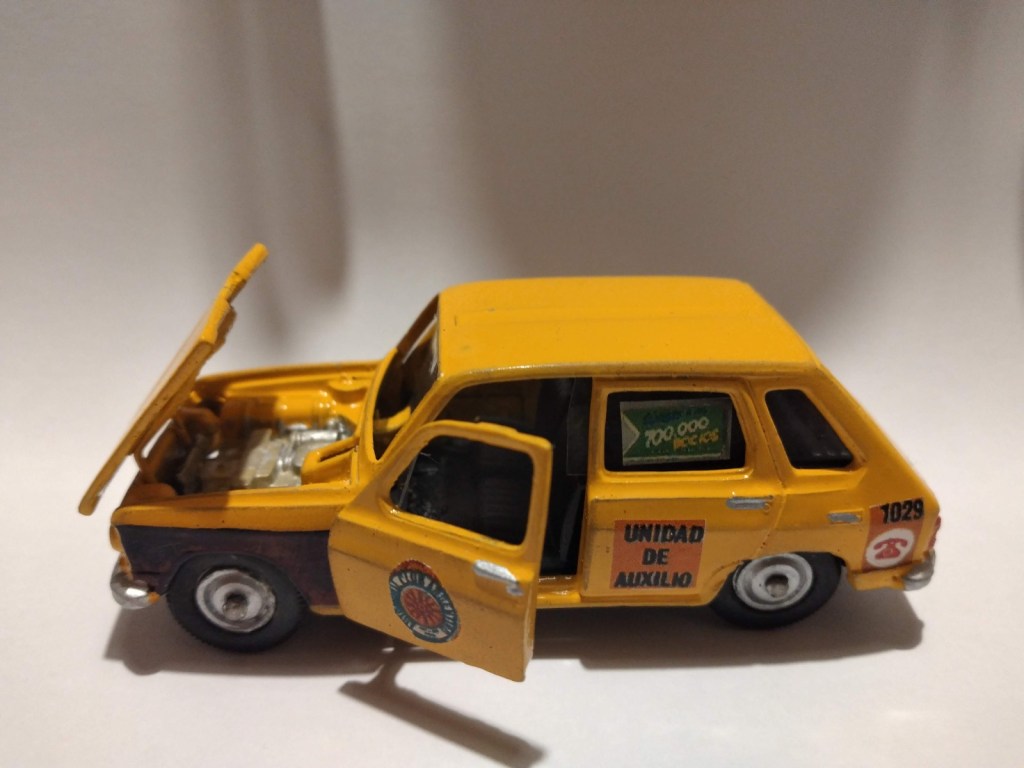
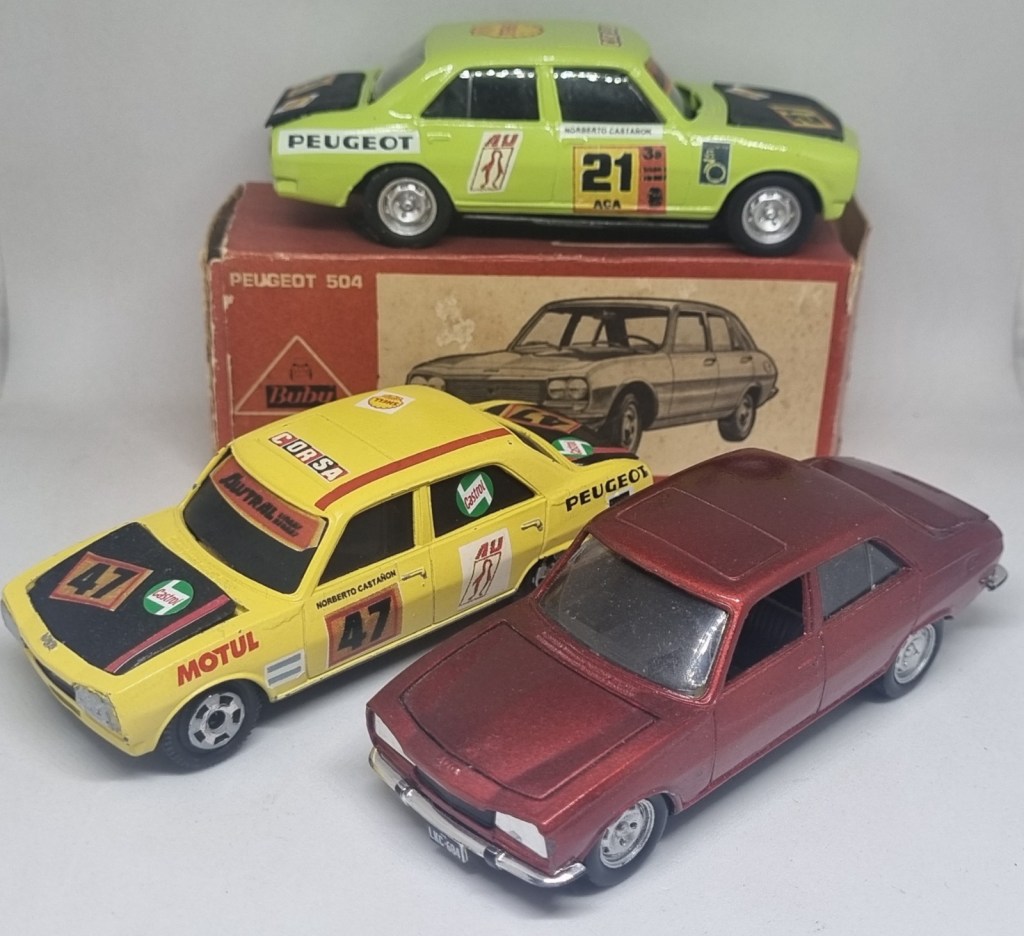
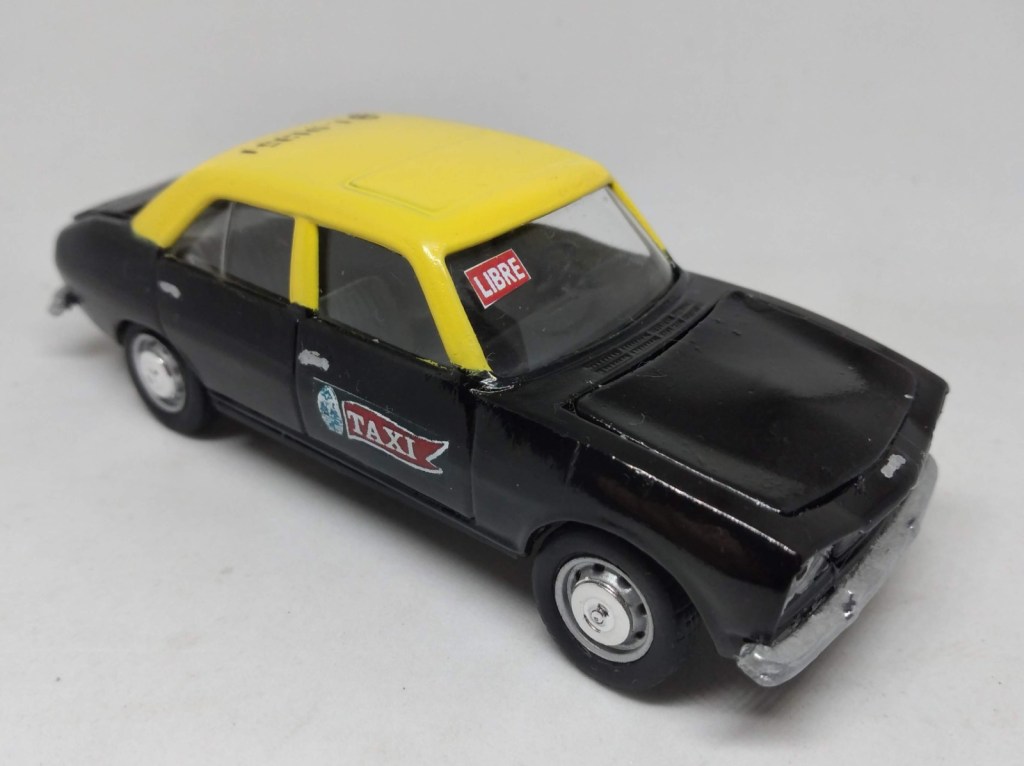
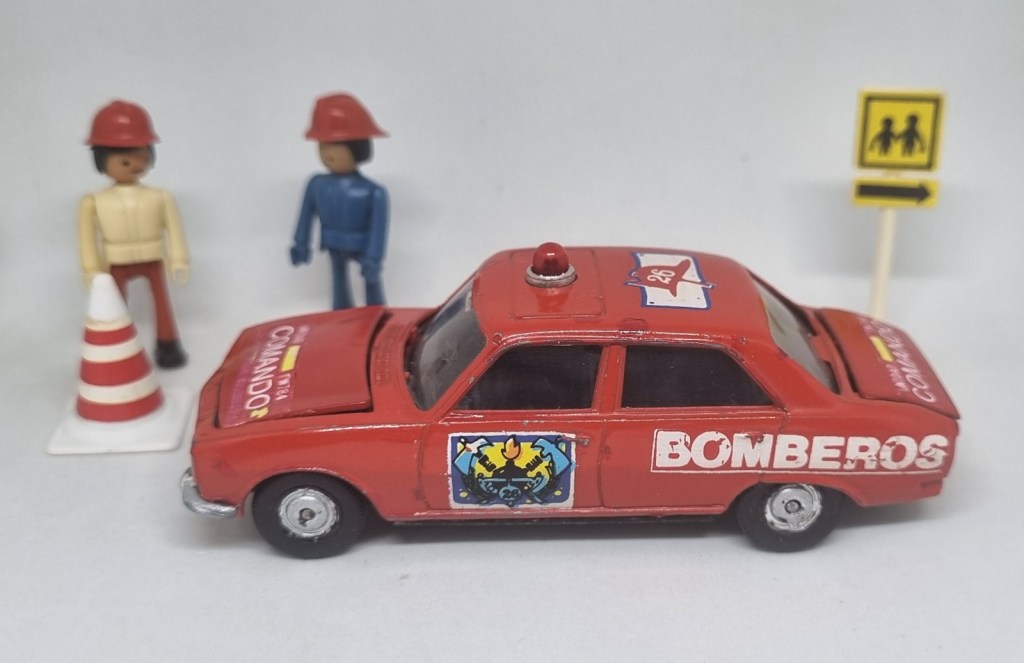
Incidentally, all Buby 1/40-1/43 and 1/64 scale models of this period reached the same standard as European miniatures produced by companies such as Dinky, Solido and Norev.
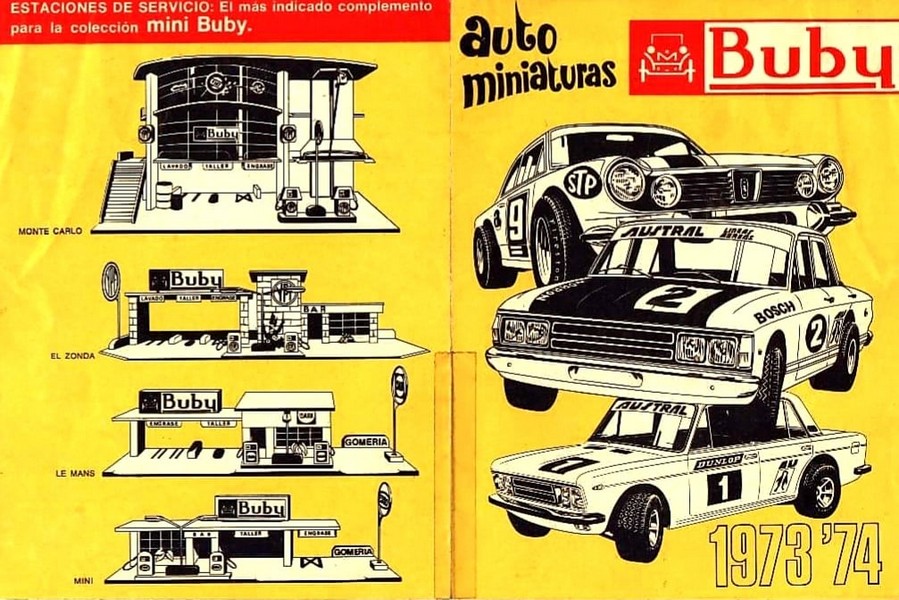
During the 1970s, all Buby models received newly designed red and yellow cardboard boxes, colours that remained associated with the company until its bankruptcy.
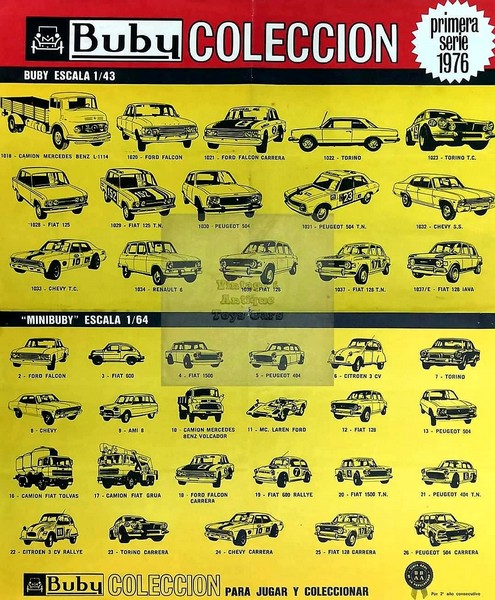
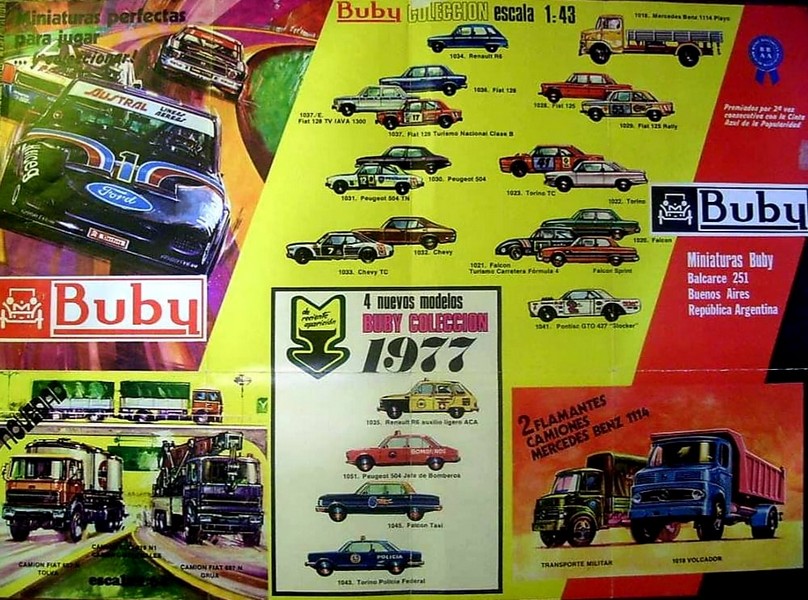
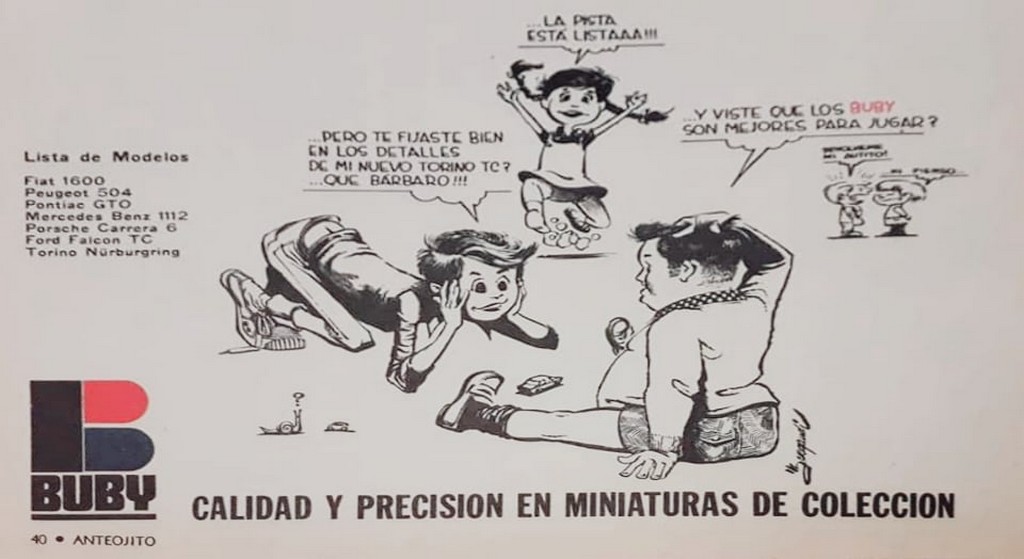
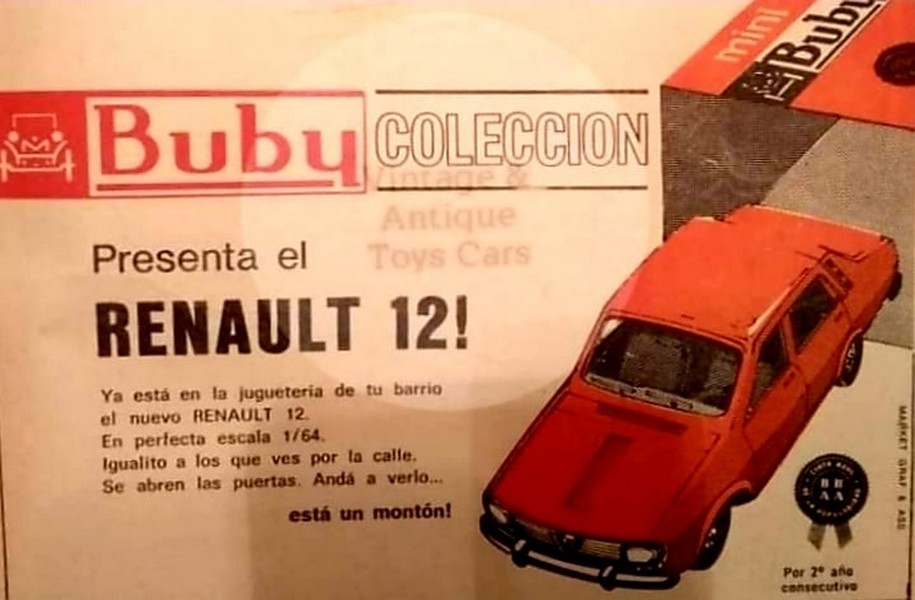
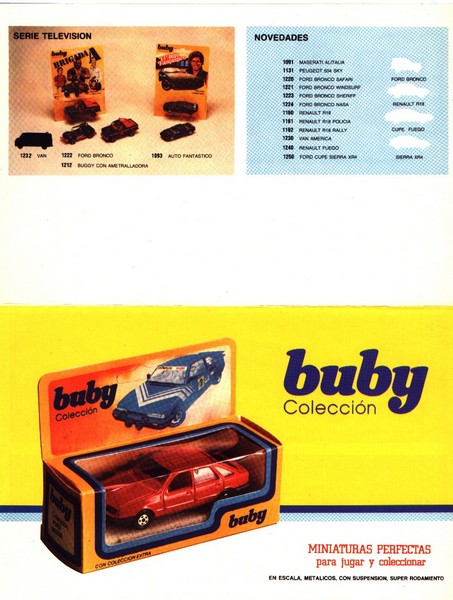
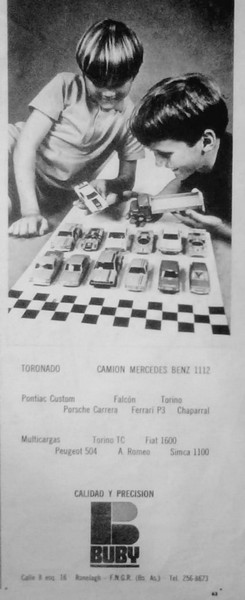
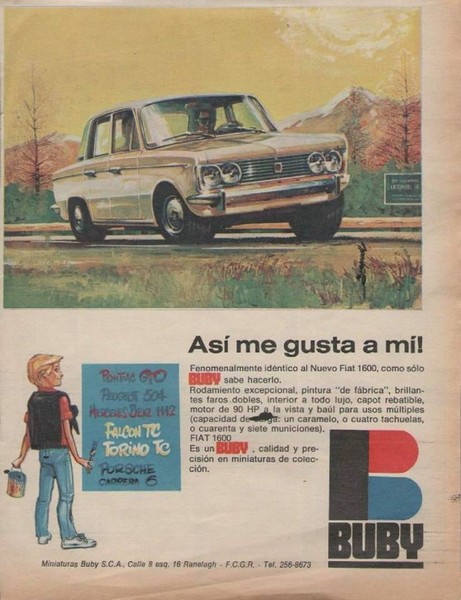
At the same time, Buby continued its collaboration with Solido.
Initially, the Argentine company distributed certain Solido models through its dealer network.
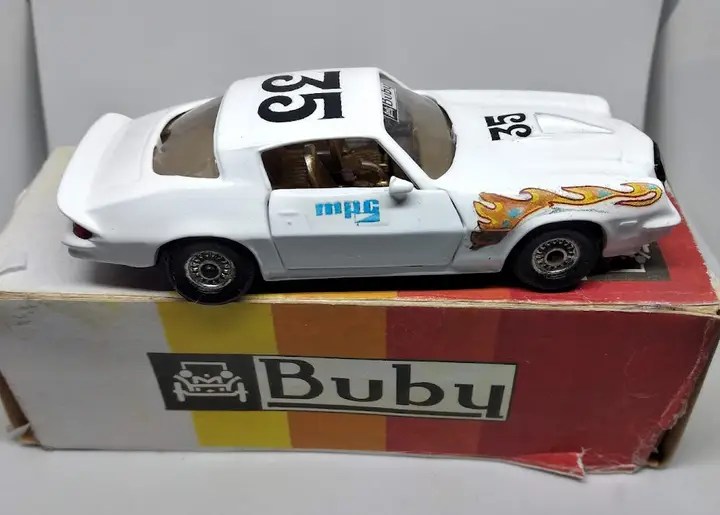
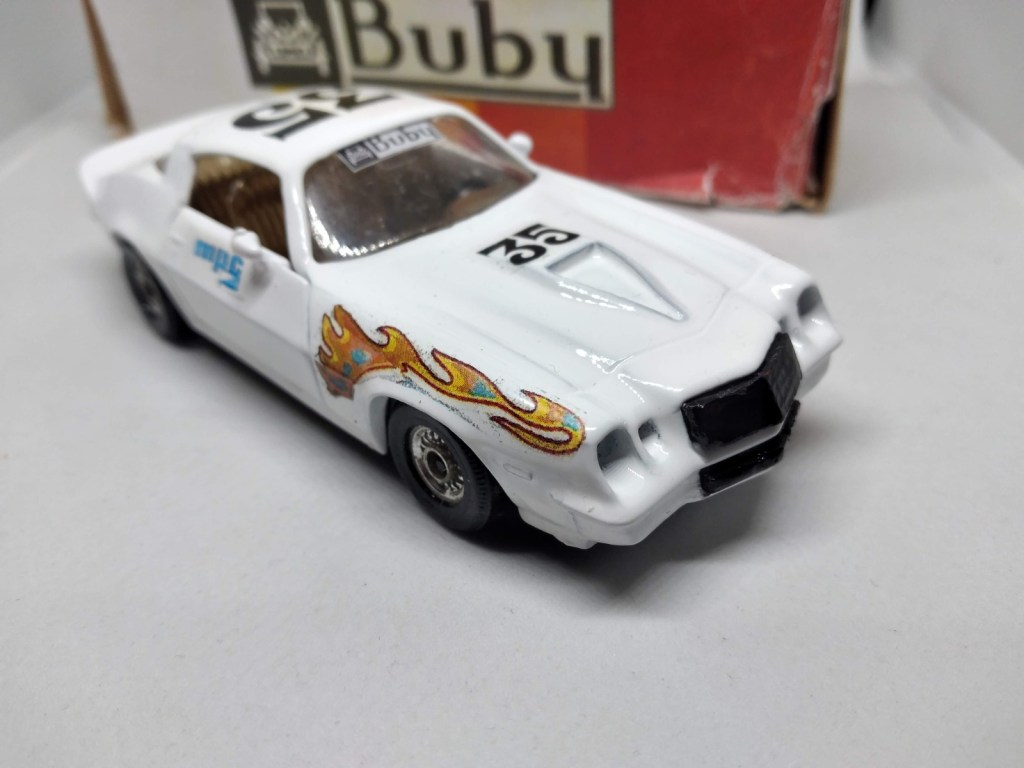
Later, Buby collaborated with the French manufacturer on models of the Porsche Carrera 6 and the 1970 Chevrolet Camaro.
The Porsche Carrera 6 was based on the Solido 100 Series model. It featured Solido’s distinctive suspension integrated into the axles and the gullwing door opening mechanism.
The 1970 Chevrolet Camaro Sport Coupé was inspired by European model makers but used an original casting. Buby produced it in two versions, standard and rally, differing only in their paint schemes. The Camaro was packaged in a specially designed cardboard box featuring a clear plastic window. Production numbers were low, making this model extremely rare today.
While remaining active in 1/40-1/43 scale, Buby also continued developing its 1/64 range. During the 1970s, the Mini Buby line consisted of the 100 and 200 Series.
The 100 Series included 22 models, combining previous castings with new ones. Some models, including the Maserati Bora, Ford Mustang II, Chevrolet Camaro and Mercedes-Benz 450 Coupé, originated from the tooling of another diecast manufacturer, JET. When JET went bankrupt in the mid-1970s, Buby acquired part of its tooling.
As a result, the Mini Buby 200 Series of Chevrolet trucks was essentially the former JET range.
To make the Mini Buby range even more attractive, in 1973 Haroldo Mahler and his team created miniature service stations intended both as scenery and toys. Four different types were introduced, each bearing a distinctive motorsport-related name according to its size: Mini, Le Mans, El Zonda and Monte Carlo.
By the end of the 1970s, Buby had achieved tremendous success in the model industry, but the political and economic situation in Argentina became extremely difficult. Following the military coup of 1976, the dictatorship of the military junta began. The period from 1976 to 1983 is known in Argentina as the Dirty War, during which the military and police abducted thousands of people while the economy entered a severe crisis. Many people lost their jobs, and numerous factories were forced to close.
Under these difficult circumstances, Don Haroldo had to suspend production. However, he was not only a talented engineer but also an outstanding businessman. He reorganized the company and relaunched production after several years. In 1982, he opened a new factory in Don Torcuato, about 40 kilometres from Buenos Aires, replacing the previous facilities. There he launched production of the new Buby 88 range in 1/64 scale. Some of the older 1/40-1/43 castings continued to be assembled in Córdoba to fulfil dealer orders.
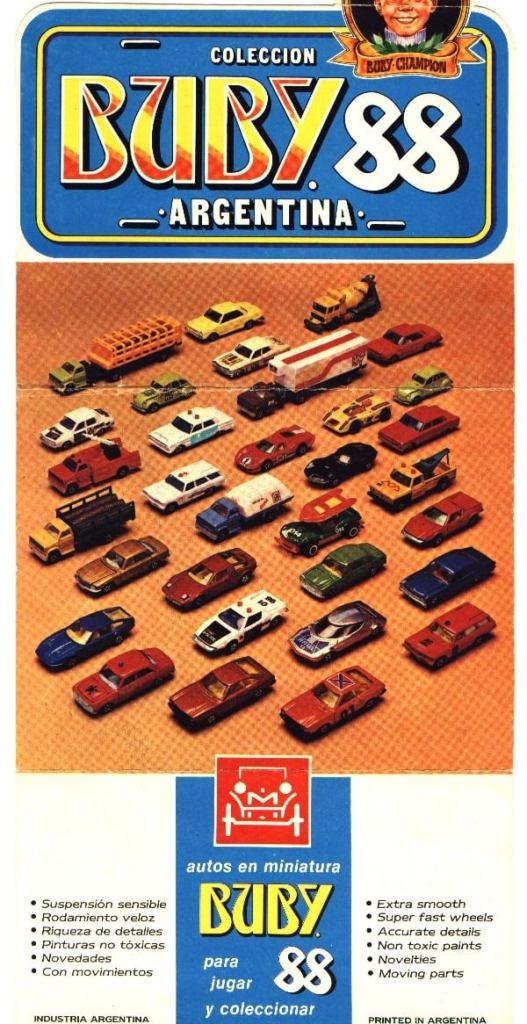
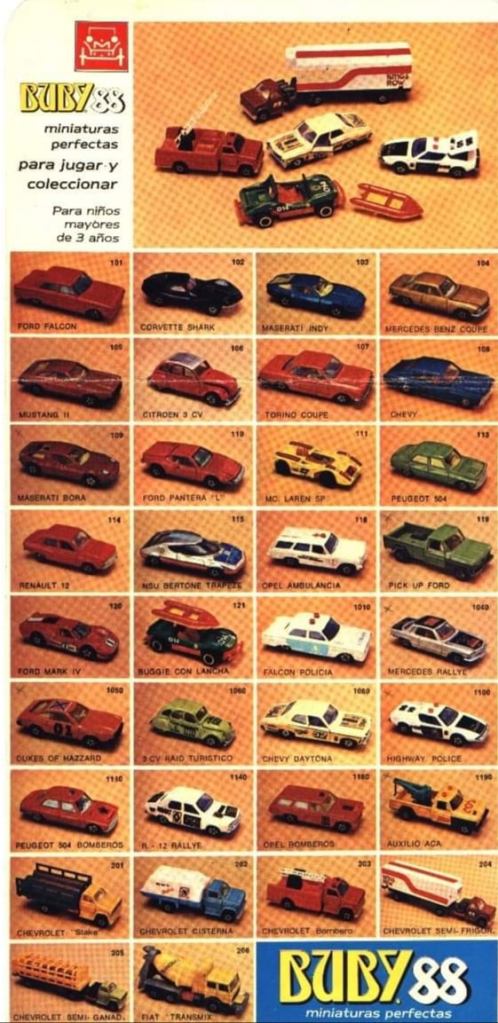
The 1/64 scale Buby 88 Series became a major bestseller during the 1980s. The Don Torcuato factory reached production levels exceeding 200,000 units per month.
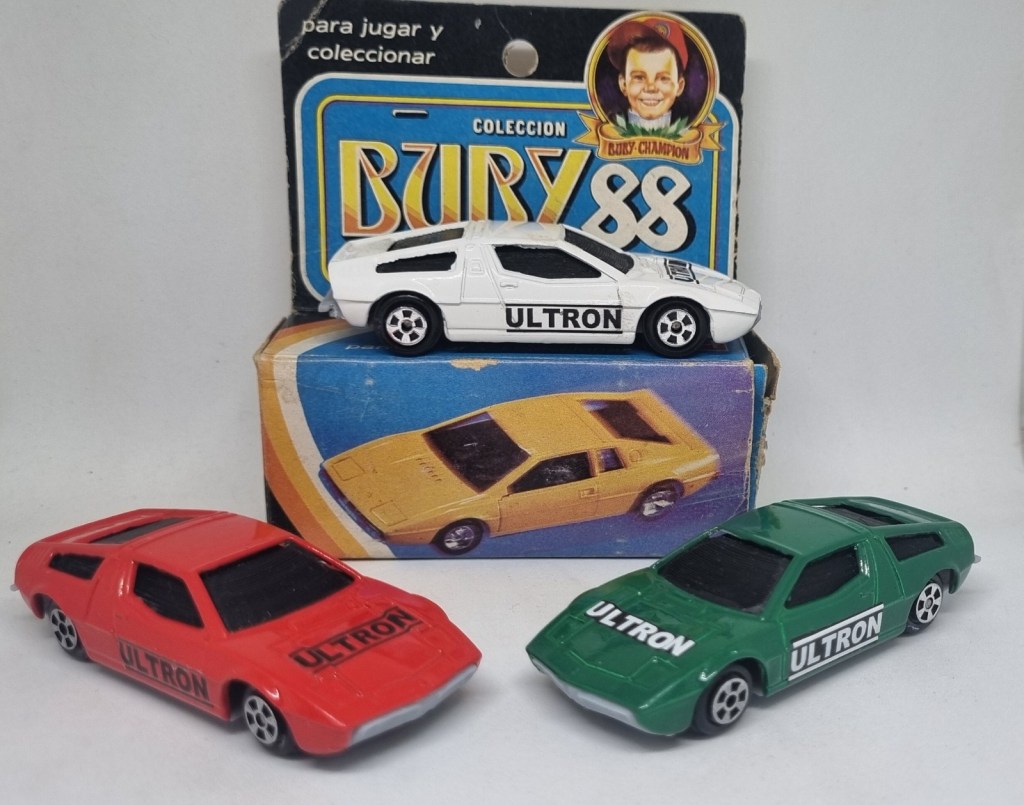
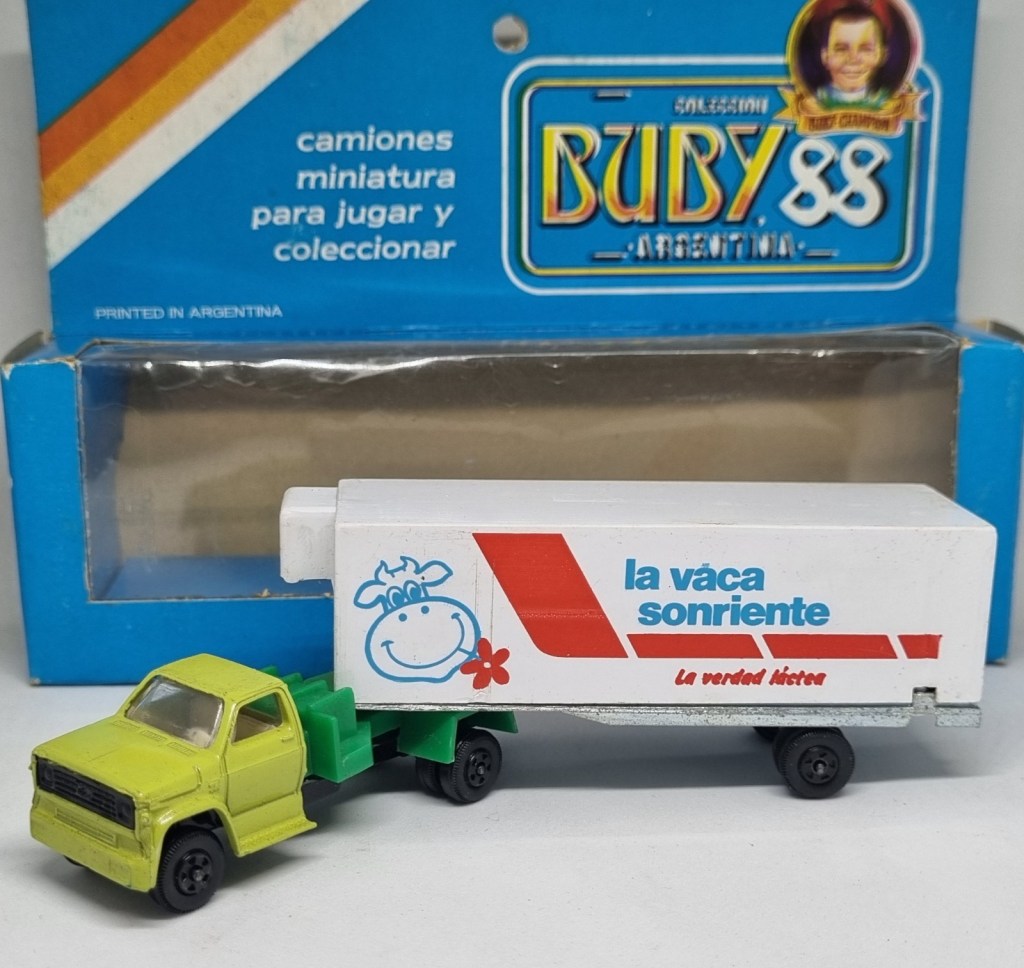
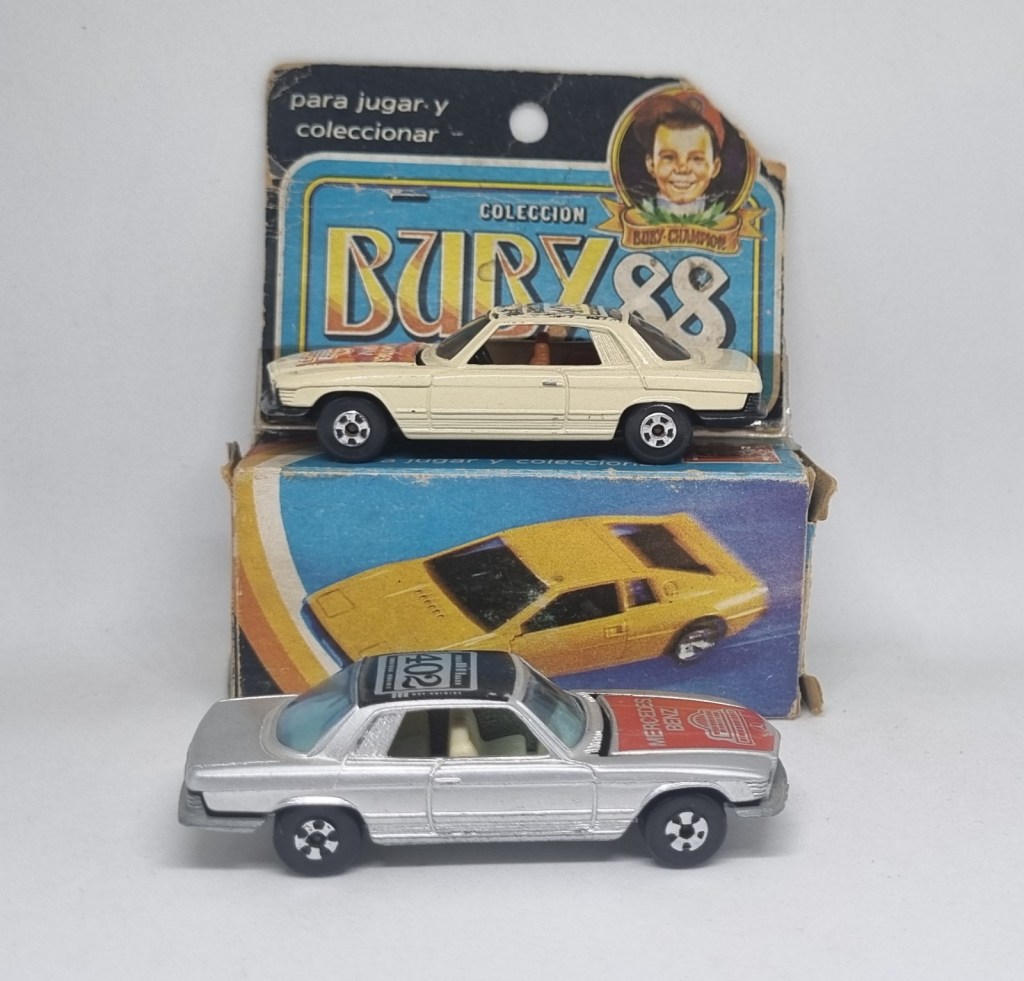
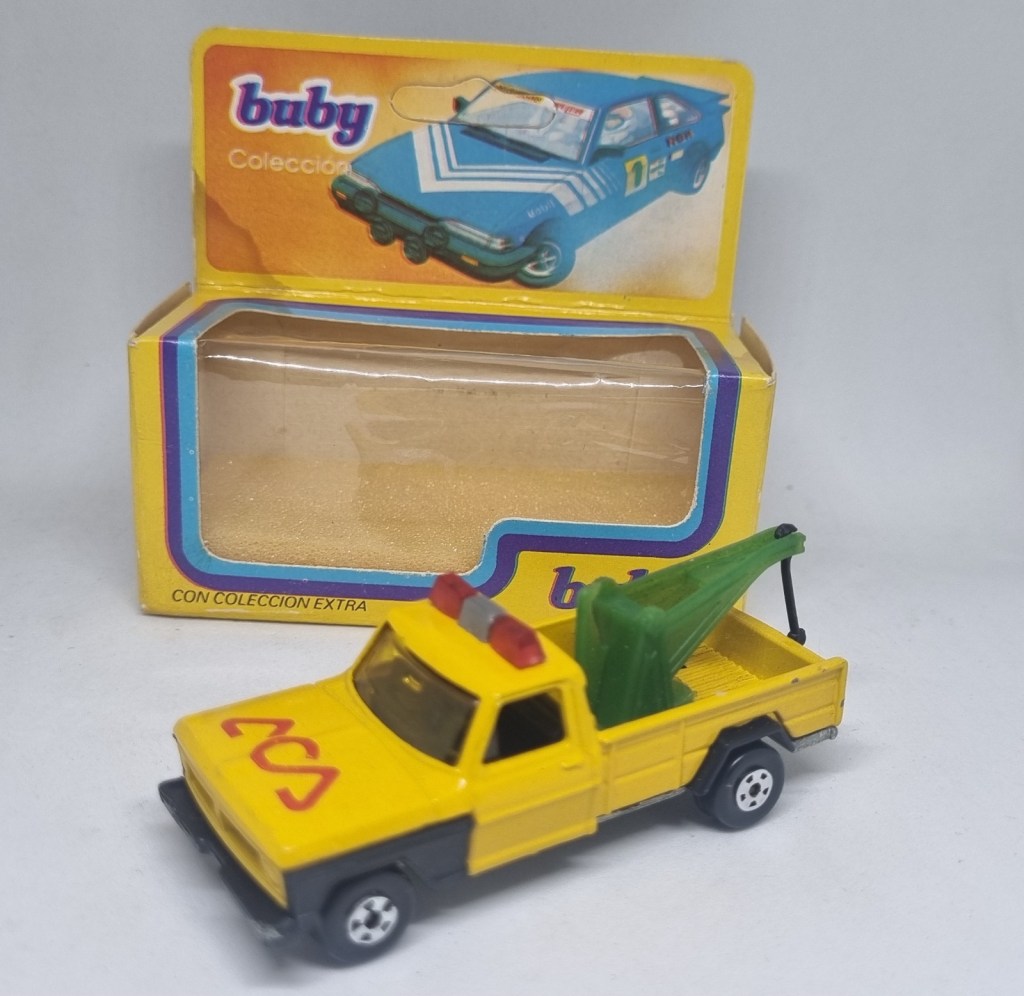
Models in the Buby 88 range featured mostly plastic wheels and plastic baseplates. Most were equipped with opening parts and detailed interiors. They were packaged in specially designed cardboard boxes with a clear plastic window and the Buby 88 logo printed at the top.
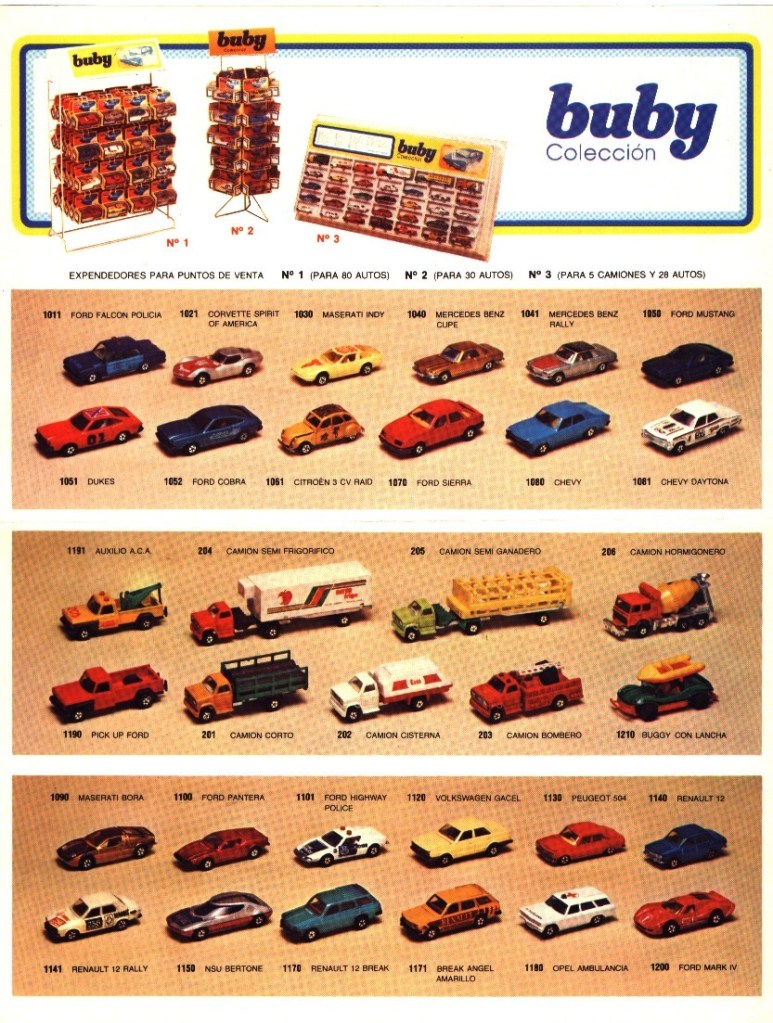
The Buby 88 range (also known as the 1000 Series) consisted of 102 references, and most castings were produced in several variations.
In this series, Don Haroldo combined previous Mini Buby castings such as the Ford Falcon and Chevrolet Nova with new models including the Ford Sierra, Sierra XR4, Ford Furgón and Renault Trafic, together with former JET castings such as the Mercedes-Benz SLC 450 and others.
Having created an excellent 1/64 range, Don Haroldo looked for an opportunity to return to the 1/43 scale market.
He acquired the tooling for the former Galgo Ford F-100 and began producing it under the Buby brand in small acrylic display boxes.
In 1985, following democratic reforms, Argentina opened its market to imported goods. Consumers now wanted European and American toys at affordable prices. This represented a serious threat to Buby’s market position, making it necessary to seek new opportunities. Why not export the models?
To achieve this ambitious objective, Buby needed products that would appeal to European and American collectors.
American cars of the 1950s and 1960s had always been among Haroldo’s favourites. Since one of Buby’s earliest ranges had consisted of American cars, he decided to return to the subject using modern production techniques combined with hand assembly.
In 1988, the 1/43 scale Collector’s Classics series was introduced. Between 1988 and 1993, Buby produced the following models in this range: 1955 Chevrolet Bel Air, 1953 Ford Sunliner, 1954 Mercury Monterey, 1956 Packard Caribbean, 1956 DeSoto Fireflite, DeSoto Adventurer, 1946 Lincoln Continental, 1963 Studebaker Avanti and 1969 Chevrolet Camaro.
Each casting was normally offered in several versions, including open convertibles, convertibles with raised tops, hardtops and Indy 500 pace cars. The miniatures were of extremely high quality and finely detailed. Each carried the name of its assembler and an individual serial number on the baseplate.
Every model was supplied with an original certificate personally signed by Haroldo Mahler, indicating the series number and the total quantity produced for that specific version. The specially designed cardboard packaging resembled that of Brooklin and appealed strongly to collectors of handcrafted American models.
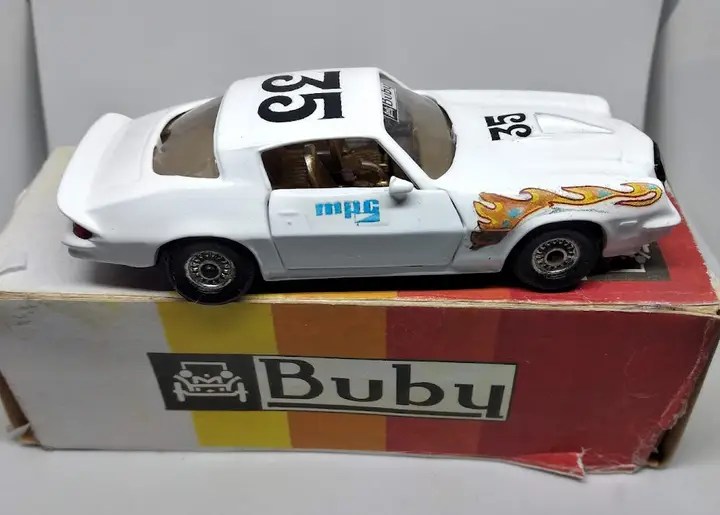
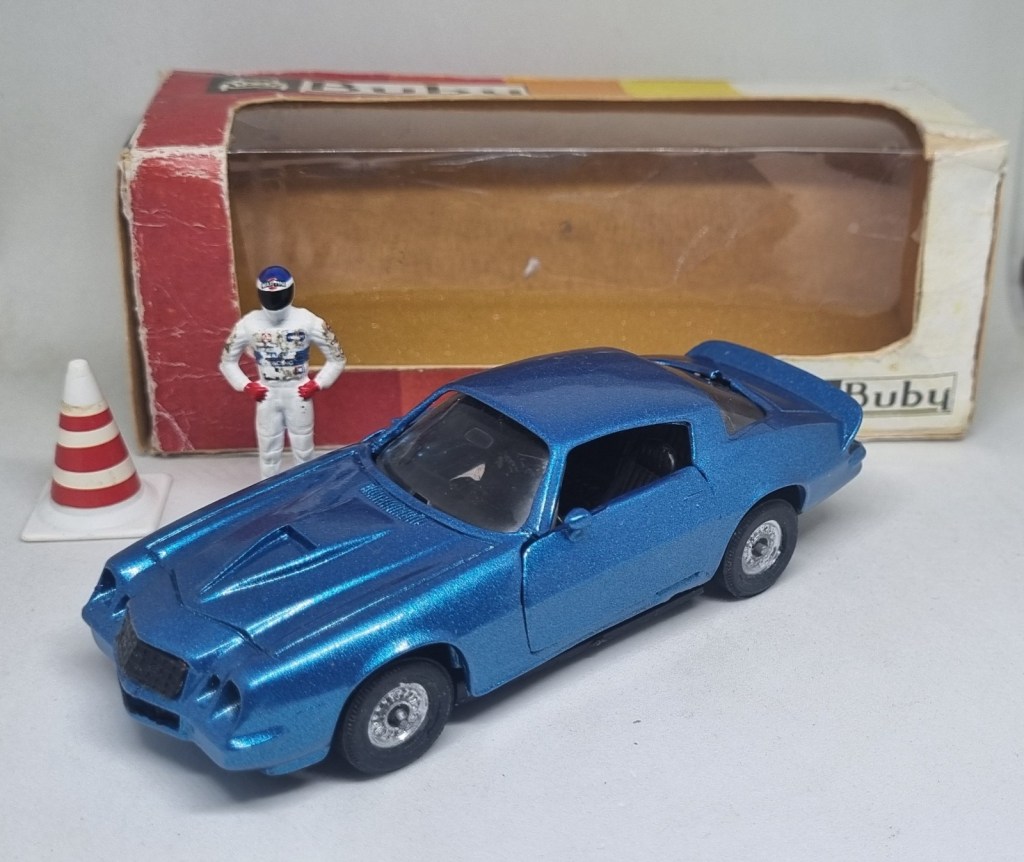
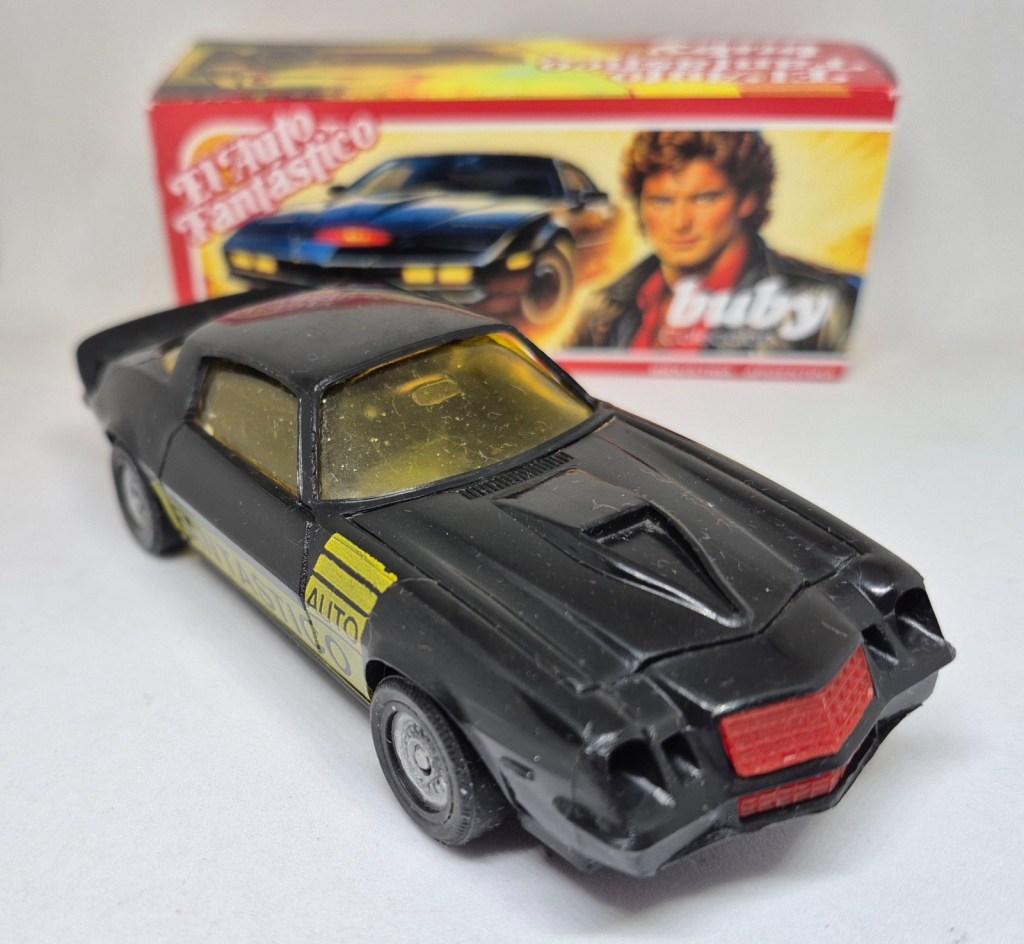
The Collector’s Classics range proved highly successful and enabled Buby to become an important player in the American and European collectors’ markets. Collectors around the world greatly appreciated the series, which offered high-quality 1/43 scale reproductions of iconic American cars at affordable prices. At the time, a Collector’s Classics model sold for approximately 25 US dollars, whereas Brooklin and other white-metal models typically cost between 60 and 70 dollars.
Unfortunately, in 1993 Buby was forced to discontinue this excellent range because automobile manufacturers demanded licence fees that the Argentine company could not afford. As a result, Don Haroldo was unable to continue the project, and many planned models were never produced.
The economic situation remained difficult. President Carlos Menem’s import policies had disastrous consequences for Argentina’s domestic industry. At the same time, Chinese manufacturers began expanding aggressively into world markets. As a consequence, Buby closed its Córdoba factory in 1990, and a few years later the Don Torcuato factory also ceased operations.
Don Haroldo refused to give up and found a new production site. He rented part of a small factory in Berazategui, Buenos Aires, where he attempted to create a new anti-crisis range. In 1995, Buby introduced a completely new 1/43 scale Renault 19.
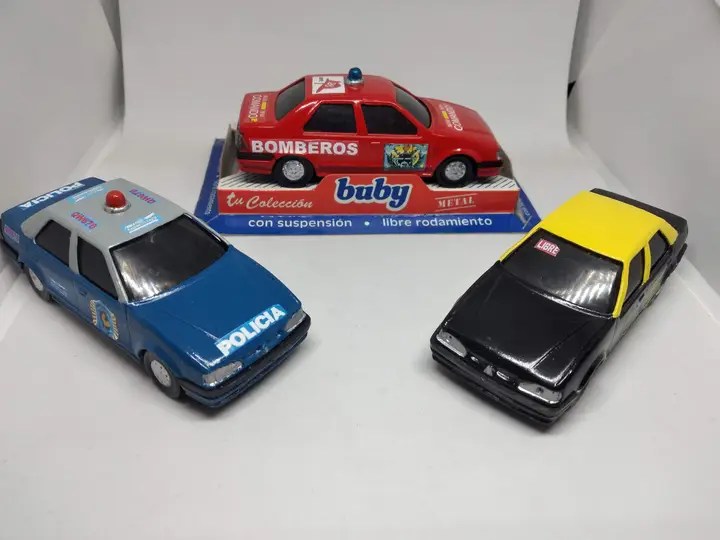
It was a very simple model. There were no windows, rear-view mirrors or interior. Nevertheless, the casting itself was well designed. The miniature retained suspension and plastic wheels, providing excellent rolling performance.
During the mid-1990s, Buby also continued producing the 1/64 scale 1000 Series (Buby 88) and relaunched the former Galgo 1/87 bus range as the 4000 Series. In 1999, the 99 Series (Coleccia 99) was introduced, consisting of slightly revised versions of the 1/40 Ford Falcon Sprint, IKA Torino TS 380W and Chevrolet Nova. These models were produced to dealer order and featured new colours, rear-view mirrors and the distinctive 99 Series marking on the baseplate.
At the same time, Don Haroldo held negotiations with Chinese factories. Apparently, he hoped to relocate part of the production to China and even sent some equipment there. As an experiment, the Chinese produced small batches of resin body shells for the Torino and Nova.
After arriving in Argentina, they were fitted with specially produced diecast baseplates. It can therefore be assumed that Buby was attempting to reduce production costs by replacing zamac bodies with resin ones. Unfortunately, the details of this project remain largely unknown.
Whatever the case, by 2000 Buby had gone bankrupt and all production came to an end.
During the following years, Haroldo Mahler held further negotiations in an attempt to revive the Buby brand by manufacturing in China for the Argentine market. However, these efforts were ultimately unsuccessful.
Without any doubt, Buby occupies a very important place in the history of diecast models. Generations of children and collectors in Argentina enjoyed playing with and collecting these miniatures. They will remain forever in their hearts and collections.
List of Buby Models 1967-2000
| Catalogue number | Model | Scale |
|---|---|---|
| 1017 | FIAT 1500 Multicarga Pick-up | 1/43 |
| 1018 | Mercedes-Benz L1112/1114 | 1/40 |
| 1019 | Mercedes-Benz L1112/1114 Dump Truck | 1/40 |
| 1020A | Ford Falcon | 1/40 |
| 1020B | Ford Falcon de Policía | 1/40 |
| 1020C | Ford Falcon TC Prototype | 1/40 |
| 1020D | Ford Falcon 1973 “Sprint” | 1/40 |
| 1021A | Ford Falcon Turismo Carretera | 1/40 |
| 1021B | Ford Falcon Carrera | 1/40 |
| 1022 | IKA Torino TS 380W | 1/40 |
| 1023 | IKA Torino TS 380W Turismo Carretera | 1/40 |
| 1024 | Not produced | — |
| 1025 | Not produced | — |
| 1026 | Not produced | — |
| 1027 | Not produced | — |
| 1028A | FIAT 1600 | 1/43 |
| 1028B | FIAT 125 | 1/43 |
| 1029A | FIAT 1500 TN (Turismo Nacional) | 1/43 |
| 1029B | FIAT 125 TN (Turismo Nacional) | 1/43 |
| 1030 | Peugeot 504 | 1/43 |
| 1031 | Peugeot 504 G2 (Group 2 Turismo Nacional) | 1/43 |
| 1032 | Chevrolet Nova SS 1972 | 1/43 |
| 1033 | Chevrolet Chevy TC (Turismo Carretera) | 1/43 |
| 1034 | IKA-Renault 6 | 1/43 |
| 1035 | IKA-Renault 6 “Automóvil Club Argentino” | 1/43 |
| 1036 | FIAT 128 | 1/43 |
| 1037 | FIAT 128 TN (Turismo Nacional) | 1/43 |
| 1037E | FIAT 128 TV IAVA | 1/43 |
| 1038 | Not produced | — |
| 1039 | Not produced | — |
| 1040 | Not produced | — |
| 1041 | Pontiac Racing Custom Stock Car | 1/40 |
| 1042 | Not produced | — |
| 1043 | IKA Torino 380W Policía Federal | 1/40 |
| 1044 | Not produced | — |
| 1045 | 1973 Ford Falcon Taxi | 1/40 |
| 1046 | 1970 Chevrolet Camaro | 1/43 |
| 1047 | 1970 Chevrolet Camaro Rallye | 1/43 |
| 1048 | Not produced | — |
| 1049 | Not produced | — |
| 1050 | Not produced | — |
| 1051 | Peugeot 504 “Bomberos” | 1/43 |
| 1052 | Renault 19 RT | 1/43 |
List of the Mini Buby range, series 100 of the 70s (1/64 scale)
| Catalogue number | Model |
|---|
| 101 | Ford Falcon |
| 102 | Chevrolet Corvette Shark |
| 103 | Maserati Indy |
| 104 | Mercedes-Benz 450 SLC |
| 105 | Ford Mustang II |
| 106 | Citroën 2CV |
| 107 | IKA Torino 380W |
| 108 | Chevrolet Nova SS |
| 109 | Maserati Bora |
| 110 | De Tomaso Pantera L |
| 111 | McLaren Ford |
| 112 | FIAT 128 L |
| 113 | Peugeot 504 |
| 114 | Renault 12 |
| 115 | NSU Bertone |
| 116 | Non realizzato |
| 117 | Renault 12 Break |
| 118 | Opel Ambulance |
| 119 | Ford Pickup |
| 120 | Ford Mark V |
| 121 | Beach Buggy |
| 122 | Citroën Ami 8 |
- Note by David Tarallo: actually the Solido models sold under the Buby brand were more than 16, a nearly complete list of them with a quite detailed description of colours, liveries and further issues is available in the first volume of the history of Solido written by Bertrand Azéma. No doubt that the whole Solido-Buby story would deserve a separate feature. ↩︎


2 pensieri riguardo “Buby from Argentina (part 2, 1967-2000)”