

Prima parte di una storia dettagliata dell’argentina Buby, a cura di Fedor Eliseev e Fernando Rey. Apparso sul sito di Modelauto Review, ormai offline, l’articolo è stato reimpaginato e ulteriormente revisionato a cura della redazione di PLIT. Trovate la seconda parte della storia a questo link: https://pitlaneitalia.com/2026/07/23/buby-from-argentina-part-2-1967-2000/. Una terza parte, sulla gamma Collector’s Classic, si trova a questo link: https://pitlaneitalia.com/2026/07/31/collectors-classic-1988-1993/.
Buby from Argentina (part 1, 1957-1967)
By Fedor Eliseev and Fernando Rey
Haroldo Mahler was born in 1931 into a family of German immigrants who arrived in Argentina in 1922. When he was five years old, his father took him to Germany, where they lived for a year. It was a wonderful experience for young Haroldo.
After returning to Argentina, he attended school and later studied Naval Engineering at the University of Buenos Aires.
Since childhood, Haroldo had collected scale model cars. He was especially impressed when his father gave him a model made by Dinky Toys.
One day, while he was still a university student, Haroldo Mahler decided to buy a model car as a birthday present for a boy he knew. The selection in the toy shop was very limited: the shopkeeper offered either a very expensive model imported from England or a very simple, low-quality local product.
By the mid-1950s, Argentina had imposed strict import restrictions. The country’s president, Juan Domingo Perón, wanted to strengthen the national industry and protect it from imported goods. As a result, it was very difficult to buy products from Europe or the United States.
After visiting the toy shop, Haroldo thought: why not produce scale model cars in Argentina?
At that time, it was a tremendous challenge because nobody in Argentina had any experience with die-cast technology. Haroldo went to the university and asked one of his professors for advice. The professor helped him obtain every book on the toy industry that was available in the university library.
Mr. Mahler studied this material very carefully and, using his newly acquired knowledge, created his first mould. His professor supported him throughout the process.
After graduating from university, Haroldo began turning his idea into reality. In 1957, he established a workshop in his parents’ garage in the Buenos Aires district of Ranella. There he created his first master pattern and began looking for factories capable of producing die-cast moulds and model bodies.
By then, Haroldo had become a talented engineer, so he had no difficulty explaining his ideas to the engineers working at those factories. The companies Drean (a manufacturer of washing machines) and Steelcoat (a paint manufacturer) provided him with the necessary tools during the early stages of production.
To manufacture his models, Haroldo used a zamak alloy consisting of 95% electrolytic zinc, 3% copper, 2% aluminium, with the remainder made up of magnesium and small quantities of other metals.
Once the first models had been completed, it was necessary to choose a name for the new company. Haroldo selected his childhood nickname, Buby, which his father had given him.
In German slang, “Buby” means “little boy.”
The first model introduced by Buby was the 1957 Buick Century Caballero. It reproduced the estate version of the Century range. Mr. Mahler produced it in 1:43 scale and equipped it with a special suspension system that he had invented and patented.
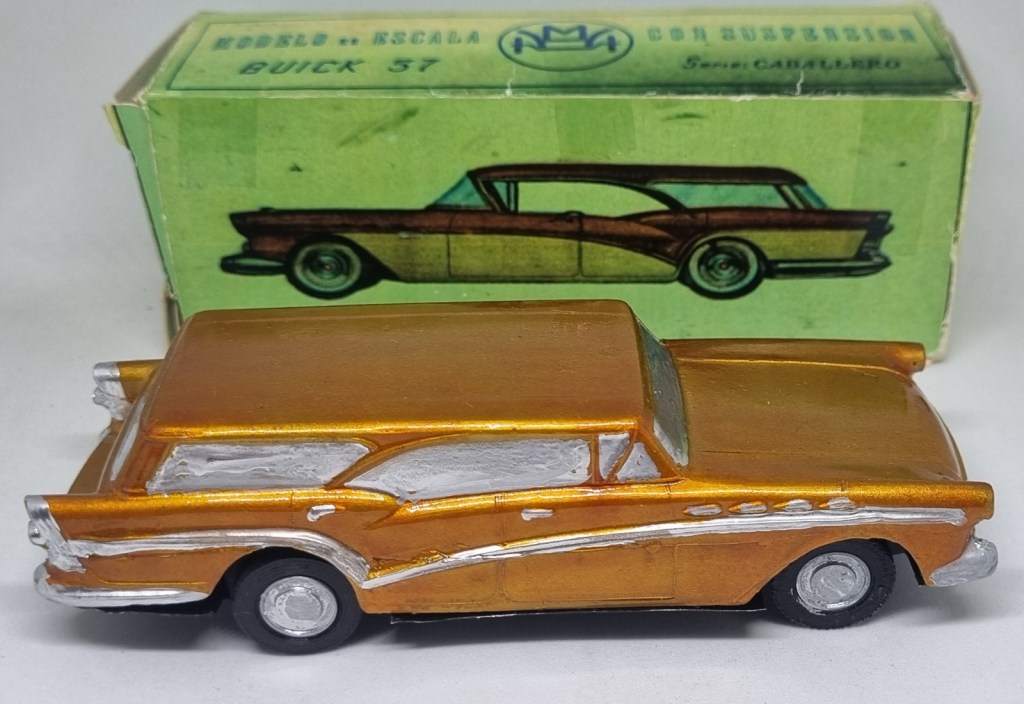
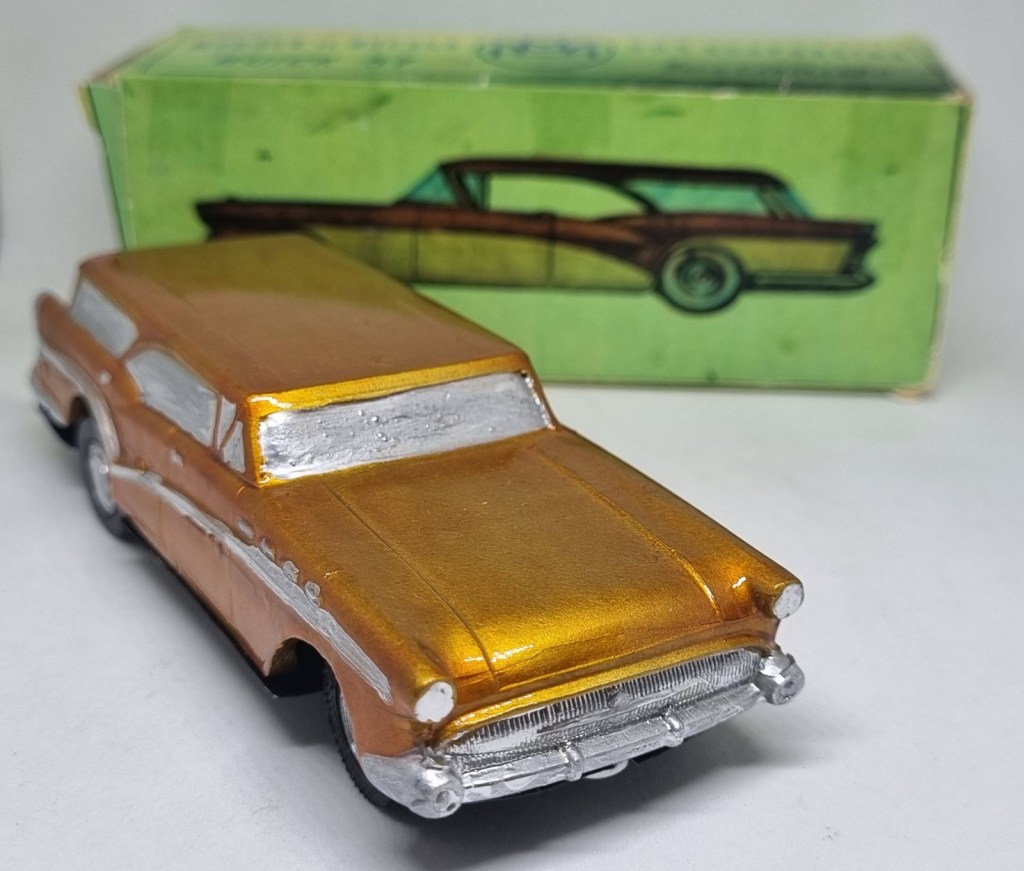
The suspension gave the model excellent rolling qualities, allowing children to play with it with great enjoyment. However, children were not the only ones to appreciate Buby. Collectors were equally delighted because they finally had a domestically produced scale model available at a reasonable price.


Although it featured this innovative suspension, the Caballero itself was quite simple. It had painted windows and no interior. The tyres were made of rubber, while the wheel discs were plastic. The headlights and rear lights were cast as part of the body and then painted.
The baseplate was made of metal and featured no representation of the transmission or exhaust system. It bore the inscription “Industria Argentina” together with the company’s logo. This logo had a particularly interesting design.
It depicted a vintage car, but on closer inspection it is possible to recognise the letters H and M incorporated into its design. These initials obviously stood for Haroldo Mahler. This ingenious logo remained in use, with only minor modifications, until Buby’s bankruptcy at the end of the 1990s.
The models were packaged in cardboard boxes featuring an illustration of the model on the side. In addition to the standard Caballero, Buby also produced an ambulance version.
All 1:43 and near-scale models received a special four-digit catalogue number. The Ambulance Station Wagon and the Caballero were assigned the numbers 1000 and 1001 respectively. The final one or two digits changed as each new model was introduced.
Following the success of its first miniatures, Haroldo Mahler decided to expand the range and increase production.
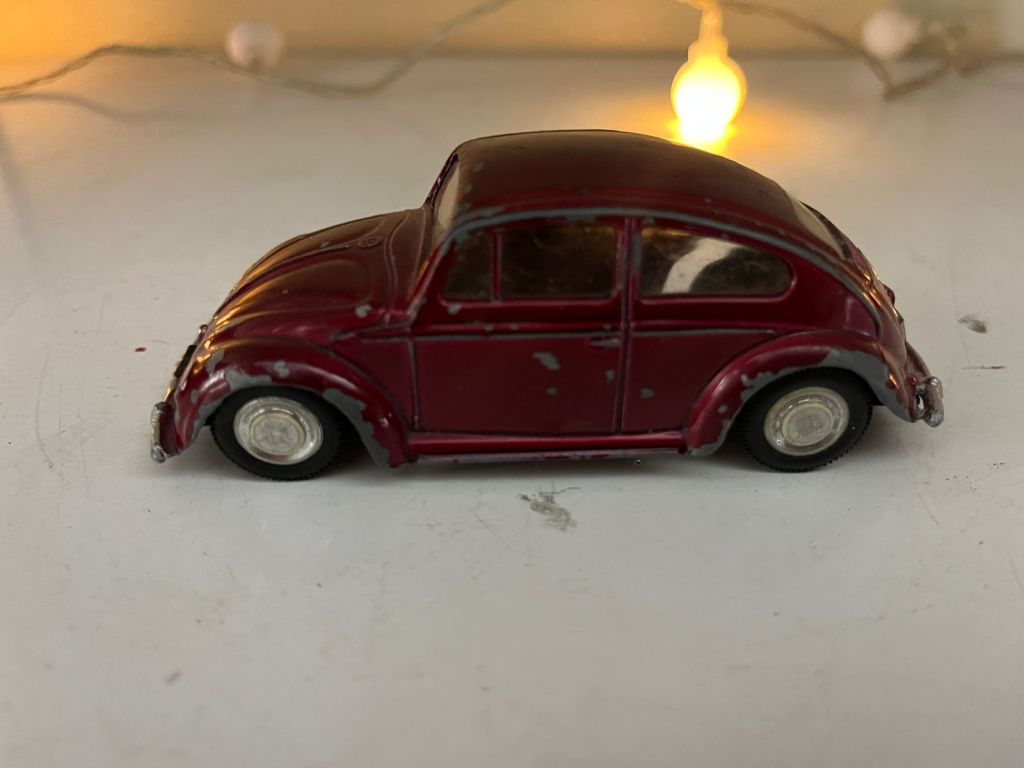
By the end of the 1950s, Buby introduced the 1958 Ford Fairlane, 1957 Ford F-100, and Volkswagen Beetle. These models represented a significant improvement over the first releases. All of them retained the patented suspension, which became a standard feature on subsequent Buby models, while their exterior detailing and wheels became much more refined.
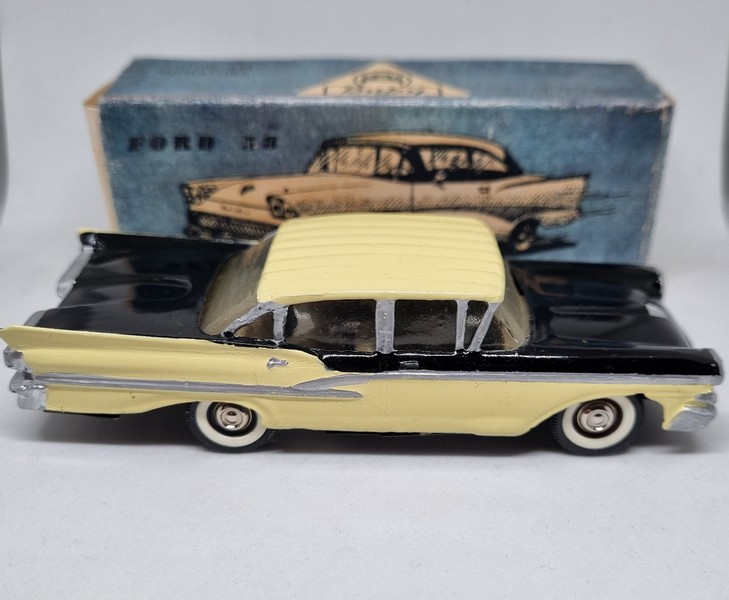
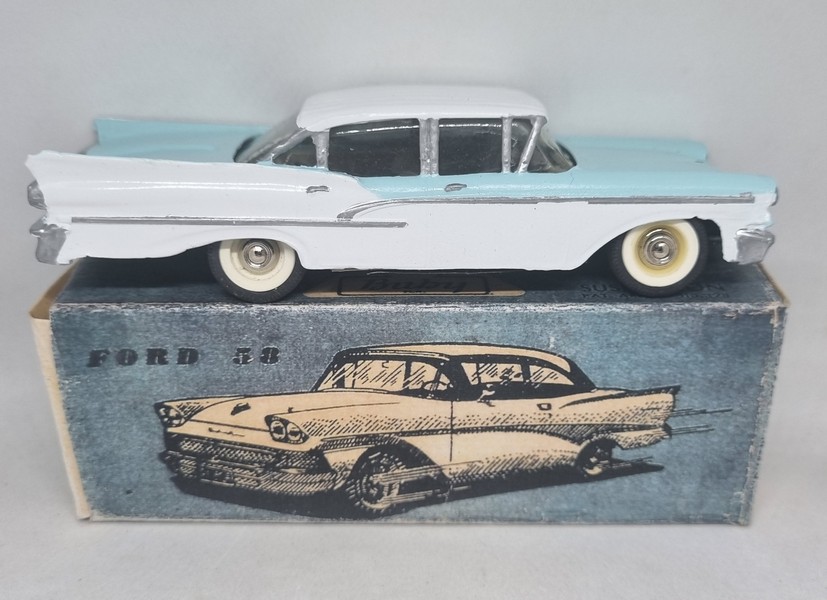
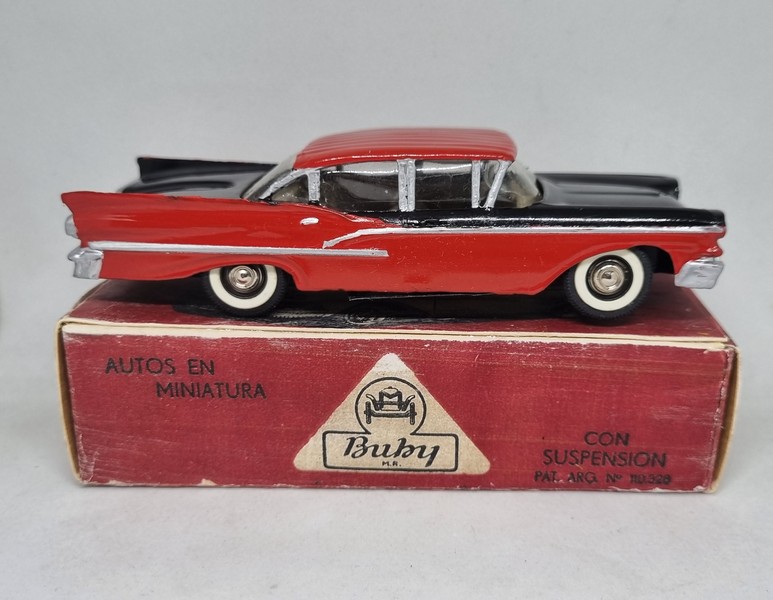
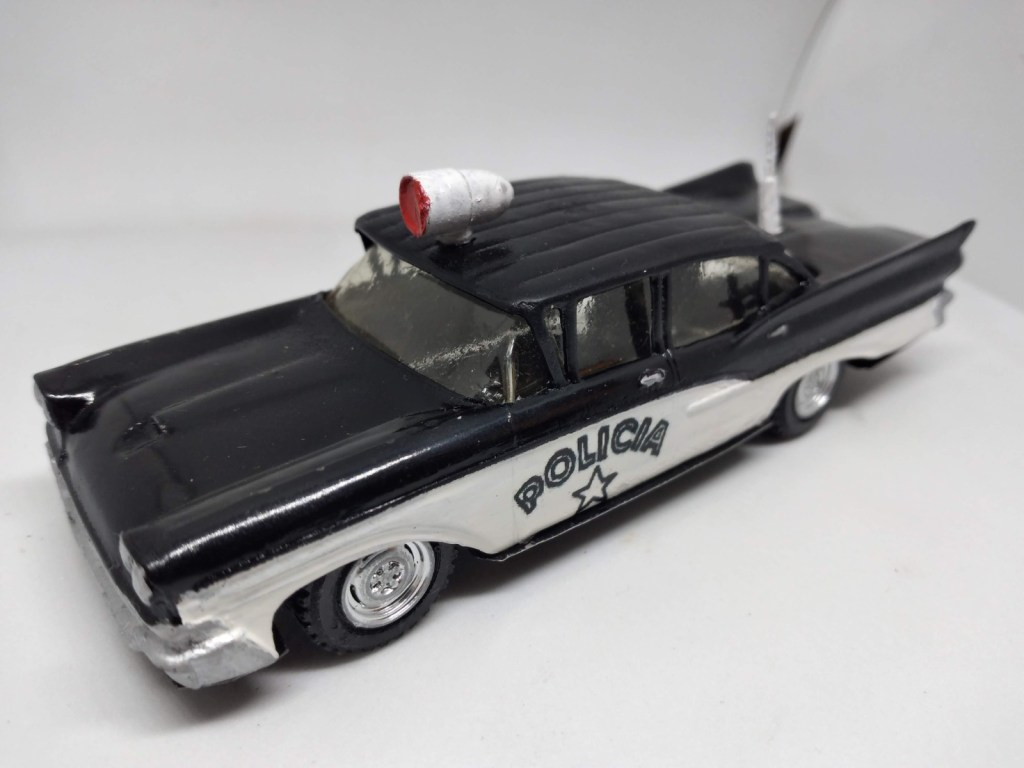
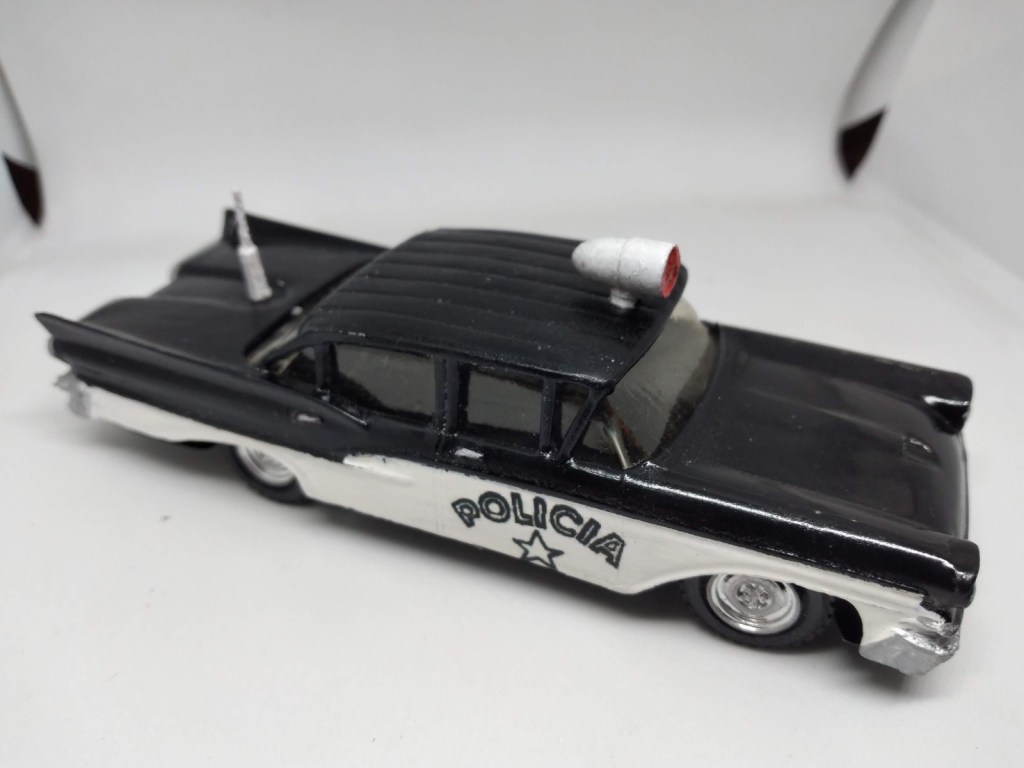
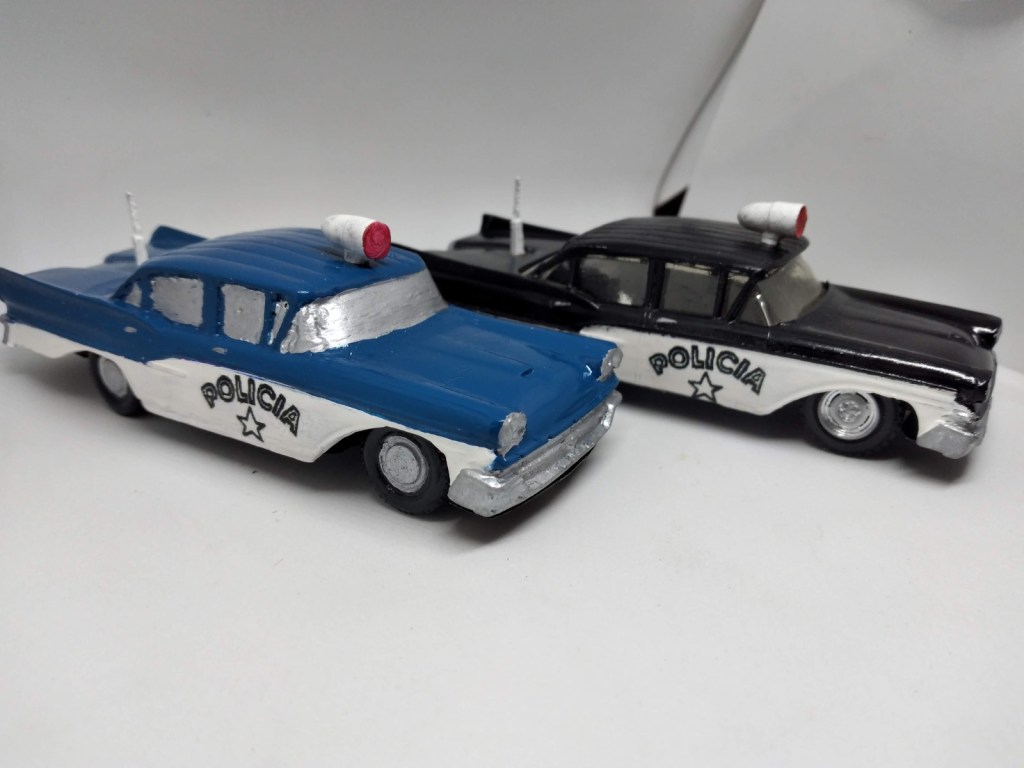
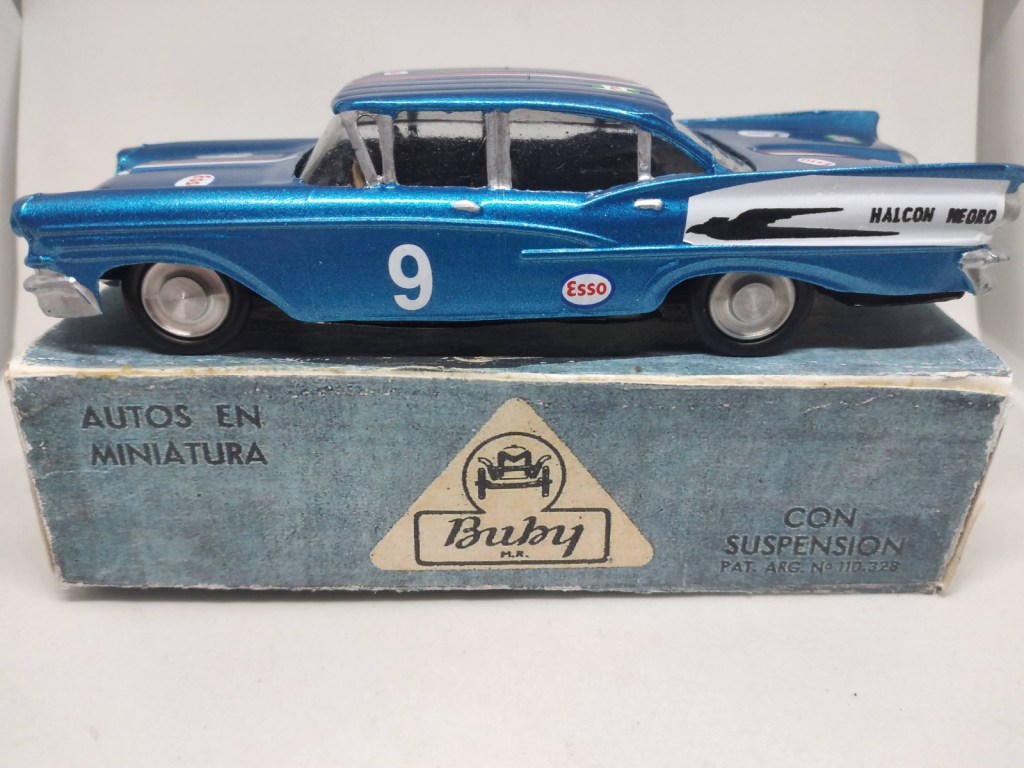
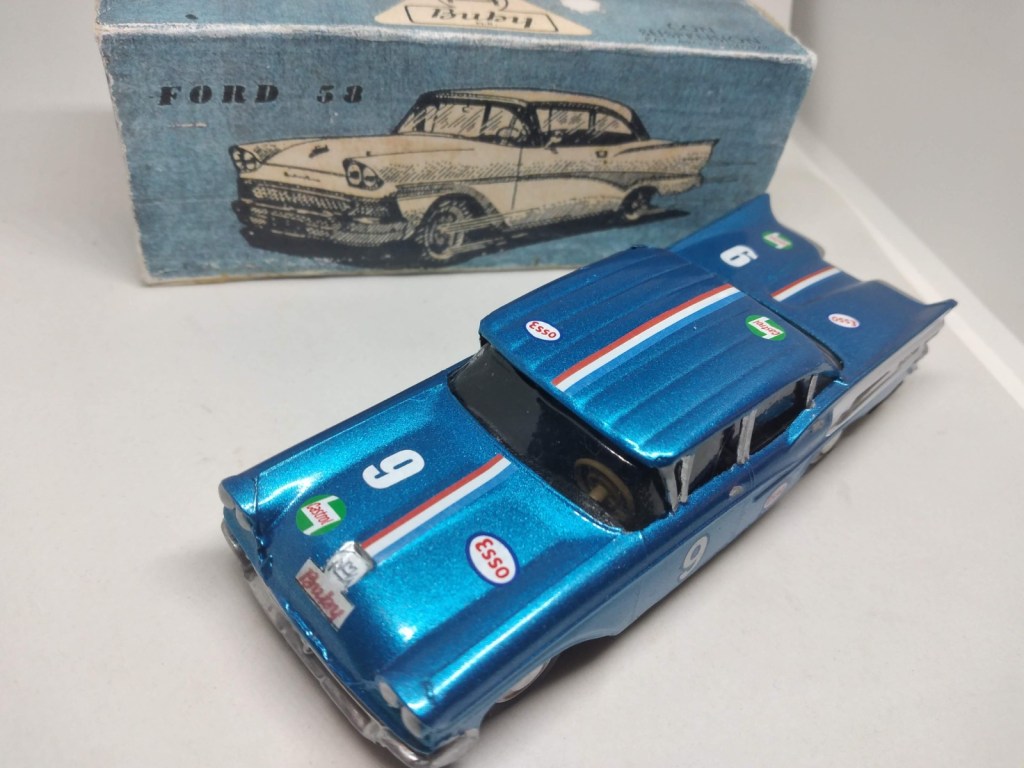
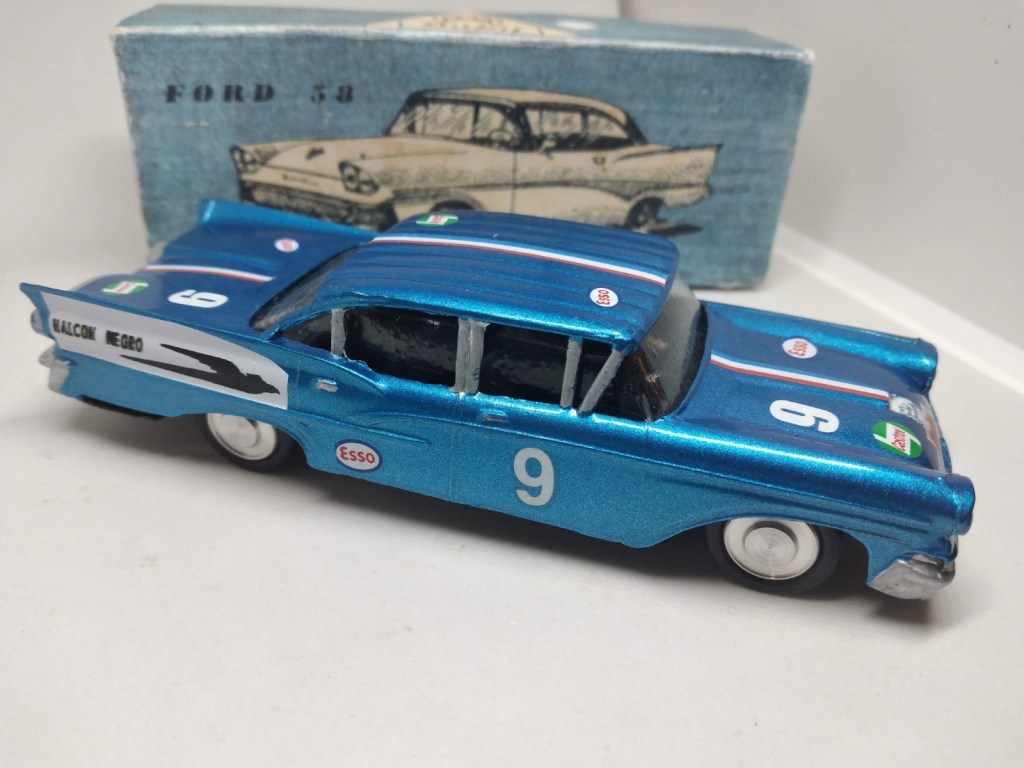
The 1958 Ford Fairlane was a particularly beautiful automobile. A number of examples had been imported into Argentina and had greatly impressed Haroldo. As a result, he reproduced it in standard form, as a police car, and as a Turismo Standard racing version.
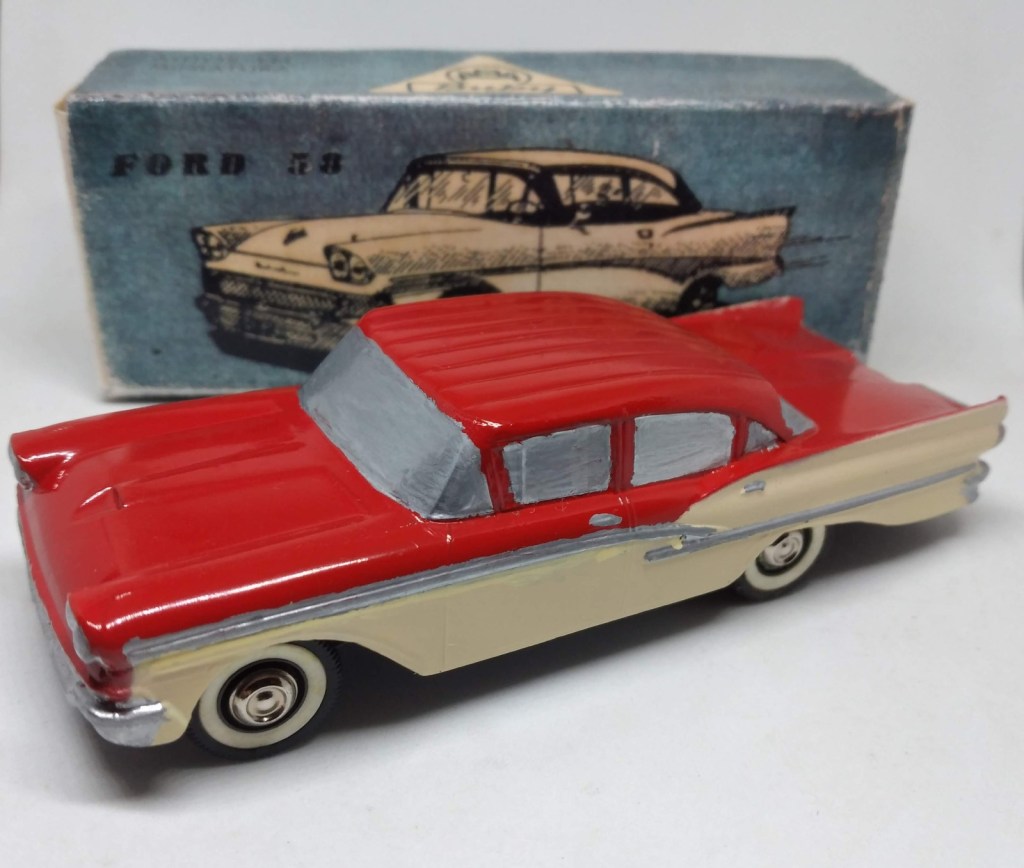
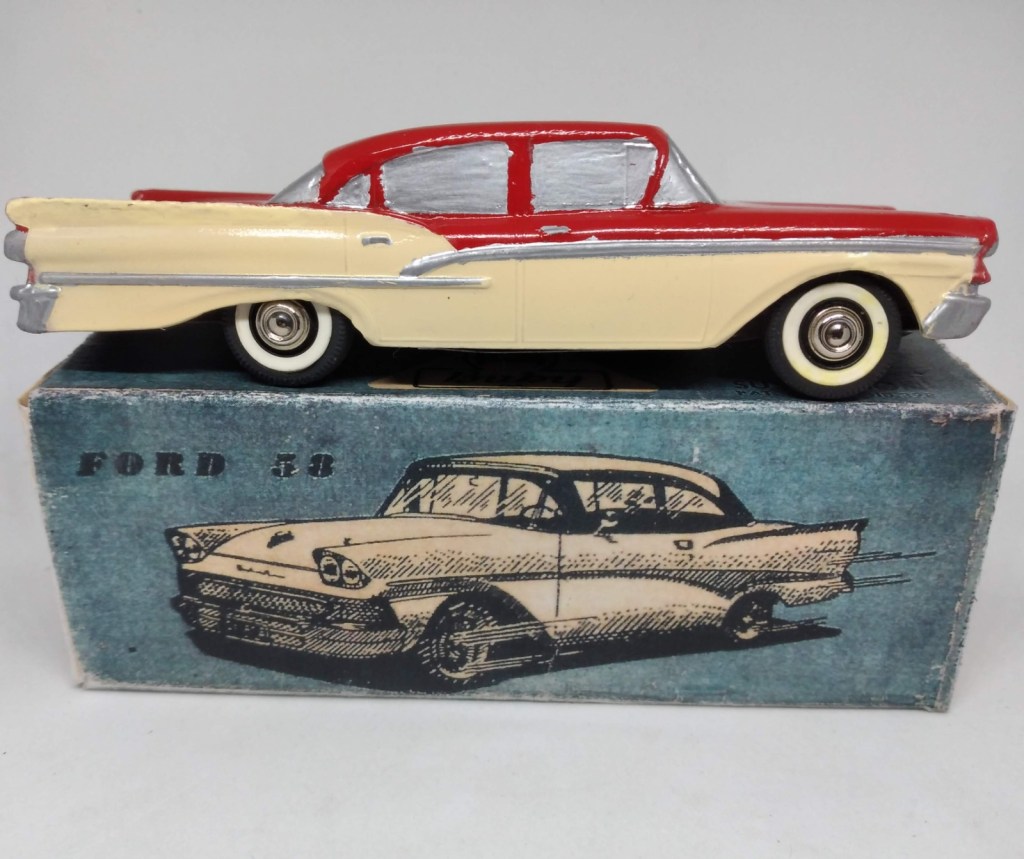
The Fairlane models featured attractive two-tone paintwork, accurately cast and painted body mouldings, and plastic wheels with chrome-effect hubcaps.
The police version carried “Policía” decals, a loudspeaker mounted on the roof, and an aerial behind the rear window.
The racing version featured different competition numbers together with Turismo Standard markings.
The 1957 Ford F-100 was being produced in Argentina at the time, which explains why Haroldo chose to model it.
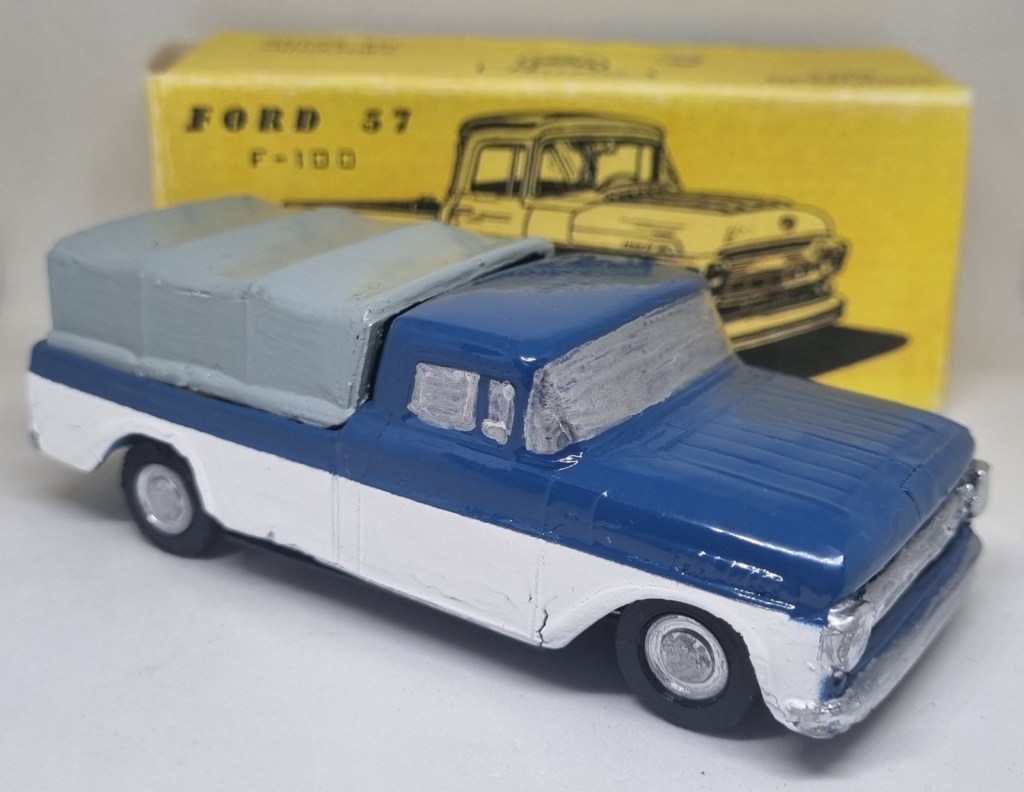

Buby produced the F-100 in several versions, both with and without a canvas cover. The company also introduced a military ambulance version. However, the most interesting variant was the Automóvil Club Argentino roadside assistance vehicle. It was equipped with a functional crane capable of moving into different positions and fitted with a working recovery cable. The model was painted in bright, realistic colours and carried additional equipment on the roof.
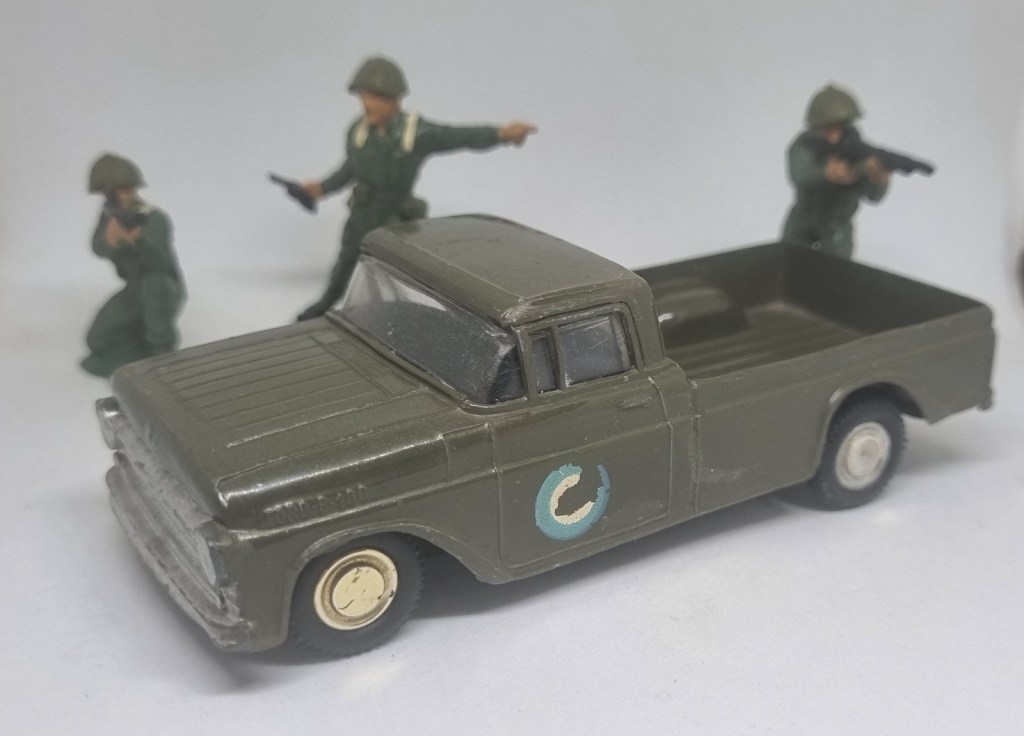
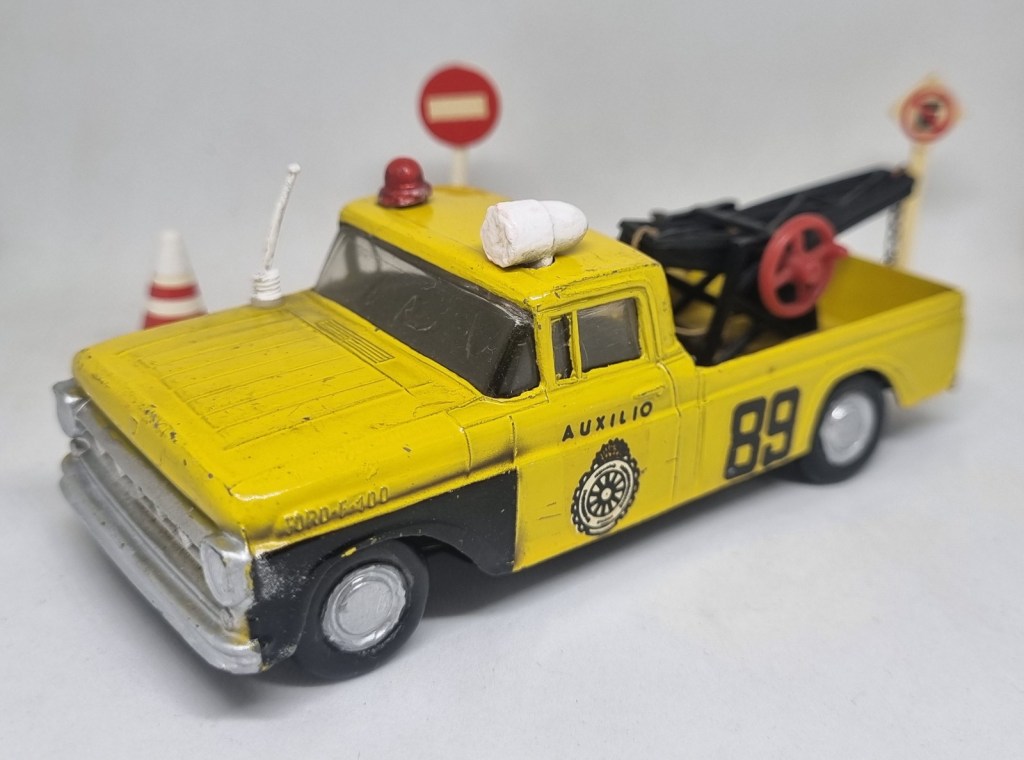

The first versions of both the 1958 Ford Fairlane and the 1957 Ford F-100 featured painted windows, like the Buick Caballero. Later, following an update, they received vacuum-formed transparent plastic windows.
The great success of these models enabled Buby to continue expanding its range and introducing new technologies.
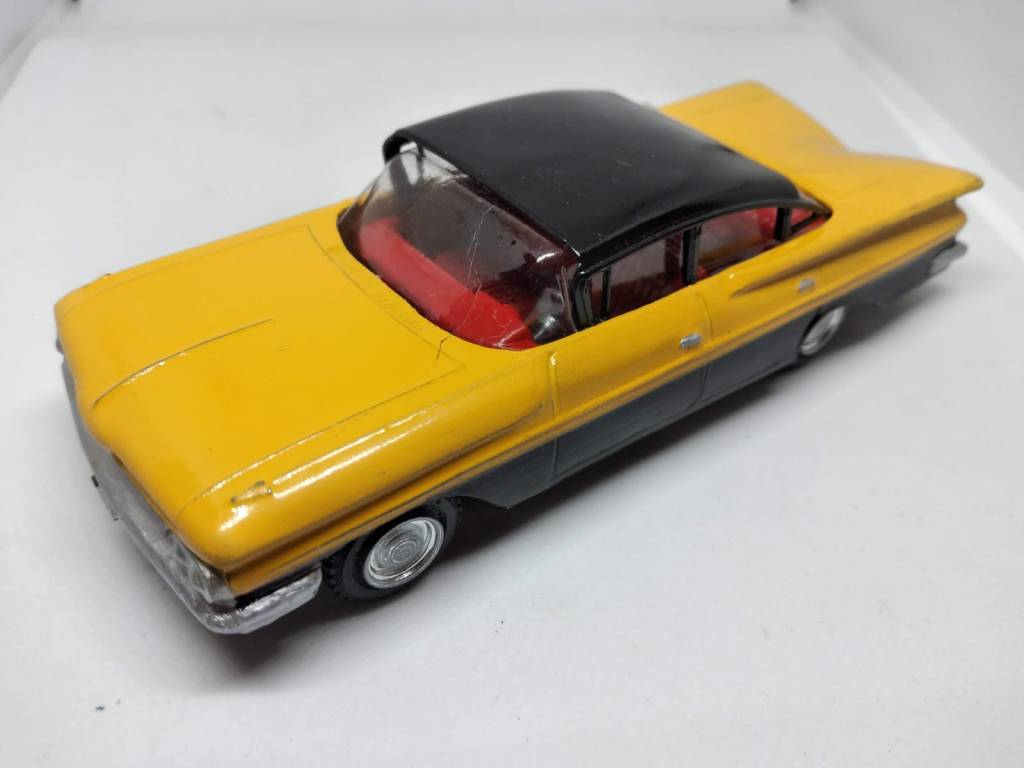
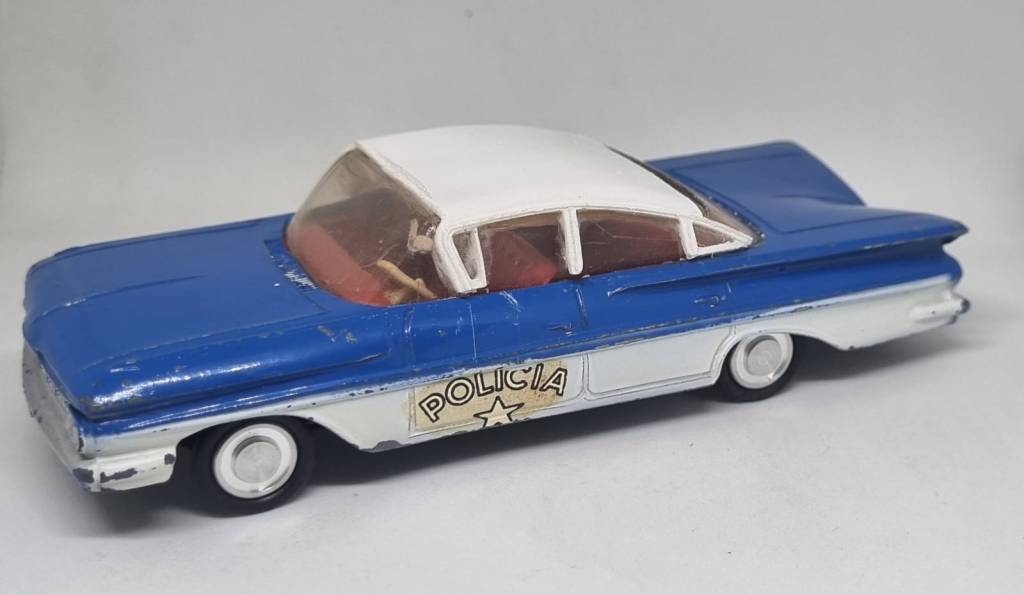
During the first half of the 1960s, Buby introduced several new models, including the IKA Estanciera, 1959 Chevrolet Impala, 1959 Chevrolet Bel Air, Mercedes-Benz 300 SL, Mercedes-Benz 220 SE, and others.

When producing the IKA Estanciera, Haroldo paid tribute to Argentina’s domestic automotive industry, which had emerged during the mid-1950s as the country’s economy became more stable.
The IKA Estanciera was a licensed version of the Willys Jeep Station Wagon, produced by Industrias Kaiser Argentina in Córdoba from 1957 to 1970.
Buby reproduced the passenger Rural version.


The spectacular styling of American cars inspired Haroldo Mahler to produce the 1959 Chevrolet Impala and Bel Air. These became the first Buby models to feature a plastic interior. The Bel Air was also produced in police and taxi versions.


The Mercedes-Benz models were chosen because one of the world’s greatest racing drivers, five-time Formula One World Champion Juan Manuel Fangio, was an ambassador for the brand. He was also its dealer in Argentina and represented Mercedes-Benz in numerous motorsport events.
Buby’s first Mercedes-Benz model was the magnificent 1957 Mercedes-Benz 300 SL Roadster. This miniature featured a detailed plastic interior together with a dashboard and steering wheel. Buby also produced a Carrera racing version carrying competition numbers on the bonnet and boot lid.


The company then introduced the 1959 Mercedes-Benz 220 SE, one of the German manufacturer’s luxury models. Alongside the standard version, Don Haroldo also produced the 1962 Carrera Standard racing version. For Mercedes-Benz, both international motorsport and Argentina’s 1962 Carrera competitions formed an important chapter in the marque’s history.


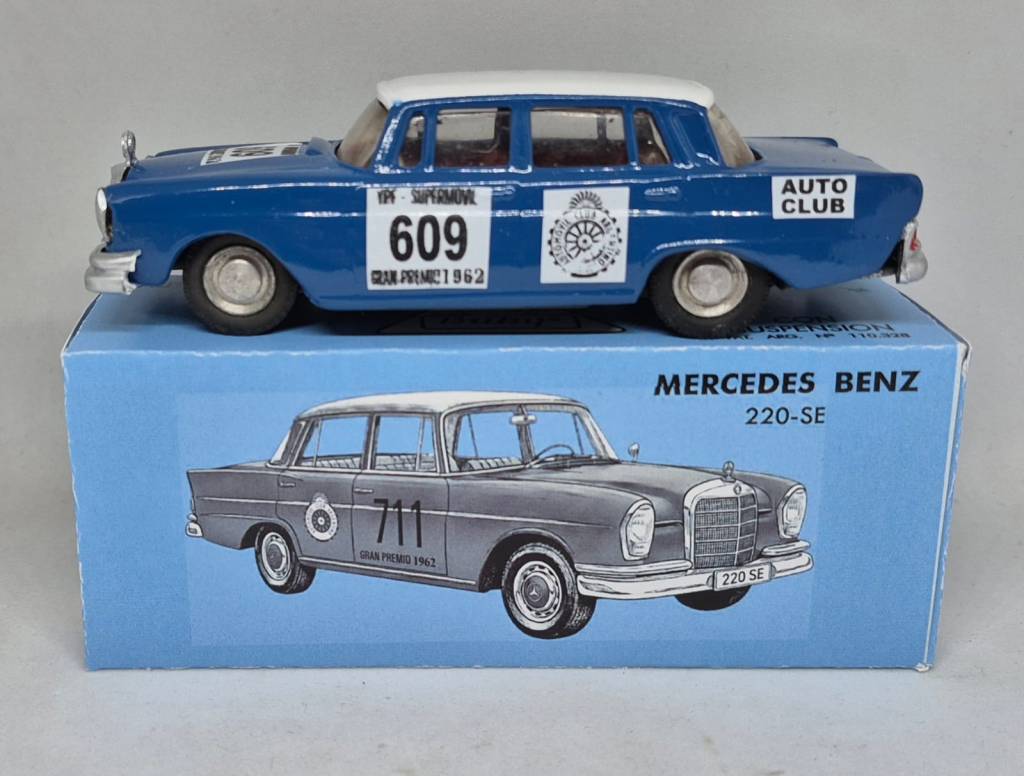
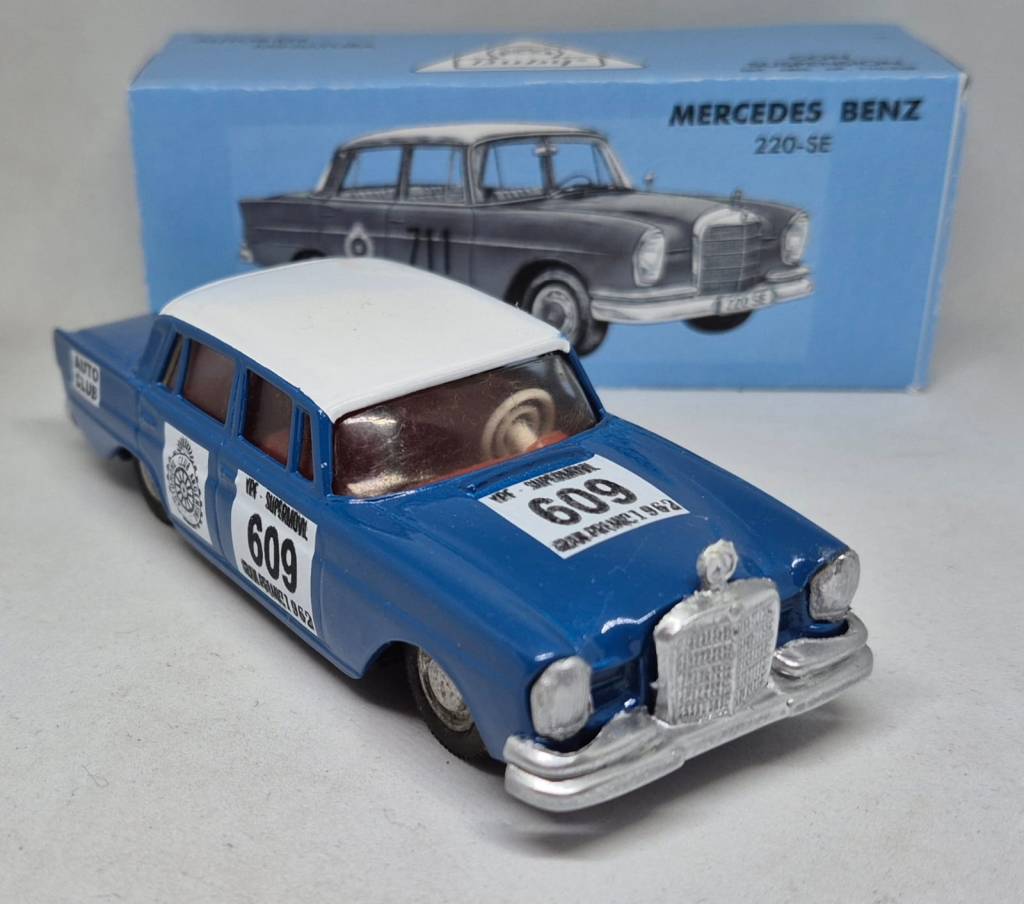
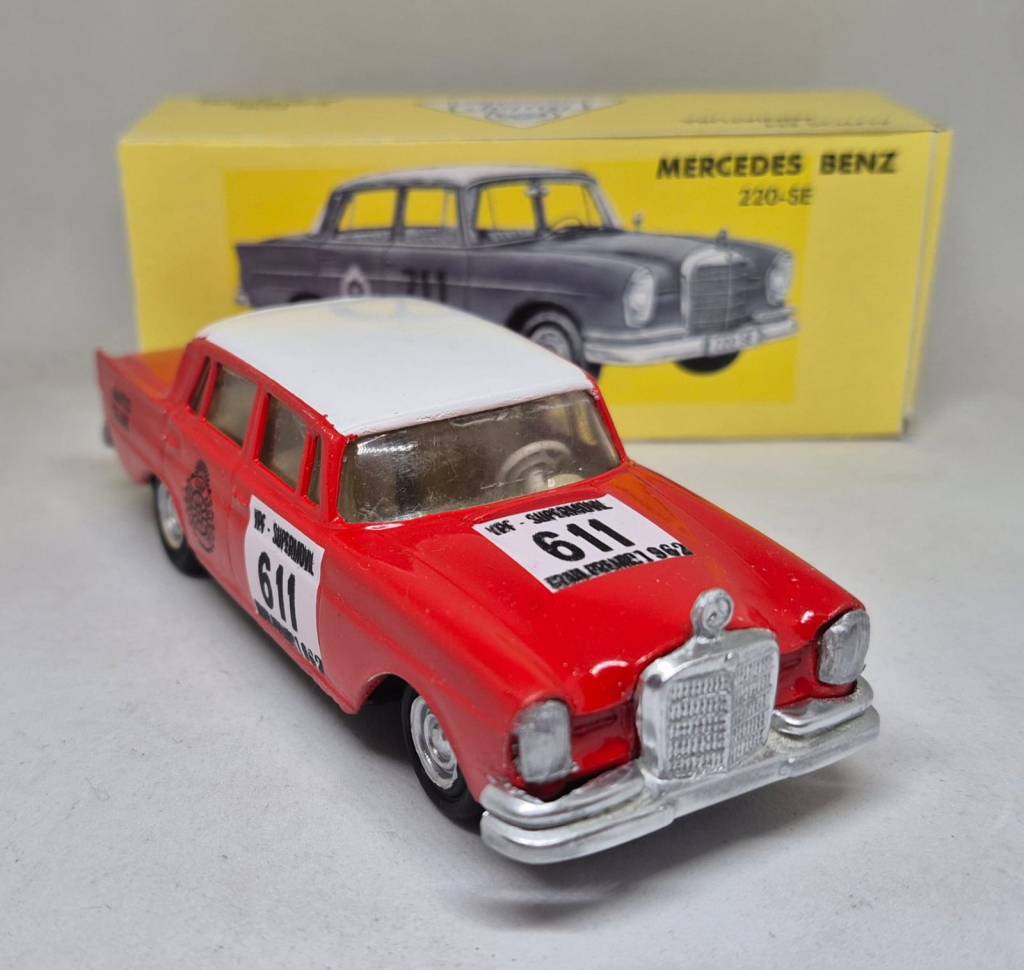
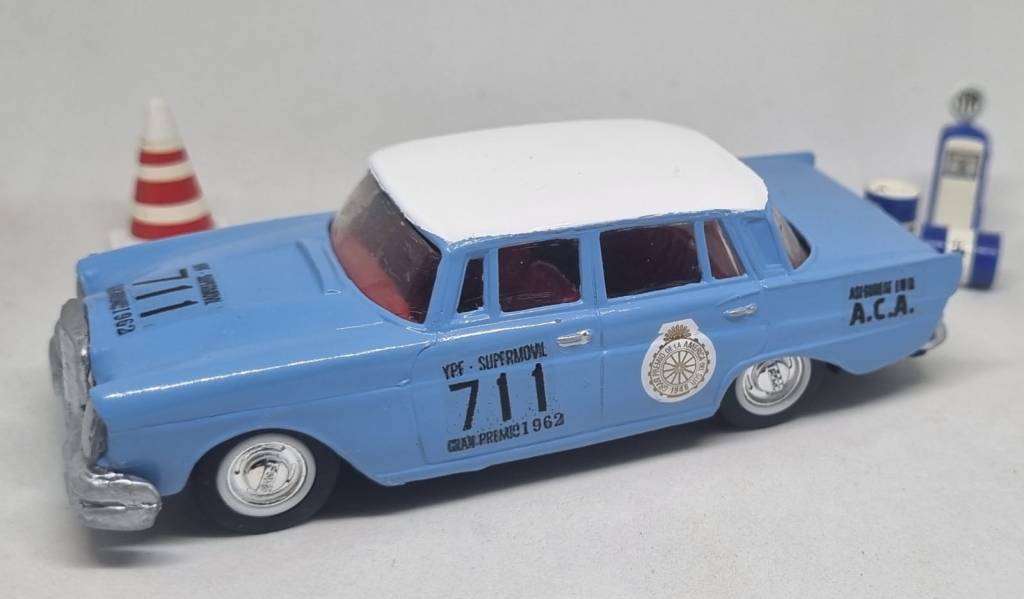
The Mercedes-Benz team competed in the 1962 International Grand Prix Standard Supermovil YPF. Many outstanding drivers representing different teams took part in this demanding event. The all-female crew of Ewy Rosqvist as driver and Ursula Wirth as navigator achieved a sensational overall victory, while many of their male rivals failed to finish. Their success demonstrated that women were fully capable of achieving outstanding results in the most demanding competitions.


Buby reproduced the principal Mercedes-Benz 220 SE cars that competed in the 1962 event. Some standard and racing versions of the 220 SE were fitted with a plastic baseplate instead of a metal one. The models were packaged in specially designed cardboard boxes resembling wooden crates.
Continuing to expand the range, Don Haroldo introduced both standard and special versions of the Renault Dauphine and FIAT 1500. These cars were being manufactured in Argentina at the time and represented the country’s growing automotive industry.
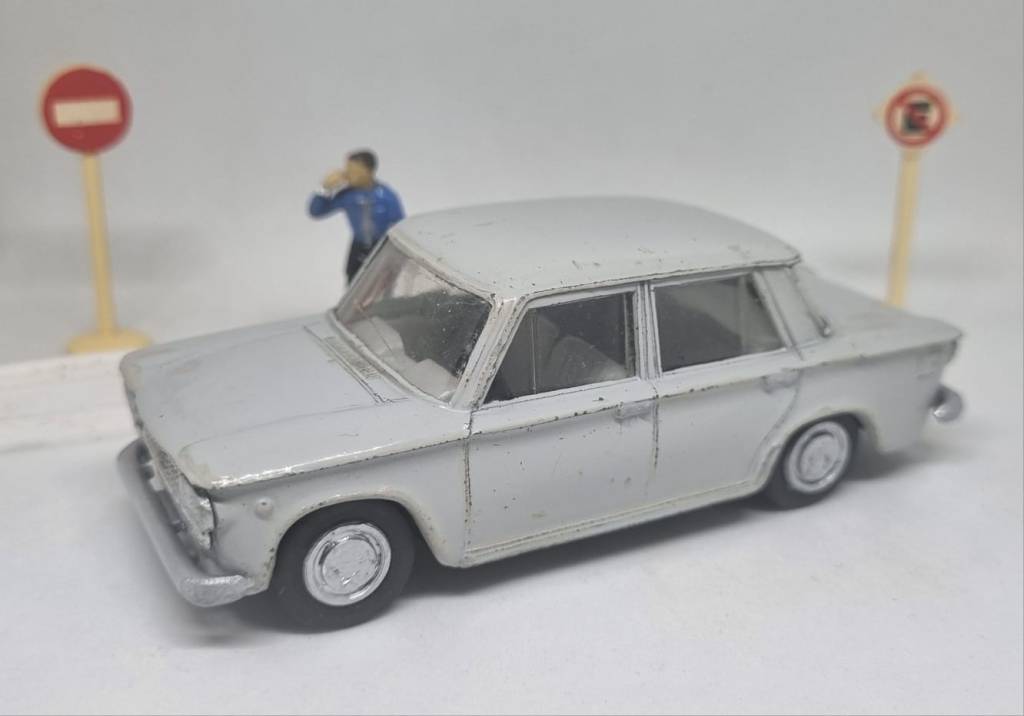


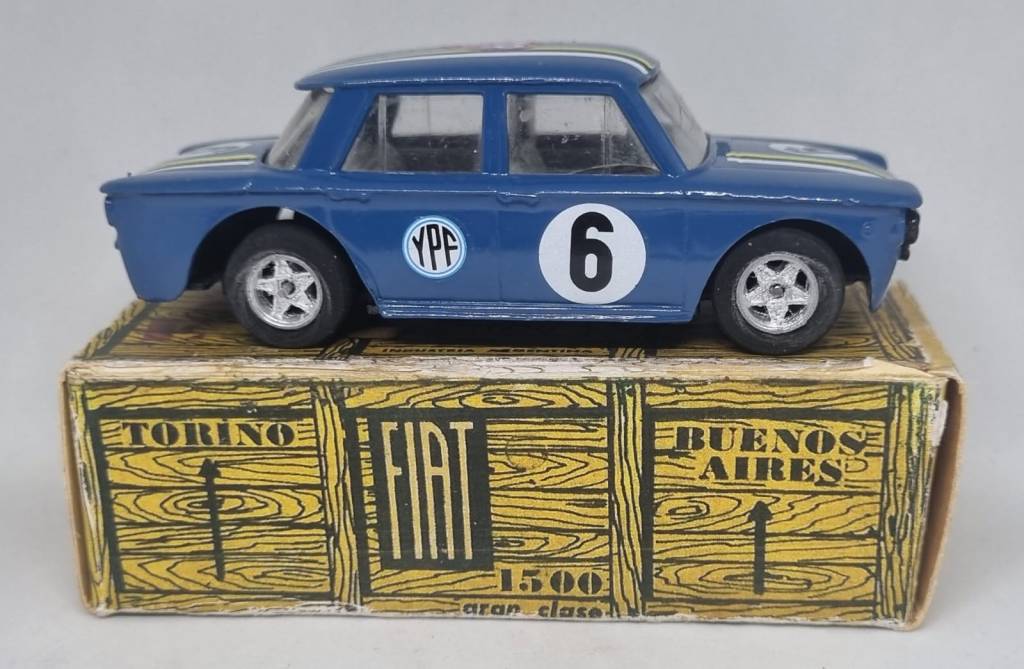
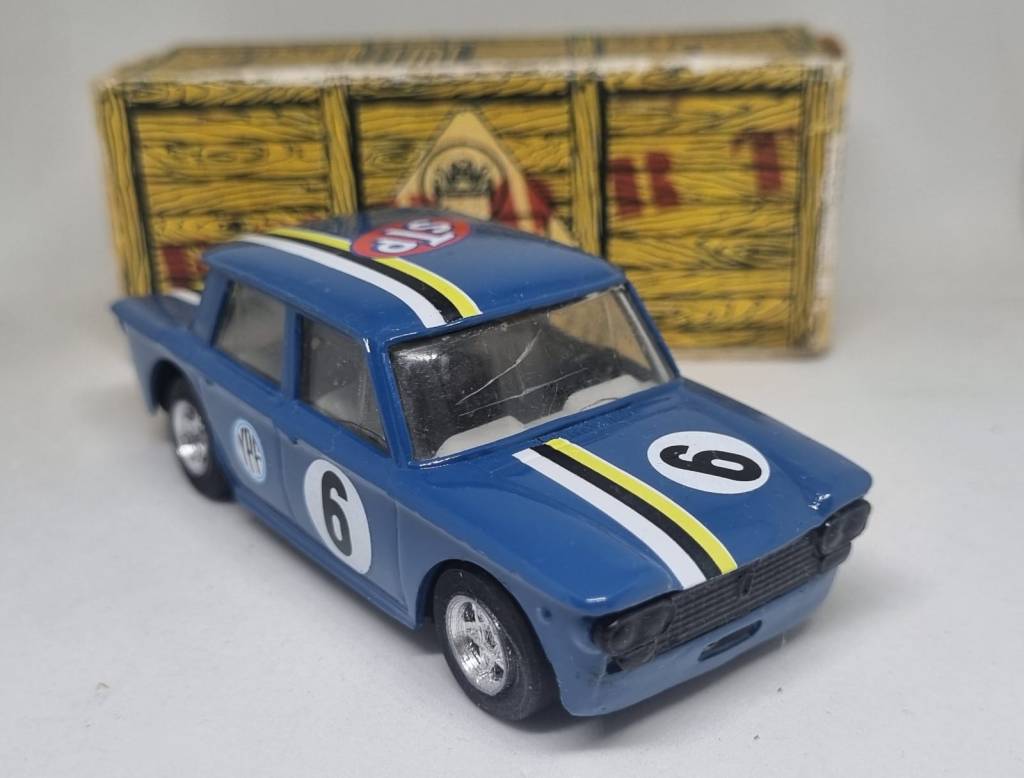
Collectors not only throughout South America but also in Europe and the United States greatly appreciated these Argentine miniatures, whose reputation continued to grow.


During the second half of the 1960s, a new era of innovation began.
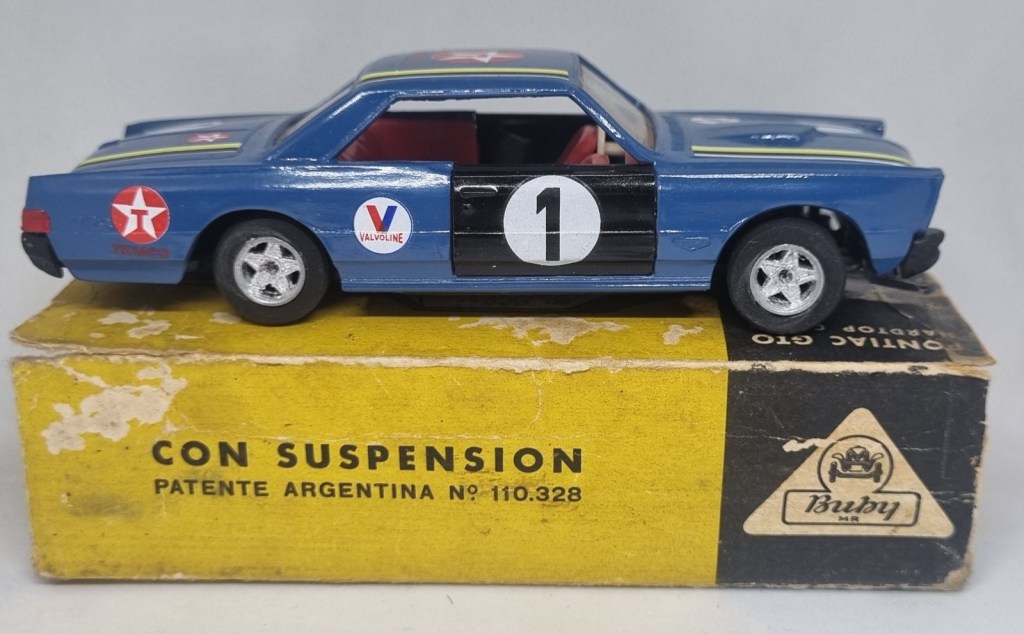
Buby introduced the superb 1965 Pontiac Tempest GTO Hardtop. This automobile is considered one of the most important American cars ever produced and is widely regarded as the first muscle car. In reproducing it, Haroldo Mahler introduced several important innovations. It became the first Buby model to feature opening parts. Opening doors, a well-detailed plastic interior, an improved suspension system, steerable front wheels, and a plastic baseplate were among its principal design features.
The GTO miniature was also produced at approximately 1:40 scale, making it slightly larger than the standard 1:43 scale.
Buby produced the 1965 Pontiac GTO Hardtop in several colour variations.


Later, during the 1970s, Buby introduced the Pontiac GTO Custom version. It featured different wheels, revised body styling, an engine scoop on the bonnet, racing numbers and decals.



By the end of the 1960s, Buby had become one of the largest die-cast model manufacturers in South America. For example, in 1967 the company produced approximately 210,000 miniatures. Haroldo Mahler had brought joy to countless children and collectors throughout his country. Buby was therefore well prepared to face the future from a position of strength.


List of Buby models from 1957 to 1967
| Catalogue No. | Model |
|---|---|
| 1000 | 1957 Buick Station Wagon Ambulance – Scale: 1/42 |
| 1001 | 1957 Buick Century Caballero – Scale: 1/42 |
| 1002A | 1958 Ford Fairlane – Scale: 1/40 |
| 1002B | 1958 Ford Fairlane Carretera Standard – Scale: 1/40 |
| 1003 | 1958 Ford Fairlane Police – Scale: 1/40 |
| 1004A | 1957 Ford F-100 – Scale: 1/40 |
| 1004B | 1957 Ford F-100 Army – Scale: 1/40 |
| 1004C | 1957 Ford F-100 Army Ambulance – Scale: 1/40 |
| 1005 | Volkswagen 1200 Beetle – Scale: 1/40 |
| 1006 | 1957 Ford F-100 Technical Service – Scale: 1/40 |
| 1007 | IKA Estanciera – Scale: 1/43 |
| 1008A | Mercedes-Benz 300 SL Roadster – Scale: 1/40 |
| 1008B | Mercedes-Benz 300 SL Carrera – Scale: 1/40 |
| 1009A | 1959 Chevrolet Impala – Approx. scale: 1/40 |
| 1009B | 1959 Chevrolet Bel Air – Approx. scale: 1/40 |
| 1009C | 1959 Chevrolet Bel Air Police – Approx. scale: 1/40 |
| 1010 | 1959 Chevrolet Bel Air Taxi – Approx. scale: 1/40 |
| 1011A | Renault Dauphine – Scale: 1/42 |
| 1011B | Renault Gordini Carrera (Turismo Standard) – Scale: 1/42 |
| 1012 | 1959 Mercedes-Benz 220 SE – Scale: 1/42 |
| 1013 | 1962 Mercedes-Benz 220 SE Carrera Standard – Scale: 1/42 |
| 1014A | FIAT 1500 – Scale: 1/40 |
| 1014B | FIAT 1500 Turismo Anexo “J” – Scale: 1/40 |
| 1015 | FIAT 1500 Carrera – Scale: 1/40 |
| 1016A | 1965 Pontiac GTO Hardtop Coupé – Scale: 1/40 |
| 1016B | 1965 Pontiac GTO Custom Carrera – Scale: 1/40 |
| S1 | Jeep Gladiator (Línea Sanson) – Scale: 1/31 |
- Scales according to L. Brousse.
- In many cases, it is difficult to determine the exact scale. The scale of most models ranges approximately from 1/38 to 1/43, as Buby did not consistently adhere to a precise criterium.


2 pensieri riguardo “Buby from Argentina (part 1, 1957-1967)”