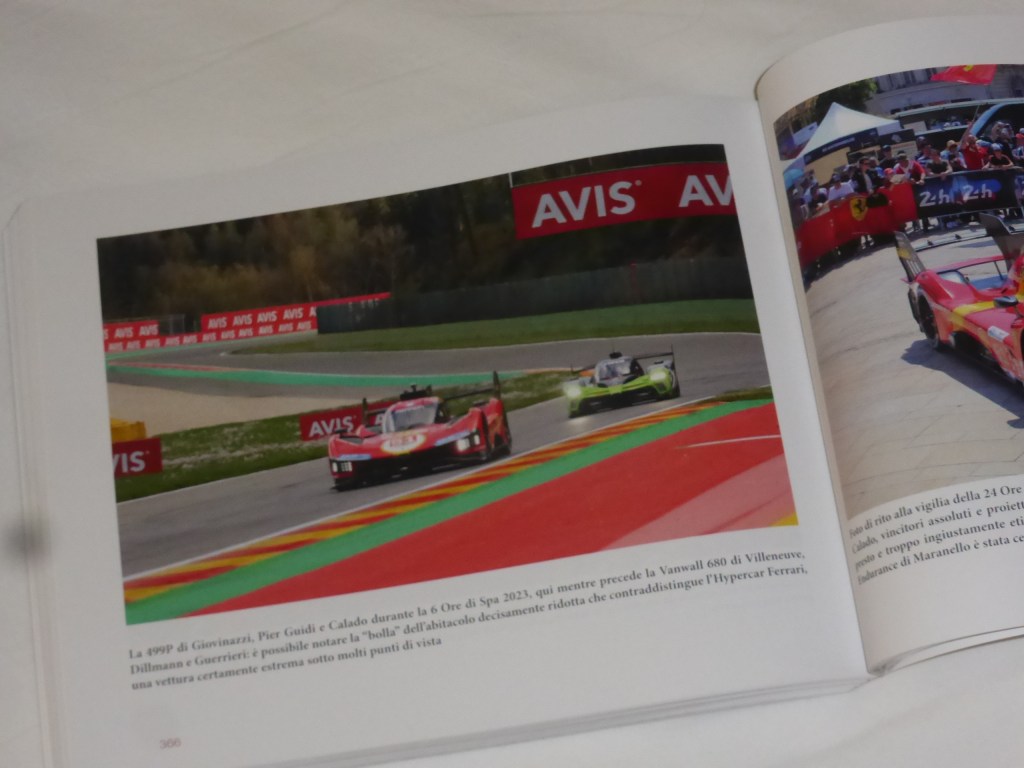
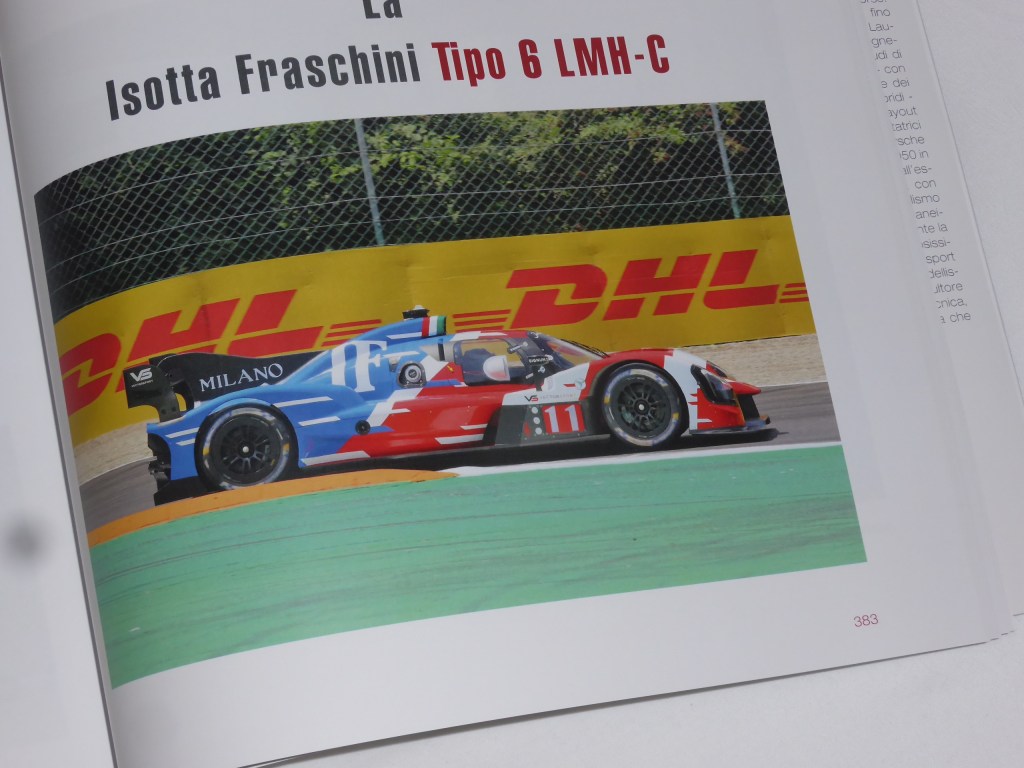
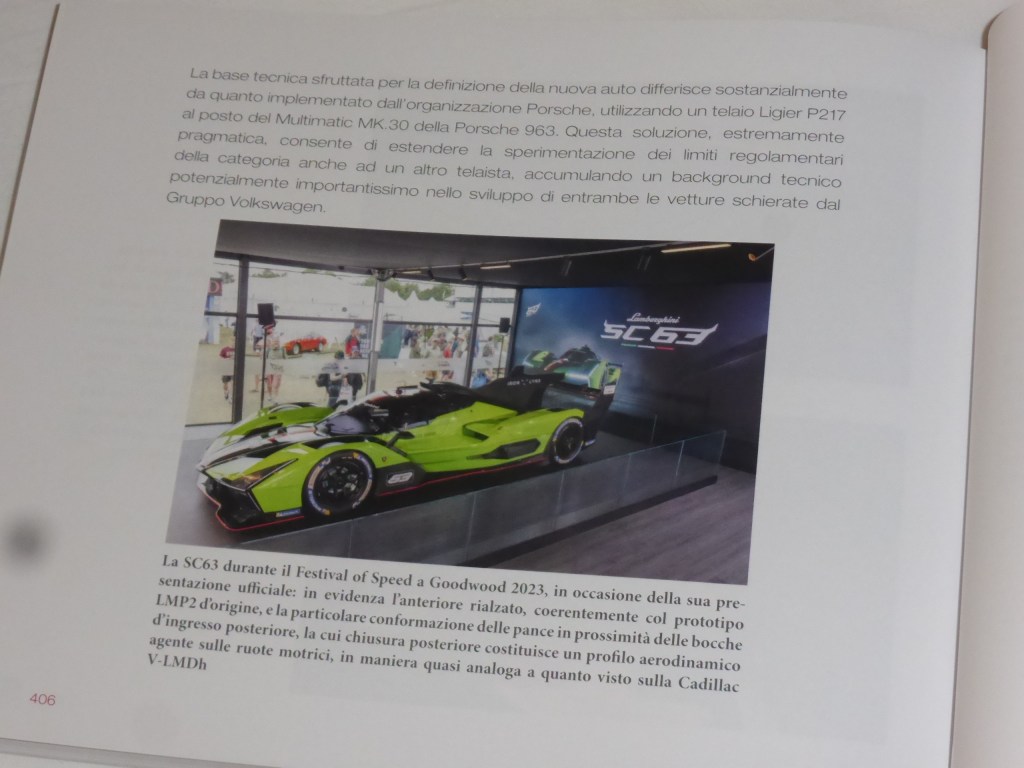
E’ disponibile da oggi Generazione Hypercar 2021-2023 (vedi anche qui: https://pitlaneitalia.com/2023/12/19/generazione-hypercar-2021-2023/), un libro di David Tarallo e Riccardo Fontana, che traccia la storia della concezione e dello sviluppo tecnico di tutte le vetture LMH e LMDh dall’anno di esordio, il 2021, al 2023, che ha visto il ritorno della Ferrari dopo decenni di assenza.
Il volume, di oltre 400 pagine, consta di testi che fanno il punto della situazione sulle vetture dell’attuale regolamentazione, ma non mancano – ove necessario – gli agganci col passato. Vengono analizzati anche i produttori dei telai LMDh, fornitori di costruttori come Porsche e Cadillac.
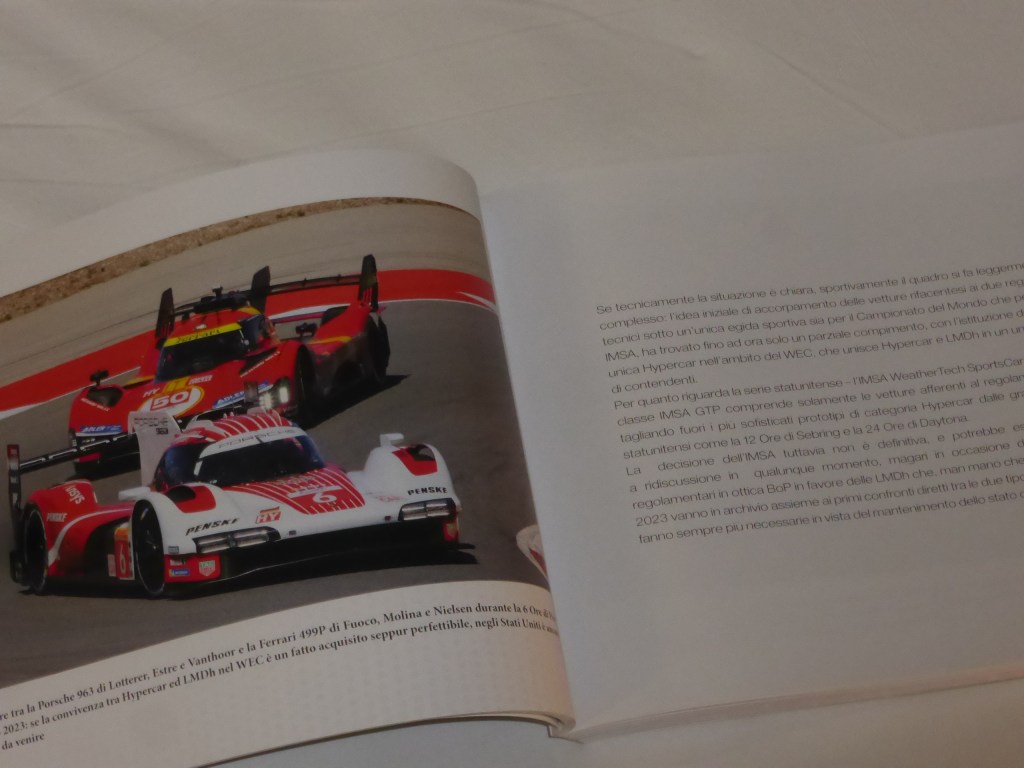
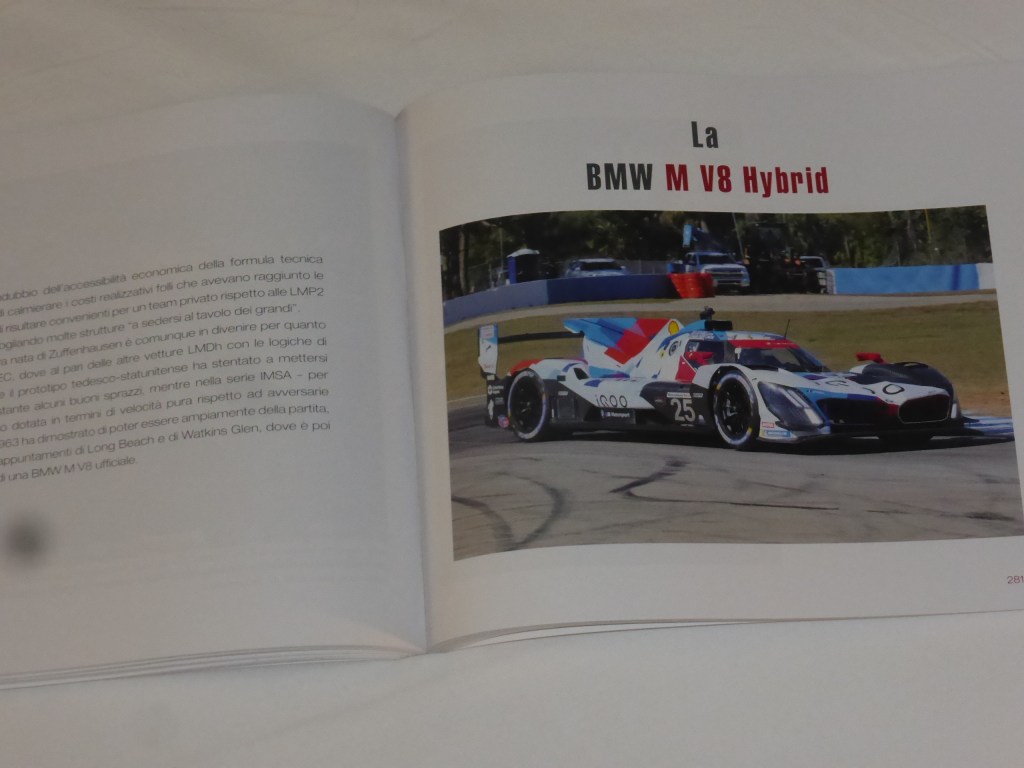
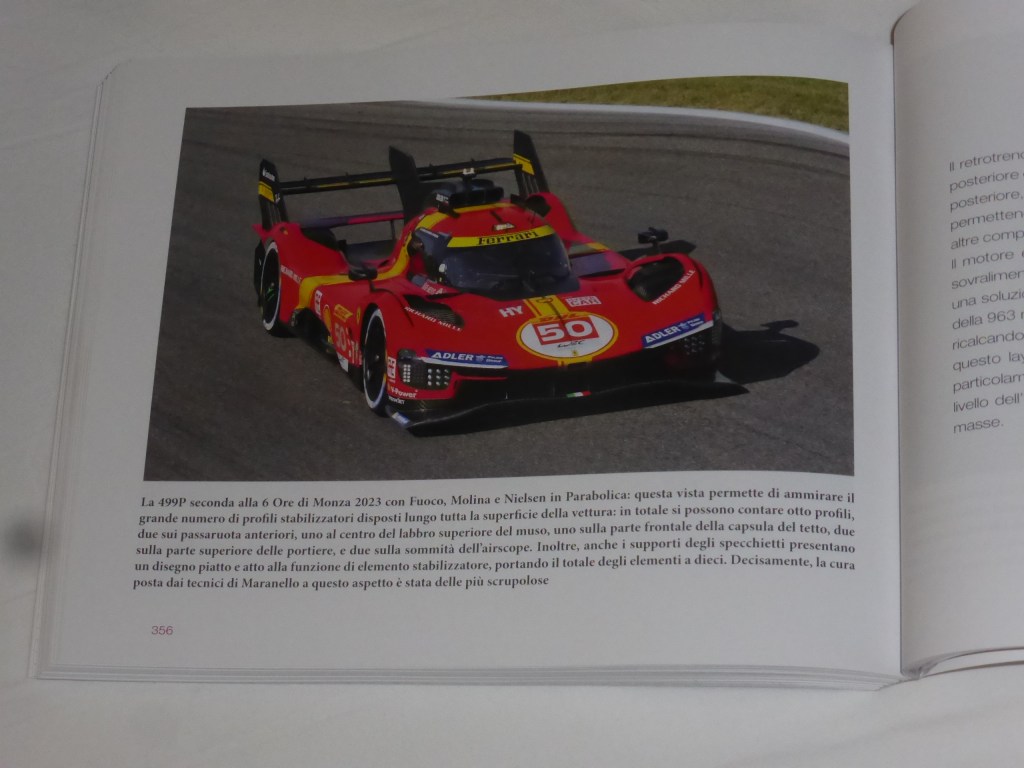
Oltre 300 le foto a colori, del tutto inedite, molte anche preziose per la loro rarità, visto che vengono evidenziati dettagli meccanici e telaistici difficili da reperire altrove.
Dal 26 febbraio 2023 PLIT ha una pagina Facebook tutta sua, raggiungibile all’indirizzo https://www.facebook.com/pitlaneitaliafacebook/ che pubblicherà in automatico i link degli articoli usciti sul sito. Iscrivetevi, mettete like e commentate!
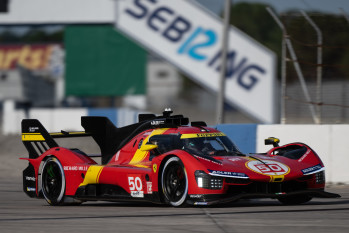
Prima presa di contatto con il circuito di Sebring per la Ferrari 499P che, proprio su questa pista, vivrà il suo debutto in occasione della 1000 Miglia in programma il 17 marzo. La nuova Le Mans Hypercar del Cavallino rampante è stata impegnata in due giorni di test durante i quali tutti i piloti dei due equipaggi che affronteranno il Campionato del Mondo Endurance hanno avuto modo di familiarizzare con i 6 km del circuito.
Nel corso del primo test “oltre oceano” sono state collaudate alcune soluzioni con l’obiettivo di migliorare l’affidabilità della vettura. La particolare natura dello storico tracciato della Florida, famoso per le irregolarità del suo manto stradale, ha consentito di raccogliere indicazioni utili sulle risposte di sospensioni e telaio a sollecitazioni intense.
“Il test di Sebring è stato molto importante per noi perché abbiamo avuto modo di provare la 499P sulla pista dove debutteremo”, ha dichiarato Alessandro Pier Guidi, “un tracciato che oltretutto è molto severo con le componenti meccaniche della vettura. Mi sono divertito tantissimo a guidare la vettura su questa pista. I riscontri di questa due giorni sono positivi, abbiamo accumulato esperienza che sarà importante alla 1000 Miglia e, soprattutto, abbiamo avuto modo di avere dei riferimenti precisi rispetto ai nostri avversari anche dal punto di vista cronometrico. Abbiamo ancora molto lavoro da fare per migliorare ulteriormente, ma sappiamo in che direzione farlo”.
Sono due le vendite organizzate da Artcurial Motorcars in occasione della Le Mans Classic Legend. La prima, classica, si terrà il 3 luglio alle ore 17 presso il circuito (esposizione: 2 luglio dalle 9 alle 20, 3 luglio dalle 8 alle 16), mentre la seconda, esclusivamente on line, è già aperta e si concluderà l’8 luglio con esposizione presso La Rotonde – Centre des Expositions a Le Mans dal 2 al 5 luglio con orario 10-18.
Ospitiamo un ulteriore contributo di Fedor Eliseev, la storia del marchio britannico Spa Croft. Al corredo fotografico avrei voluto aggiungere le immagini di alcuni modelli acquistati da St Martin’s a Londra nell’estate del 2009 ma come spesso succede non trovo né le immagini né tantomeno i modelli. Pazienza e buona lettura! [David Tarallo]
di Fedor Eliseev
The name Spa Croft represents hand-built white-metal models of classic British cars, produced to the highest standards of quality and detail. Nowadays these miniatures are extremely rare and expensive, but if you manage to acquire them, you will never regret it. This article is an attempt to introduce readers to this absolutely spectacular range and its founder and proprietor, Mike Coupe.
For Mike Coupe, collecting models began in the late 1940s when he was six years old. After receiving his first model, a Buick Viceroy by Dinky Toys, Mike became very interested in scale model cars. He managed to acquire most of the models from Dinky Toys’ 40 Series and was very pleased when the first Corgi models were introduced in 1956. Like many children, Mike played with his Dinky and Corgi models, although not many of them survived. However, his first Buick Viceroy was preserved and, after a major repair, eventually took its place in his collection.
At the age of 20, Mike became a serious collector who no longer played with models and understood their significance. At that time, Tri-Ang released its absolutely magnificent 1:42-scale Spot-On range. Spot-On models were highly sophisticated even in comparison with Corgi, let alone Dinky and Matchbox. Unfortunately, this superb range remained in production for only a short time, and today the models are extremely rare and expensive.
Without any doubt, Spot-On cars greatly impressed Mike and influenced his collecting hobby. In the mid-1970s, he began collecting white-metal models produced by Western Models, Brooklin, John Day, Motorkits, and others.
Being an avid collector, Mike had another passion: music. He achieved considerable success in this field and became a local mobile DJ. He spent much of his time at the Shoulder of Mutton Inn in the small hamlet of Hardstoft, Derbyshire. To attract new customers, Mike Coupe organised the Hardstoft Swapmeet at the pub in 1983. It proved extremely popular and, after only one season, Mike had earned £300, which he decided to invest in the model business.
In 1984, in his native town of Tibshelf, he established Brock Miniatures and became a Brooklin dealer.
Brock Miniatures offered its customers a very high level of service and earned a reputation as a responsible and reliable model retailer. Through his work with Brooklin Models, Mike became acquainted with John Hall. To promote Brock Miniatures, he decided to commission a special refinished Brooklin model for his store. In 1990, Mike commissioned Mick Cooling to modify and detail the standard BRK 23 1956 Ford Fairlane Victoria. The model was repainted in a more realistic two-tone colour scheme: blue for the roof and lower body, and Arctic White for the bonnet, upper doors and boot lid. The interior was finished in grey. Door handles, badges, side mouldings and door frames were foiled. The baseplates carried the designation “F/Way No” and the initials “M.C.”. Only 25 models, complete with original certificates and designated as Code 2 models, were produced.
The second half of the 1980s and the early 2000s became the Golden Age of the white-metal industry. New companies were constantly being established, the market was growing, and some major retailers were launching their own model ranges. Stores usually commissioned special models from manufacturers capable of carrying out all production operations, such as Brooklin, SMTS and Western Models. Observing the market, Mike also decided to create his own range of precision white-metal models.
As a subject, he chose classic British cars from the 1930s to the 1960s, which he had seen on the streets during his childhood and youth. Like John Hall, Mike used a geographical name for his brand. The range was named Spa Croft in honour of the street where Mike Coupe was born.
Bringing the Spa Croft project to life was not easy and took considerable time. The first ideas for the range emerged in the late 1980s. In 1991, Mike announced his plans in Model Auto Review magazine through a short notice. He introduced the proposed Spa Croft range and mentioned possible future models, including the 1953 Hillman Californian hardtop and Minx Convertible, the 1952 Ford Zephyr/Zodiac Mk1, the 1948 Rover P3 and the 1956 Morris Isis Mk2.
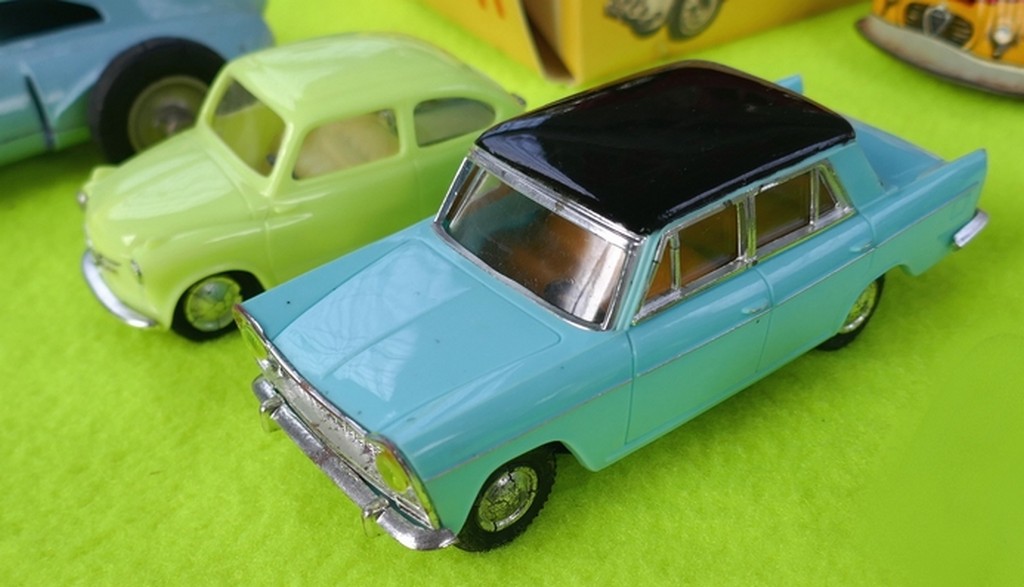
According to the original plans, production was to begin in 1992, but the first pattern for the Morris Isis Series 2 was not completed until 1994. By that time, Brooklin had launched the Lansdowne Series, while Bernie and Graham du Gros had established Gems & Cobwebs / Milestone Miniatures. Both companies released a wide range of classic British cars and produced several models that Mike had originally planned for Spa Croft. However, these were generally well-known vehicles. For example, the Ford Zephyr Mk1 had already been reproduced by both companies. At the same time, less famous cars that had never been best-sellers had very little chance of being modelled in 1:43 scale in the near future. The Morris Isis Series 2 therefore became an excellent choice for the first Spa Croft model. This car was introduced in 1956 and replaced the Isis Series 1 after only one year of production. It was based on the extended chassis of the Morris Oxford, and the main purpose of the Isis was to compete in the middle-class market segment. The 1956 version was equipped with a six-cylinder 2.6-litre engine producing 90 hp, while an automatic gearbox was available as an option. The gear lever was mounted on the steering column, and the bodies could be finished in two-tone colour schemes. The Isis did not achieve significant commercial success. Between 1955 and 1958, BMC sold approximately 12,000 units.
Mike organised the production process with the utmost care and attention. His goal was to create models that were considerably more sophisticated than those produced by Brooklin and Western Models. They were not intended to compete with those manufacturers but rather to complement their ranges.
To create the models, he gathered extensive information about the prototypes, located real cars for precise measurements, photographed them, and mixed paints to achieve the correct colours. Mike invited Pete Kenna to participate in the project as a pattern maker, and their productive collaboration continued for eight years.
The production process involved CMA Mouldcast, GTA Models, owned by Graham Price, and White Metal Assemblies, owned by Maurice Bozward. These companies carried out the casting operations and manufactured various components. Pete Kenna, his daughter Susan, and Mike Coupe painted and assembled the miniatures. Significant support for the Spa Croft project came from Roger Tennyson, founder and proprietor of Jemini, later Crossway Models. Roger assisted Spa Croft with production, while Mike became one of Crossway’s principal dealers. Some models originally produced for Spa Croft were also offered in police versions under the Crossway brand.
Every Spa Croft model was produced as a limited edition: 200 units in each colour, for a total of 400 units. In addition, 100 units were reserved for special custom editions commissioned by individual customers. Mike never sold his models in kit form; only fully assembled examples were available.
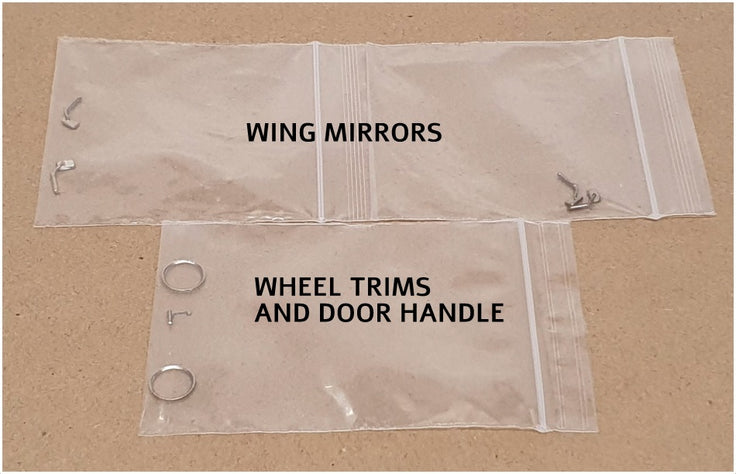
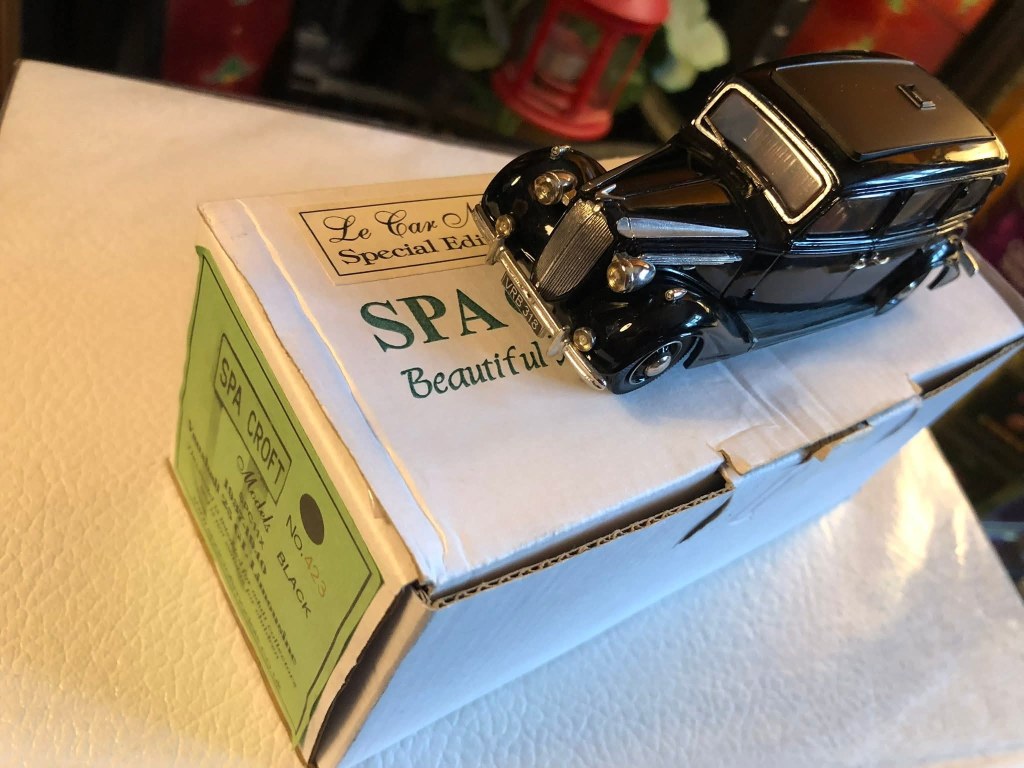
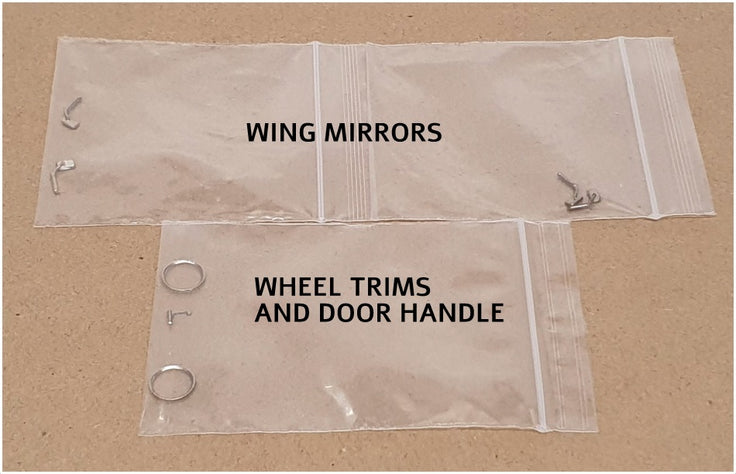
The construction of Spa Croft miniatures featured photo-etched windscreen wipers, separate door handles, chrome trim parts, registration plates and resin headlamp lenses. Rear-view mirrors were supplied separately in a small bag and had to be fitted by the customer. The interiors featured superbly detailed dashboards, seats, steering wheels and even gear levers. The models were packaged in cardboard boxes typical of hand-built miniatures. Each box carried the Spa Croft Models logo and its motto, “Beautiful Models for the Discerning Collector”.
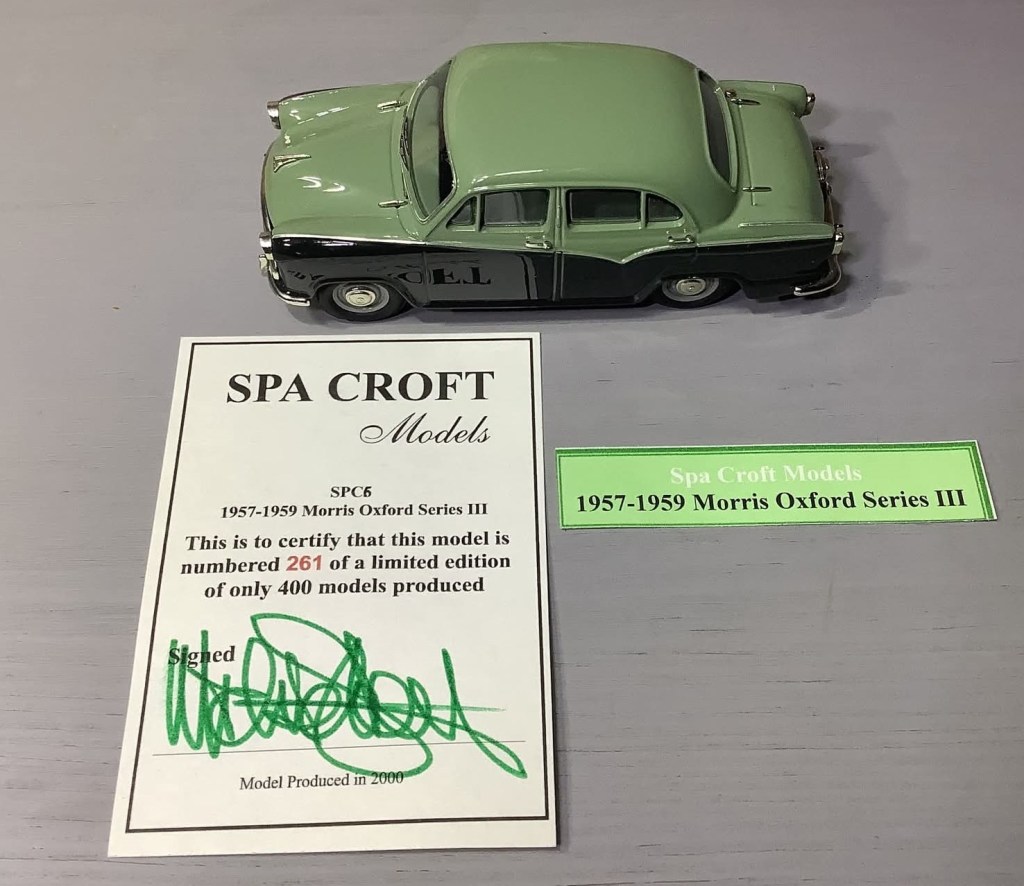
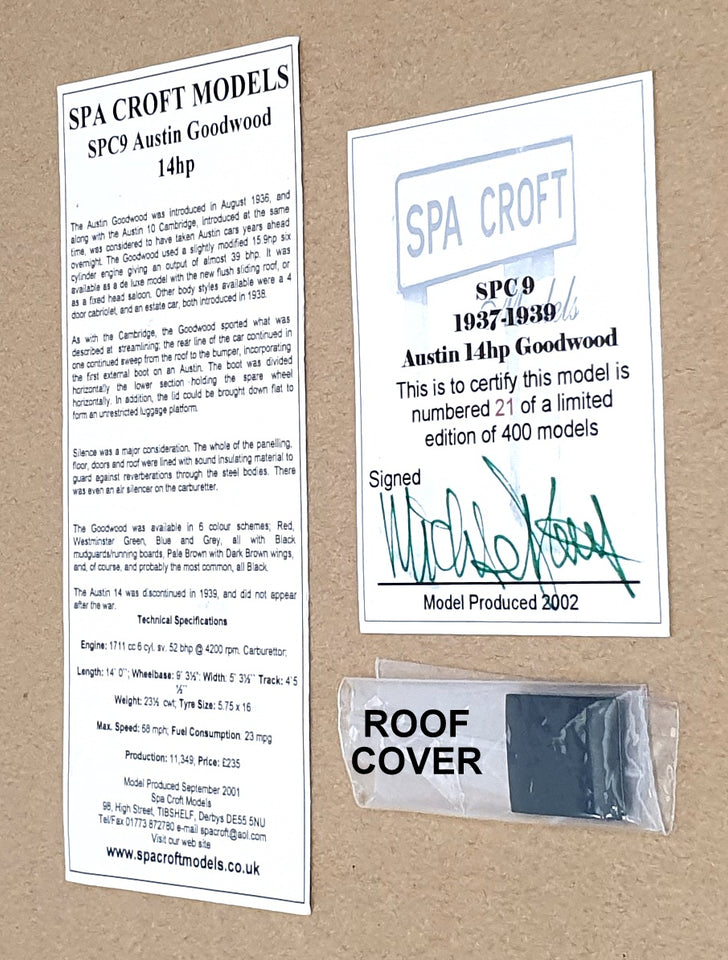
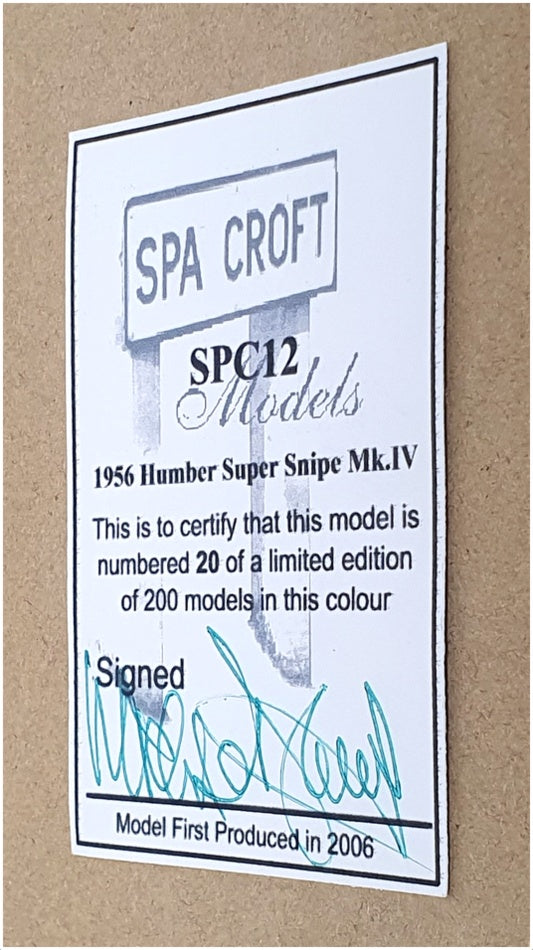
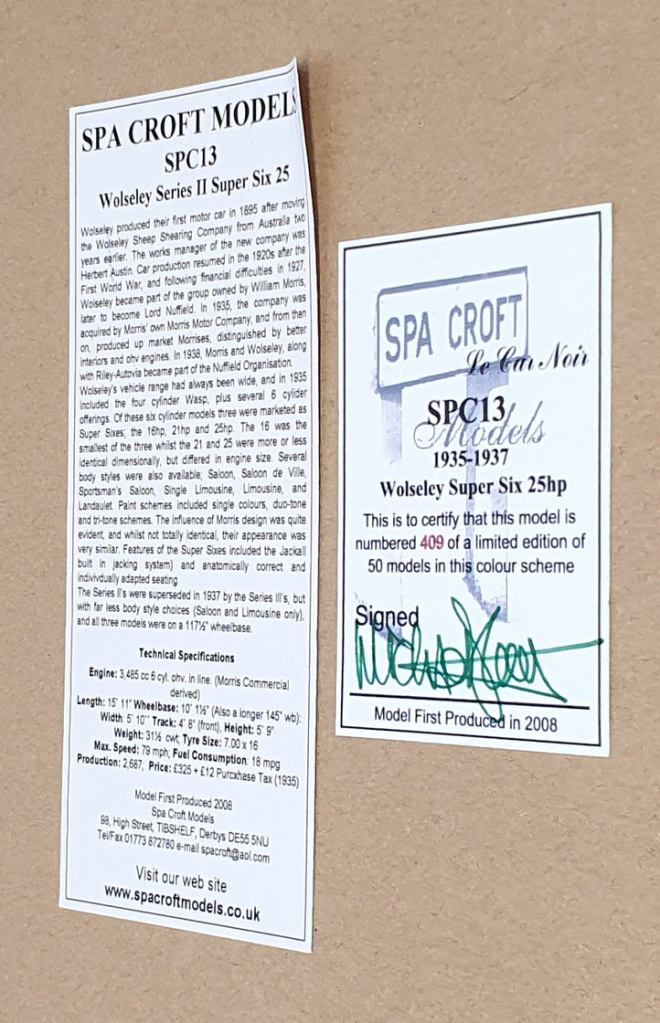
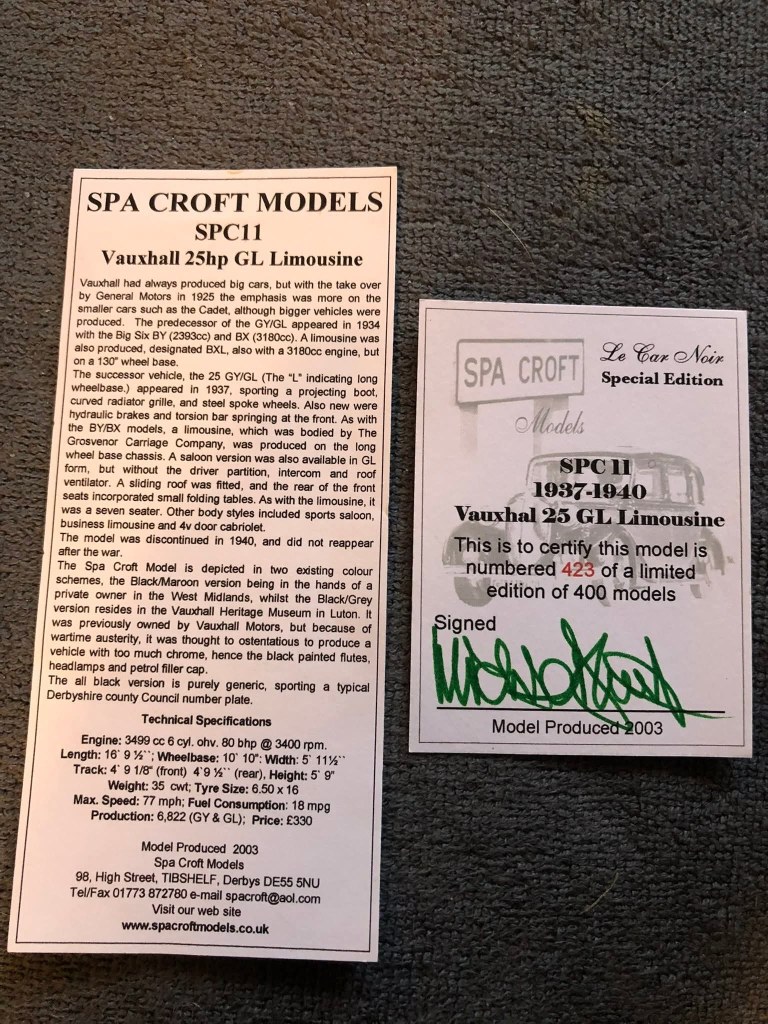
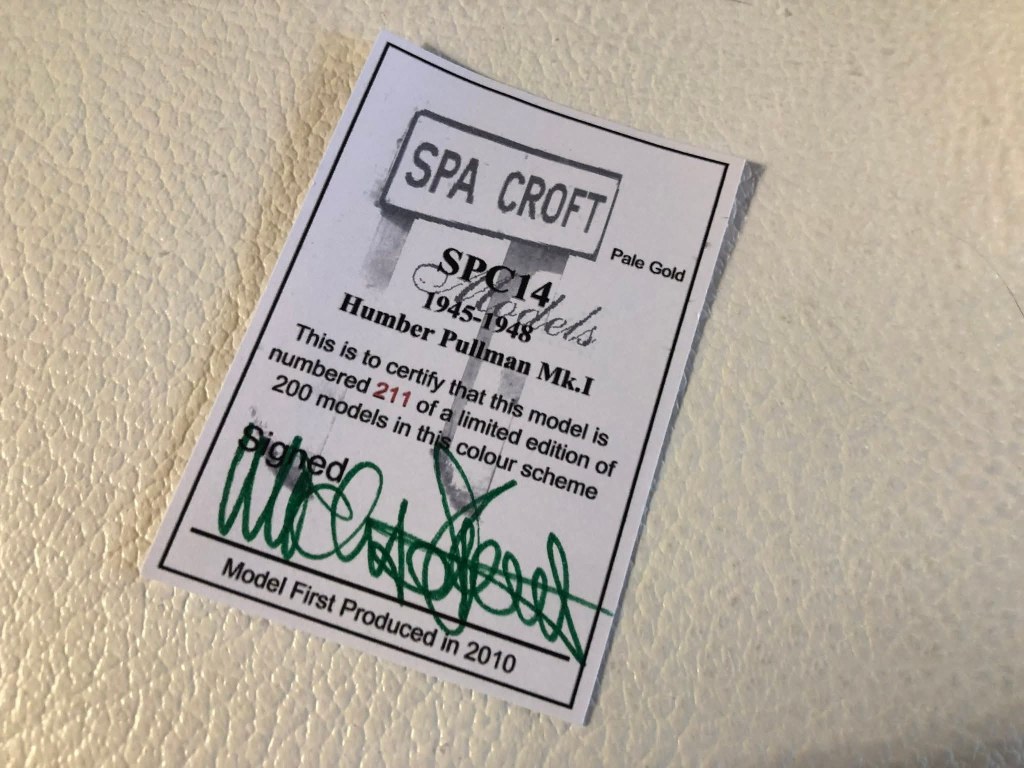
The opening flap also displayed the manufacturer’s name, catalogue number and model designation. Every Spa Croft miniature was accompanied by a certificate containing the catalogue number, model name, limited-edition number, year of production, the Spa Croft road logo and Mike Coupe’s personal signature. Later, an additional card was included, providing a brief history of the real car, technical specifications and Spa Croft Models contact information.
The models became relatively expensive. During the second half of the 1990s, standard versions retailed at £69, while customised versions cost £79. By comparison, a standard Lansdowne model sold for approximately £35, while Western Models products cost between £50 and £55.
By the early 2010s, prices had risen to between £95 and £110.
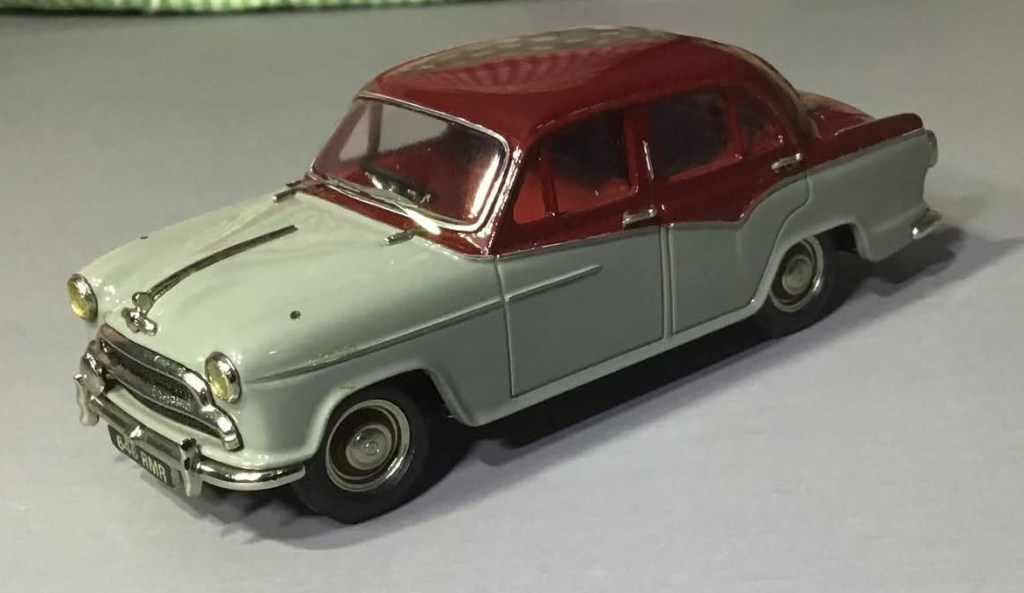
The first Spa Croft model, the 1956 Morris Isis Series 2, was introduced at the ModeleX Show in 1995. It was available in Turquoise/Swiss Grey and Birch Grey/Damask Red colour schemes. One of the first examples was donated by Mike as a prize for the MAR 100 Jubilee Competition.
The first model: SPC 1, the 1956 Morris Isis series 2. Photo by Chris Green
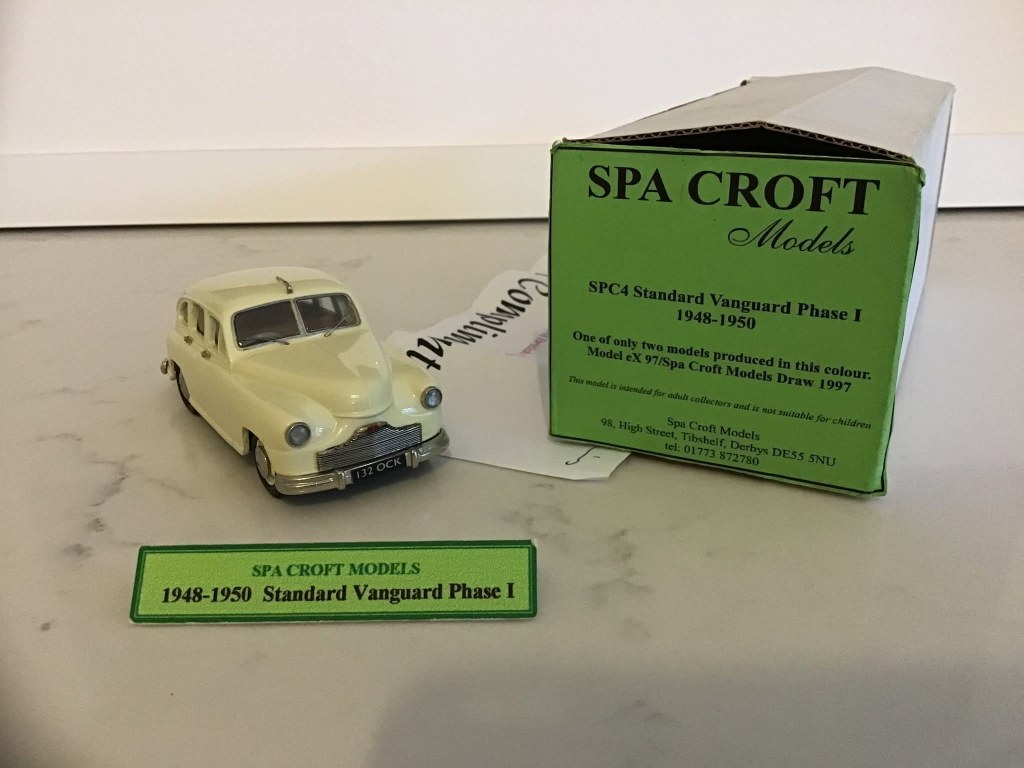
With the second project, the Vauxhall FC VX 4/90, Mike hoped to expand the range into the 1960s. Unfortunately, this replica proved to be one of the most difficult projects and its release was postponed. As a result, the next model introduced by Mike, in 1997, was the 1948 Standard Vanguard Phase 1.
SPC 1 in another colour trim (as usual every model was issued in two combinations)
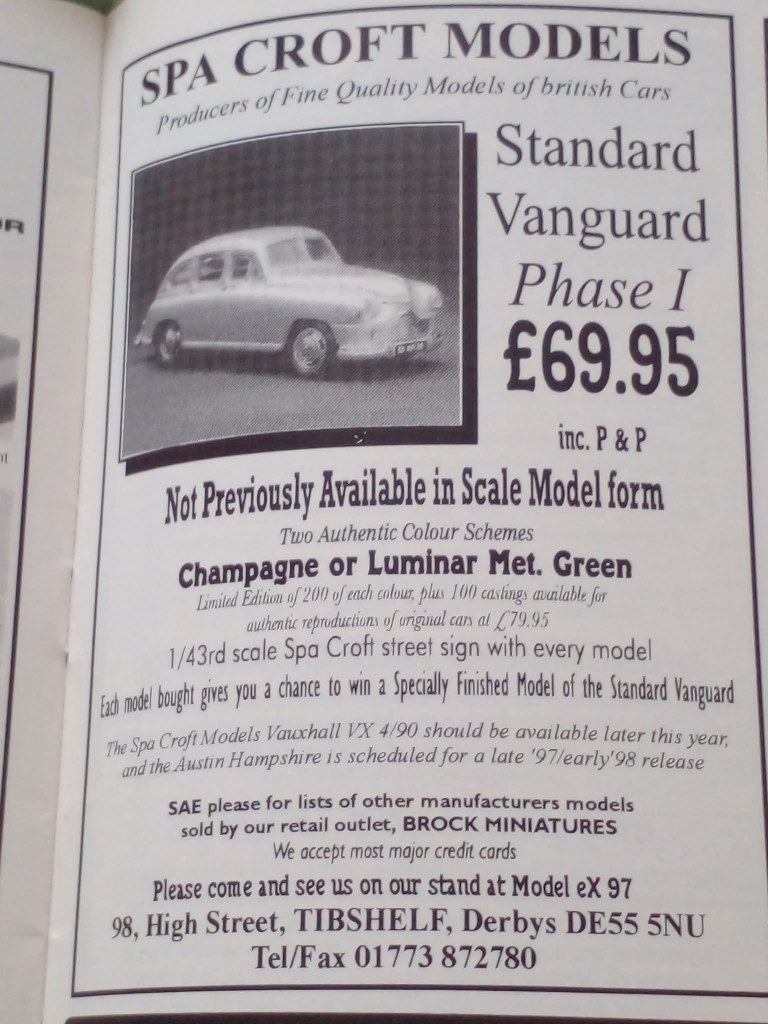
Pete Kenna had already produced numerous Vanguard models for both his own company and Minicar 43, but all were based on the facelifted 1952 Phase 1A version. Consequently, the early version produced by Spa Croft successfully filled a significant gap in the market. The model was available with an aerial and finished in two colours: Luminor Green and Champagne.
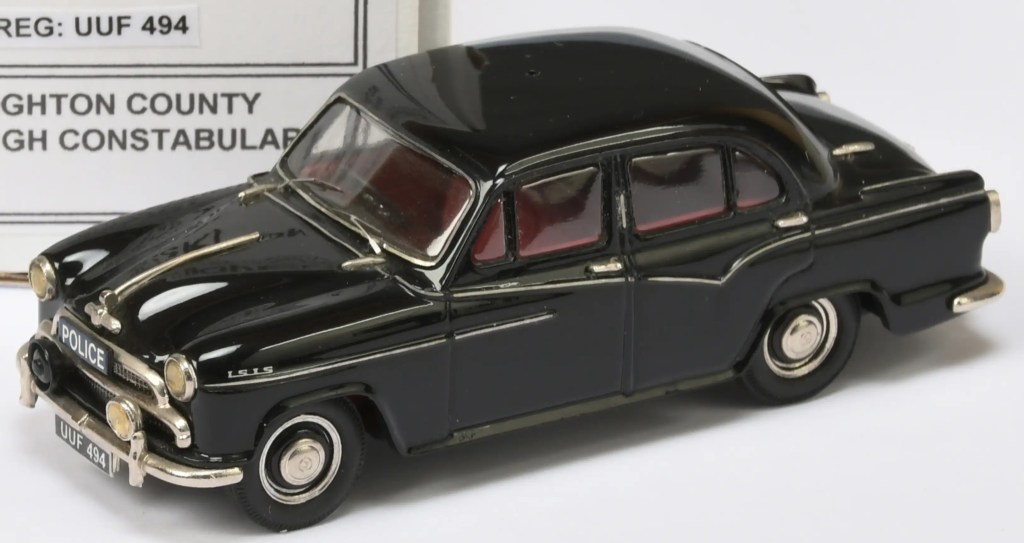
Morris Isis 2 in Police livery issued under the Crossway brand. Photo by Mike Coupe
A special edition painted in British Racing Green and carrying MAR 119 registration plates was donated as a competition prize. Interestingly, Race Scene created a diorama depicting the Mulsanne Corner at Le Mans specifically for this model. Combining the model and the diorama allowed the fortunate winner to imagine 1950s British tourists trying their luck on the famous circuit.
1997 MAR advertisement
The year 1998 became the most productive in Spa Croft’s history. During that year, two new models were released: the 1964 Vauxhall FC VX 4/90 and the 1950 Austin A70 Hampshire.
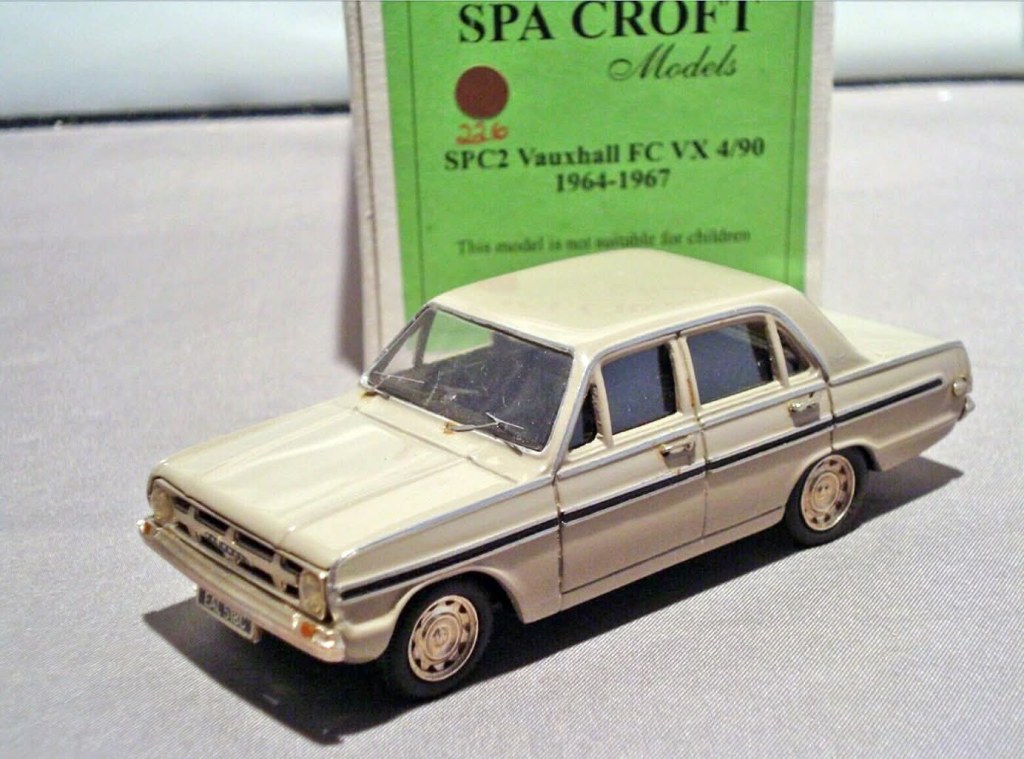
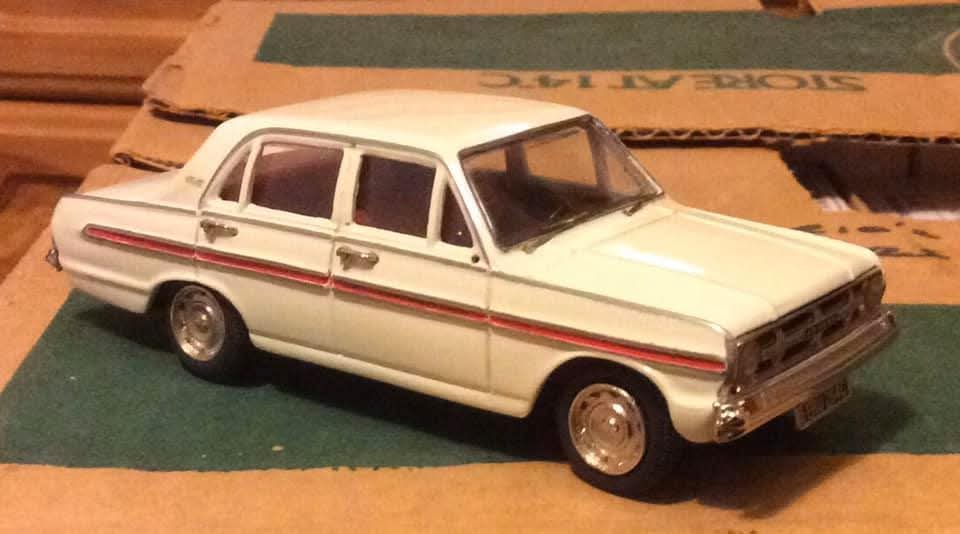
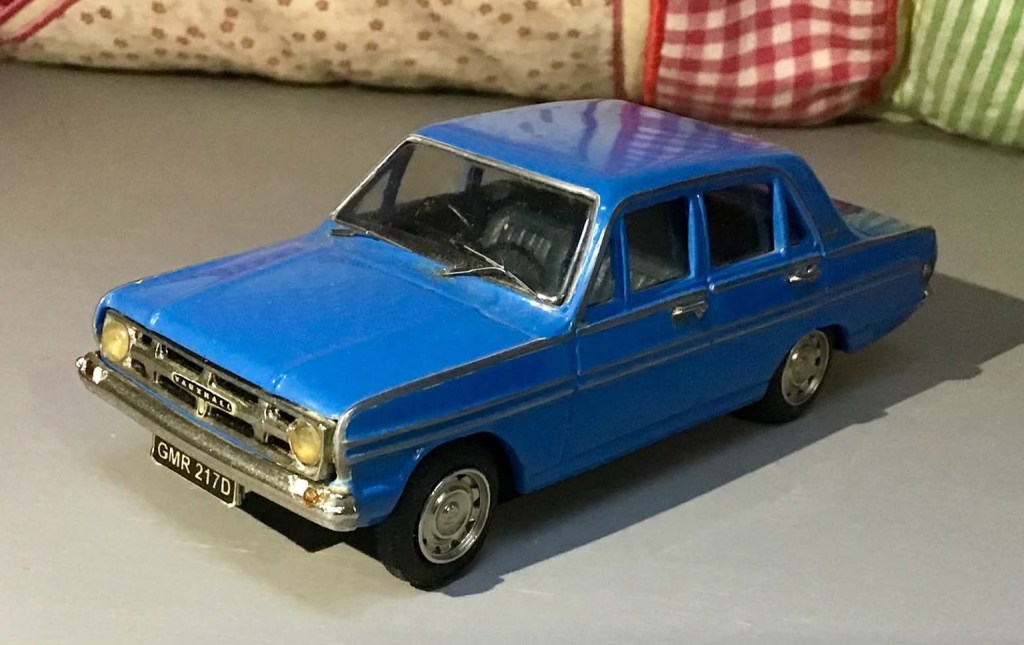
The Vauxhall FC VX 4/90 was the sporting variant of the FC Victor and was equipped with a 1.6-litre engine and twin Zenith carburettors. The chassis and transmission were also upgraded compared with the standard Victor. The car was available exclusively as a four-door saloon and featured a four-speed gearbox, separate front seats, a special dashboard and front disc brakes. The styling also received a number of modifications, including distinctive wheel trims, a revised radiator grille, modified rear lights and side body trim.
SPC 2 the 1964 Vauxhall FC VX 4/90. Photo by Karl Dillon
Unfortunately, sales were not particularly successful, as most customers preferred sporting versions of the Ford Cortina Mk2 and Hillman Hunter. As a result, production of the FC VX 4/90 ended in 1967, while the standard FC Victor was replaced by the FD series.
SPC 2 (photo by Roger Tennyson)
The 1:43 scale replica of the 1964 Vauxhall FC VX 4/90 produced by Spa Croft had a complicated development history. Mike commissioned Martin Field to create the master pattern and selected CMA Mouldcast, rather than White Metal Assemblies, as the production partner for the project. The experiment proved unsuccessful. Mike was dissatisfied with Martin Field’s pattern and eventually had to ask Pete Kenna to rework it.
A very rare SPC 2 paint by special order. Photo by George Coats
As a consequence, the model’s release was delayed until 1998. There was insufficient time and opportunity to redesign the original pattern completely, and Mike has never been particularly proud of this model, preferring not to dwell on the experience. Two versions were produced: Grecian White with Calypso Red Side Flash and Cavalry Brown with Black Side Flash.
For the 1950 Austin A70 Hampshire, Mike Coupe returned to the traditional and proven Spa Croft production formula: patterns by Pete Kenna, castings by White Metal Assemblies and GTA Models, and final assembly under Spa Croft supervision.
As a result, the new model achieved considerable success among collectors. It filled an important gap because Pete Kenna had previously produced the later Austin A70 Hereford in his own range, as well as the smaller Austin A40.
The Austin A70 Hampshire was introduced in 1948 and represented a classic British mid-sized post-war car. It was equipped with a four-cylinder 2.2-litre engine producing 67 hp, featured traditional body-on-frame construction, and used the same Girling hydraulic rear brakes as the Austin A40 Devon. Approximately 35,000 units were produced before the Hampshire was replaced by the revised Hereford model in 1950.
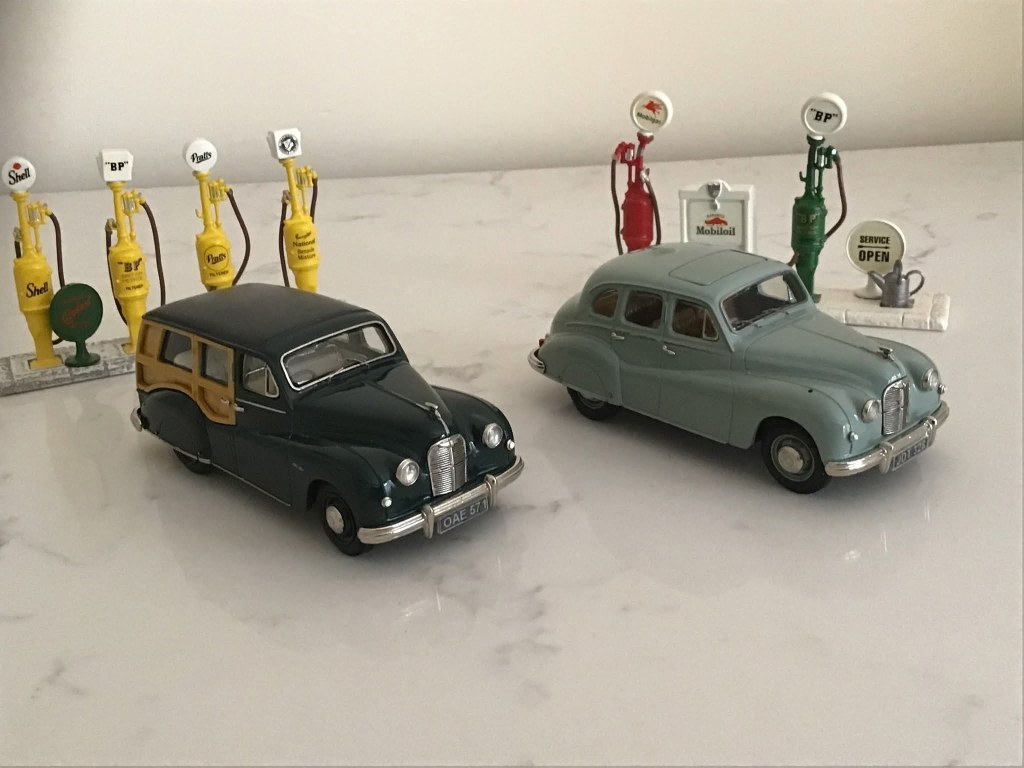
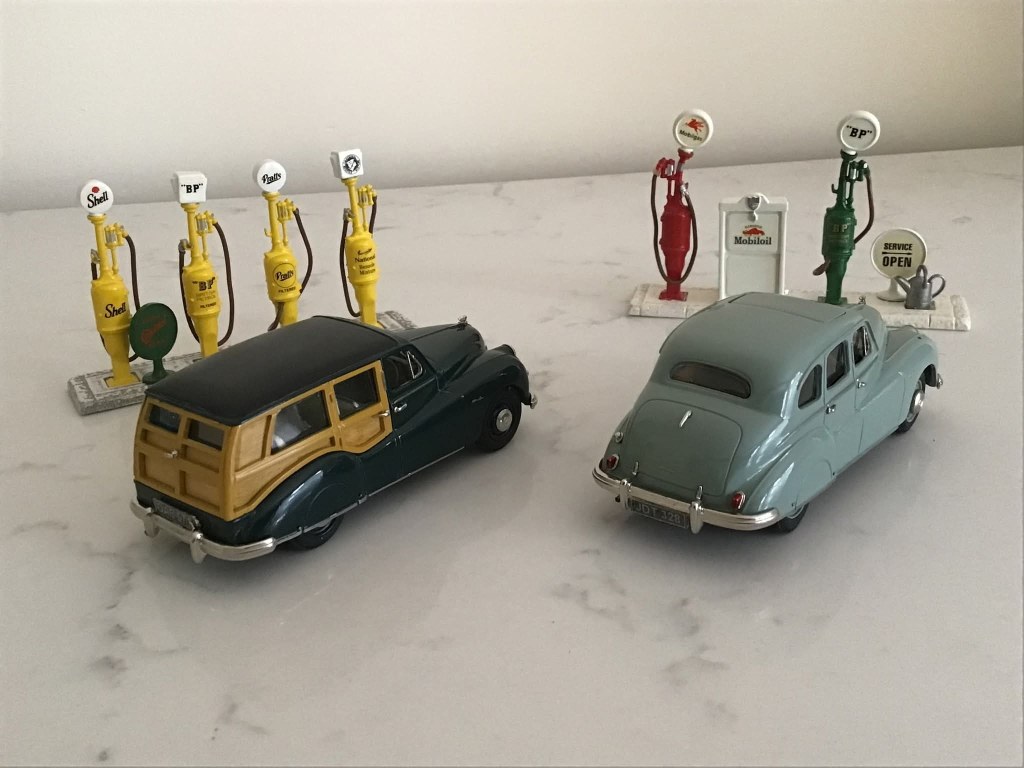
SPC 3 (1950 Austin A70 Hampshire) and SPC 5 (1948 Austin Hampshire Countryman). Photo by Paul Rosa
Strictly speaking, the Spa Croft replica represents the 1948 A70 Hampshire saloon, and it is unclear why the promotional material refers to it as a 1950 model. The miniature was also available with an open sunroof. It featured 18 separate plated components and a greater number of photo-etched details, although this inevitably increased the retail price. Ostend Grey and Antrim Blue were selected as the standard colours.
Because the Austin A70 Hampshire had been offered in several body styles that had never been reproduced in 1:43 scale, Mike decided to produce the timber-bodied A70 Countryman estate. Released in 1999, the model featured absolutely spectacular wood-effect bodywork. It was available in Cream and Elfin Green.
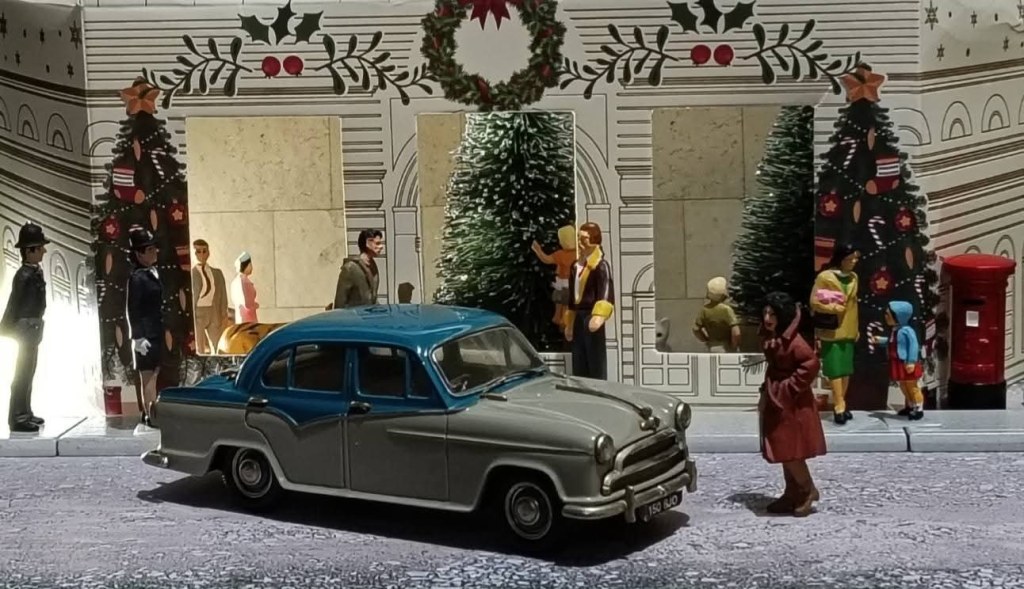
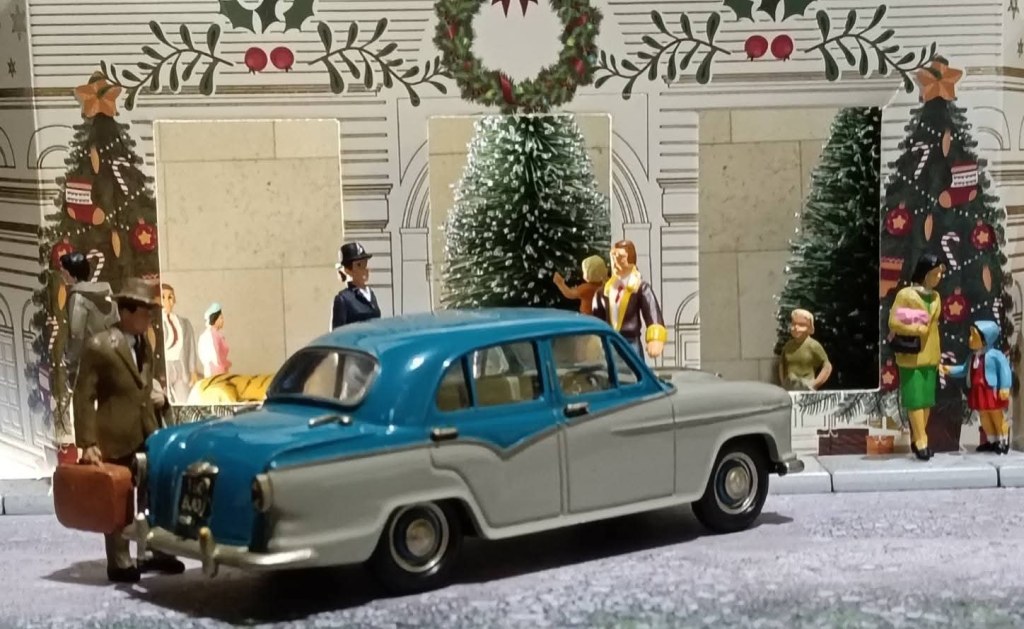
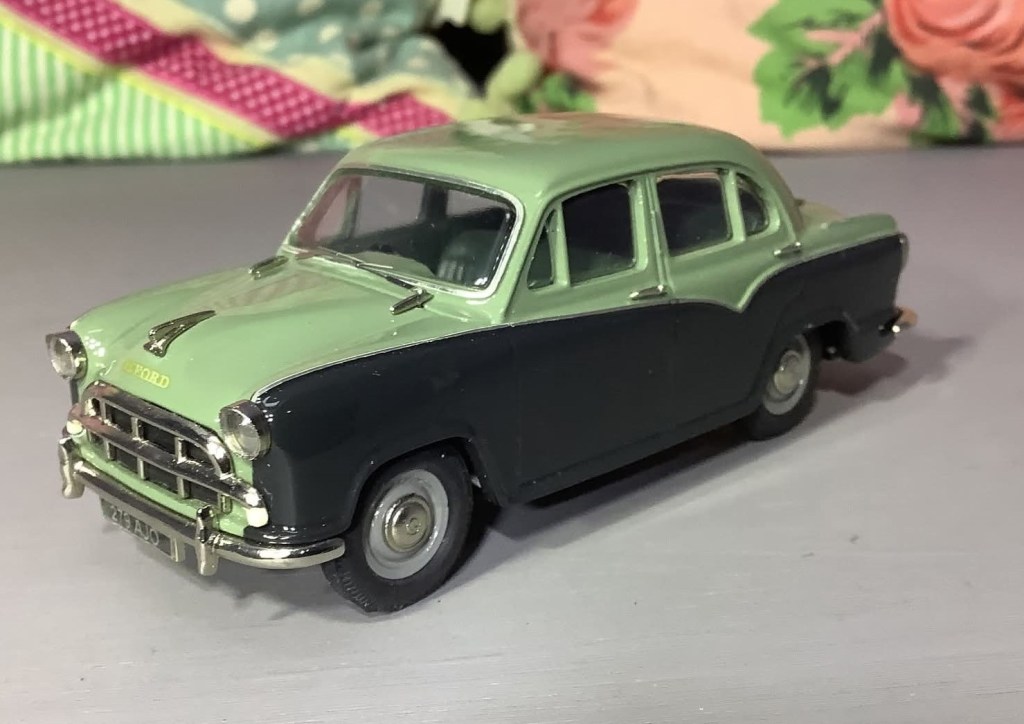
For subsequent releases, Spa Croft returned to popular cars of the 1950s. After producing the Morris Isis Series 2, Mike noticed that no manufacturer had yet modelled the 1956 Morris Oxford Series 3 and therefore selected it for production.
This car was extremely common during the late 1950s and early 1960s. It featured attractive styling, a four-cylinder 1.5-litre engine producing 55 hp, and independent torsion-bar front suspension. The semi-automatic “Manumatic” transmission and two-tone paint schemes were available as optional extras. The car later became one of the automotive symbols of India, where it continued production as the Hindustan Ambassador.
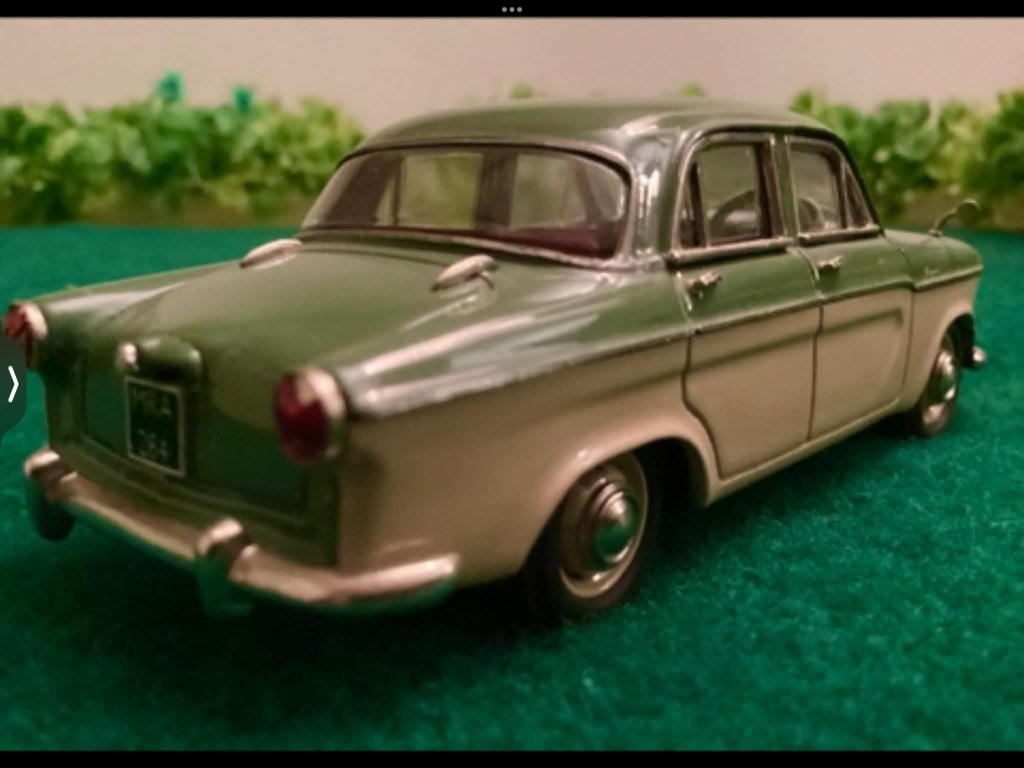
Spa Croft released the model in standard editions finished in Black/Swiss Grey and Sage Green/Twilight Grey.
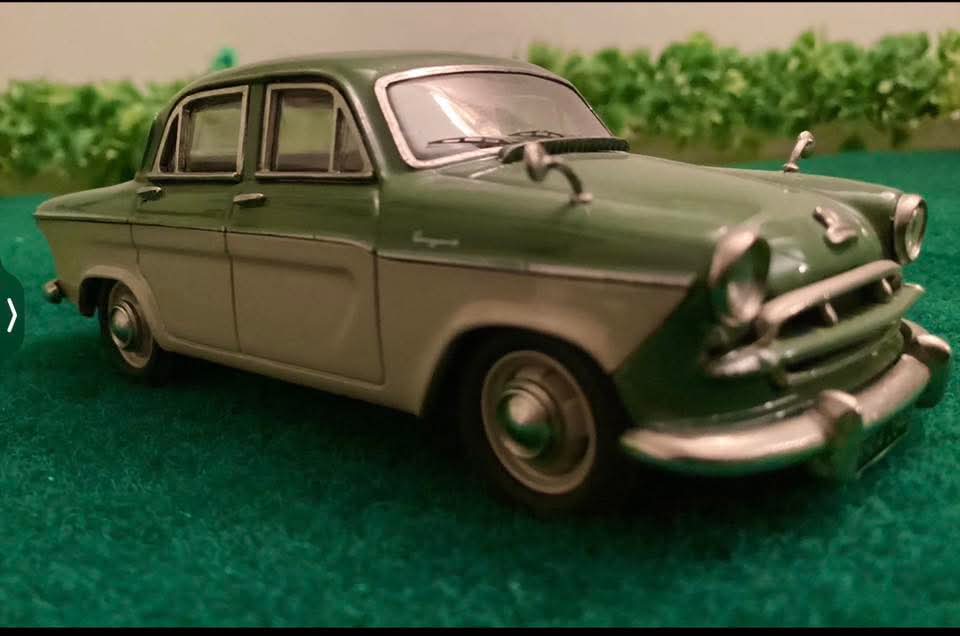
The 1955 Standard Vanguard Phase 3 proved an excellent addition to the range of Phase 1 and Phase 2 Vanguards already produced by Kenna Models. Although the Standard marque is largely forgotten today, during the 1950s it ranked among the ten best-selling automotive brands in Britain.
Introduced in 1955, the Vanguard Phase 3 was an entirely new design and shared virtually nothing with its predecessors apart from its 2.1-litre 68 hp engine. It featured a completely new body, independent front suspension, Lockheed hydraulic brakes on all four wheels, and a three-speed gearbox with column-mounted gearshift. A four-speed floor-shift gearbox was available as an option. There was also a sporting derivative known as the Vanguard Sportsman. Between 1955 and 1958, approximately 37,000 units were produced.
Mike offered the model in Green Cream and Blue/Grey. Spa Croft produced only the standard four-door saloon version.
There were also plans to release the Hillman Minx Californian Hardtop Coupé, but unfortunately this miniature was never produced under the Spa Croft brand. In 2014, Lansdowne released a special edition of the car, catalogue number LDM 107X, to celebrate the 30th Anniversary of Spa Croft. The body was finished in Embassy Black with a Pippin Red roof. Only 100 examples were commissioned.
SPC 4: 1948 Standard Vanguard phase 1. Photo by Paul Rosa
The 1955 Standard Vanguard became the final Spa Croft model designed by Pete Kenna.
Pete was increasingly occupied with other projects and, in the early 2000s, Mike decided to introduce some changes to the business. He appointed Ian Pickering as a new pattern maker and turned his attention to cars from the pre-war 1930s.
SPC 6 the 1957 Morris Oxford series 3. Photos by George Coats
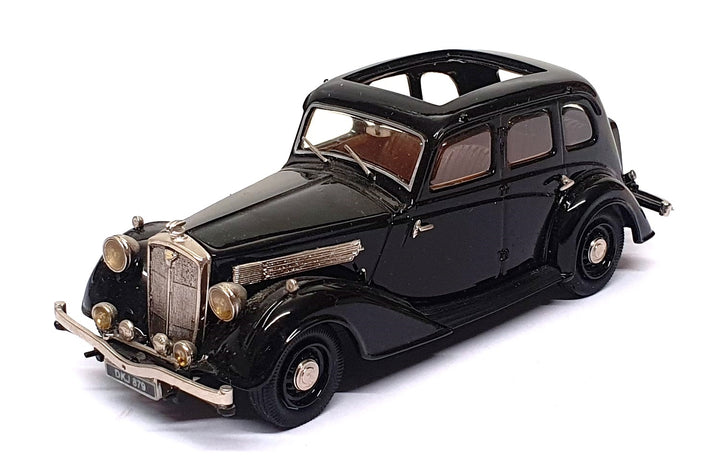
The first model of this new series, the 1937 Austin 14 hp Goodwood, was introduced in 2002.
SPC 7 the 1955 Standard Vanguard phase 3. Photo by Paul Friend
This was an excellent replica of a classic mid-sized British saloon of the 1930s. The Austin 14 hp Goodwood was also available as a convertible and had originally been introduced in 1936. Both body styles featured modern all-steel construction rather than the older timber-framed structure and were powered by a 1.7-litre engine producing 39 hp, which was generally considered somewhat underpowered.
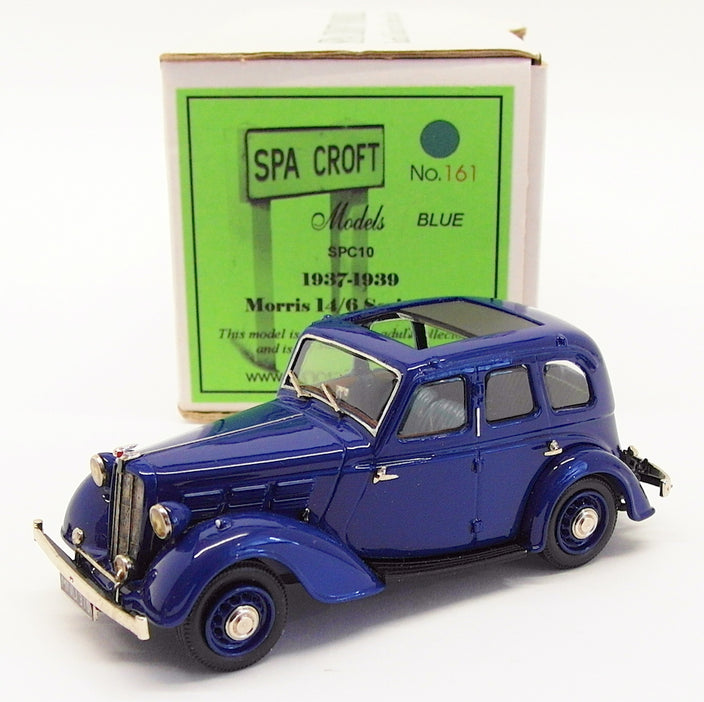
SPC 9 and SPC10 (photos by RM Toys)
In 1937 the car was revised and output increased to 46 hp. It was this later version that Spa Croft reproduced. The model was available in red and green, both versions featuring black wings.
The 1937 Morris 14/6 Series 3 provides another example of a revised version of an existing model. The original Morris Fourteen was introduced in 1936 but, after only thirteen months of production, was replaced by the Series 3. The principal differences included a painted radiator grille, exclusively single-tone paint finishes, and a revised overhead-valve six-cylinder 1.8-litre engine producing 48 hp. Production ceased in 1939.
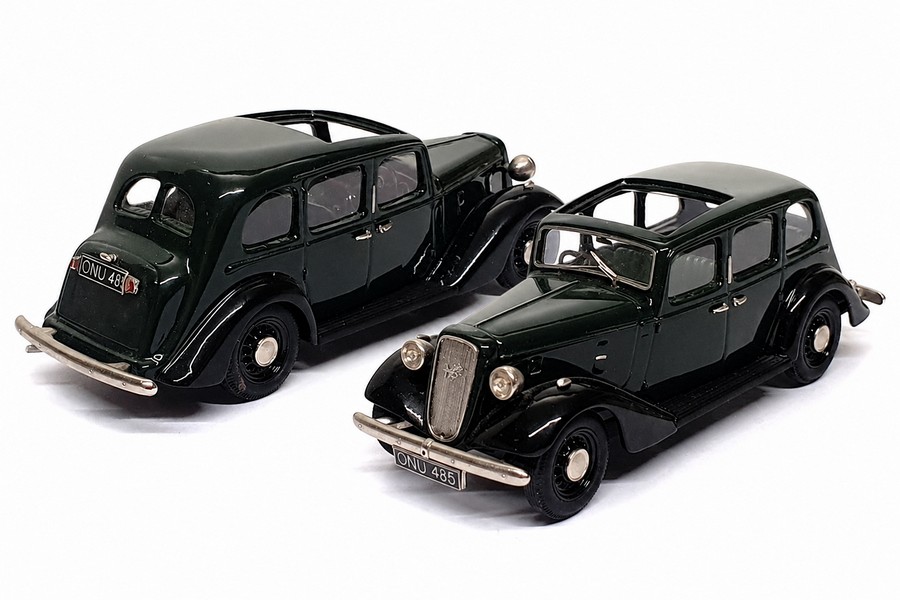
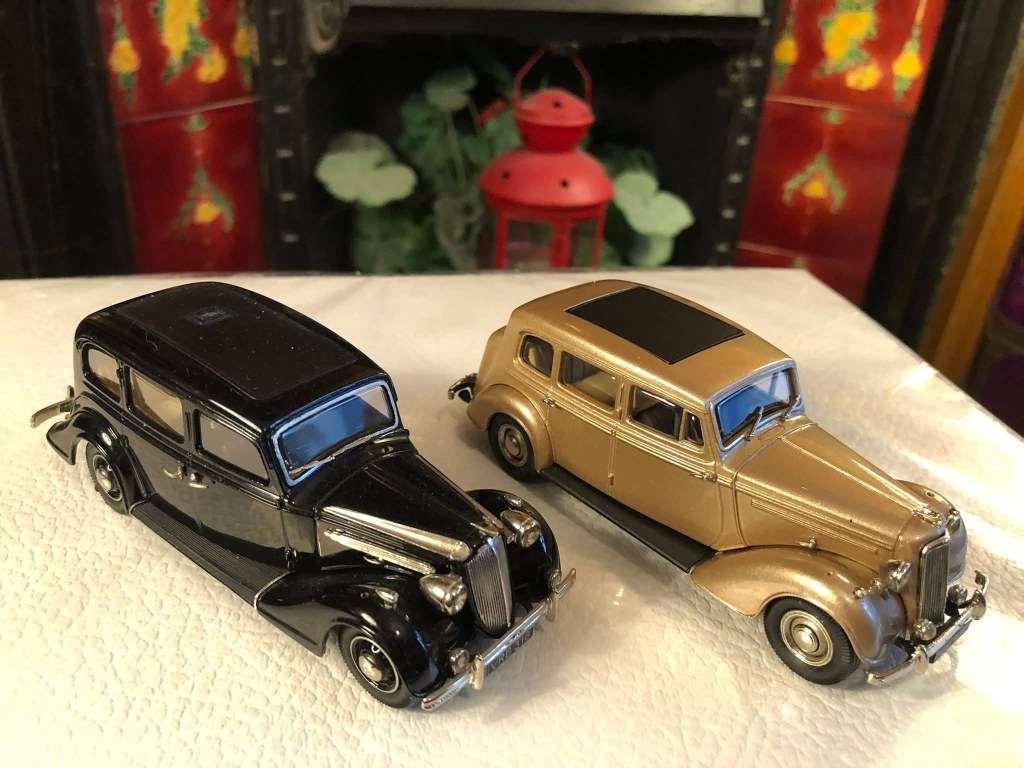
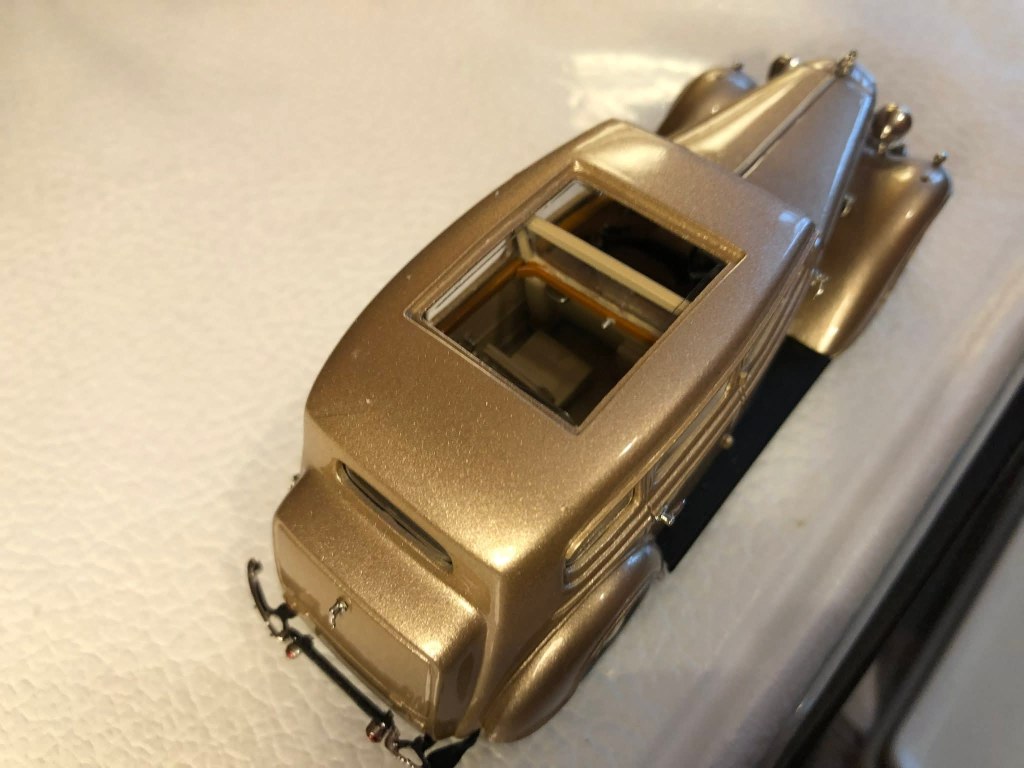
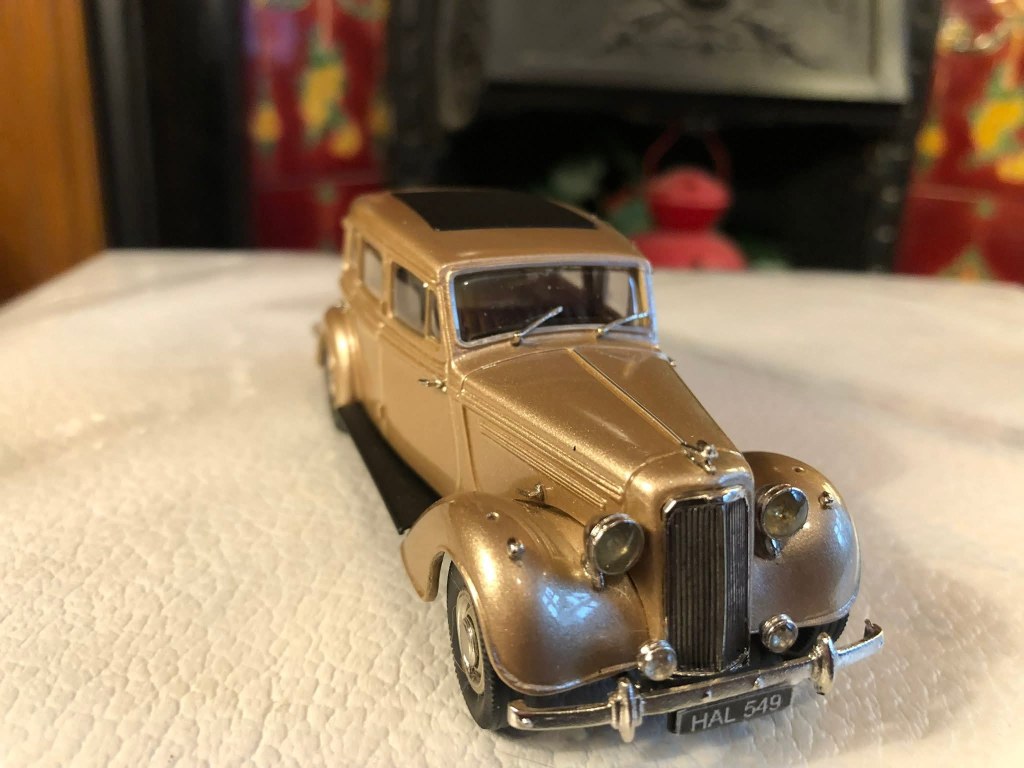
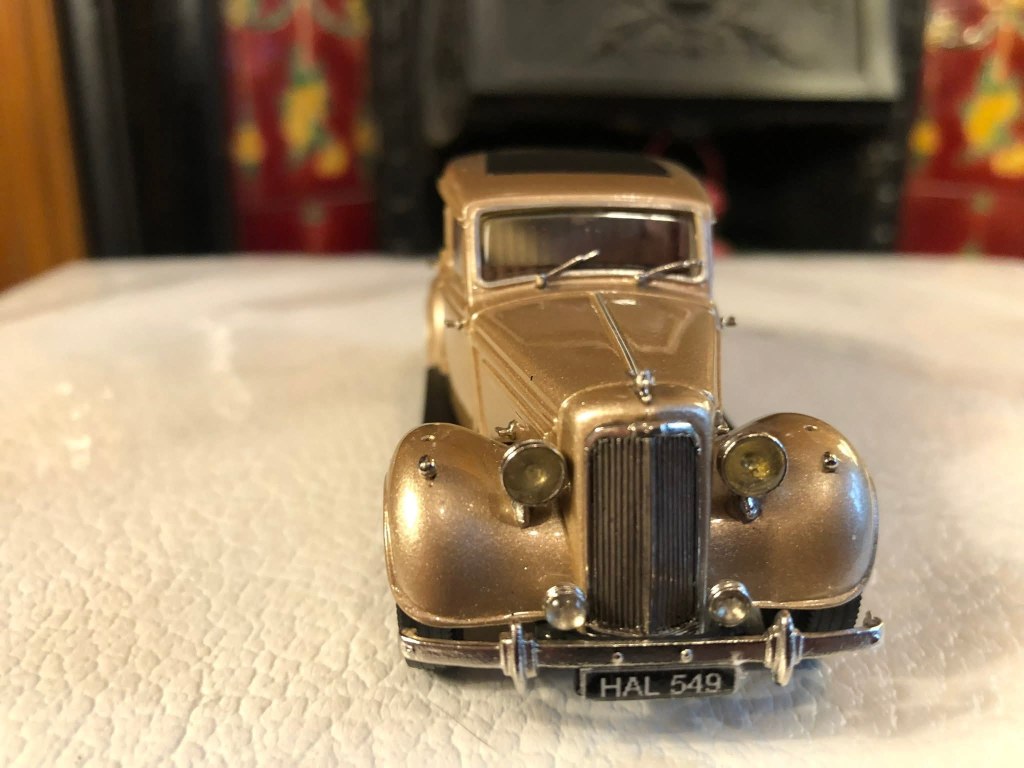
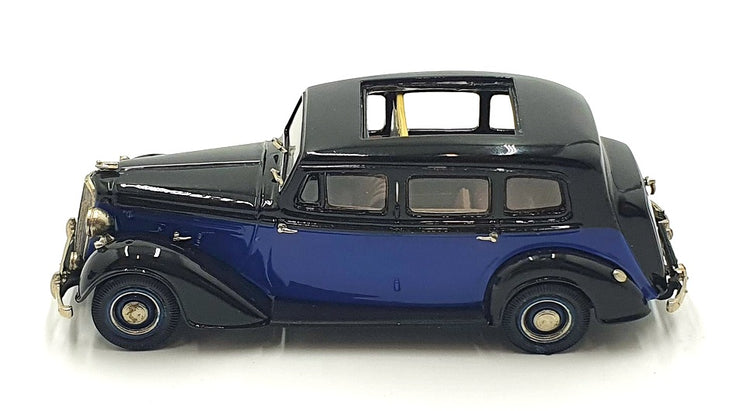
For the standard editions, Mike selected Grey and Royale Blue. The miniature featured an exceptionally well-modelled bonnet mascot, a characteristic feature of many cars from the 1930s and 1940s. Another interesting feature was the removable sliding roof, which allowed collectors to admire the detailed interior. On the real car, the roof could be slid back on sunny days. Other Spa Croft models, including the Austin Hampshire and Morris 14, incorporated the same feature.
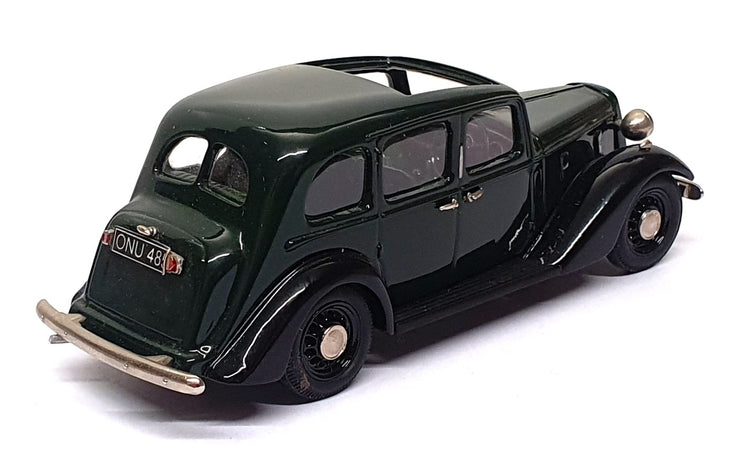
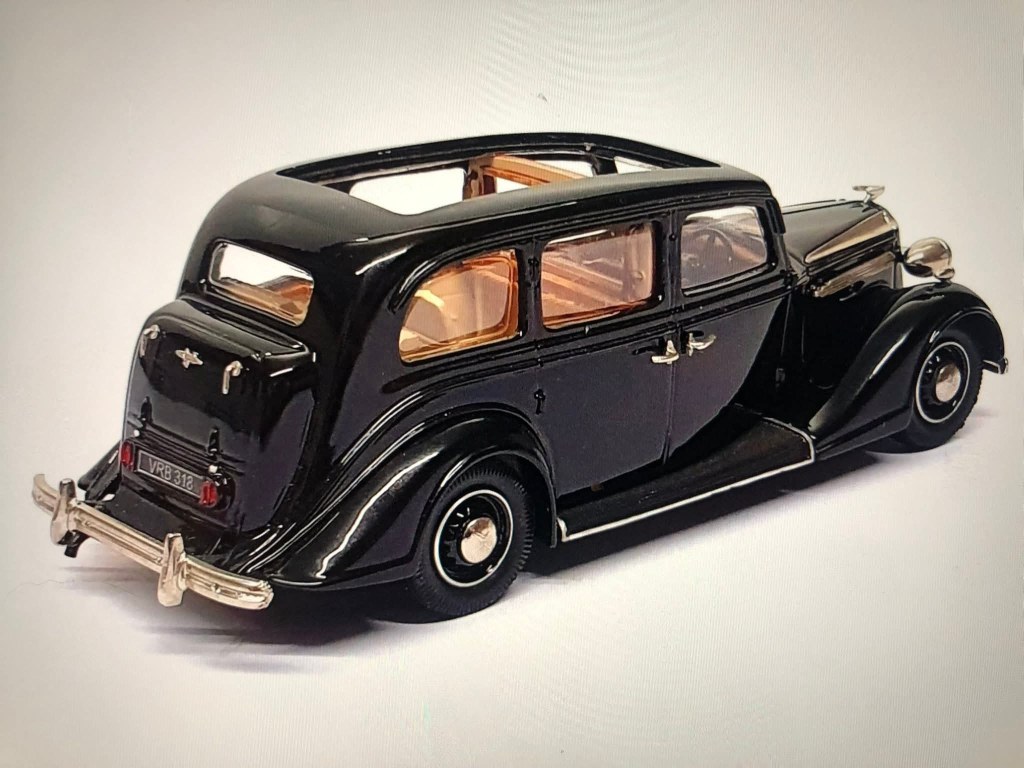
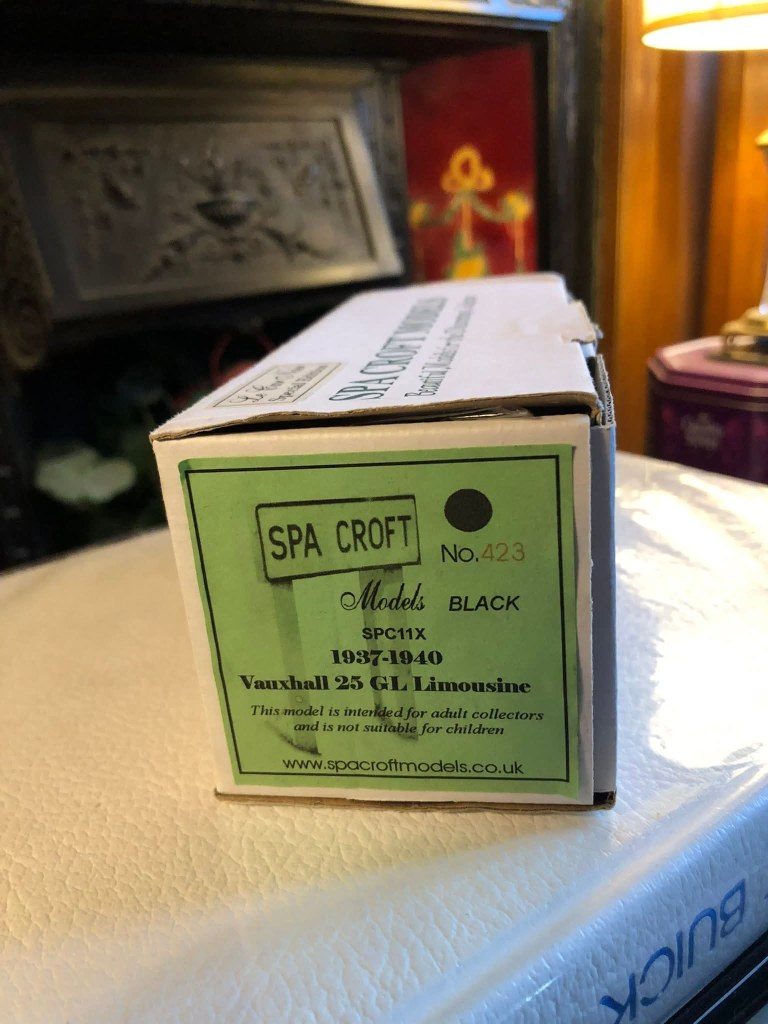
Continuing his focus on 1937, Mike next selected the Vauxhall 25 GL Limousine. Today, the Vauxhall brand is generally associated with Opel-derived models adapted for the British market, but historically Vauxhall vehicles possessed a distinctive identity and considerable charm. One only has to remember such famous models as the Prince Henry. Although General Motors acquired the company in 1926, Vauxhall retained much of its individuality until the mid-1940s.
The Vauxhall Big Six range was introduced in 1934 and was based on the long-wheelbase Cadet chassis. Standard versions carried the BX and BY designations, while the long-wheelbase variant was designated BXL. All were powered by six-cylinder engines and featured the interesting “Pedomatic” starting system. To start the engine, the driver merely pressed the accelerator, after which a vacuum-operated mechanism automatically disengaged the starter motor.
SPC 10 gallery. Photos by Ralph Cook
In 1937, the range was replaced by the GY and GL series, rated at 25 taxable horsepower. These cars featured independent front suspension, Lockheed hydraulic brakes and a more powerful 3.2-litre engine. The Pedomatic system was discontinued in 1938. The GY/GL series became the last chassis designed entirely by Vauxhall before later models increasingly adopted General Motors engineering.
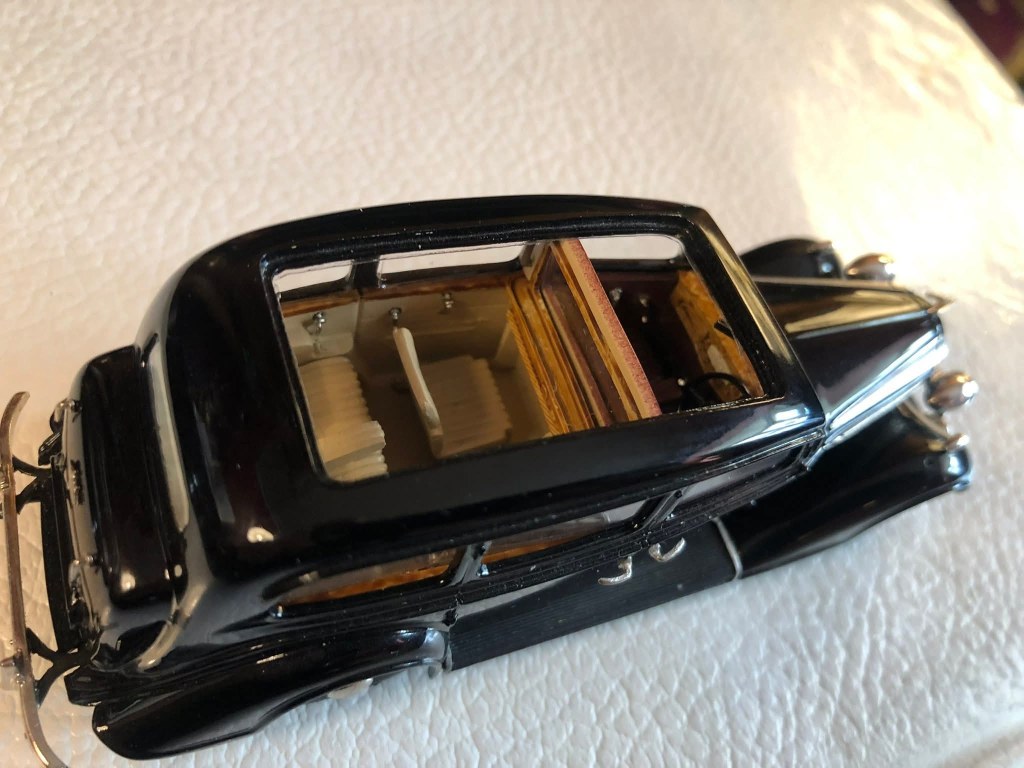
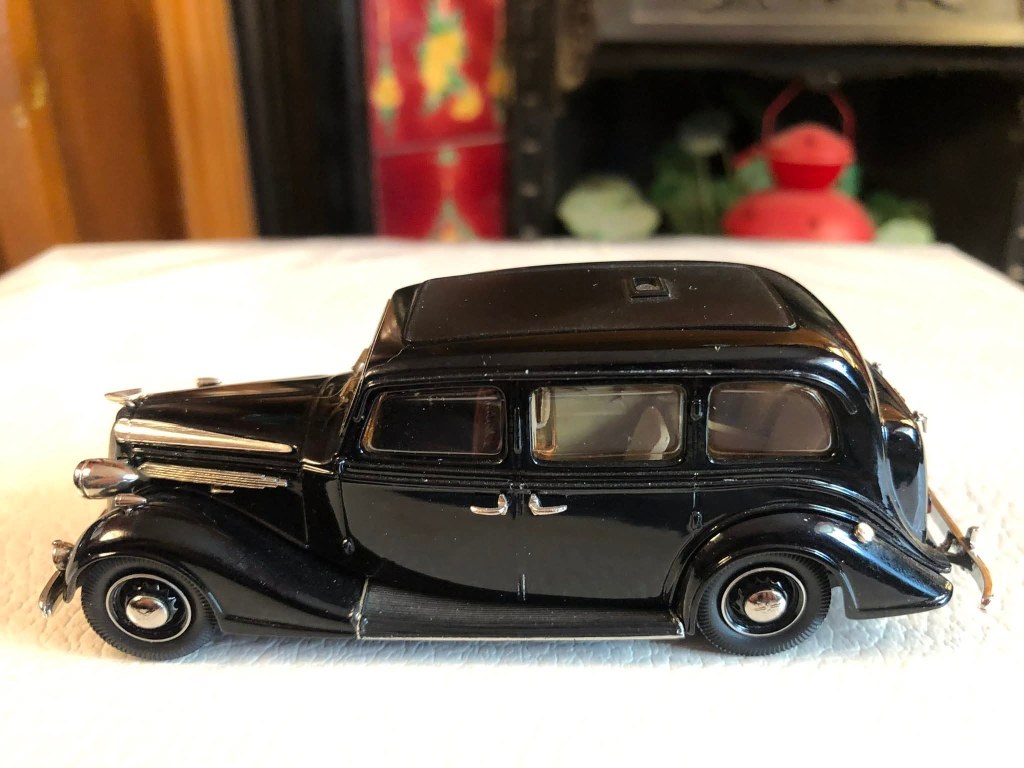
SPC 11 and SPC 14 (photo by Ralph Cook)
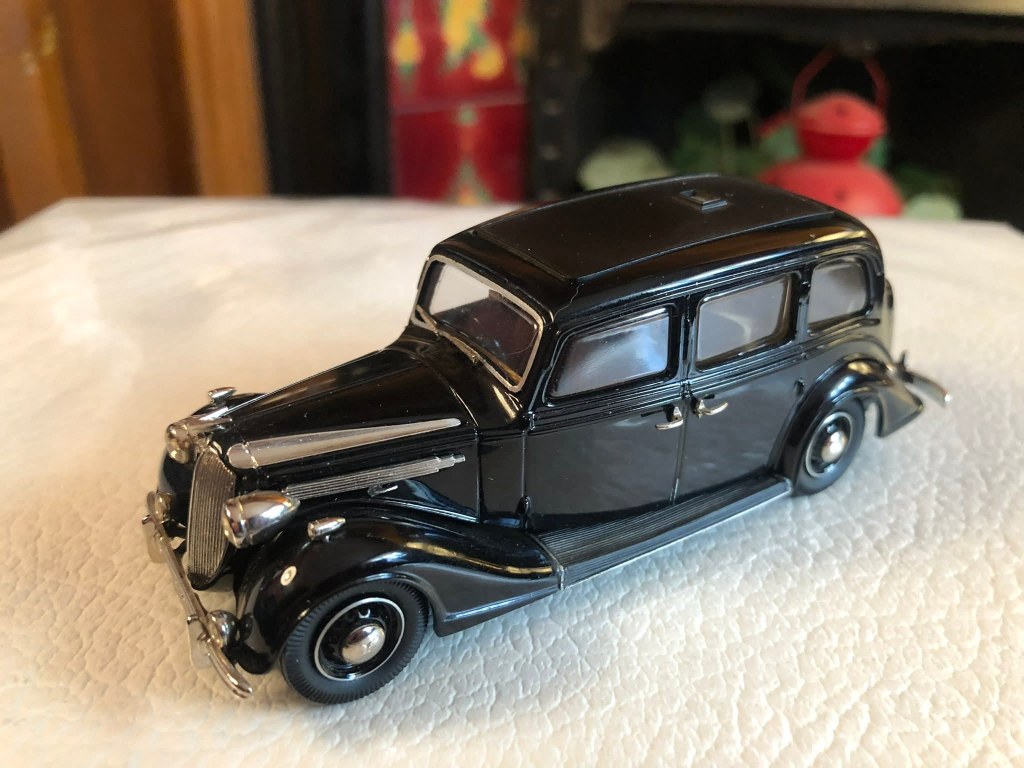
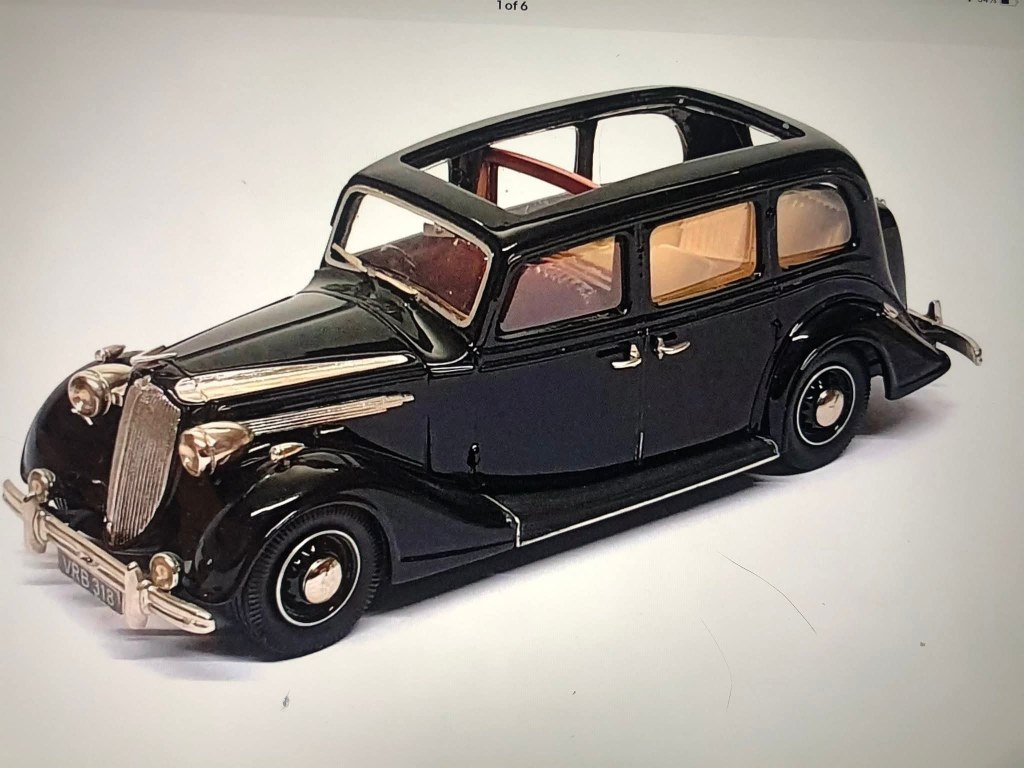
Spa Croft chose to reproduce the most luxurious version, the GL 25 Limousine Grosvenor. The interior detailing was so realistic that the model successfully conveyed the atmosphere and craftsmanship of the full-sized car. The detachable roof, designed as a separate component, provided an excellent opportunity to admire the interior. Exterior detailing was equally impressive, with the chromed headlamp housings being particularly spectacular. Standard colour schemes were Maroon/Black and Grey/Black.
SPC 12 (photos by RM Toys)
SPC 12 ancillaries
While producing his magnificent models, Mike never neglected the retail side of his business. Brock Miniatures continued to develop into one of the leading dealers for Brooklin and Lansdowne models and also expanded into the distribution of Western Models, Crossway Models, Pathfinder, Kenna Models, J&M Classics and others. He also handled sales of Auto Torque models by Max Kernick. Although the Brock Miniatures name remained in use, Spa Croft became the better-known brand and gradually became Mike’s primary identity within the hobby.
As a dealer for several manufacturers, Mike also began modifying Lansdowne models by adding separate door handles, more realistic headlights, additional interior and exterior detailing, and alternative colour schemes.
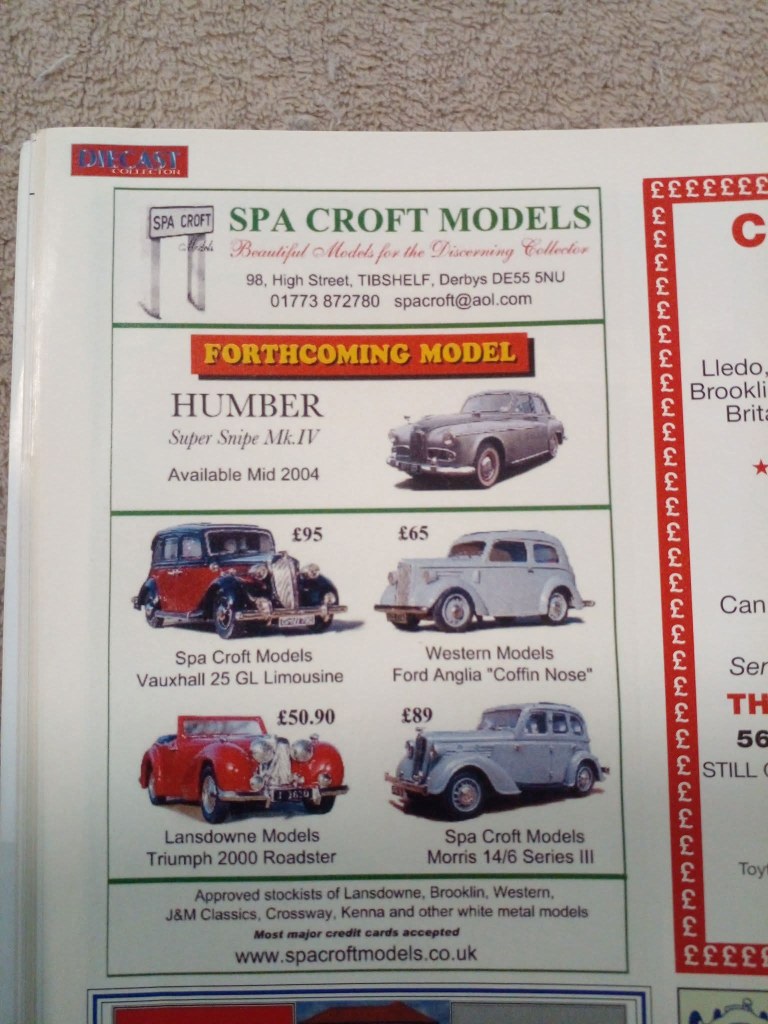
2004 Diecast Collector advertisement
In the mid-2000s, Spa Croft introduced the Le Noir Car Series, consisting of models finished entirely in black. Only 50 examples of each model were produced, and they were priced approximately 10–15% higher than the standard editions.
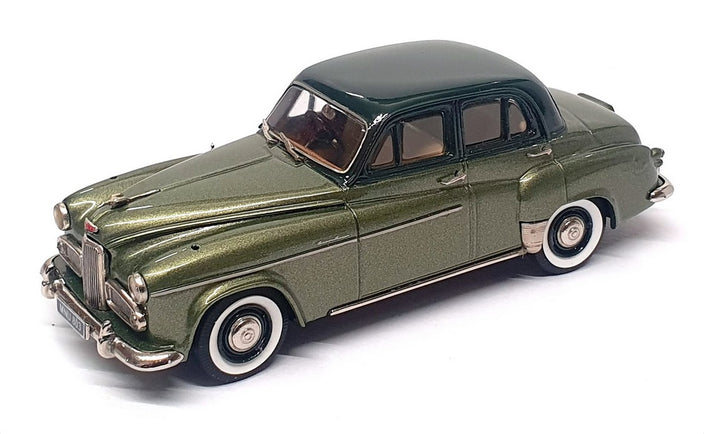
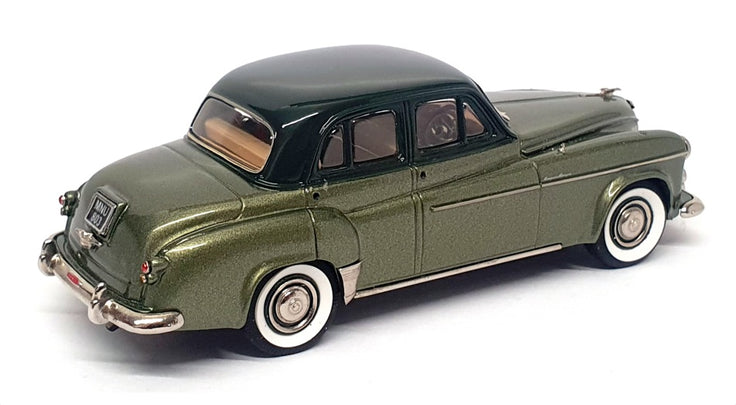
After a three-year break, Spa Croft introduced a new model in 2006: the 1956 Humber Super Snipe Mk4. With this release, the company returned to the post-war period. Like several previous Spa Croft subjects, this was a revised version of an earlier design, as the original Super Snipe Mk4 had been introduced in 1952.
The car featured a modern pontoon-style body and became famous following the Oslo–Lisbon endurance run of December 1952. Stirling Moss and Ledley Johnson completed the journey in just 90 hours, demonstrating the outstanding reliability of the model. Spa Croft reproduced luxury versions finished in two-tone combinations of Forest Green/Tylorean Green and Pearl Grey/Mayfair Grey.
The 1935–1937 Wolseley Big Six 25 hp Series 2 became the first Spa Croft model to be offered in every colour listed in the manufacturer’s original catalogue. Models were available in both two-tone and three-tone colour schemes.
The original vehicle had been introduced in 1935 and shared many components with Morris products, as Wolseley was already part of the Morris organisation by that time. Mike’s miniature represented the long-wheelbase and most powerful version of the Big Six range. Although Series 2 was replaced by Series 3 in 1937, Spa Croft chose to reproduce the earlier variant.
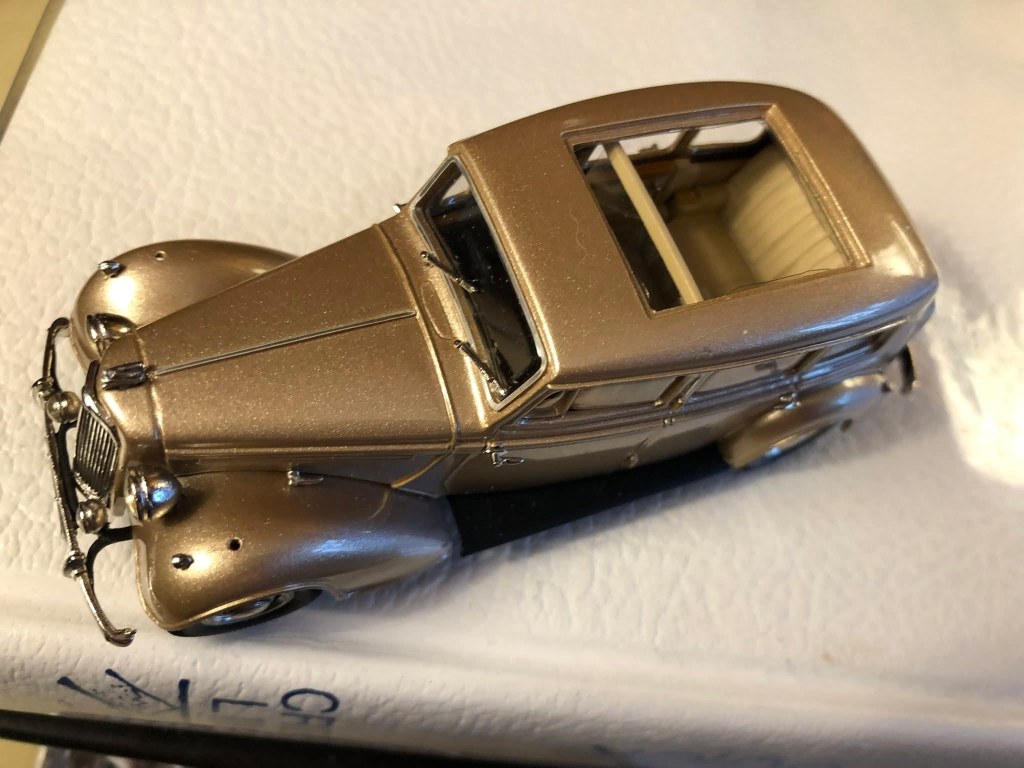
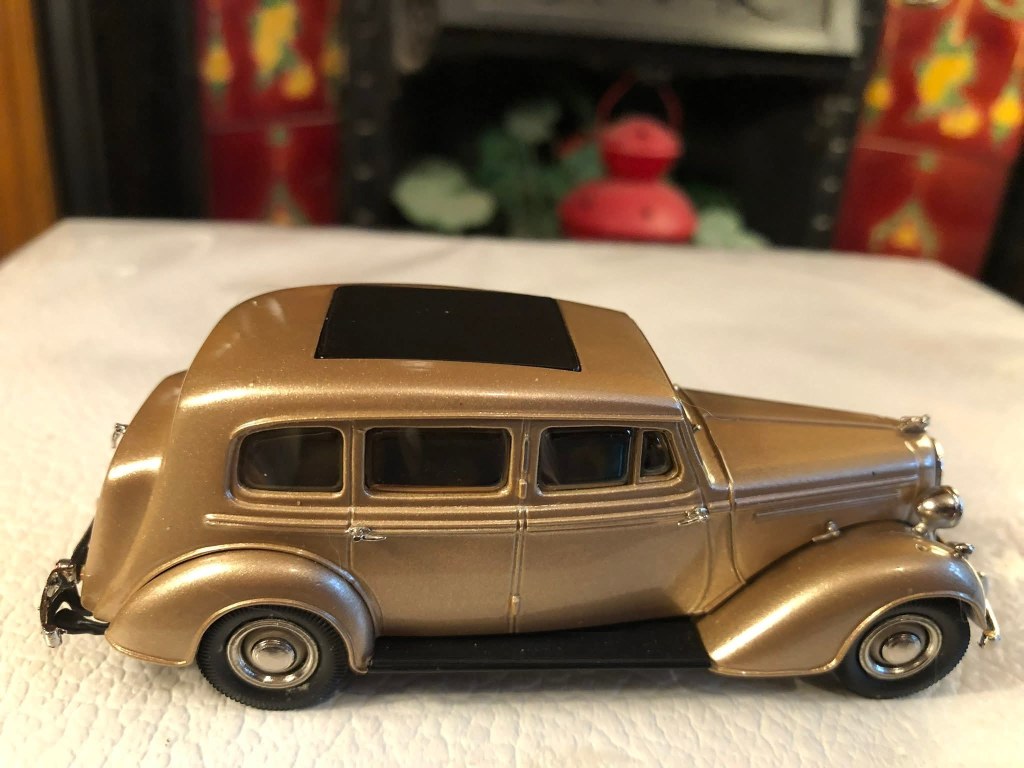
Following the Second World War, most automotive manufacturers lacked the resources to develop entirely new models immediately and therefore continued producing updated versions of pre-war designs. The 1945 Humber Pullman, selected by Mike for his next release, was naturally one such vehicle.
The first Pullman appeared in Humber’s range in 1932 as a long-wheelbase derivative of the Super Snipe. Pullman Mk1 was introduced in 1936 and remained in production until 1940. Manufacturing resumed in 1945, and three years later the Pullman Mk2 was introduced.
SPC 14 gallery (photos by Ralph Cook and RM Toys)
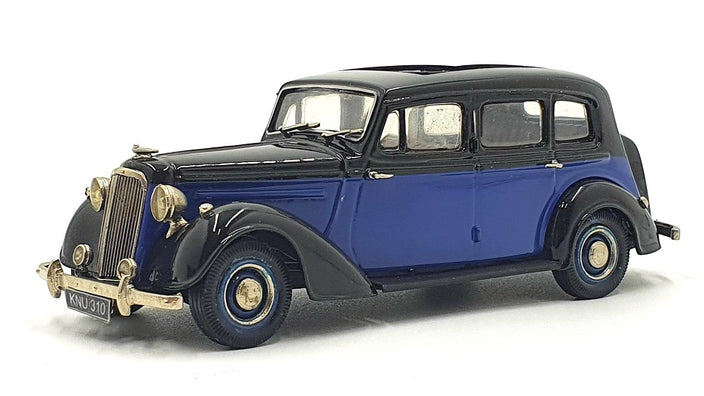
This luxury automobile was powered by a six-cylinder 4-litre engine producing 100 hp. Bodies were supplied by Thrupp & Maberly for the limousine and landaulette versions and by H.J. Mulliner for the Sedanca de Ville. For the standard editions, Mike selected Pale Bronze and Green/Black. Very limited editions were also produced in Black/Blue, together with the special Marshall’s Wedding Car version. Naturally, 50 examples of the black Le Noir edition were also available.
Mike had intended to introduce the 1936 Morris 25 Special Coupé. This was an exceptionally stylish and rare automobile, of which only a single surviving example is believed to exist. Ian Pickering completed the master pattern by the end of 2012. Unfortunately, full production never commenced.
In 2017, Mike painted and assembled just five pre-production examples in black and subsequently decided to end Spa Croft model production. The reasons included both his age and changing market conditions. By the mid-2010s, many white-metal manufacturers had disappeared, while resin brands produced in China – such as Matrix, Neo, GLM and Spark – had become dominant.
Mike therefore began selling these brands through his business, recognising that under the new market conditions it would be extremely difficult to continue developing an original white-metal range.
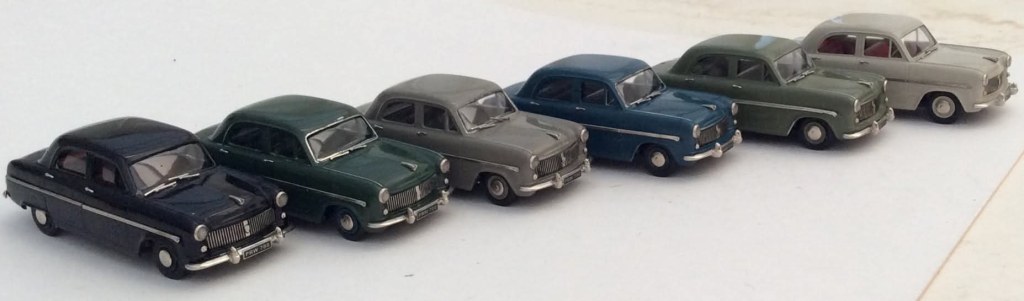
In 2020, Mike Coupe refinished several examples of the Lansdowne LDM 124 1954 Ford Consul Mk1 (photo below). These became his final production models. They were not intended for sale but were created for his own collection and painted in all the standard colours originally offered by the Ford Motor Company for the Consul Mk1.
Mike Coupe still collects models, sells a variety of brands through his business, and writes articles for Diecast Collector magazine. He is also active in Facebook groups, where he regularly presents new releases from leading resin-model manufacturers.
I wish Mike all the very best for the future and would like to thank him for his excellent models and his significant contribution to the white-metal model industry. Many thanks to Mike Coupe, Pete Kenna, Nick Richardson and William Roe for their assistance in the preparation of this article. Many thanks also to RM Toys and to everyone who shared photographs.
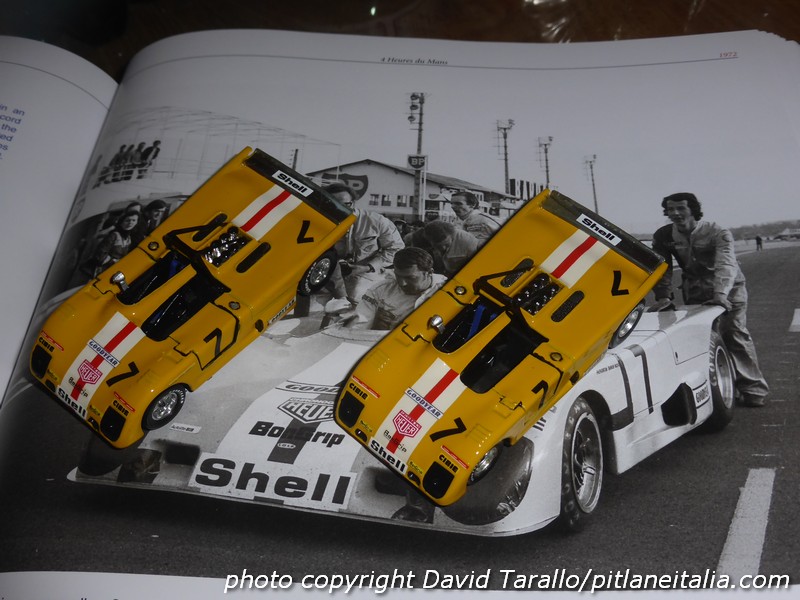
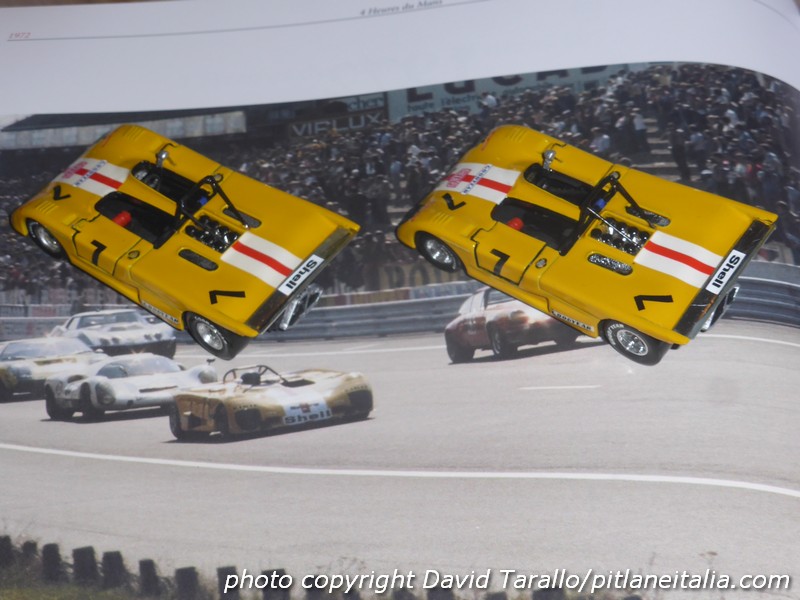
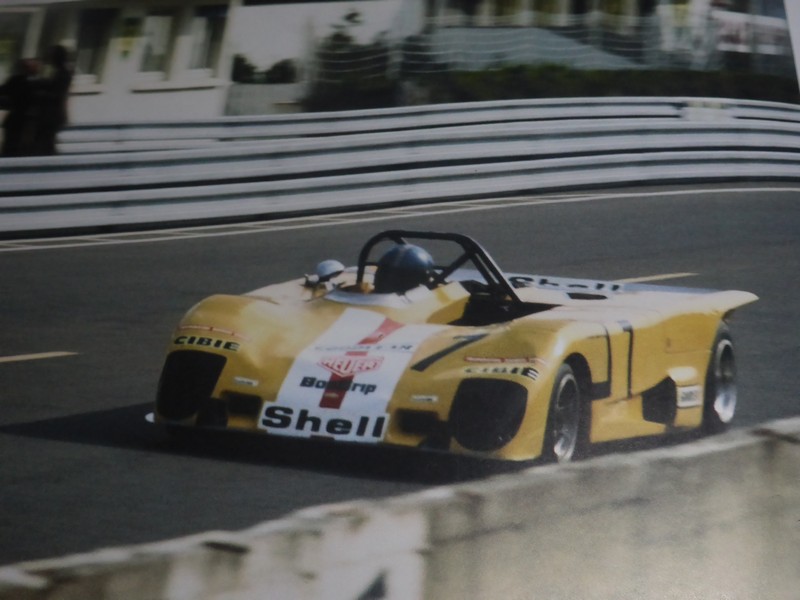
Le trasformazioni di Bruno Allinand su base Solido e su altre basi industriali e speciali appaiono raramente sul mercato e su Internet. Di recente il modellista francese ha intrapreso una serie di elaborazioni partendo dalla Lola T280 di Solido, da cui ha ricavato anche alcune T294, di cui ci occuperemo forse più avanti. Oggi parleremo della T280 che si aggiudicò la 4 Ore di Le Mans domenica 19 marzo 1972, gara disputata in chiusura della due giorni di test preliminari.
L’idea di organizzare una corsa a sé stante dopo le prove preliminari era venuta all’Automobile Club de l’Ouest nel 1971, con una 3 Ore che ottenne un ottimo riscontro tra piloti e team. Per il 1972 si decise di estendere di un’ora la durata della competizione: purtroppo il parco partenti si ridimensionò parecchio all’ultimo momento, con le defezioni di Ferrari e Matra, oltre a quella dell’Alfa Romeo che aveva dovuto ritirare l’unica 33, danneggiata da Helmut Marko il pomeriggio del sabato. Per contro, Jo Bonnier aveva portato appositamente una delle sue due Lola T280 con motore Ford 3 litri, che pilotò insieme a Hugues De Fierland. Con pochissima concorrenza di livello, la Lola gialla con la classica striscia bianco-rossa vinse senza alcun patema, percorrendo un totale di 55 giri, tre in più rispetto alla Chevron B19 di Michel Dupont e José Dolhem. Al terzo posto concluse la Porsche 911S di Paul Keller e Jean Mésange. Tutti sanno ciò che accadde a Bonnier nella 24 Ore a giugno.
Il modello di Allinand, in serie limitatissima, riproduce le caratteristiche della T280 Bonnier della 4 Ore 1972: la vettura era ancora priva delle derive posteriori, rese obbligatorie dal regolamento poche settimane dopo (la base Solido, riproducendo la vettura della gara, ovviamente le ha). Modificato anche il rollbar e aggiunti alcuni dettagli nell’abitacolo, fra cui un estintore e le cinture di sicurezza. I fari hanno la copertura nera. Questa T280 meno conosciuta conferma quanto il tema Le Mans – soprattutto se si va a scavare nella storia dei test e delle 4 Ore – sia ancora ben lungi dall’essere esaurito.
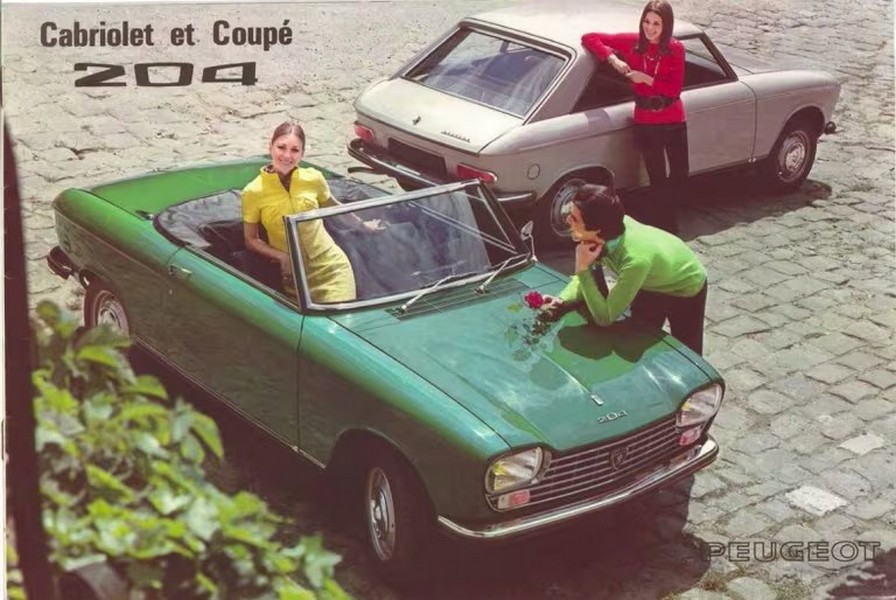
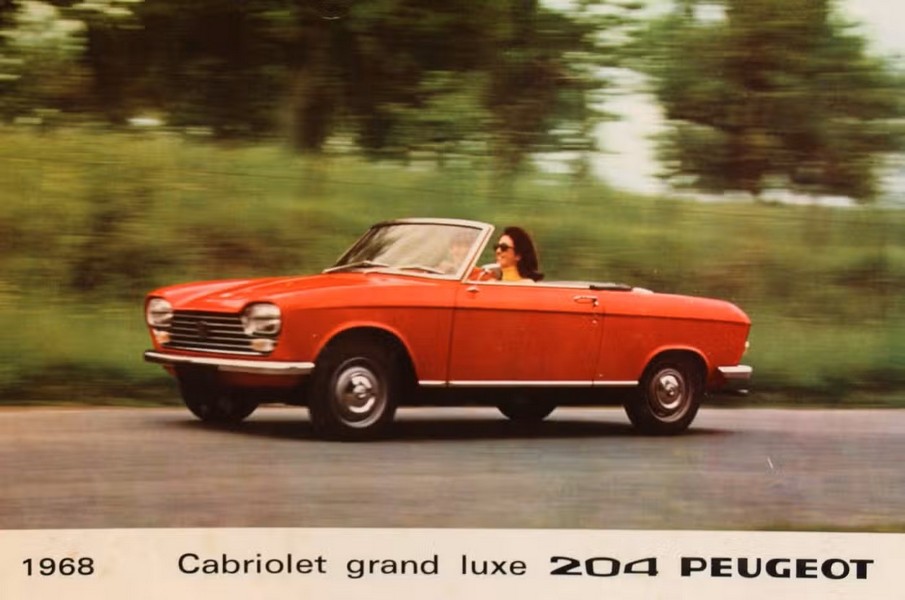
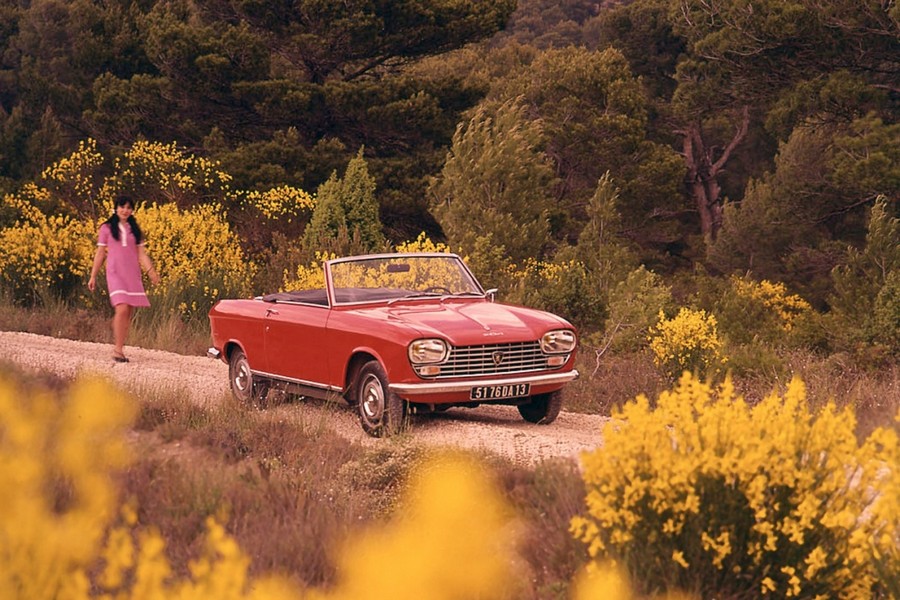
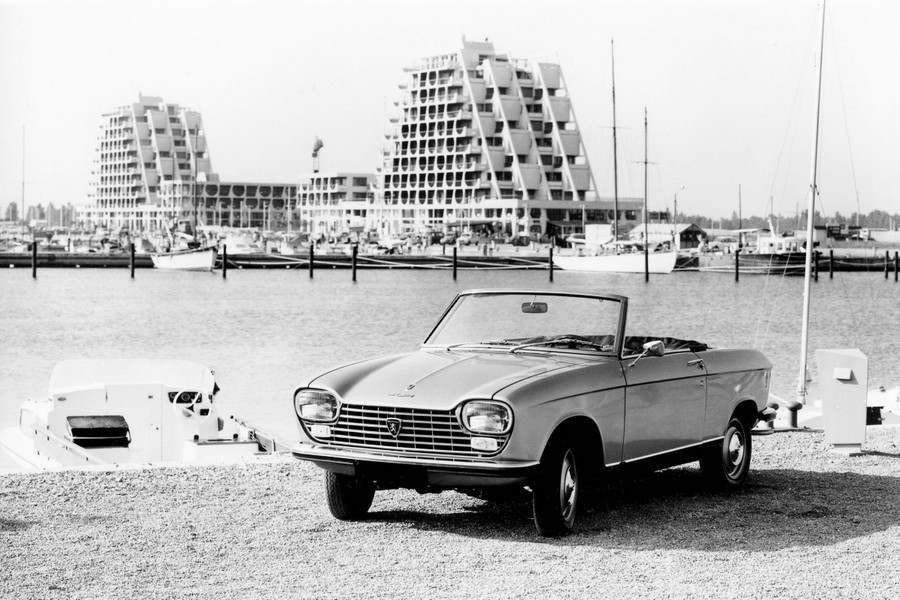
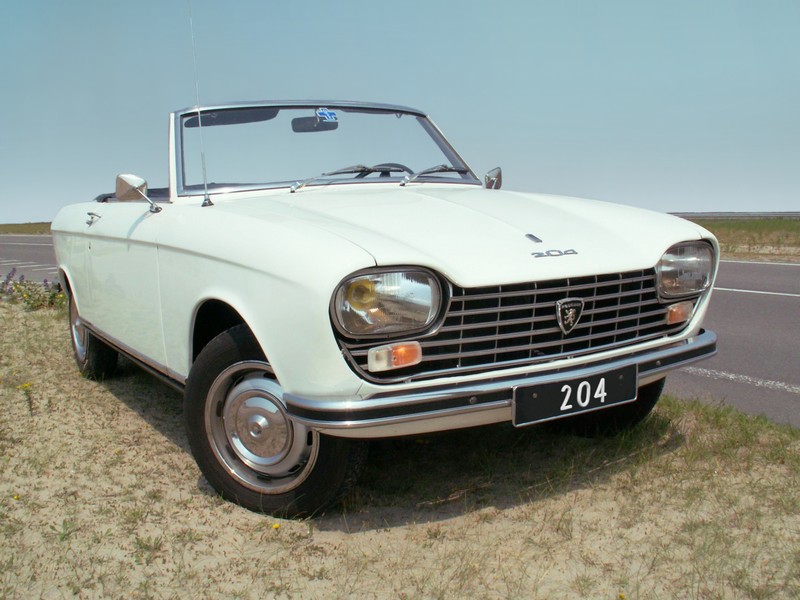
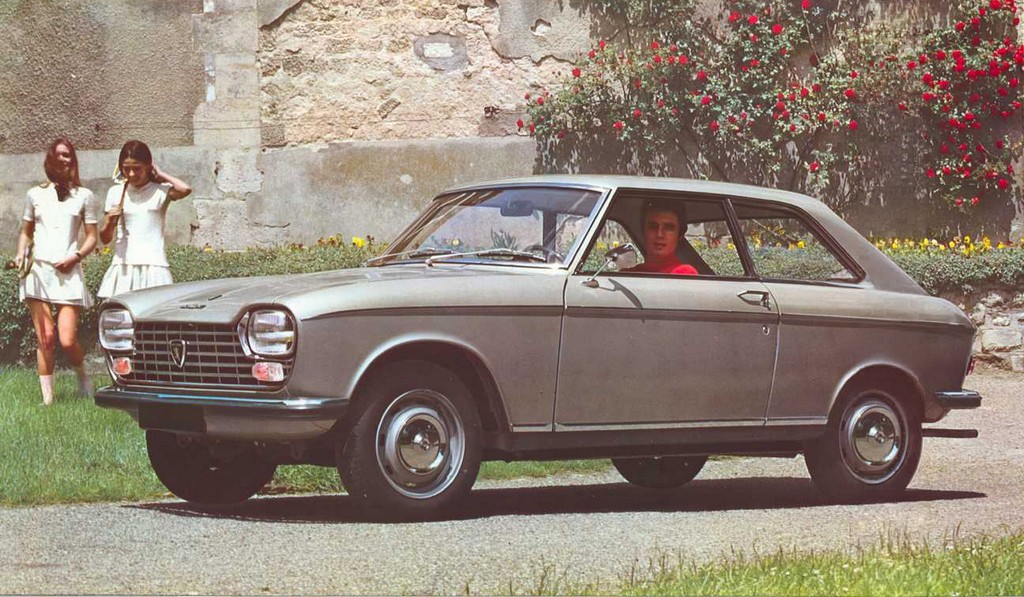
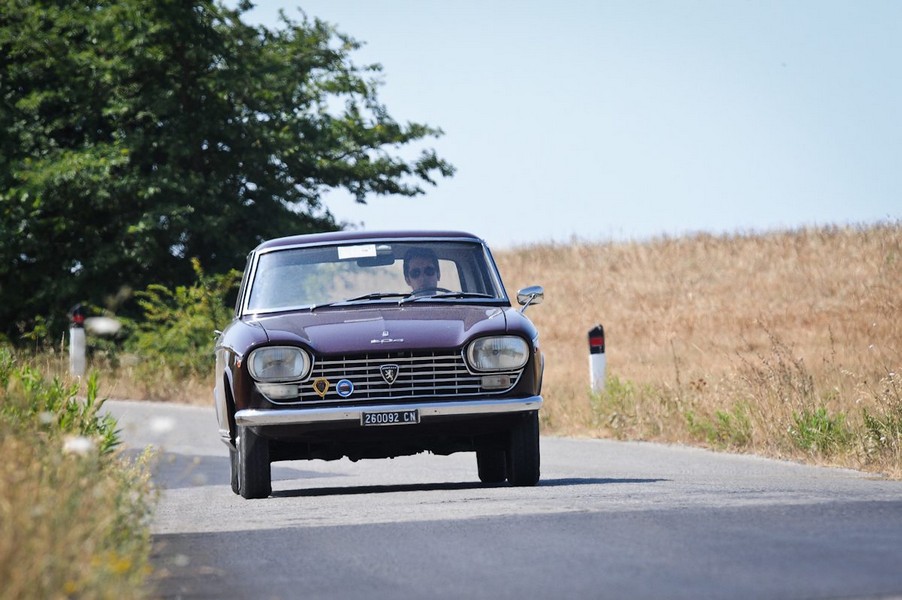
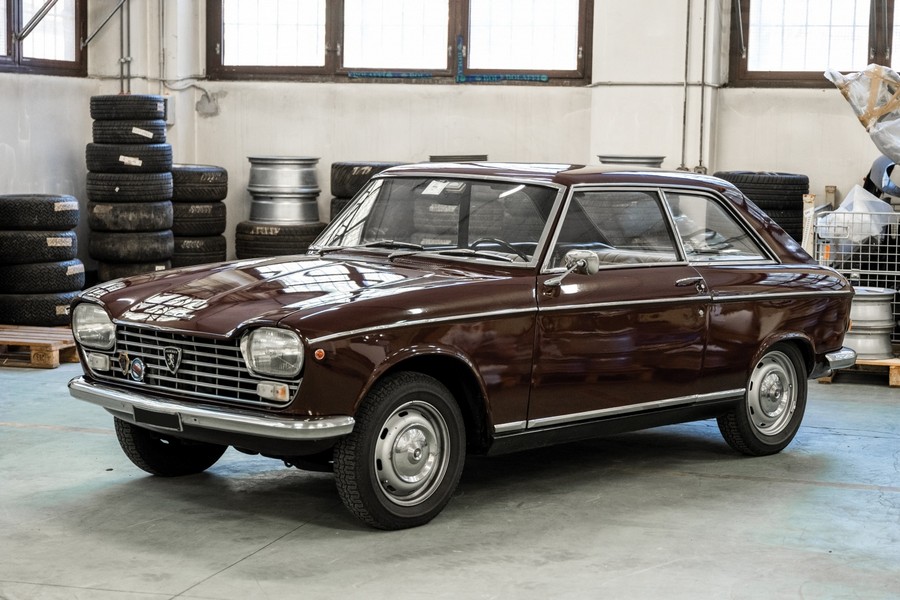
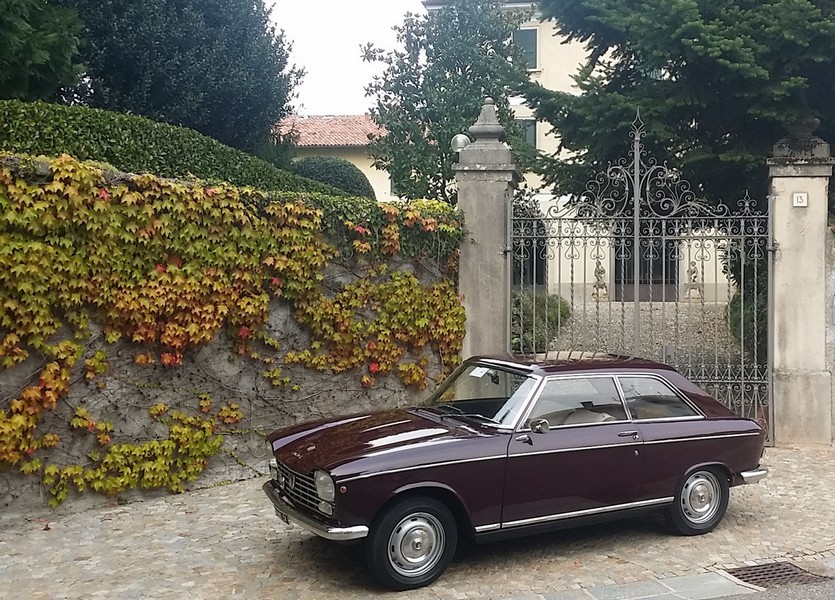
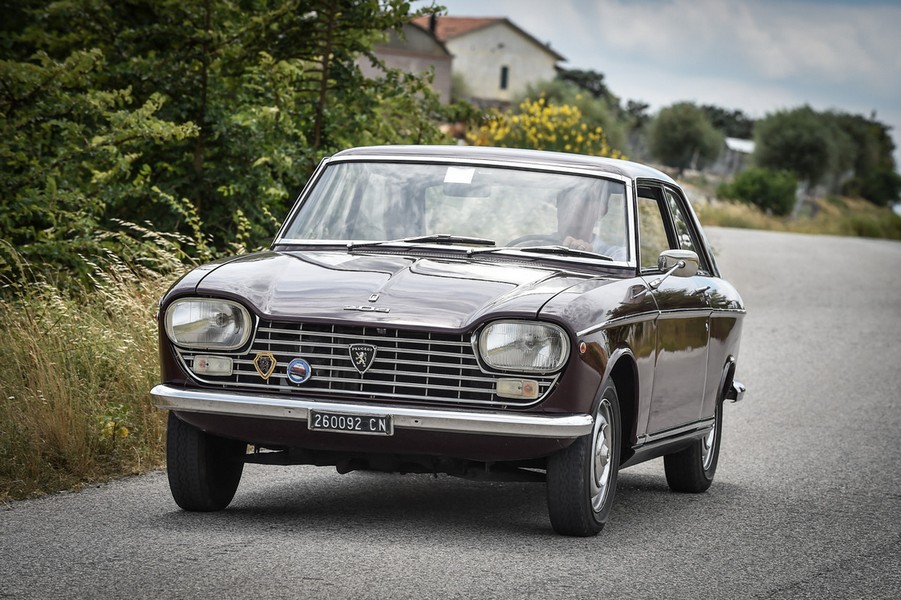
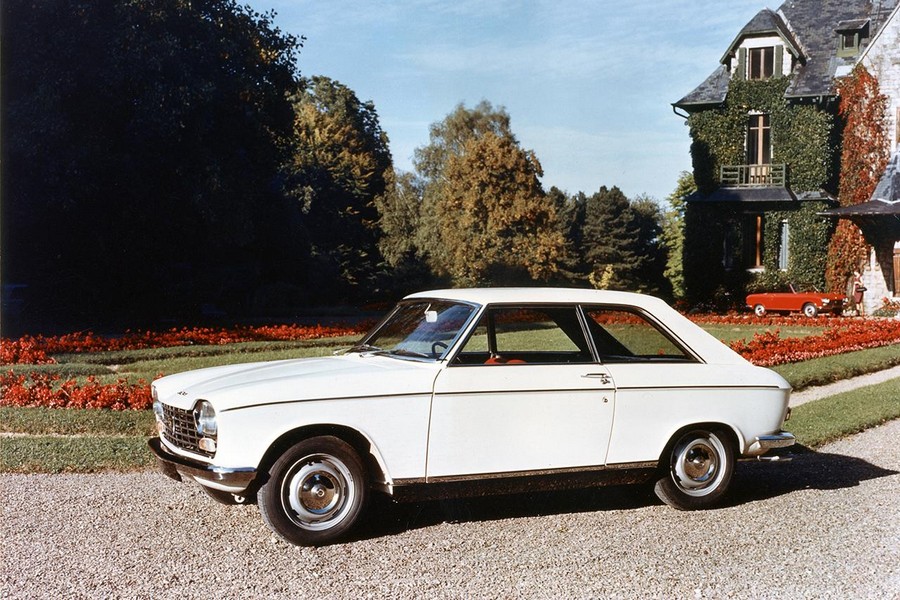
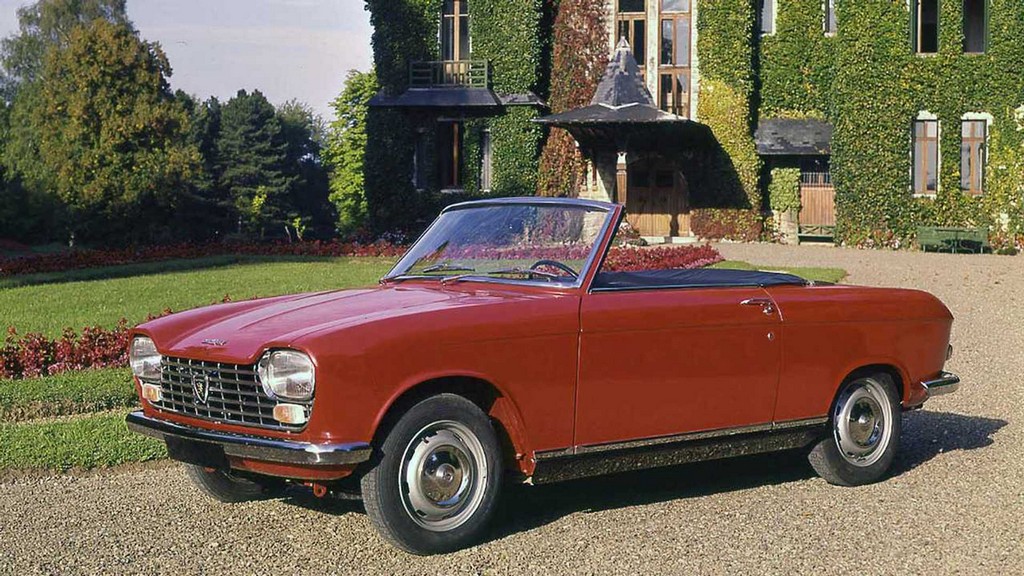
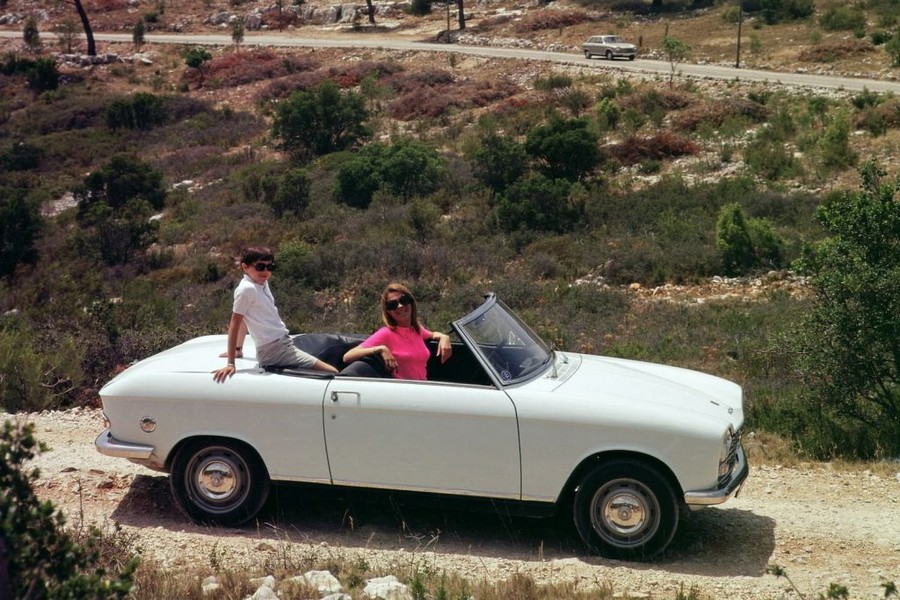
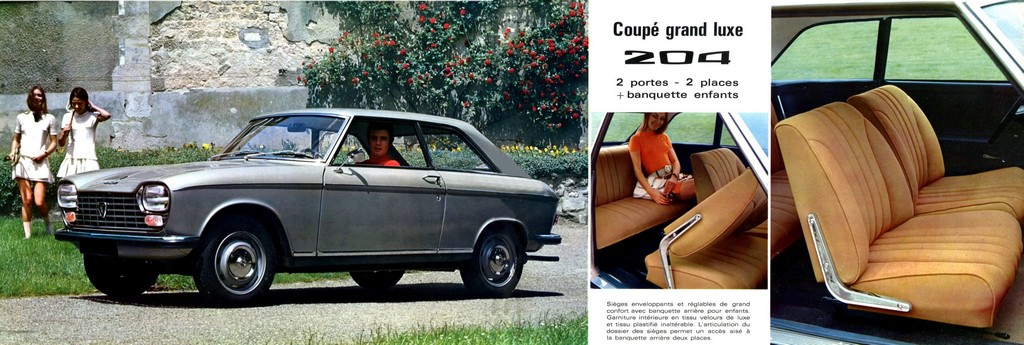
Sessant’anni fa Peugeot ampliava la gamma 204 con due modelli destinati a diventare tra le interpretazioni più eleganti e intelligenti dell’automobile francese degli anni Sessanta: la 204 Coupé e la 204 Cabriolet.
Presentate nella seconda metà del 1966, arrivavano appena un anno dopo il debutto della 204 berlina, modello fondamentale nella storia del Leone perché prima Peugeot di grande serie con trazione anteriore e motore trasversale. Un’auto moderna, razionale e compatta, che aveva già dimostrato quanto la casa francese volesse cambiare linguaggio tecnico e stilistico.
Sportive fatte in casa
Se la berlina portava la firma di Pininfarina, per le varianti sportive Peugeot decise invece di affidarsi al proprio Centro Stile interno di La Garenne-Colombes, diretto da Paul Bouvot. Una scelta significativa, perché Coupé e Cabriolet non erano semplicemente due derivazioni della berlina, ma vetture con una personalità autonoma, progettate per intercettare un pubblico giovane e dinamico senza rinunciare alla proverbiale concretezza del marchio francese.
Dal punto di vista tecnico, entrambe utilizzavano il pianale della 204 accorciato di 28,5 centimetri, soluzione che permetteva di ottenere proporzioni molto più compatte e sportive. La lunghezza totale scendeva infatti a circa 3,73 metri, con un passo più corto che contribuiva a rendere l’auto più agile e visivamente equilibrata. Nonostante la trasformazione estetica, gran parte della meccanica rimaneva condivisa con la berlina: trazione anteriore, sospensioni indipendenti, peso contenuto e costi di gestione particolarmente bassi per la categoria. Una scelta che sacrificava la sportività sull’altare del contenimento dei costi.
Meccanica comune
La motorizzazione disponibile era infatti una sola, il quattro cilindri benzina da 1.130 cc, inizialmente accreditato di 53 CV e successivamente portato a 55 CV. Numeri oggi modesti, ma più che adeguati per vetture leggere, nate più per il piacere di guida e l’eleganza che per le prestazioni assolute, come testimoniato anche dalla scelta di mantenere il cambio al volante, con la leva a pavimento disponibile solo come opzione. La velocità massima sfiorava comunque i 145 km/h, valore interessante per una compatta di metà anni Sessanta.
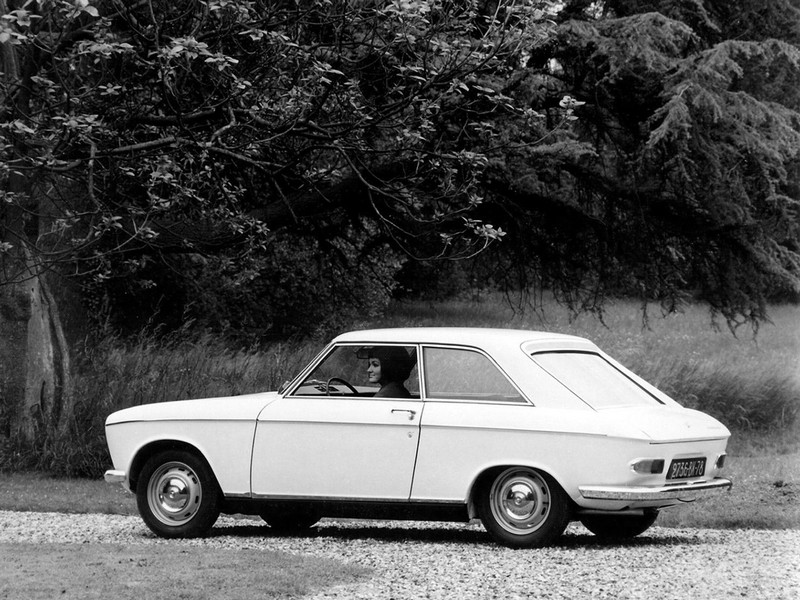
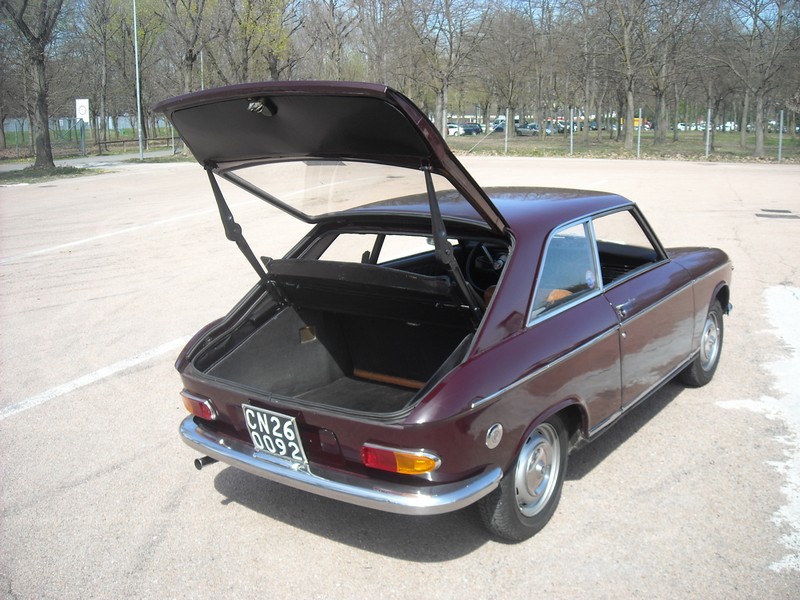
La Coupé era probabilmente la più originale delle due. Il suo profilo fastback a due volumi, con il padiglione inclinato e il grande portellone posteriore, anticipava in qualche modo il concetto di shooting brake compatta. Una soluzione estremamente intelligente, perché univa immagine sportiva e praticità quotidiana. Non a caso viene spesso ricordata come una delle prime Peugeot a tre porte della storia.
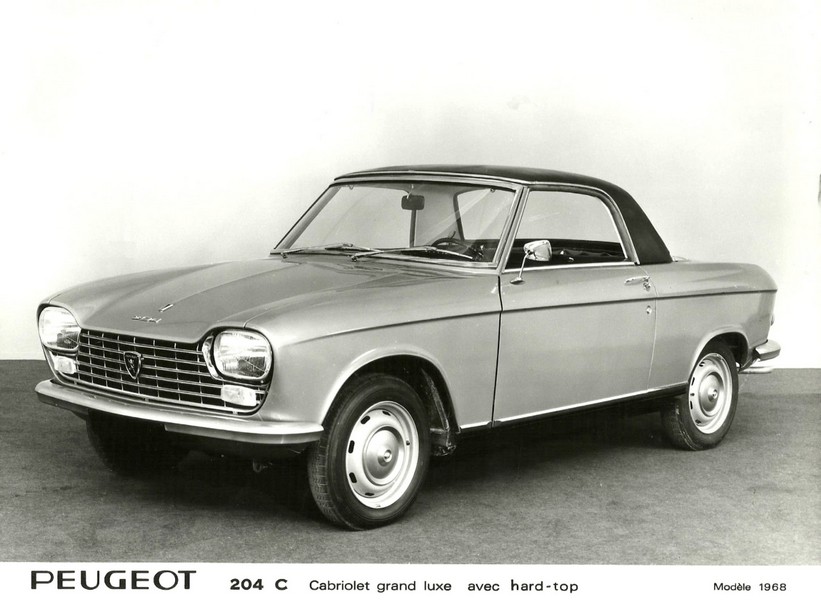
La Cabriolet, invece, puntava tutto sulla pulizia delle linee e sul piacere della guida en plein air. Più elegante che aggressiva, riusciva a mantenere un equilibrio stilistico raro per una scoperta compatta dell’epoca. L’assenza del tetto rigido alleggeriva ulteriormente la silhouette, mentre dal 1967 fu disponibile anche un hard-top removibile in acciaio, accessorio raffinato che ne aumentava la versatilità d’utilizzo.
Posizionamento furbo
Uno degli aspetti più interessanti del progetto era il posizionamento commerciale. Peugeot riuscì infatti a contenere il prezzo finale ad appena il 20% in più rispetto alla berlina standard, una differenza minima considerando il lavoro di riprogettazione e l’immagine completamente diversa delle due vetture. Per fare un confronto interno alla gamma, una 404 Coupé firmata Pininfarina costava circa il 60% in più rispetto alla corrispondente berlina.
Nel corso della loro breve carriera commerciale, Coupé e Cabriolet ricevettero alcuni aggiornamenti mirati. Nel 1968 arrivarono i nuovi fari a doppia parabola allo iodio, mentre nel 1969 debuttarono una plancia ridisegnata e pannelli porta aggiornati, derivati dalla più recente 304.
Classiche accessibili
La produzione terminò nel marzo del 1970, quando Peugeot introdusse le nuove 304 Coupé e Cabriolet, evoluzione diretta del progetto 204, dalle quali differivano soprattutto per il frontale aggiornato, la fanaleria posteriore e le motorizzazioni più moderne.
Rispetto agli oltre 1,6 milioni di Peugeot 204 prodotte complessivamente, Coupé e Cabriolet rimasero versioni relativamente rare: circa 42.700 esemplari per la Coupé e poco più di 18.000 per la Cabriolet.
Oggi rappresentano una delle espressioni più interessanti della scuola automobilistica francese degli anni Sessanta: leggere, eleganti, razionali e ancora piuttosto accessibili. Due auto capaci di raccontare un’epoca in cui anche una piccola coupé o una cabriolet compatta potevano essere sofisticate senza diventare irraggiungibili.
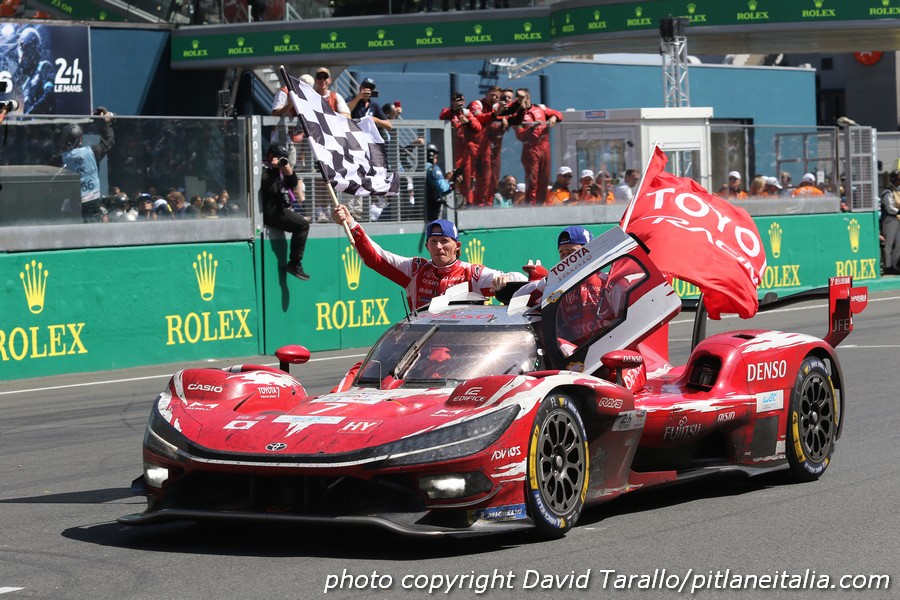
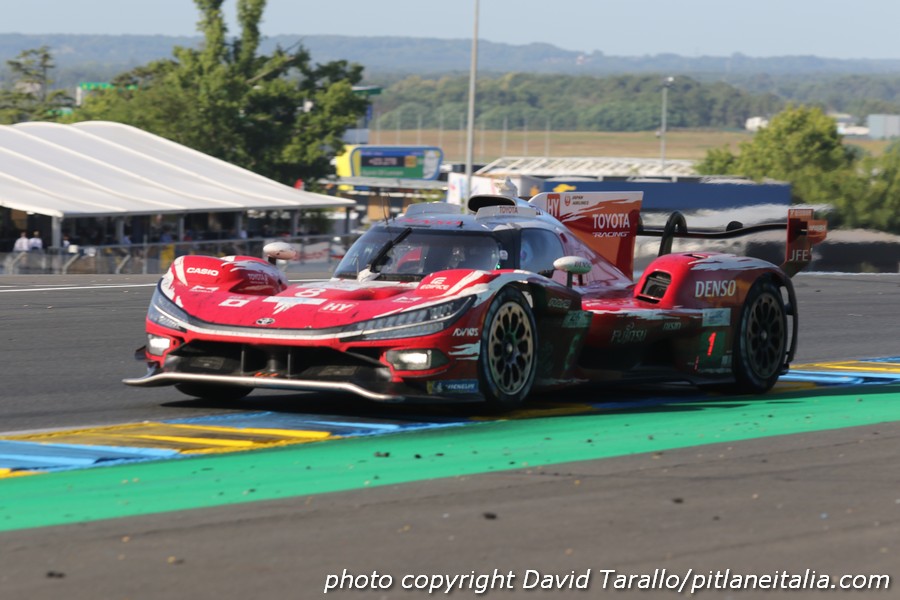
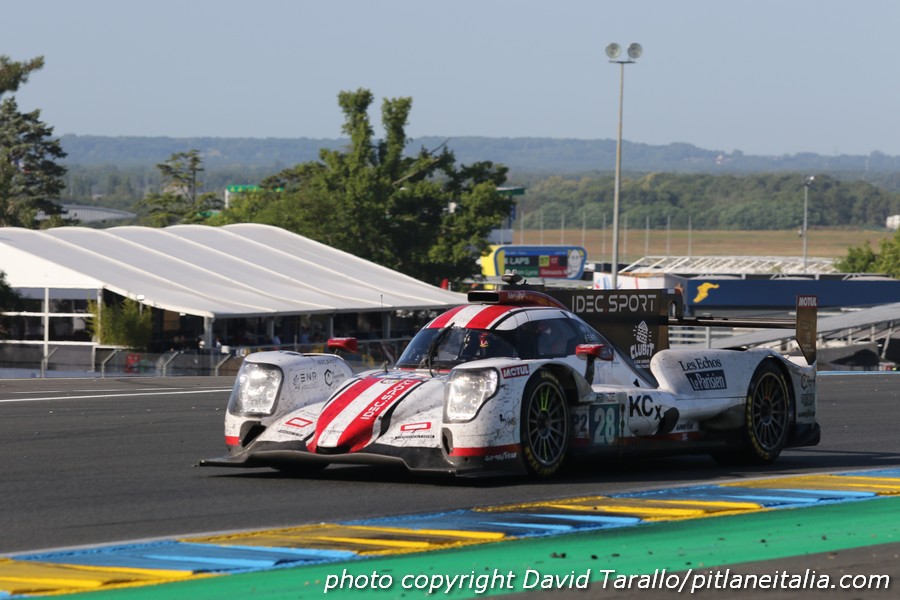
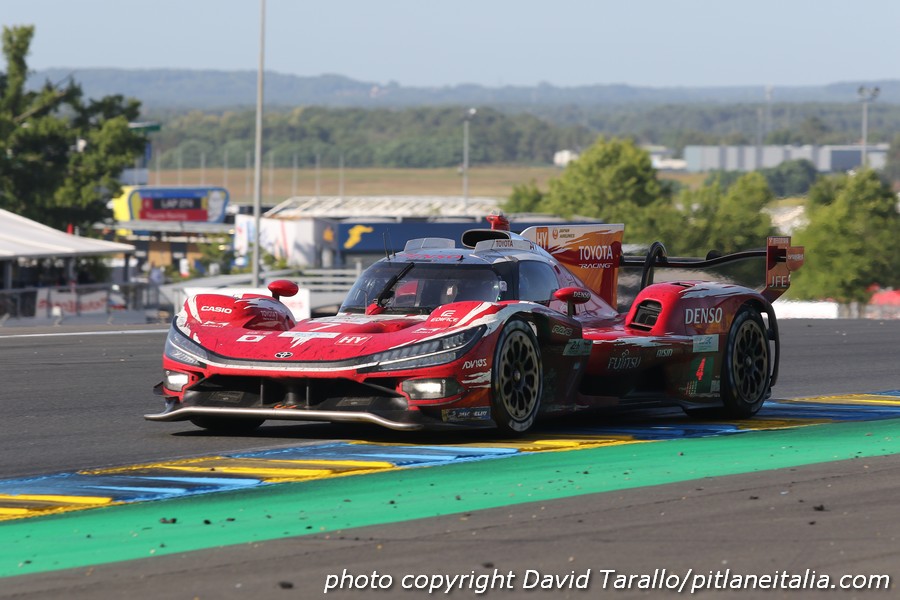
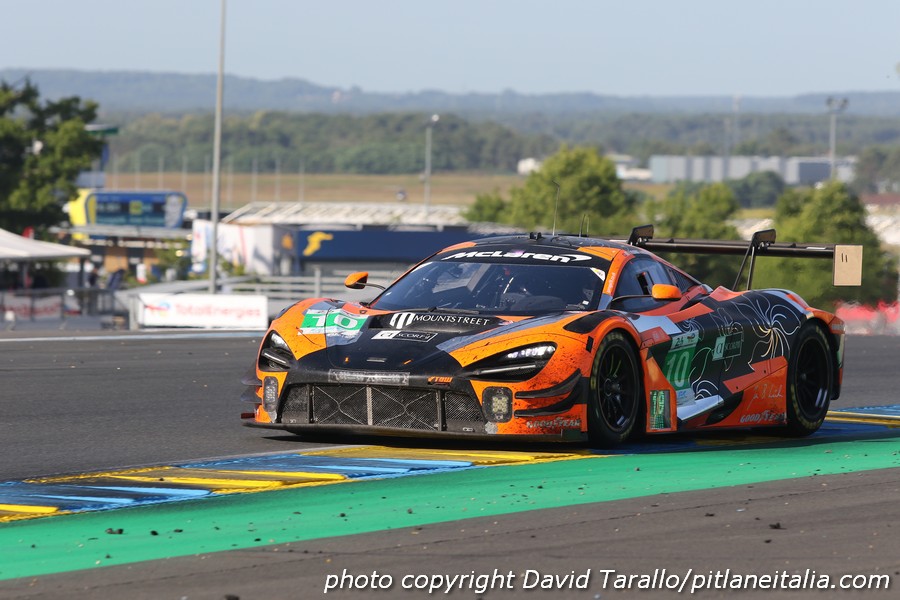
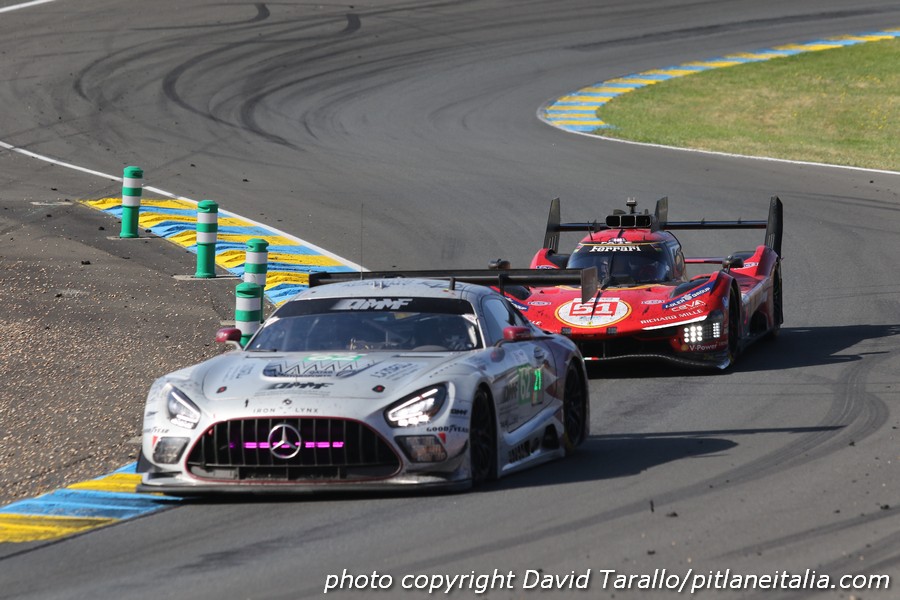
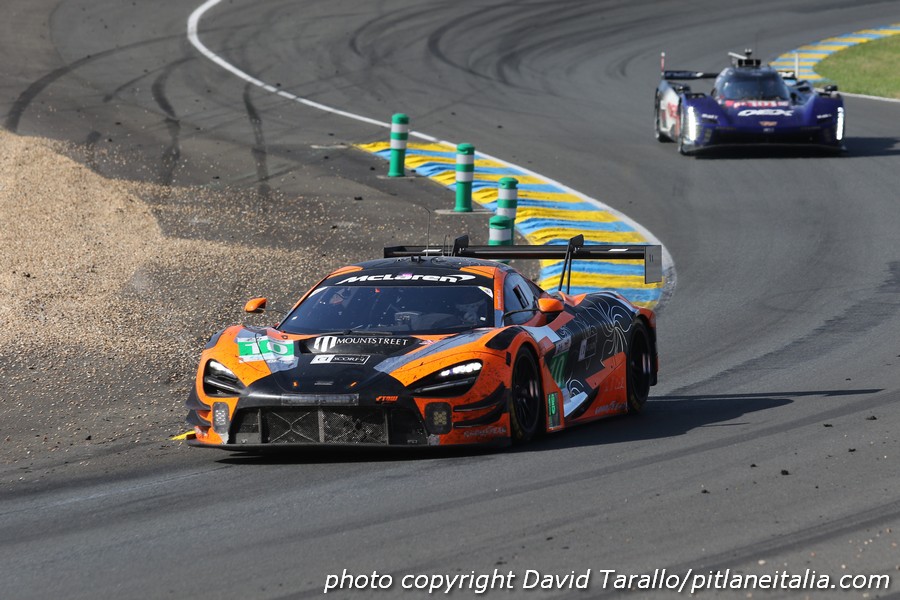
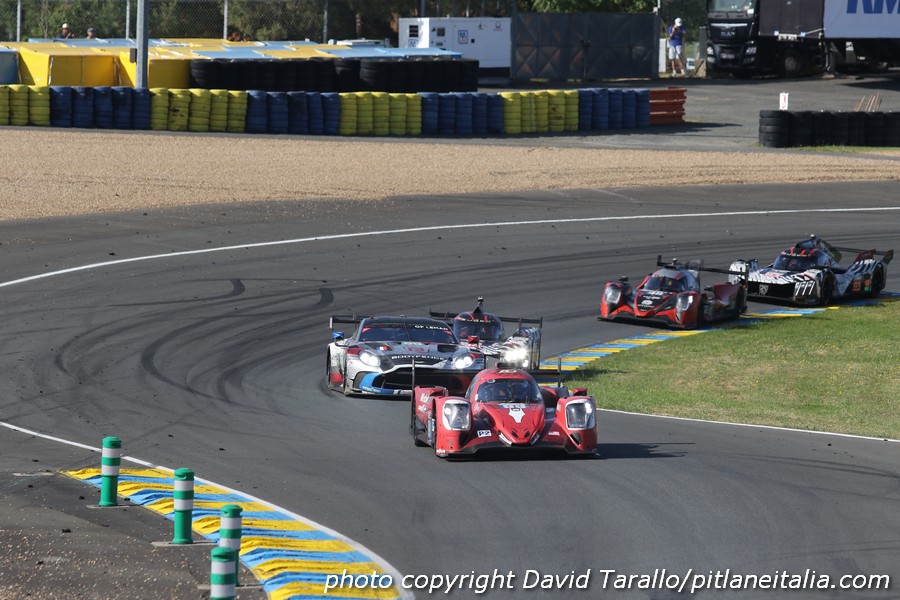
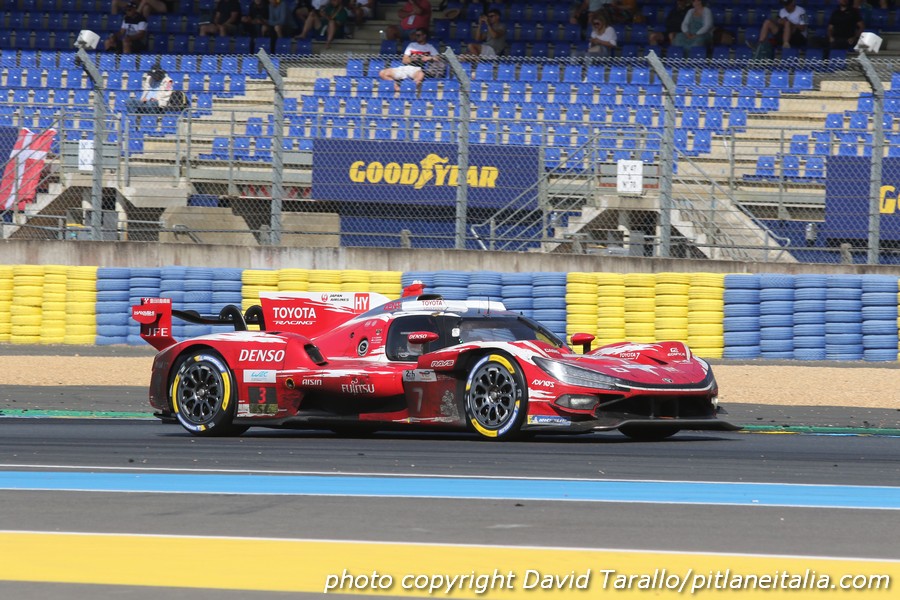
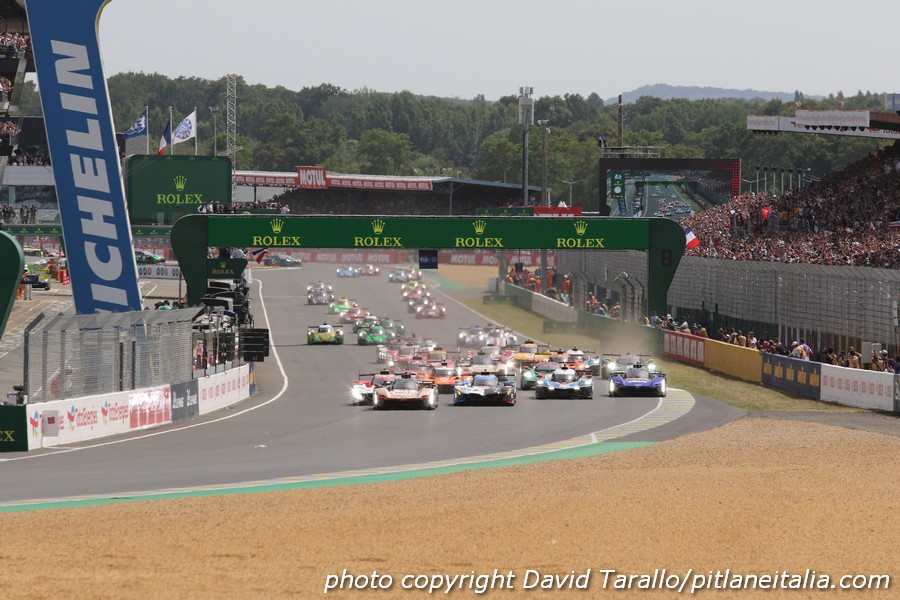
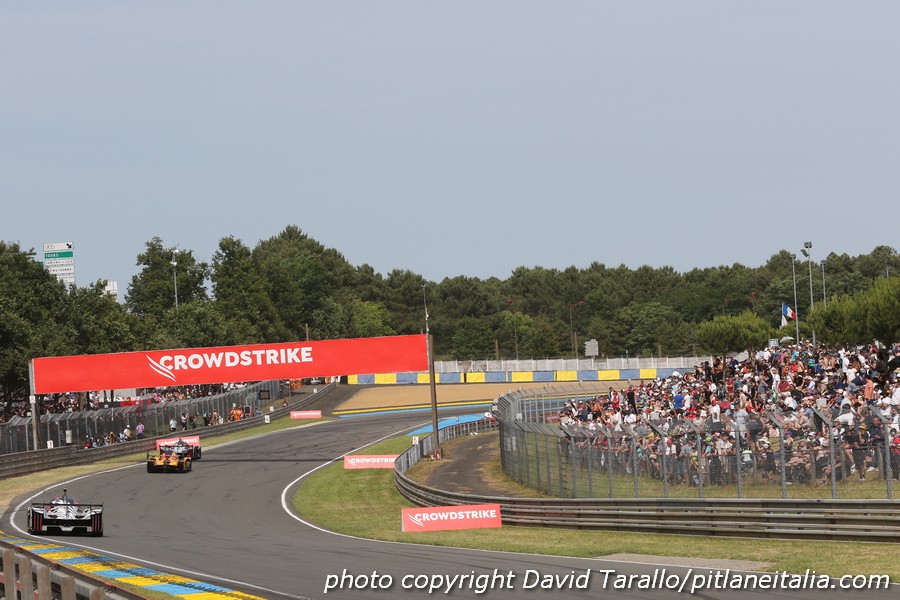
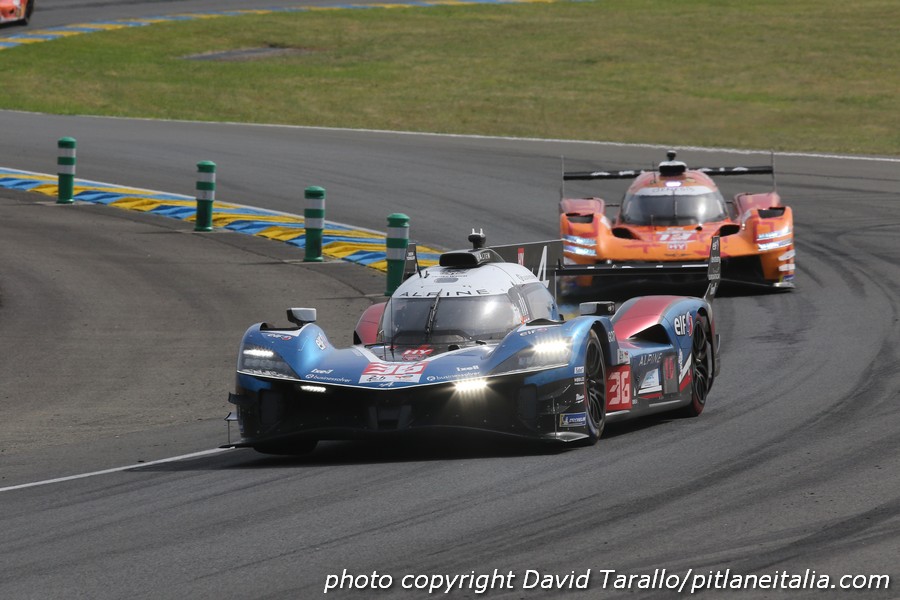
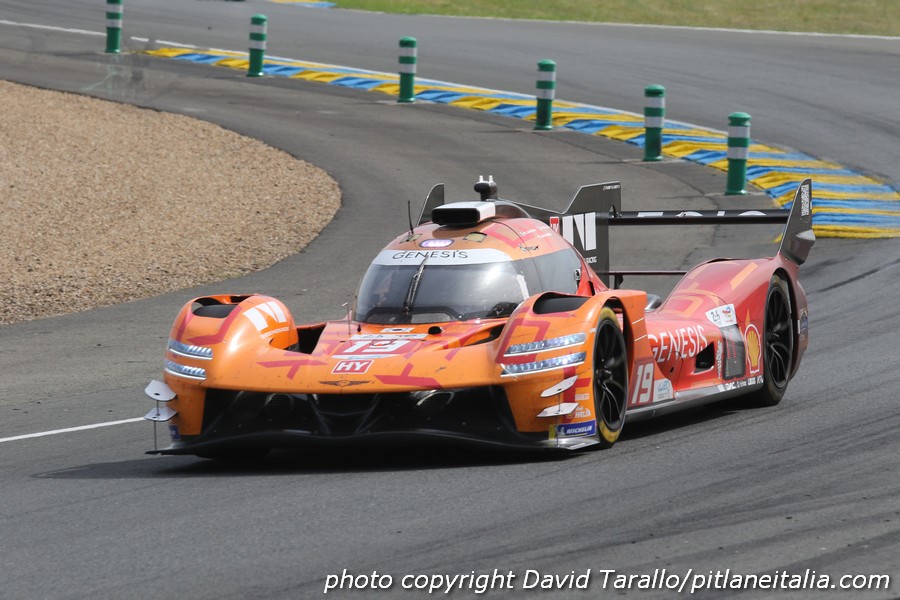
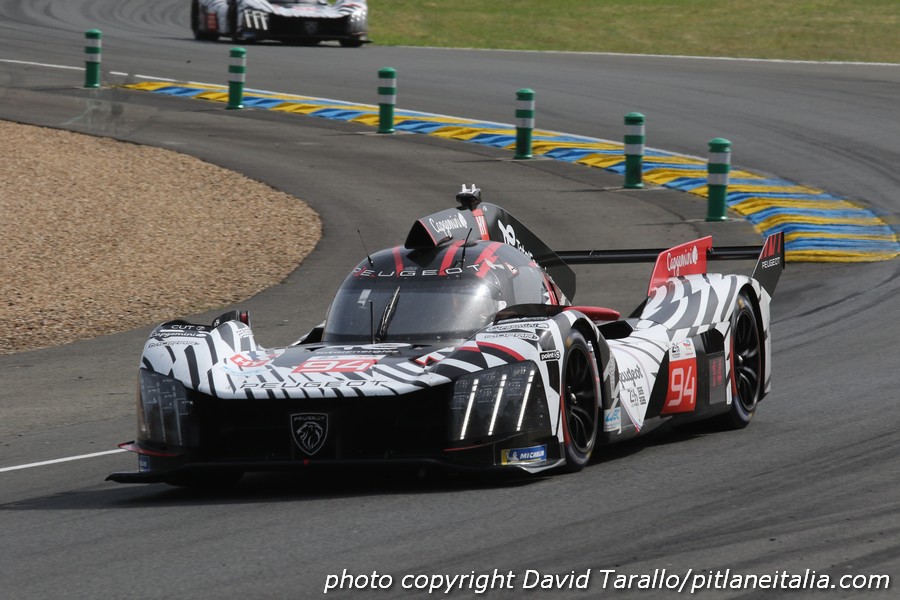
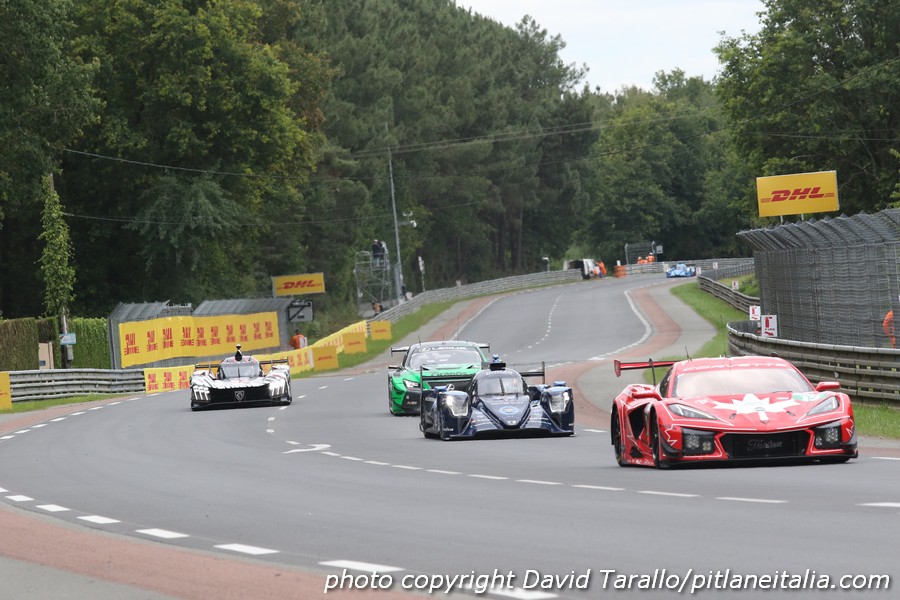
Toyota torna alla vittoria alla 24 Ore di Le Mans dopo tre anni di digiuno, davanti a 350.105 spettatori, nuovo record di affluenza per la classica francese. La GR010 Hybrid numero 7 di Mike Conway, Kamui Kobayashi e Nyck de Vries ha conquistato il successo assoluto, regalando alla Casa giapponese la sua sesta vittoria nella corsa della Sarthe. La vettura gemella numero 8 ha completato il podio in terza posizione.
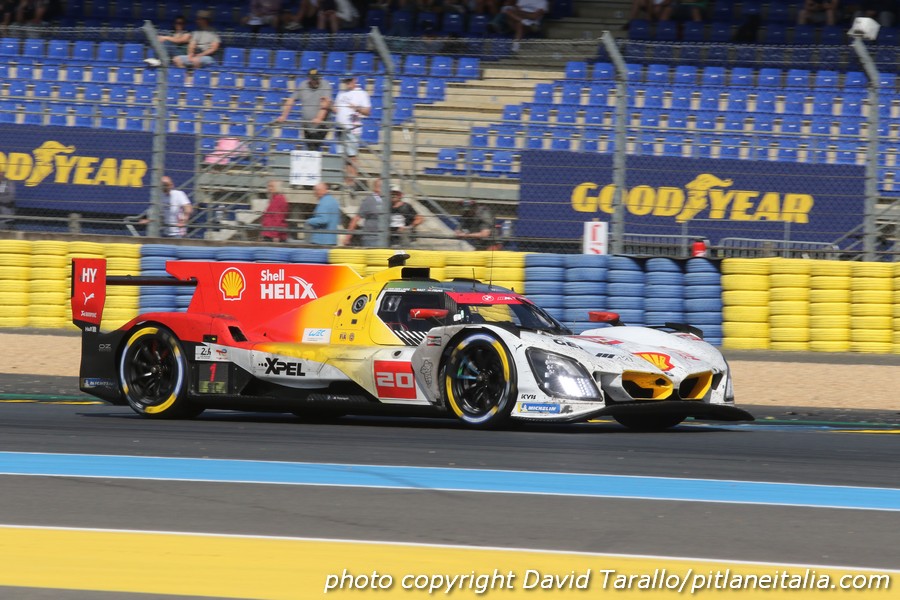
In seconda posizione si è classificata la BMW M Hybrid V8 numero 20 del BMW M Team WRT, che ha così ottenuto il suo primo podio nella categoria Hypercar a Le Mans.
Con questo risultato Toyota raggiunge Bentley a quota sei vittorie assolute nella storia della gara. Per Conway e Kobayashi si tratta del secondo successo dopo quello ottenuto nel 2021, sempre insieme e sempre con Toyota, mentre Nyck de Vries conquista la sua prima vittoria assoluta alla 24 Ore di Le Mans.
In LMP2, Inter Europol Competition conferma il proprio ruolo di riferimento della categoria. Dopo la vittoria del 2023, il secondo posto del 2024 e un nuovo successo nel 2025, la squadra ha firmato una doppietta con la vettura numero 43 davanti alla numero 343.
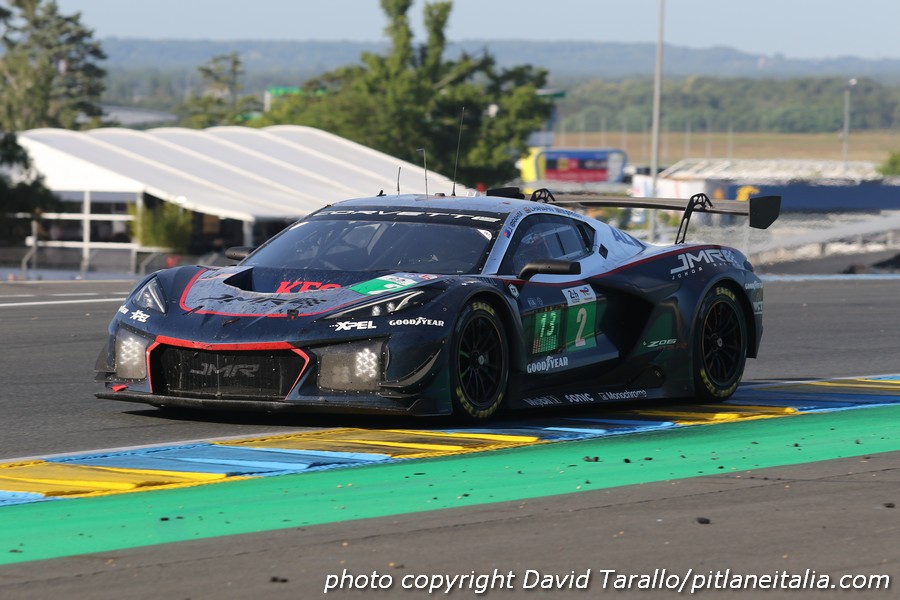
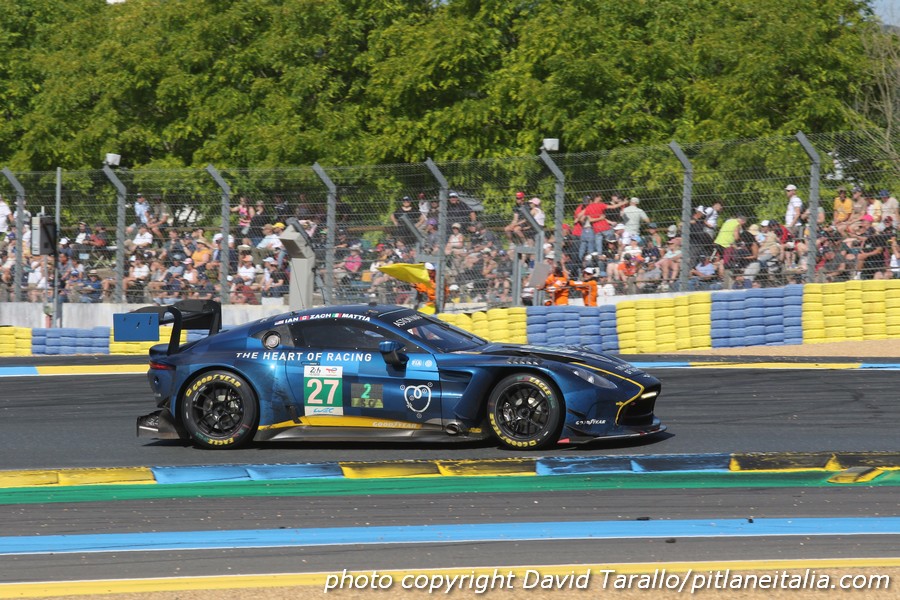
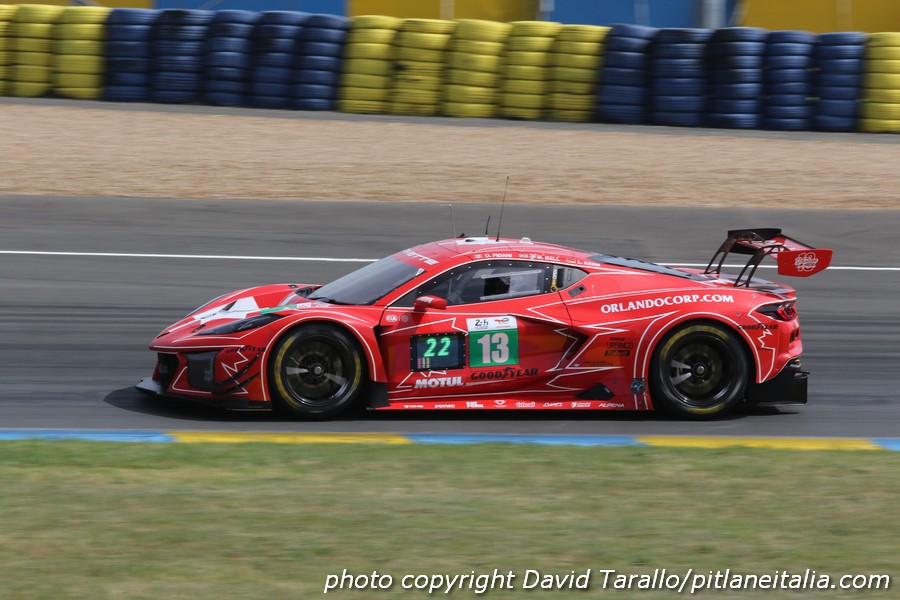
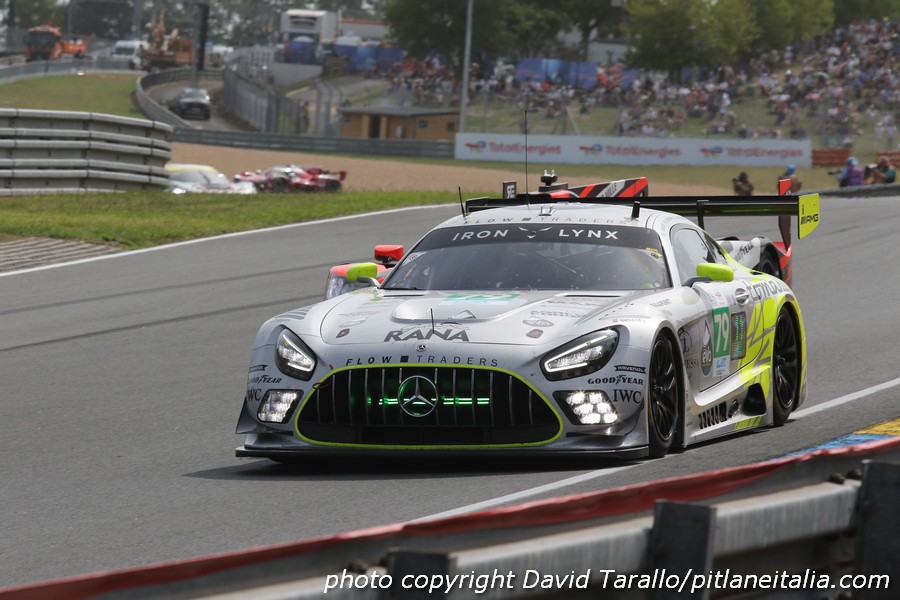
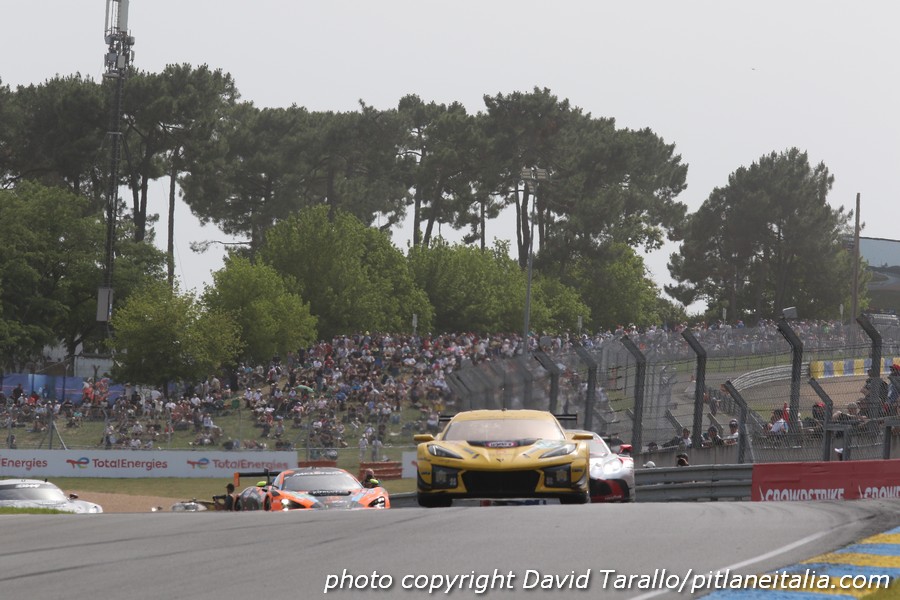
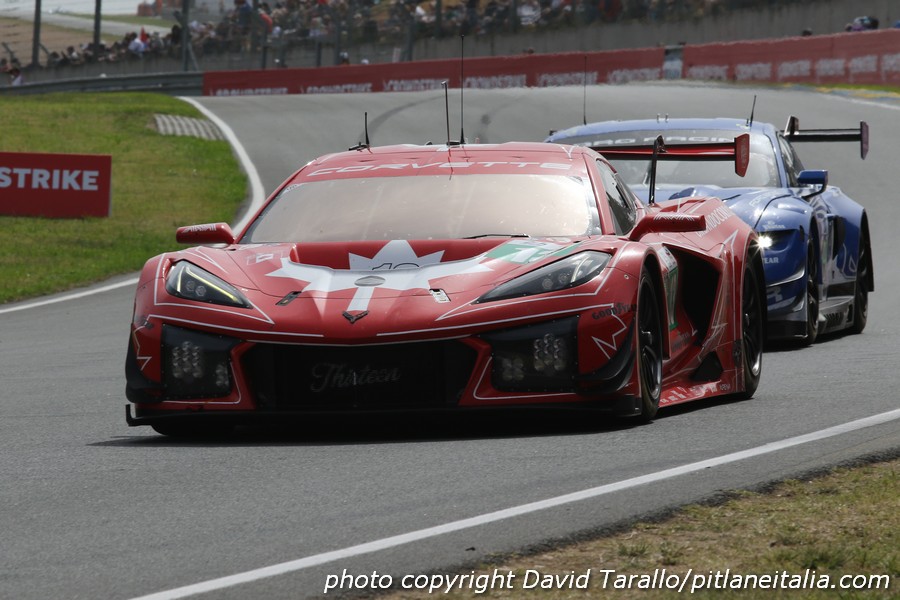
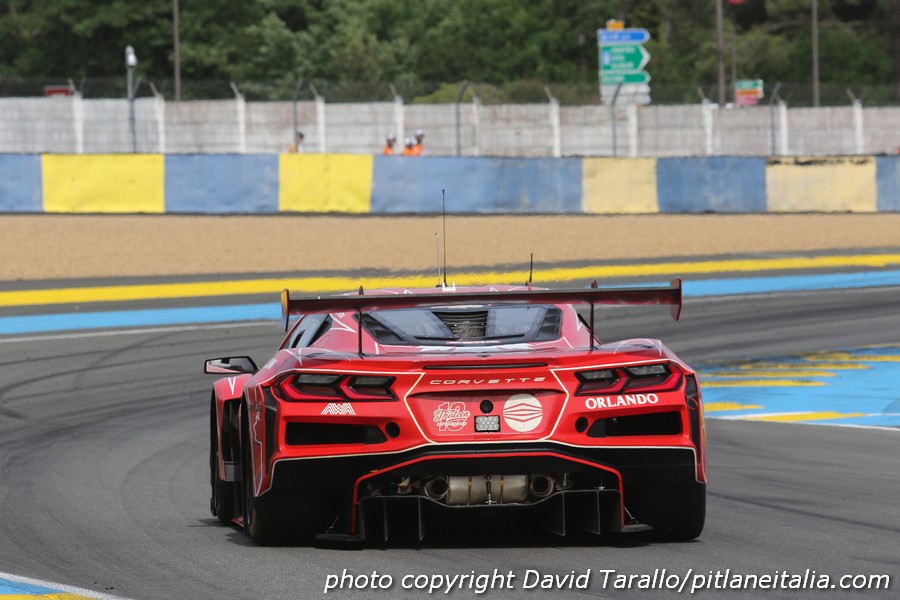
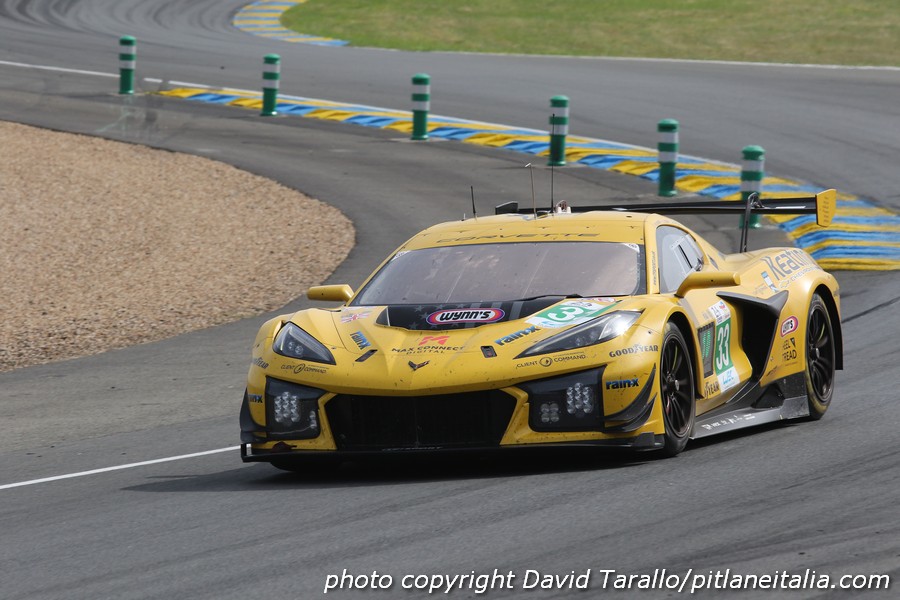
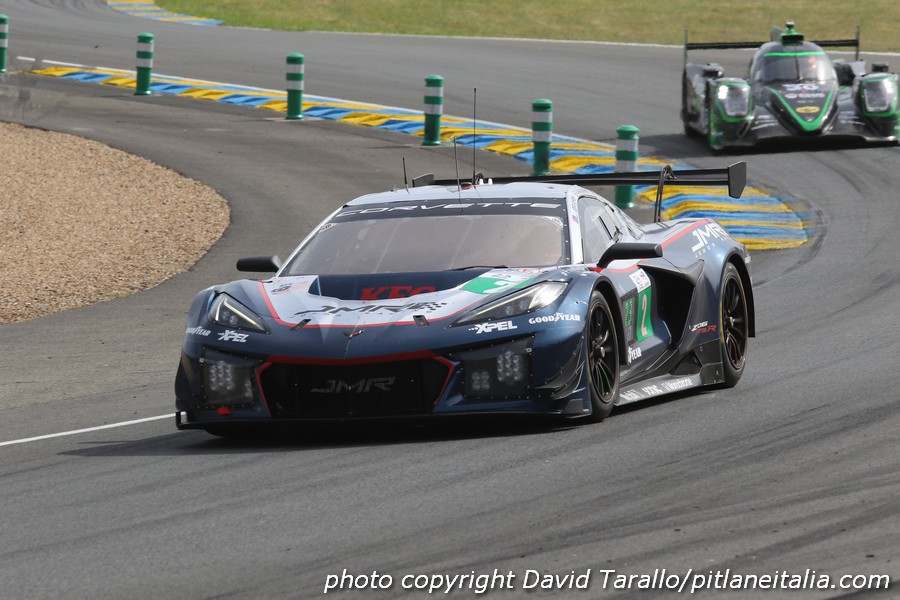
In LMGT3, Corvette è tornata al successo a Le Mans, riportando il marchio americano sul gradino più alto del podio dopo la vittoria ottenuta nel 2023 nella classe GTE Am. Corvette raccoglie così l’eredità di Porsche, vincitrice delle prime due edizioni della categoria LMGT3.
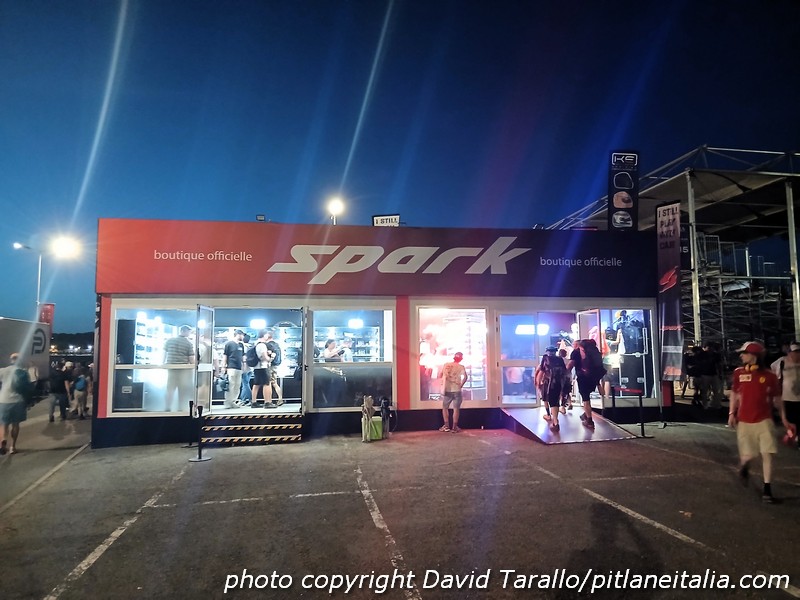
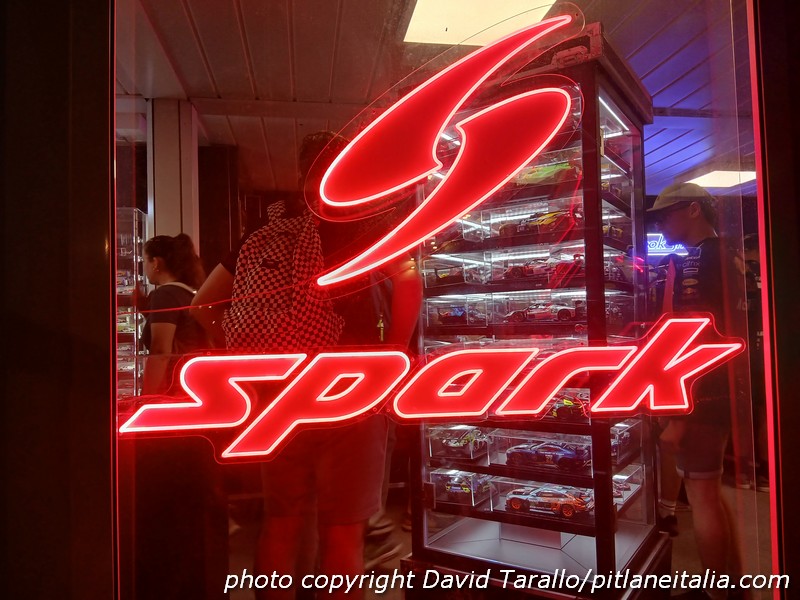
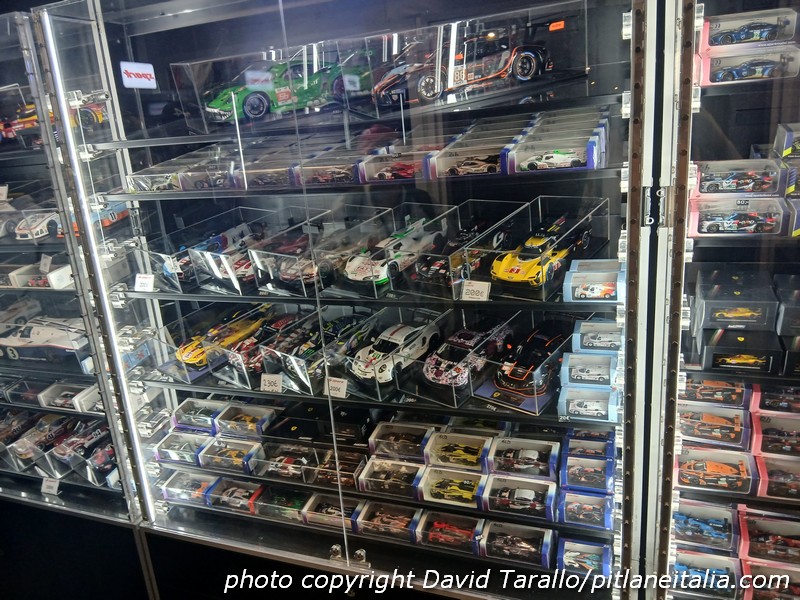
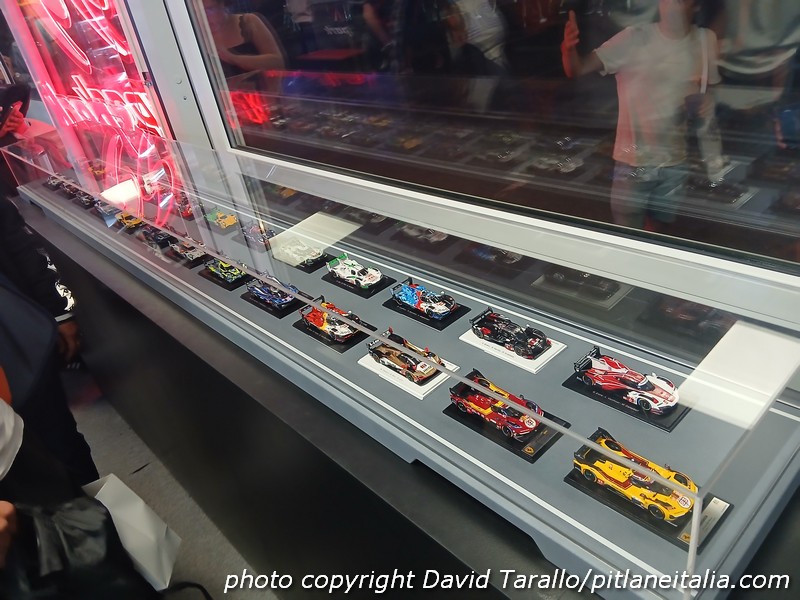
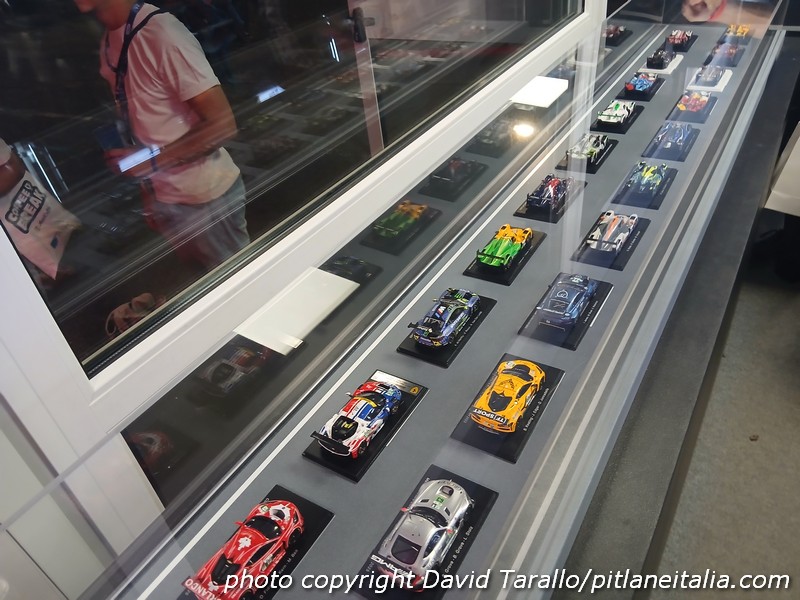
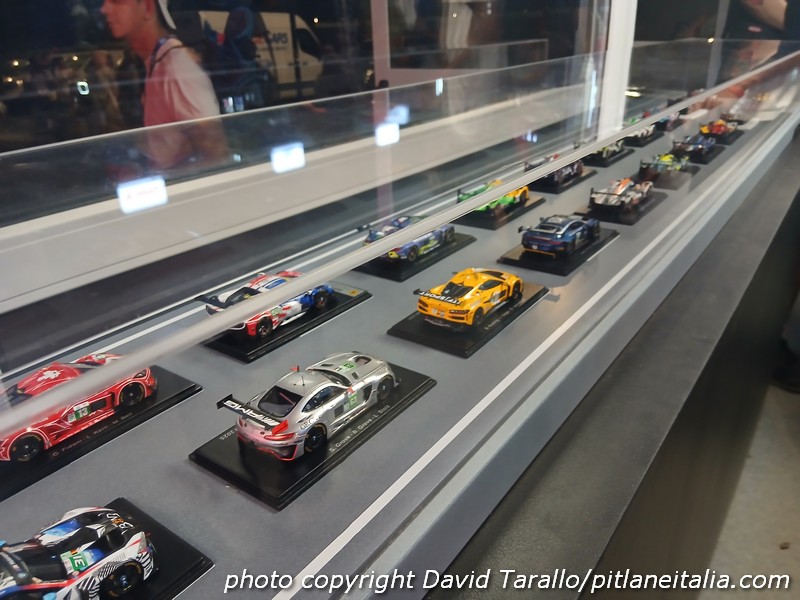
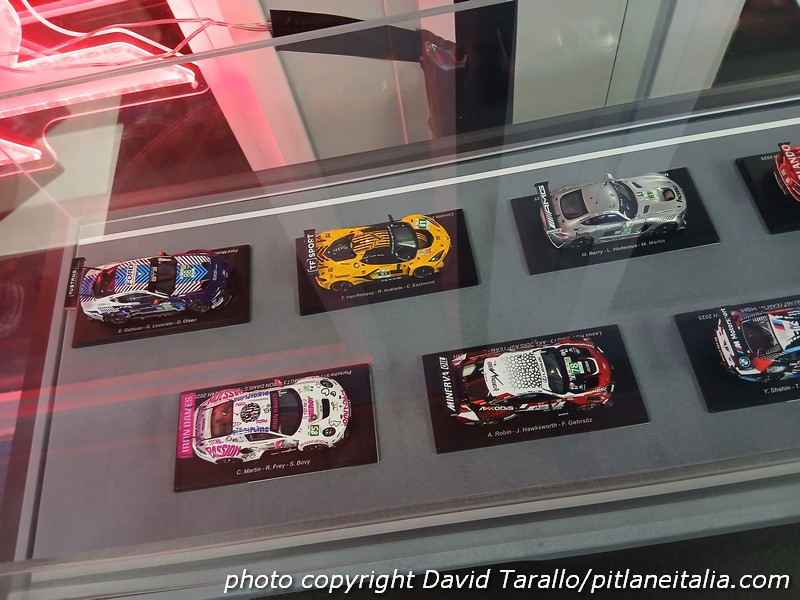
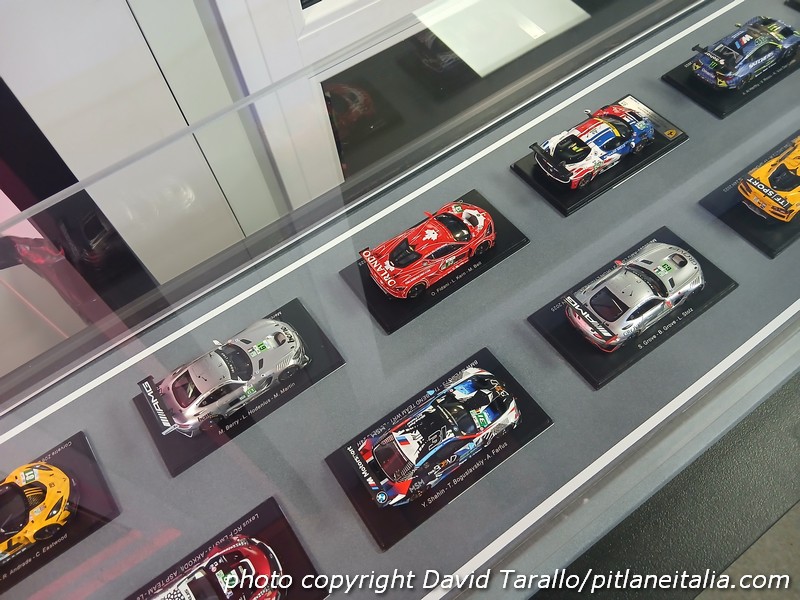
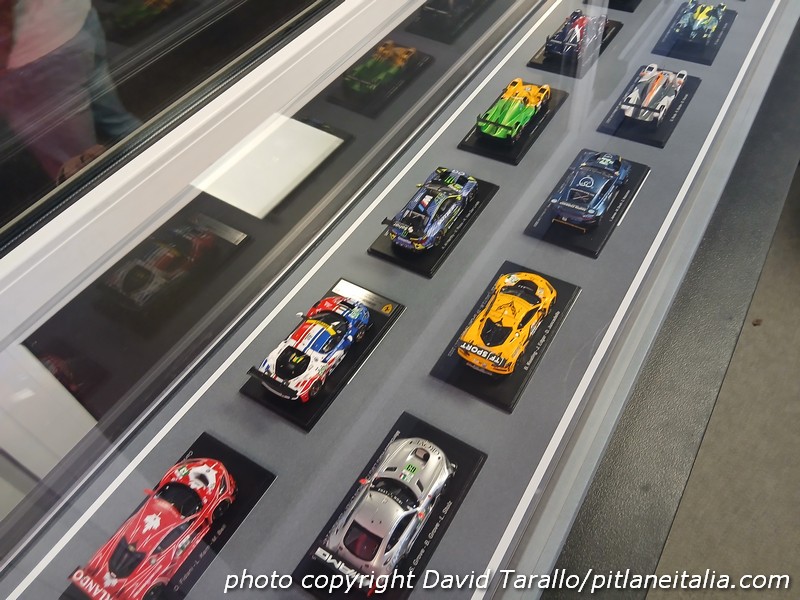
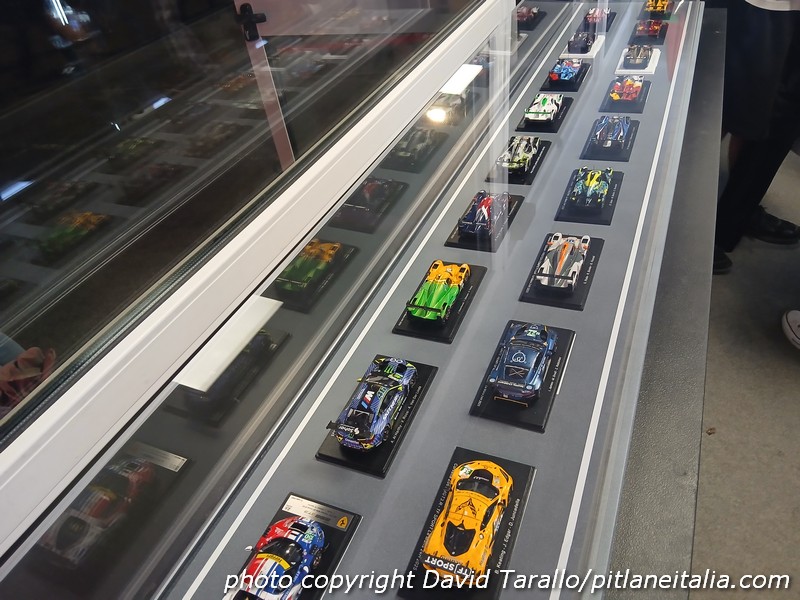
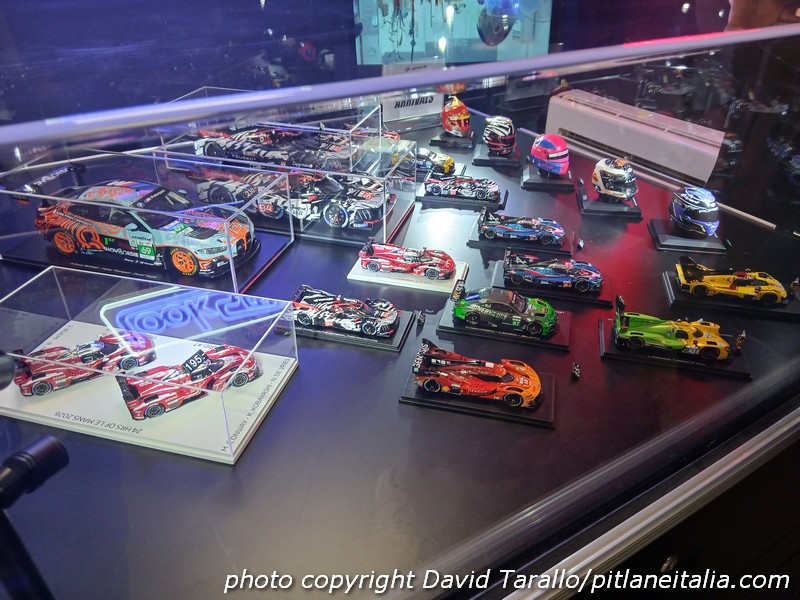
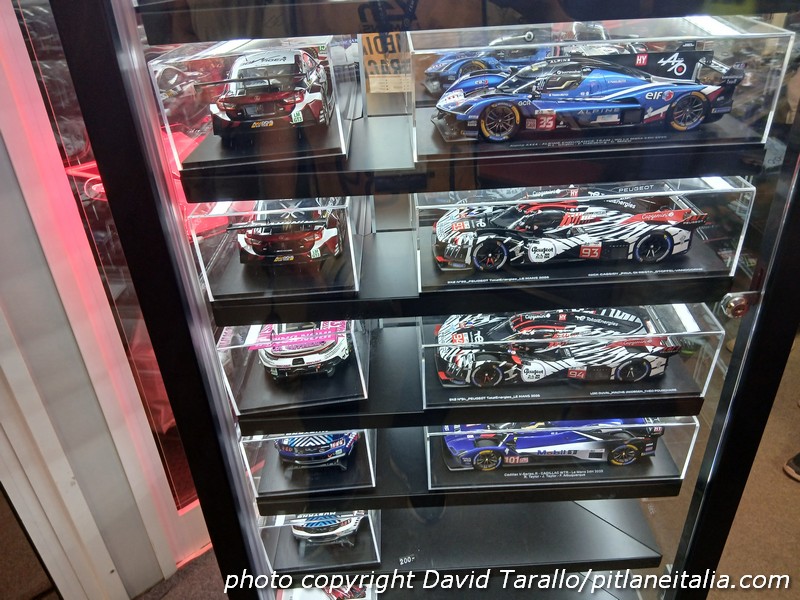
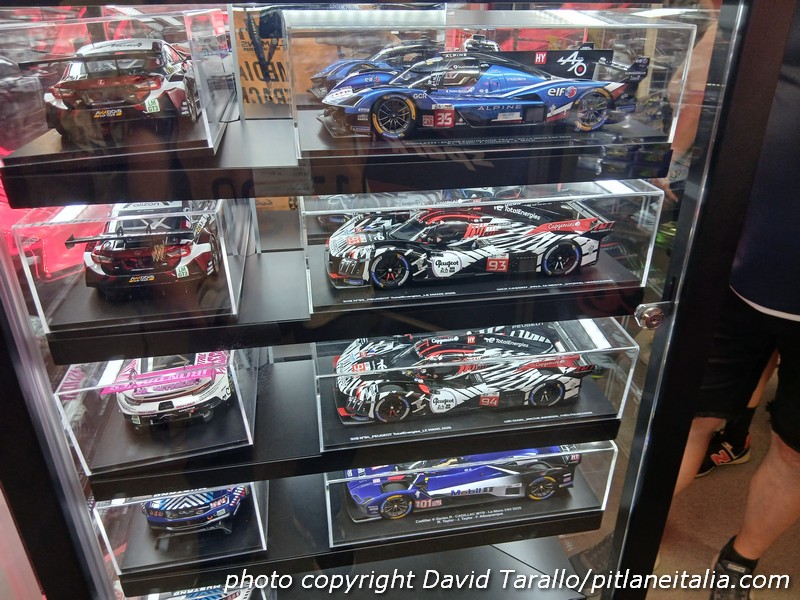
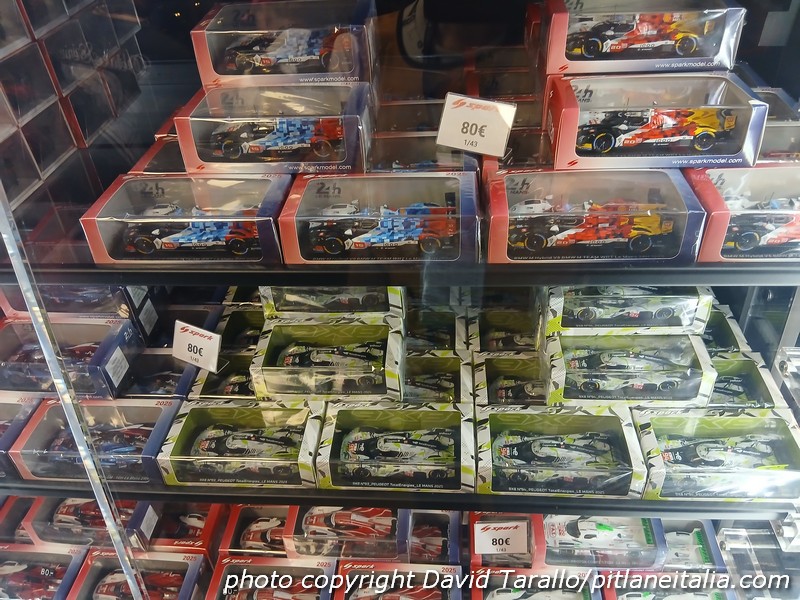
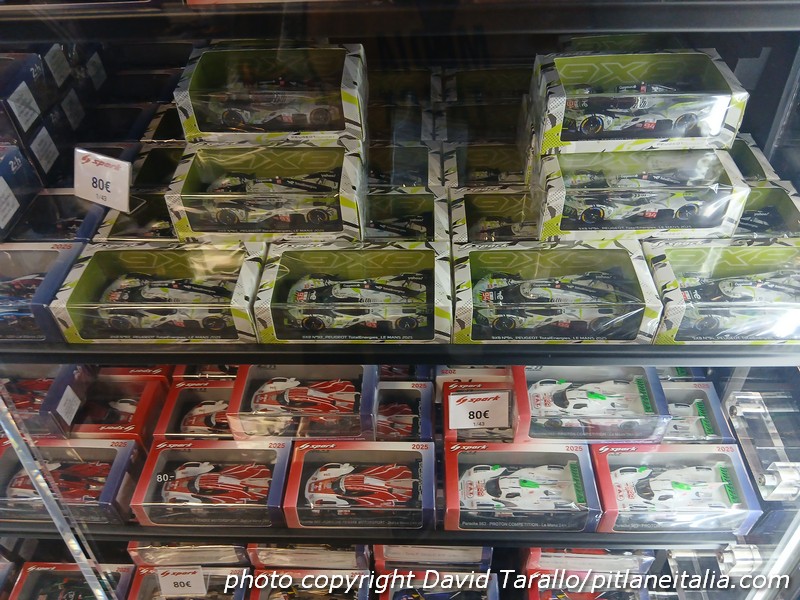
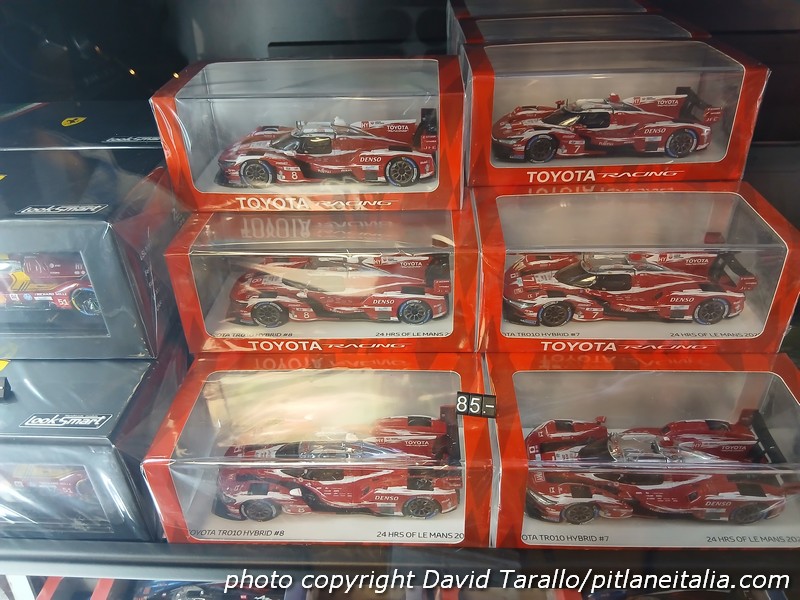
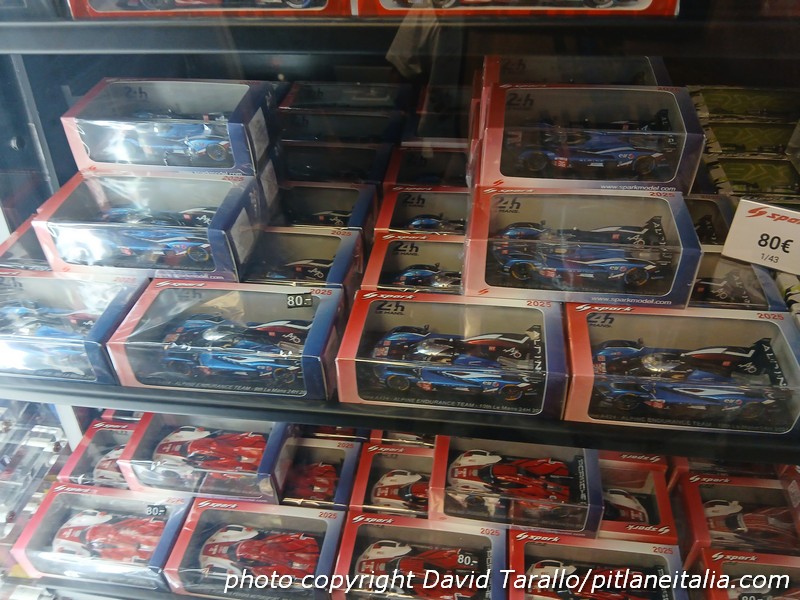
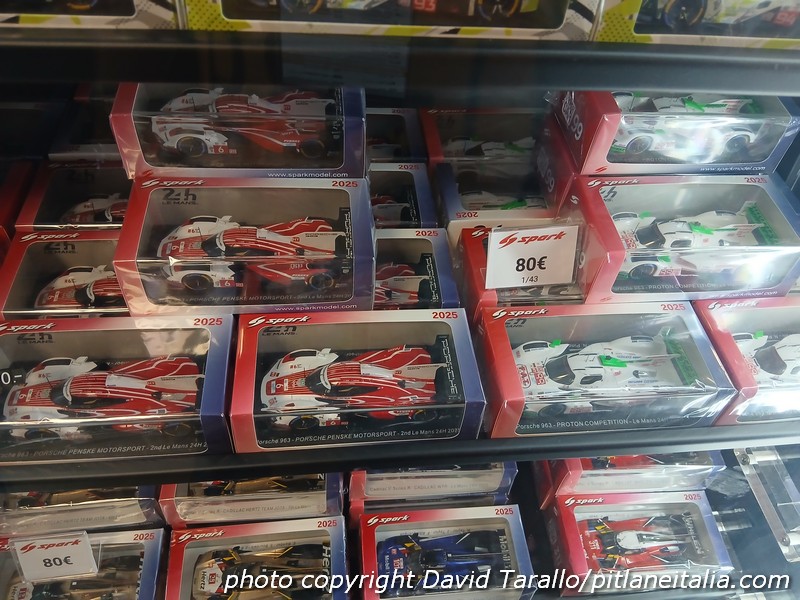
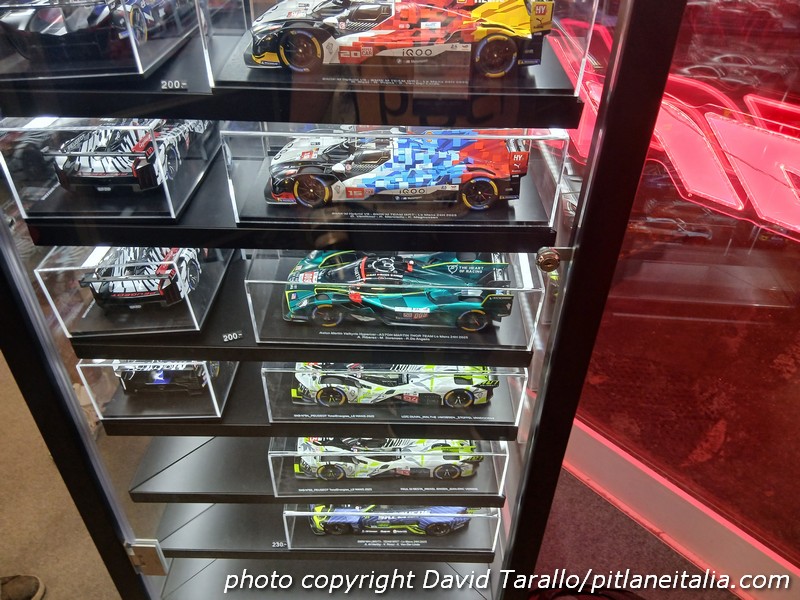
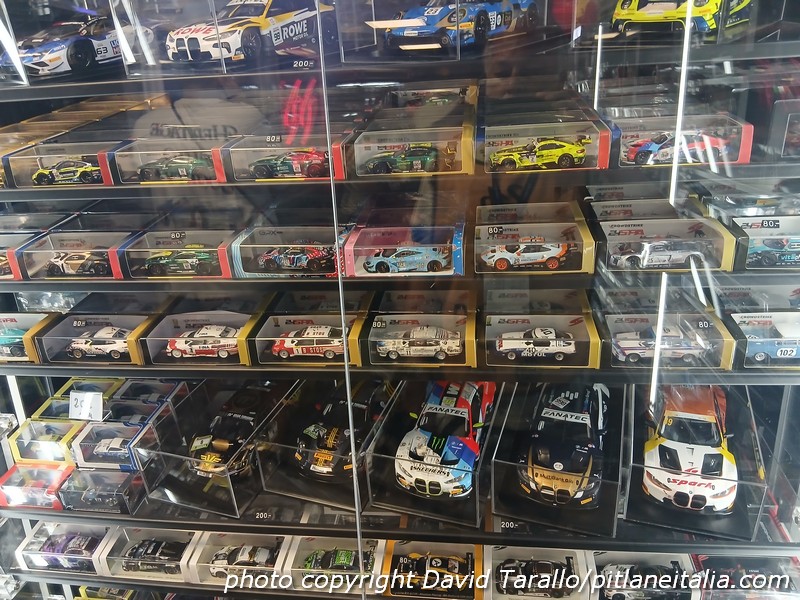
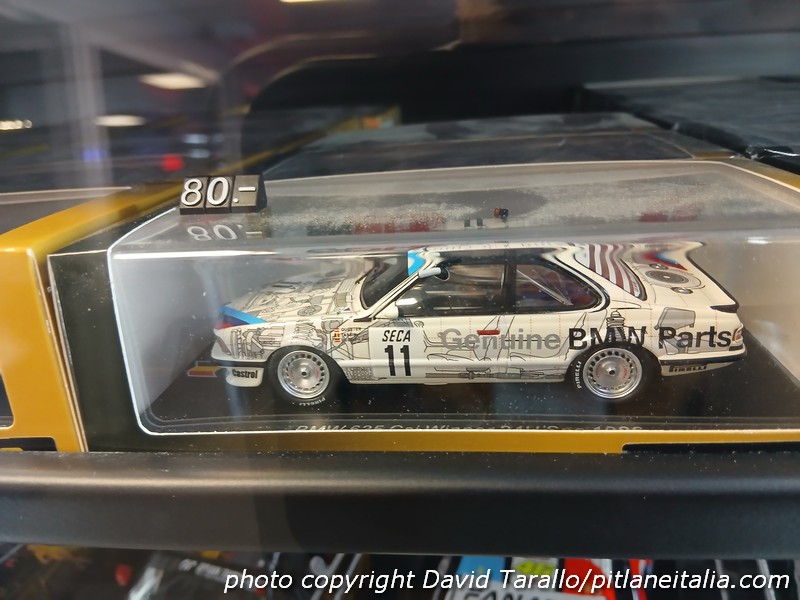
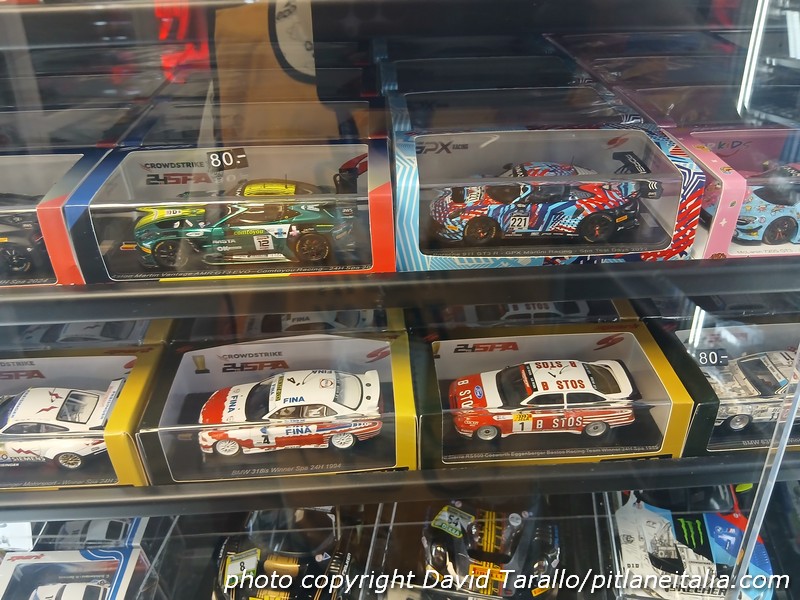
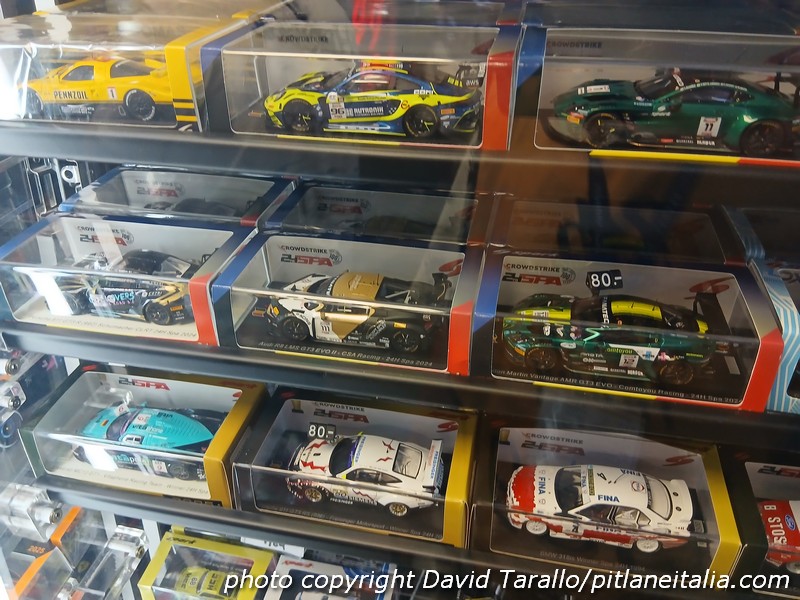
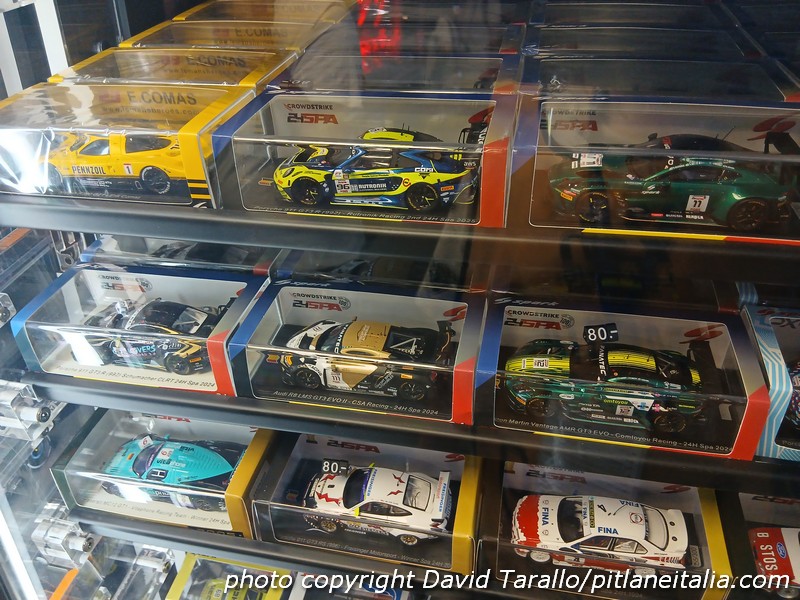
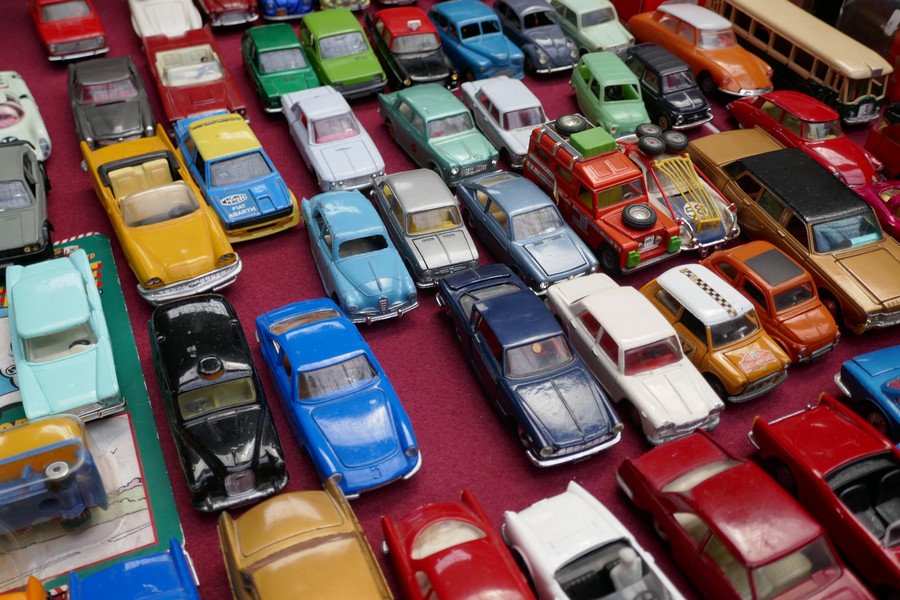
Un giro nella zona retrostante le tribune – dove si trova il secondo punto vendita dopo quello del villaggio – ha confermato che quest’anno la presenza di Spark alla 24 Ore di Le Mans si è ulteriormente ridotta e semplificata. Ridotta in termini di punti vendita (è sparita definitivamente la roulotte che in passato era posizionata di fronte al compound TV), semplificata in termini di offerta.
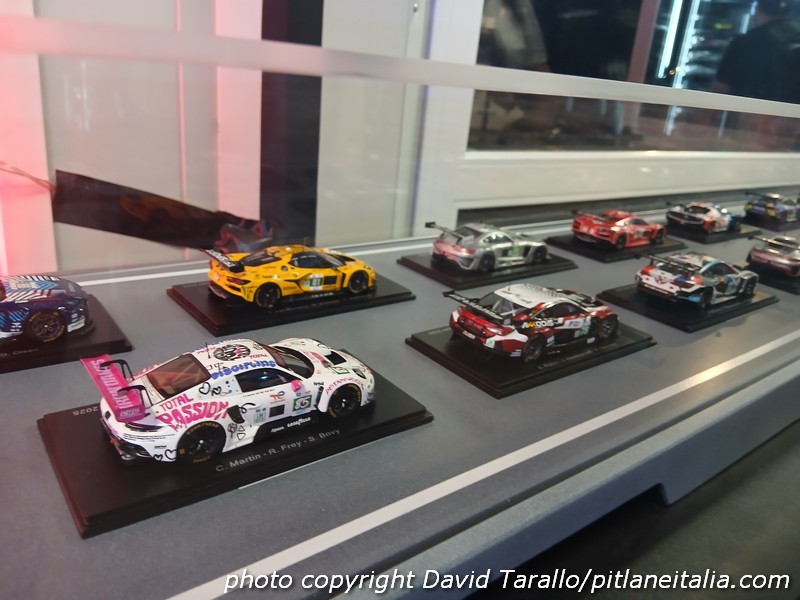
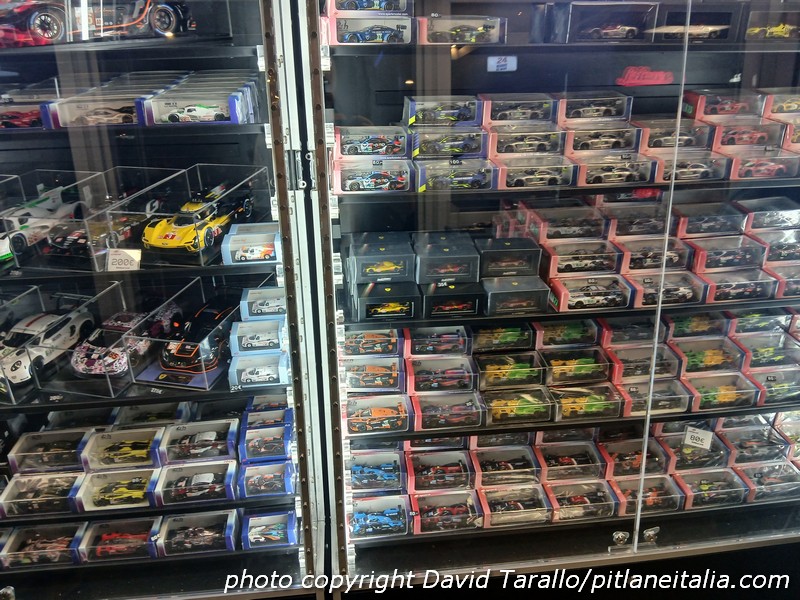
Entrambi gli spazi offrono in questi giorni solo la gamma attuale delle vetture di Le Mans (niente Formula 1, ad esempio) con le novità 2026, la linea della 24 Ore di Spa e pochissimo altro, ovviamente in tutte le scale del catalogo. Evidentemente ormai a Le Mans il resto dello stock non tira più. Difficile dire se si tratti di una scelta prudenziale o di una manovra obbligata, fatto sta che con la recessione di un marchio come Spark, la scelta modellistica a Le Mans si è praticamente avvicinata allo zero.
In occasione della conferenza stampa dell’ACO alla vigilia della 24 Ore di Le Mans, FIA, ACO e IMSA hanno illustrato i principi del futuro regolamento Hypercar 2030, confermando la volontà di garantire continuità e sostenibilità alla categoria regina dell’endurance.
Il nuovo regolamento sarà basato su una piattaforma tecnica unica a due ruote motrici, elemento che rappresenta la principale novità rispetto all’attuale normativa. I costruttori potranno continuare a sviluppare internamente le proprie vetture oppure affidarsi a un fornitore di telai, seguendo il modello già adottato dalle LMDh. Anche i sistemi ibridi potranno essere acquistati da fornitori designati oppure sviluppati direttamente dai costruttori, purché rispettino specifiche tecniche comuni. L’omologazione delle vetture avrà una durata minima di cinque anni senza evoluzioni prestazionali.
È stata inoltre confermata l’introduzione dell’idrogeno nella categoria principale. Le future Hypercar H2 seguiranno le stesse linee guida tecniche del regolamento 2030, con alcune specifiche dedicate tra cui un peso minimo di 1.200 kg, pneumatici dedicati e un sistema di Equivalenza Tecnologica destinato a gestire le differenze prestazionali rispetto alle vetture convenzionali.
Frédéric Lequien, CEO di Le Mans Endurance Management, ha presentato il calendario FIA WEC 2027, che comprenderà nove appuntamenti distribuiti su quattro continenti. Dopo il Prologo in Qatar il 21 e 22 marzo, la stagione prenderà il via con la Qatar 1812 km il 27 marzo. Seguiranno le 6 Ore di Imola (11 aprile), il ritorno delle 6 Ore di Silverstone (25 aprile), le 6 Ore di Spa-Francorchamps (15 maggio) e la 24 Ore di Le Mans (12-13 giugno). La seconda parte della stagione farà tappa a San Paolo (11 luglio), al Circuit of The Americas per la Lone Star Le Mans (12 settembre), a Fuji (26 settembre) e si concluderà con le 8 Ore del Bahrain il 6 novembre. Contestualmente è stato annunciato il prolungamento dell’accordo tra il FIA WEC e il Bahrain fino al termine della stagione 2036.
L’ACO ha inoltre annunciato la creazione dell’Asian Le Mans Cup e definito la composizione degli equipaggi Hypercar nell’Asian Le Mans Series, che dovranno schierare un pilota Bronze, un pilota Bronze o Silver e un pilota professionista Gold o Platinum.
Sul fronte infrastrutturale, l’Automobile Club de l’Ouest ha ricordato l’apertura del nuovo museo M24, inaugurato nei giorni scorsi, e ha presentato il progetto del futuro Pit Building che porterà a una profonda trasformazione dell’area box del circuito.
Sono state inoltre ufficializzate le personalità della 94ª edizione della 24 Ore di Le Mans. Sir Mark Cavendish sarà lo starter della gara, Sarah Bovy ricoprirà il ruolo di Grand Marshal, David Clark è stato nominato Spirit of Le Mans 2026, mentre Frédéric Sausset sarà l’ospite d’onore. Dieci anni dopo aver partecipato alla gara come primo pilota quadriamputato, Sausset collabora oggi con l’ACO come consulente per le tematiche legate all’accessibilità e alla disabilità.
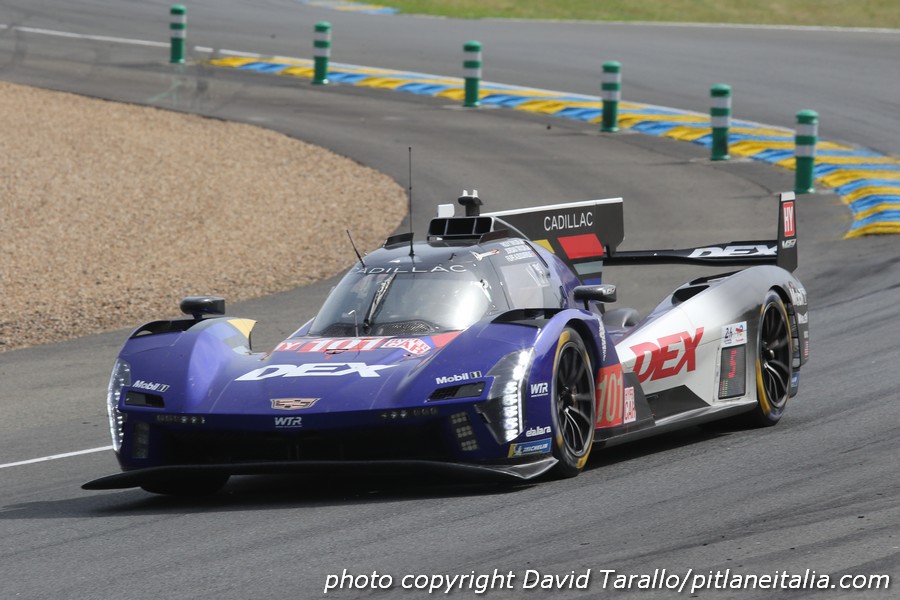
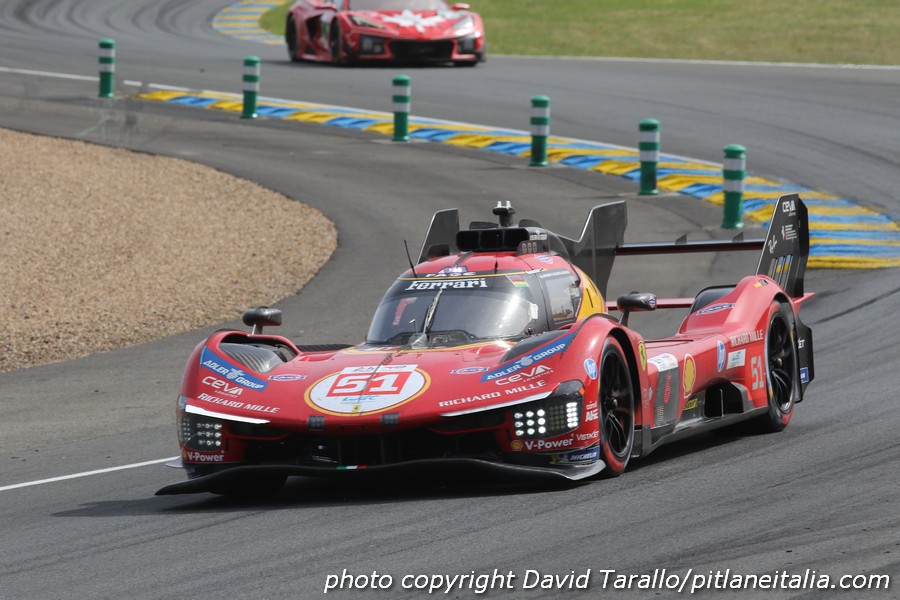
Per quanto riguarda le iniziative legate alla sostenibilità, la sesta edizione del Sustainable Endurance Award by DHL ha premiato Cadillac nella categoria Hypercar, TDS Racing in LMP2 e WRT in LMGT3. Il premio del pubblico è stato assegnato a Ferrari. DHL ha inoltre confermato il rinnovo della partnership con il FIA WEC, mentre Goodyear continuerà a fornire pneumatici alla categoria LMGT3 fino al 2029. Confermato anche l’Impact Challenge, il programma dedicato alle iniziative di responsabilità sociale rivolto agli spettatori attraverso l’applicazione 24H Experience.
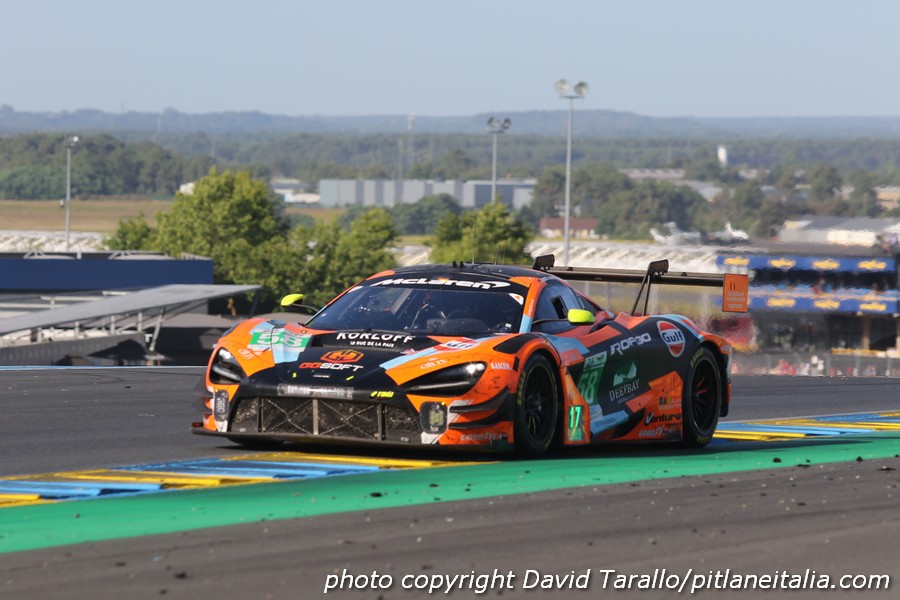
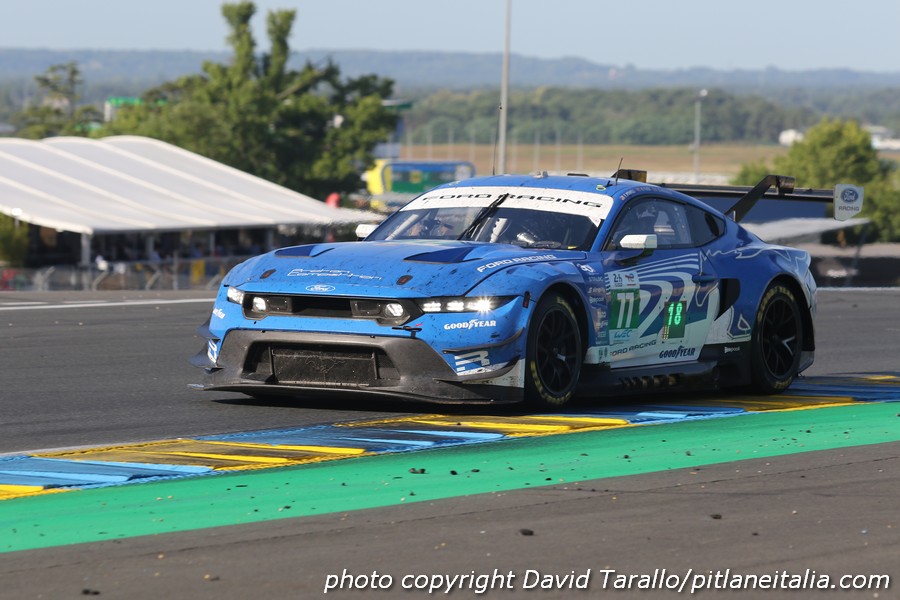
In chiusura, l’ACO ha confermato l’ingresso di Ford e McLaren nella categoria Hypercar a partire dal 2027. Mark Rushbrook per Ford e Zak Brown per McLaren hanno partecipato alla presentazione confermando l’impegno dei due marchi nel Campionato del Mondo Endurance.








 PITLANEITALIA