
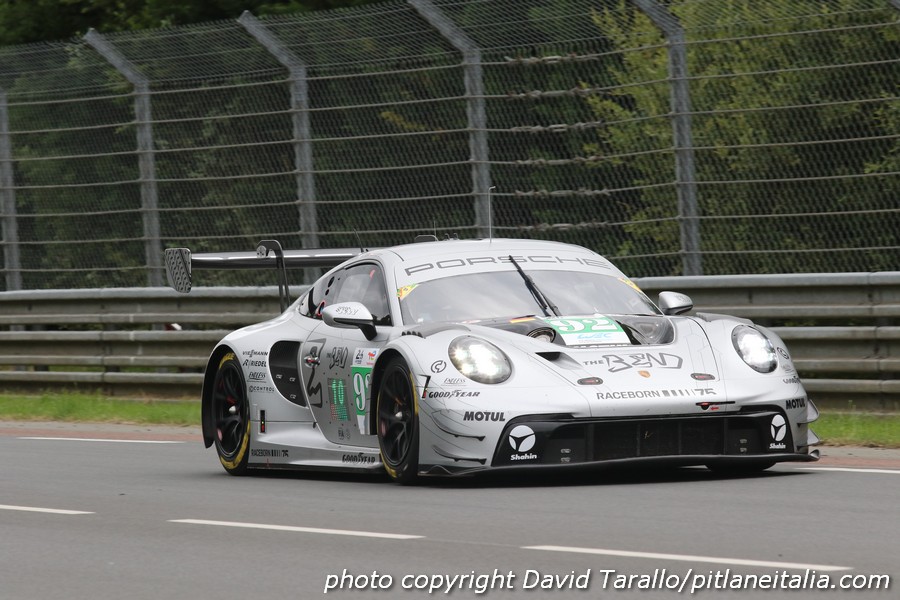
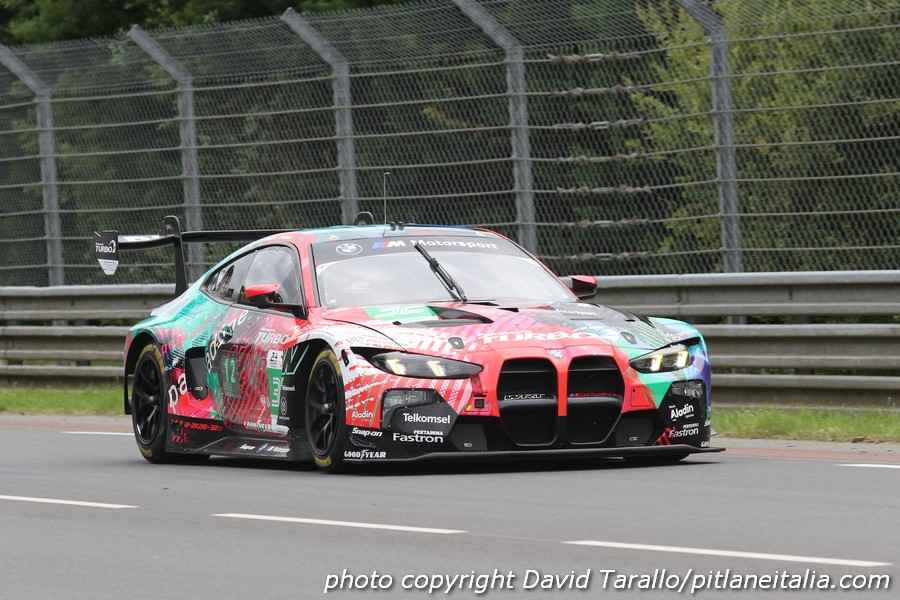
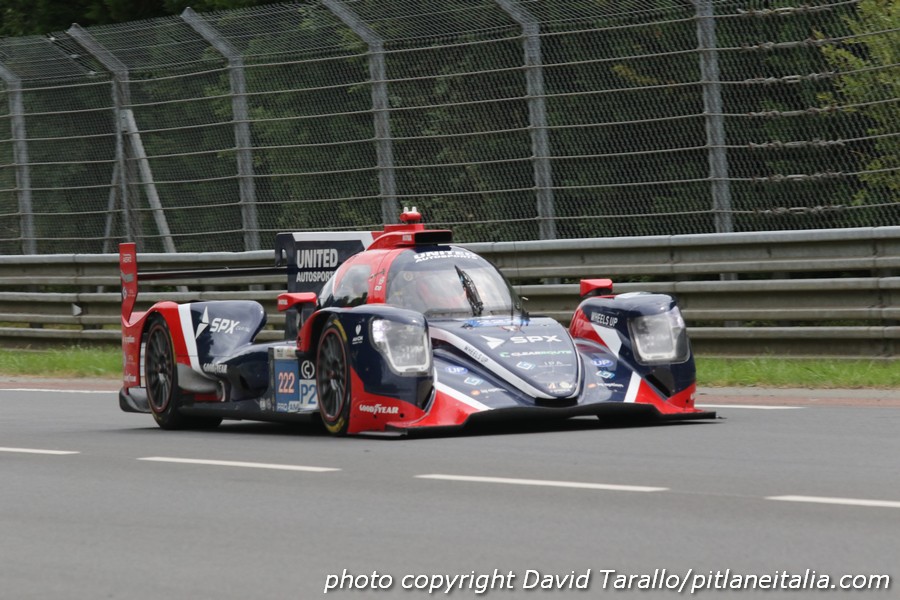
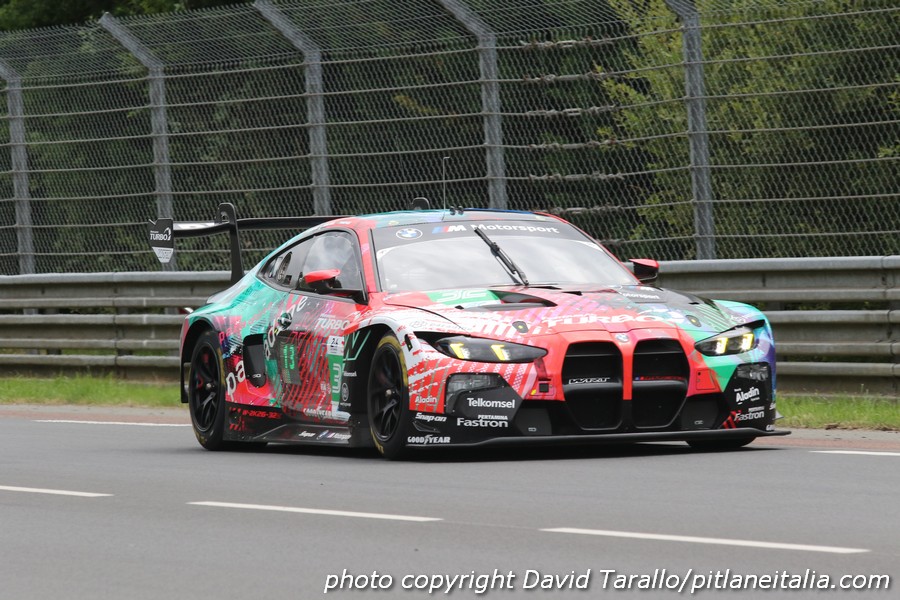
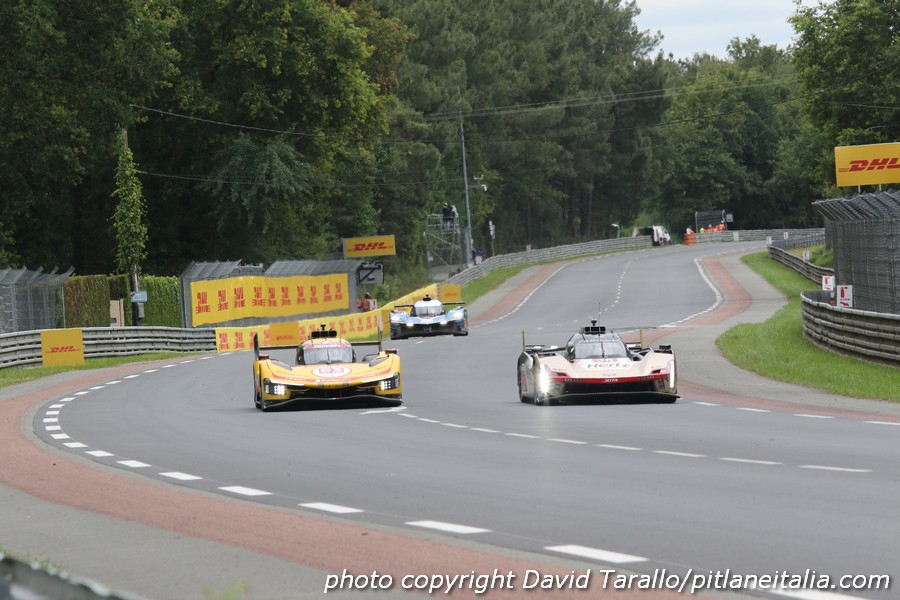
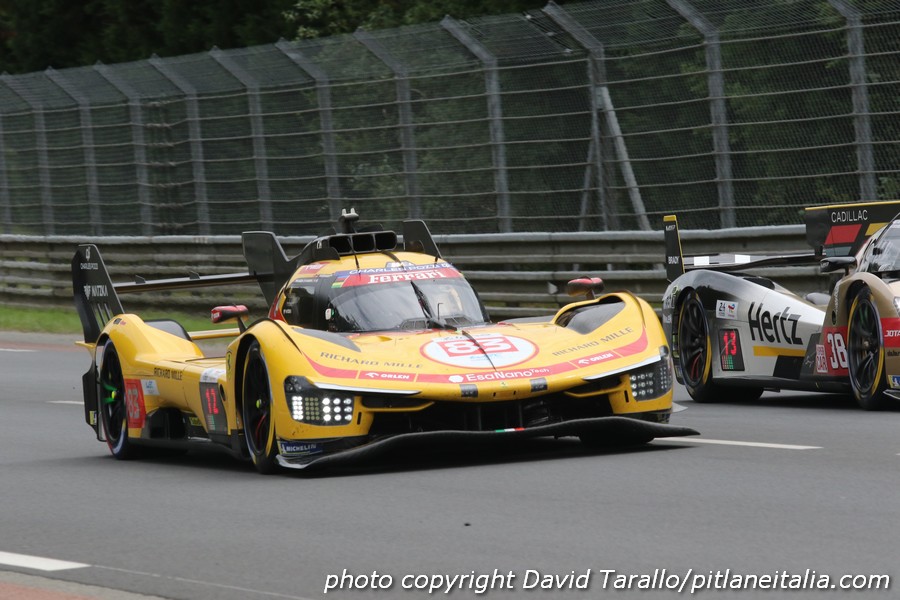
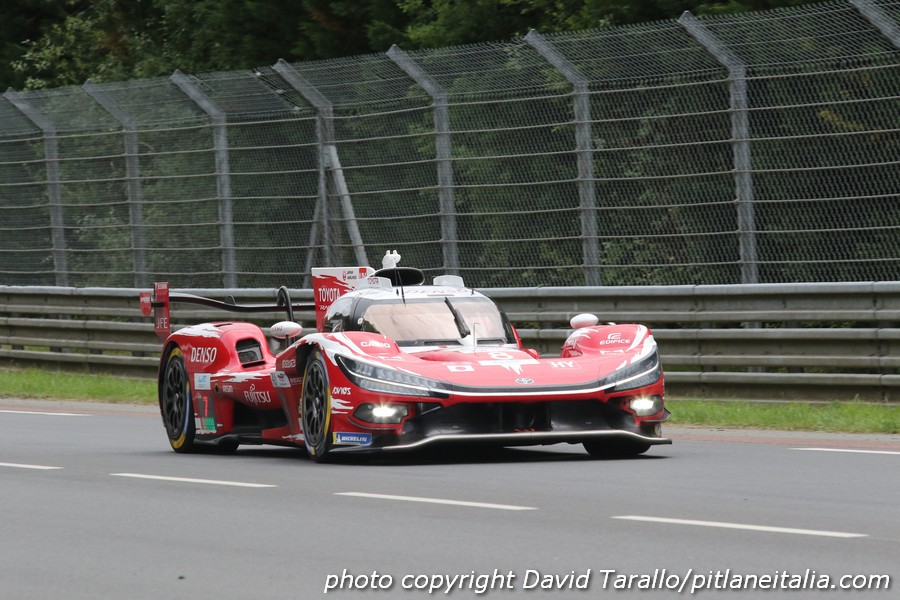
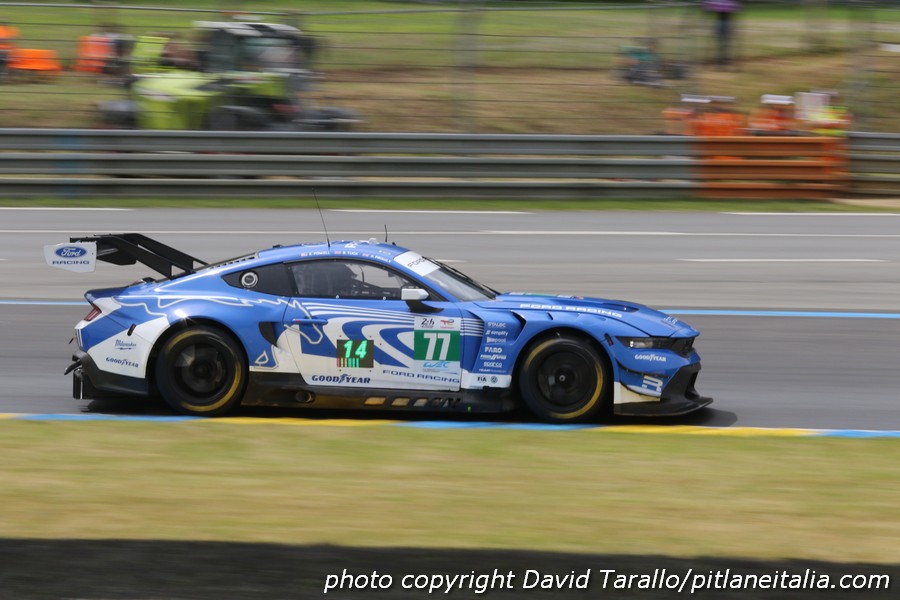
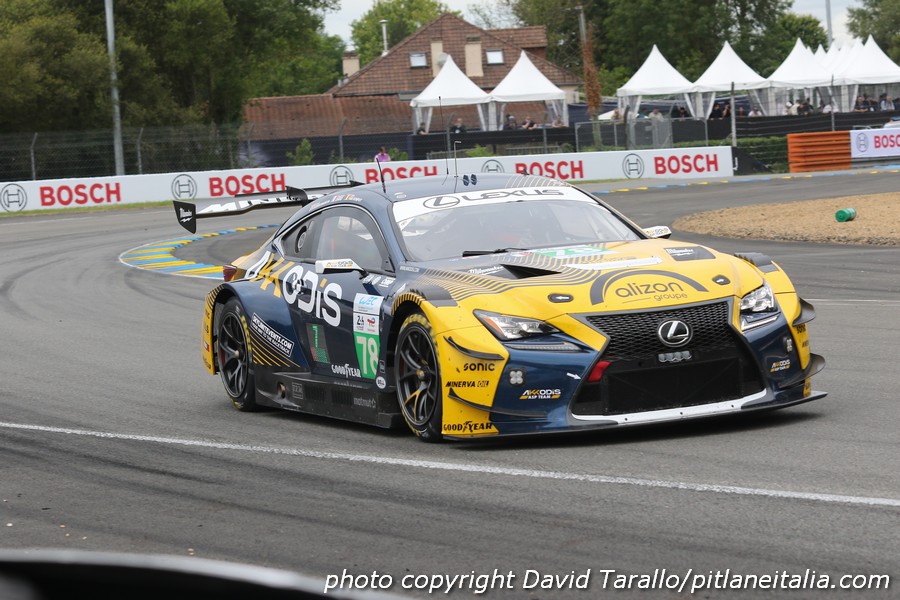
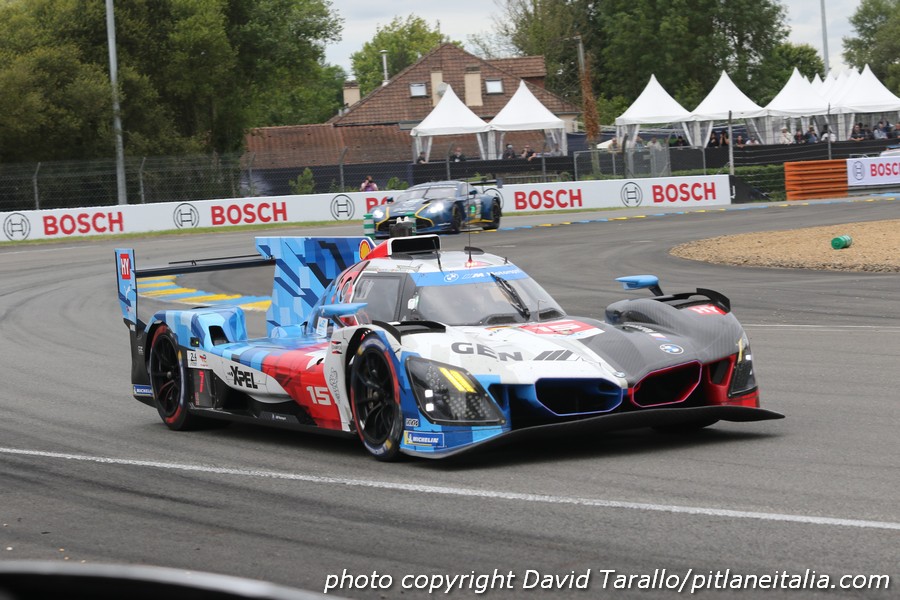
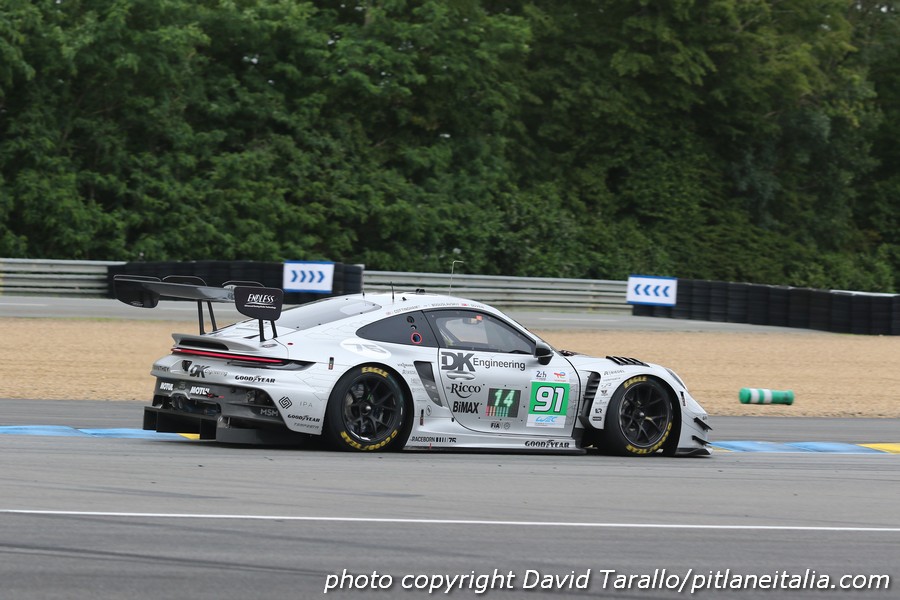
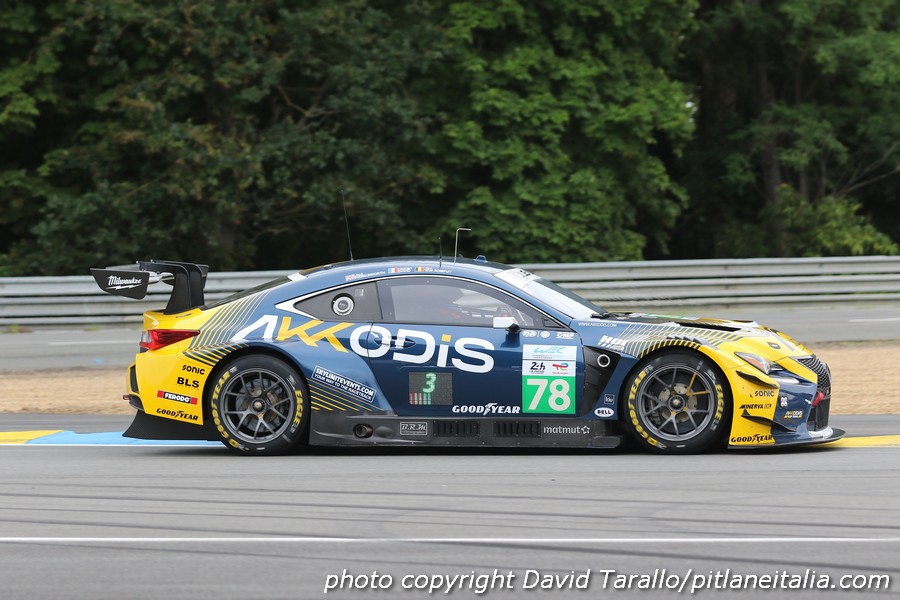
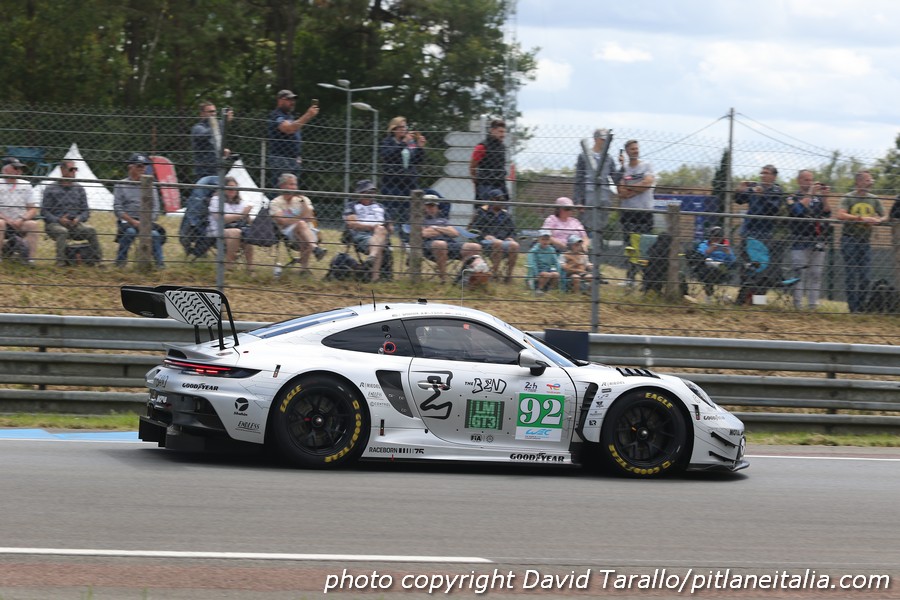
Photo copyright by David Tarallo/pitlaneitalia.com
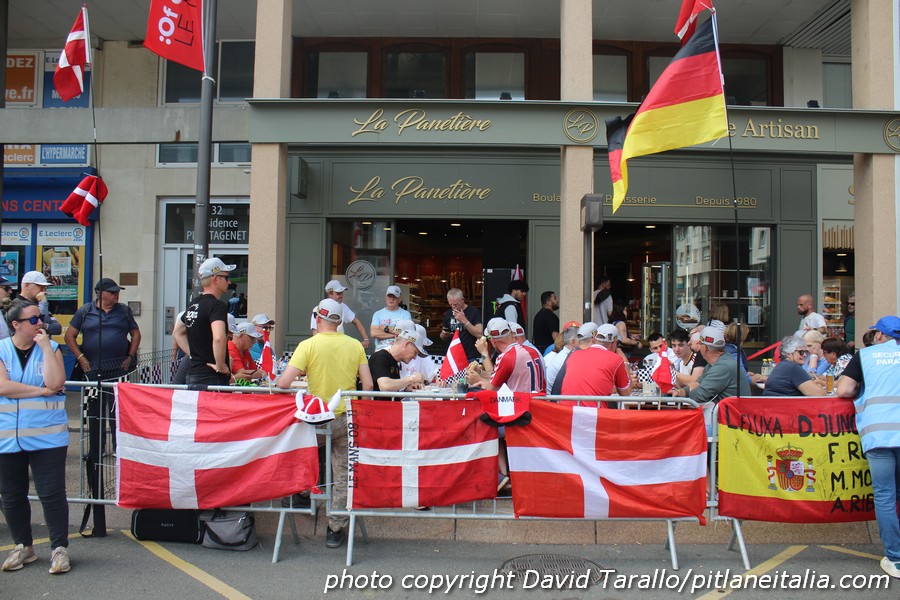
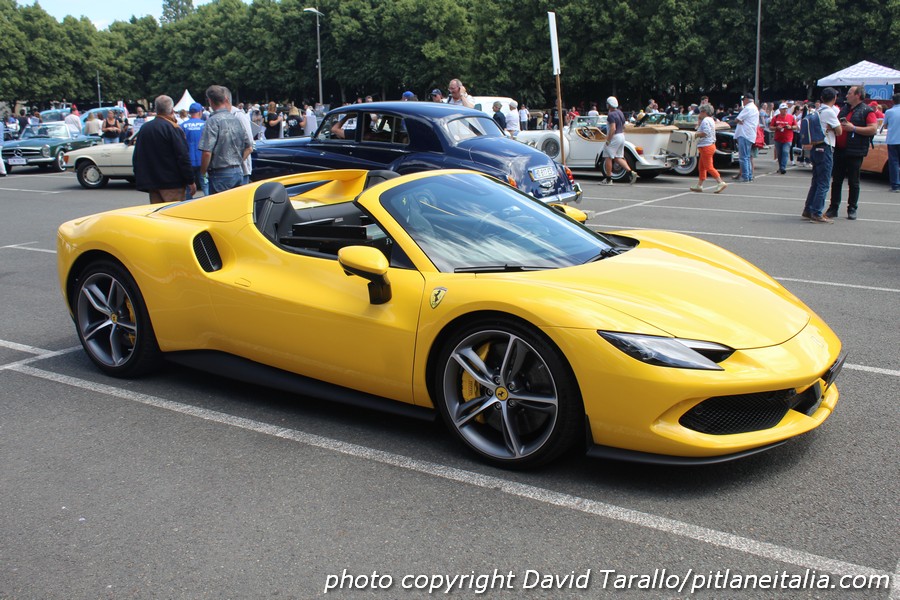
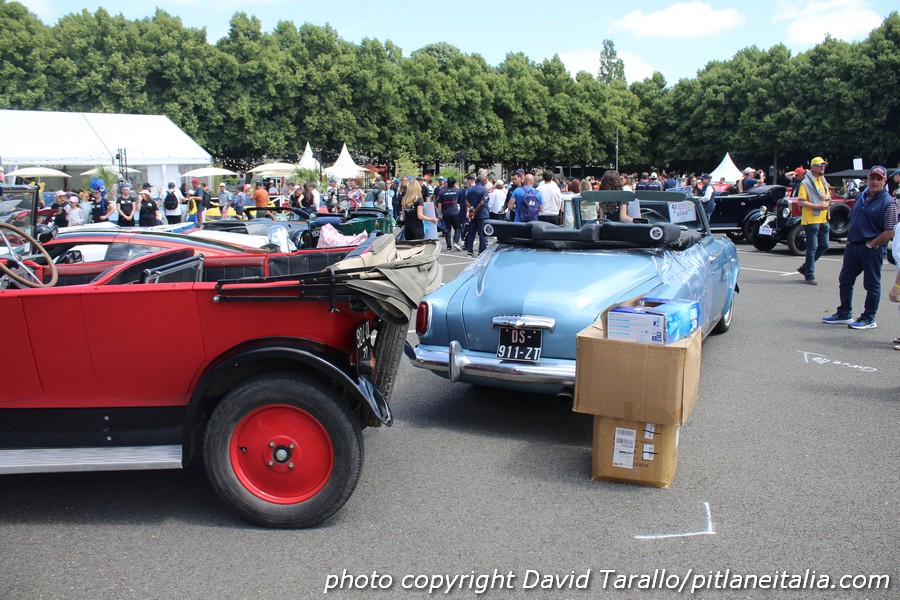
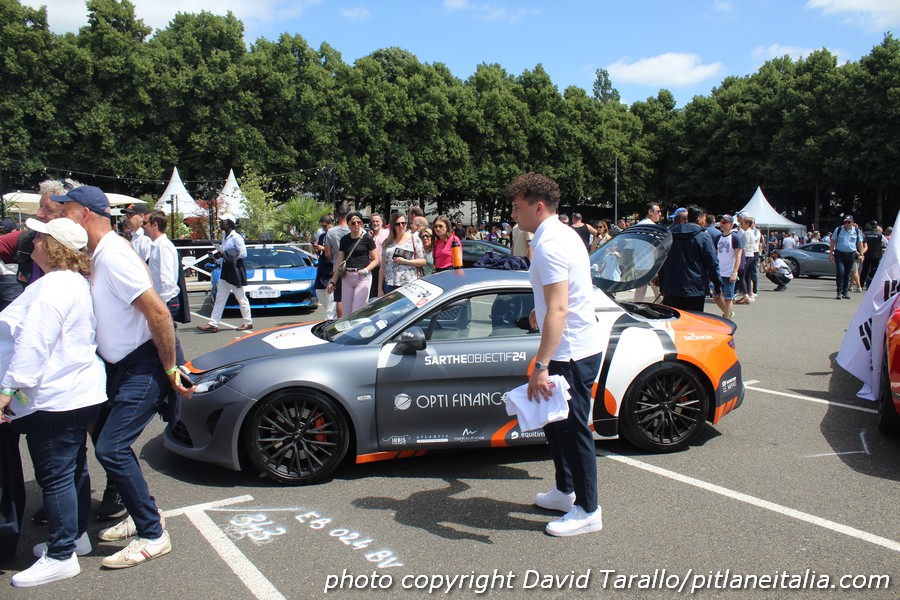
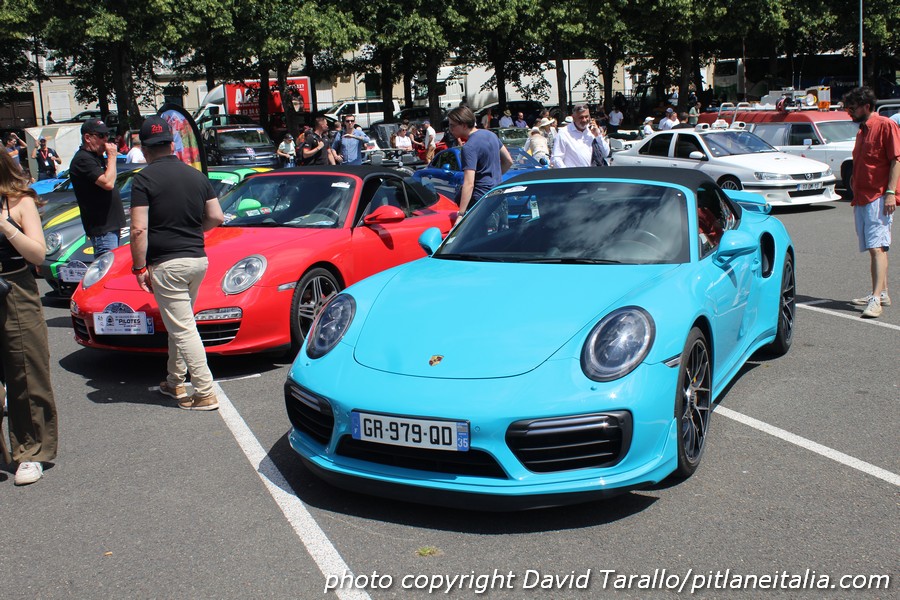
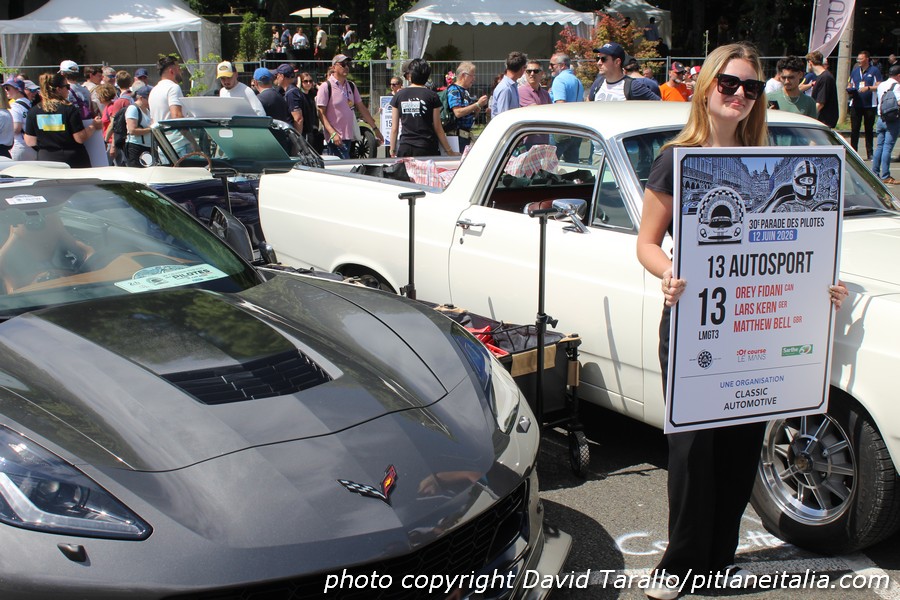
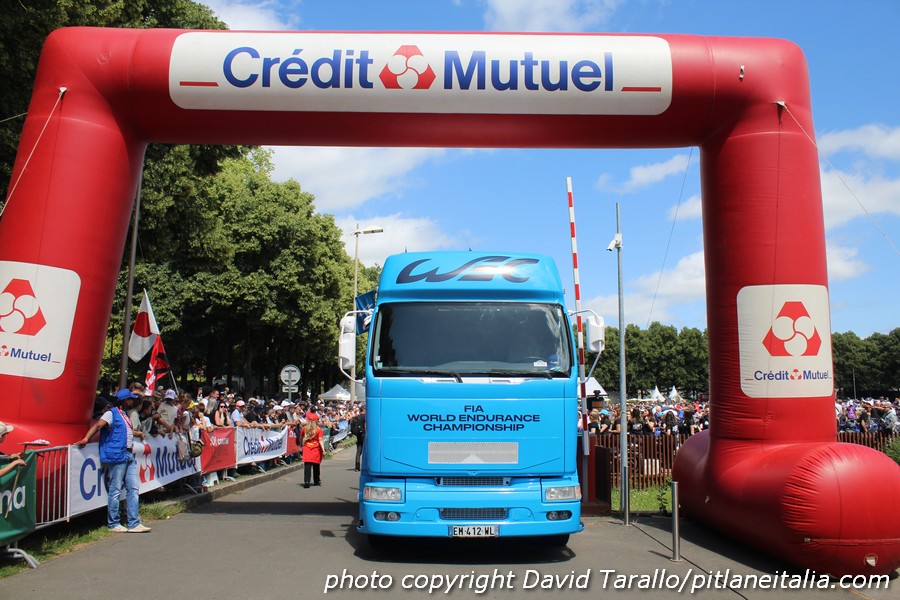
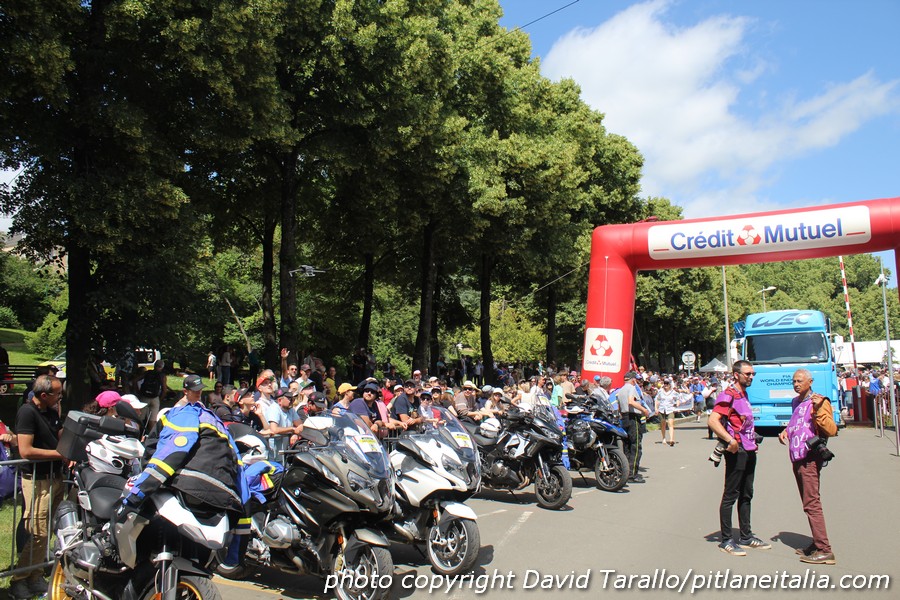
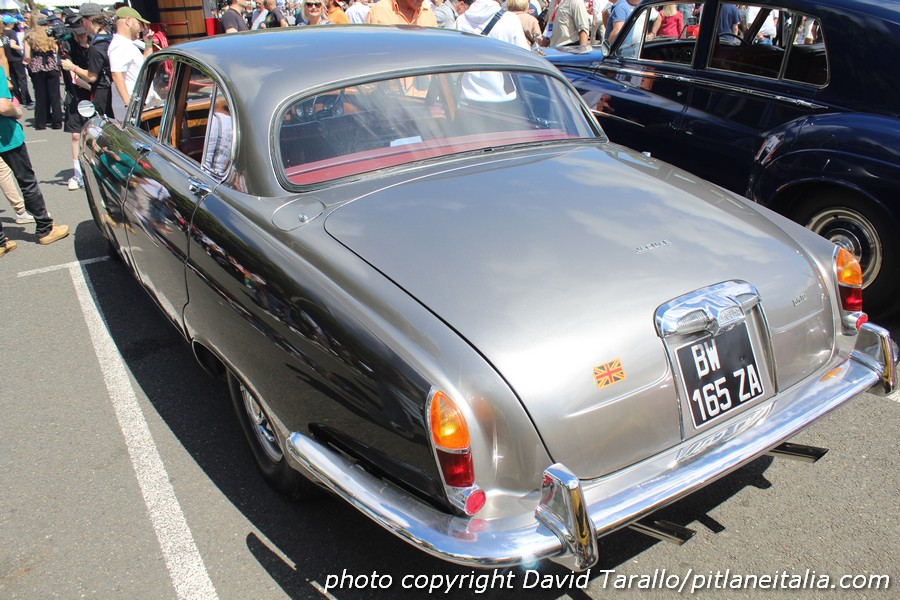
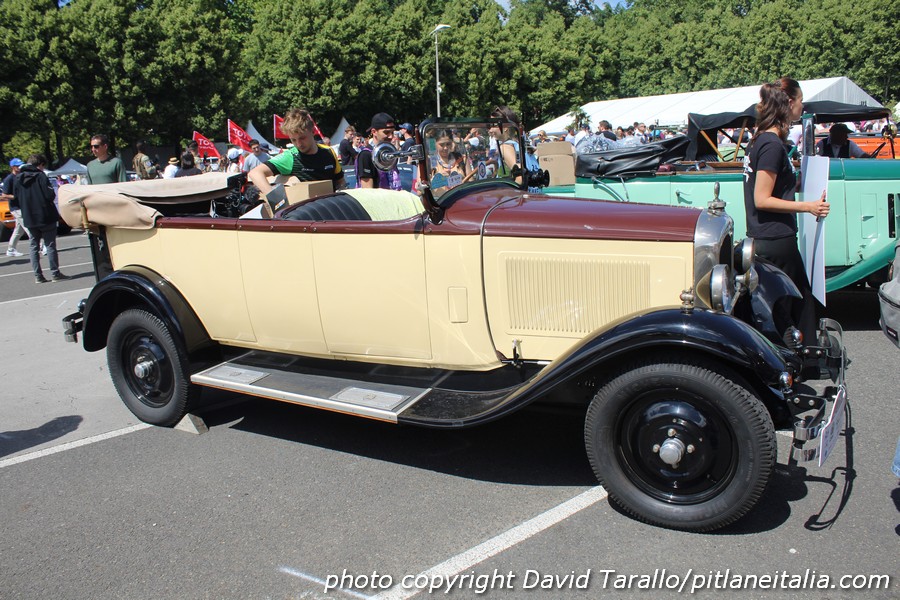
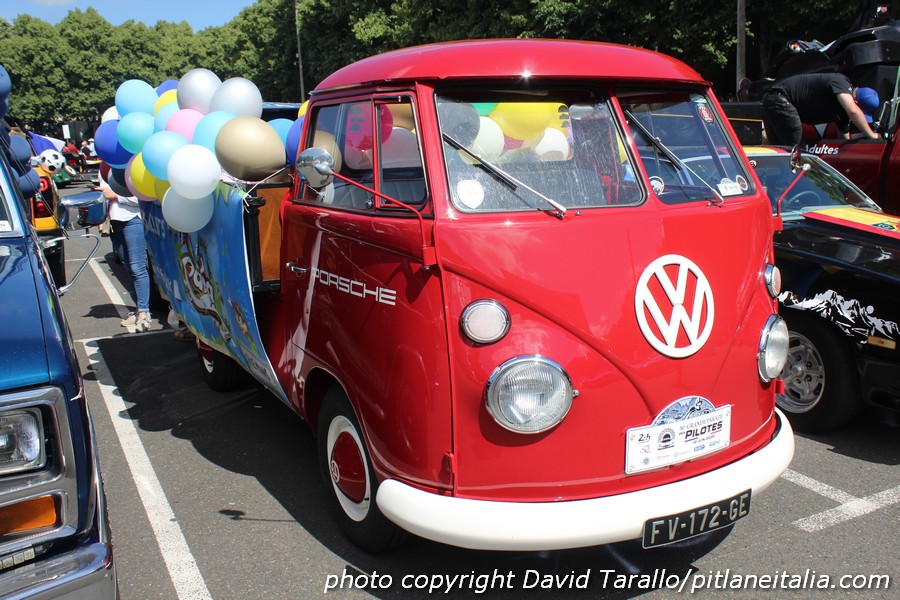
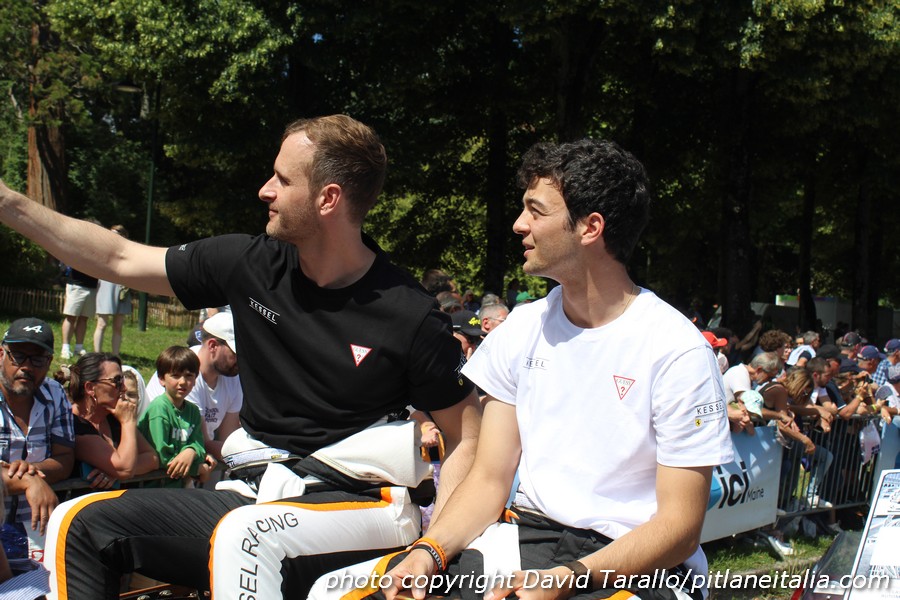
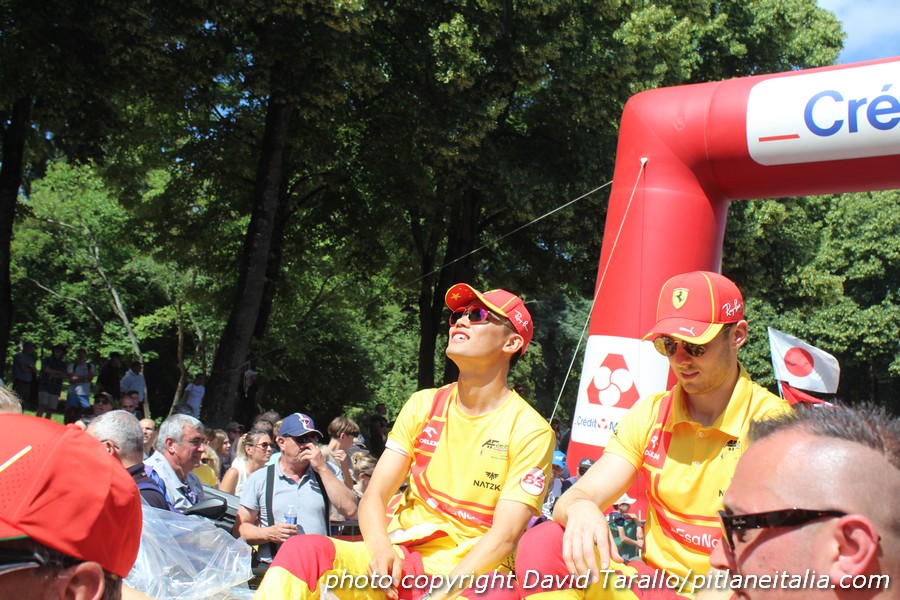
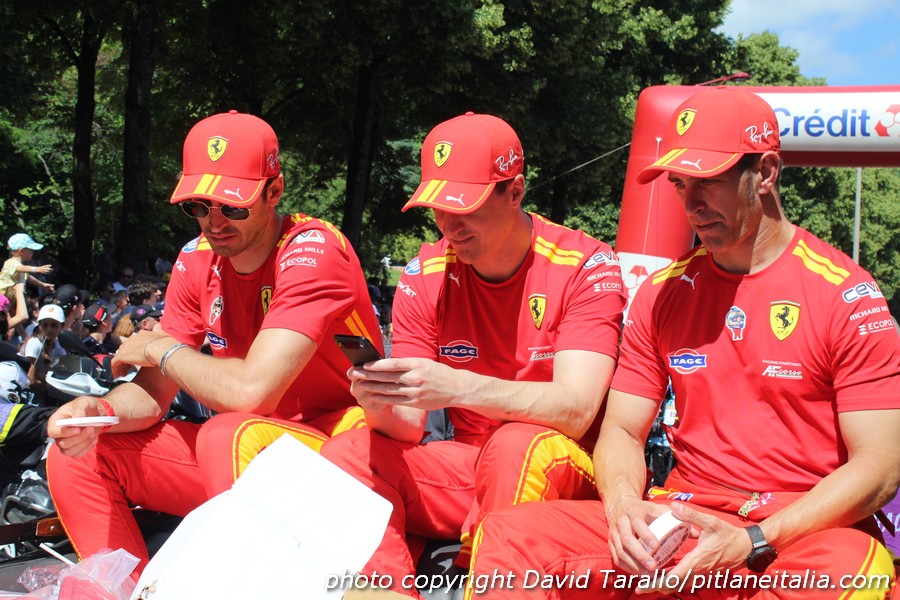
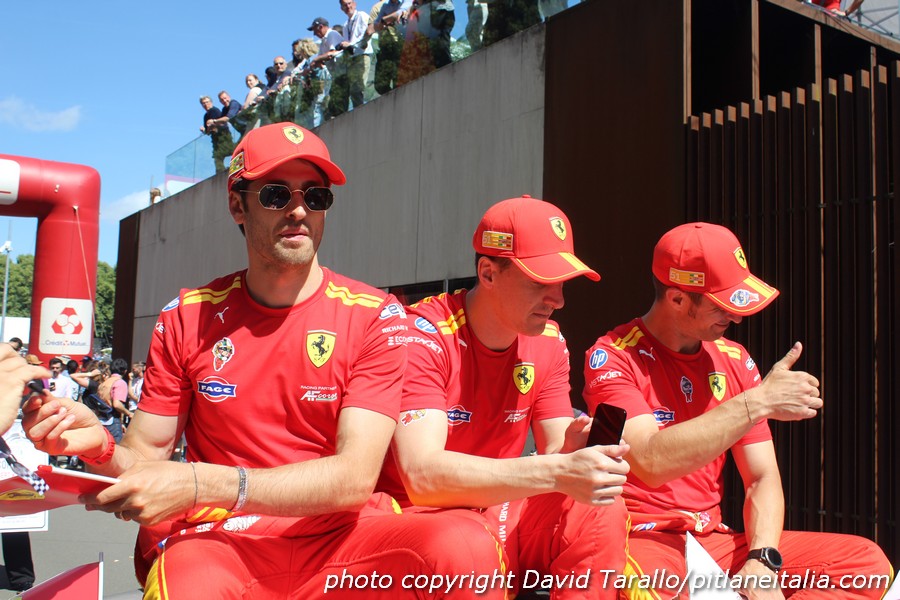
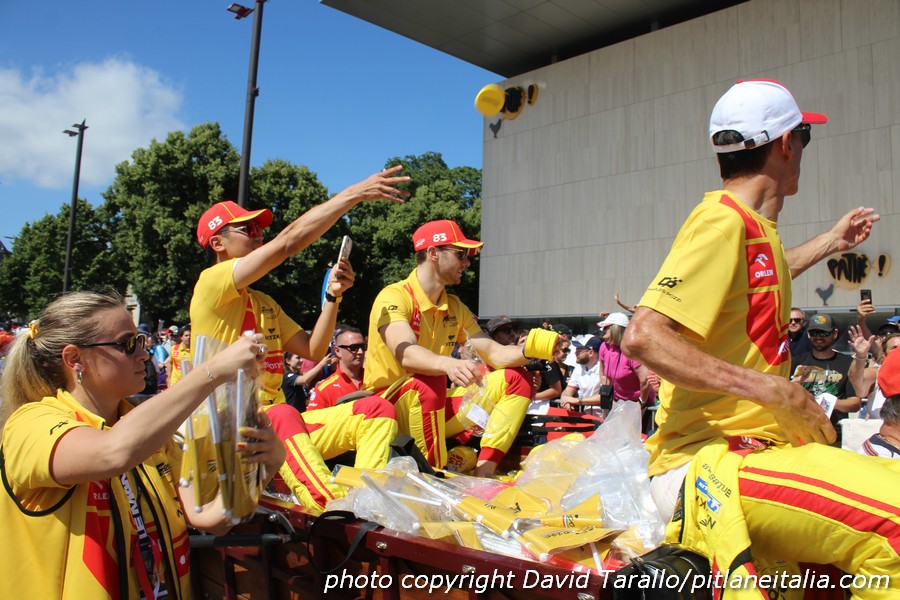
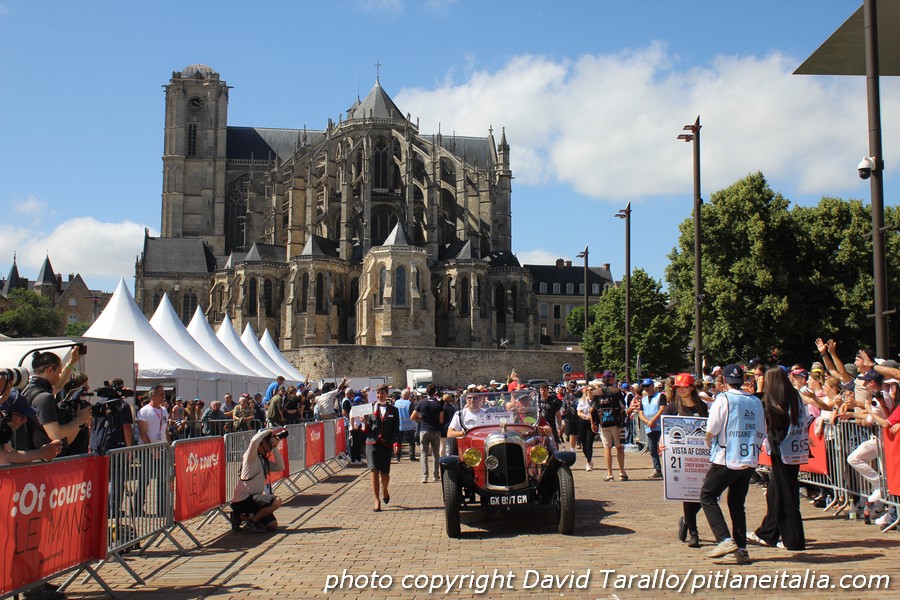
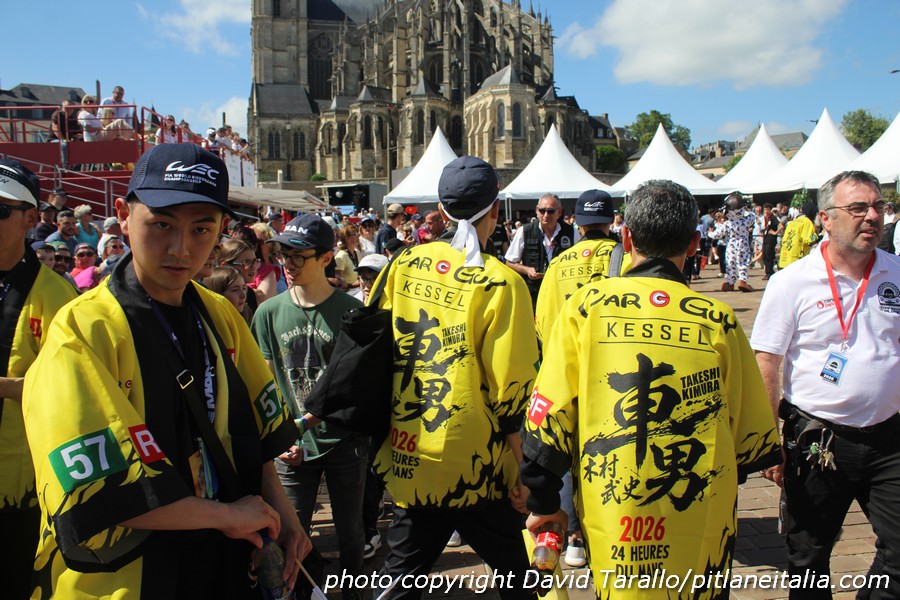
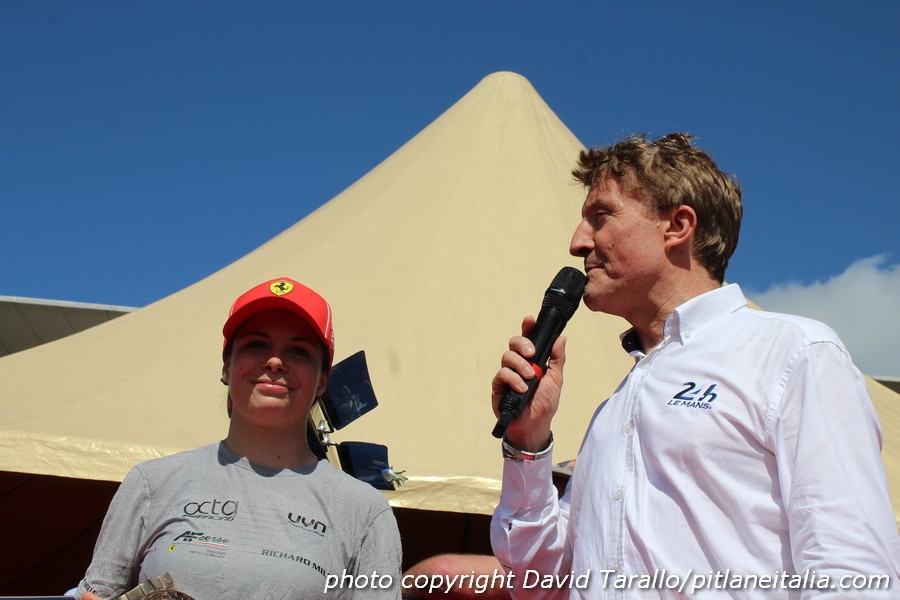
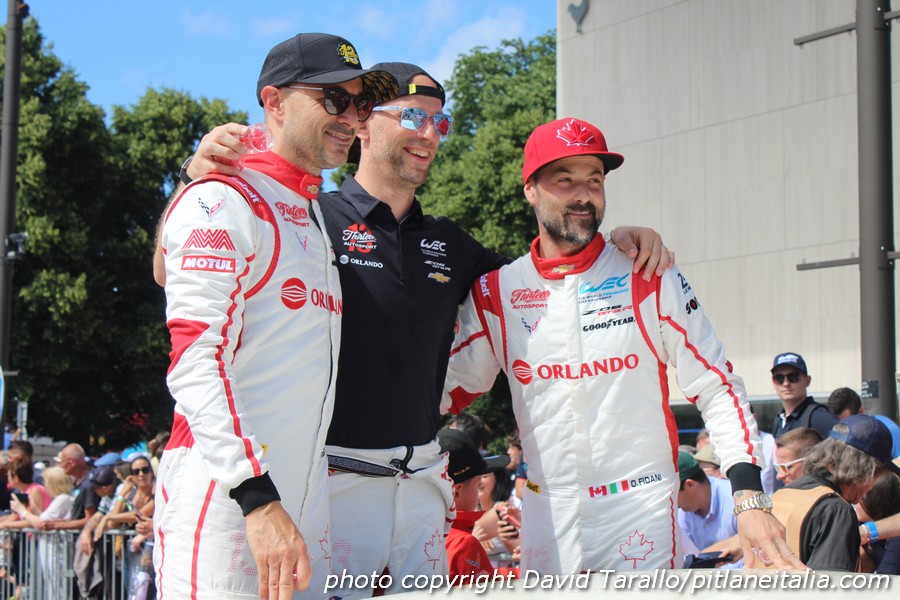
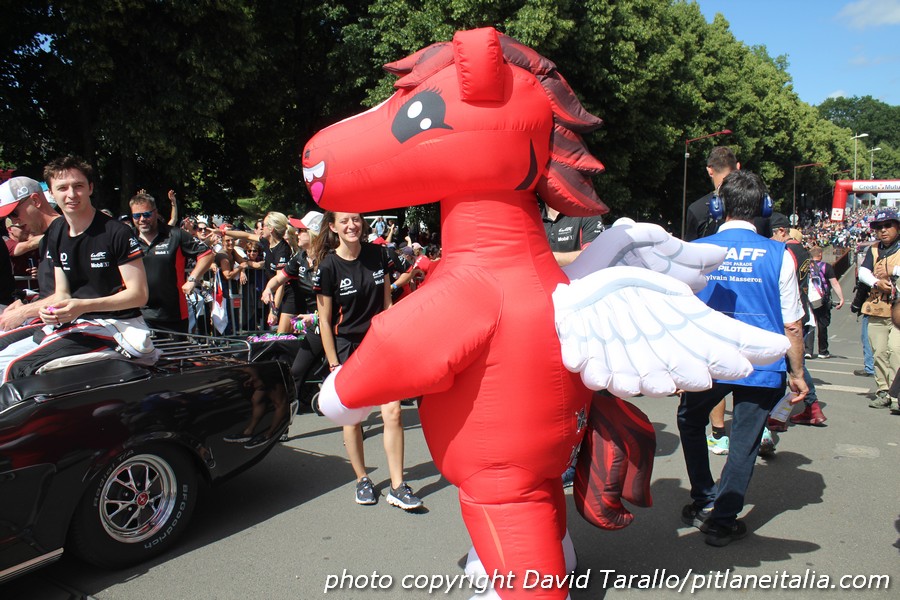
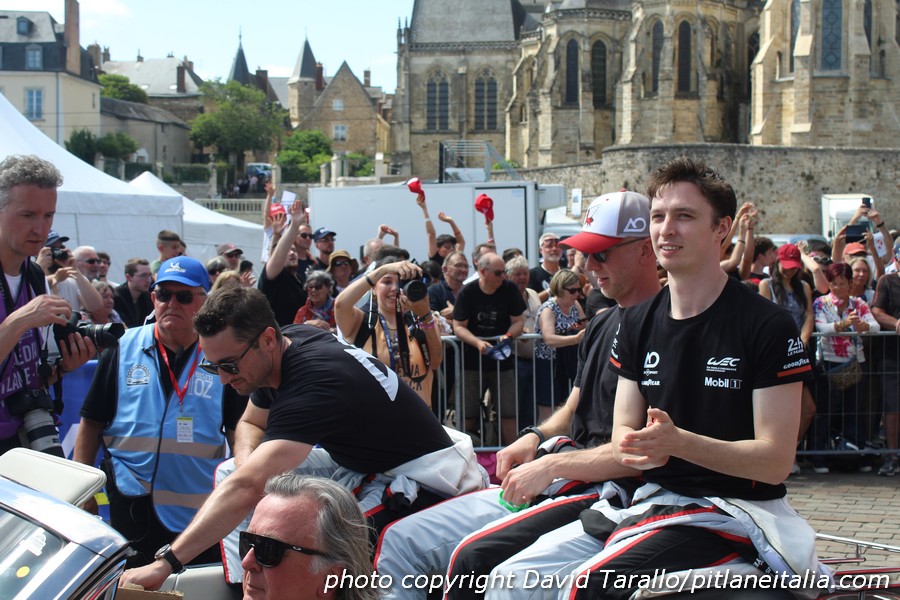
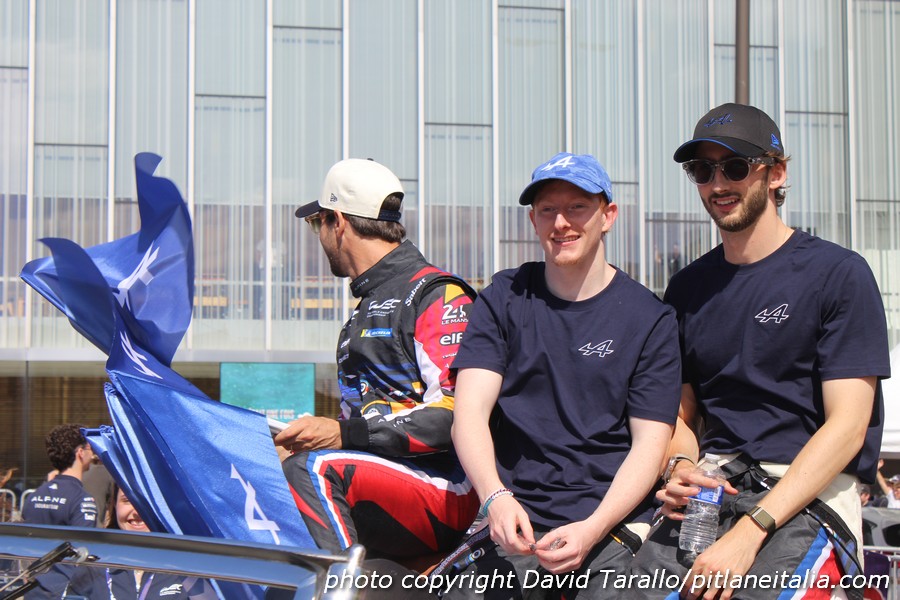
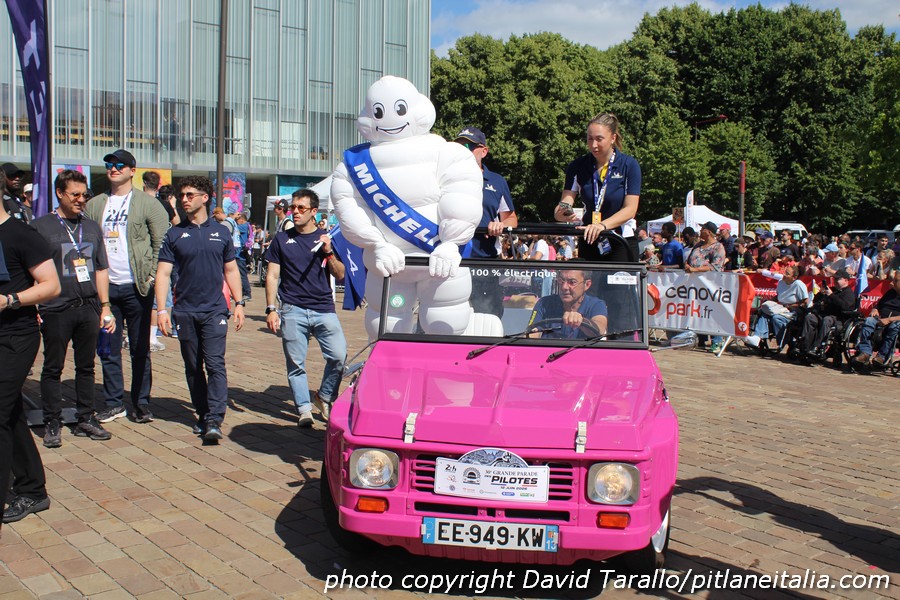
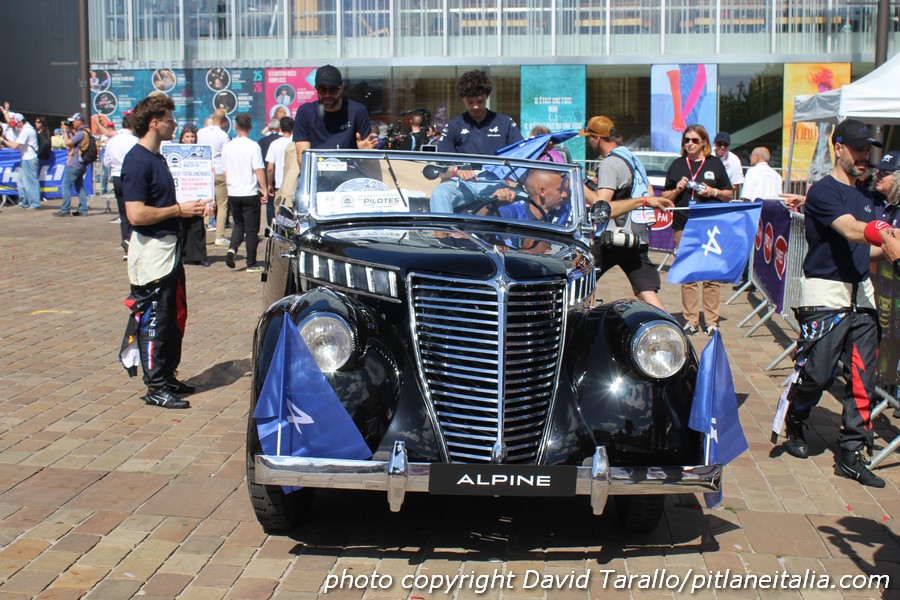
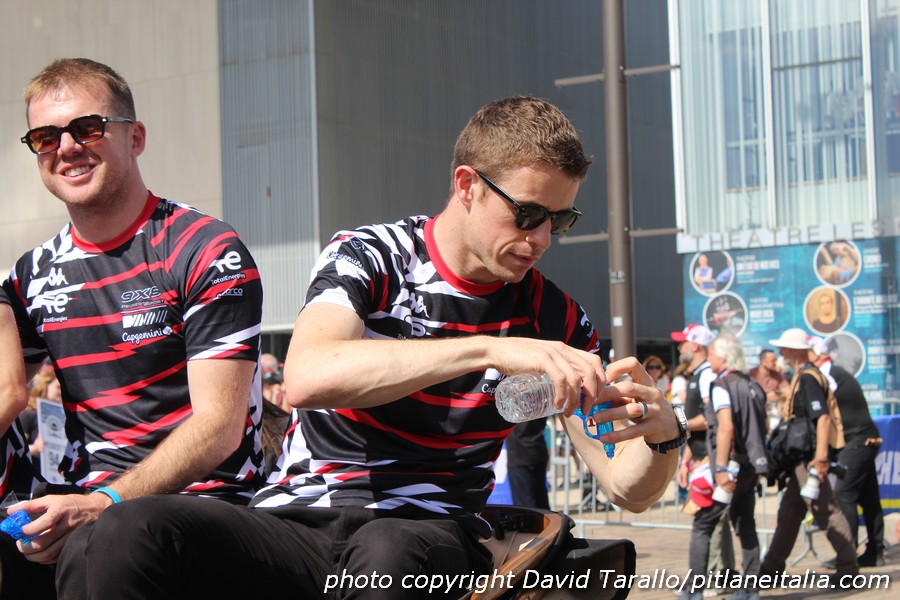
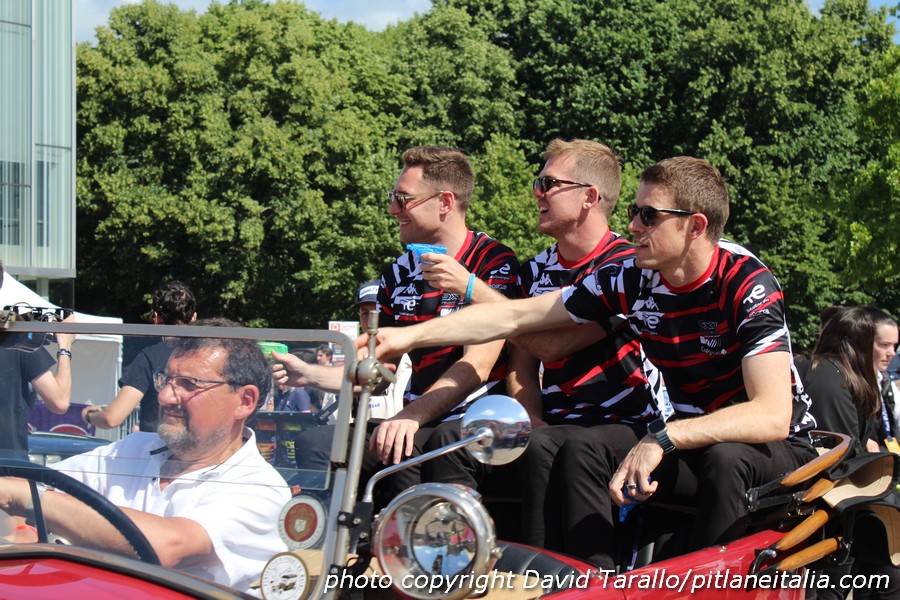
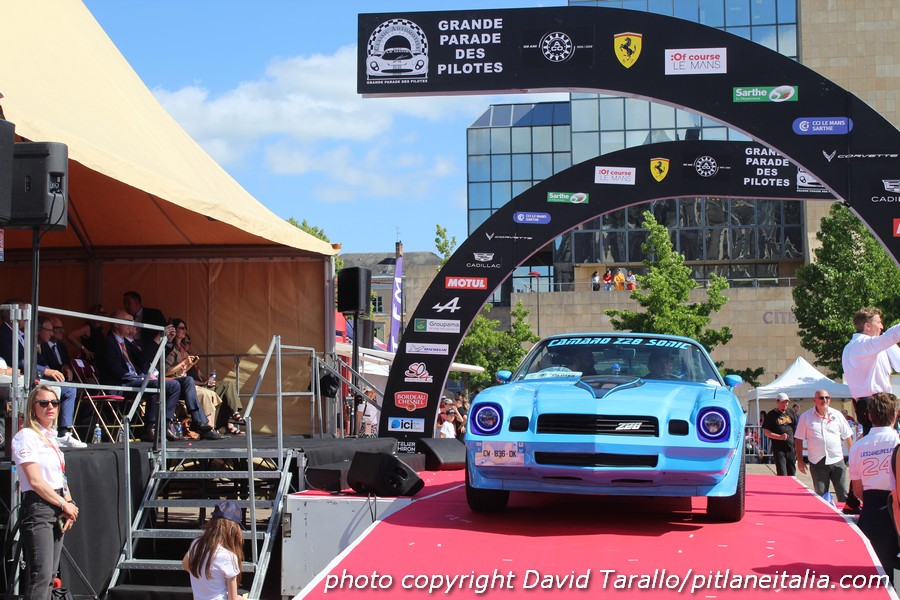
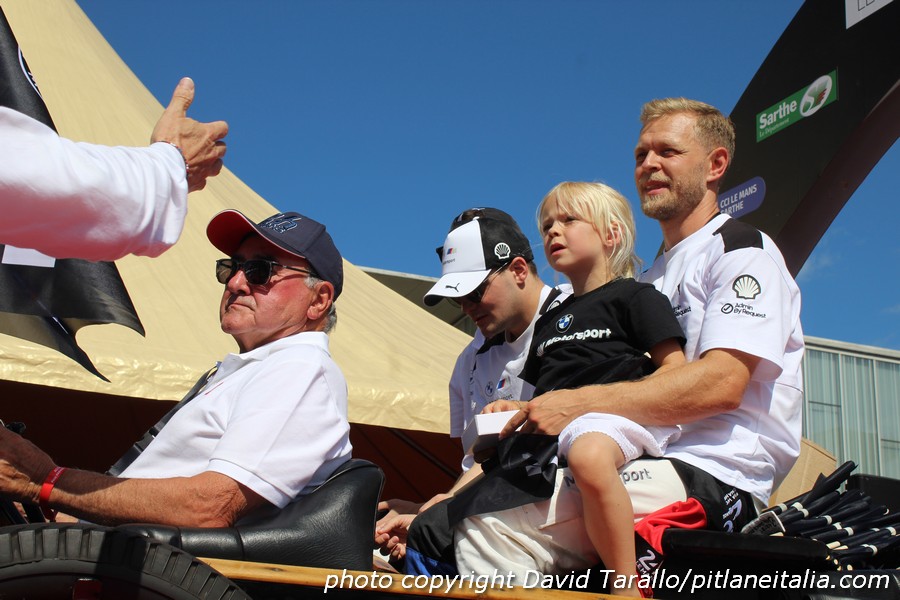
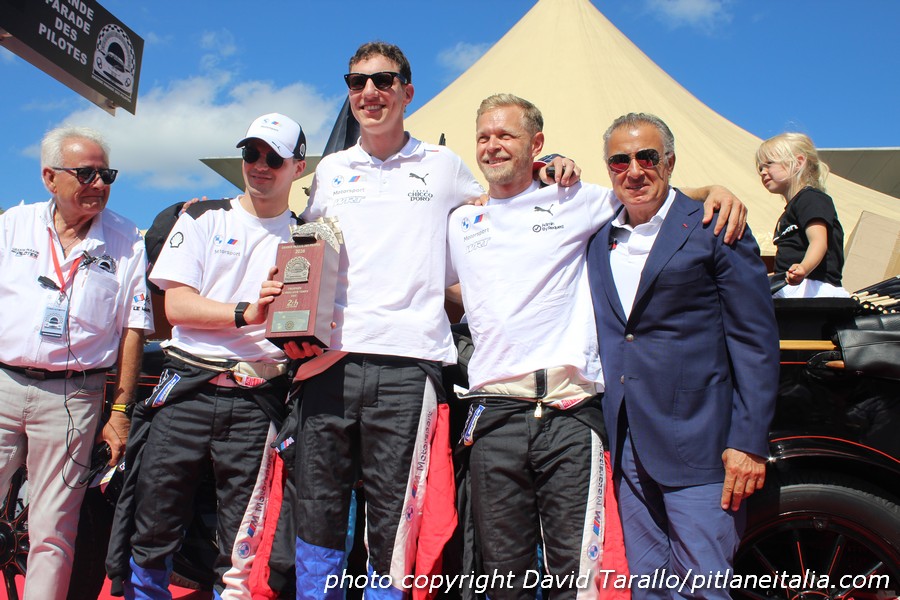
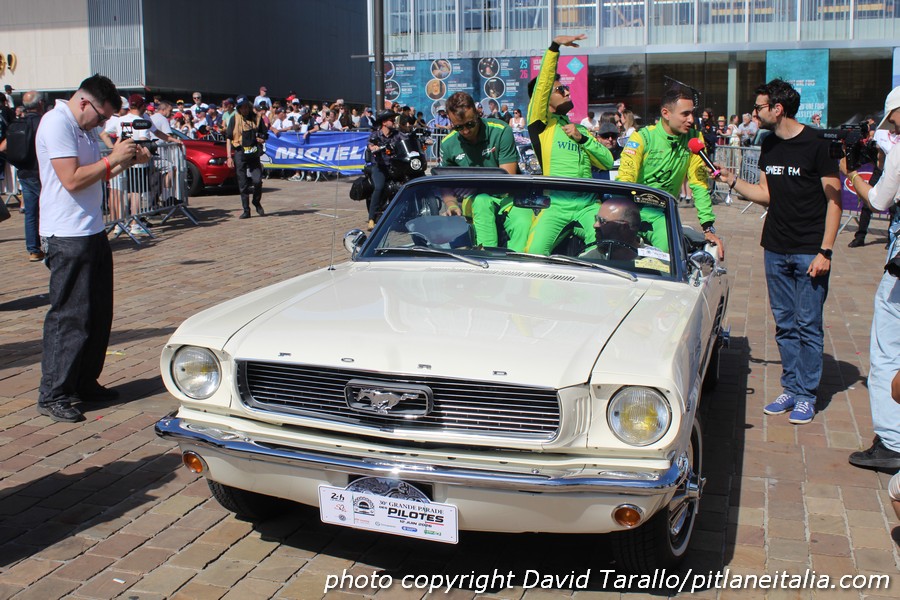
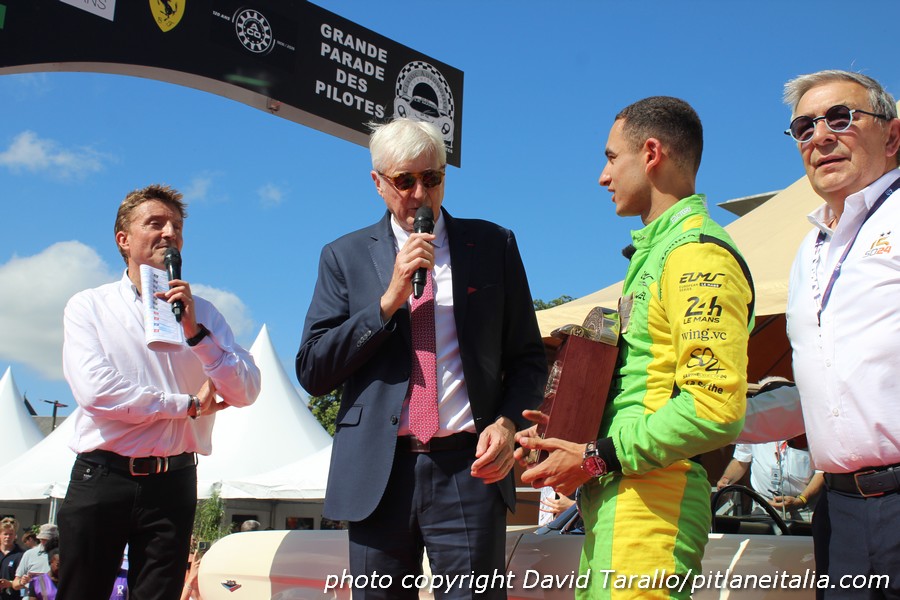
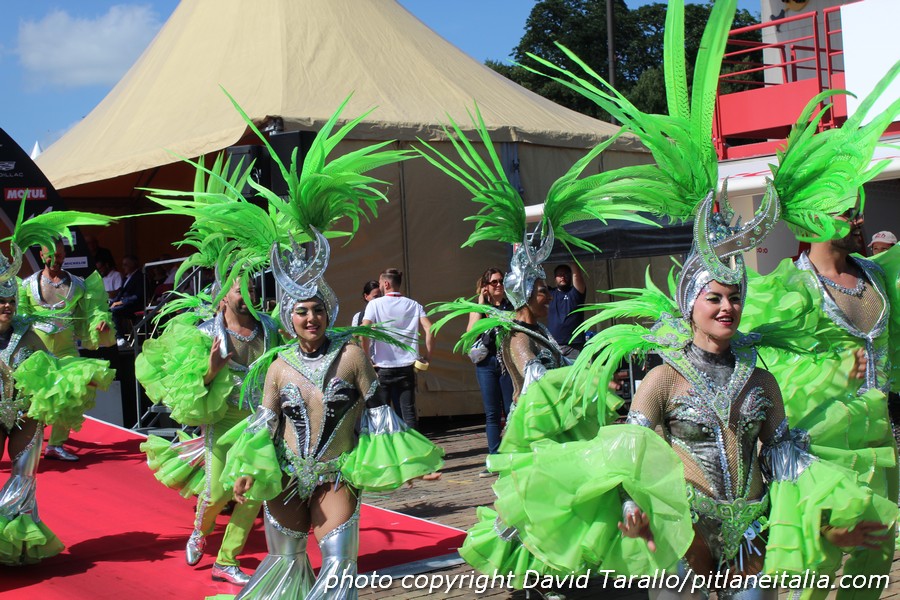
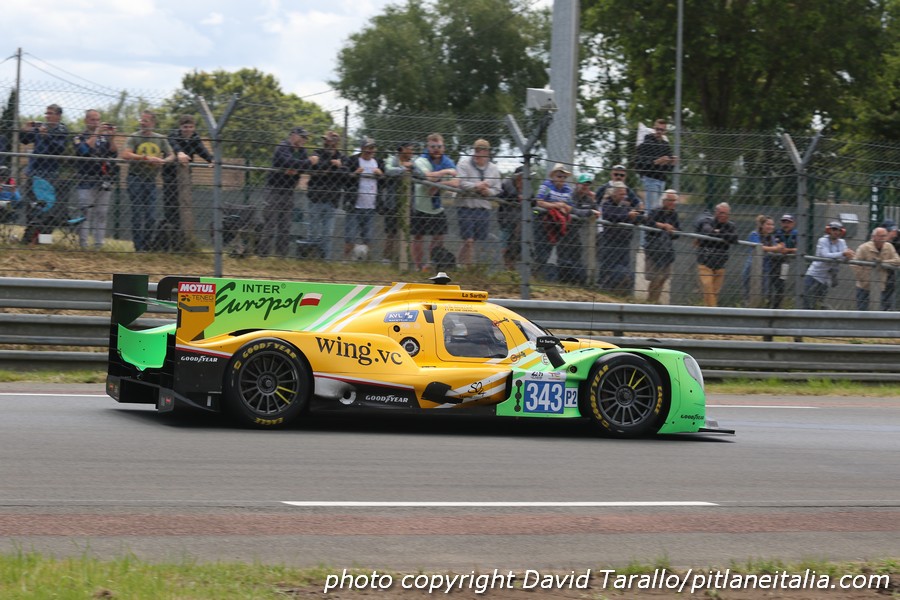
Photo copyright by David Tarallo/pitlaneitalia.com
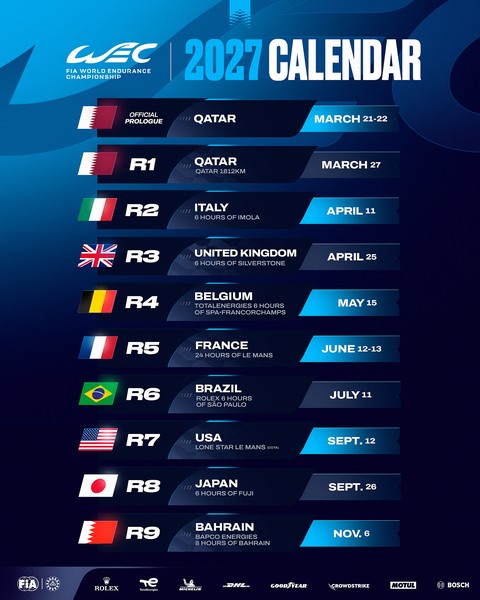
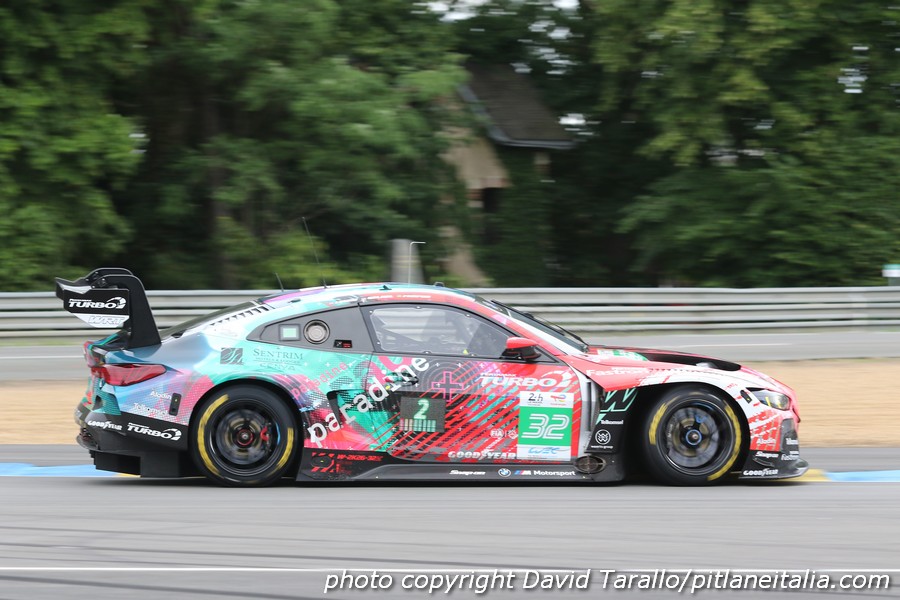
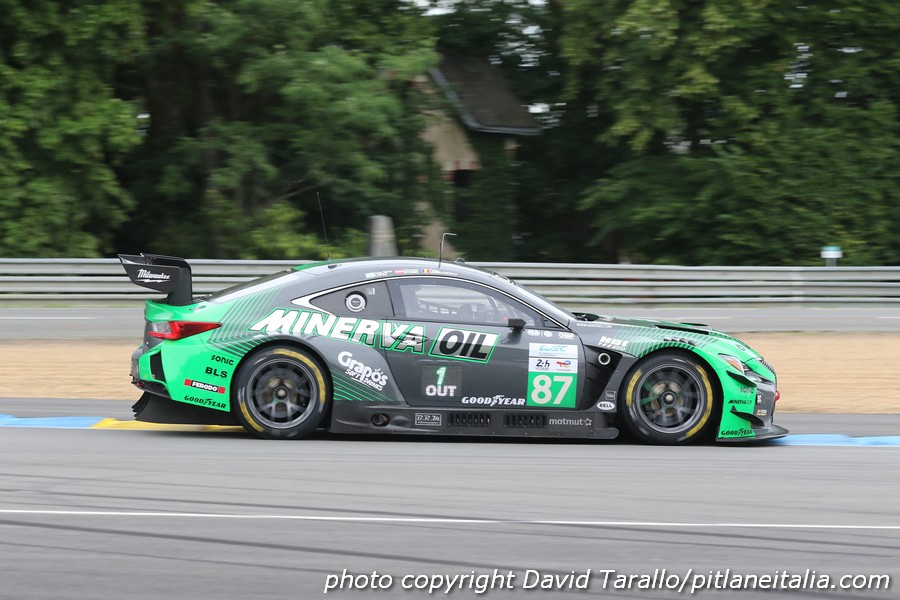
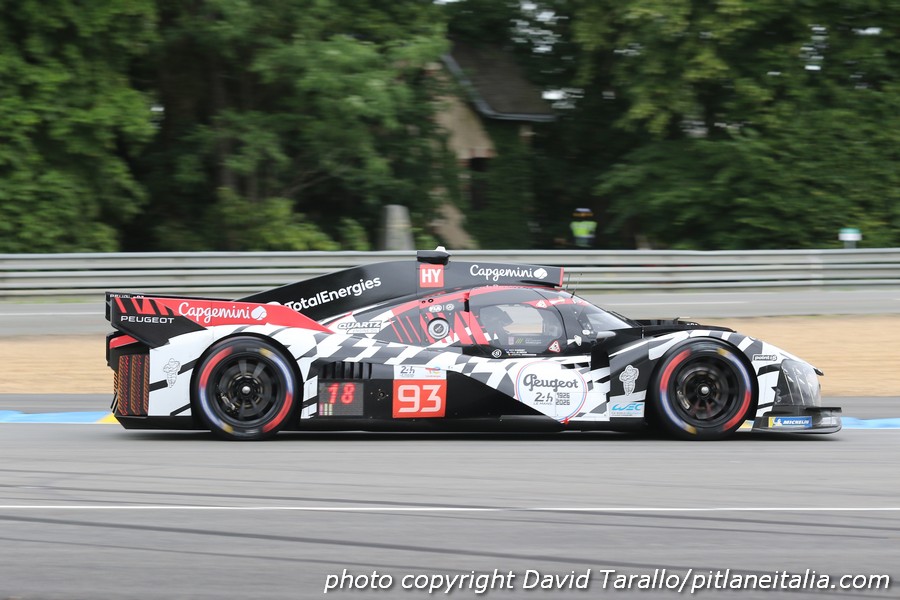
Per la prima volta in un decennio, il Campionato del Mondo Endurance FIA conterà nove appuntamenti nella prossima stagione, in seguito alla pubblicazione odierna del calendario 2027 della serie.
Mentre il FIA WEC continua a crescere e rafforzarsi, il calendario ha confermato tutte le sue sedi attuali, molte delle quali sono da tempo tra le preferite dagli appassionati, tornando inoltre su un circuito storico dopo un’assenza di otto anni.
L’azione prenderà il via con il tradizionale test collettivo “Prologue” presso il Circuito Internazionale di Lusail alla fine di marzo, prima della gara inaugurale, la Qatar 1812 km, nella quale i concorrenti correranno dalla luce del giorno fino al buio nel tentativo di ottenere un vantaggio fin dalle prime battute della stagione.
Seguirà una serie di quattro appuntamenti europei ravvicinati, a cominciare dalla 6 Ore di Imola in Italia, prima che il FIA WEC faccia ritorno nel Regno Unito per il terzo round, con il popolare rientro di Silverstone nel calendario. Appena due settimane più tardi, la 6 Ore di Spa-Francorchamps in Belgio precederà l’evento di punta della stagione: la 95ª edizione della 24 Ore di Le Mans.
La seconda metà della stagione comprenderà, come negli ultimi anni, quattro gare oltreoceano, con i concorrenti chiamati ad affrontare le diverse sfide proposte dal circuito brasiliano di Interlagos, dal Circuit of the Americas di Austin, in Texas, dal Fuji Speedway in Giappone e dal Bahrain International Circuit in Medio Oriente.
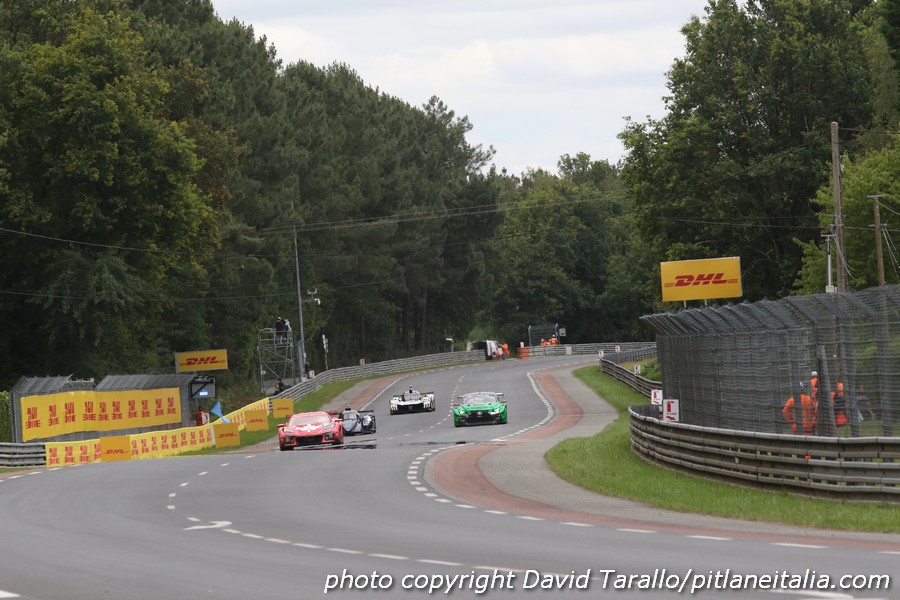
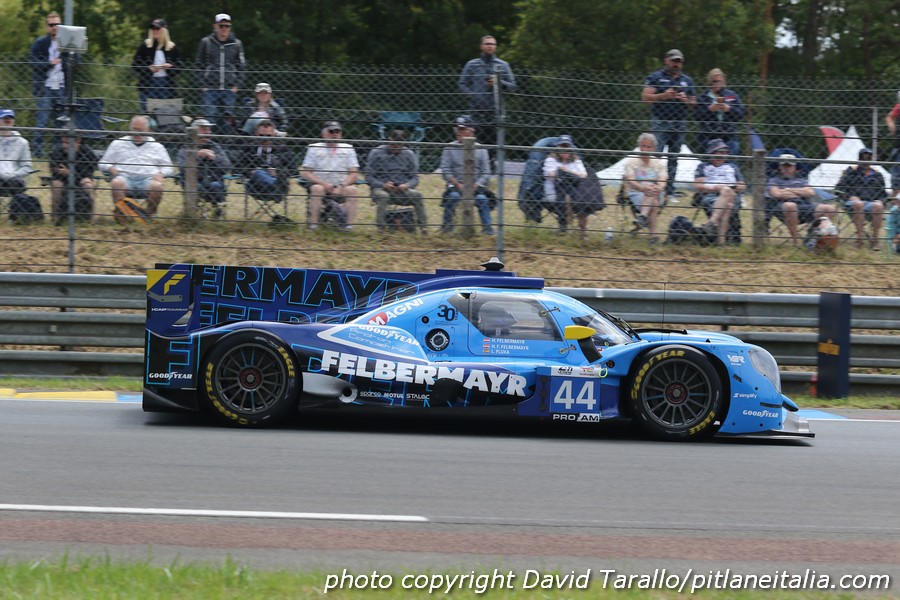
photo copyright by David Tarallo/pitlaneitalia.com
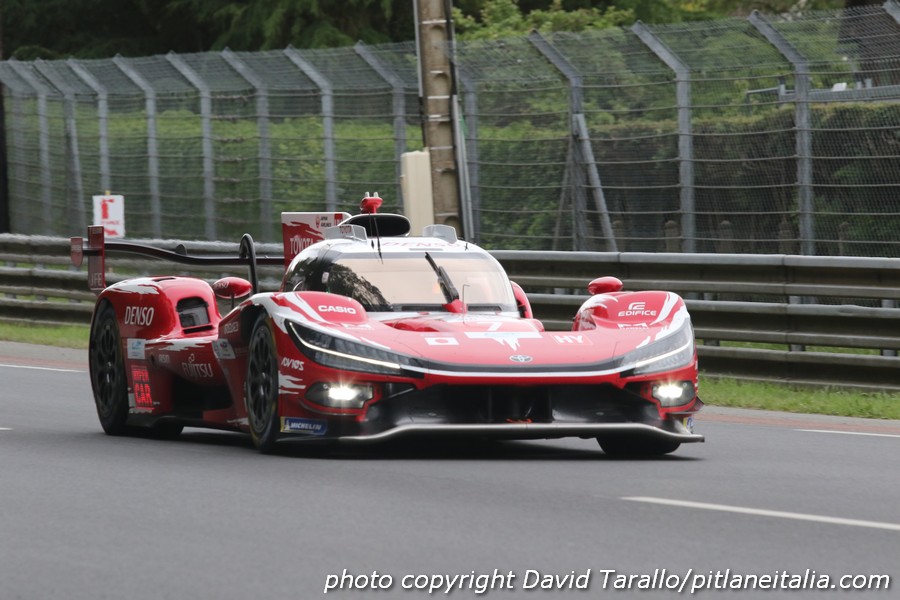
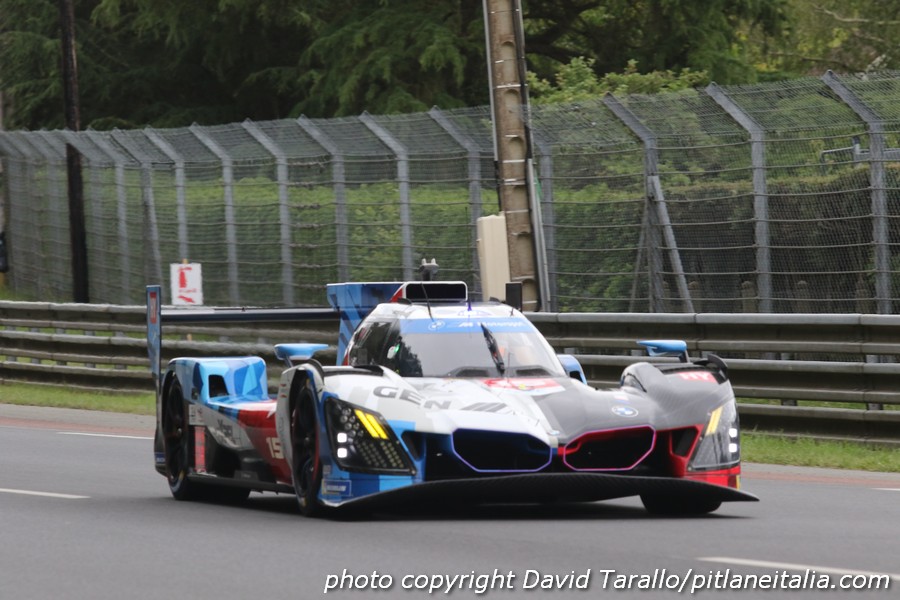
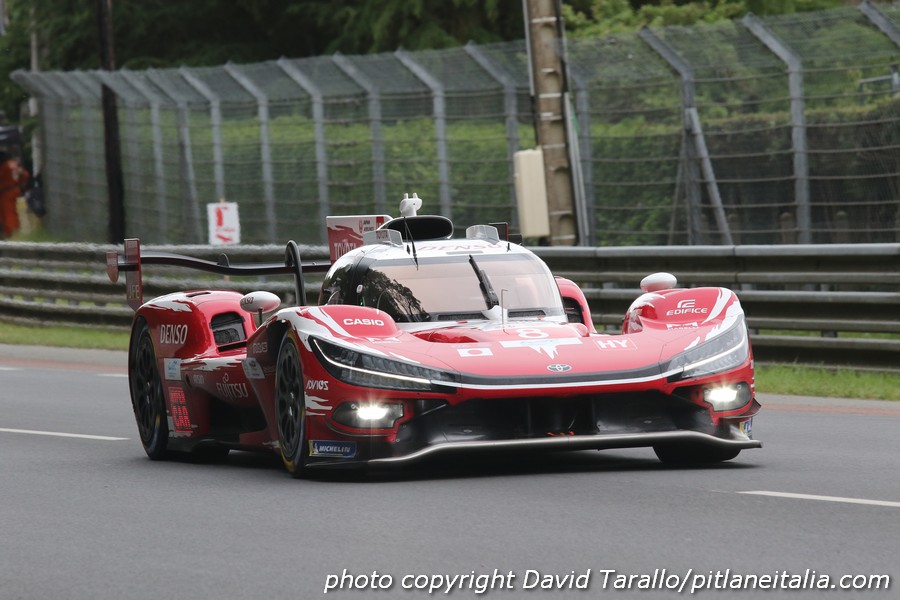
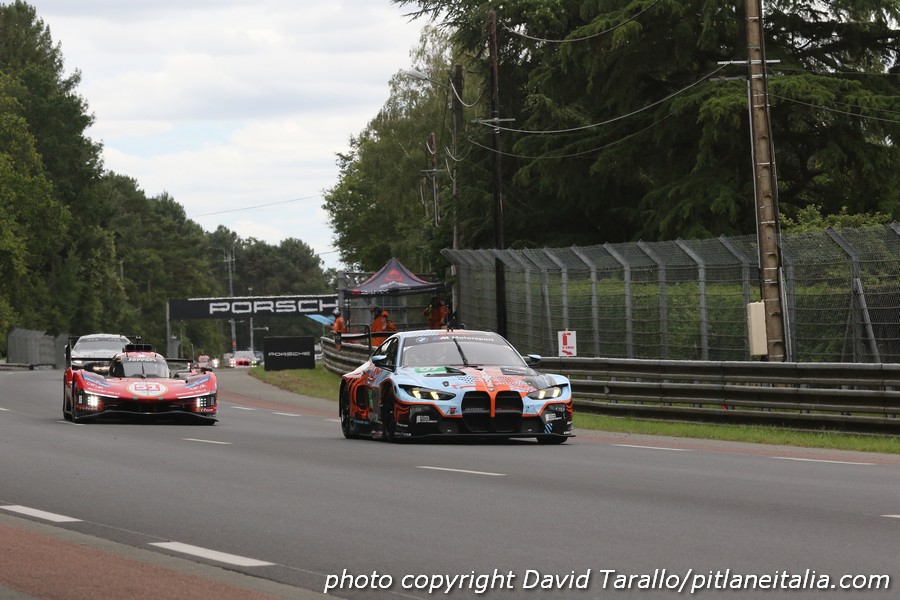
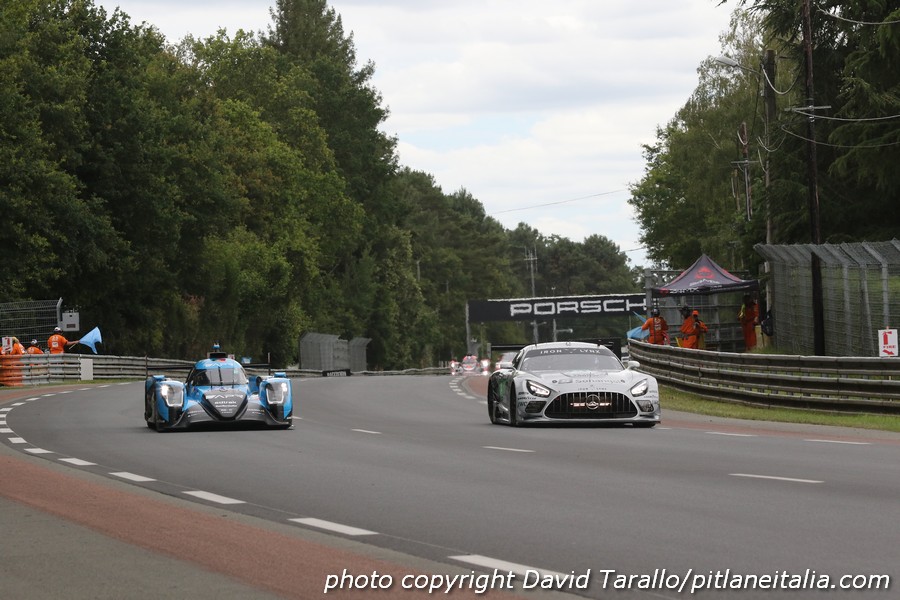
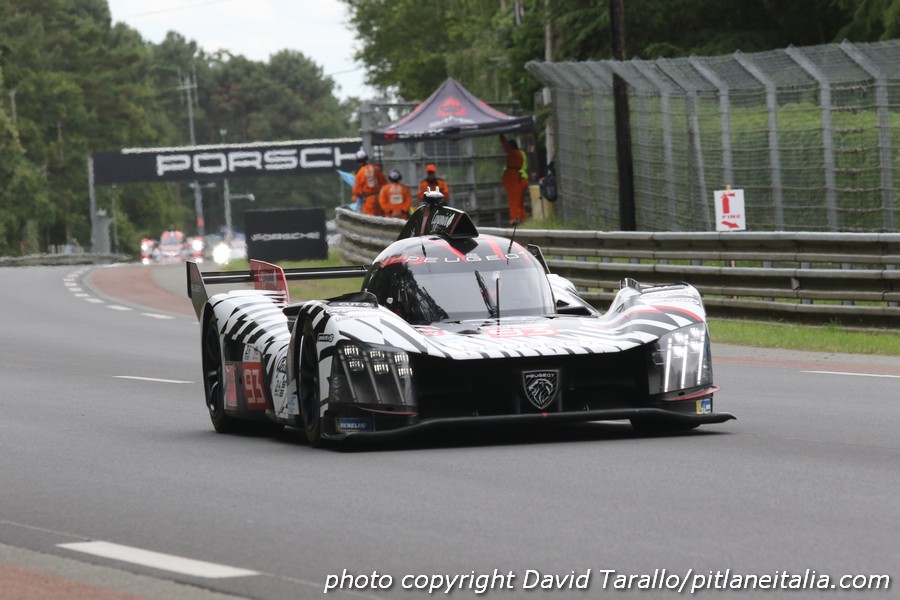
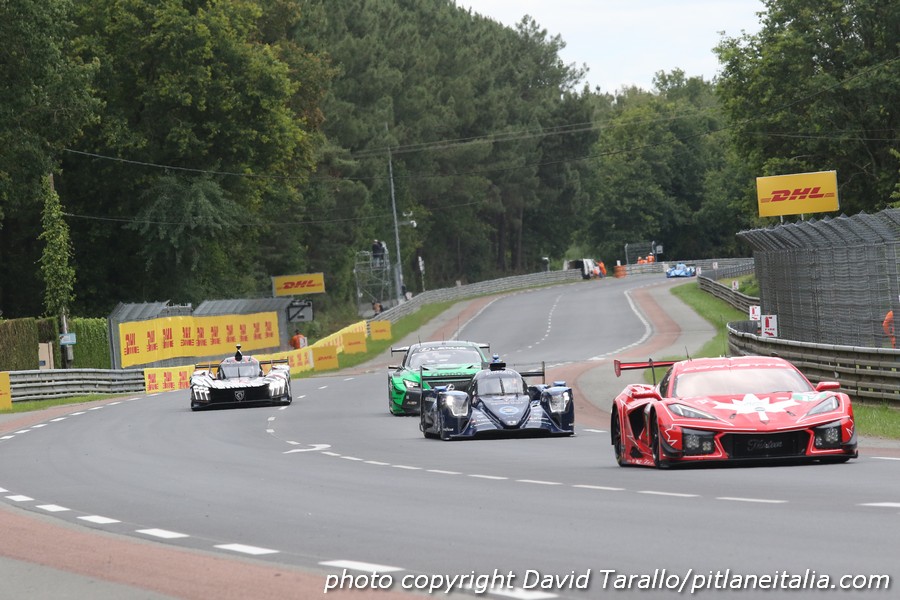
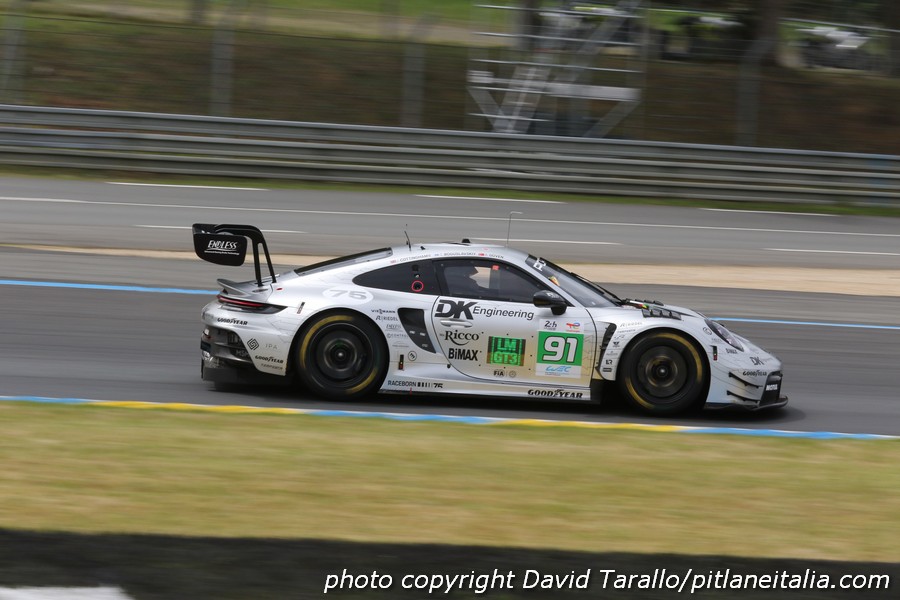
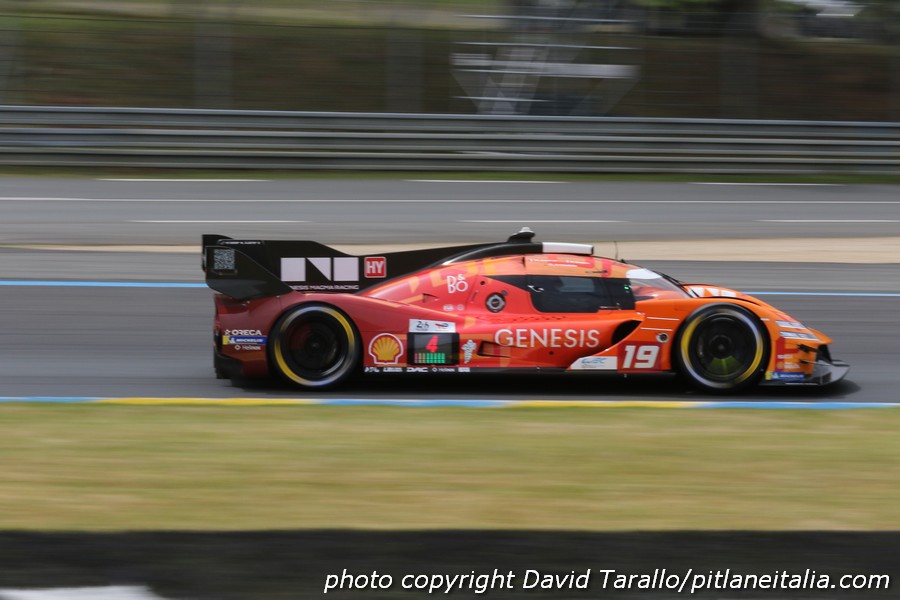
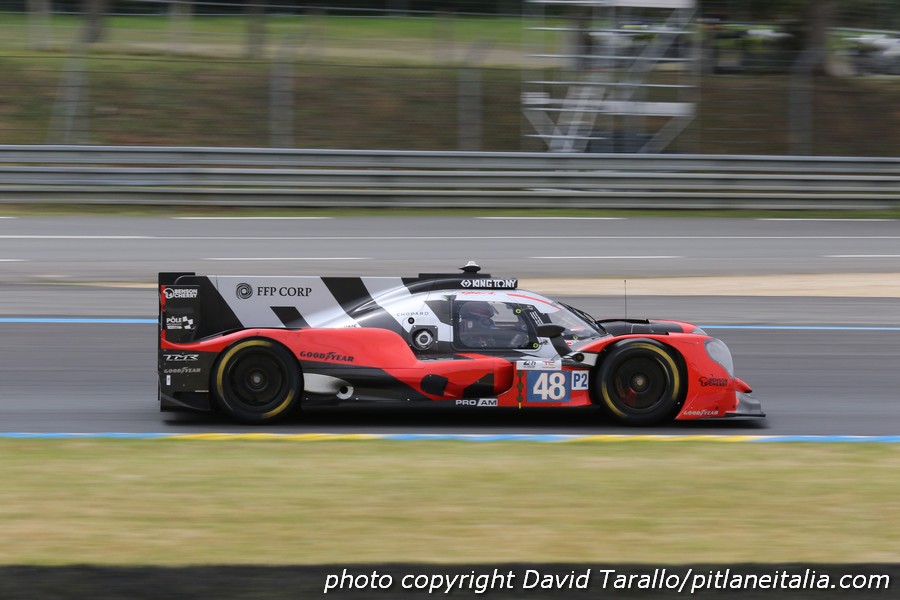
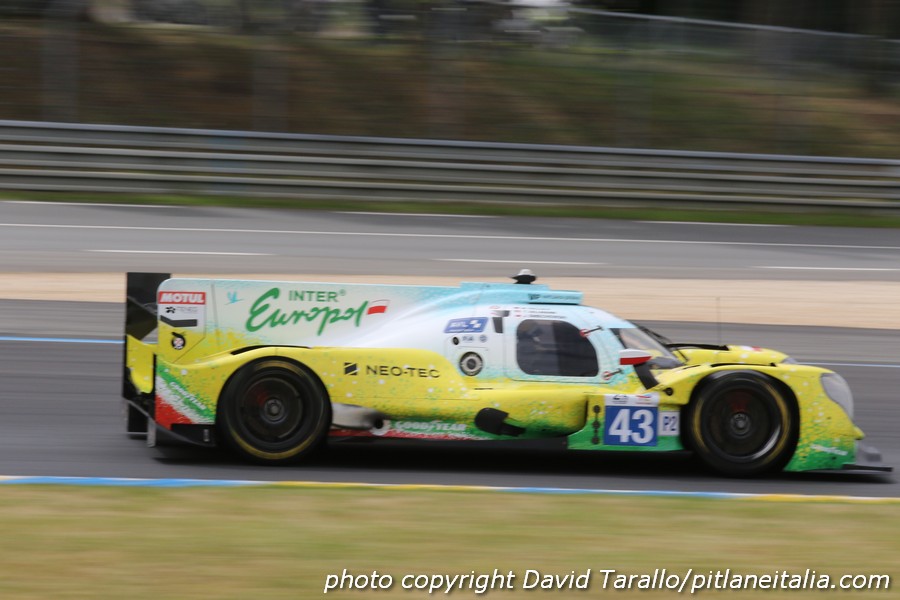
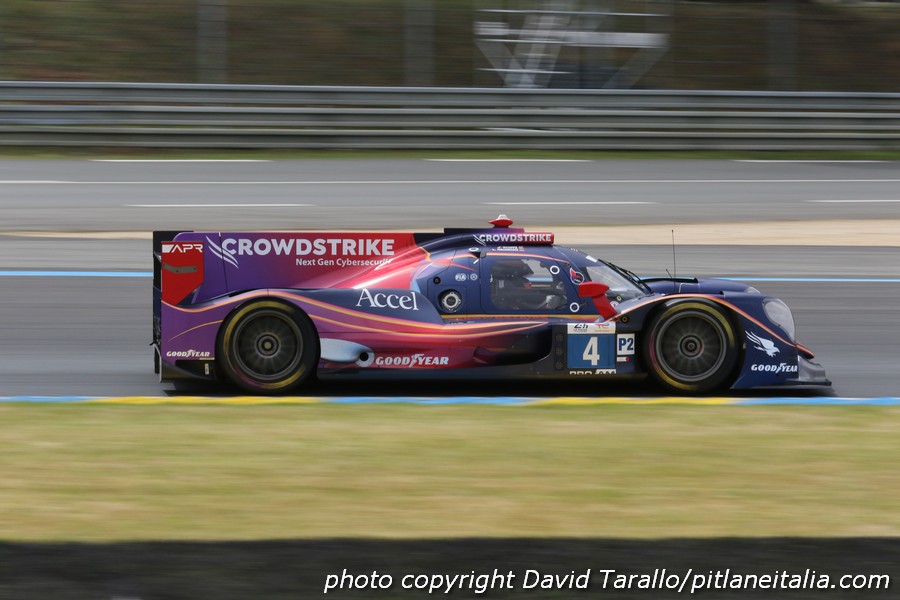
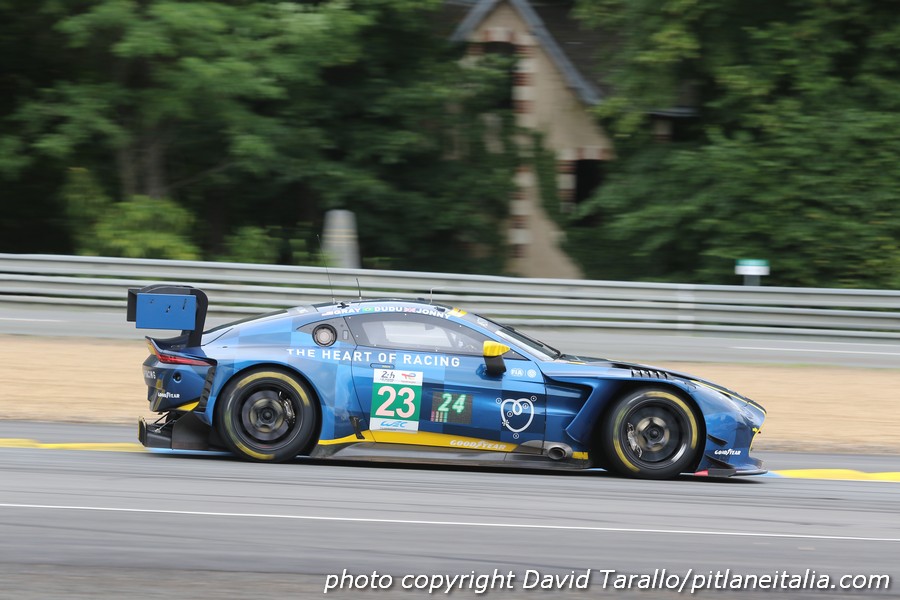
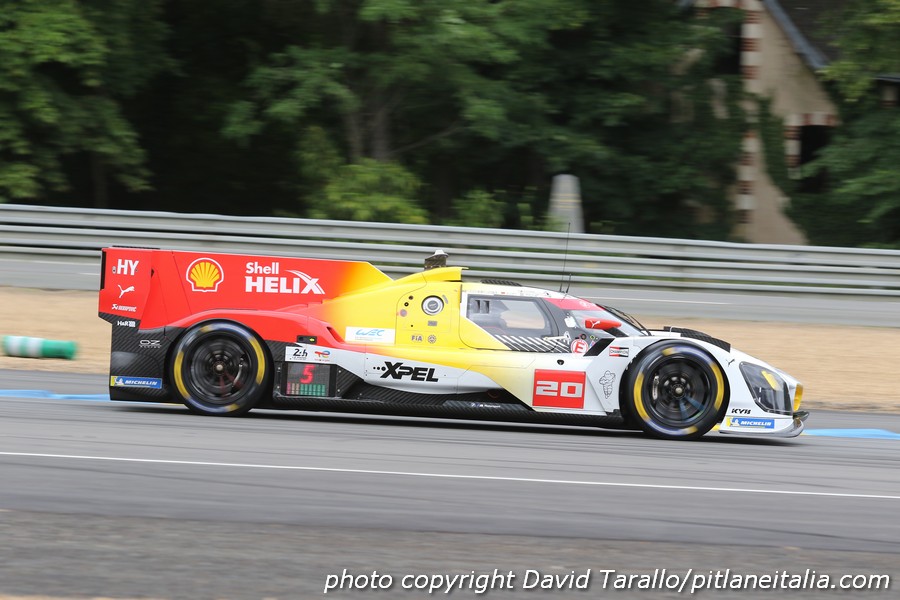
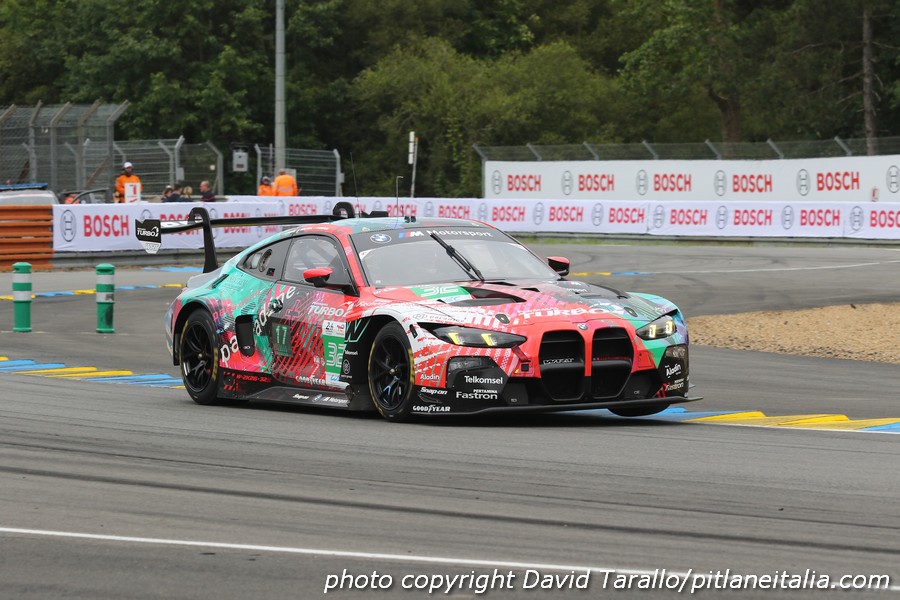
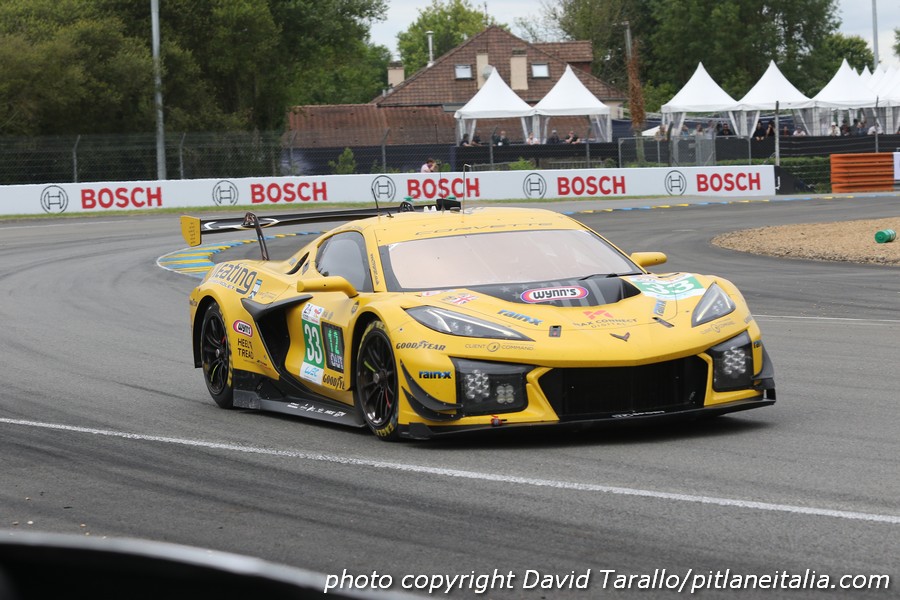
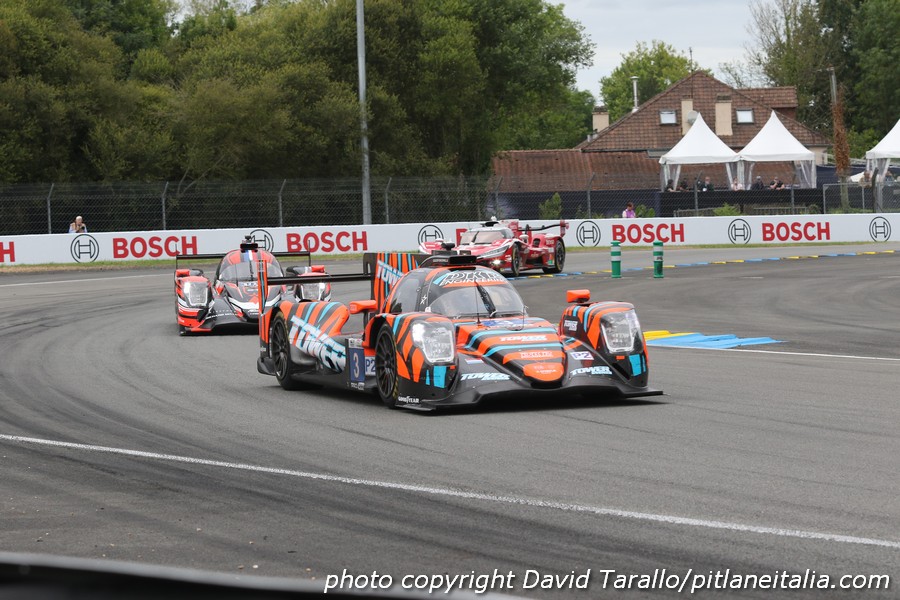
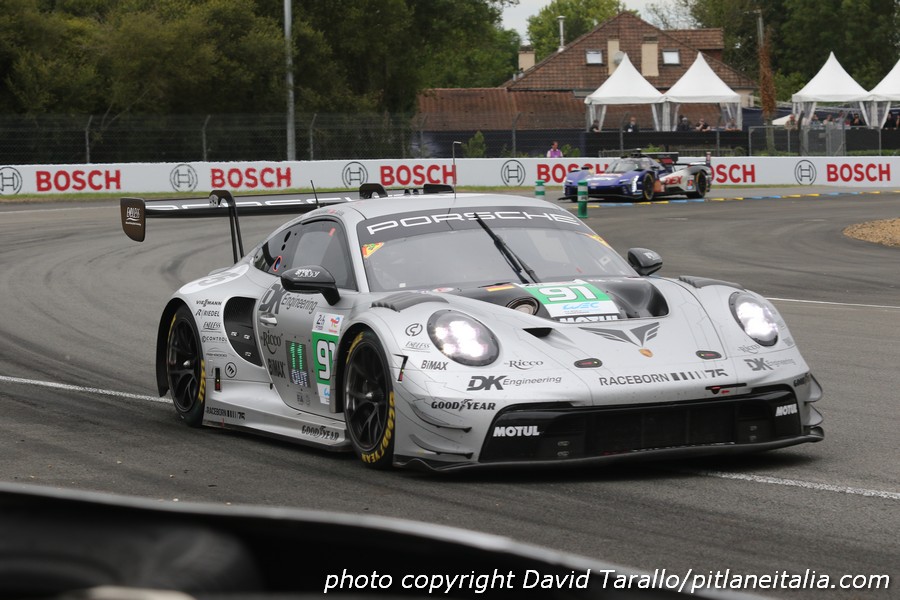
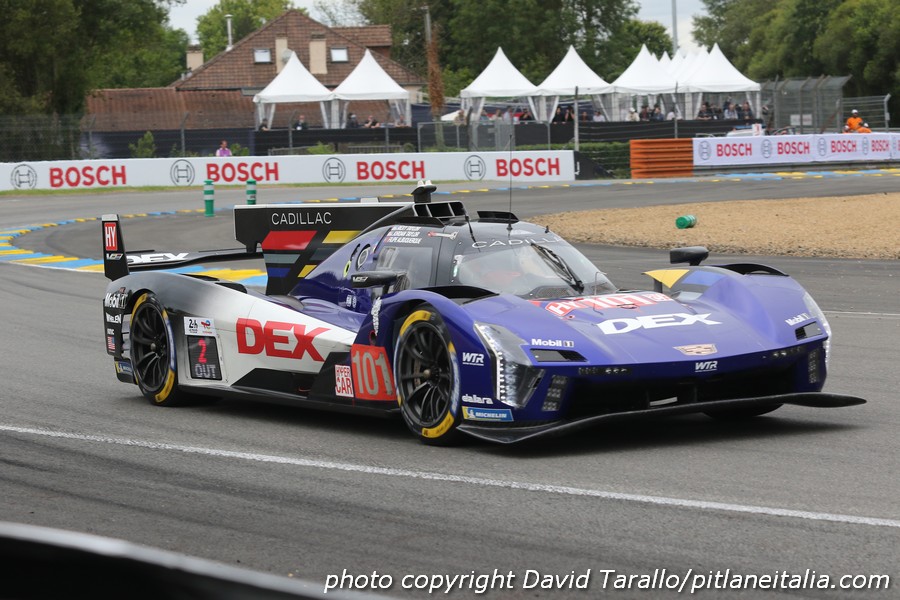
Dopo il vecchio blog Grandiepiccoleauto il suo successore, il sito Pitlaneitalia non si sarà un po’ rabbonito? Chissà, magari è sparito un po’ di quel mordace spirito che caratterizzava anche certe discussioni sul forum Duegi. In ogni caso, il ruolo che nessuno ci ha dato ma che ci siamo dati da soli nella nostra megalomania è quello di far riflettere – magari anche con un sorriso, seppur a volte amaro – o di mettere in evidenza certi fenomeni celati dietro la passione sacrosanta (ma già di per sé quanto sana non è dato saperlo) per auto e modelli. L’amore, come recita il detto, rende ciechi e in parte è comprensibile.
Ed è proprio sulla passione ingenua che gioca chi vuole speculare. Fa bene a farlo perché non c’è nulla d’illecito o di illegale ma ci si sorprende sempre un po’ ad osservare certe reazioni di massa, conseguenza d’un condizionamento commerciale.
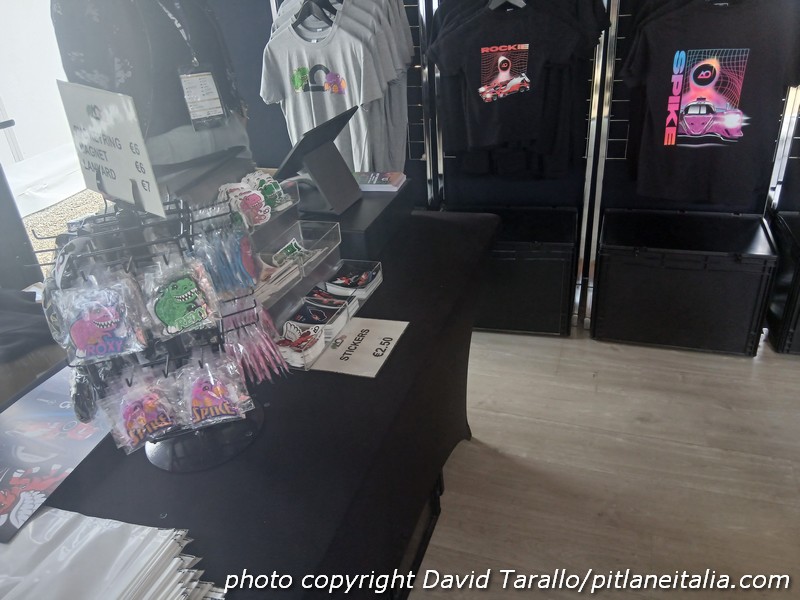
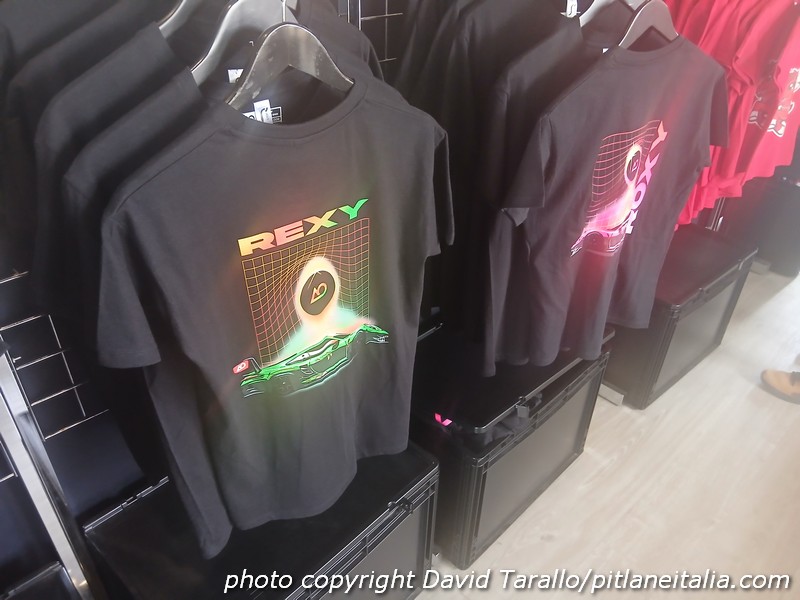
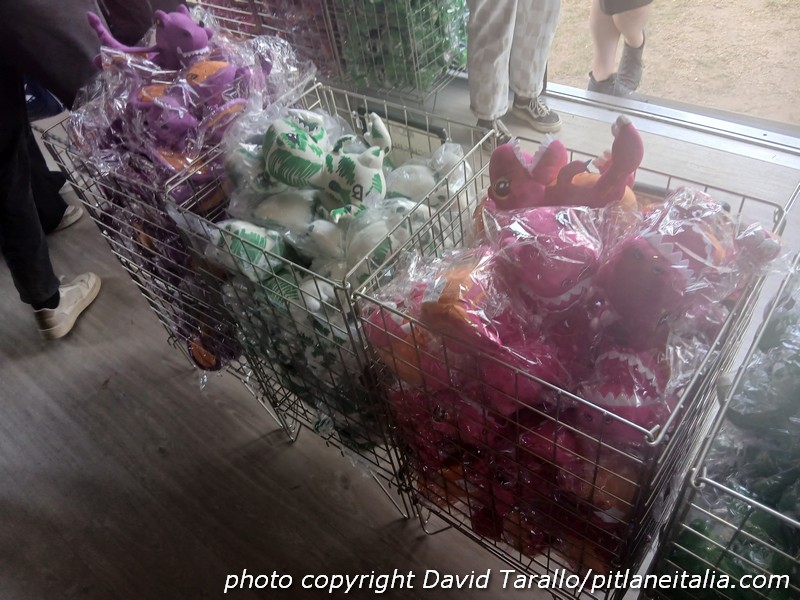
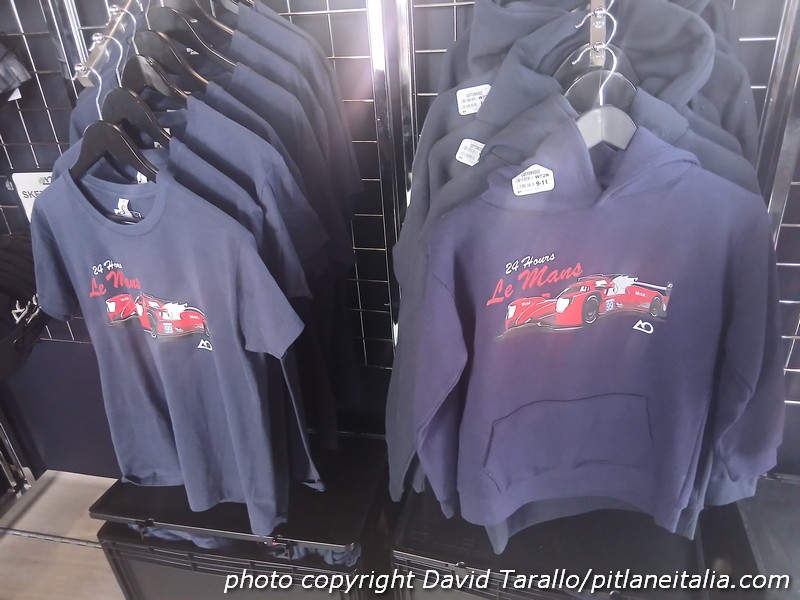
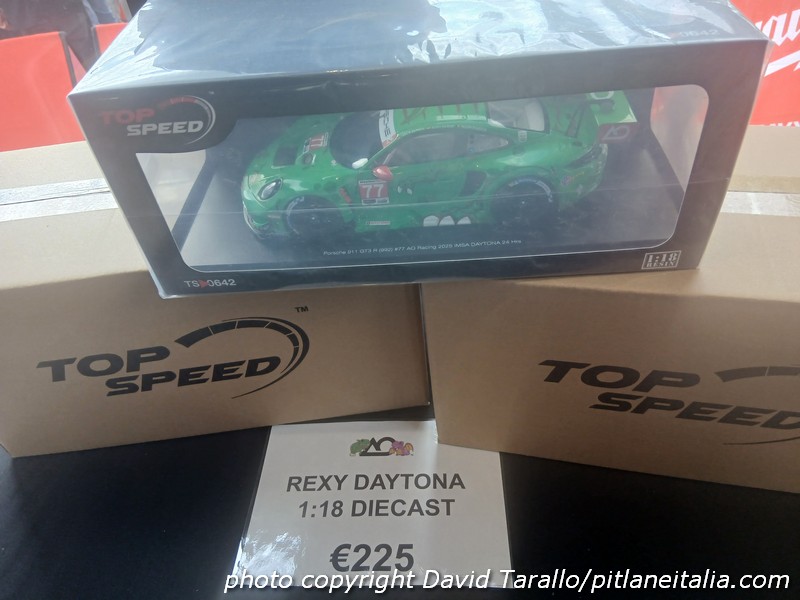
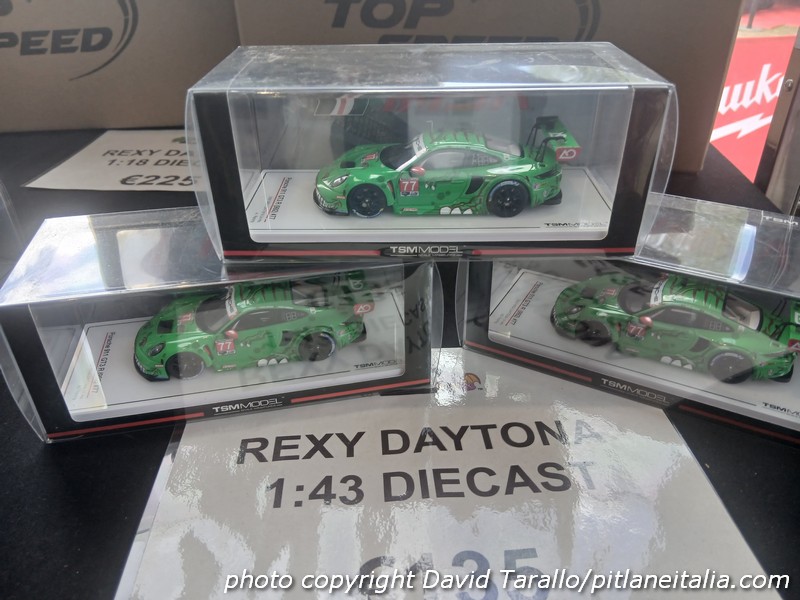
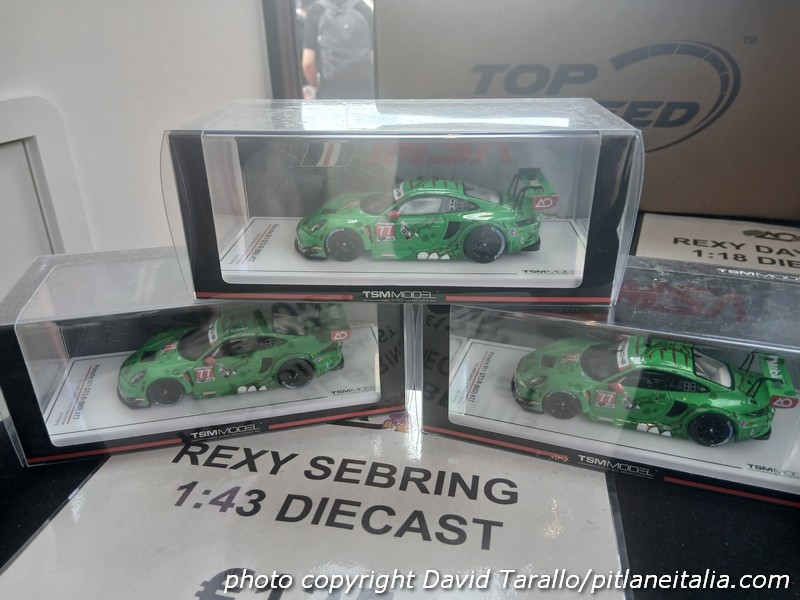
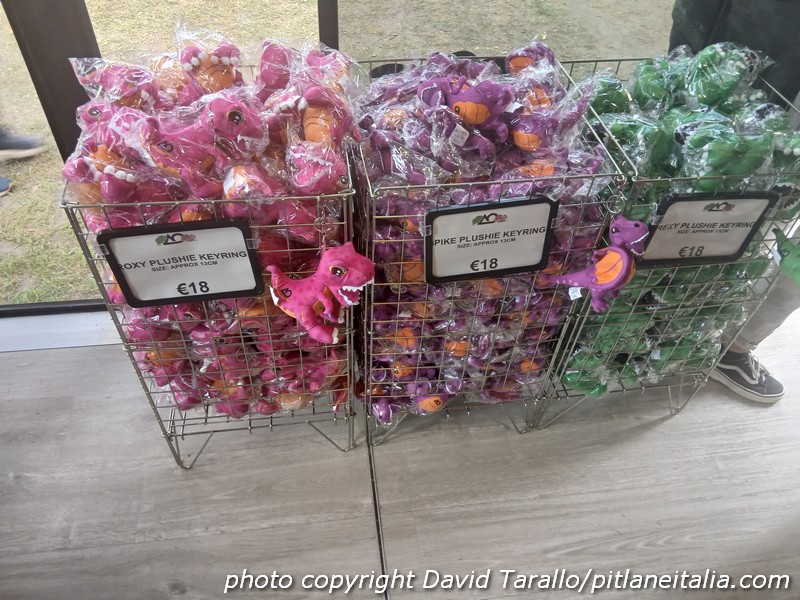
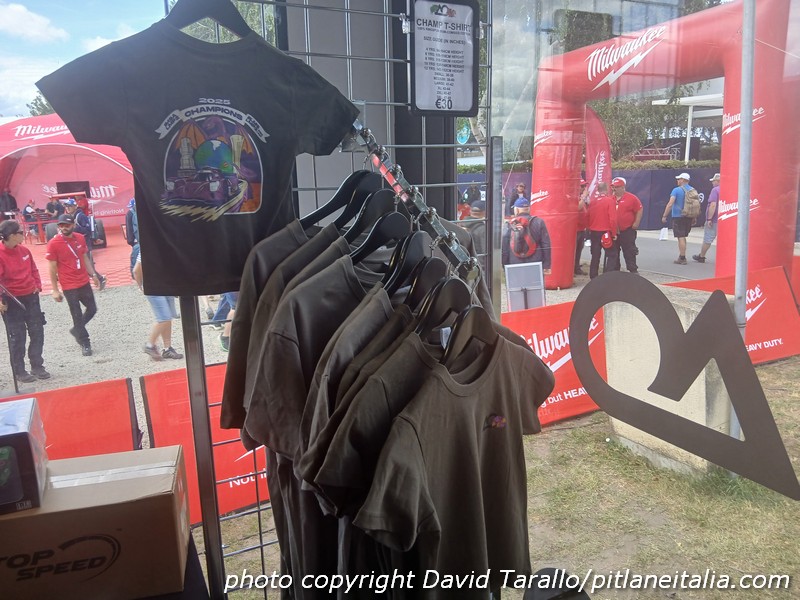
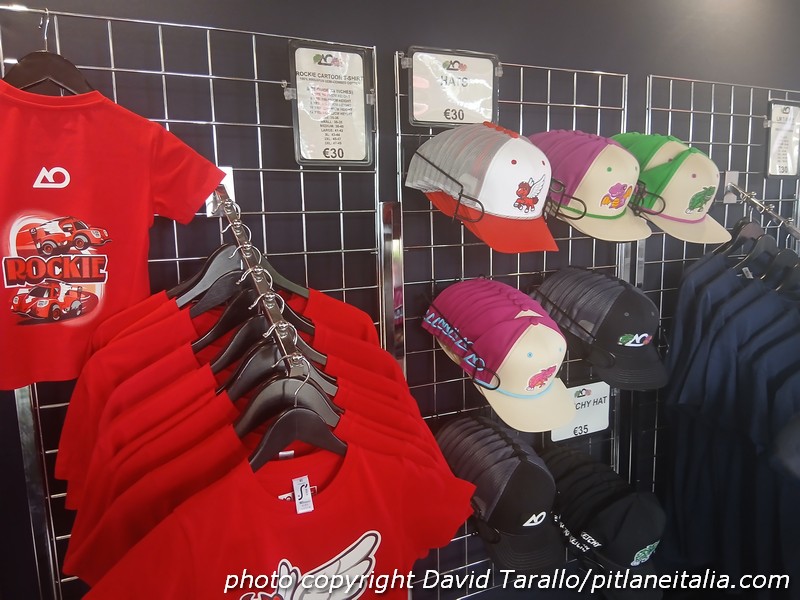
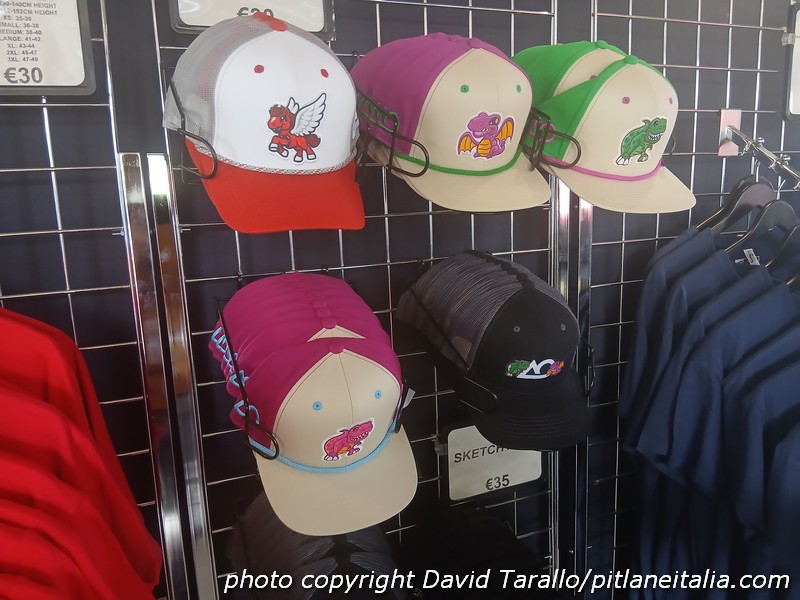
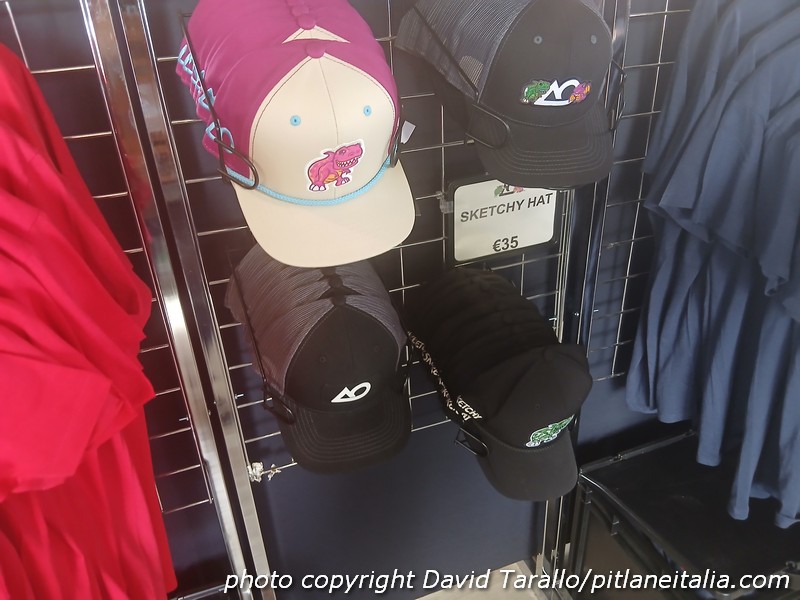
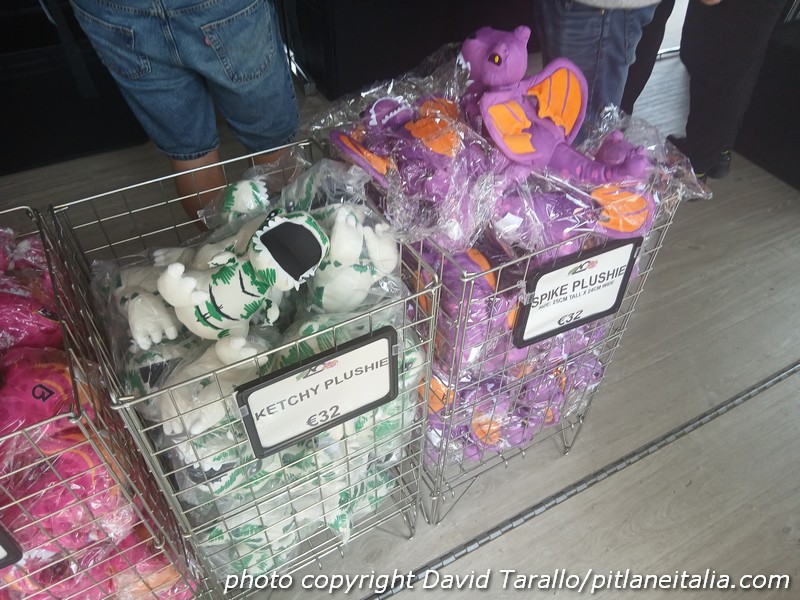
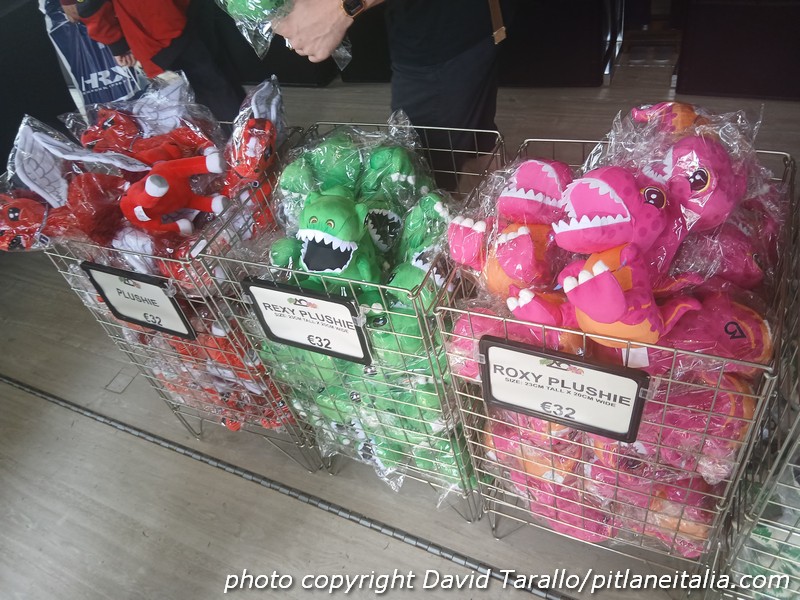
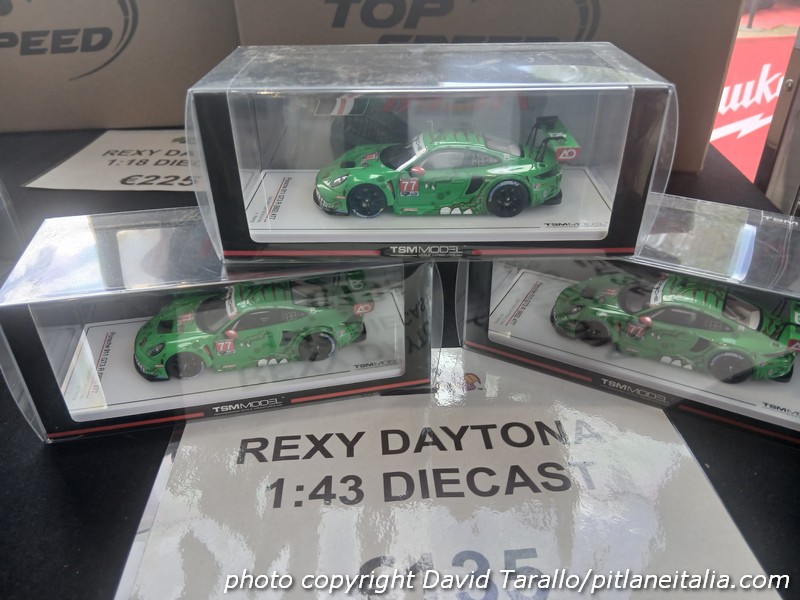
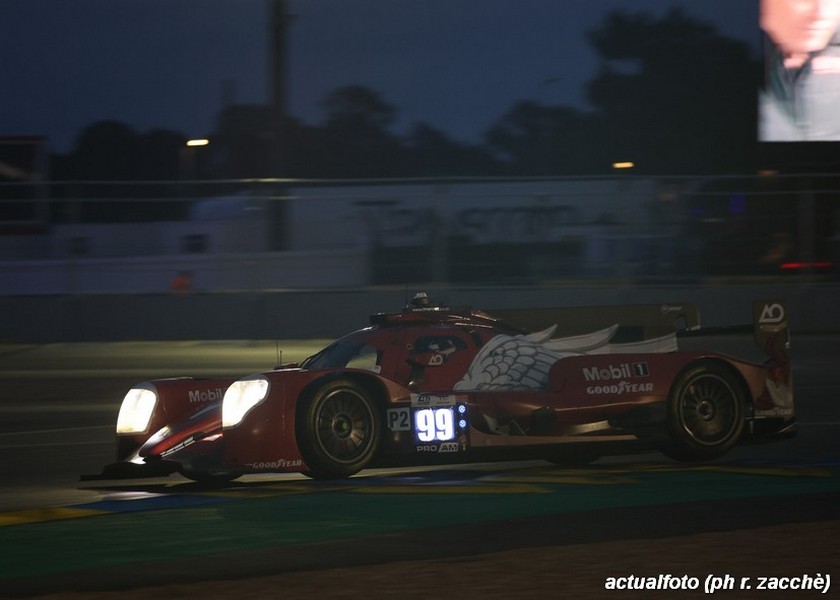
Caso emblematico, la fissazione per i personaggini – simpatici una volta, due volte ma poi anche basta – creati da AO Racing. Un’operazione forse nata per caso (oppure no, chissà) e che oggi ha assunto una portata comparabile all’hype montato per i vari Grello, Greeno e compagnia. A Le Mans si trova una boutique con i prodotti ufficiali AO Racing, dai modelli – i soliti resincast proposti a prezzi davvero poco attraenti – ai pupazzetti (32 euro…), dalle magliette agli adesivi passando per cappellini, magne e ciarpame simile. Chi si accontenta gode.
Da parte sua, Spark punta sempre di più sulle sessioni autografi, un classico ormai collaudato che di gente ne attira sempre. Ce n’è per tutti i gusti, dal simpatico Ye (che a Le Mans è di casa) alla Sarah Bovy, target ideale per il MDF d’origine controllata e garantita che poi pubblicherà puntualmente tutto quanto sulla sua paginetta Facebook. Tutti in fila per uno scarabocchio irriconoscibile su un coperchio in plexiglass. Chi si accontenta gode parte II. Del resto non diceva Wanna Marchi che gli stupidi vanno fregati?
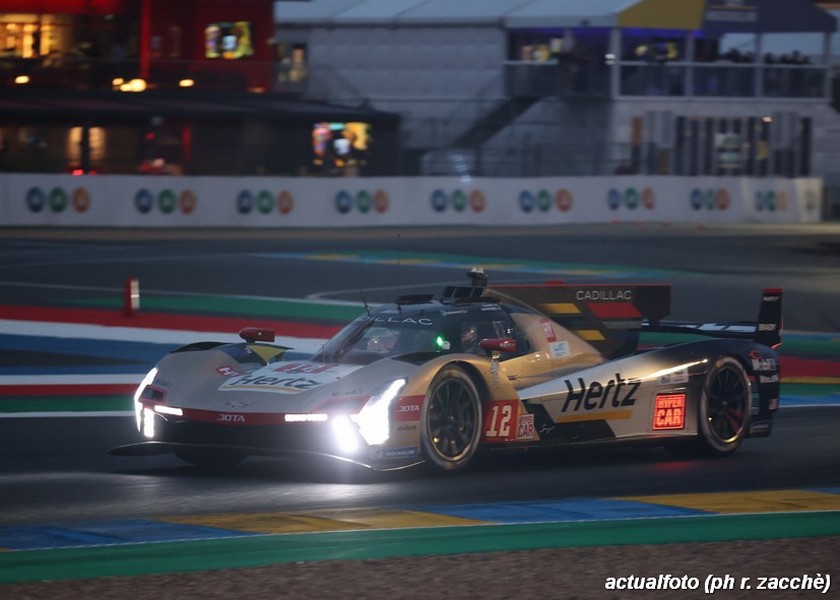
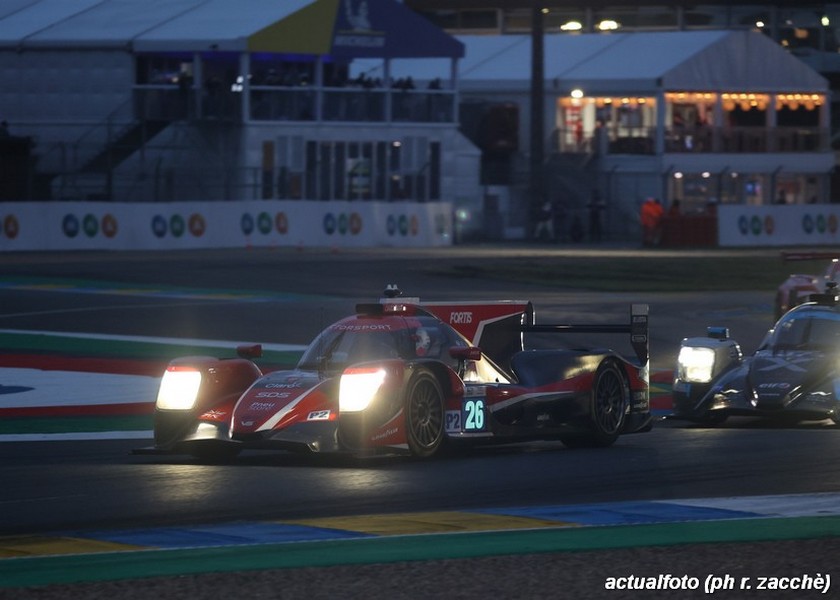
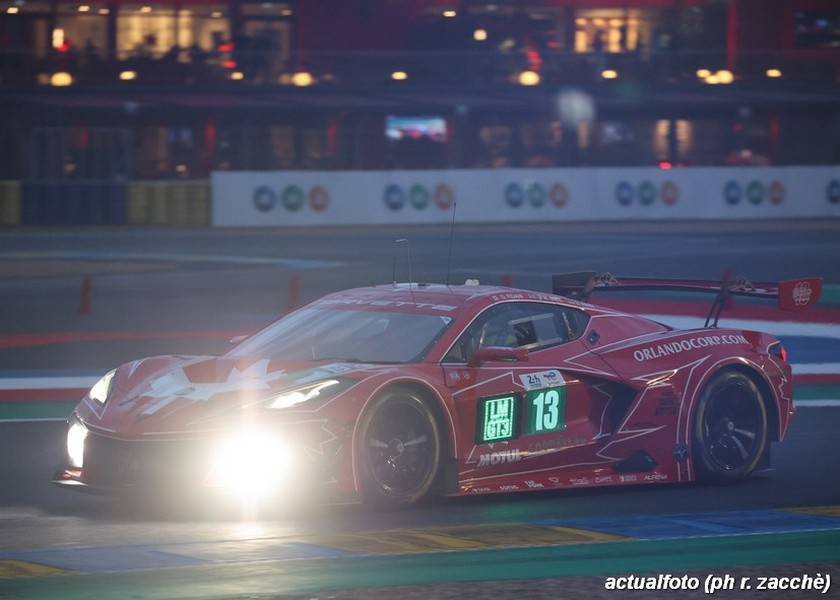
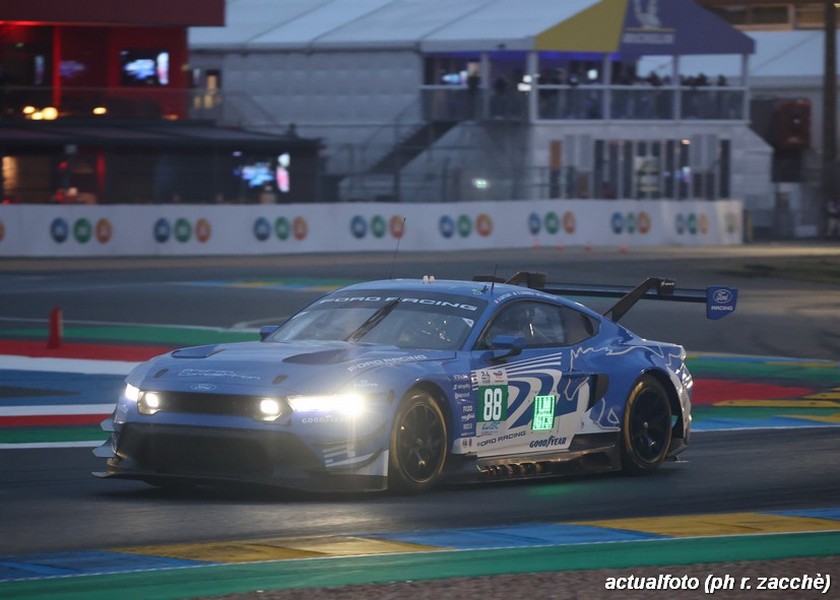
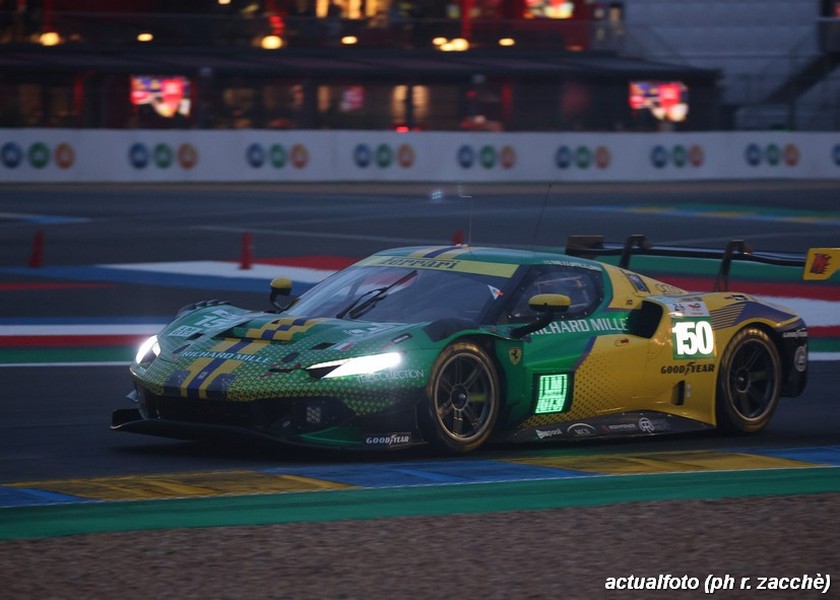
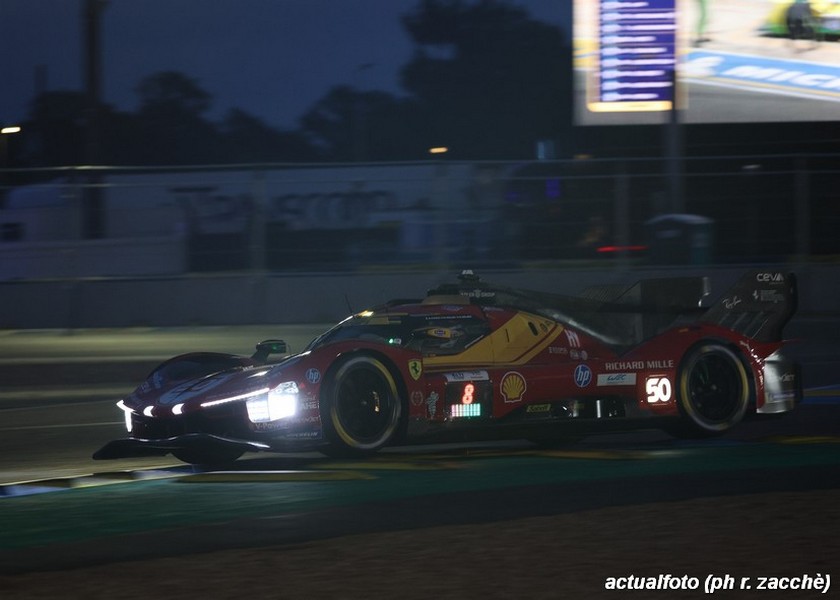
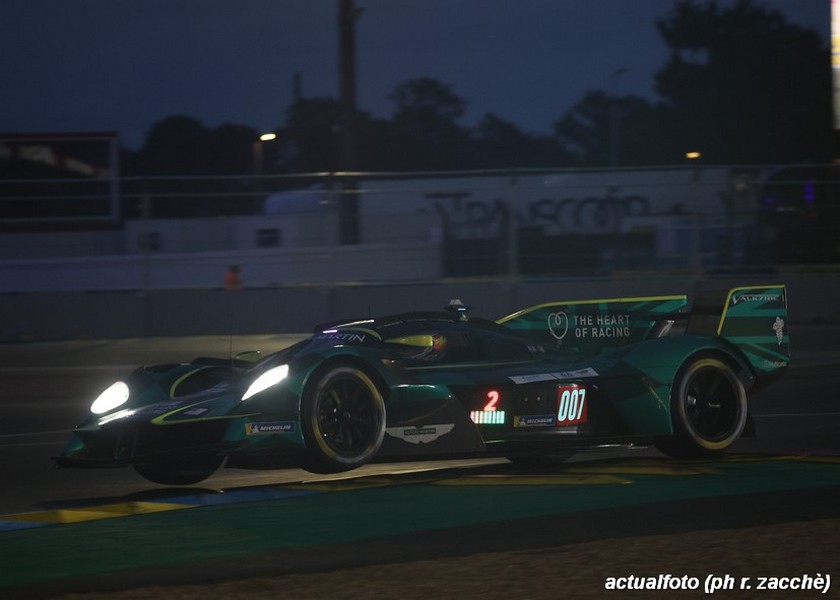
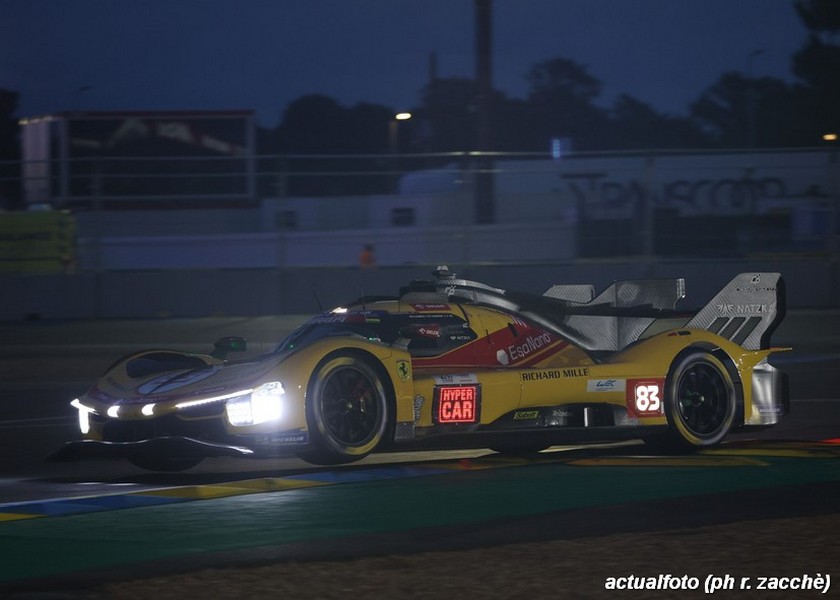
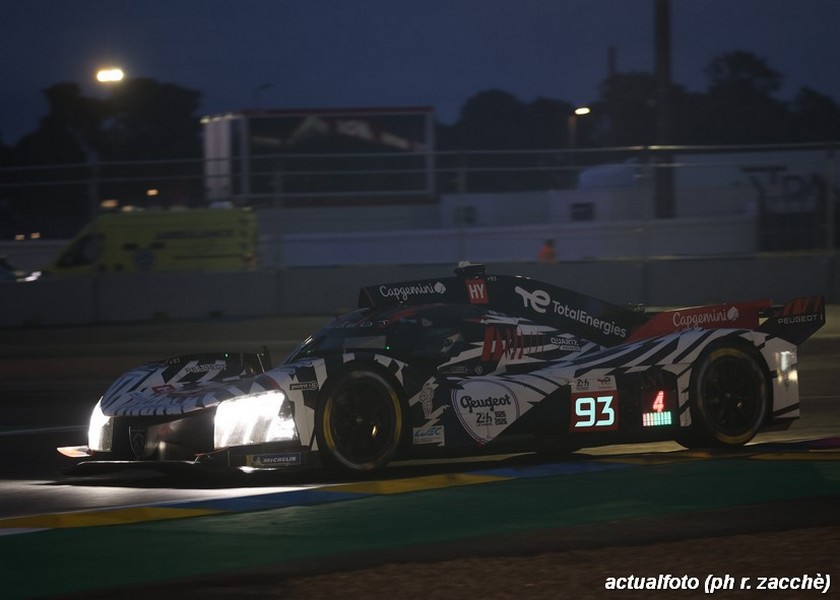
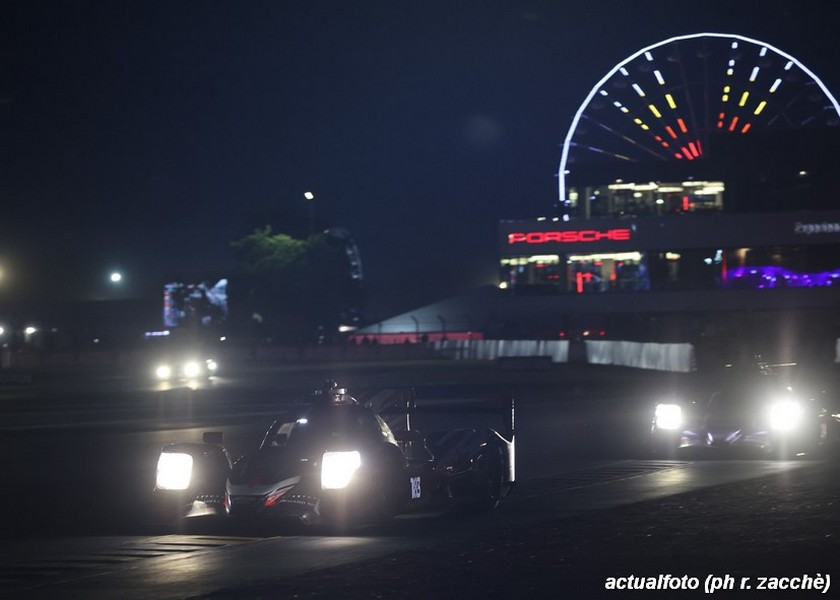
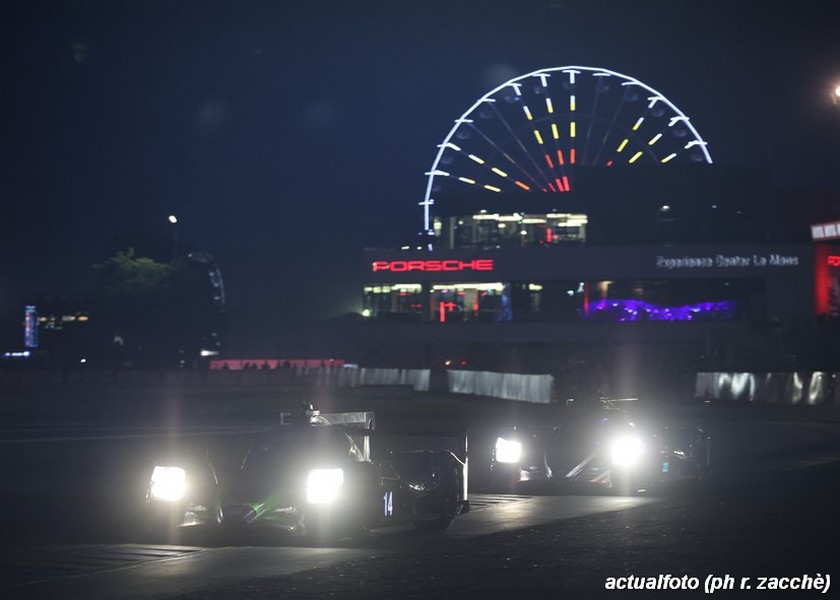
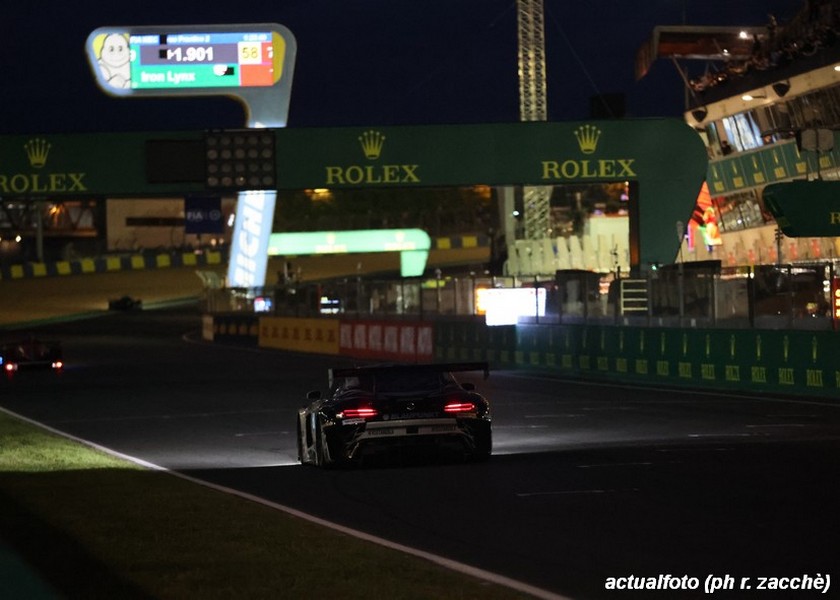
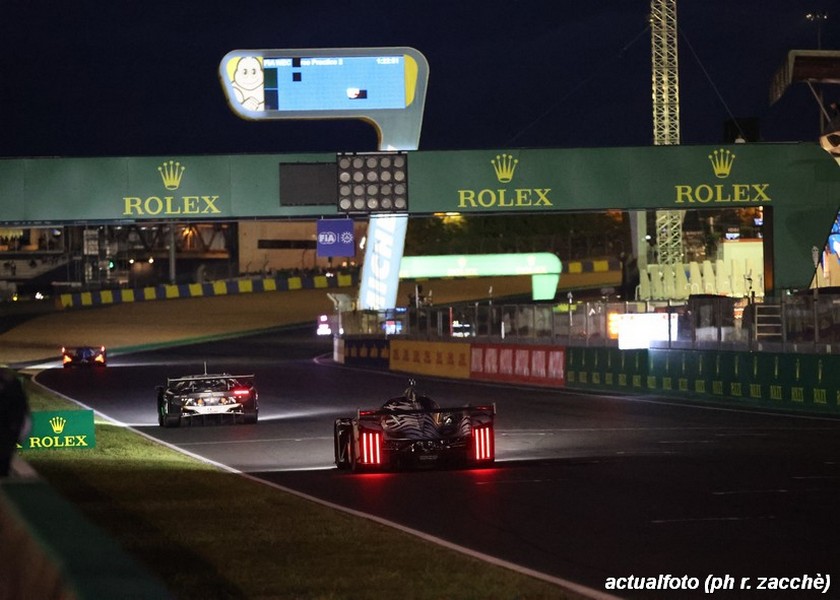
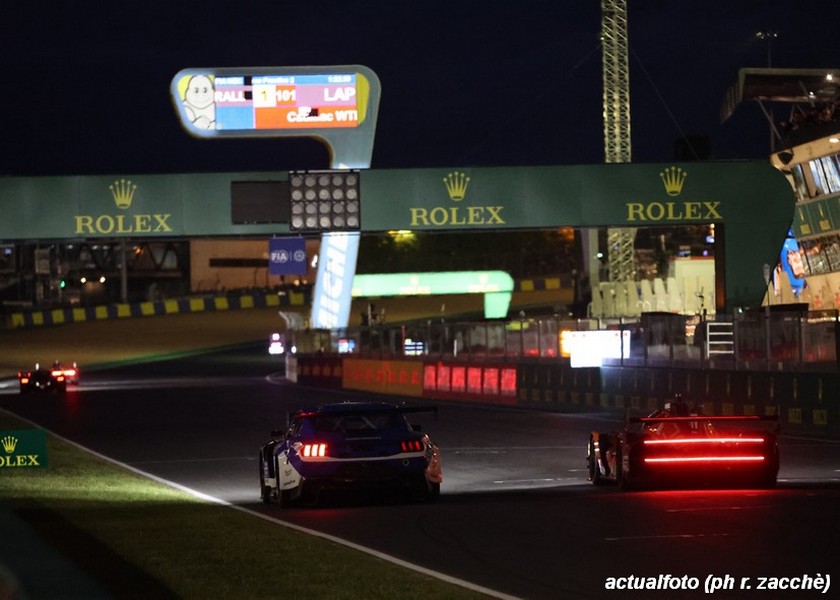
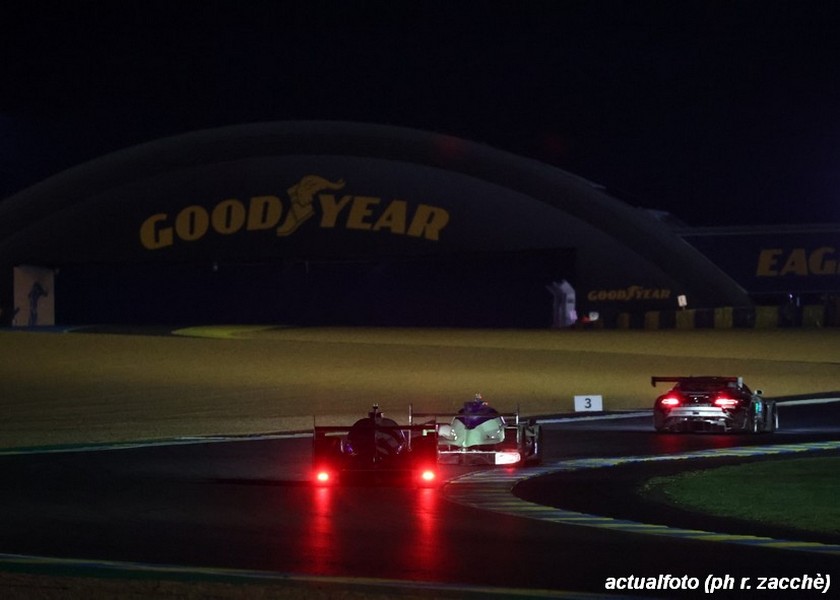
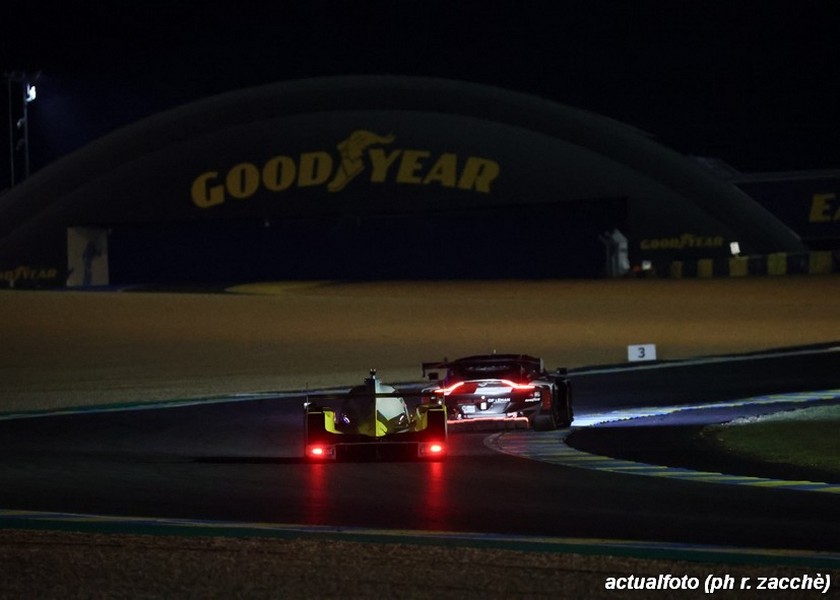
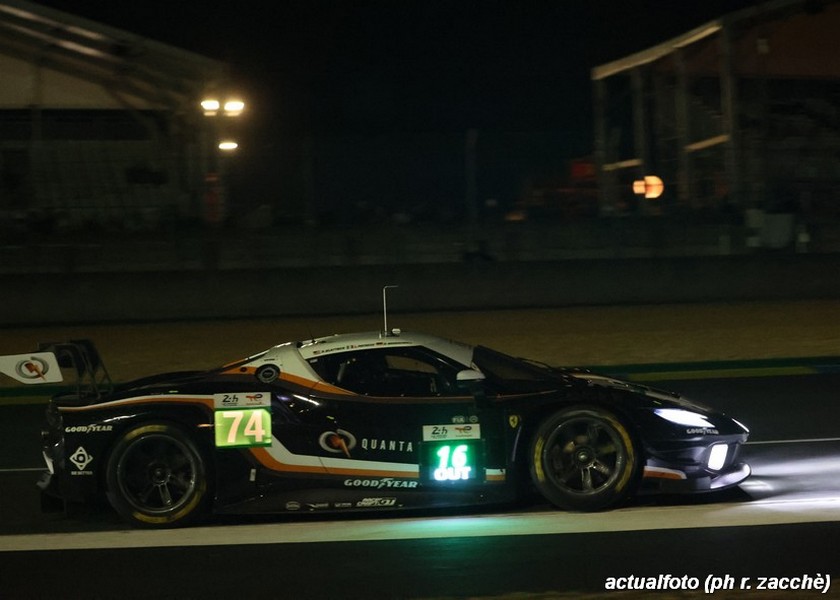
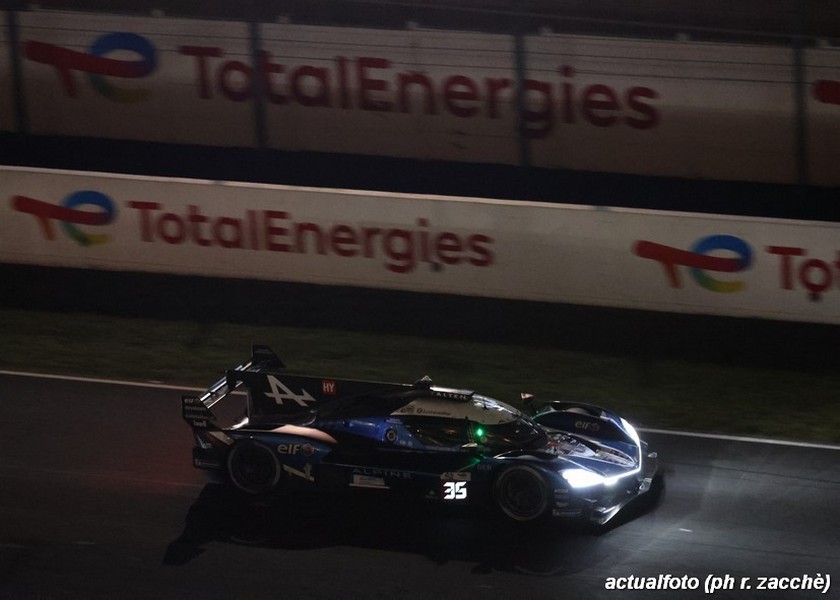
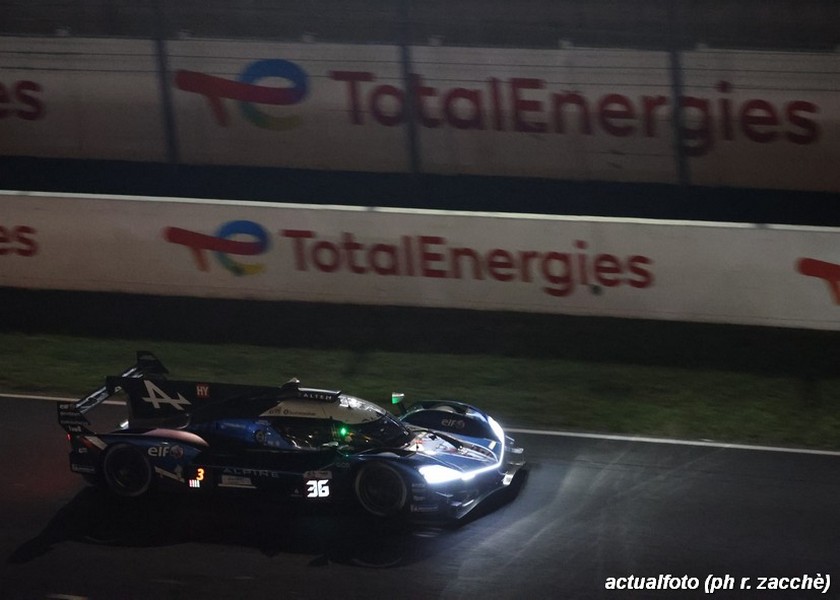
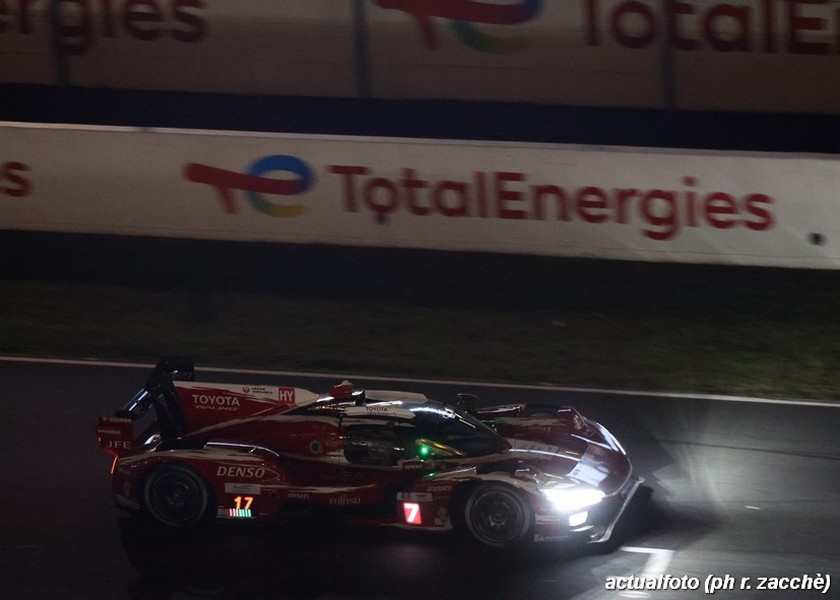
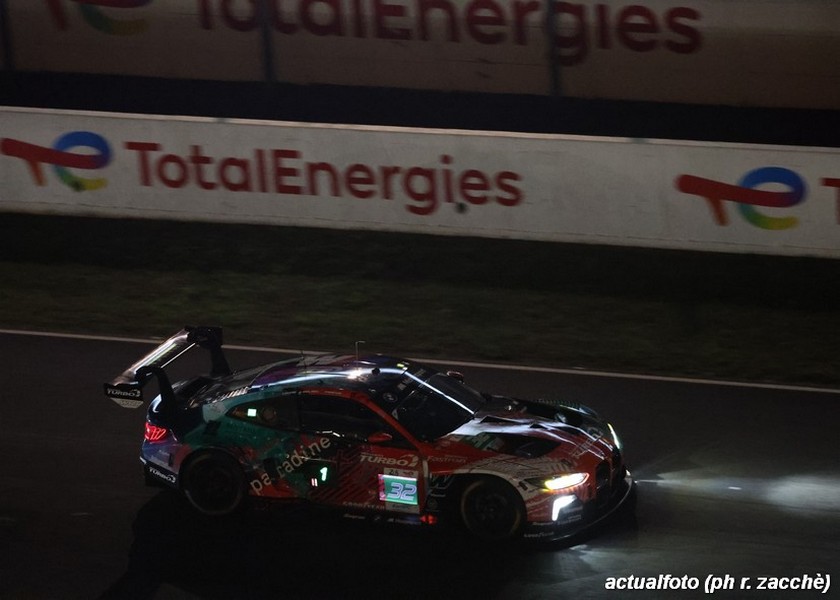
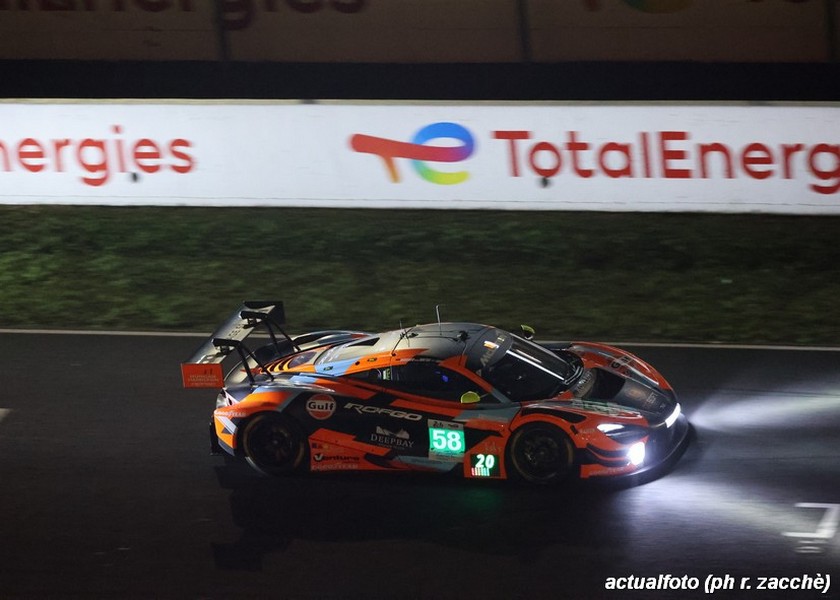
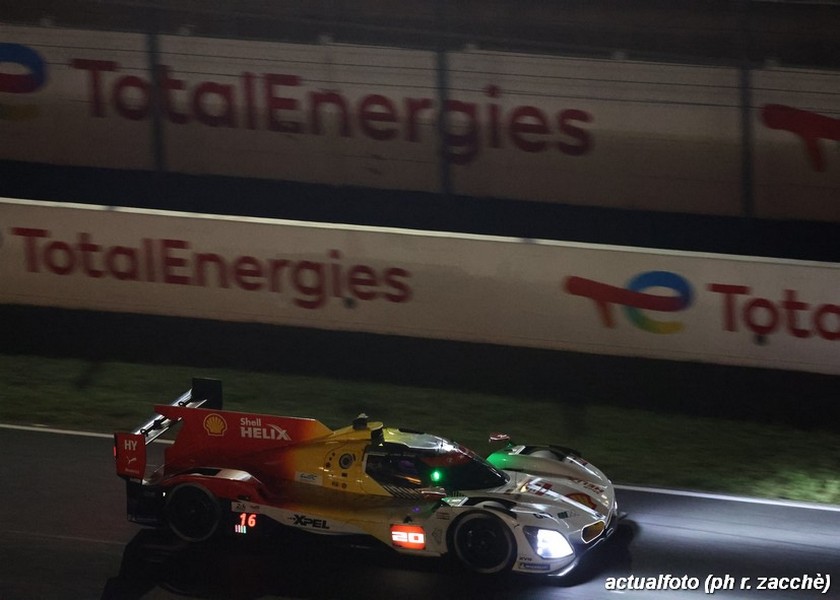
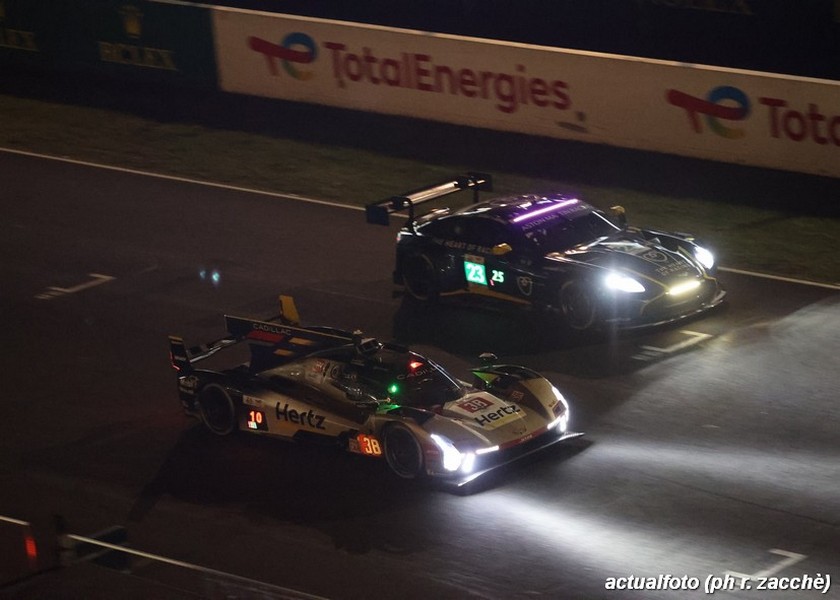
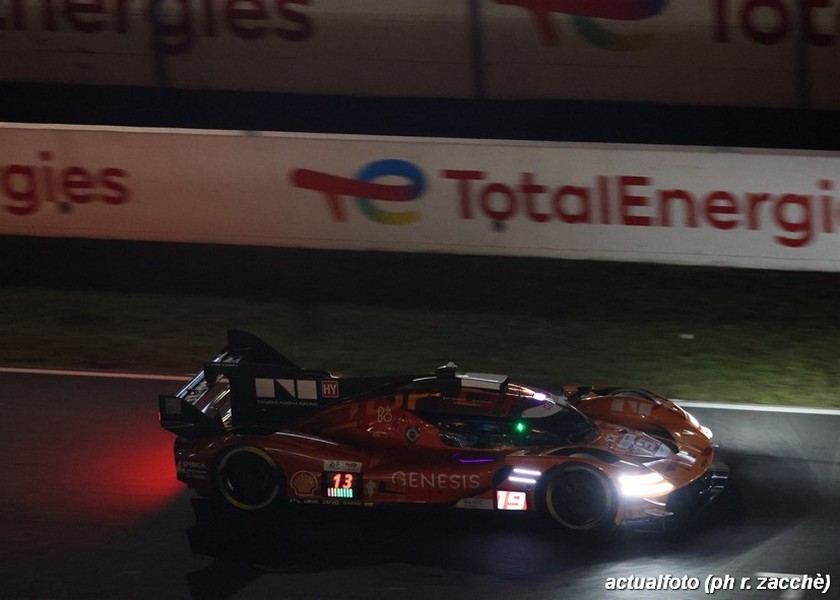
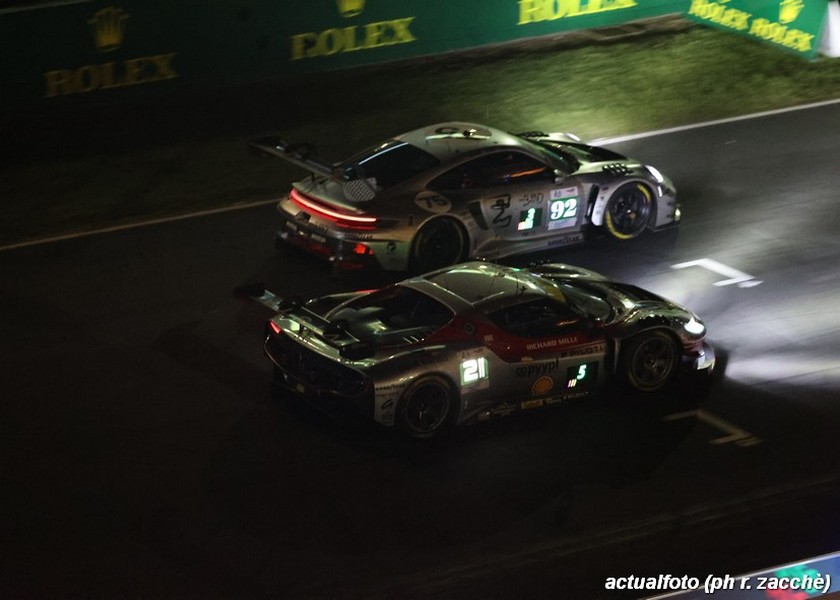
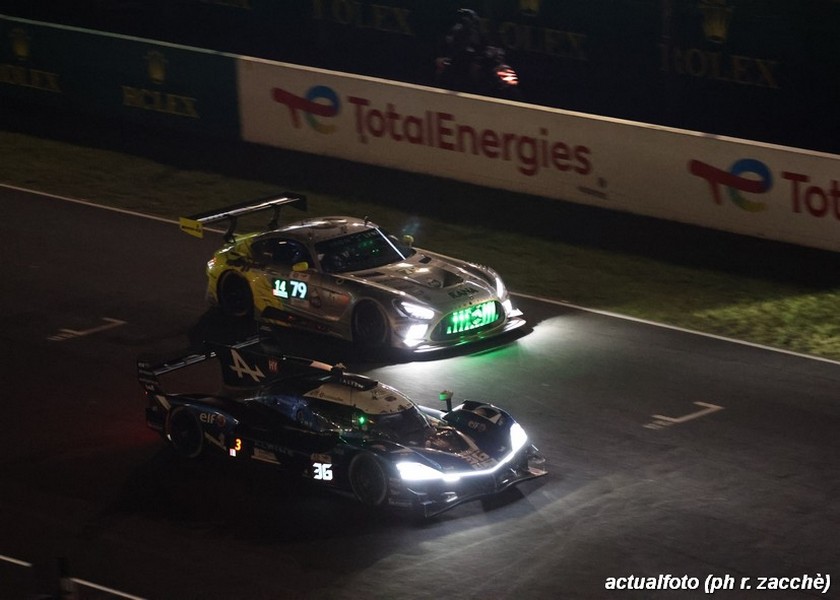
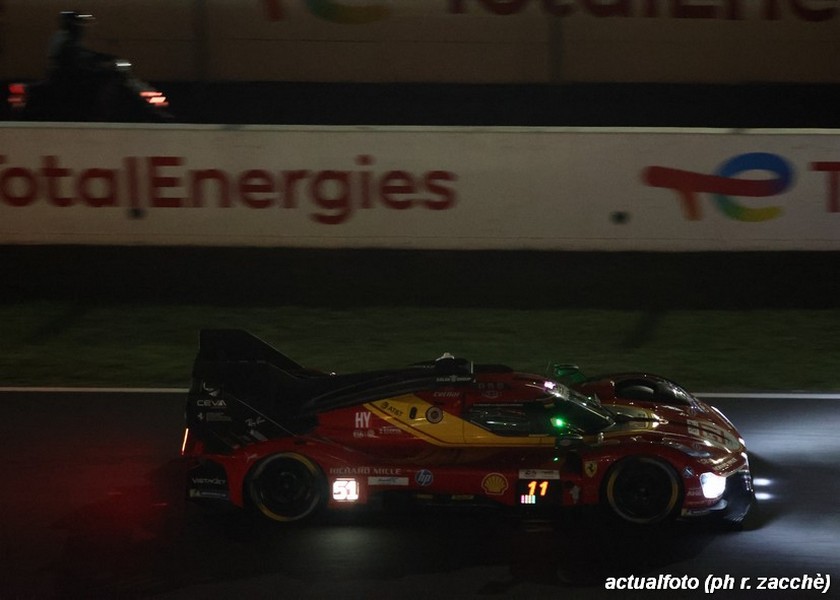
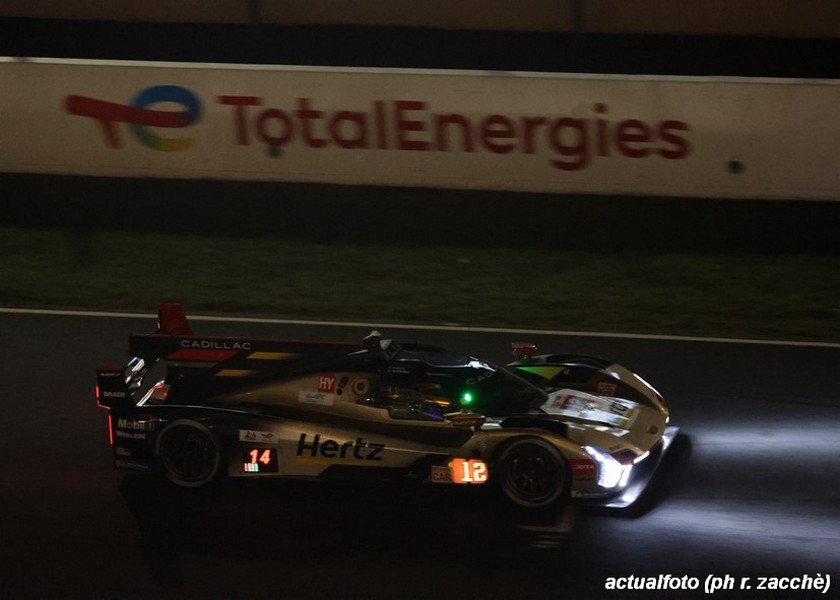
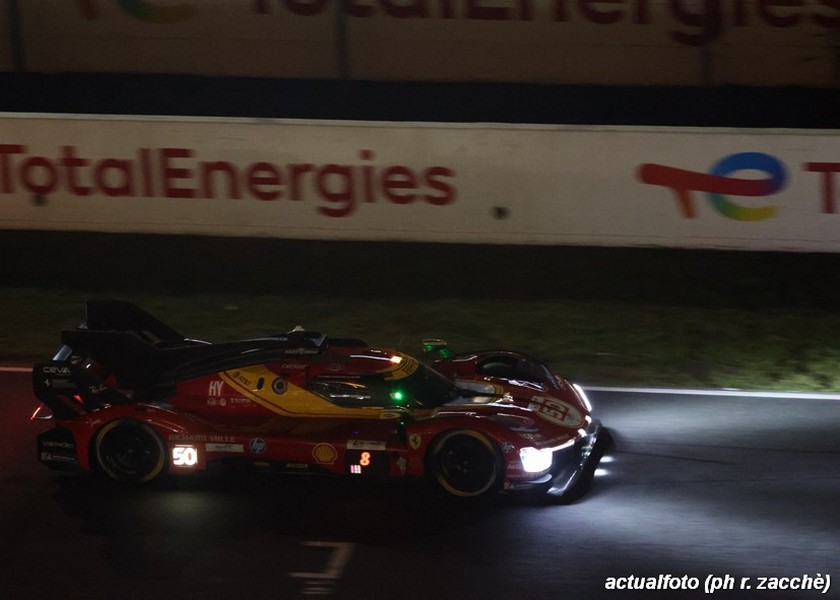
Photo copyright Raul Zacchè/Actualfoto
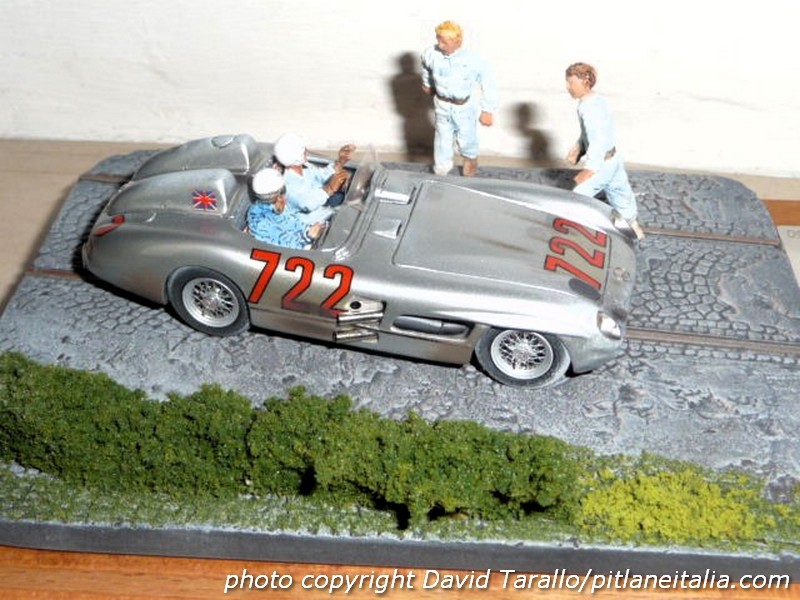
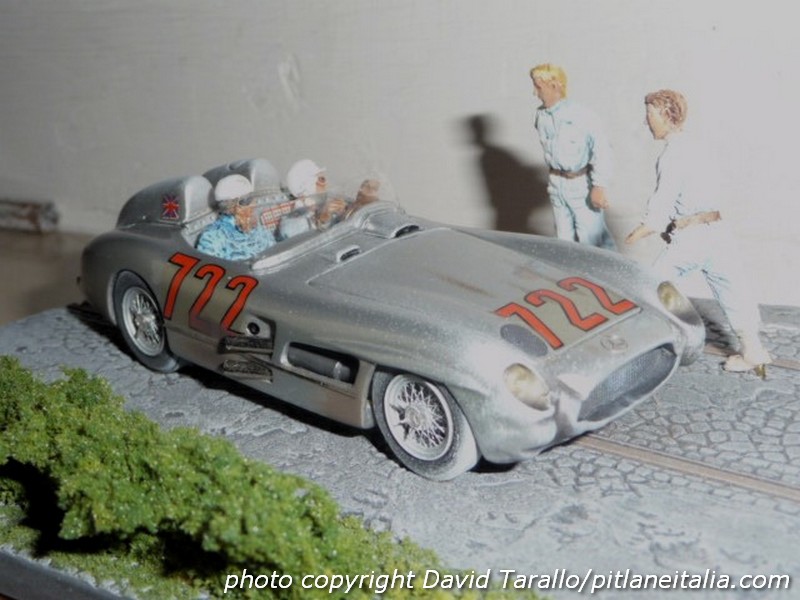
Il recente articolo che Renato Scotti Di Uccio ha scritto per PLIT sulla Mercedes di Moss e Jenks alla Mille Miglia del 1955 mi ha fatto pensare a un’edizione di Mini Delta, marchio belga che faceva capo a Patrick Badot e che negli anni ’90 realizzò diverse serie montate di alto livello. Partendo dal kit Starter, Mini Delta ricavò un piccolo diorama che raffigurava la vettura a un controllo (o a un’assistenza), con tanto di riproduzione fedele e dettagliata dell’asfalto. I figurini dell’equipaggio furono curati al massimo e non mancava il famoso “rullo” su cui Denis Jenkinson leggeva le note sul percorso ricavate da ore e ore di accurate ricognizioni. Molti ben simulati i vari danni alla carrozzeria, oltre alla sporcatura generale.
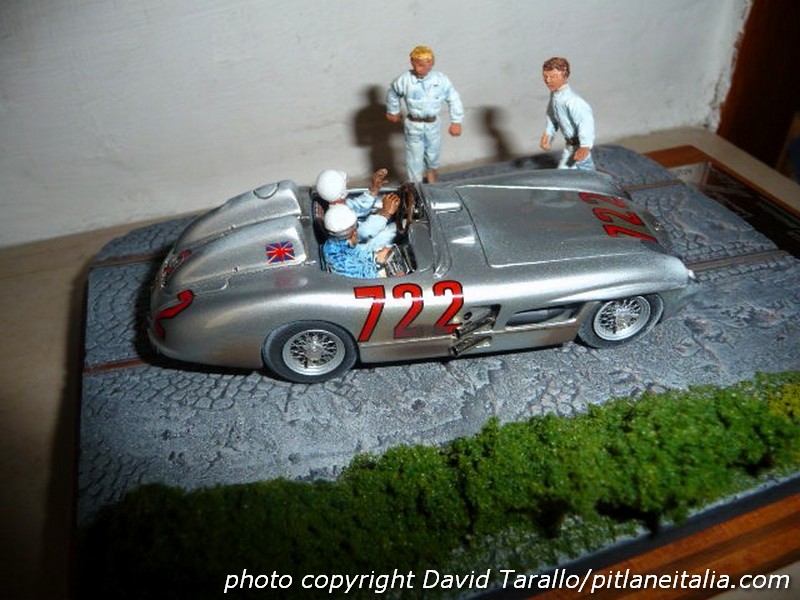
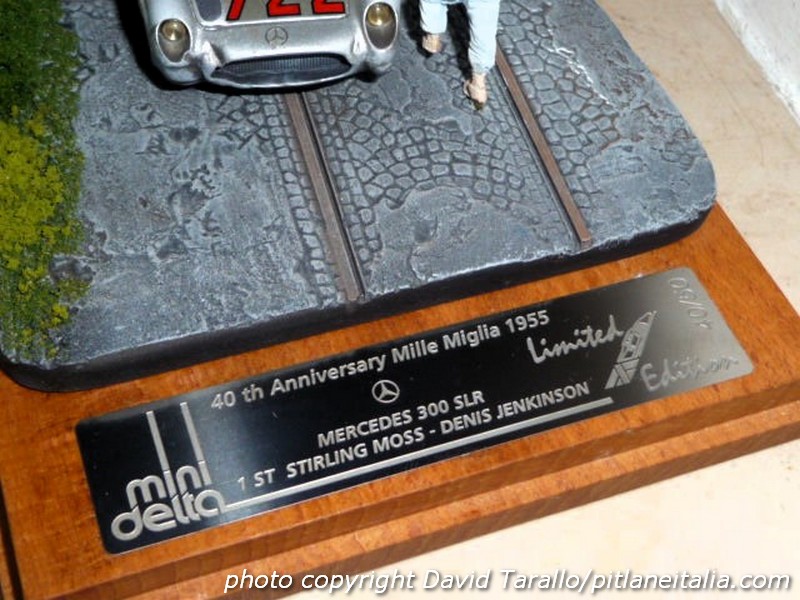
Un set difficile oggi da trovare in condizioni perfette, diffuso in soli cinquanta esemplari numerati nel 1995, quarantennale della storica vittoria Mercedes alla Mille Miglia. L’esemplare delle foto mi fu venduto intorno al 2009 dal negozio californiano Miniwerks.
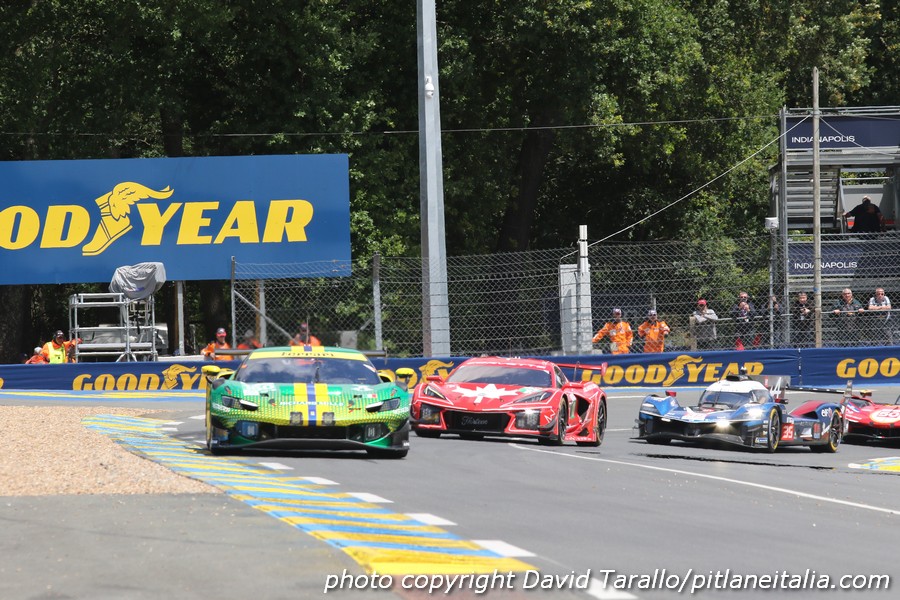
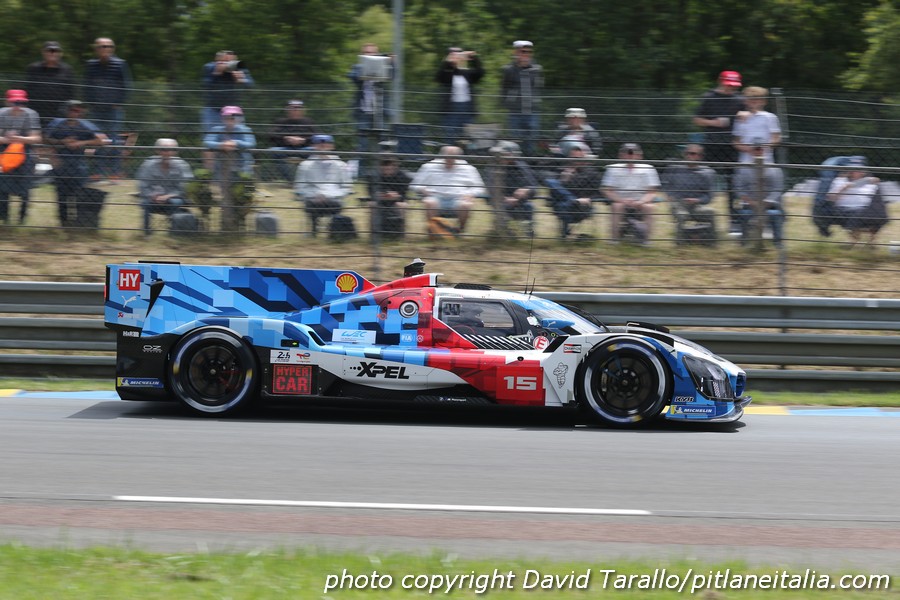
photo copyright David Tarallo/pitlaneitalia.com
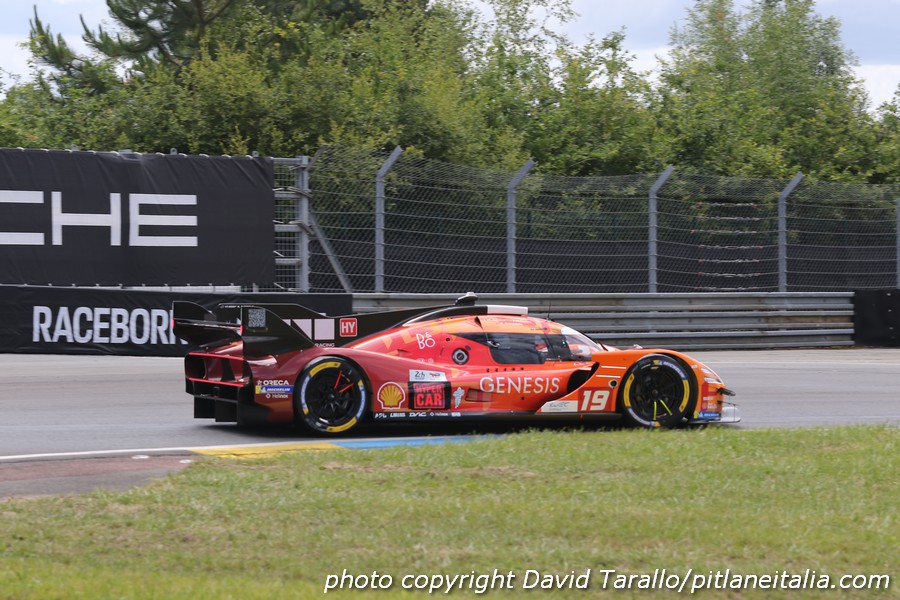
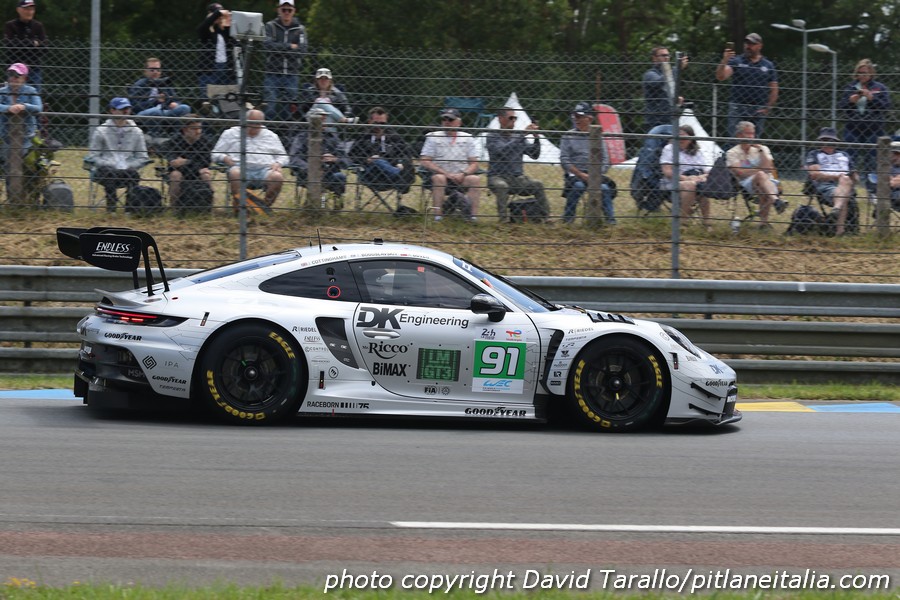
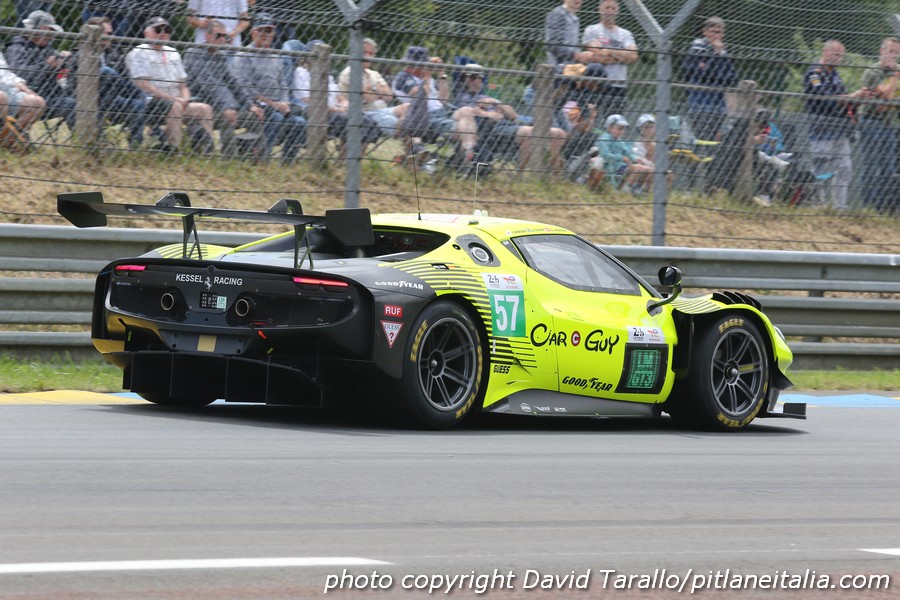
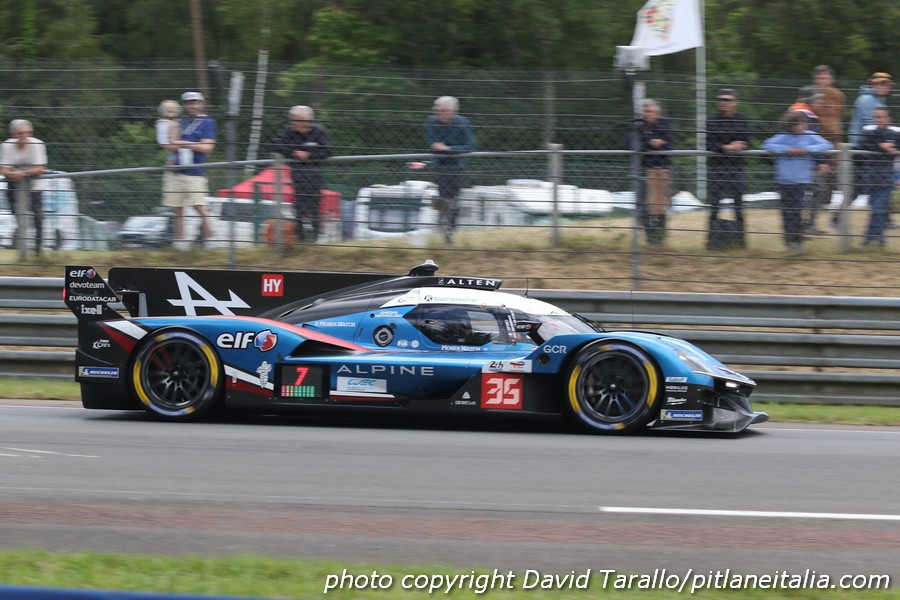
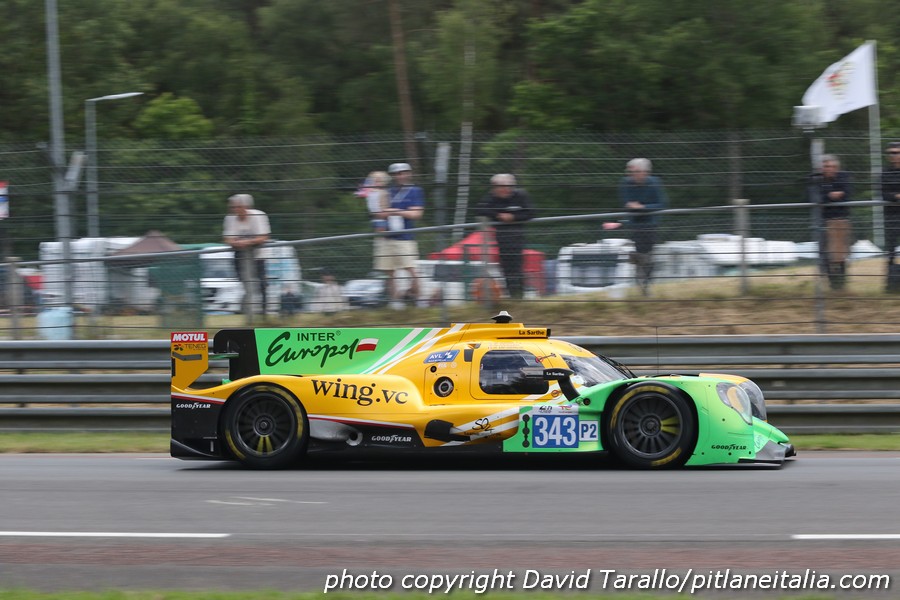
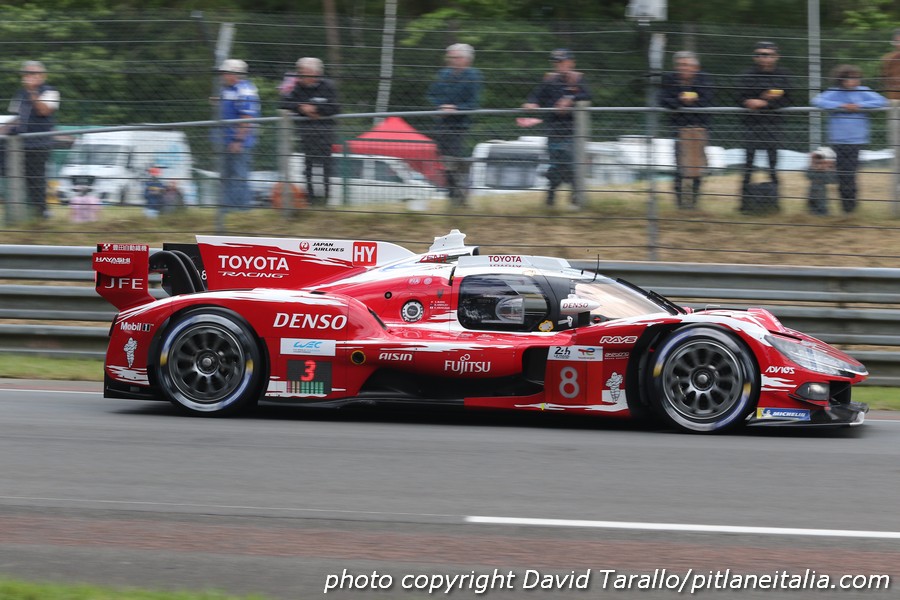
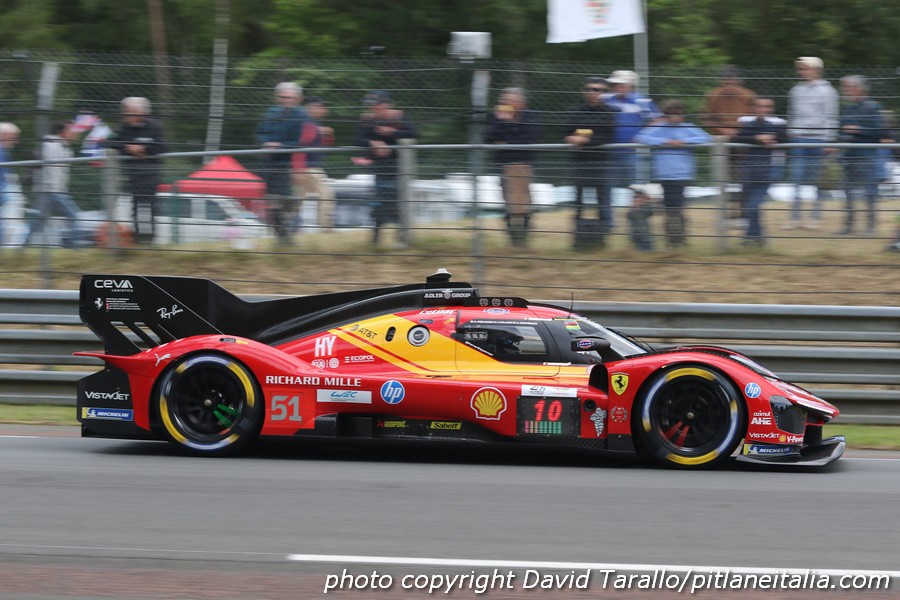
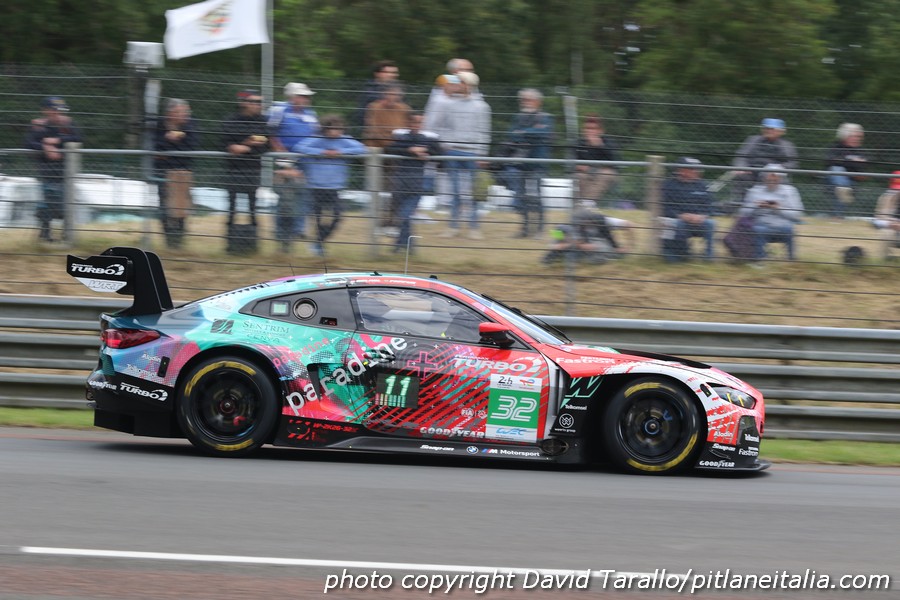
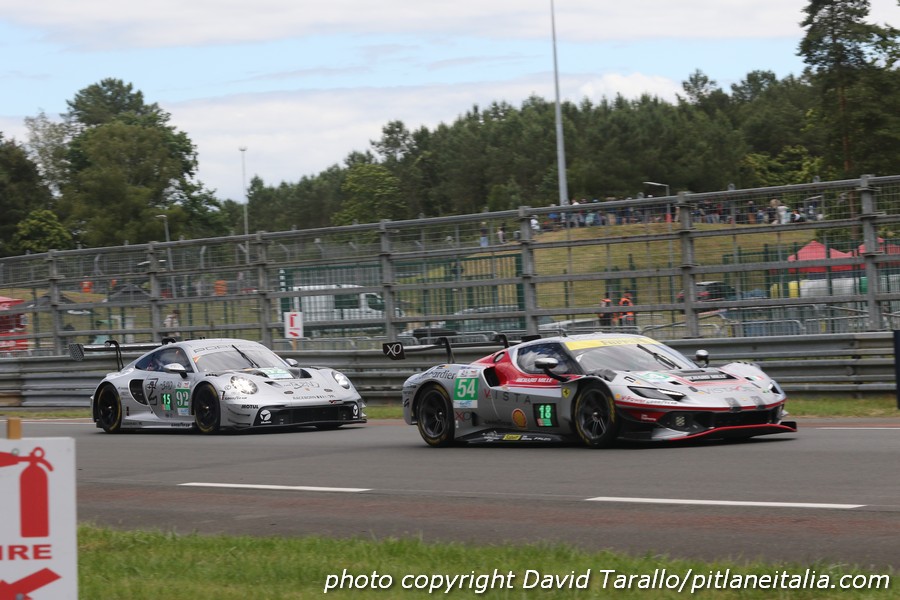
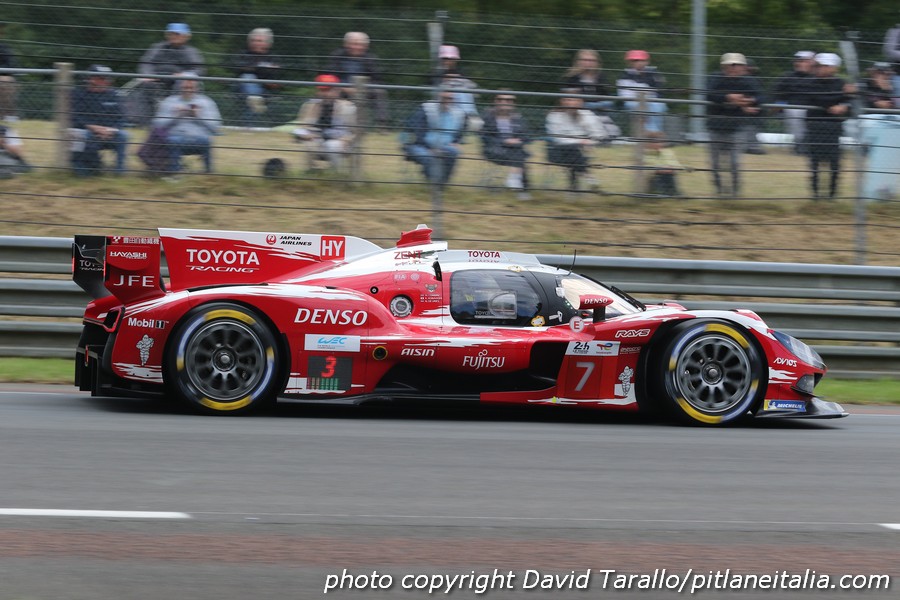
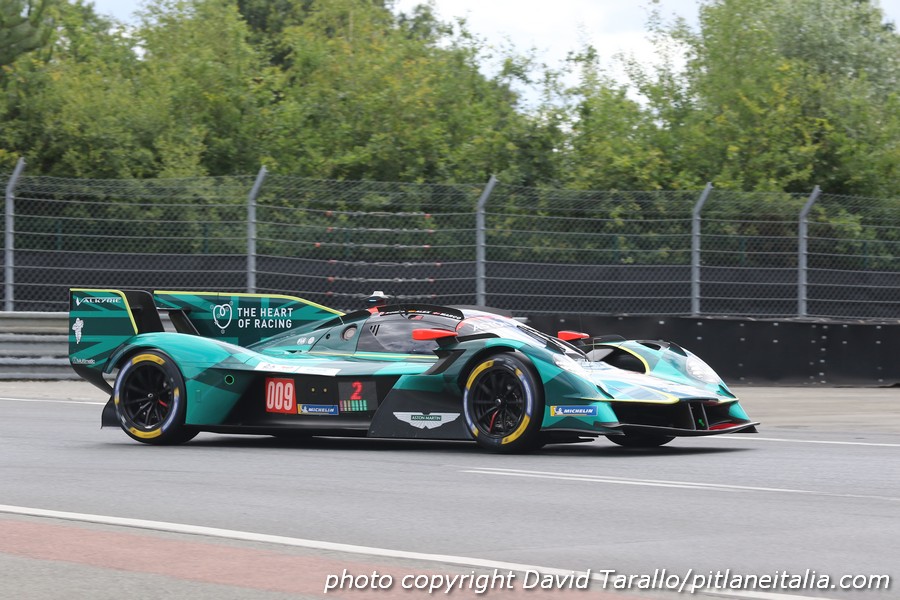
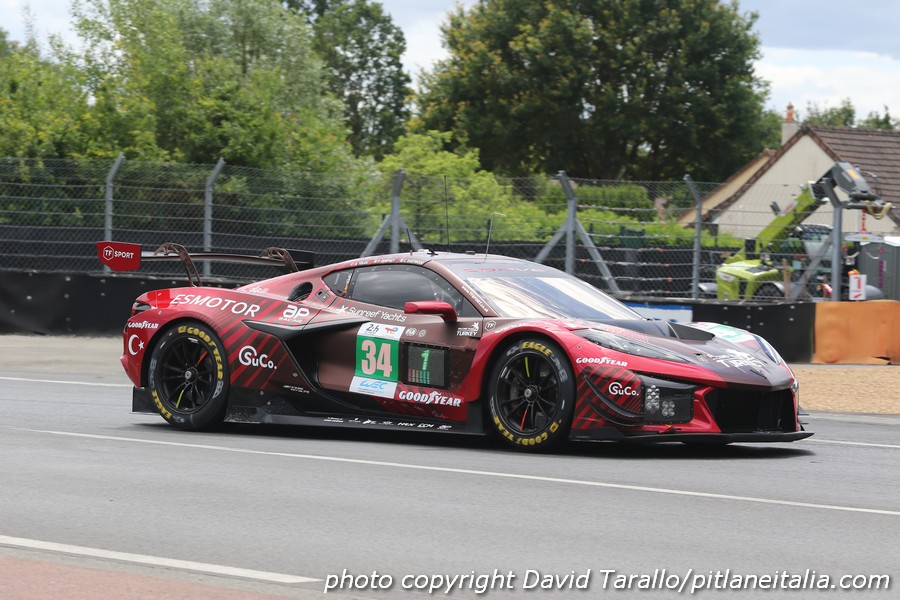
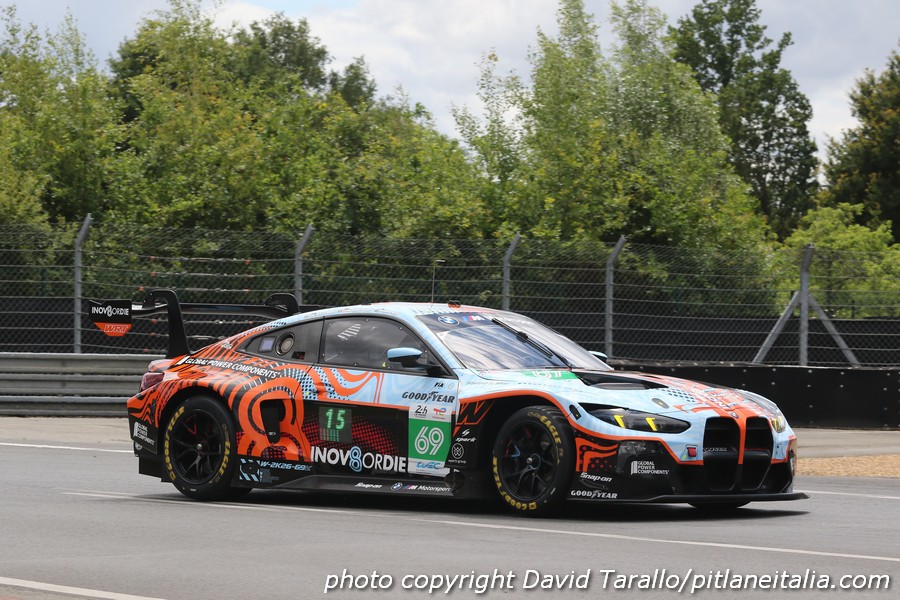
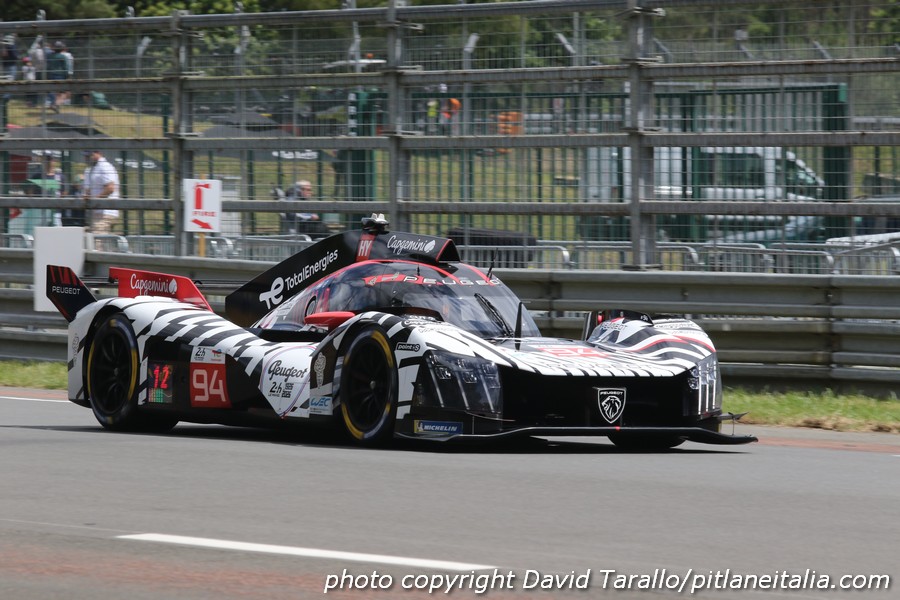
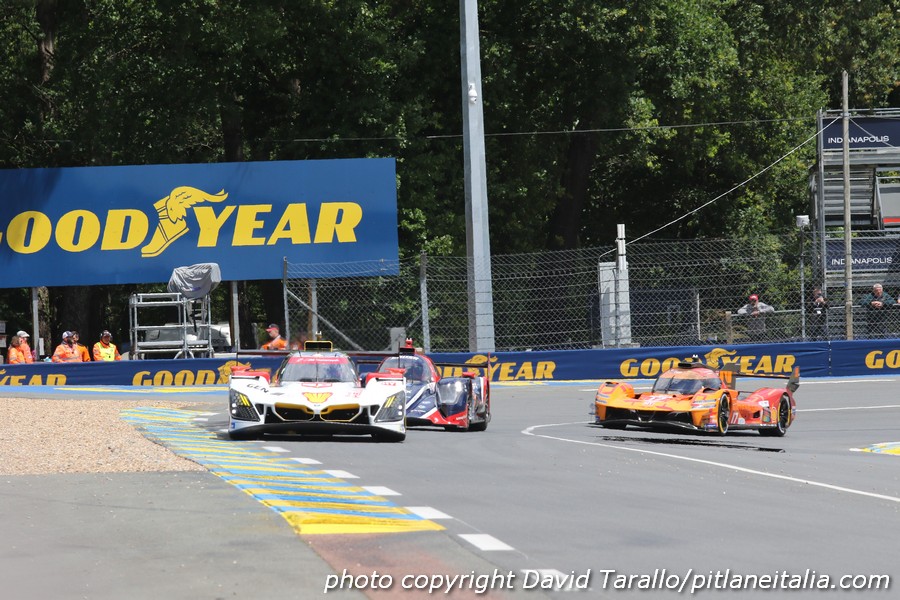
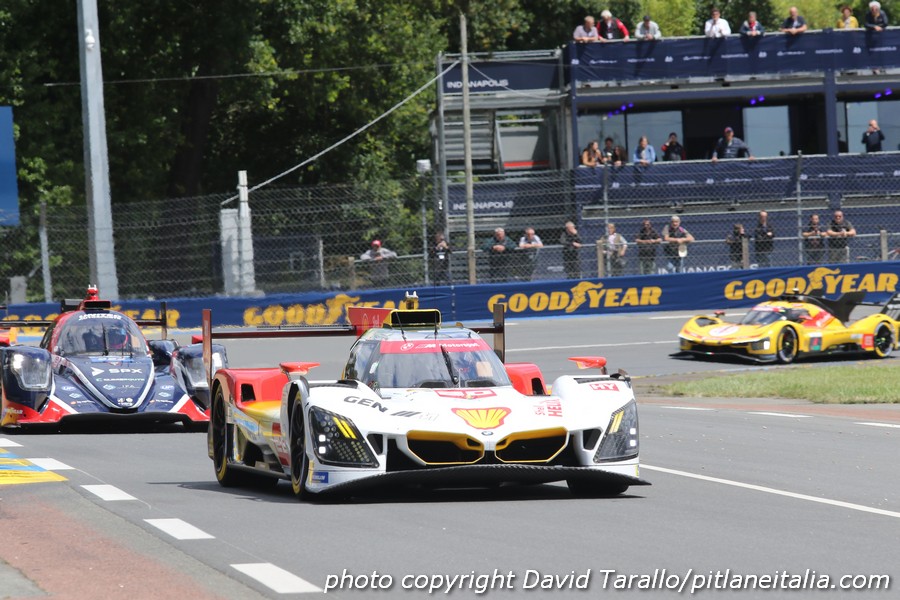
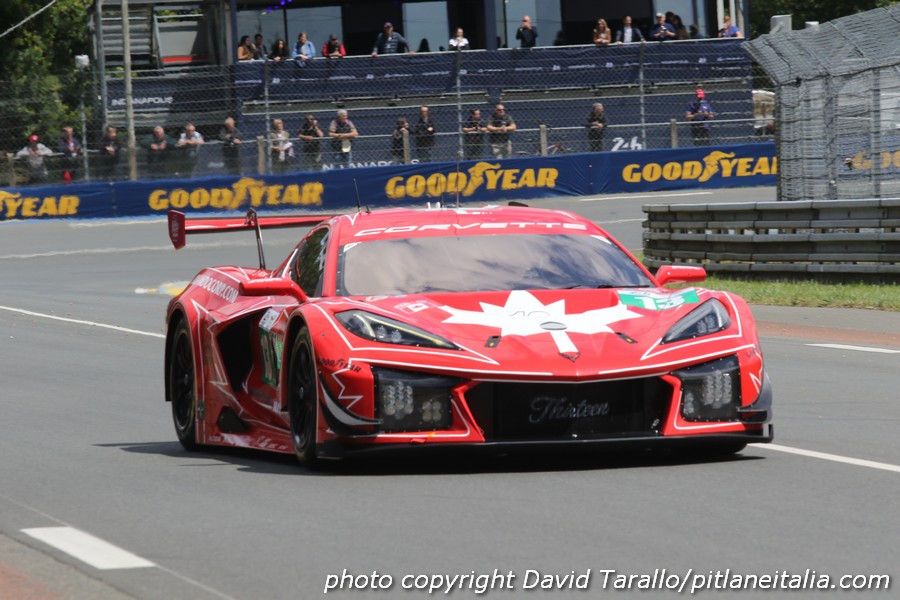
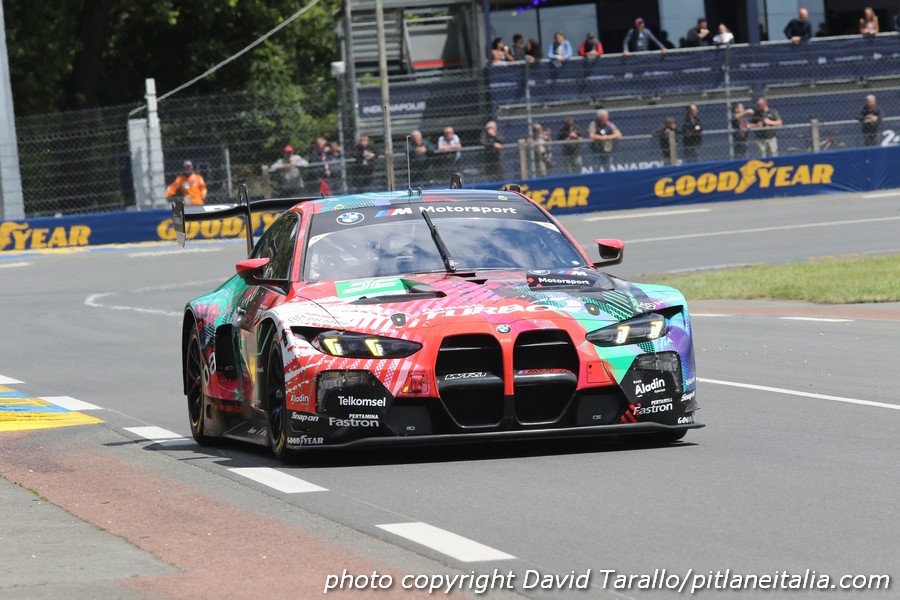
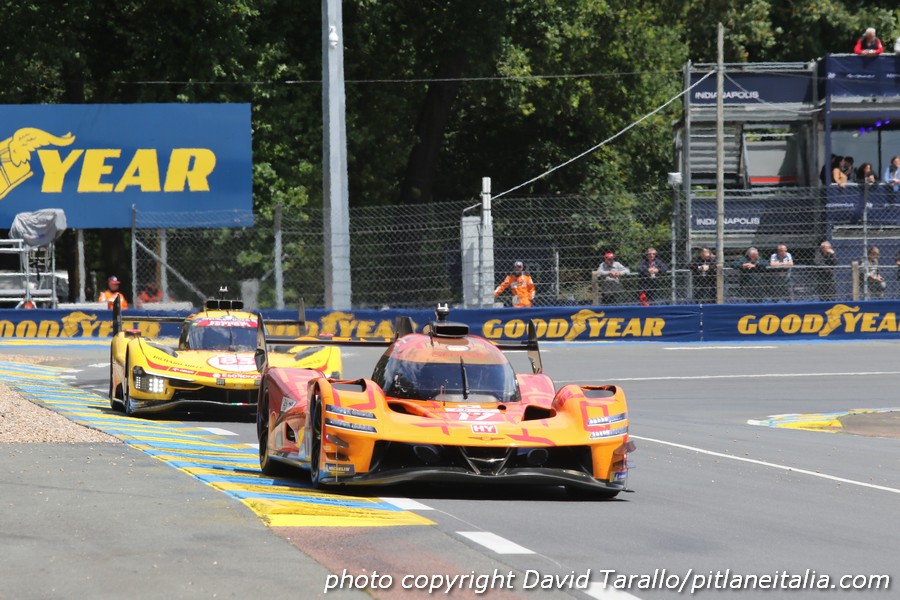
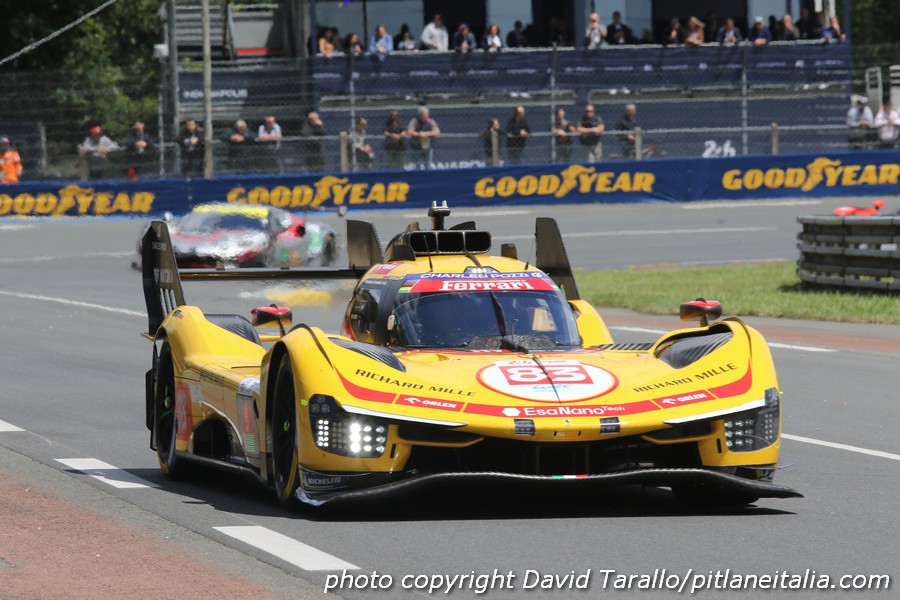
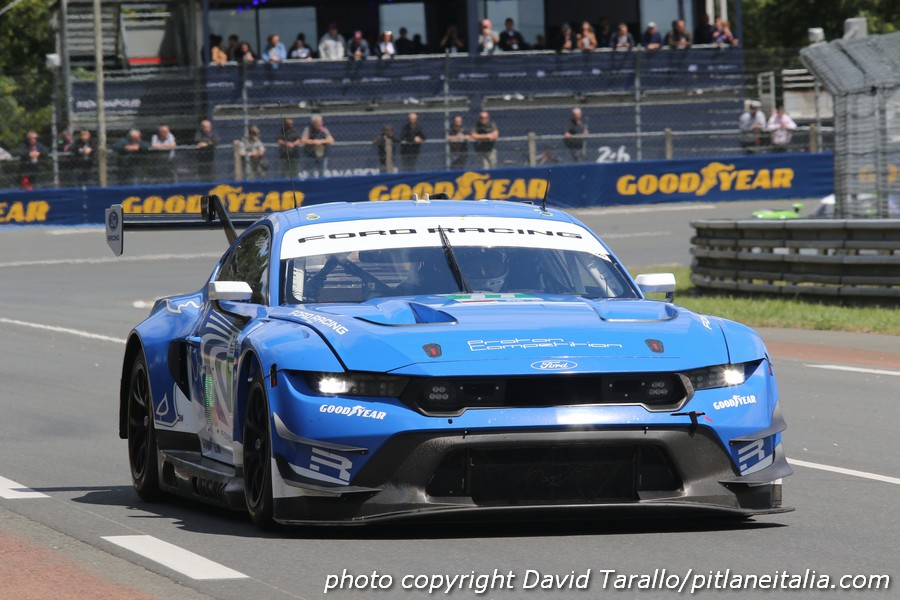
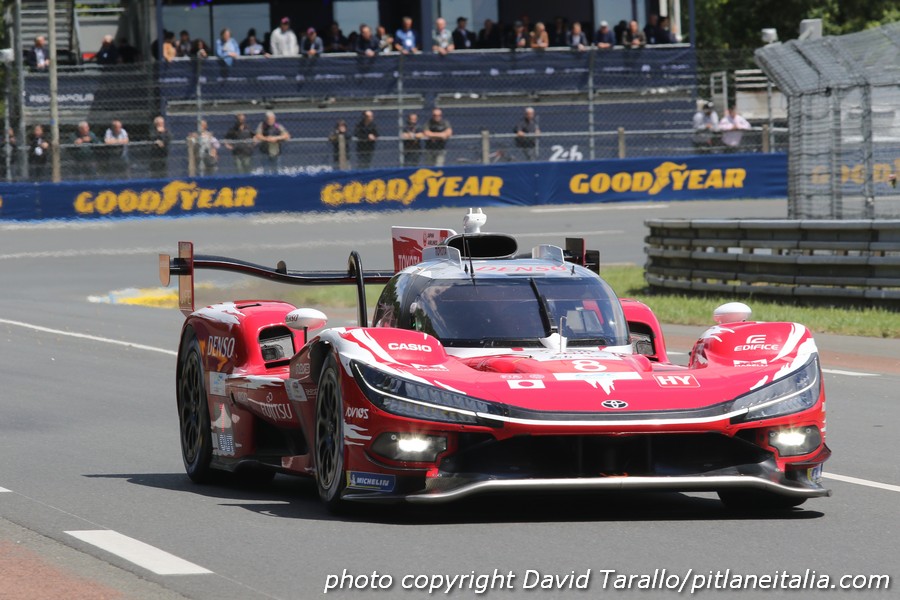
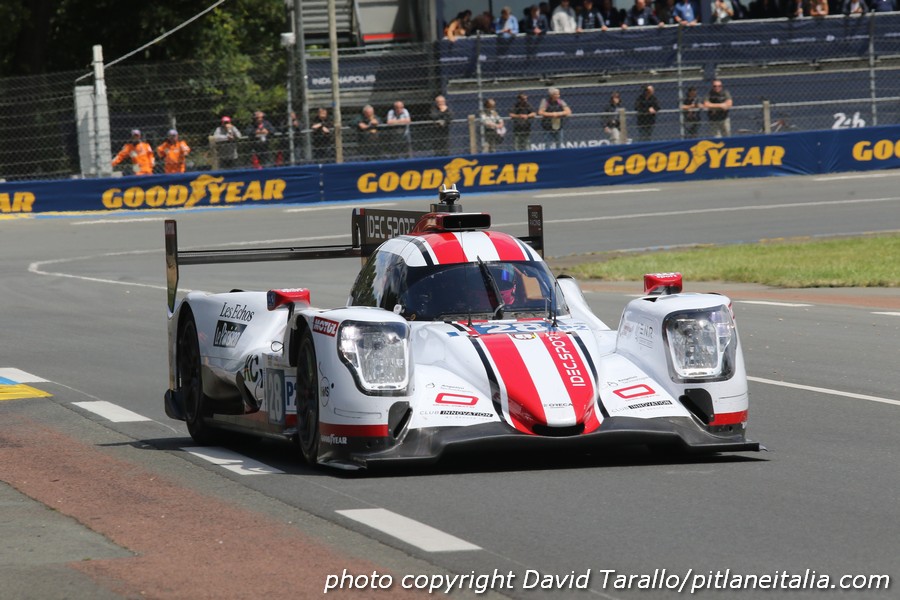
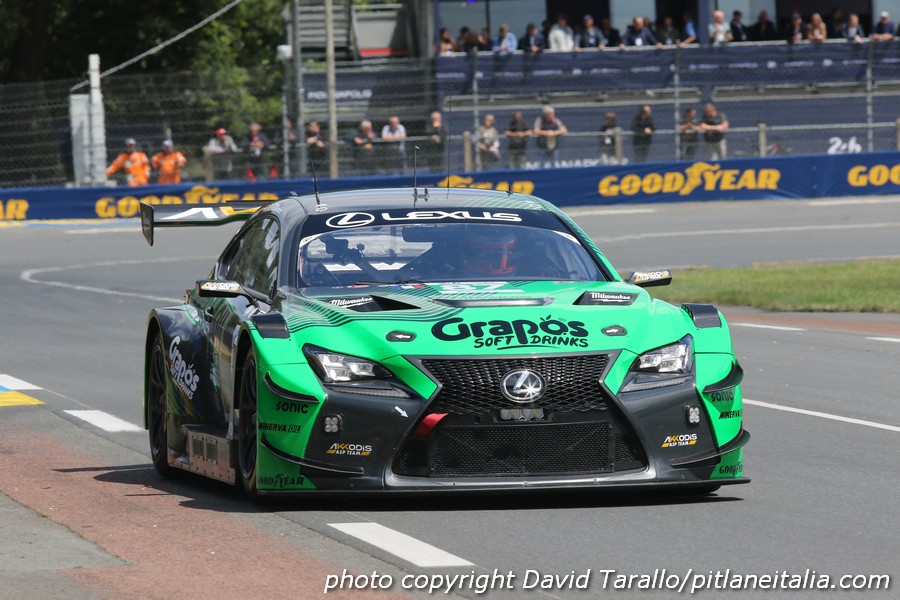
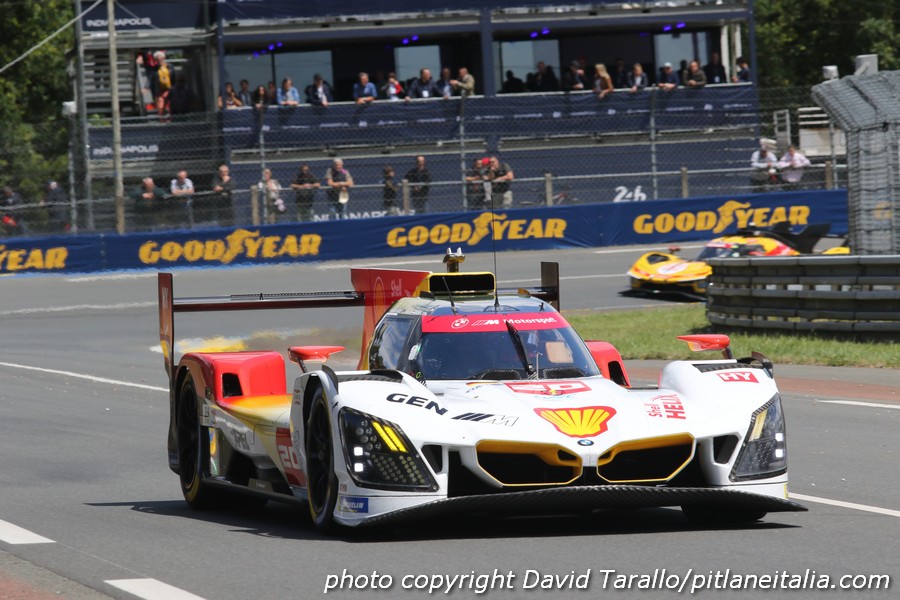
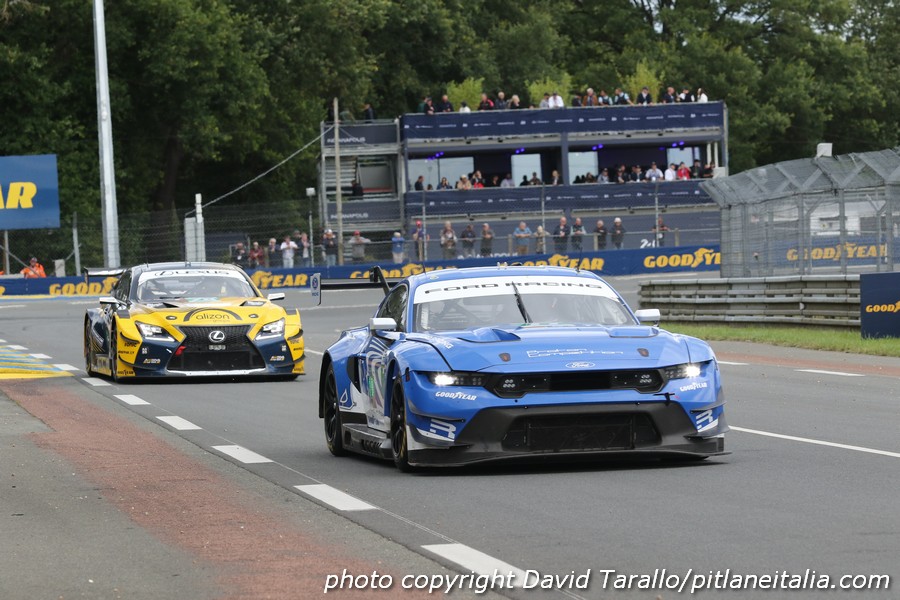
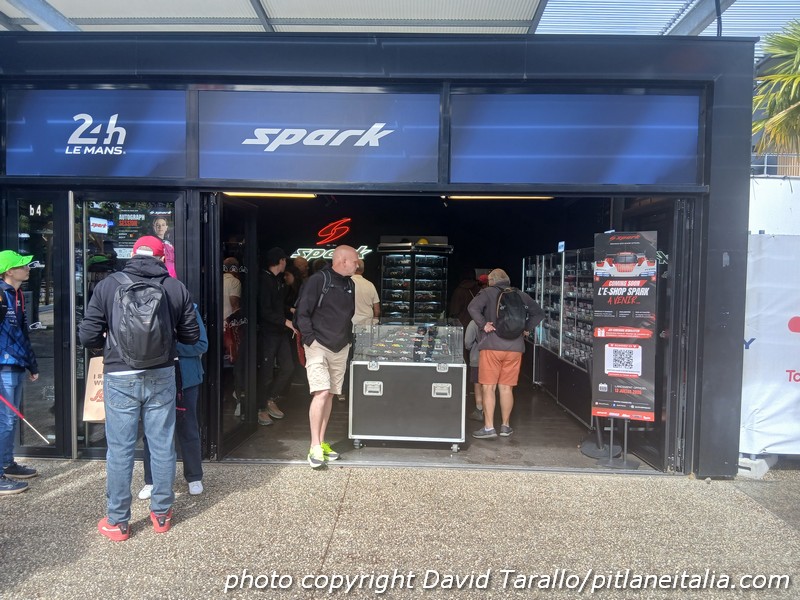
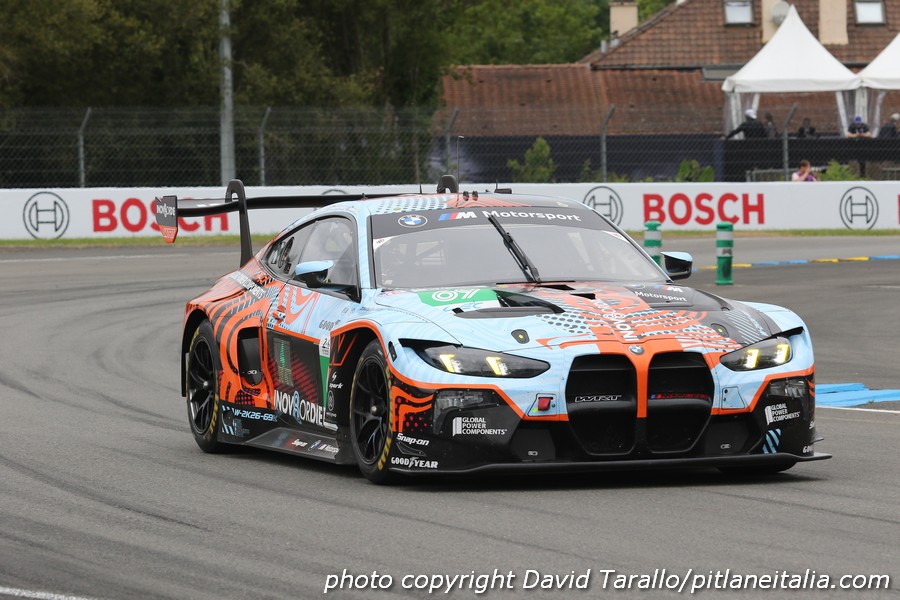
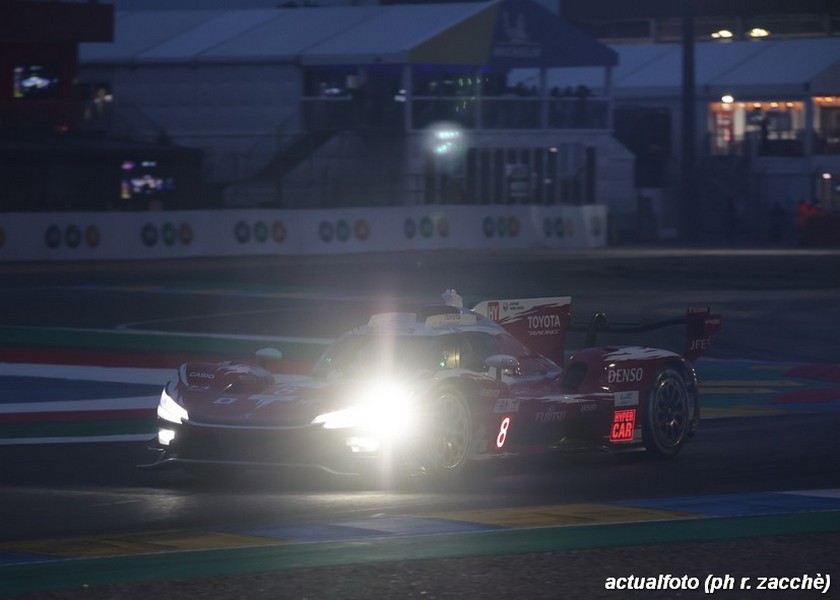
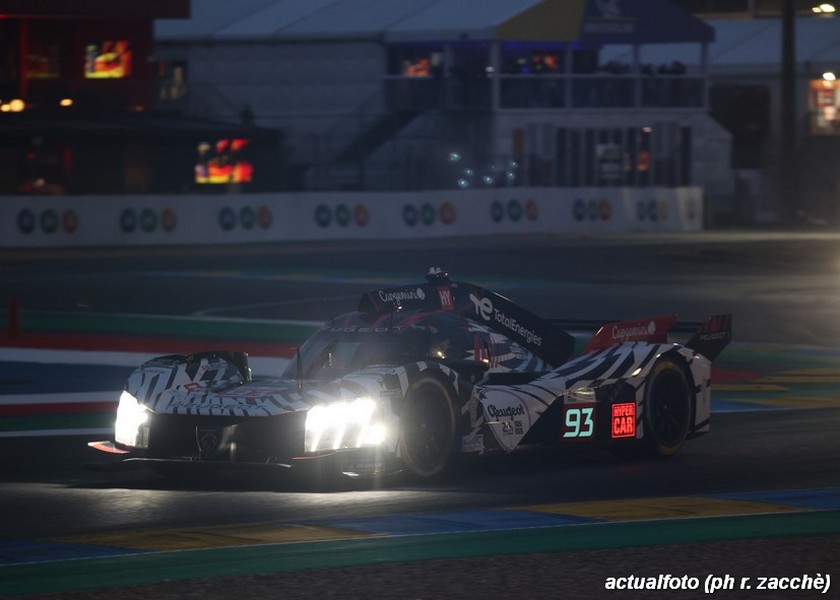
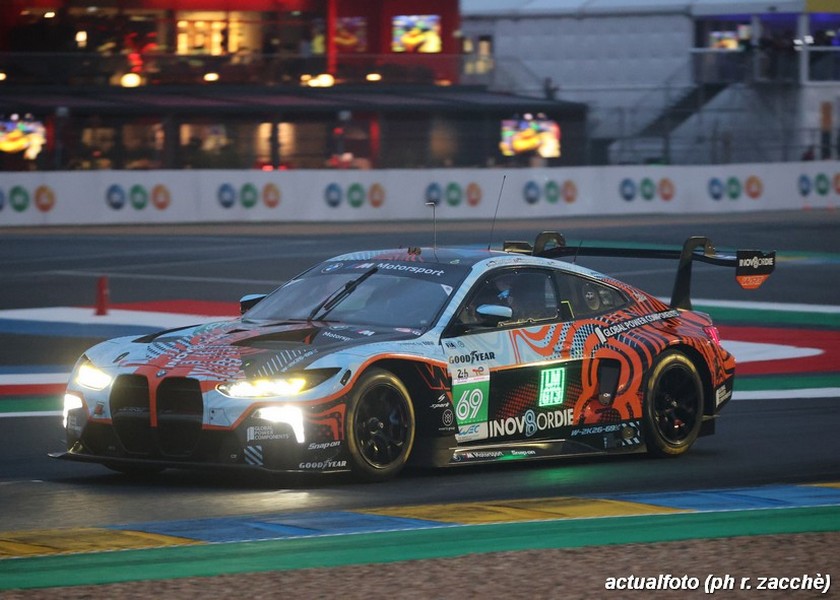
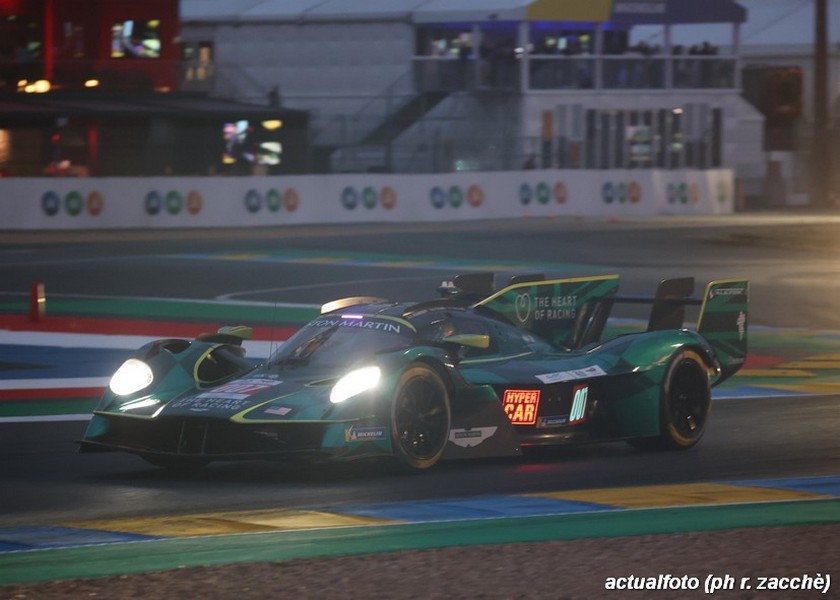
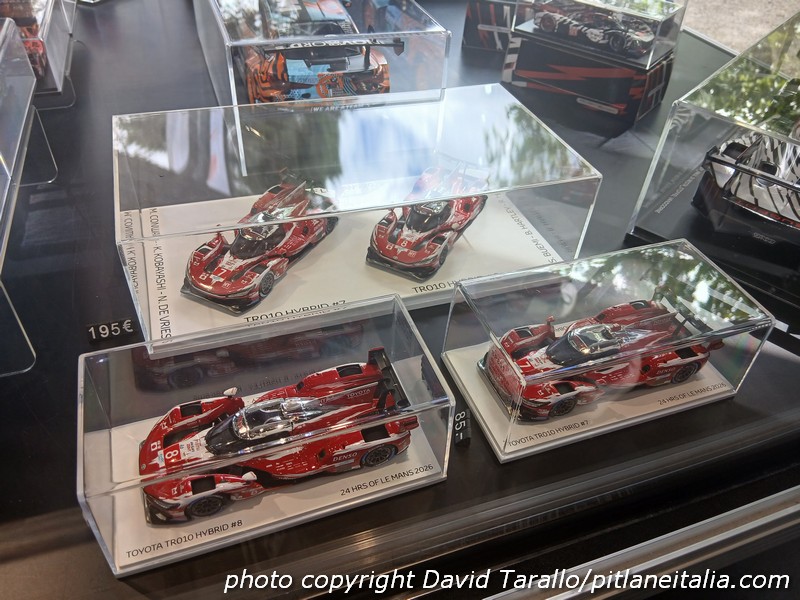
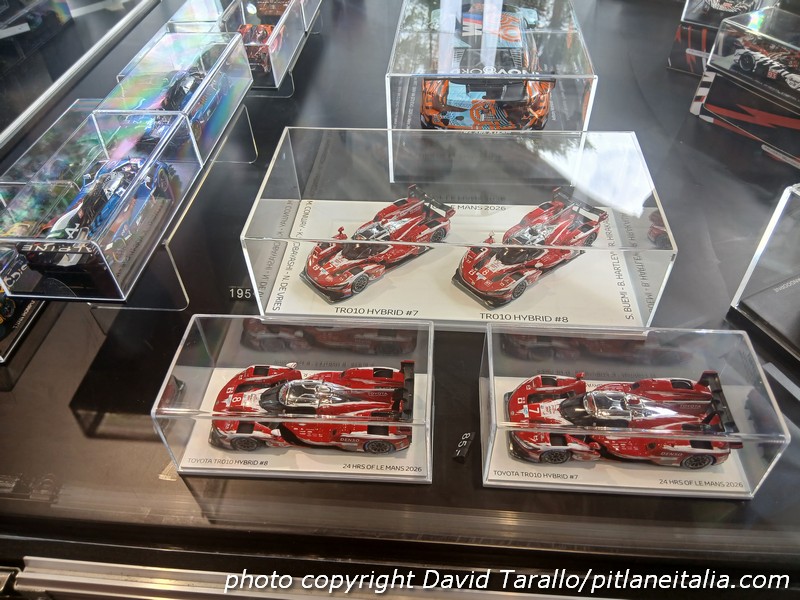
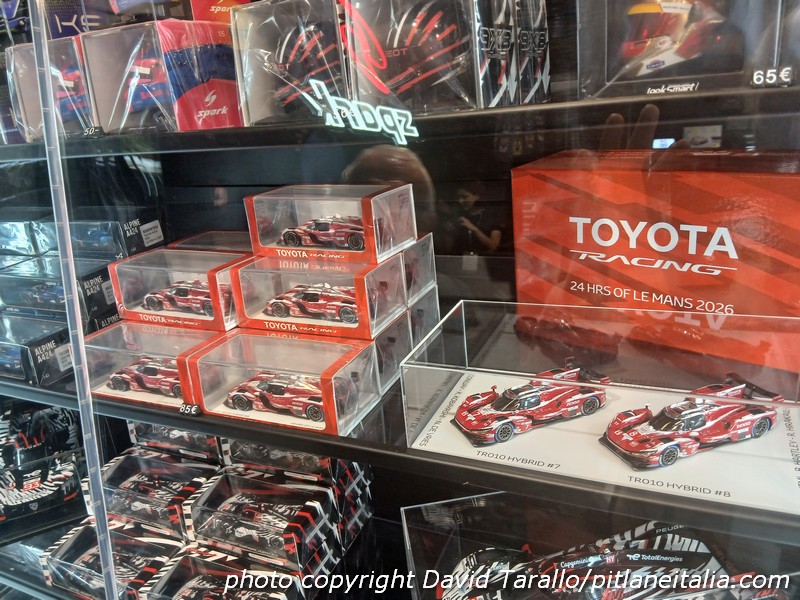
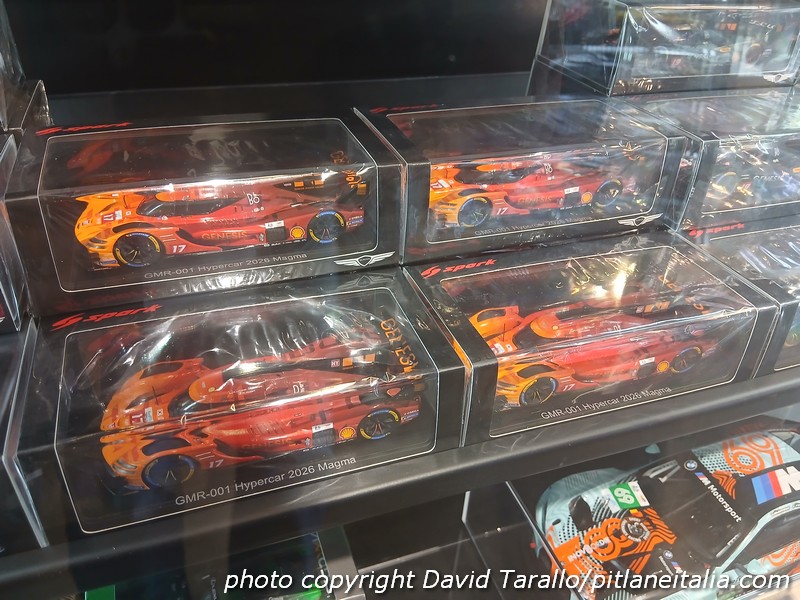
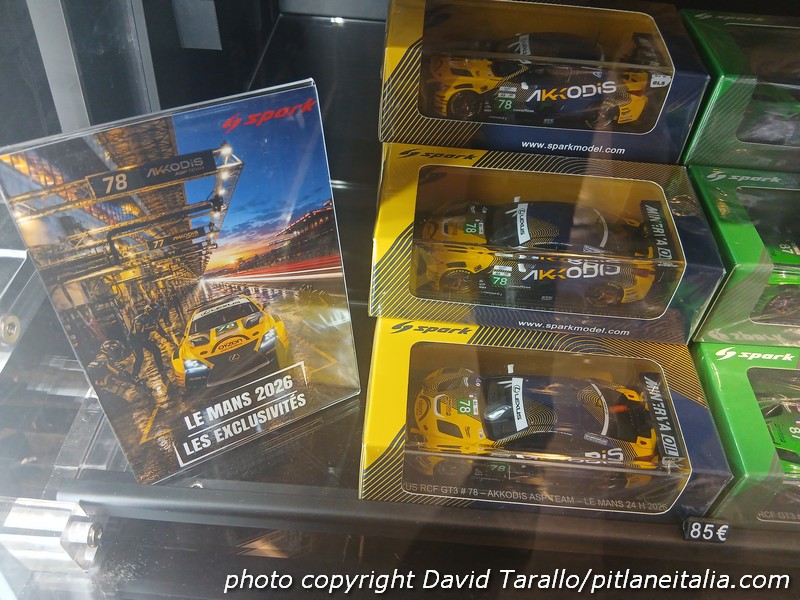
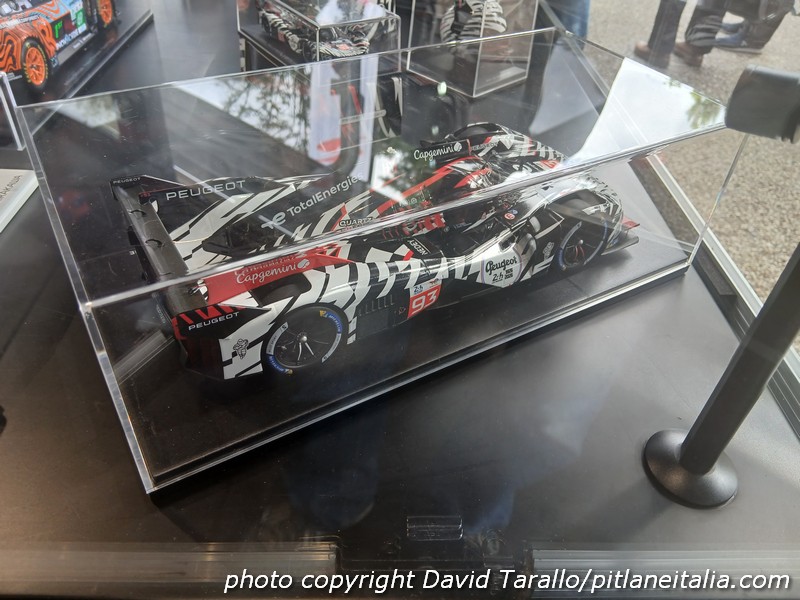
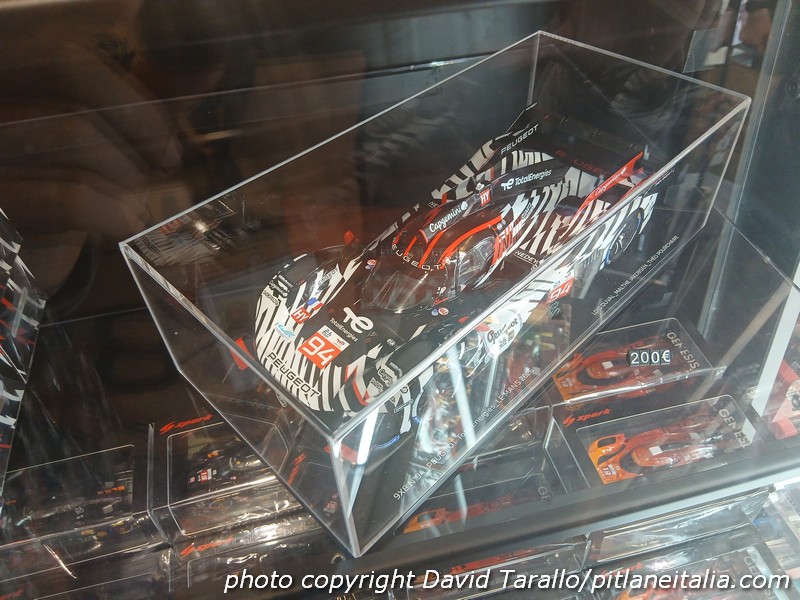
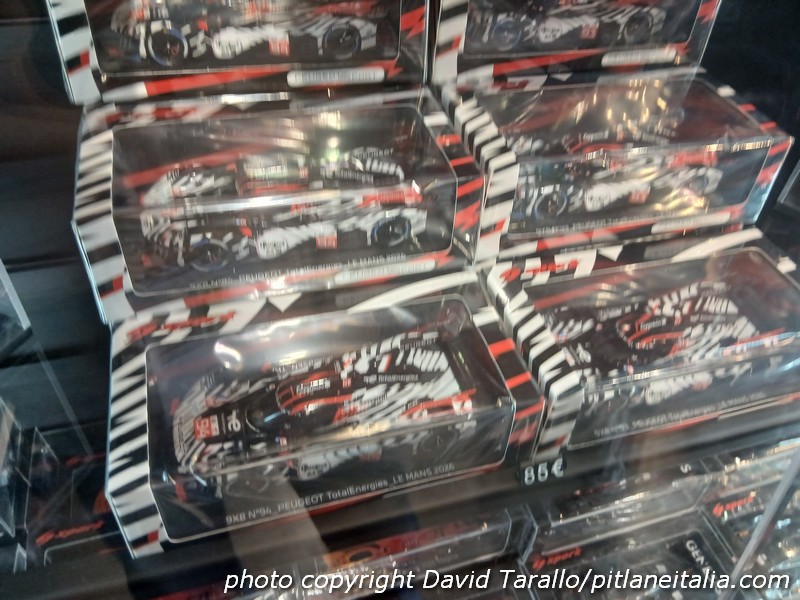
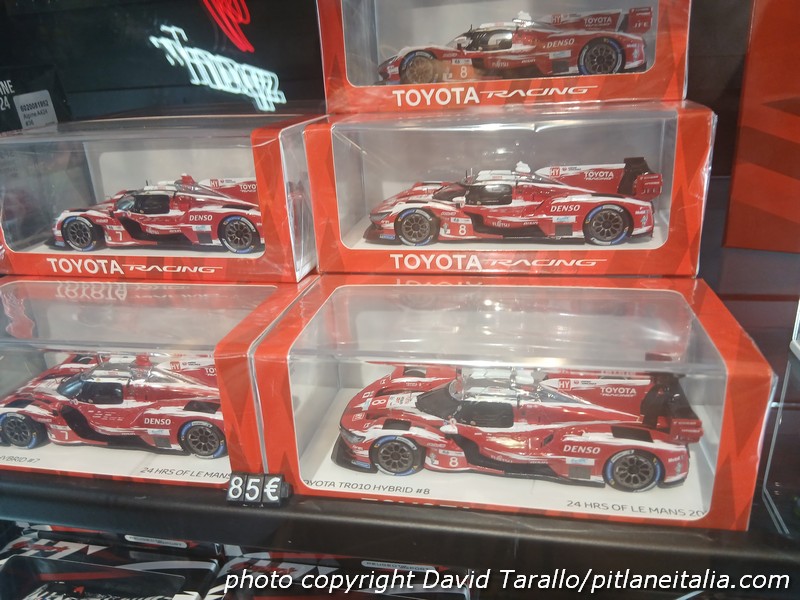
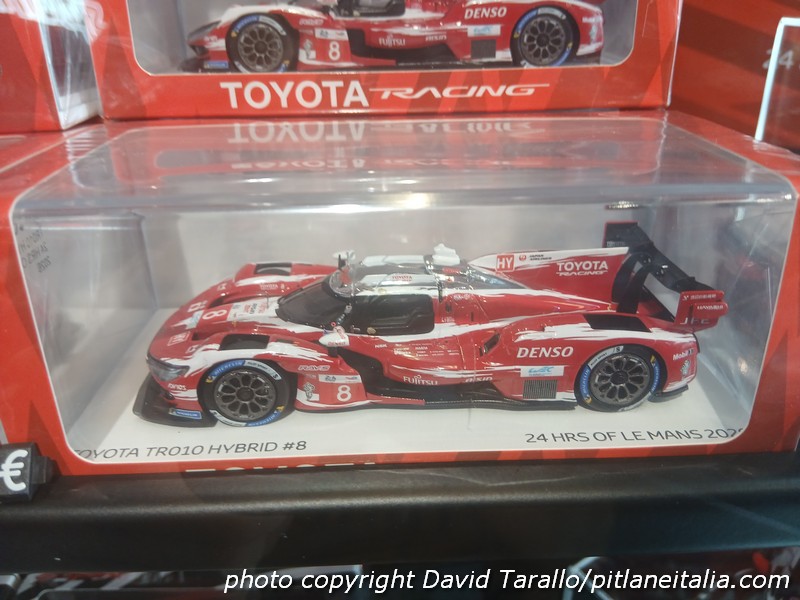
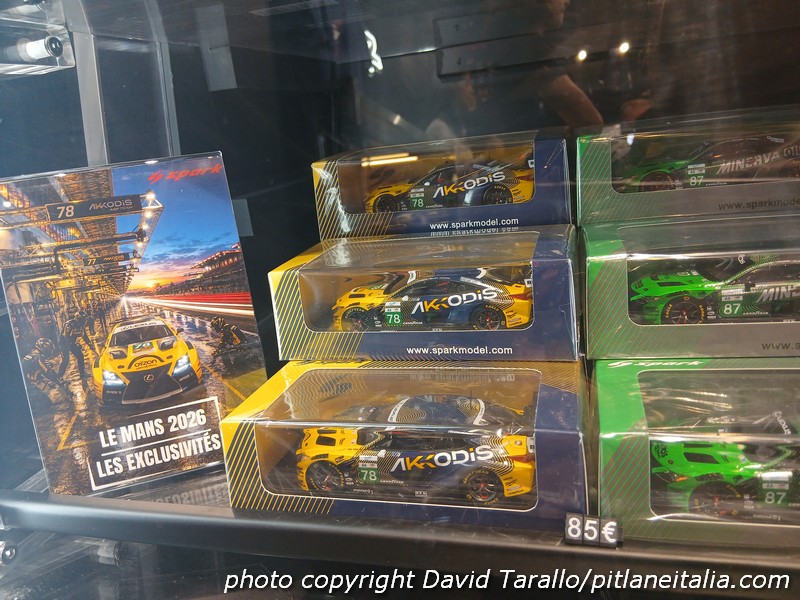
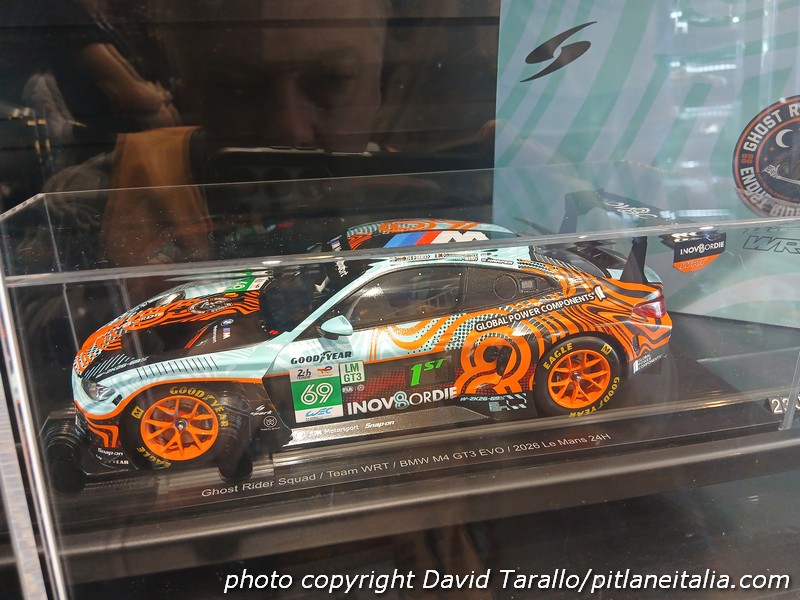
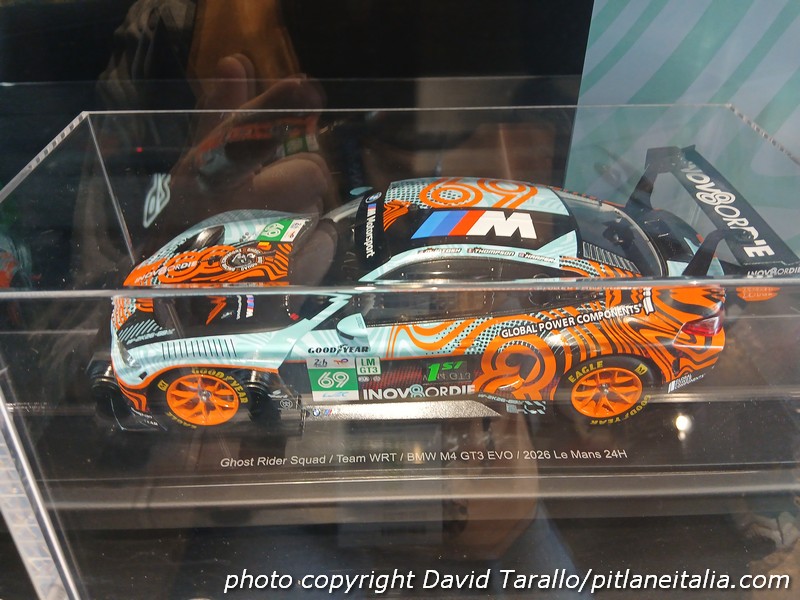
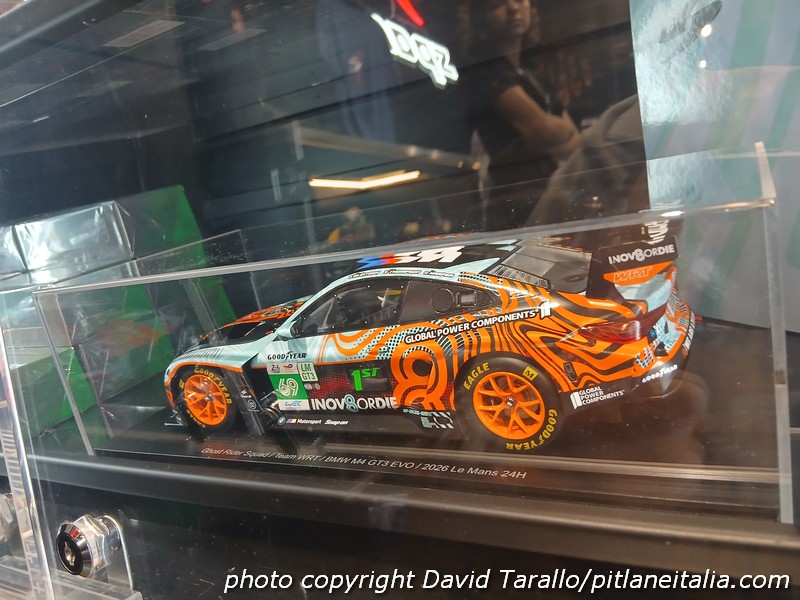
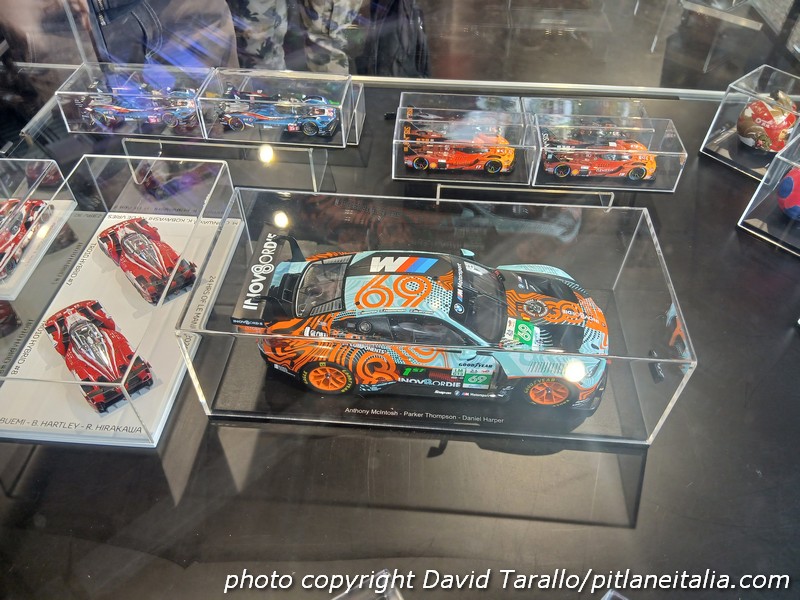
Con l’apertura del paddock e delle zone commerciali, Spark ha completato l’offerta delle edizioni speciali ed esclusive per la 24 Ore di Le Mans. Oltre alle Toyota e alle Alpine di cui avete già letto su PLIT1, la serie degli Spark in versione Le Mans 2026 si estende alle Peugeot, alle Genesis e alle Lexus in scala 1:43 e alle Peugeot e la BMW GT #69 in 1:18. Quest’ultimo modello va particolarmente tenuto d’occhio perché è suscettibile di parecchie speculazioni (non pensiamo ai livelli raggiunti dalla BMW art-car del 2024 ma azzardare previsioni è sempre molto complesso).
Seconda parte della storia di Old Cars. La prima parte la trovate a questo link: https://pitlaneitalia.com/2026/05/12/old-cars-story-part-1/ . Come al solito ringraziamo calorosamente gli autori e chi ha deciso di collaborare permettendo la pubblicazione di foto e materiale. Un “grazie lo stesso” anche a chi invece ha scelto una strada diversa, negando il permesso di pubblicare foto che peraltro erano già uscite altrove; alcune di queste immagini, tra l’altro, sono visibili in un altro sito che si è limitato a piratarle. Buona lettura. [David Tarallo]
by Fedor Eliseev and Marco Nolasco
By the early 1980s, Old Cars had become a leading Italian company specializing in die-cast models of commercial vehicles. While producing a vast range of trucks, Luigi Castellani and his employees never stopped developing new products. During this period, Luigi’s wife, Gisella, left her previous job in the textile industry and began helping her husband in the model business. As a result, Old Cars became a family enterprise.
The company was developing very dynamically and opened a new direction in the commercial vehicle segment.
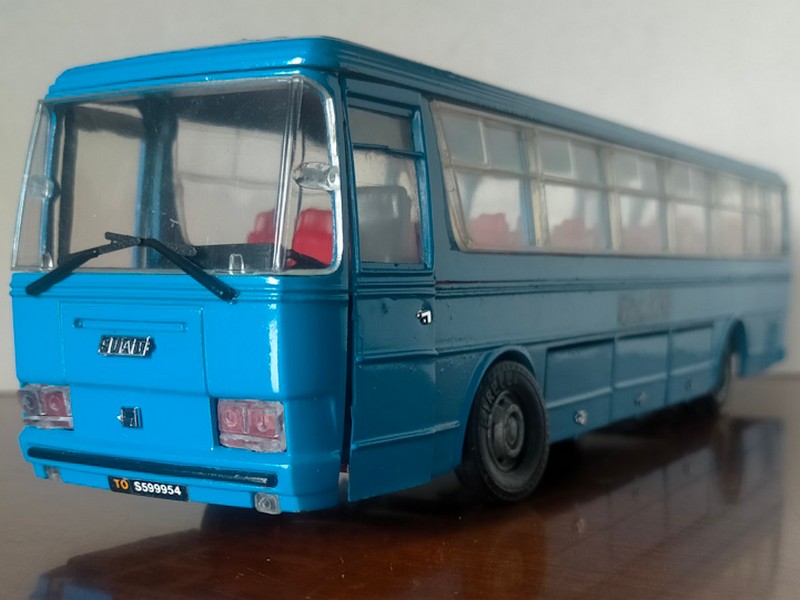
In 1981, the first Iveco 370 bus was released. At that time, 1/43 scale bus models were extremely rare, even among hand-built manufacturers. Therefore, there is little doubt that Old Cars was a pioneer in the production of 1/43 die-cast buses.
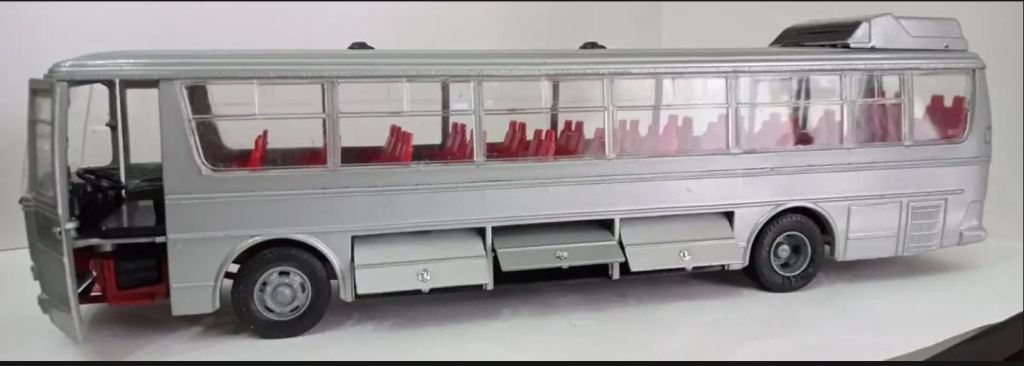
The original coach was introduced in 1976 and was available with three wheelbase options. Most versions were equipped with a 6-cylinder, 260 h.p. engine, while the most powerful version was fitted with an 8-cylinder, 352 h.p. unit.
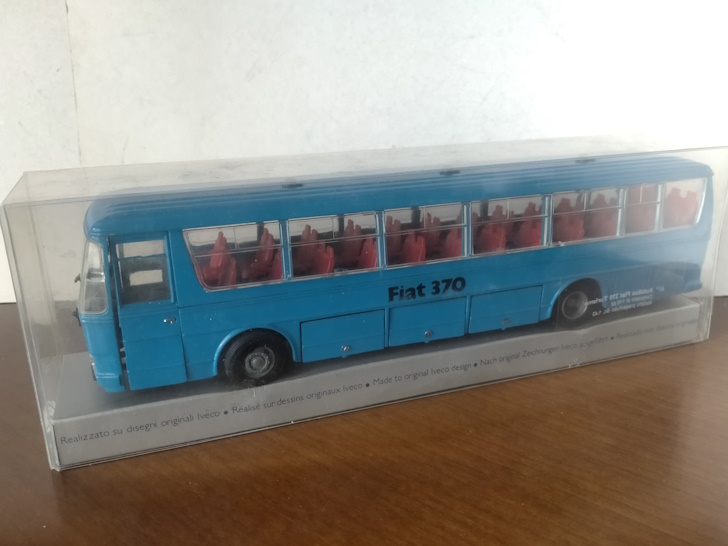
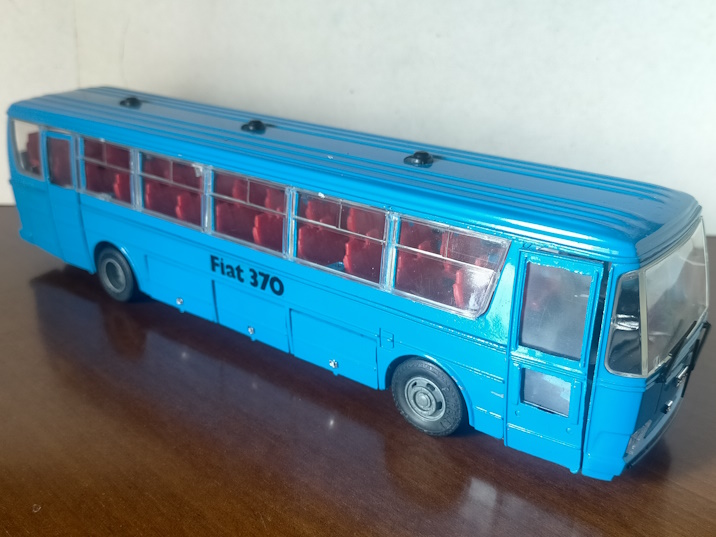
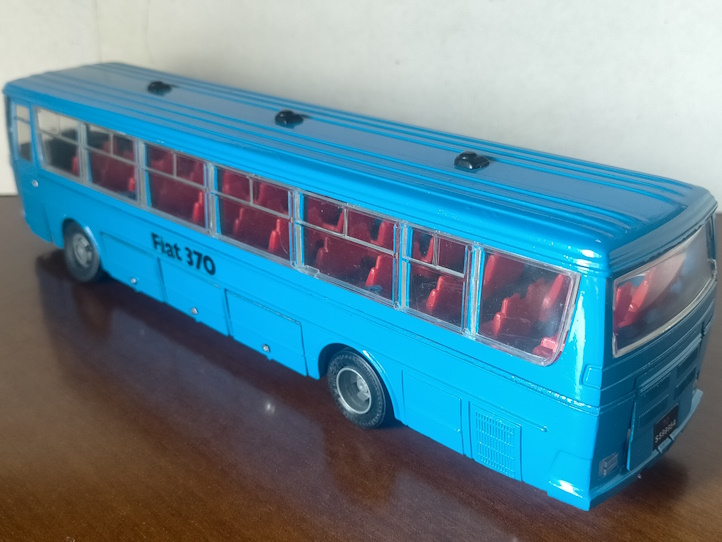
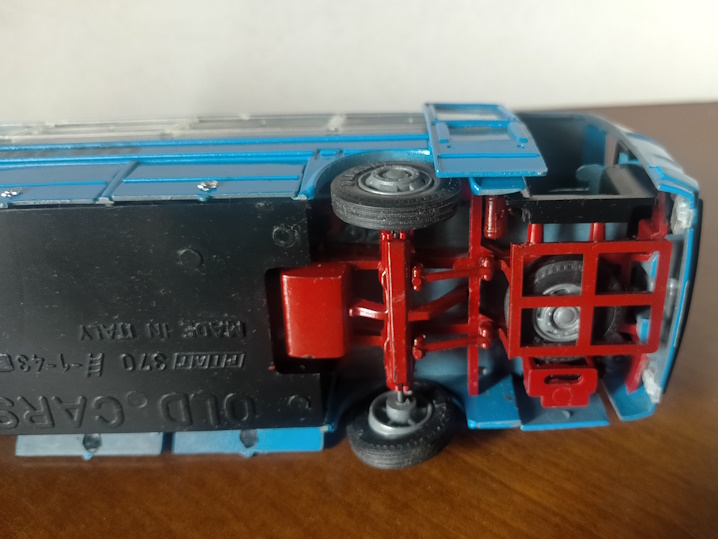
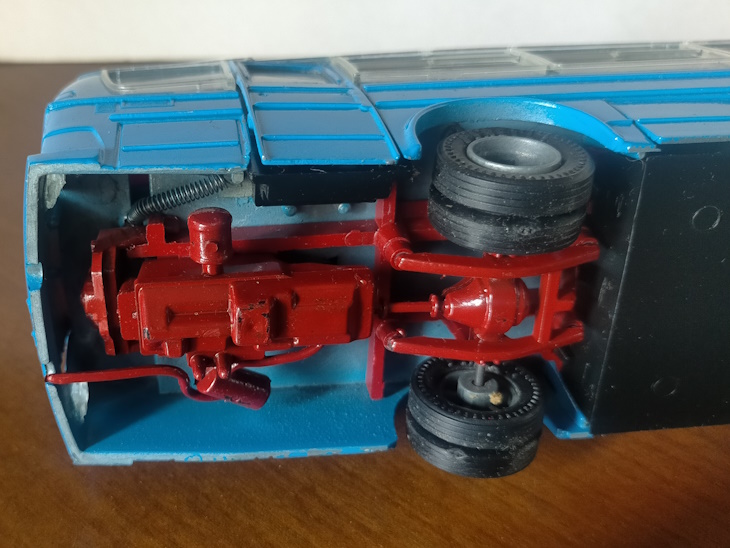
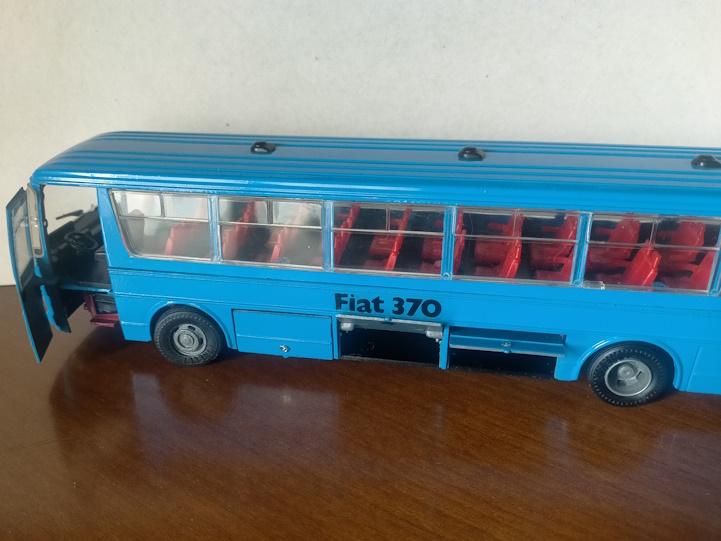
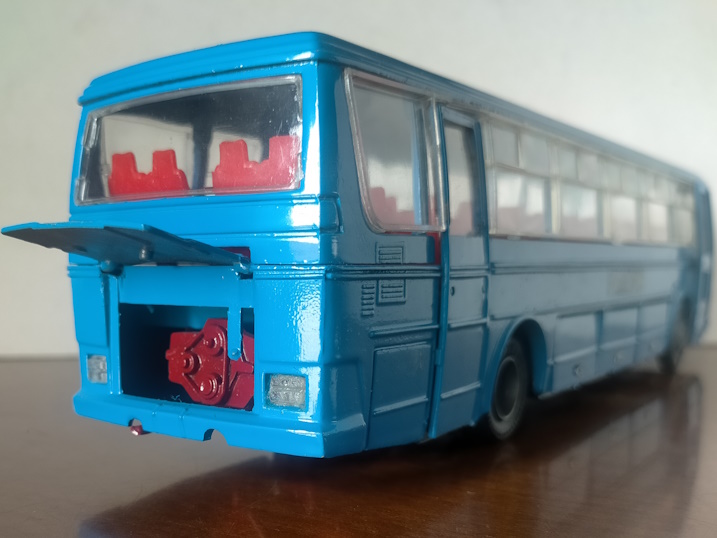
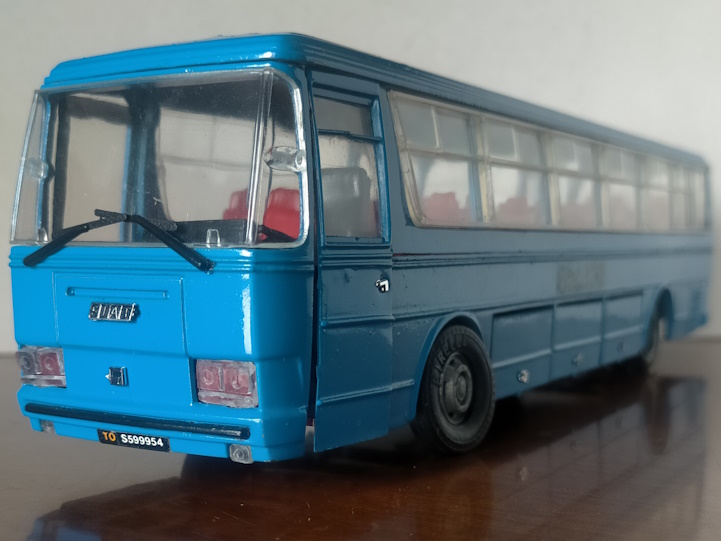
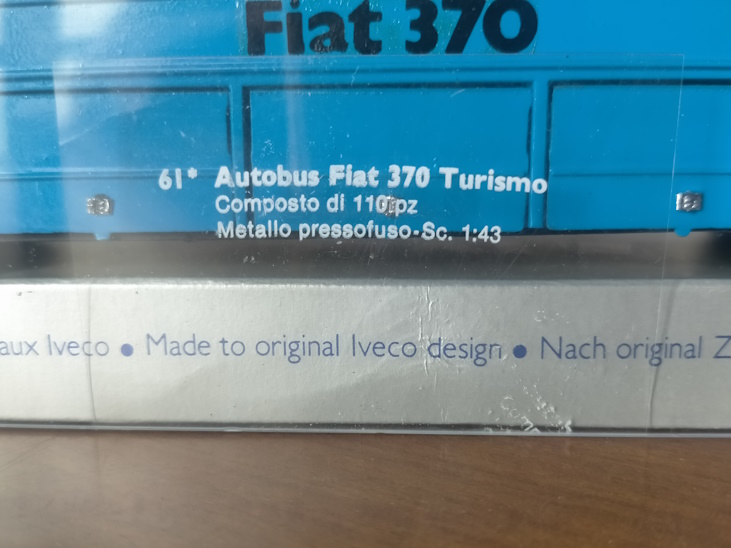
The Iveco 370 bus was produced on behalf of the Fiat group as a special souvenir for employees. Luigi and his team made this model exceptionally detailed. It featured all opening parts – including the passenger and driver doors and the luggage compartment doors – an extremely detailed chassis reproducing all engine, transmission and exhaust system components, and a detailed interior.
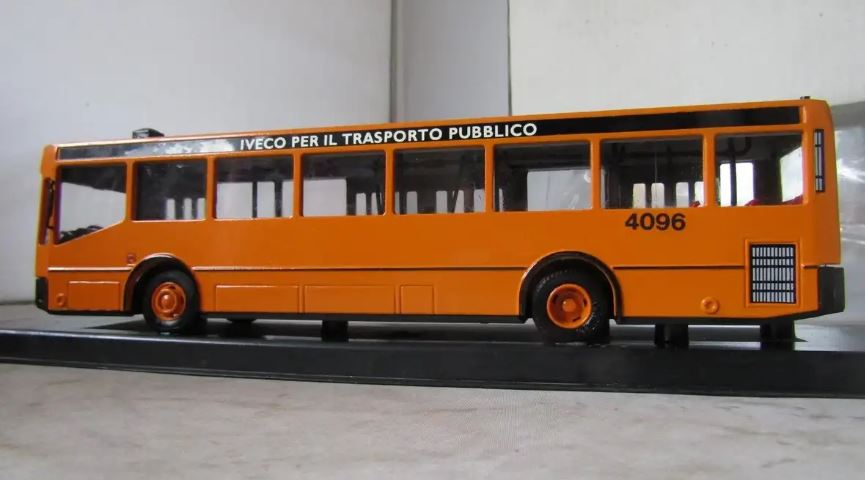
These models were ordered by Iveco to be presented as souvenirs to workers and partners. They demonstrated Old Cars’ ability to produce highly detailed miniatures. Unfortunately, most Iveco 370 buses were used as toys by employees’ children and were damaged, since they had been designed as collectors’ items rather than toys. As a result, Iveco asked Old Cars to modify the moulds by attaching the front section permanently to the body and fixing the doors in place. Thus, after the production of 2,000 units, the original Iveco 370 bus was replaced by a modified version. Today, the first Iveco 370 models are extremely scarce and expensive.
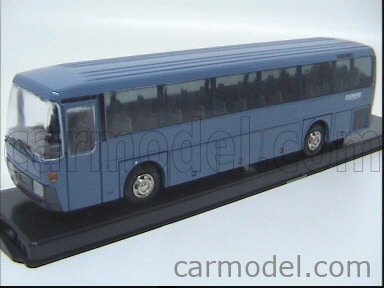
Subsequent Iveco 370 models reproduced buses of the next generation, including the 1987 370S version.
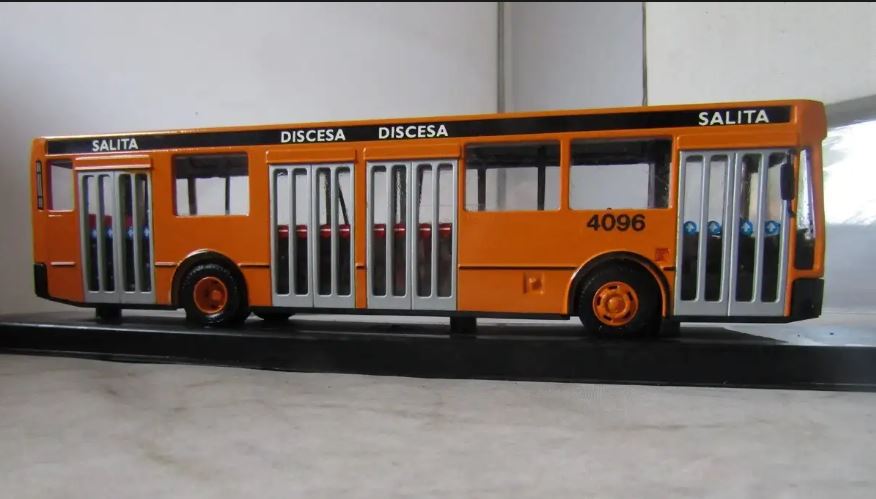
In 1983, Old Cars launched its first city bus, the Iveco Effeuno. This range of diesel-powered buses featured a modular design that led to a city version (U-Effeuno), a suburban version (571 S-Effeuno), and an intercity version (671 I-Effeuno). In 1990, it was replaced by the Iveco Turbocity.
During the 1980s, Old Cars released buses such as the Padane X2 for Officine Padane of Modena (1986), the Iveco 371 (1987), and the Iveco Turbocity Orlandi Domino (Orlandi was a Fiat bus division).
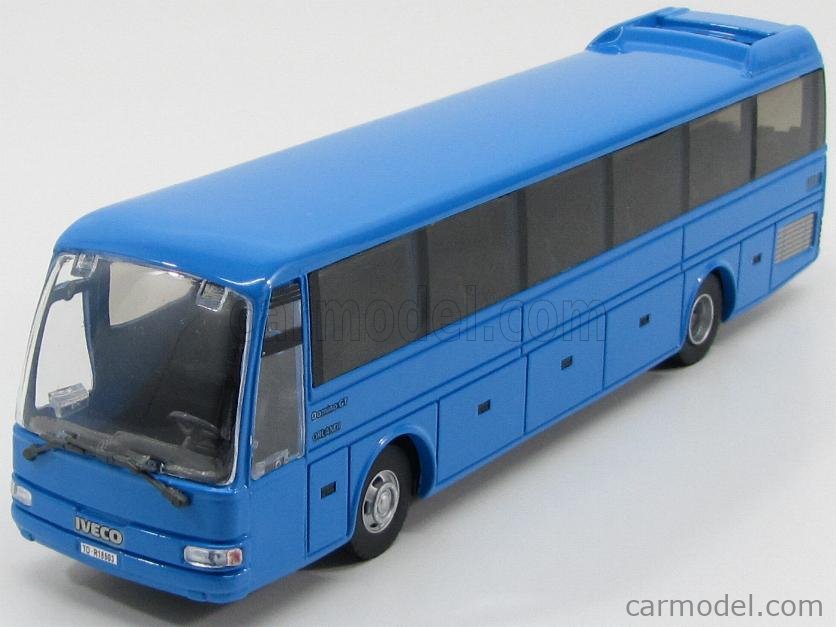
All bus models were made of die-cast metal and plastic, featured reasonably detailed interiors, and were painted in the liveries of transport companies, racing teams, police forces, and other public services.
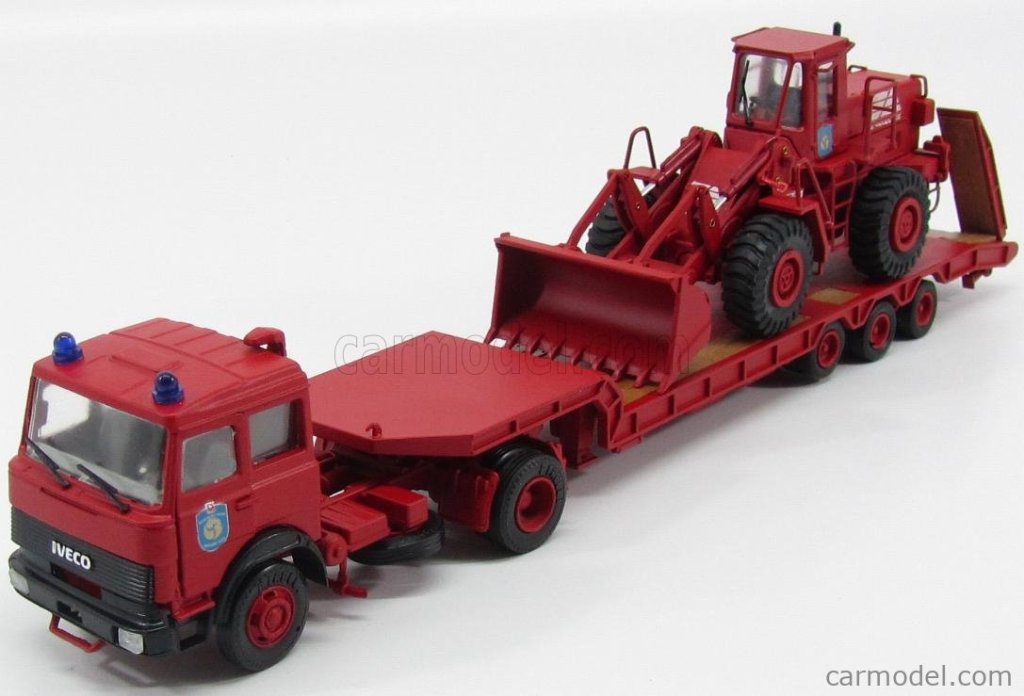
Luigi and his team followed a precise strategy. Whenever they planned a new model or a restyling, they consulted Iveco’s advertising department to assess the feasibility and timing of tooling and production. In every case, production decisions were made following discussions between Iveco and Old Cars. After deliveries to the Iveco organization, the company developed each model in different colours for sale to importers and Italian retailers.
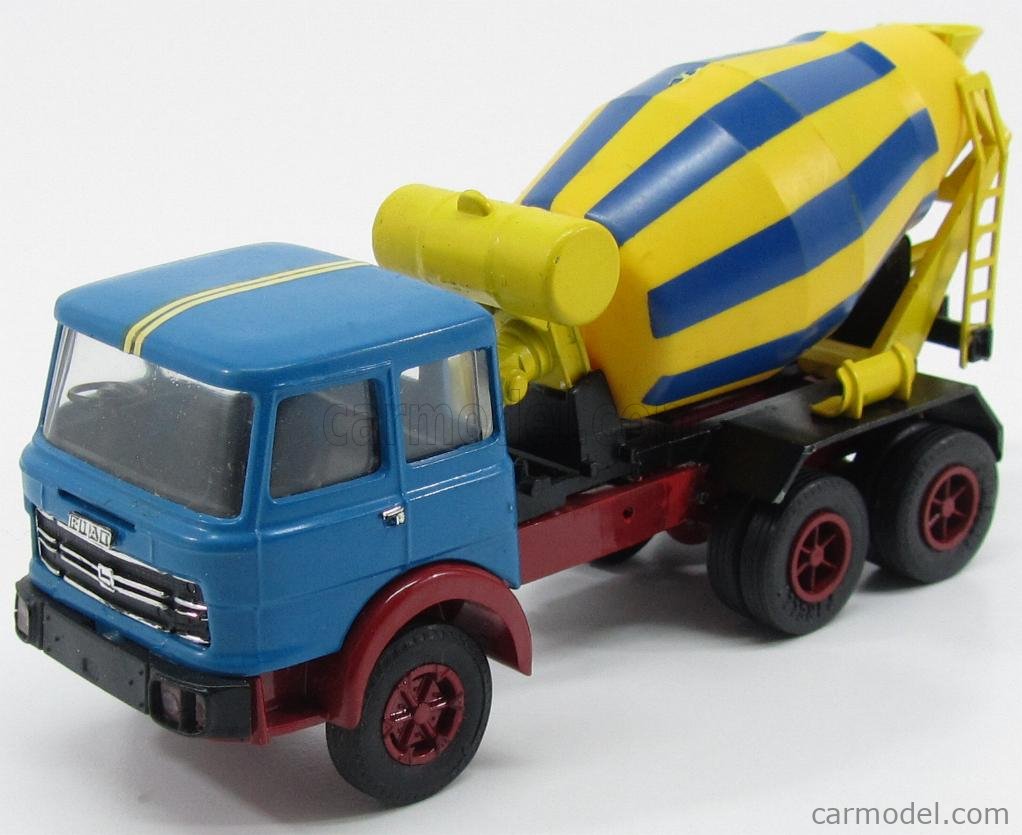
Every year, Old Cars produced several thousand buses for collectors and transport companies wishing to obtain miniatures finished in their own liveries.
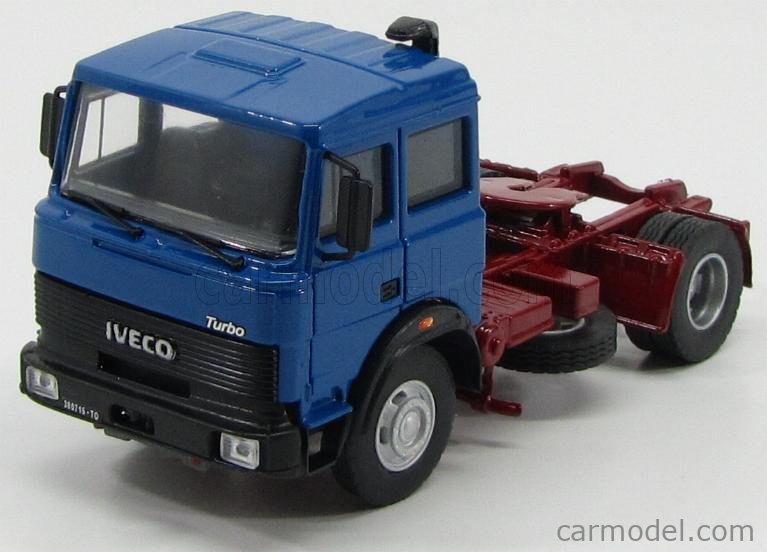
The truck segment also continued to expand with new models such as the Fiat 170 and the Iveco 190 Turbo and Turbostar. The latter two became Old Cars’ most successful truck models during the 1980s and the first half of the 1990s.
Iveco’s heavy trucks originated when Fiat began production of the 170/190 series designed by OM. These trucks had a gross weight of 17–19 tons and were equipped with a 17.3-litre, 352 h.p. V8 diesel engine without turbocharging, along with a new tilting cab featuring sleeping accommodations. Some time later, the V8 engine was replaced by a simpler 6-cylinder, 260 h.p. unit. With the addition of a turbocharger, this engine could deliver between 304 and 380 h.p.
The range was named the Iveco 190 Turbo. It included 22 variants of rigid trucks and tractor units (models 190.26P–190.36PT), featuring different cab sizes and wheelbases ranging from 3,485 to 5,005 mm. The 190 Turbo also introduced innovations such as adjustable headlights and warning indicators informing drivers when air filters or brakes required servicing.
In 1981, the Iveco 190 Turbostar range of long-haul tractor units was introduced in Paris. This series was equipped with a 420 h.p. V8 engine.
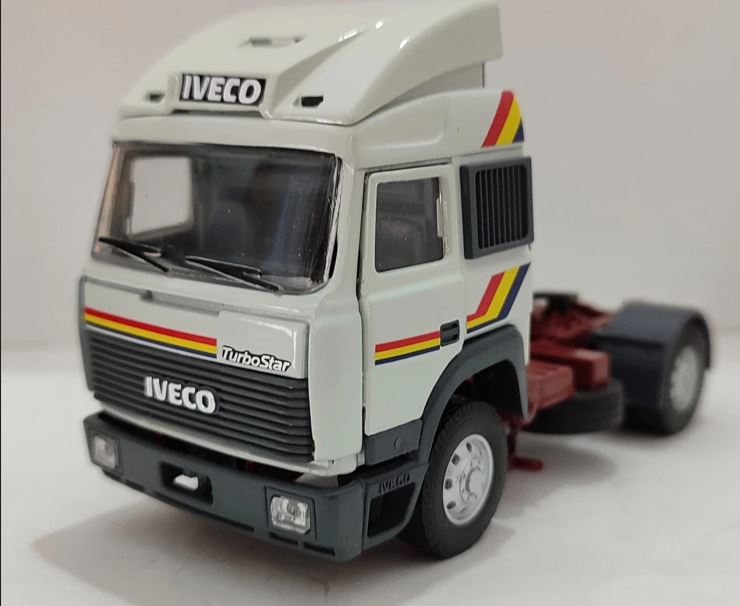
Old Cars seized the opportunity to produce a wide variety of 190 Turbo and Turbostar versions, offering customers a multitude of variants reflecting the diversity of the real vehicles.
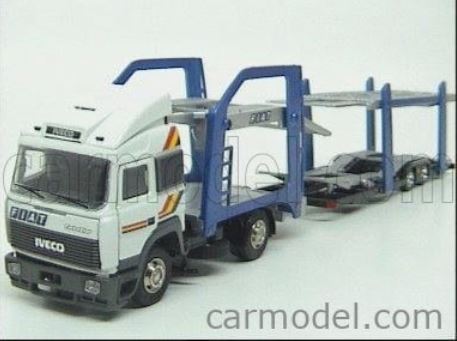
There were numerous tractor units equipped with trailers such as refrigerated trailers, flatbeds, tankers, and others, carrying the liveries of companies including Cagiva, Pirelli, Alitalia, Agip, Parmalat, and Calberson.
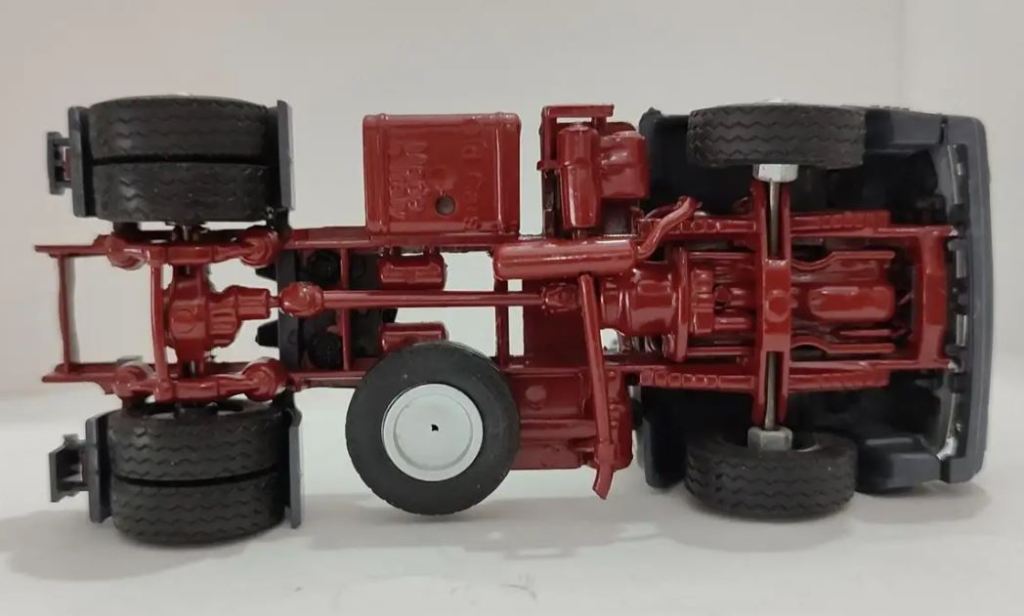
The 190 series models were more sophisticated than their predecessors. They featured opening plastic cab doors, tilting cabs revealing the engine underneath, side mirrors, and superbly detailed chassis. Like most of the company’s miniatures, they were packaged in acrylic display cases until the early 1990s, when the packaging was changed.
In addition to tractor units, Old Cars also produced Fiat/Iveco 360 HP 6×4 Arctic trucks equipped with various trailers, including dump trailers and tankers.
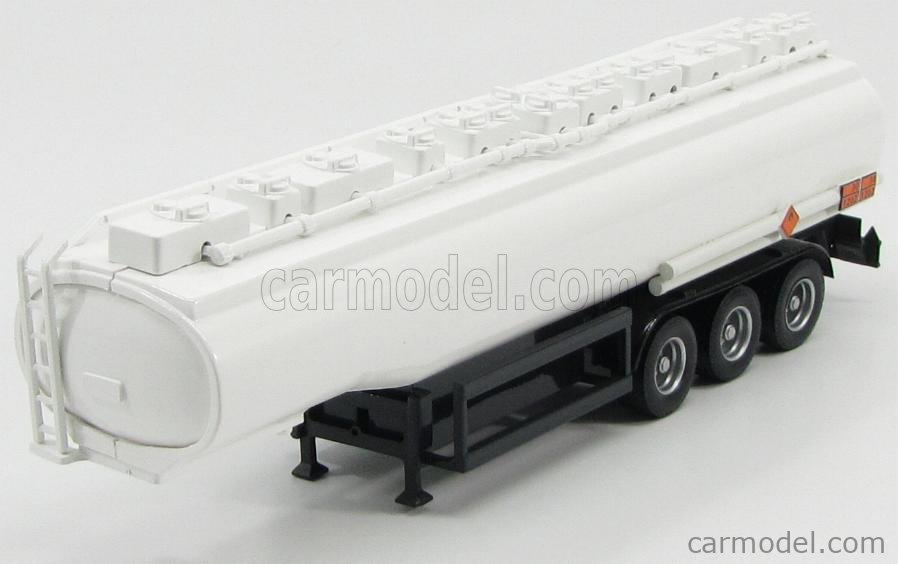
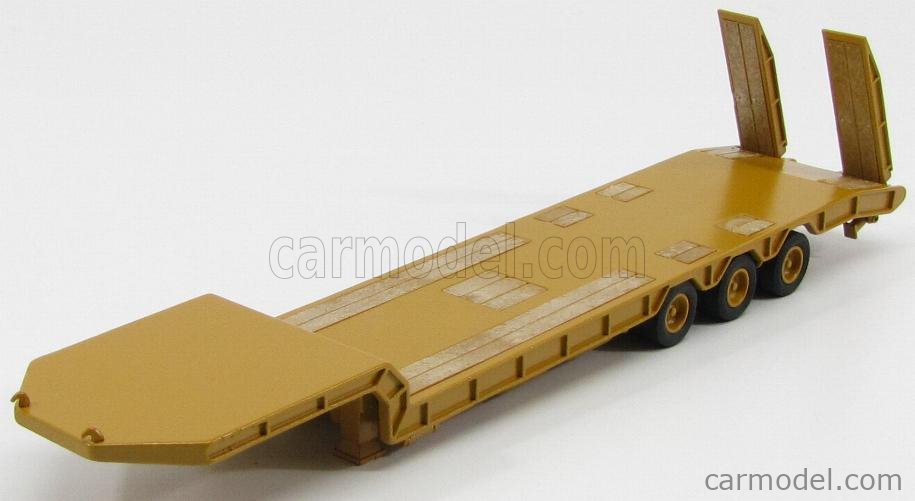
All trailers featured plastic bodies and die-cast chassis. They were available both as part of complete truck-and-trailer sets and separately. Customers could also purchase the trucks without trailers.
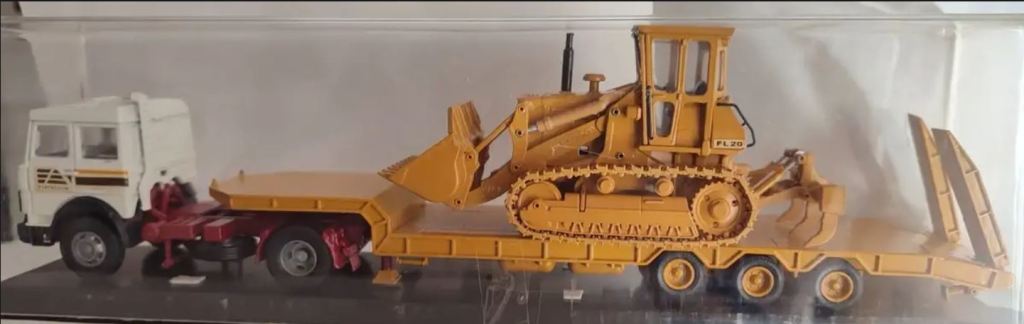
Without any doubt, Fiat was a vast corporation producing not only passenger cars, trucks, and buses, but also special-purpose vehicles and industrial machinery. Therefore, in the mid-1980s, Luigi and Gisella began producing special models on behalf of Fiat OM Carelli Elevatori. This led to a series of 1/50 scale Fiat Allis construction machines, including the FL 20 crawler tractor, the FR 20 4×4 wheel loader, and the FE 45 Turbo crawler hydraulic excavator. These models were equipped with various attachments, many of which were almost fully functional.
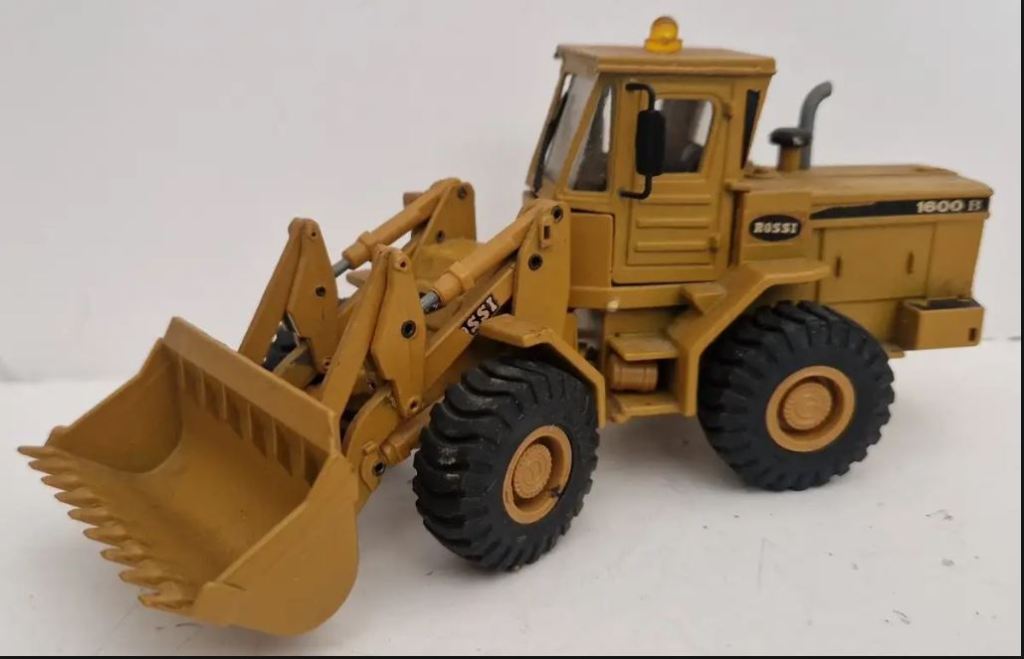
One day, Fiat Allis asked Old Cars to create something special. Luigi and Gisella decided to prepare a presentation set consisting of a wooden base and a plexiglass display case in which the FL 20, FR 20, and FE 45 models were displayed together with Iveco 190 Turbo transport trucks. These sets were very expensive and were never sold in shops at the time. Apparently, only about 100 examples were produced.
Luigi and Gisella were not afraid to enter new market segments. At the beginning of the 1980s, Marco Bossi, founder and owner of the Idea 3 brand, decided to move production from white metal and resin to die-cast metal. He wanted to produce a range of high-quality yet affordable Ferrari models and needed a manufacturing partner. Consequently, he signed an agreement with Old Cars.
Marco provided Luigi and Gisella with photographs, drawings, and other reference materials, and they organized the production process. The first model, the 1956 Ferrari 410 Superfast Pininfarina, was unveiled at the Milan Toy Fair in January 1983 and attracted considerable attention among collectors. It was followed by models such as the 1958 Ferrari 250 GT LWB Berlinetta, the 1961 Ferrari 250 GT SWB Scaglietti, the 375 America owned by Ingrid Bergman, and others.
Marco Bossi also had ambitions to produce a series of classic post-war American cars. Initially, he had manufactured a white-metal replica of the 1954 Cadillac Eldorado for his Autohobby range. By the 1980s, however, there was little point in restarting production of this outdated model in die-cast form, so Marco commissioned Old Cars to create entirely new moulds. He supplied his partners with photographs, illustrations, and design materials related to the original vehicle. Unfortunately, the moulds were never completed because, by the end of the 1980s, Marco Bossi had decided to leave the model-making business.
Old Cars continued producing Ferrari models under its own brand. The cardboard sleeves for the acrylic display cases were redesigned in red and featured the Ferrari logo.
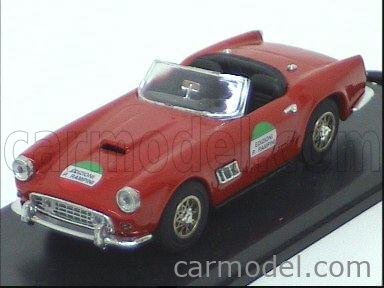
In addition to the standard range, a promotional series of the 1960 Ferrari 250 GT SWB California was produced in 1992 for Paolo Rampini. These models were refinished by Marco Bossi using stock models that he still had available. They were painted in red, black, and white and carried “Edizione P. Rampini” logos on the doors. Only 20 examples of each colour were produced.
In 1990, following a request from Iveco, it was time for a new generation of the Turbo Daily. By the end of the 1980s, this commercial vehicle range had received updated engines and revised bodywork.
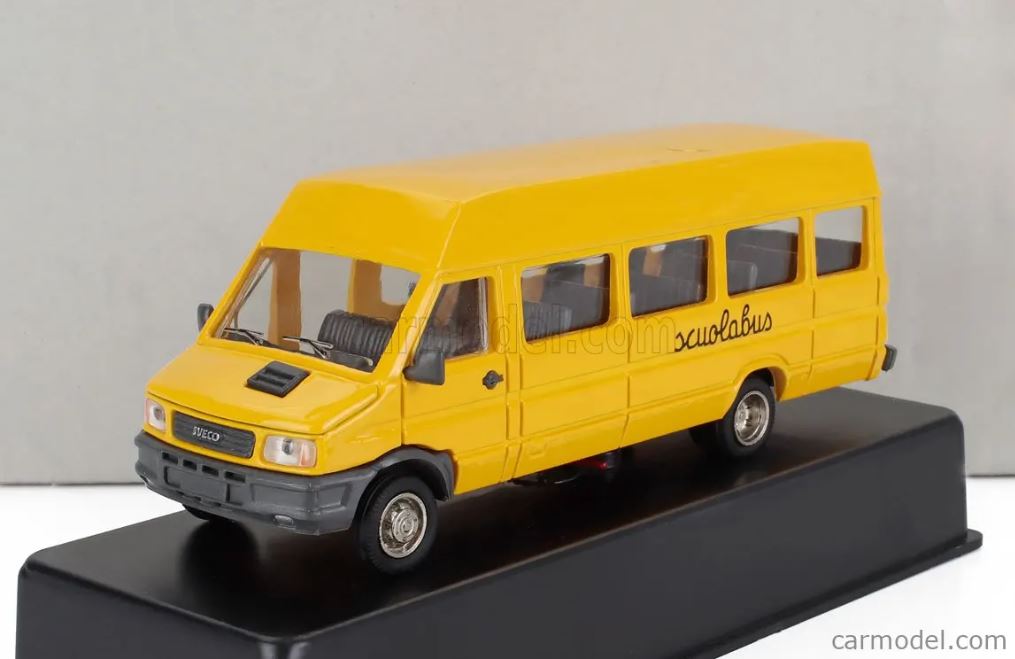
The new Old Cars Turbo Daily models no longer featured opening parts, but they did include separate plastic windscreen wipers and rear-view mirrors. Like their predecessors, they were produced in a wide variety of versions, including short- and long-wheelbase models, standard- and high-roof variants, trucks, buses, vans, and more.
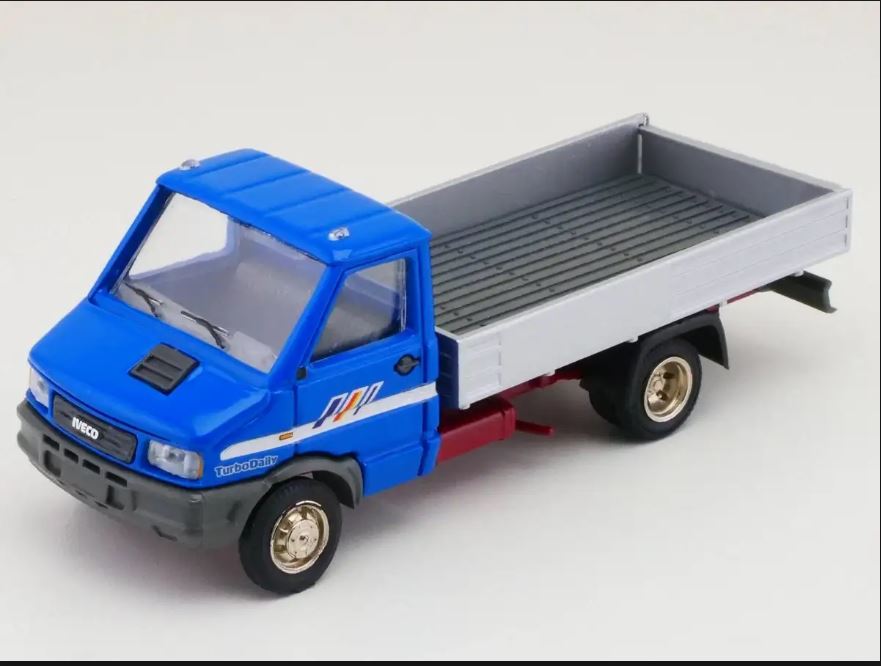
In addition to the 1/43 scale Iveco Turbostar, 1/87 scale versions were also produced. These models displayed a remarkably high level of detail for the scale and reproduced most of the features found on the 1/43 scale versions.
Many thanks to Gisella and Alessandro Castellani for their help in writing this article, and to Carmodel store for permission to use the photographs.
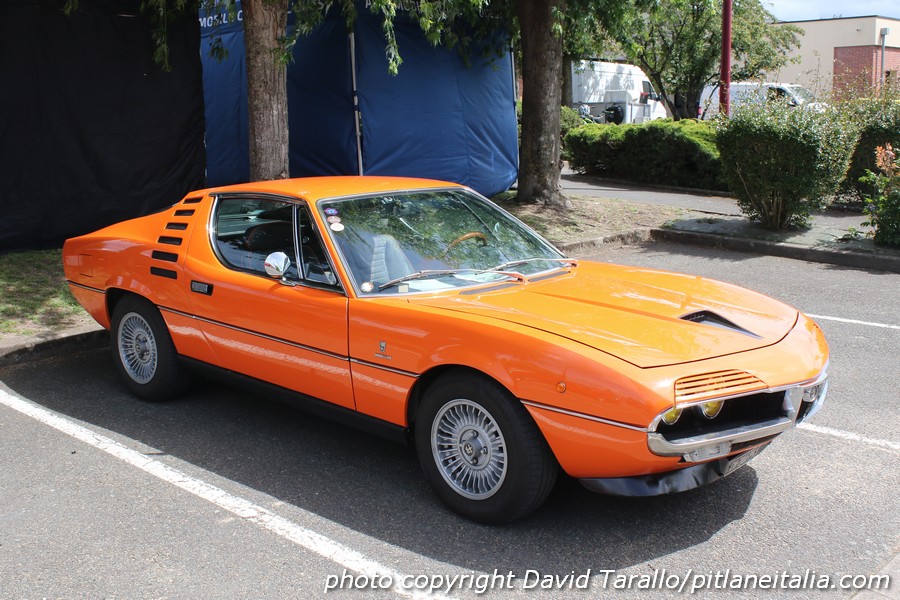
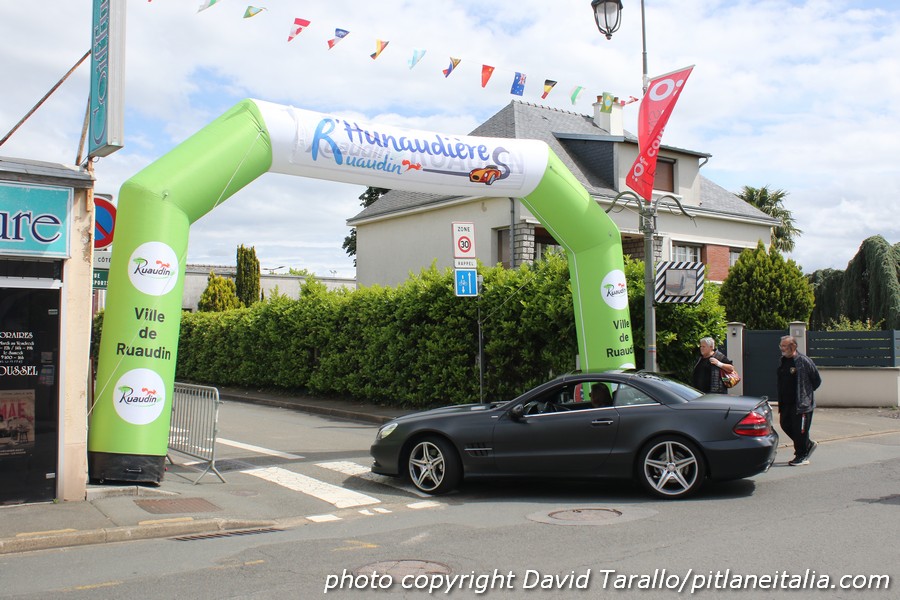
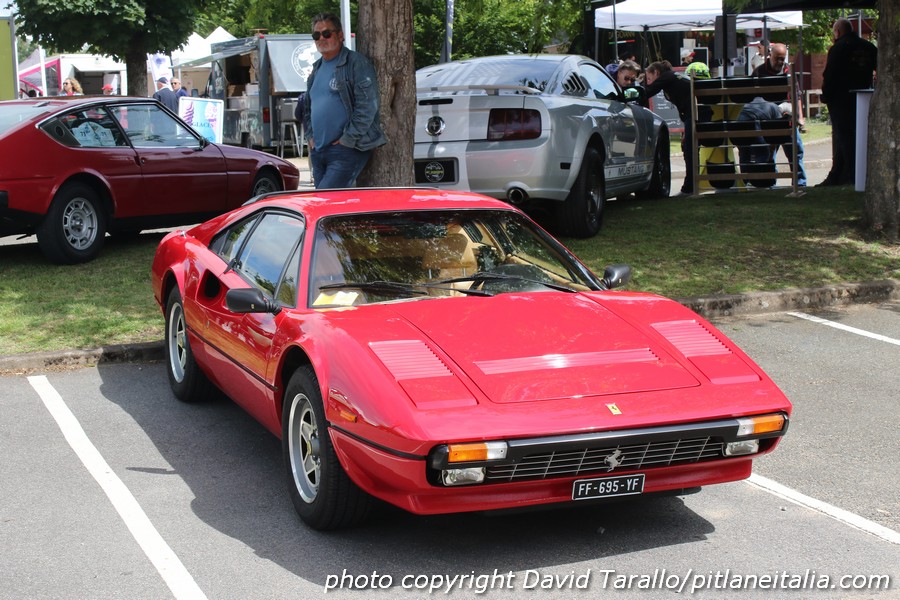
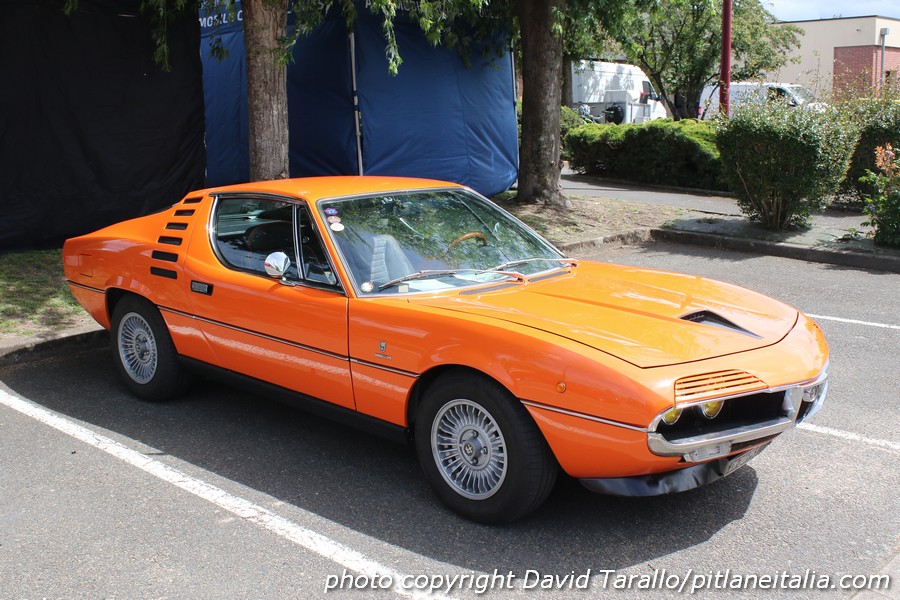
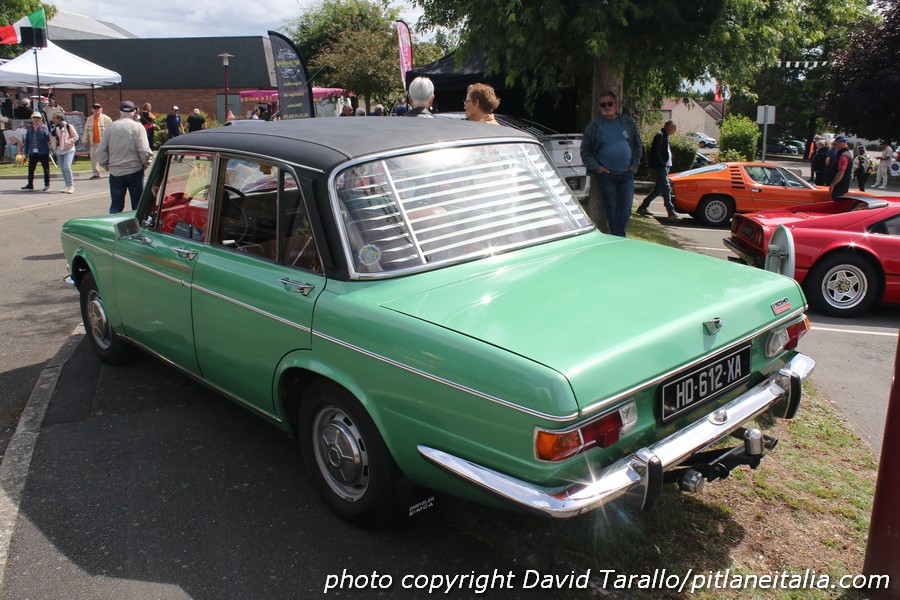
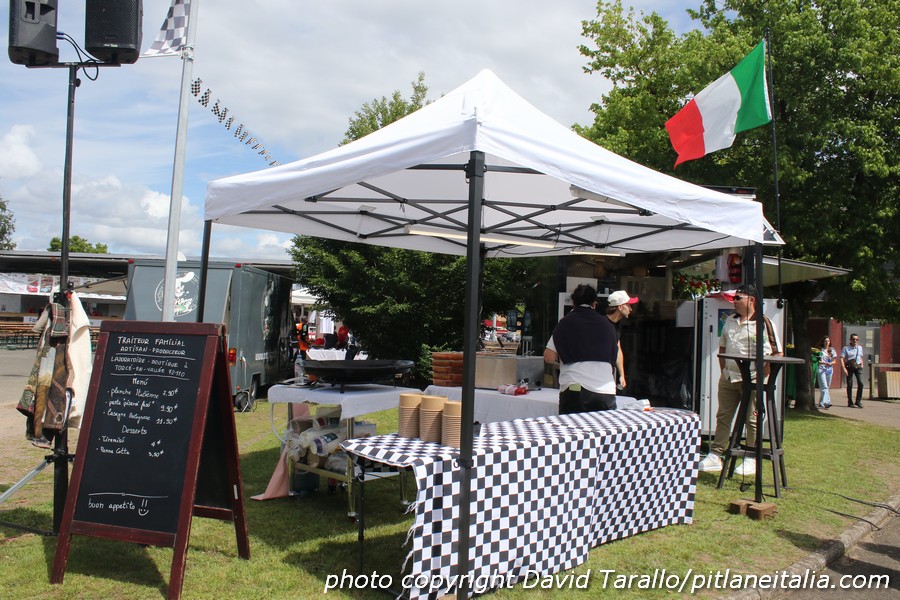
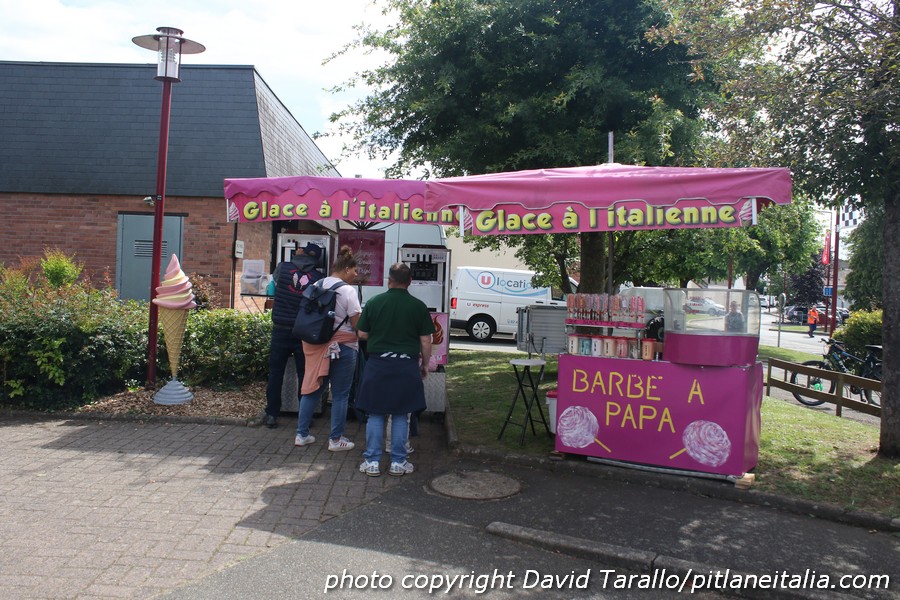
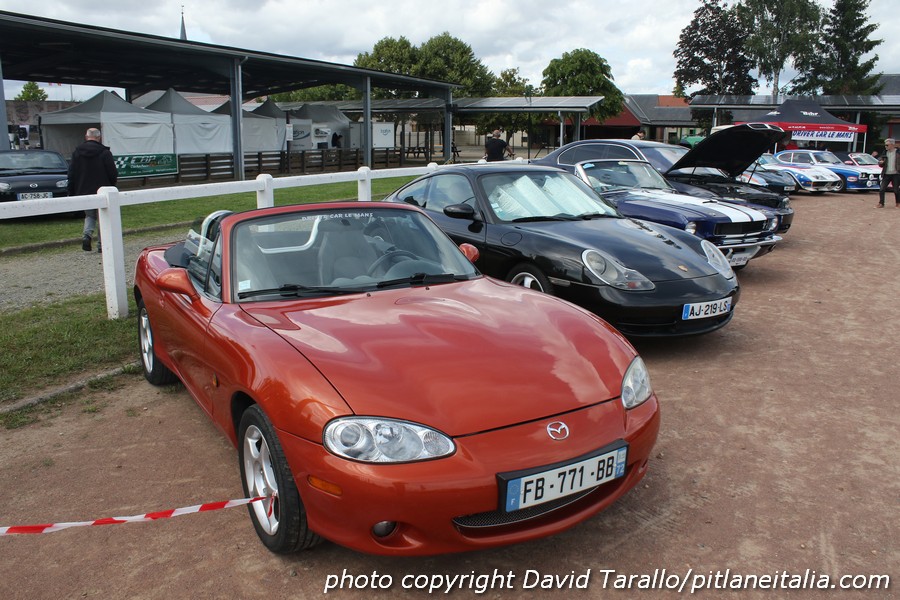
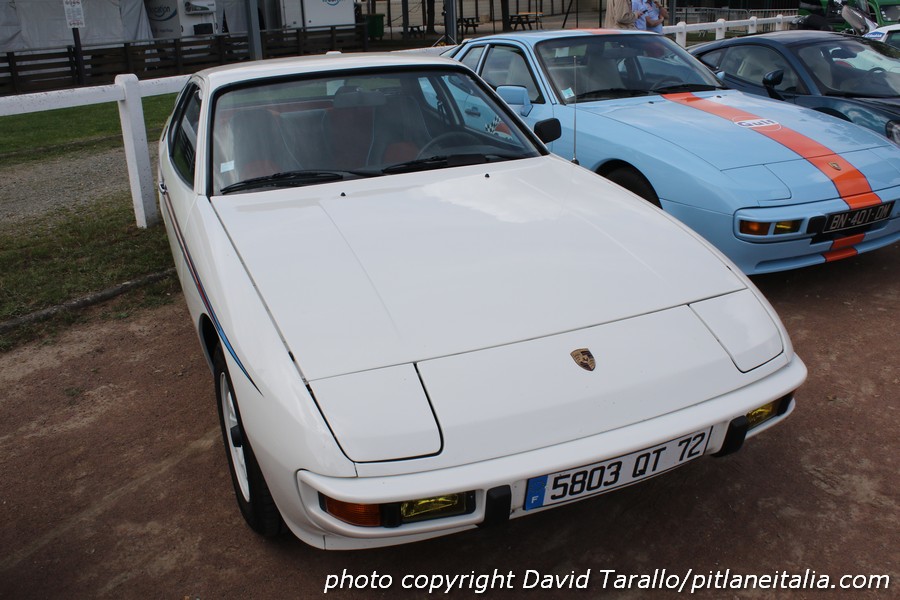
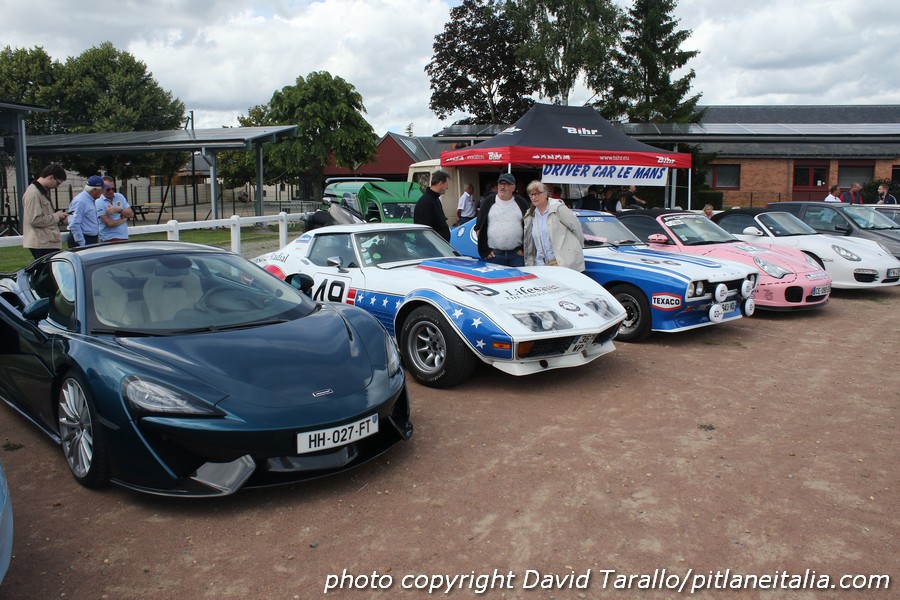
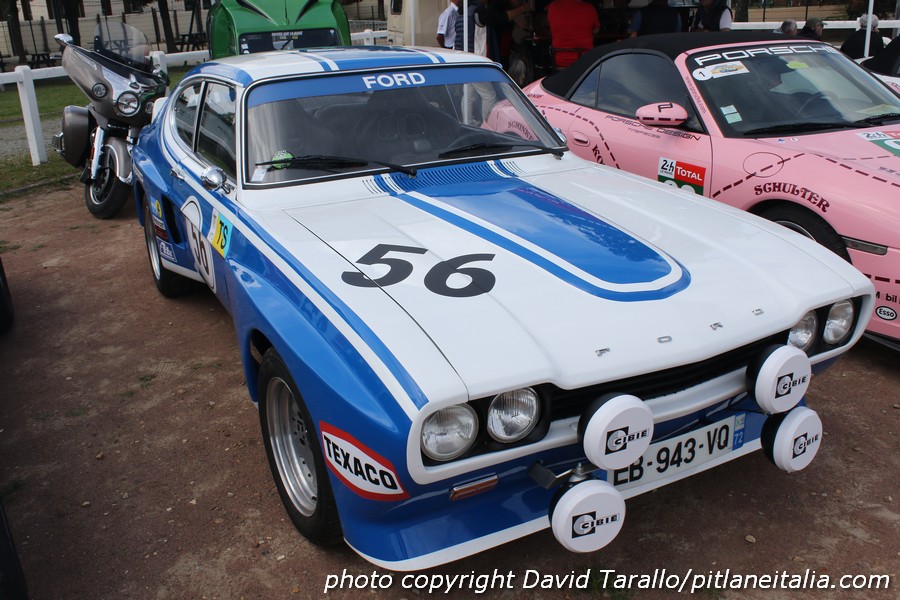
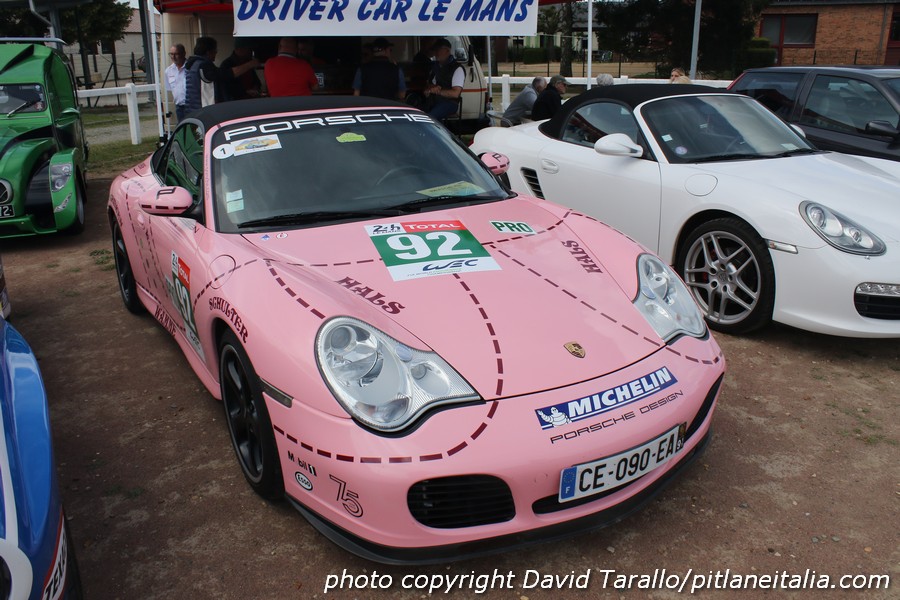
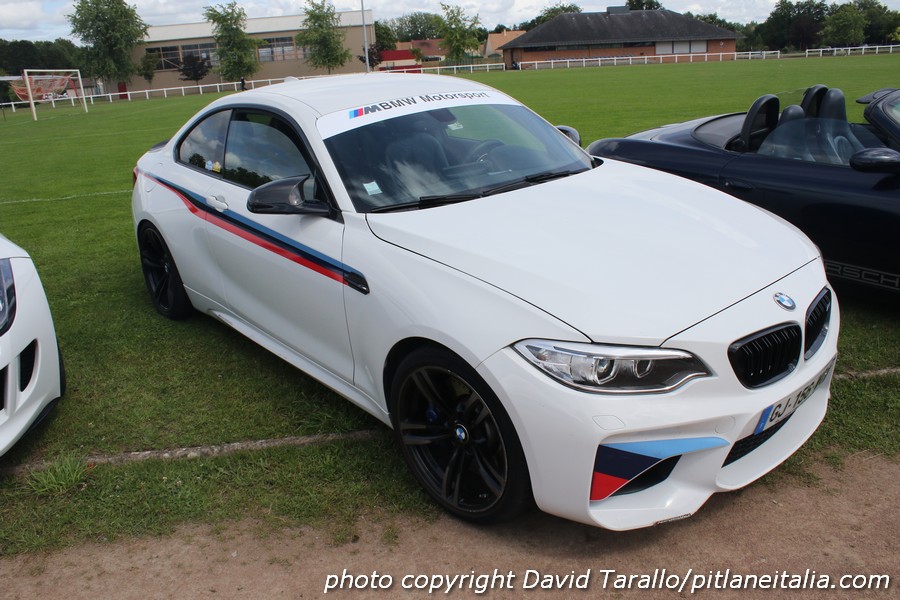
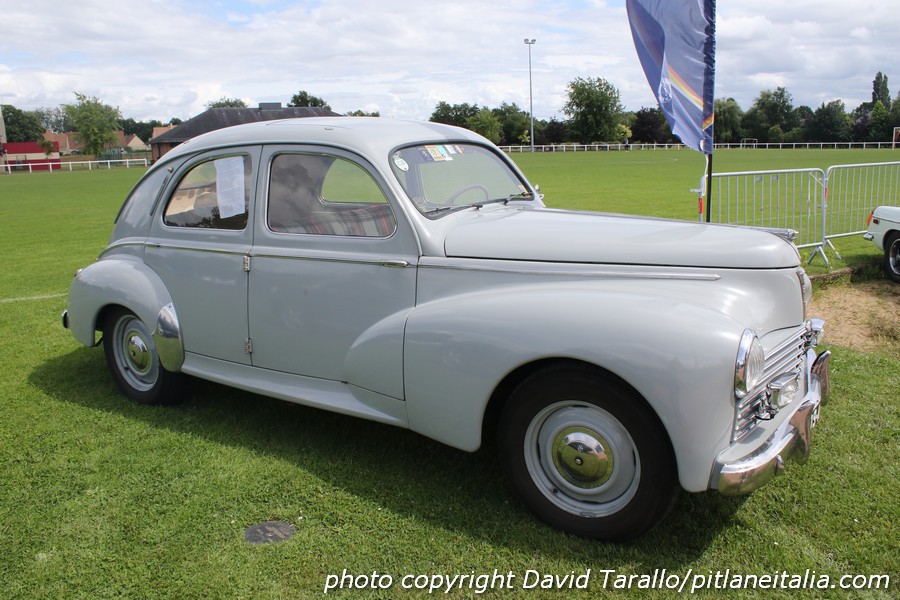
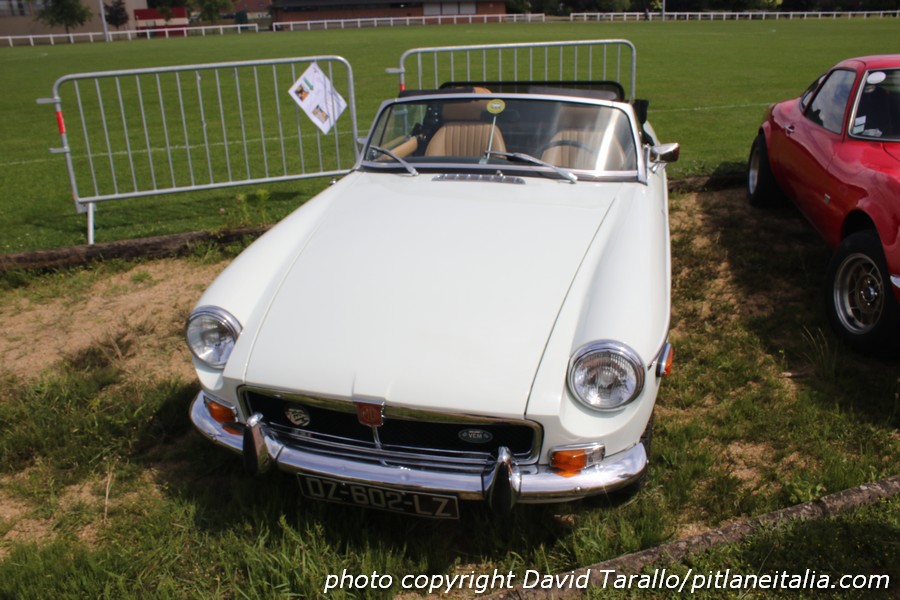
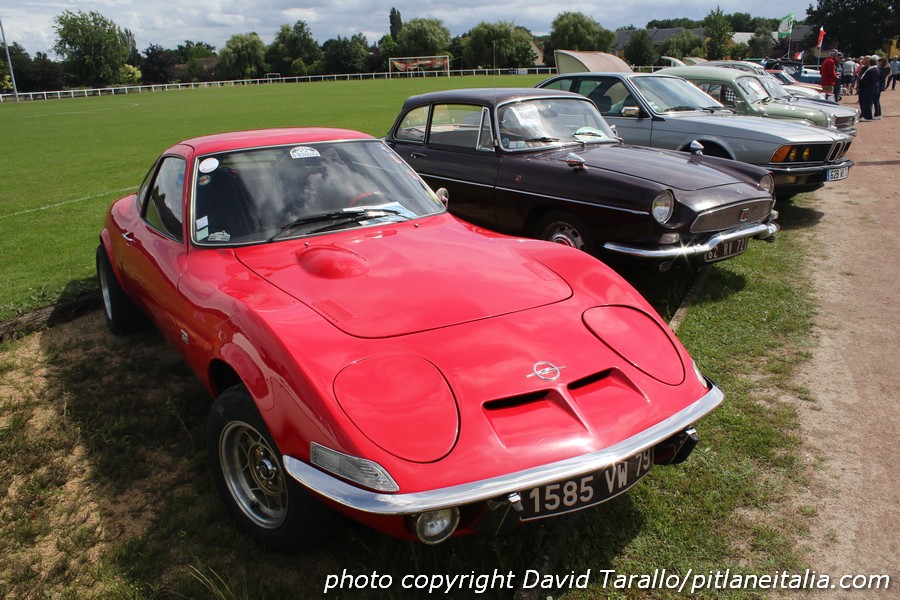
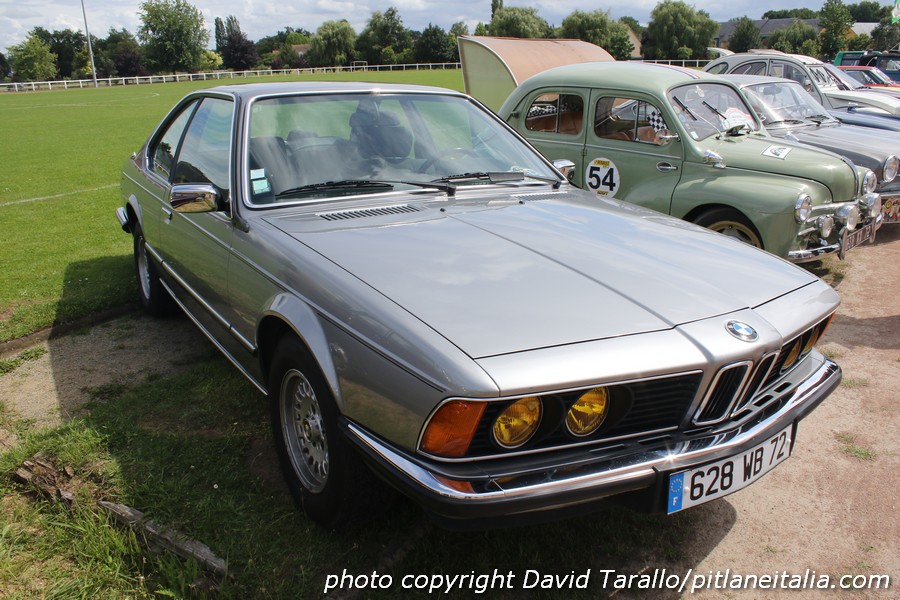
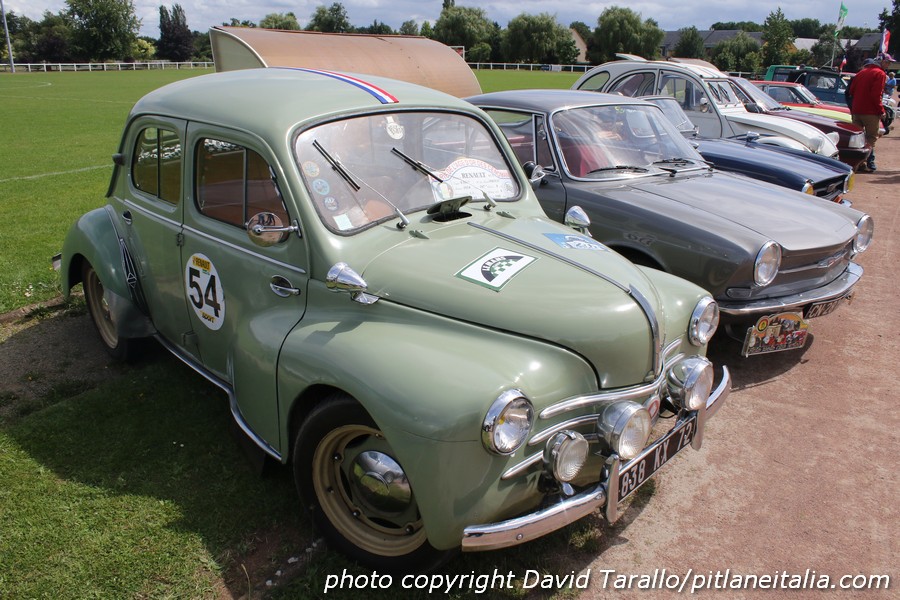
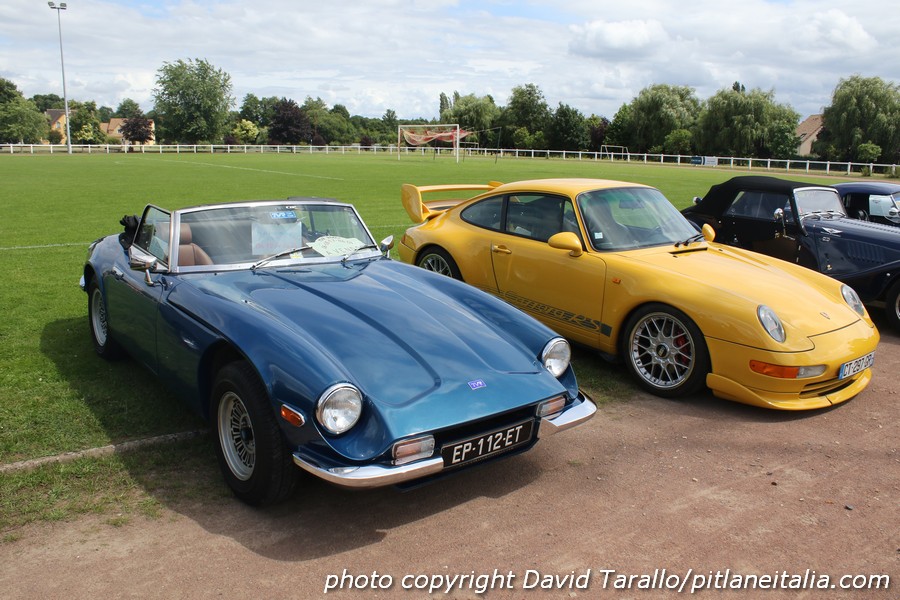
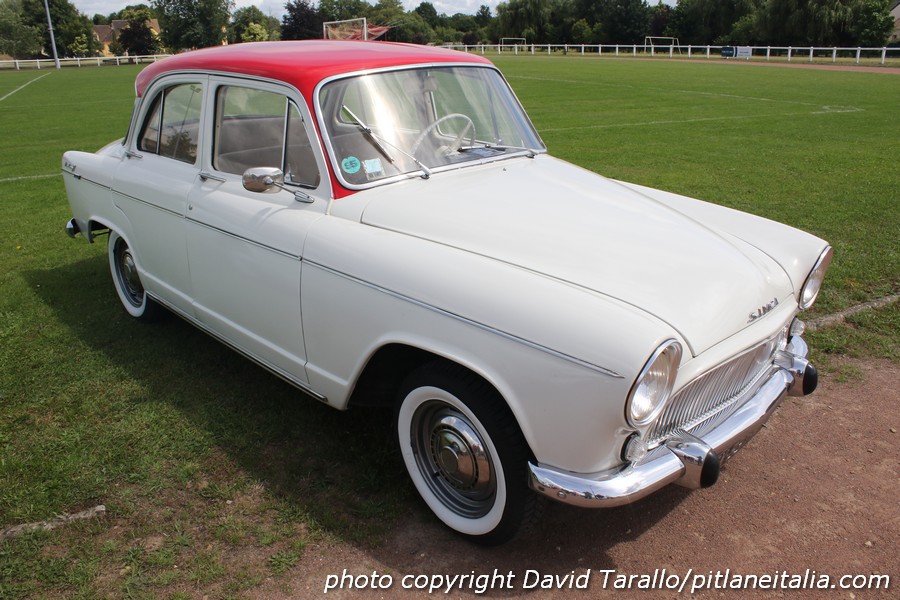
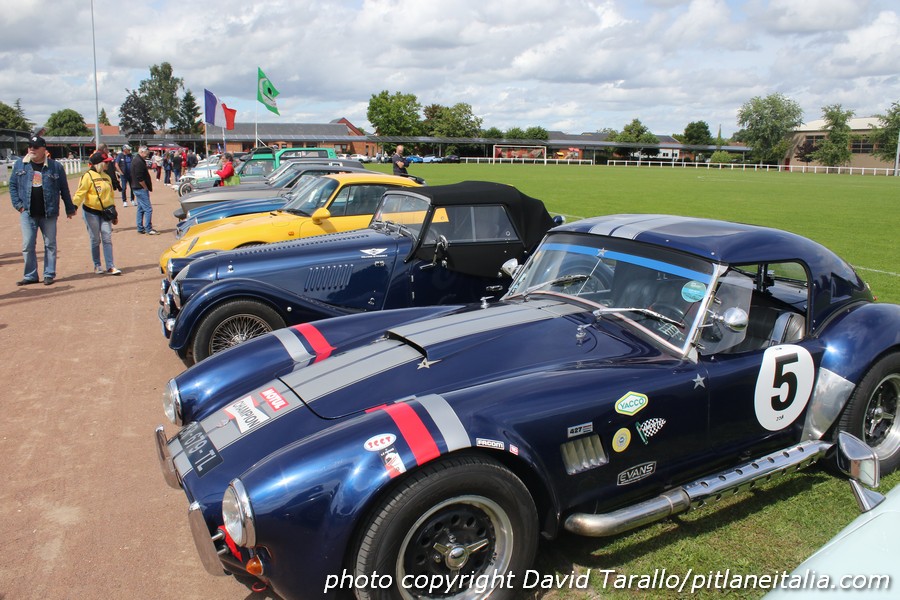
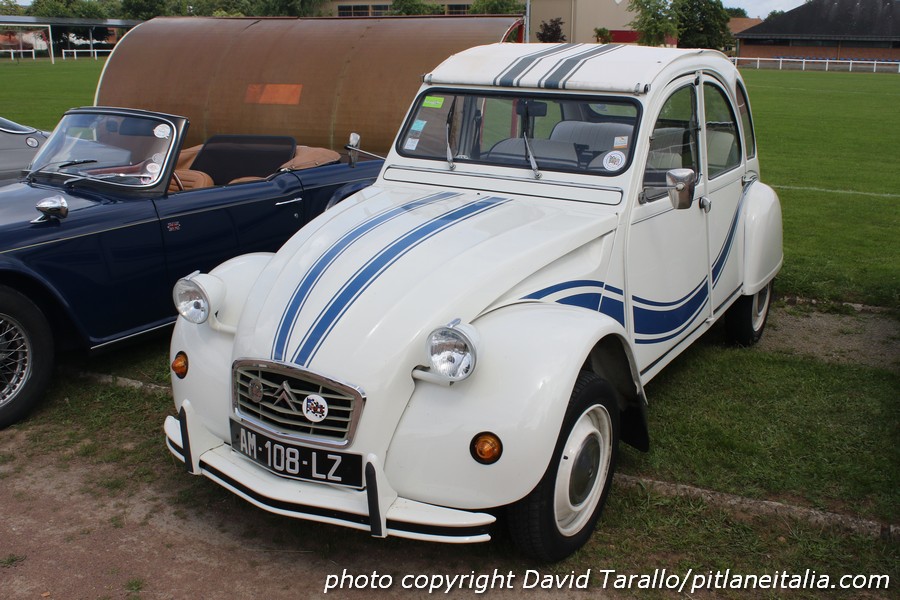
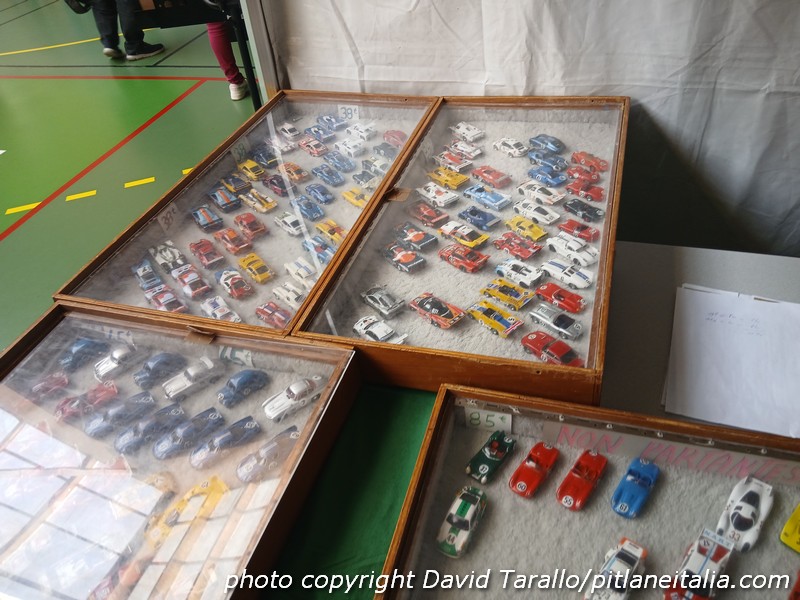
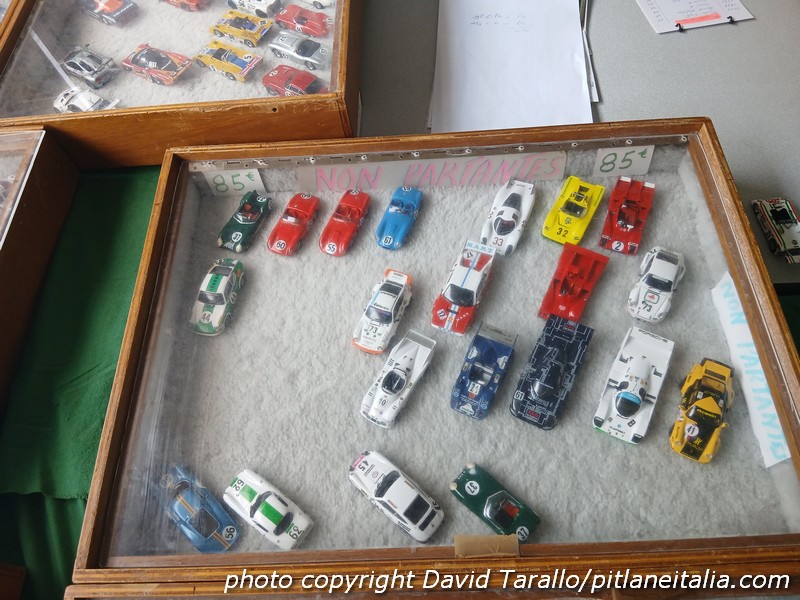
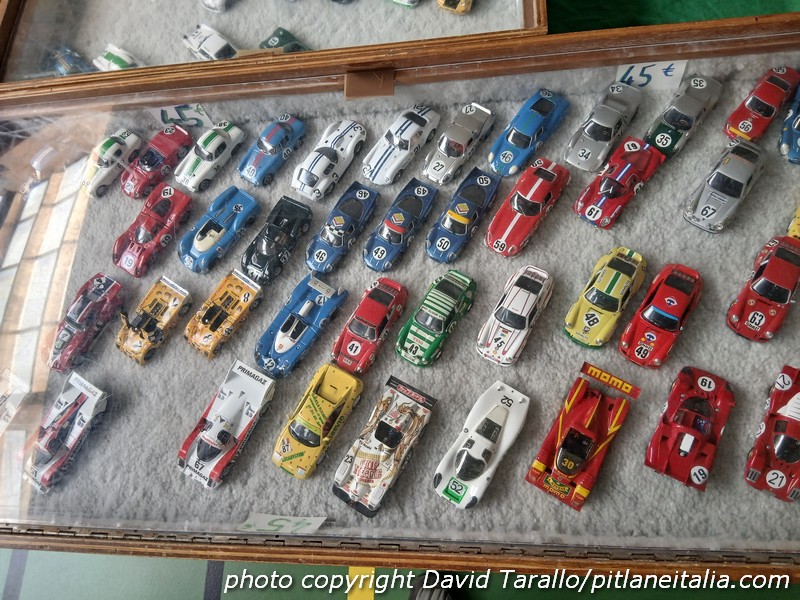
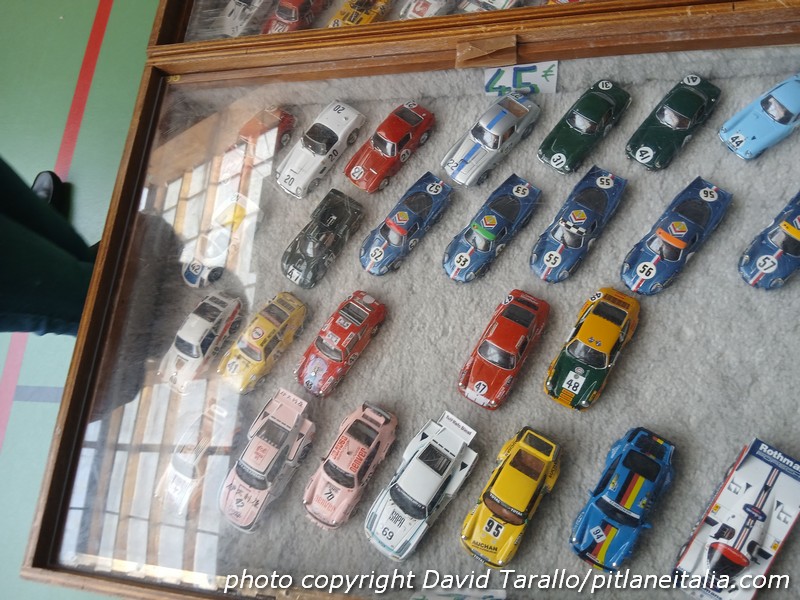
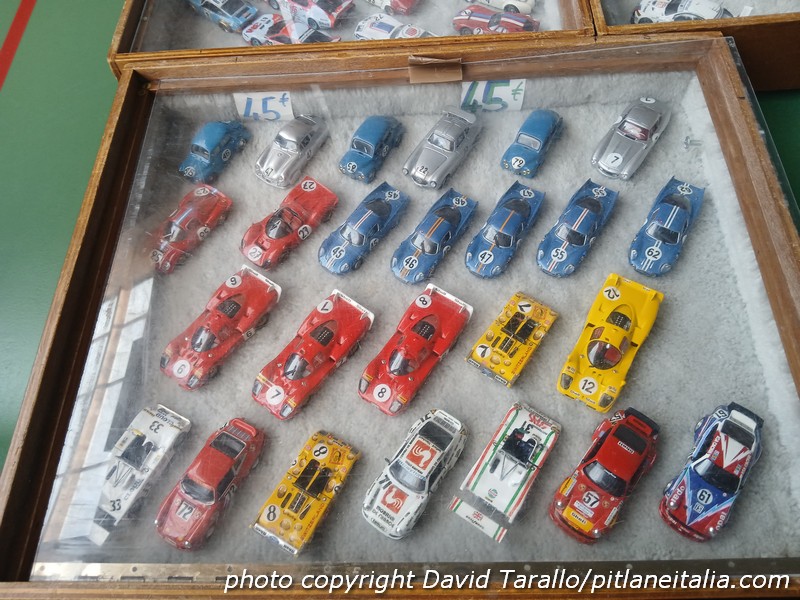
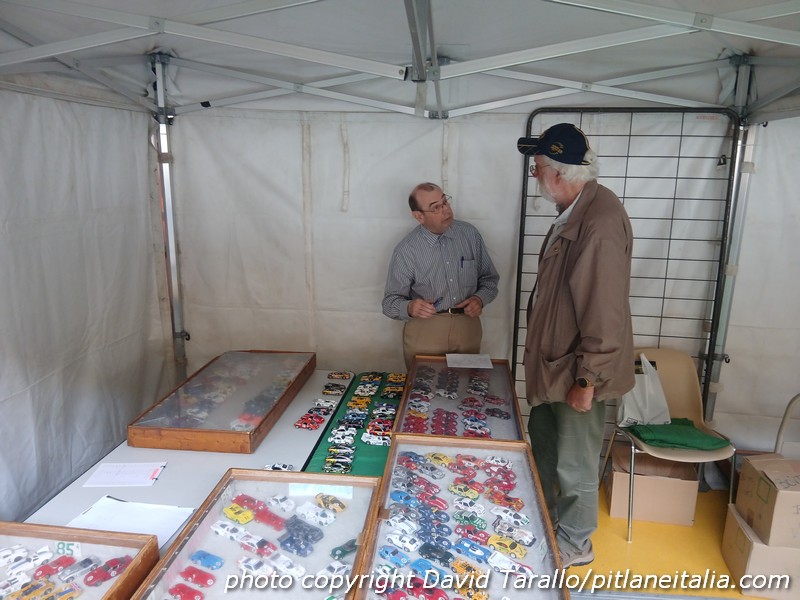
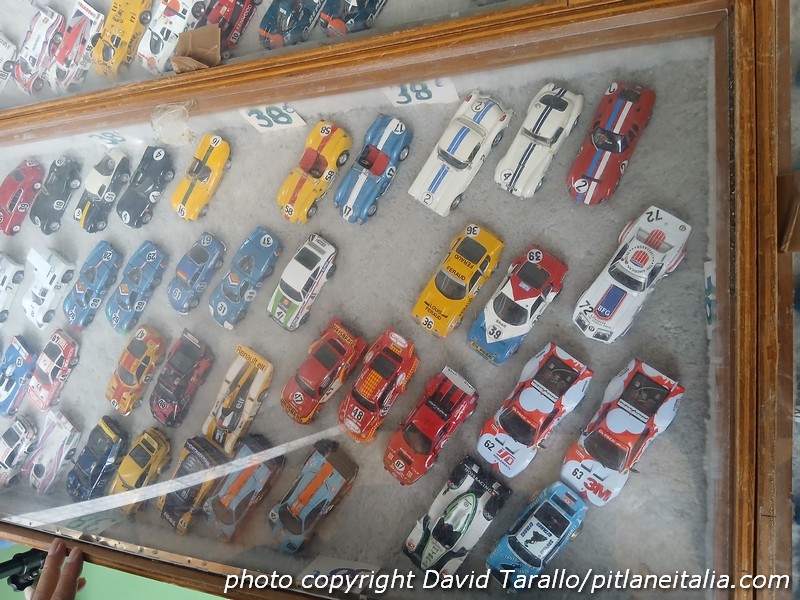
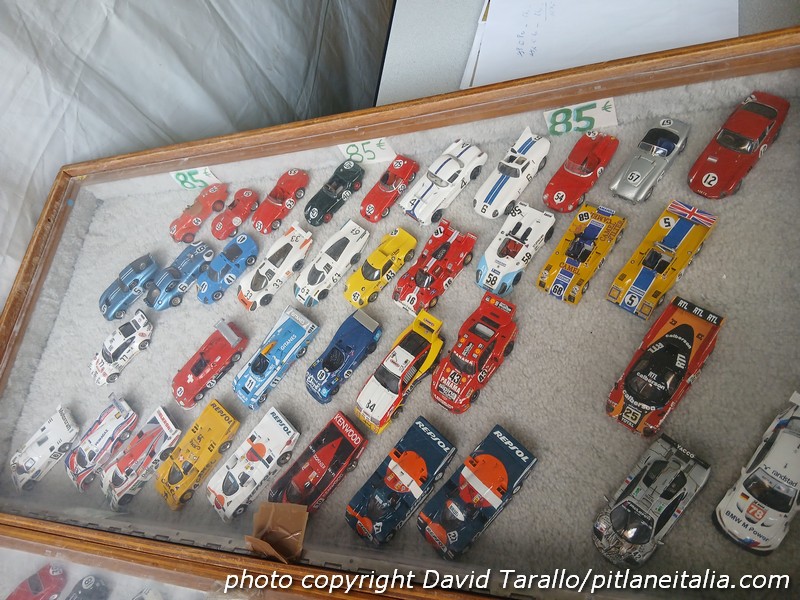
E’ in corso di svolgimento (dalle ore 16 alle 23) la decima edizione di Les R’Hunaudières, tradizionale manifestazione motoristica a Ruaudin, nei pressi del circuito di Le Mans. Sono previsti raduni di auto storiche e youngtimer, animazioni, ristorazione e una vendita di memorabilia, libri e modelli nella sala polivalente del centro sportivo.
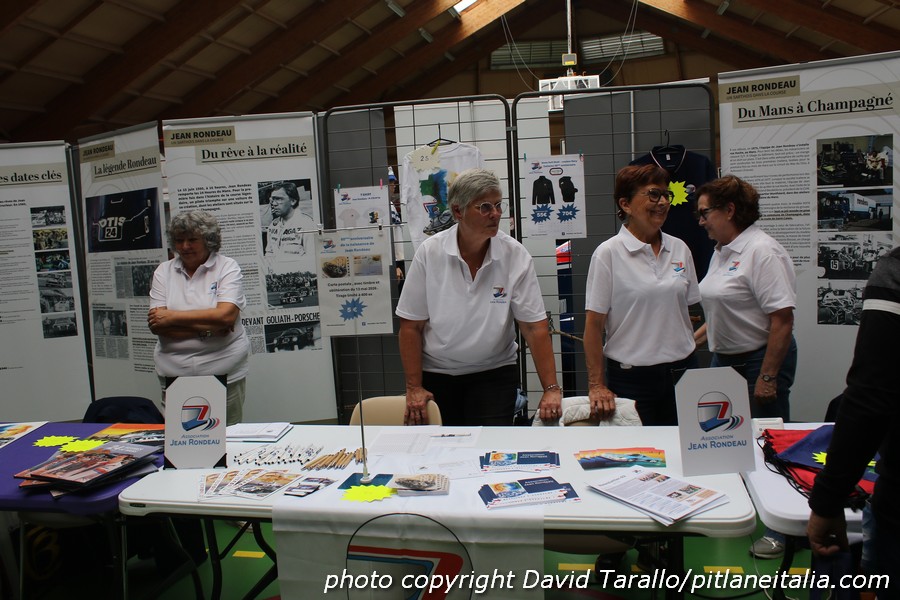
Come al solito un evento ben riuscito, simpatico e rilassante, in vista degli impegni ben più pesanti nel corso della settimana. Presenti diversi sodalizi, fra cui l’associazione Jean Rondeau, che proponeva un annullo speciale timbrato il 13 maggio 2026 (la data di nascita del pilota-costruttore) o i volontari della rivista La Vie Mancelle & Sarthoise, di cui ci siamo occupati a più riprese.
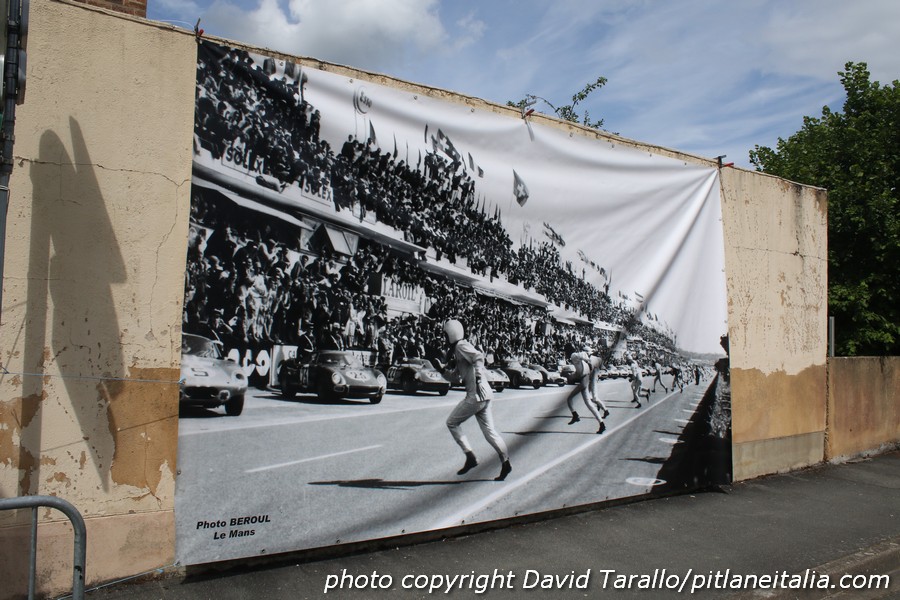
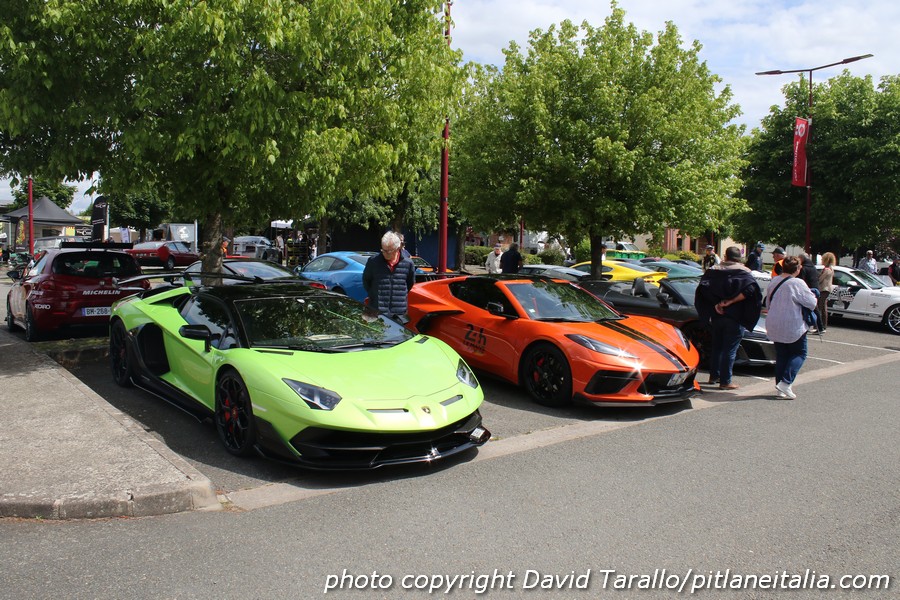
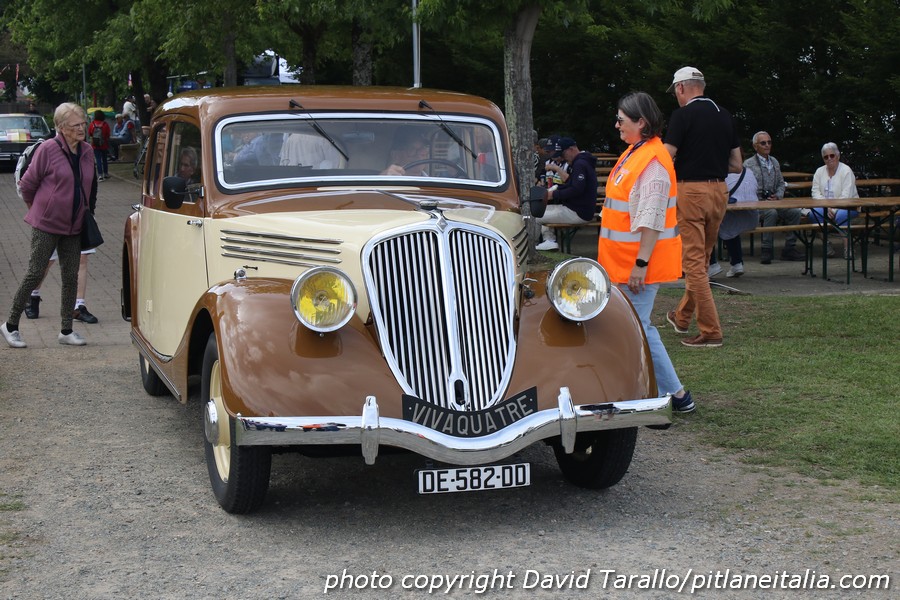
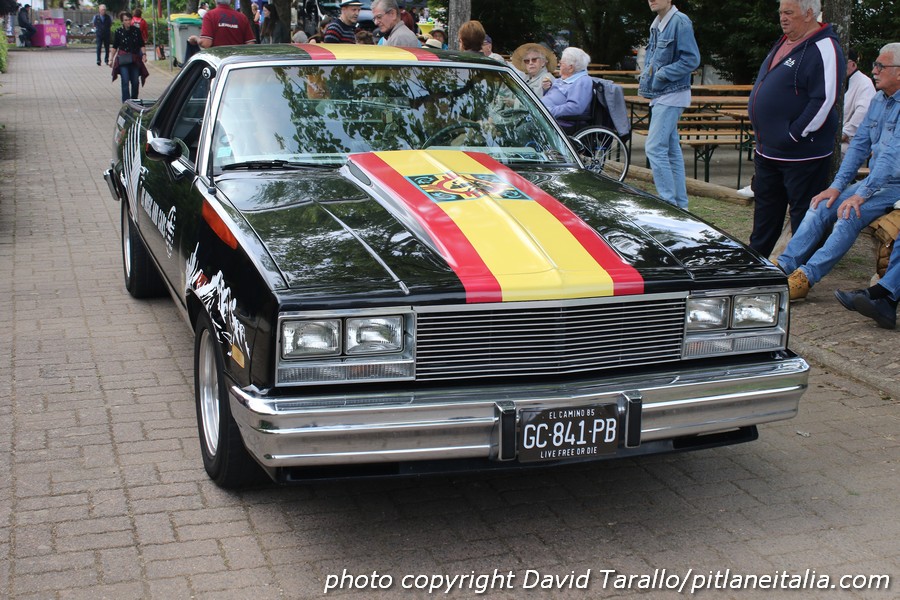
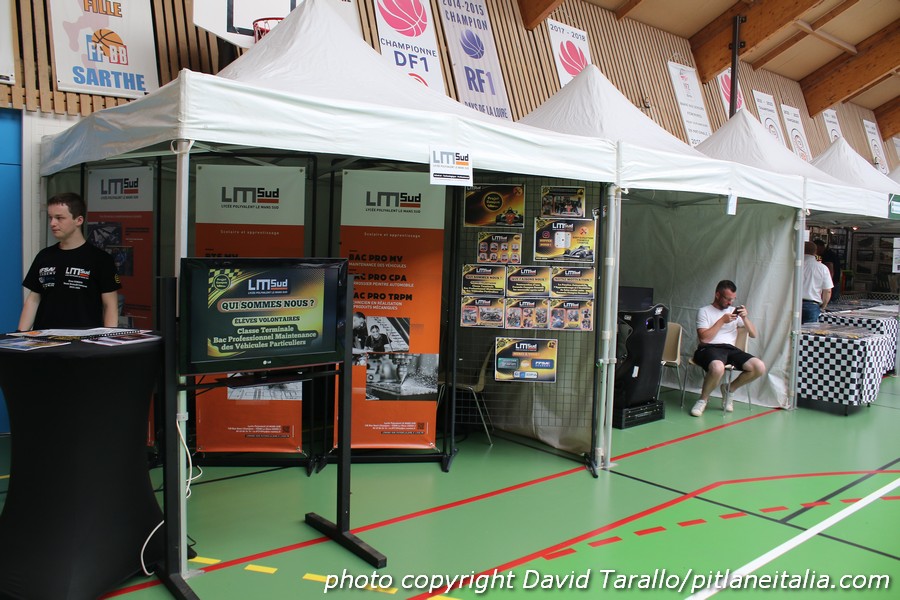
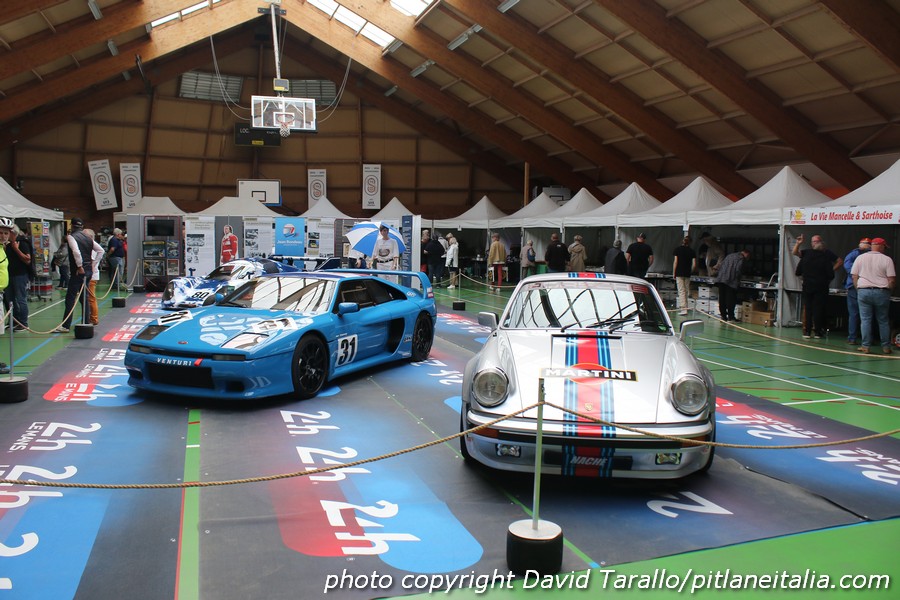
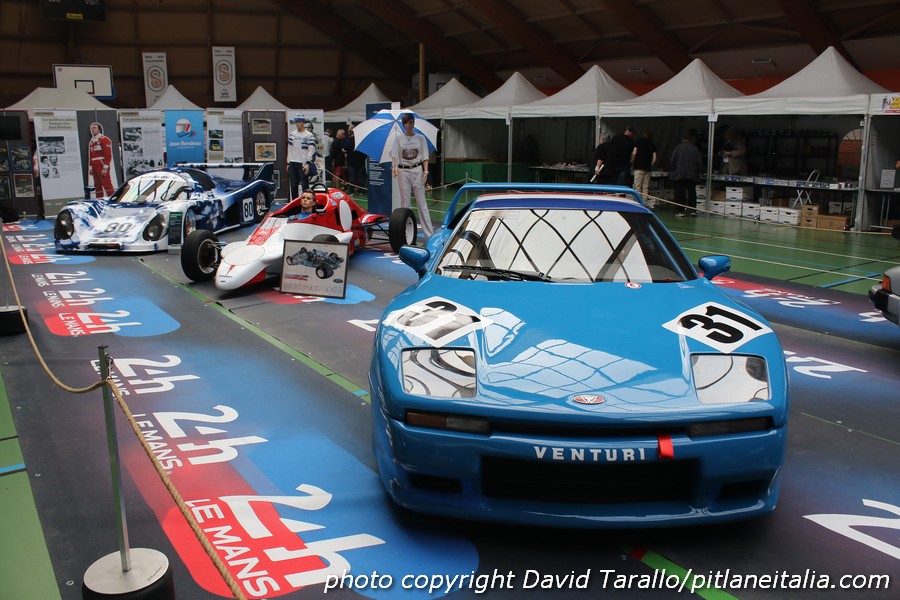
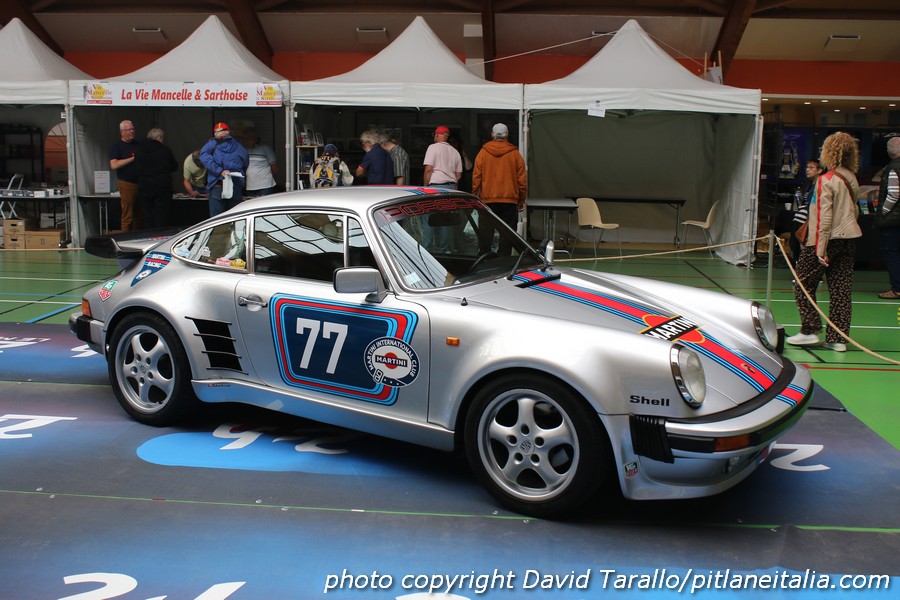
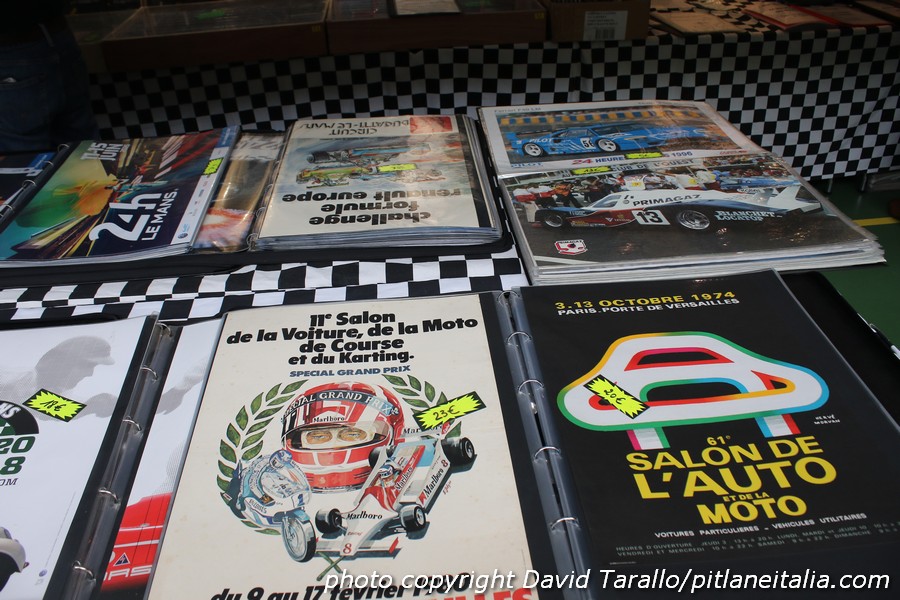
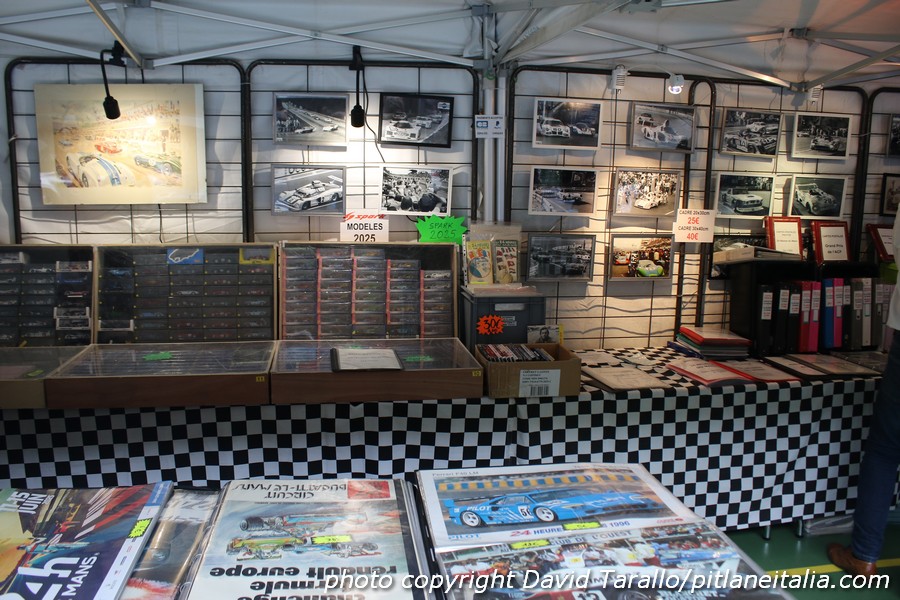
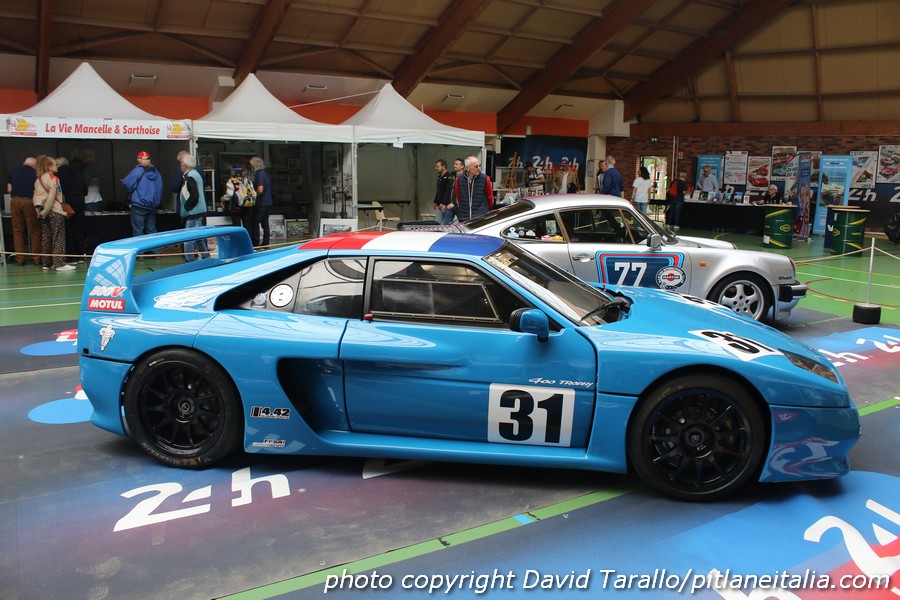
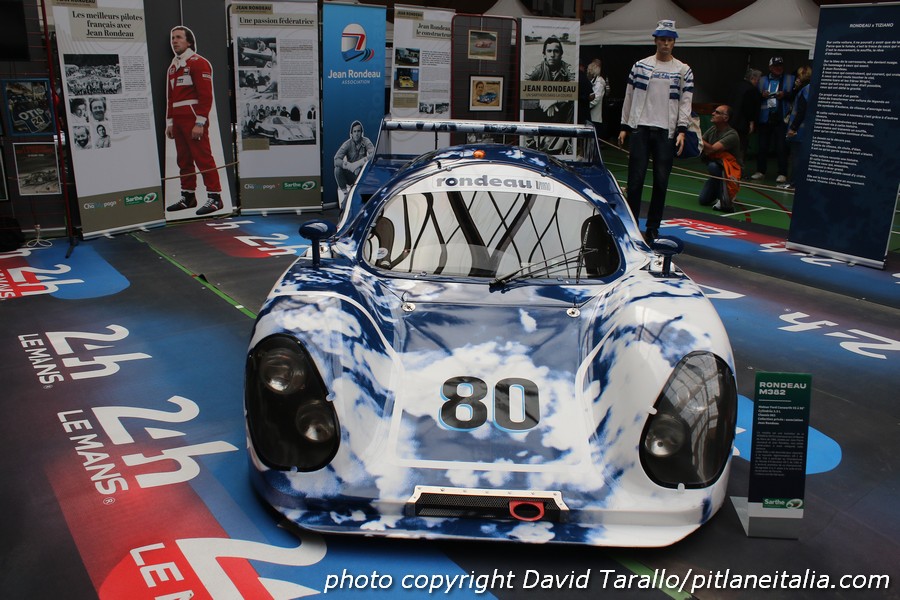
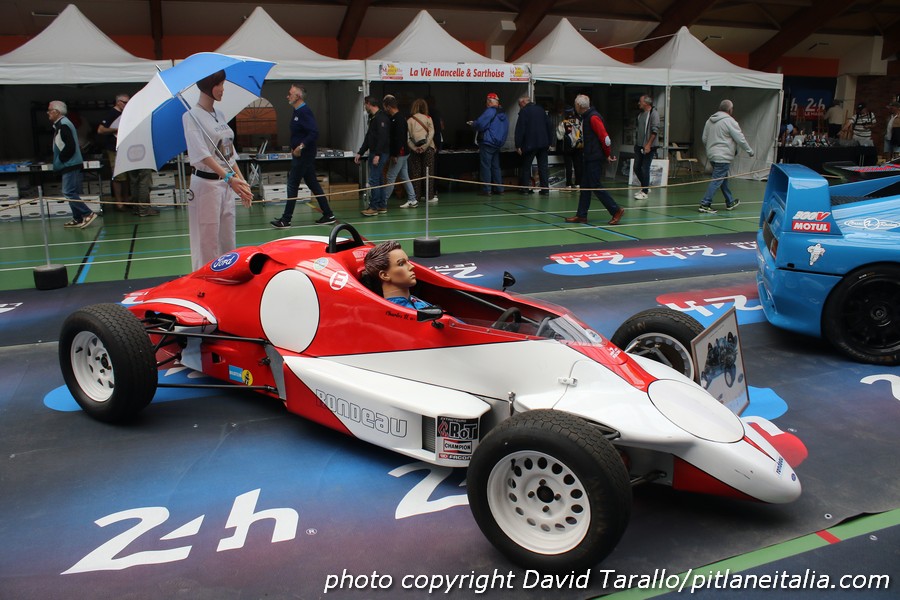
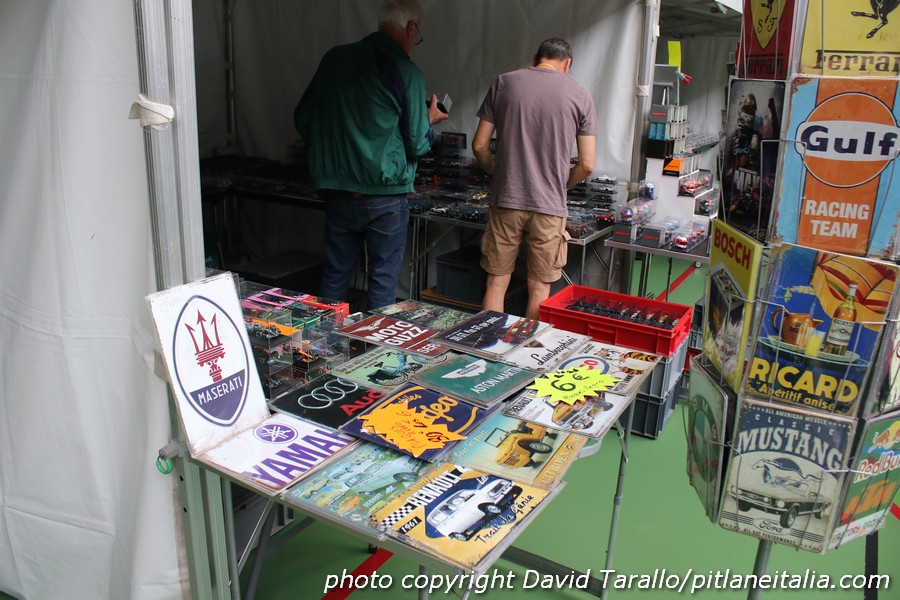
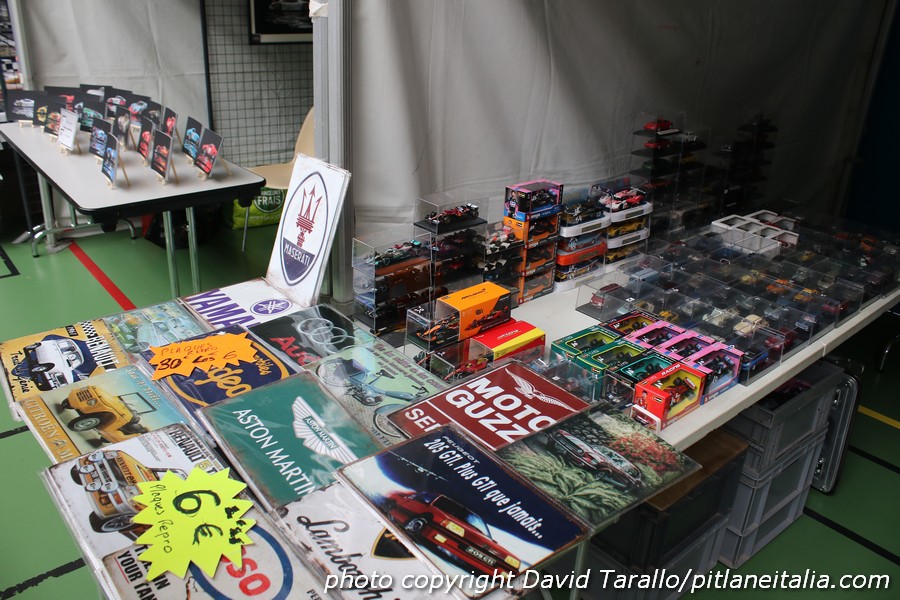
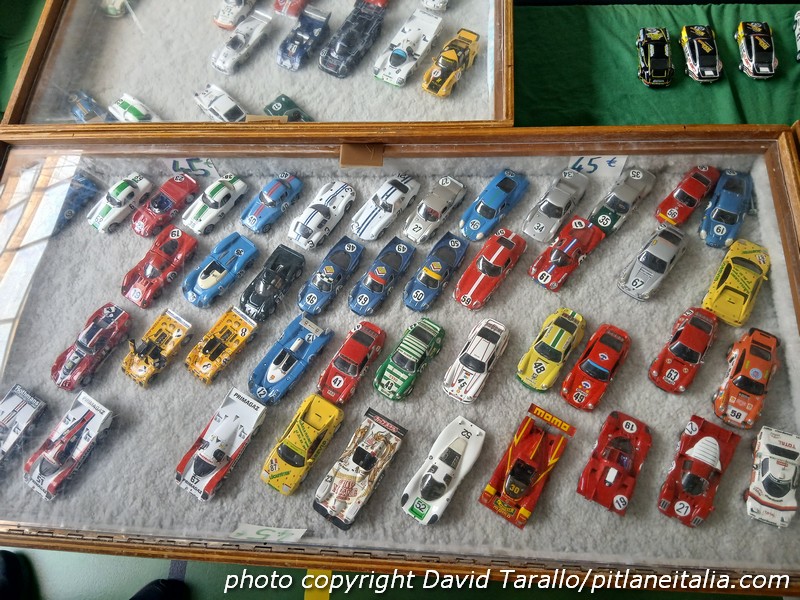
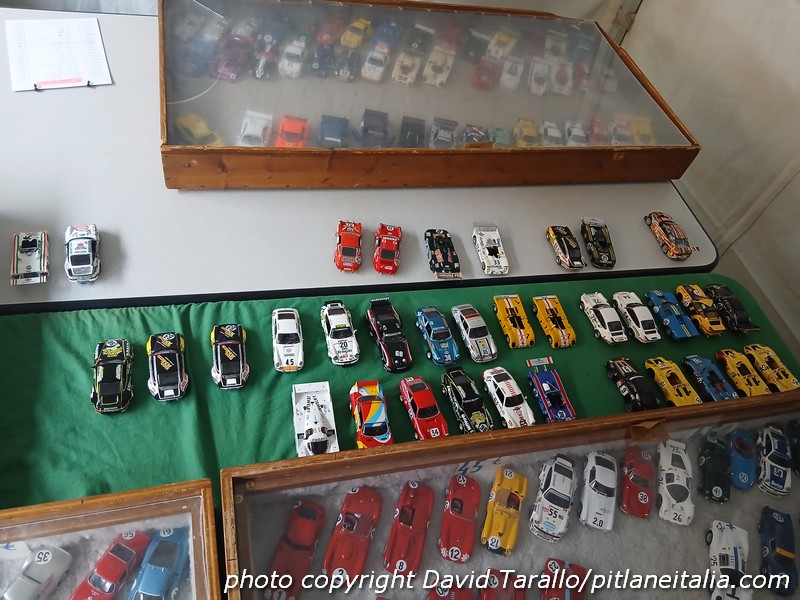
La borsa non è ovviamente al livello degli altri eventi modellistici che si svolgono nel corso dell’autunno-inverno nei dintorni di Le Mans ma vale ugualmente la pena darci un’occhiata, se non altro per incontrare alcuni personaggi noti, fra cui Bruno Allinand, giunto anche per consegnare ai clienti abituali i modelli sui quali ha lavorato per quasi un anno. Tra le novità, molto interessanti una serie di Lola su base Solido, con l’alettone a sbalzo stampato da un collega. Dopo qualche T280, Allinand ha quindi attaccato il tema Lola Sport con alcune variazioni, cui seguiranno sicuramente altre versioni. Interessante anche la Ferrari F355 (in edizione estremamente limitata, su base edicola) che partecipò alle pre-qualifiche della 24 Ore di Le Mans 1996 con Patrick Boidron, Pierre-François Bernigaud e Philippe Régnier. Per la particolarità dei modelli di Allinand, pubblichiamo una gallery specifica, perché pensiamo che meriti.

 PITLANEITALIA