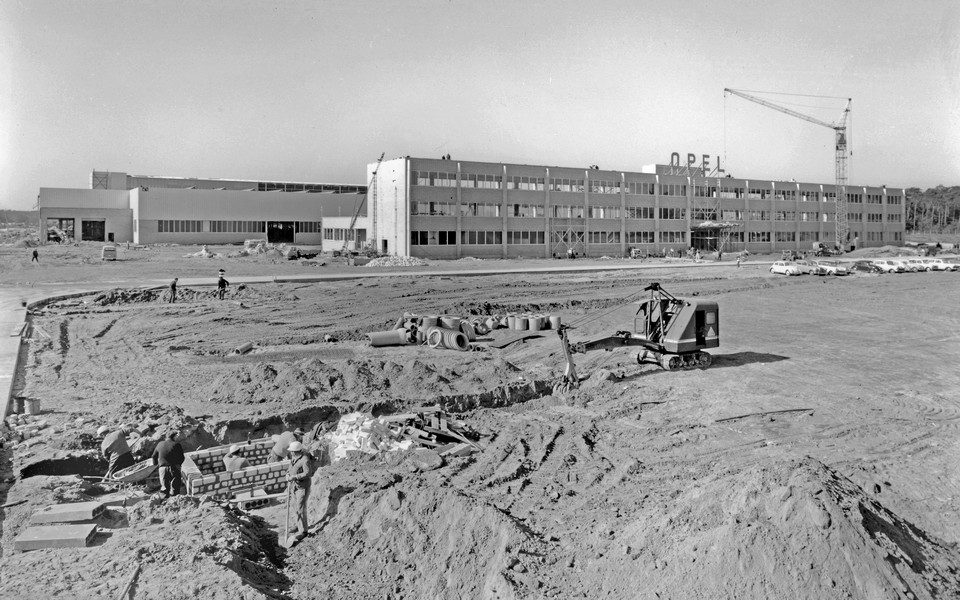
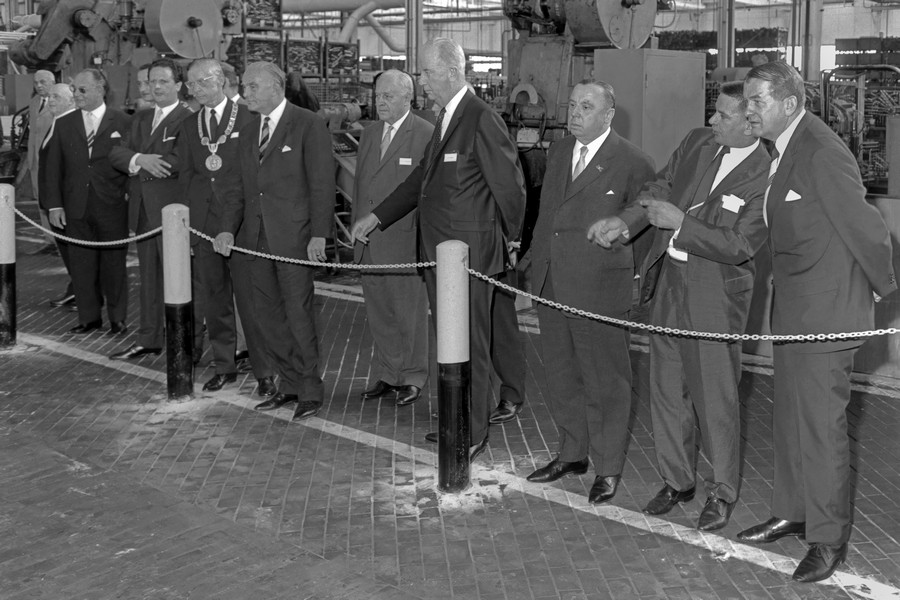
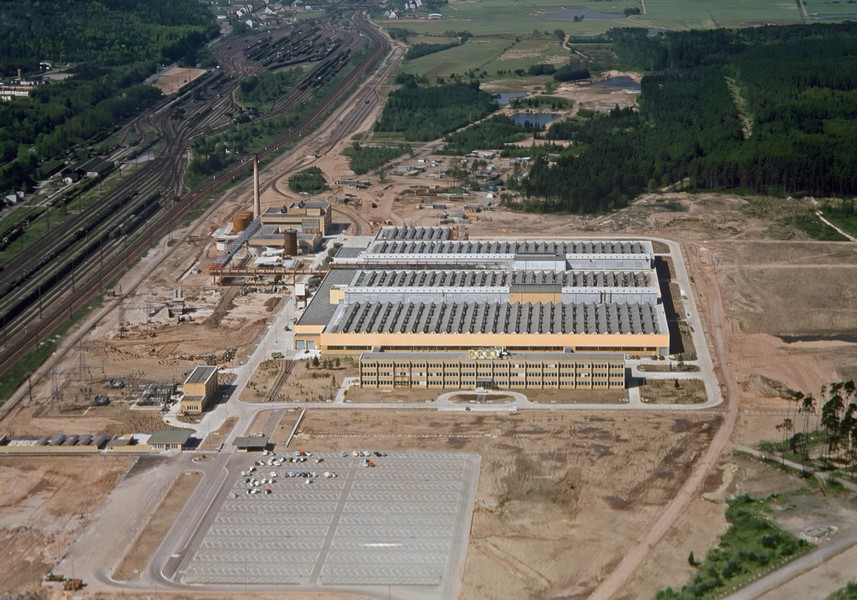
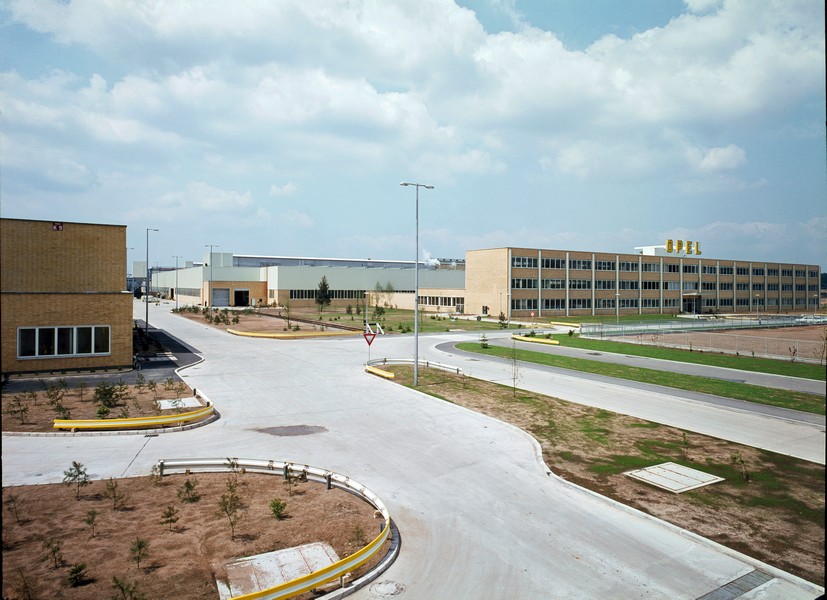
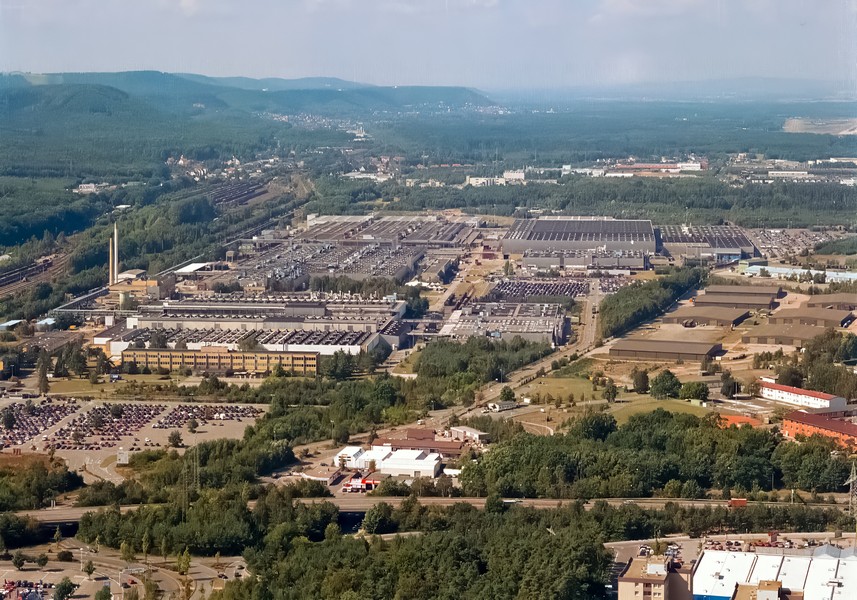
Il 3 giugno 1966 fu ufficialmente inaugurato lo stabilimento Opel a Kaiserslautern. Negli anni e decenni successivi, il sito si sviluppò prima in un importante impianto motori e poi in uno stabilimento chiave del gruppo. Oggi fornisce più di 20 sedi Stellantis in tutto il mondo. Attualmente, più di 30 modelli di sette marchi Stellantis contengono componenti di Kaiserslautern.
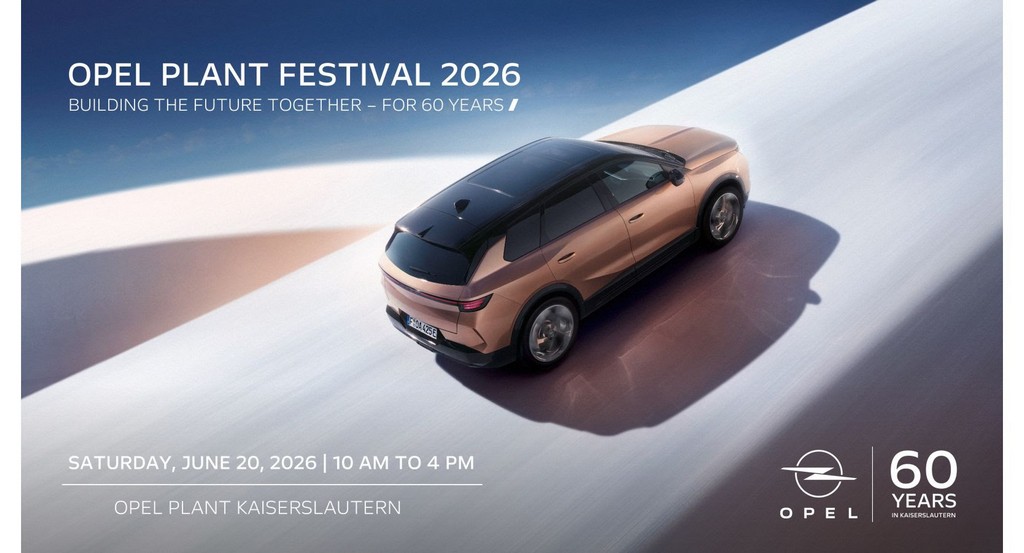
La storia di successo e lo sviluppo dell’impianto in un sito di produzione all’avanguardia sono motivo di celebrazione. Il 20 giugno 2026, Opel aprirà i cancelli al pubblico per il grande anniversario dei ’60 anni di Opel a Kaiserslautern’. Durante la giornata di porte aperte, i dipendenti, le loro famiglie e amici, così come tutti i fan Opel, possono conoscere il sito da una prospettiva completamente diversa e dare un’occhiata dietro le quinte.
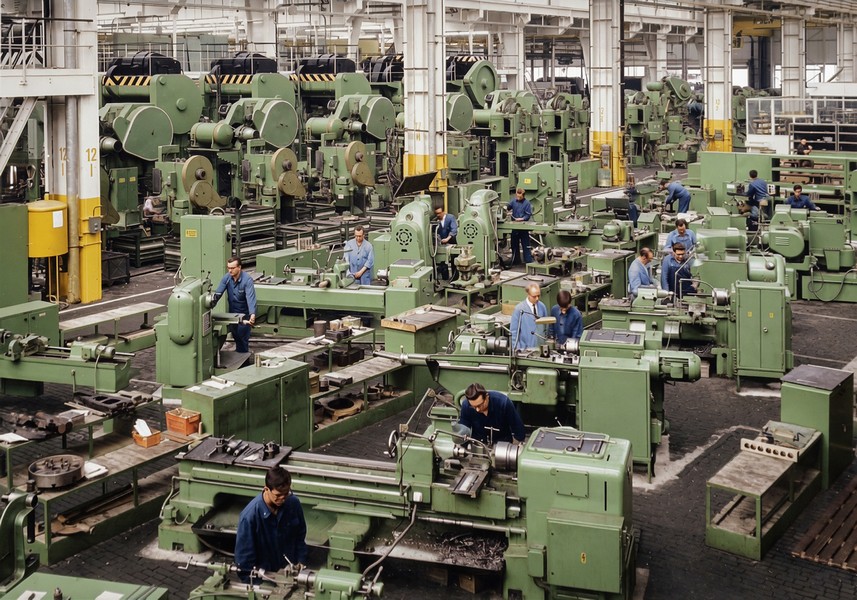
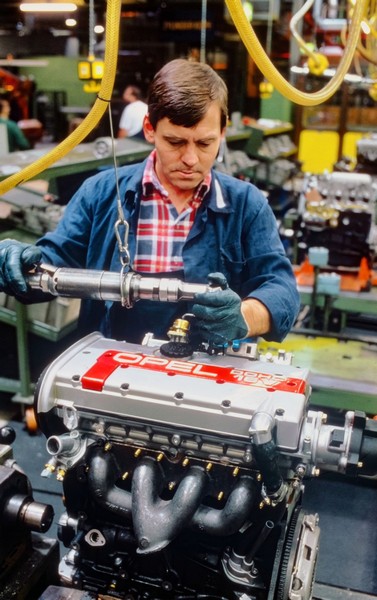
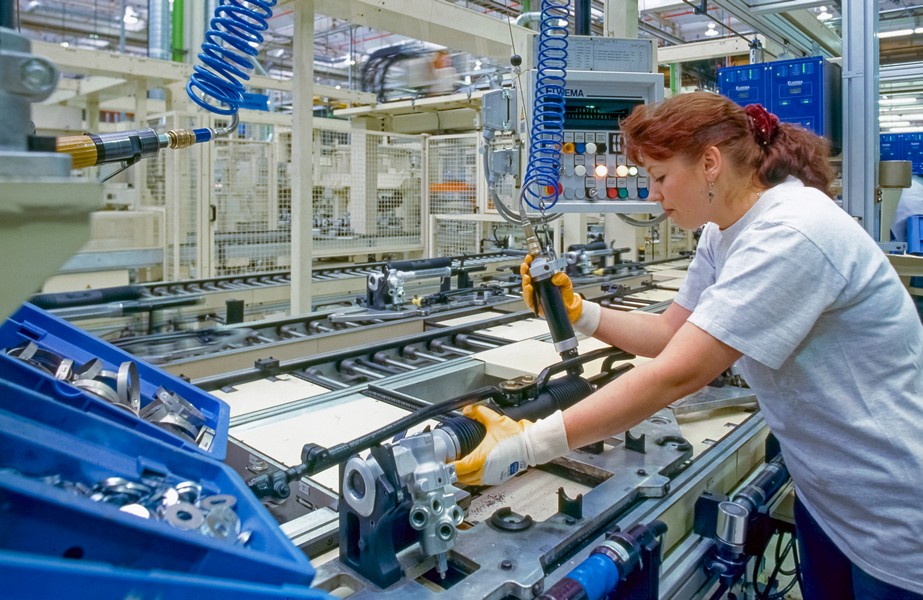
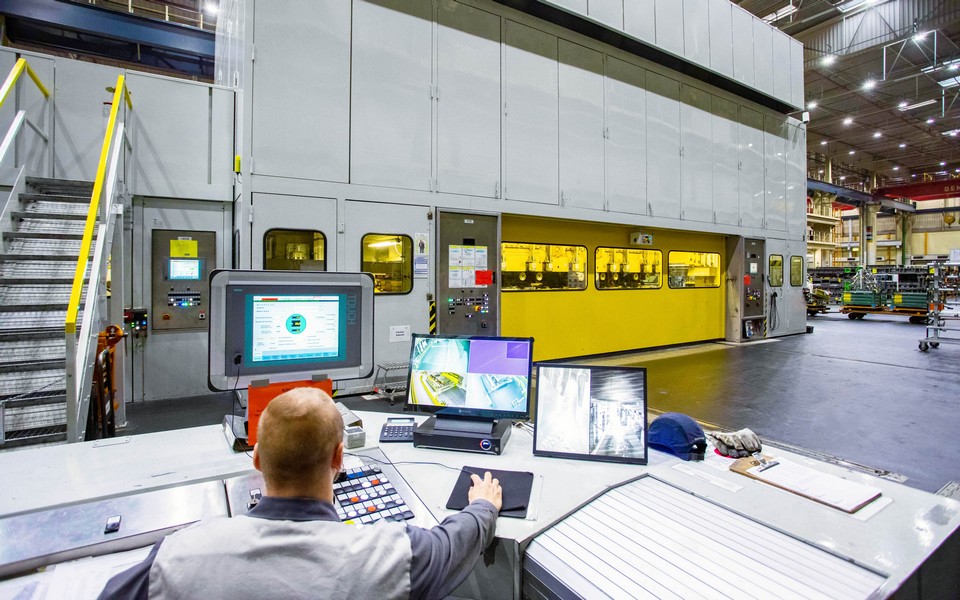
Il programma del 20 giugno inizia la mattina alle 10:00 CEST. Durante la giornata, i visitatori avranno un’idea della produzione quotidiana e delle attività in loco, oltre che dei modelli attuali Opel e Stellantis. Possono sperimentare i processi di produzione dei componenti durante un tour interessante. Dopotutto, a Kaiserslautern vengono prodotti circa 400 componenti diversi. Oltre 350.000 pezzi prodotti qui partono dallo stabilimento ogni giorno in tutte le direzioni d’Europa, dove vengono poi installati in una vasta gamma di modelli Opel e Stellantis – il SUV di punta Opel Grandland da solo contiene oltre 100 componenti prodotti a Kaiserslautern.
Durante la giornata di apertura al pubblico, i visitatori possono conoscere meglio vari veicoli e sperimentarli di persona durante un test drive.
Se gli ospiti preferiscono ricordare la propria infanzia, possono visitare la mostra di auto d’epoca. Soprattutto per l’evento, Opel Classic porta a Kaiserslautern alcuni tesori speciali della collezione di Rüsselsheim. Anche qui tutto è descritto dal motto ‘alte prestazioni pure’. L’esposizione include rarità come la vettura da corsa del Gran Premio del 1913 come veicolo più antico, così come una Opel Rekord B, che l’ex allenatore nazionale tedesco Sepp Herberger acquistò nel 1966, anno in cui lo stabilimento Opel di Kaiserslautern fu ufficialmente inaugurato. La vettura speciale turismo di Gruppo 5 basata sulla Opel Rekord C, conosciuta dai fan come la ‘Vedova Nera’, completa la gamma – così come la leggendaria Opel Calibra V6 2,5 litri da 500 CV, con cui Manuel Reuter e Opel ottennero la vittoria nel Campionato Internazionale Turismo ITC nel 1996, così come il prototipo Opel Astra OPC X-Treme V8 con 444 CV e portiere ad ala di gabbiano del 2001. Altri classici Opel provenienti da collezioni private completano l’offerta espositiva.
Già in tarda mattinata, dopo i discorsi ufficiali, si terrà una sessione di discussione con un rappresentante del 1. FC Kaiserslautern. I tifosi possono anche aspettarsi autografi da una leggenda del FCK. Chi sarà rimane una sorpresa fino al giorno dell’evento. E per tutti i mattinieri, il primo momento saliente della giornata avverrà intorno alle 8:30 CEST, quando la 4ª ADAC Trifels Oldtimerwanderung dello Sportfahrer Union Kaiserslautern partirà presso la sede della fabbrica.
Inoltre, durante la giornata dell’anniversario sarà offerto un programma vario per bambini e famiglie. La fabbrica chiuderà le porte alle 16:00 CEST.
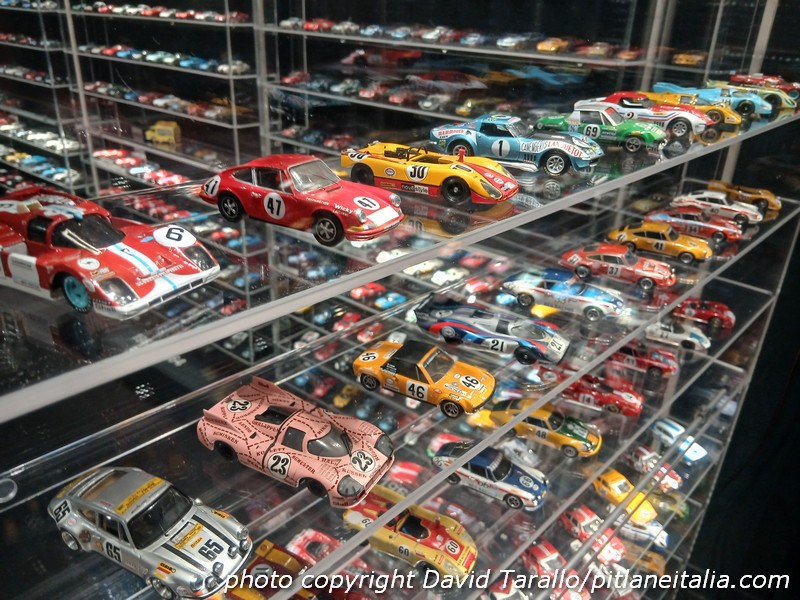
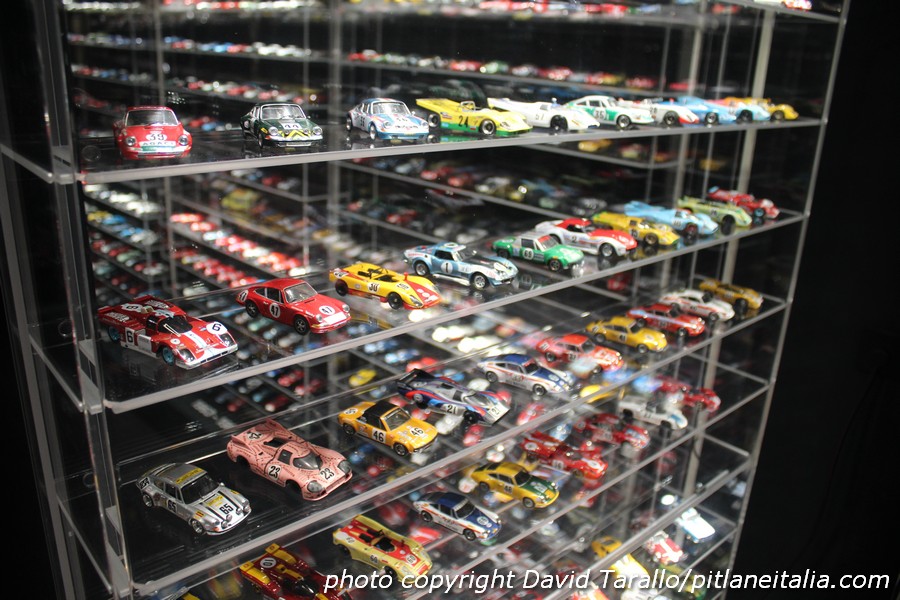
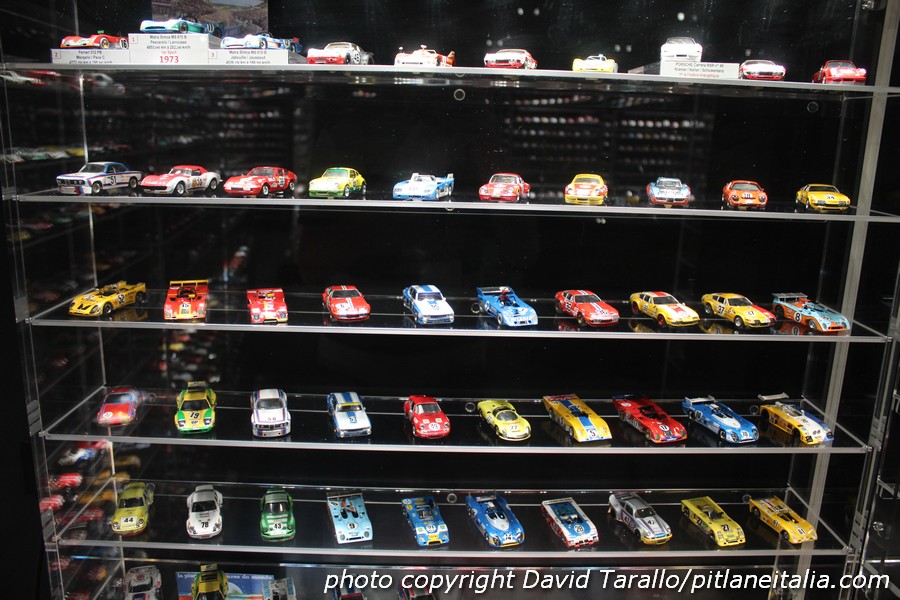
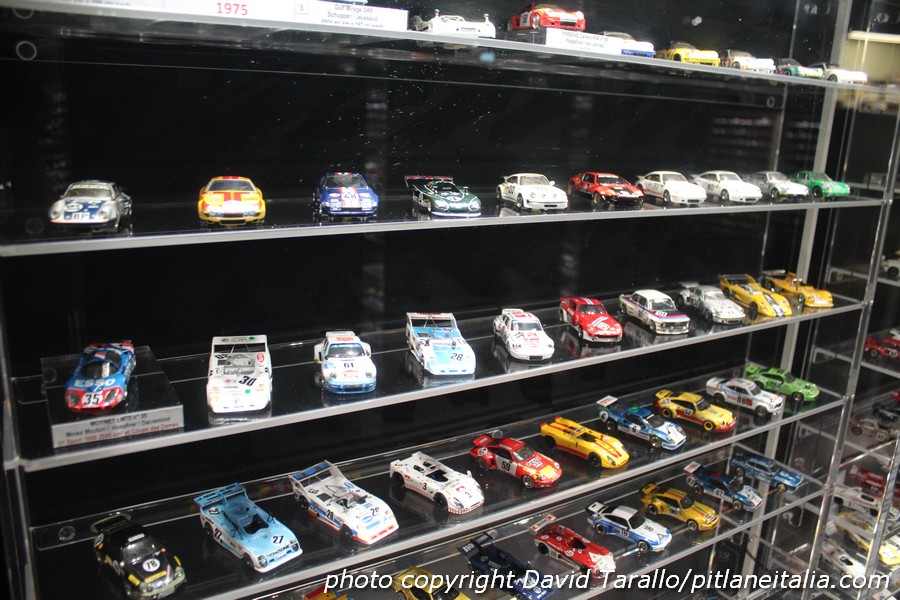
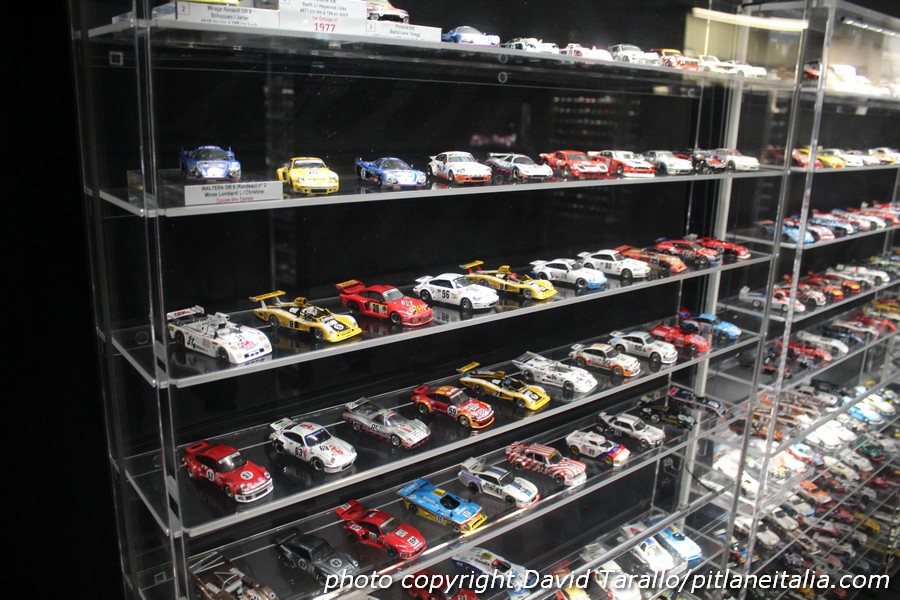
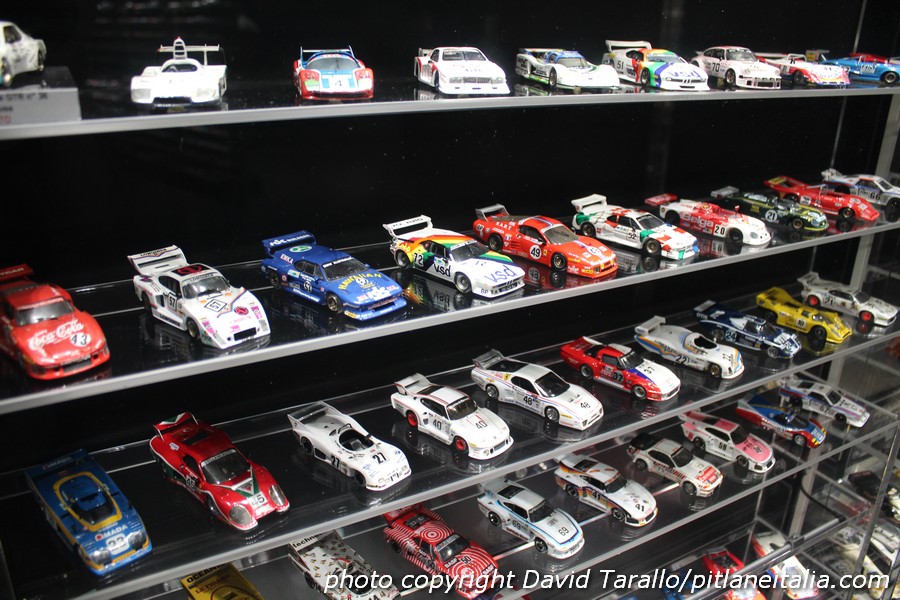
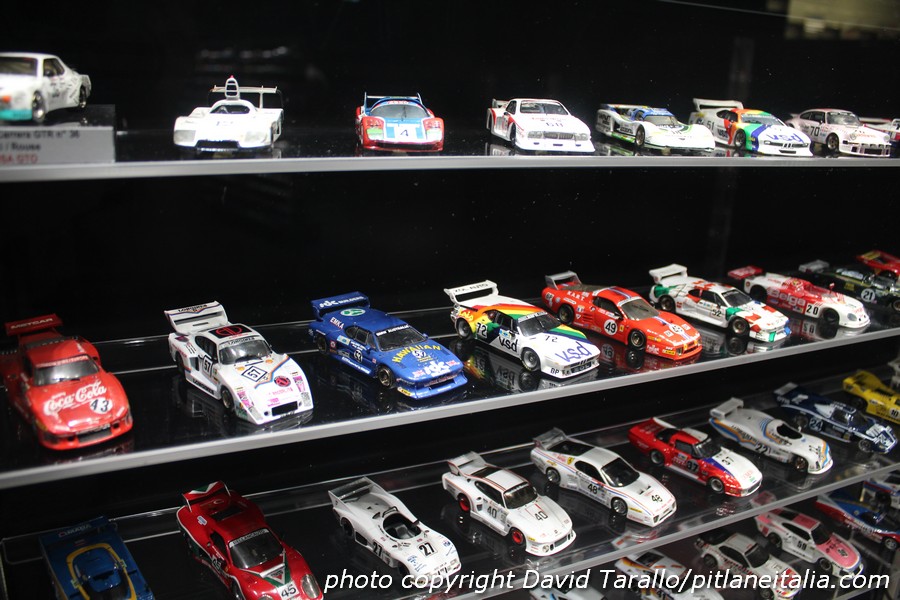
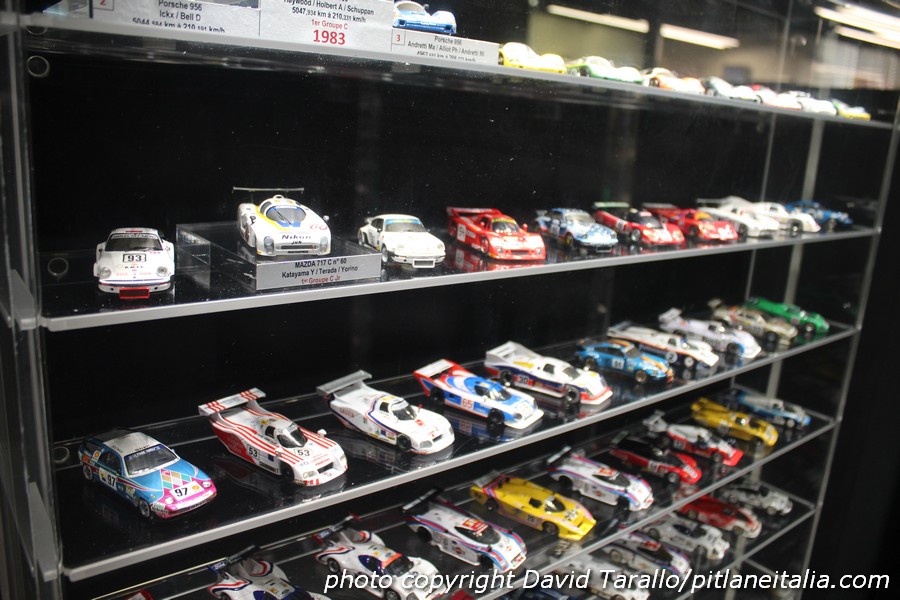
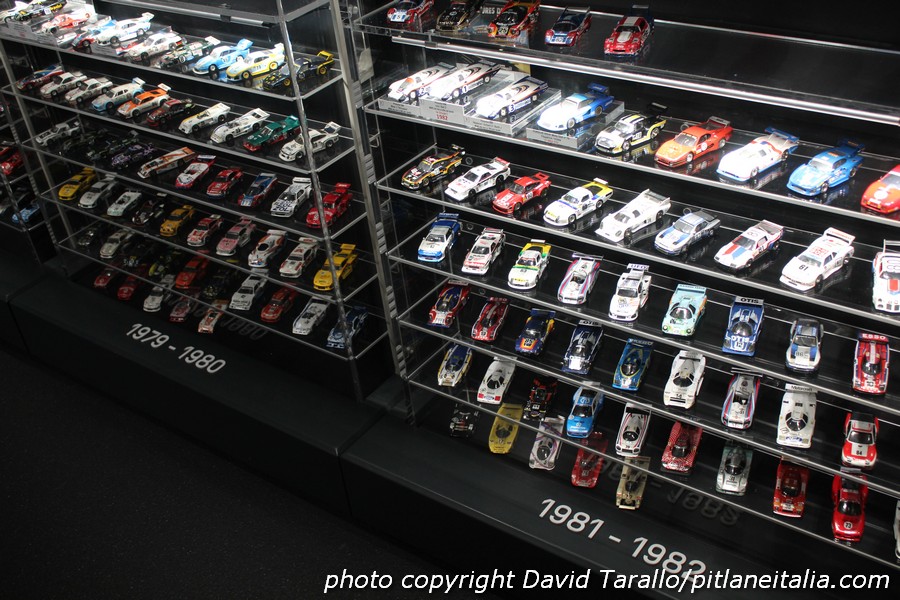
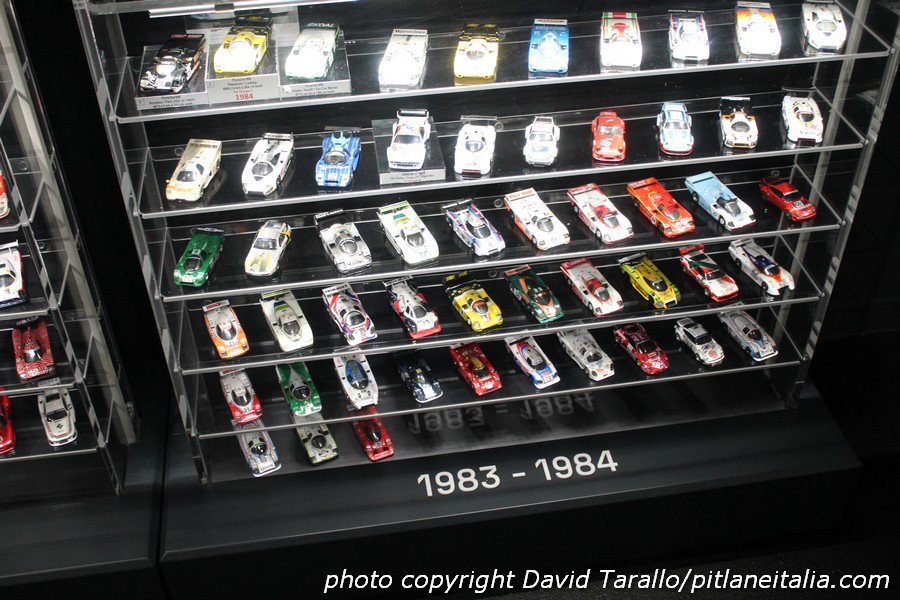
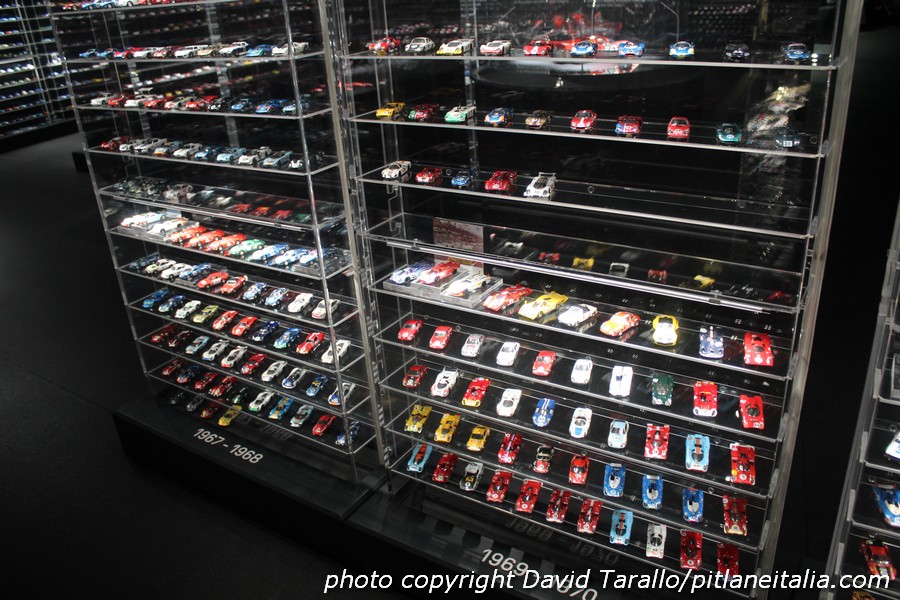
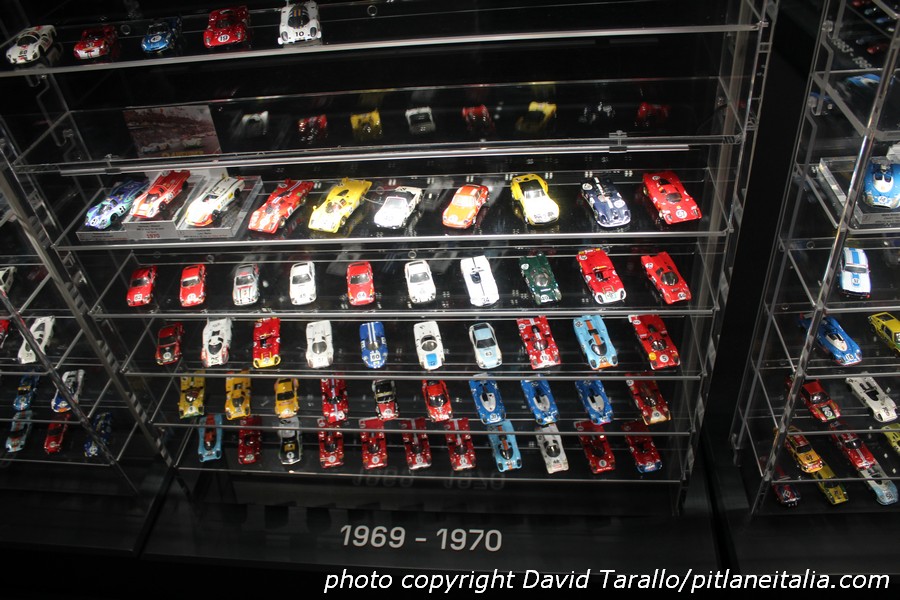
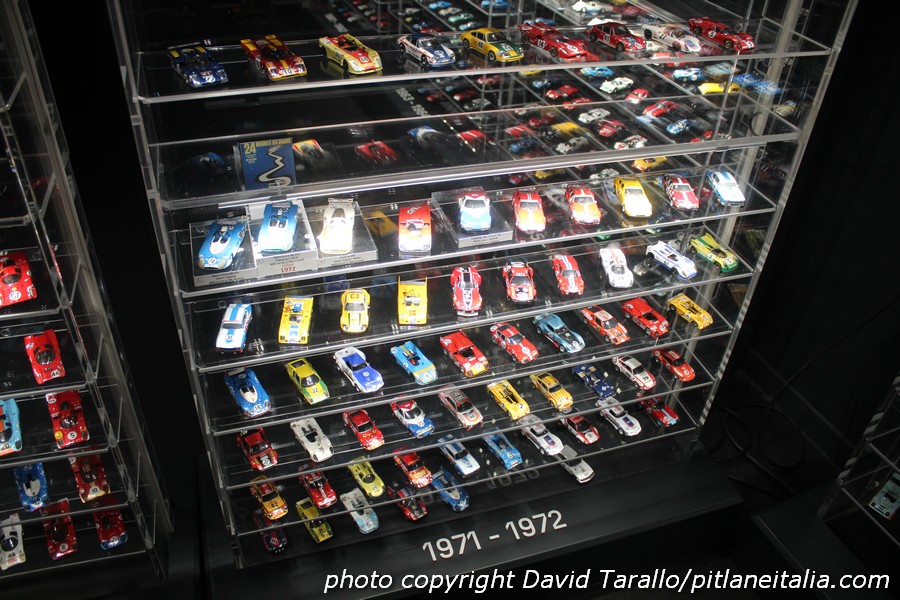
Ogni volta che torno al Museo di Le Mans, un bel po’ di tempo lo trascorro davanti alle vetrine dov’è esposta la collezioni di modelli 1:43 appartenuti a Michel Elkoubi. Un po’ per nostalgia, un po’ per pura suggestione, quei pezzi erano esattamente come quelli che gli appassionati sognavano negli anni ’70 e ’80: Solido elaborati, speciali montati, kit di marchi classici. La vendetta della storia è che oggi come oggi, possedere una collezione composta da modelli riconducibili a quei filoni – ancora meglio se con un pedigree prestigioso e documentato – fa giustizia delle caterve di Spark che giacciono negli armadi, sotto i letti, nei bagni o nei garage degli accumulatori, in attesa di decomporsi come ogni cineseria che si rispetti (non preoccupatevi, è solo questione di tempo, e lo faranno ben prima che vi decomponiate voi).
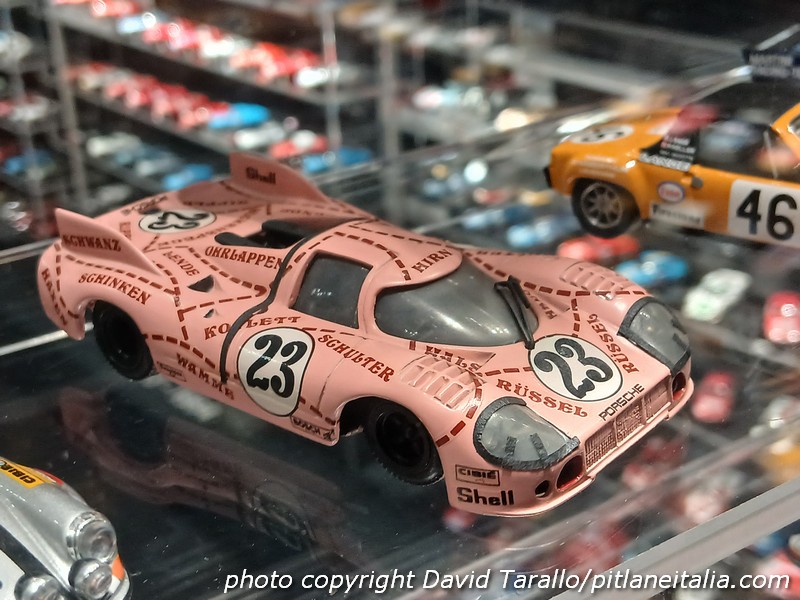
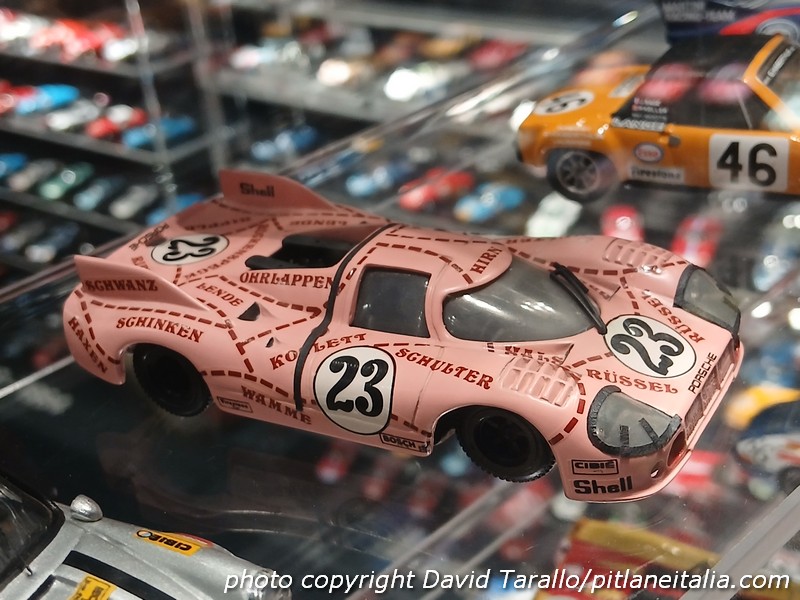
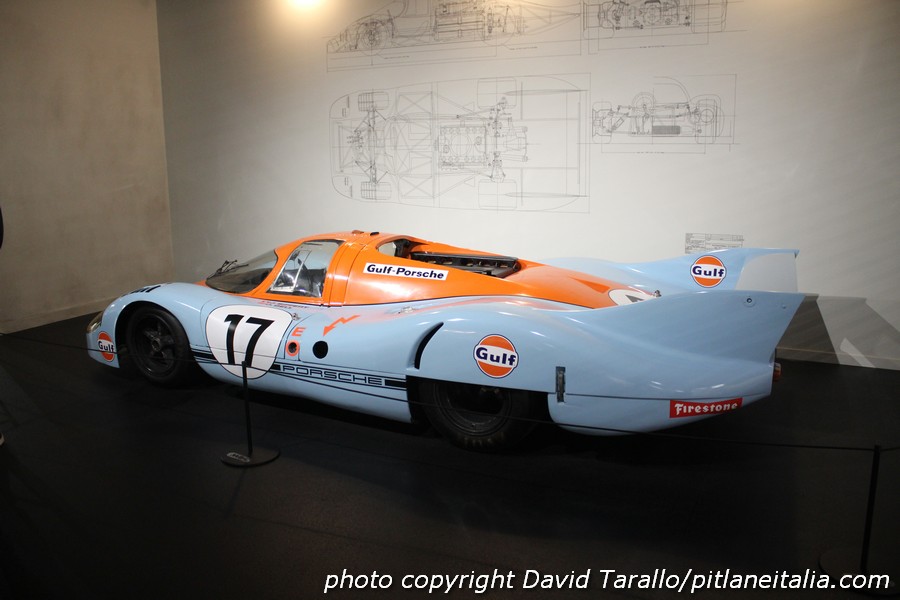
Elkoubi l’ho frequentato soprattutto all’inizio degli anni Duemila, quando era ancora possibile incontrarlo sui circuiti dove svolgeva il suo lavoro di tecnico di pista. E molti di quei modelli esposti all’M24 furono oggetto a volte di conversazioni prolungate, altre volte di un semplice e rapido scambio di battute. Della Porsche 917/20 di AMR mi parlò quando gli dissi che ne stavo ancora cercando un esemplare completo, vale a dire con le coperture delle trombette fornite a parte e col foglietto di istruzioni per assemblarle. Di quei modelli ce ne sono a centinaia, ma quanti possono dire di possedere un esemplare assolutamente immacolato? E’ un po’ il discorso degli obsoleti, con numeri in proporzione ridotti. Elkoubi mi disse che ne aveva avuti almeno un paio, di cui uno preso immediatamente all’uscita della novità, ma lui non era certo un collezionista “storico”: gli interessava per lo più il modello come riproduzione della vettura reale.
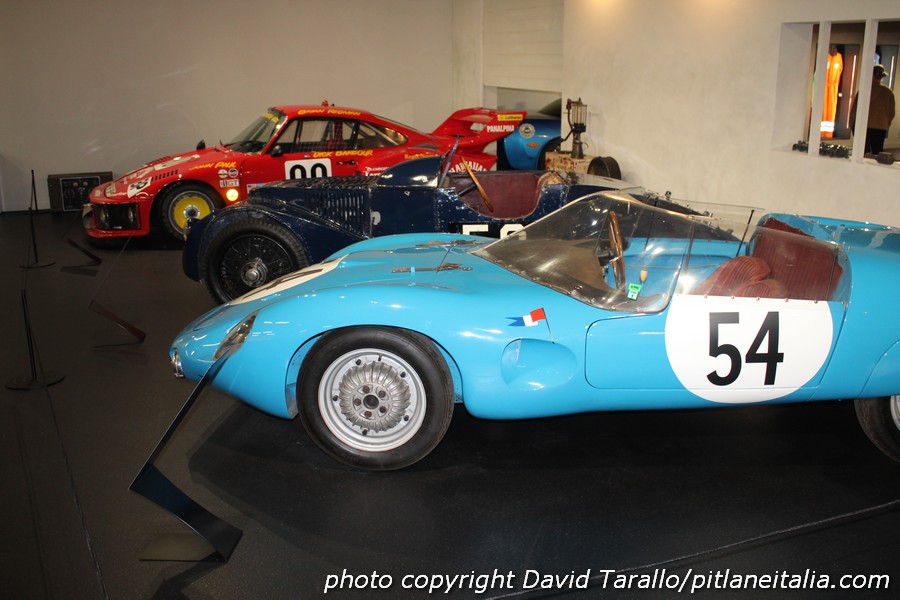
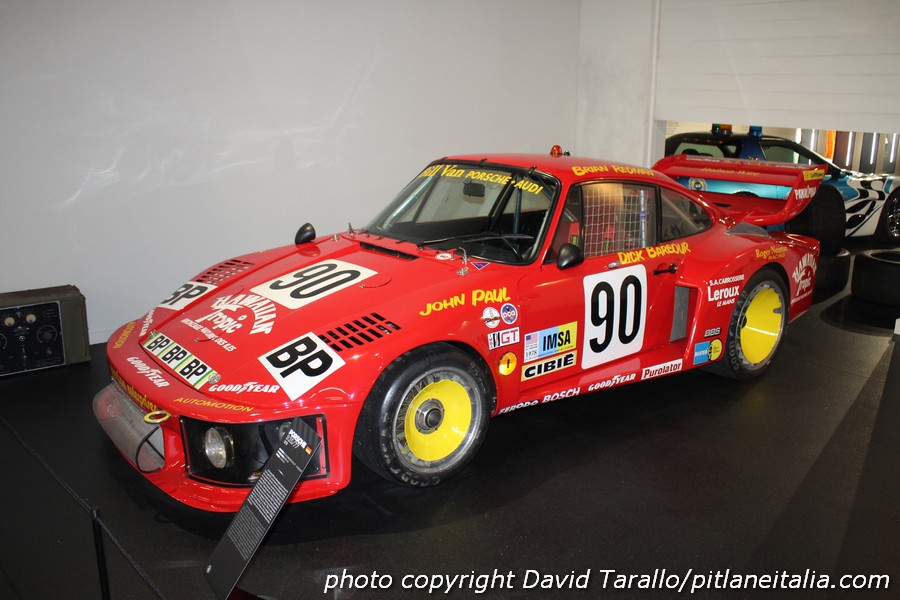
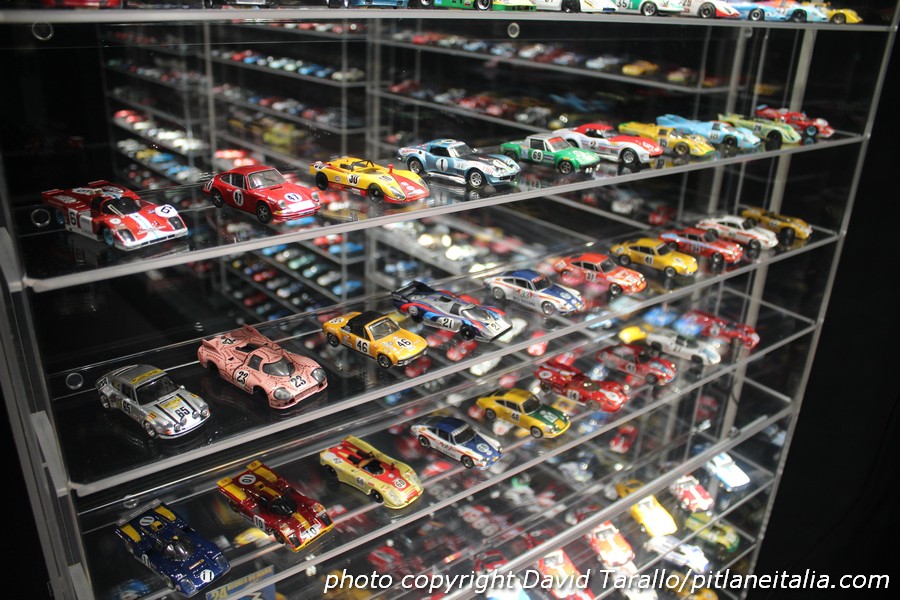
A sinistra, lo schieramento delle vetture della 24 Ore di Le Mans 1971 al Museo M24 di Le Mans. Accanto alla 917/20 un altro AMR, una Porsche 911S elaborata. Sono abbastanza rari gli AMR in questa collezione. A destra, il modello segna chiari gli effetti malefici dell’illuminazione diretta sulle superfici in acetato
Questo per dire che essendo parte egli stesso parte della storia modellistica non aveva più di tanto interesse a ricostruire la storia di marchi che per lui costituivano la routine contemporanea. La 917/20 Pink Pig di Le Mans 1971 è uno dei pochi AMR della sua raccolta.
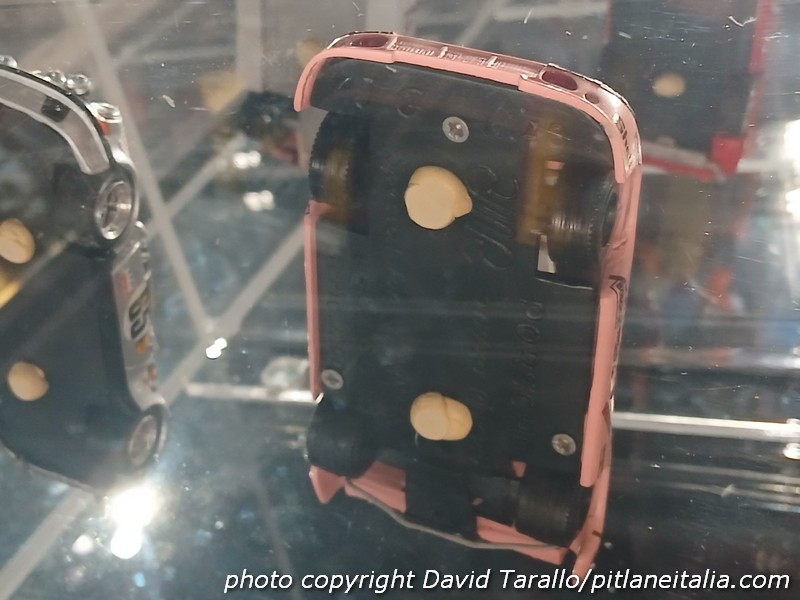
Non un numero di serie banale: la Porsche 917/20 di Elkoubi porta il “43” punzonato sul fondino. Solo un caso?
Ci sono qua e là alcune 911S elaborate, forse qualche Gruppo C e poco, pochissimo altro. La 917/20, invece, “doveva” essere l’AMR. L’esemplare esposto al museo è il numero 43: si direbbe uno dei primi, se non fosse che Ruf spesso stampava centinaia di fondini punzonandoli tutti contemporaneamente e prendendoli a caso via via che li montava. Questo almeno fino a quanto iniziò a organizzarsi in modo meno empirico, dopo il primo periodo delle “scatole piccole”.
Ecco quindi le foto di un maialino famoso, ed è anche – purtroppo – un maialino abbastanza cotto, a causa della sciagurata esposizione diretta alle fortissime luci delle vetrine nel museo. I curatori della collezione sono al corrente di questo problema e speriamo che intervengano per evitare ulteriori danni agli acetati dei modelli.
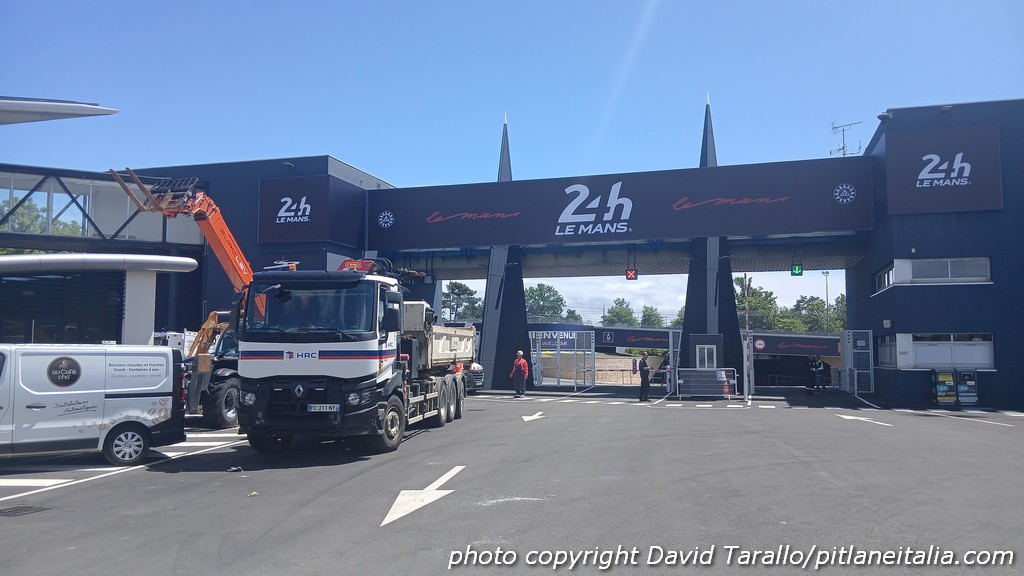
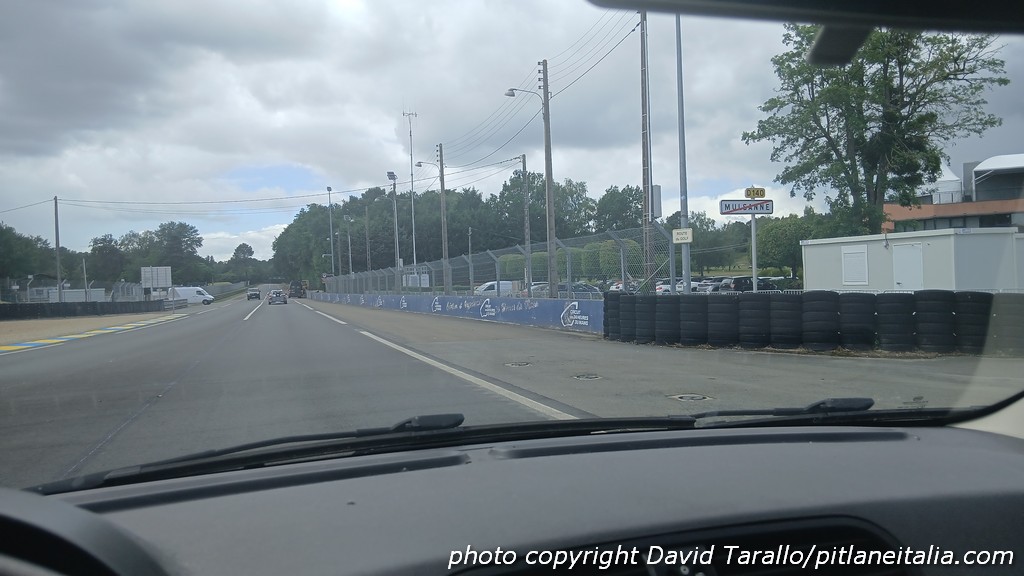
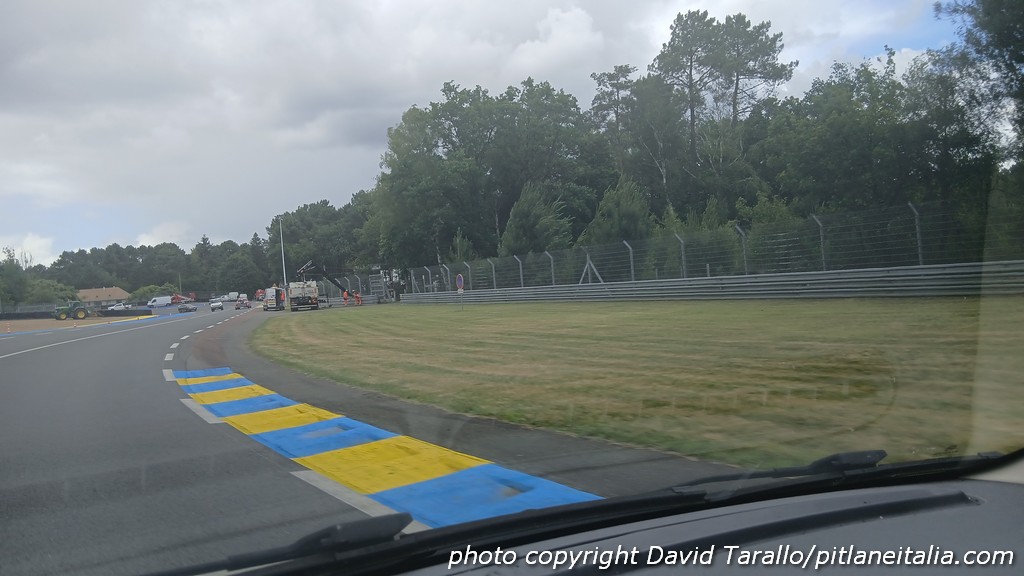
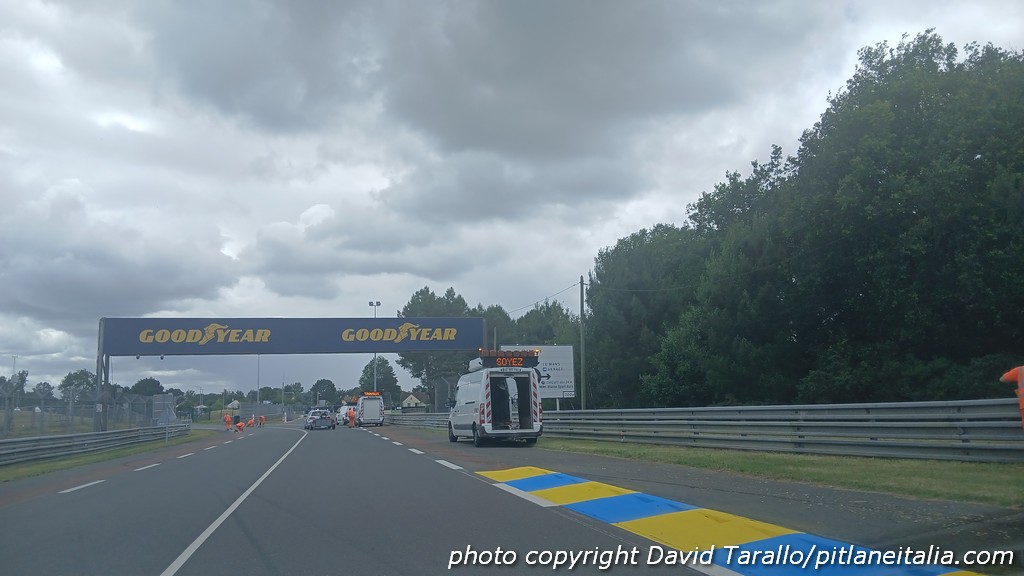
Arrivare a Le Mans in auto è sempre suggestivo: i cartelli che indicano Teloché (storico villaggio in cui la Porsche aveva il suo quartier generale nei giorni della gara), la strada dritta che corre fra le case color crema con le porte celesti e rosa, i filari di alberi che fanno ricordare l’inizio del film di McQueen, probabilmente l’unica parte accettabile di un’opera largamente mitizzata. Arrivi e ti accoglie la dipartimentale che praticamente è il rettifilo dell’Hunaudières, con l’Auberge, teatro di innumerevoli storie, soprattutto legate alle cerimonie di premiazione degli anni che furono. In auto puoi arrivare a Mulsanne, continuare a manetta, arrivare a Indianapolis e Arnage e oltre. In questi giorni è ancora possibile farlo, prima che inizi il traffico folle della settimana. Del nuovo museo M24 leggete a parte (https://pitlaneitalia.com/2026/06/04/m24-il-nuovo-museo-di-le-mans/).
L’uragano che si è scatenato sulla città verso le una del pomeriggio ha lasciato spazio ad un cielo limpidissimo e a un fresco che va accolto come una benedizione sperando che regga. Le Mans con la calura è qualcosa di micidiale anche per giornalisti e fotografi.
Domani e dopodomani sono in programma in città le verifiche tecniche e amministrative, il cosiddetto Pesage. Domenica 5 giugno la giornata test. Per chi sia in loco, ecco la tabella con gli orari di verifica per ogni vettura, domani e dopodomani.
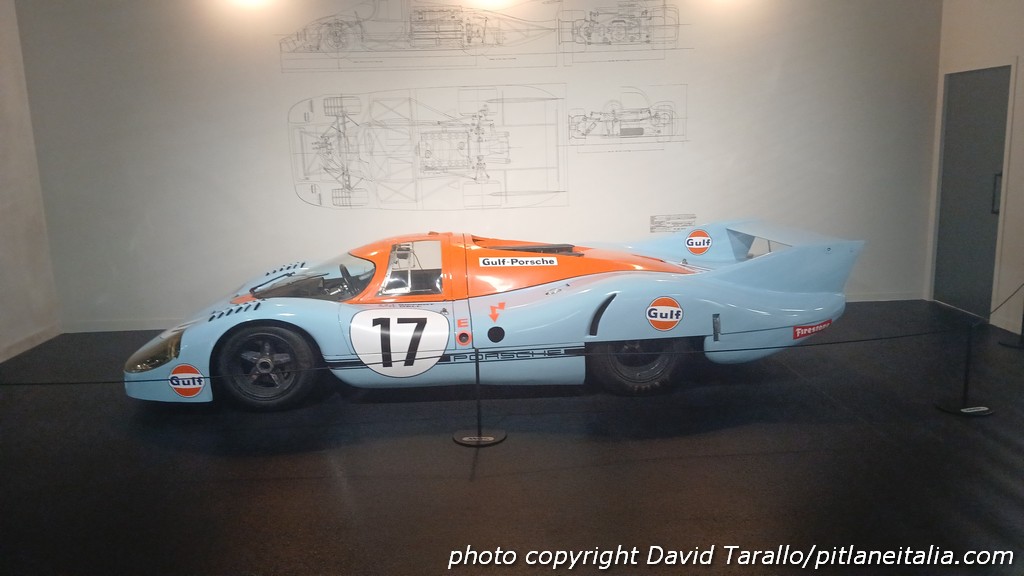
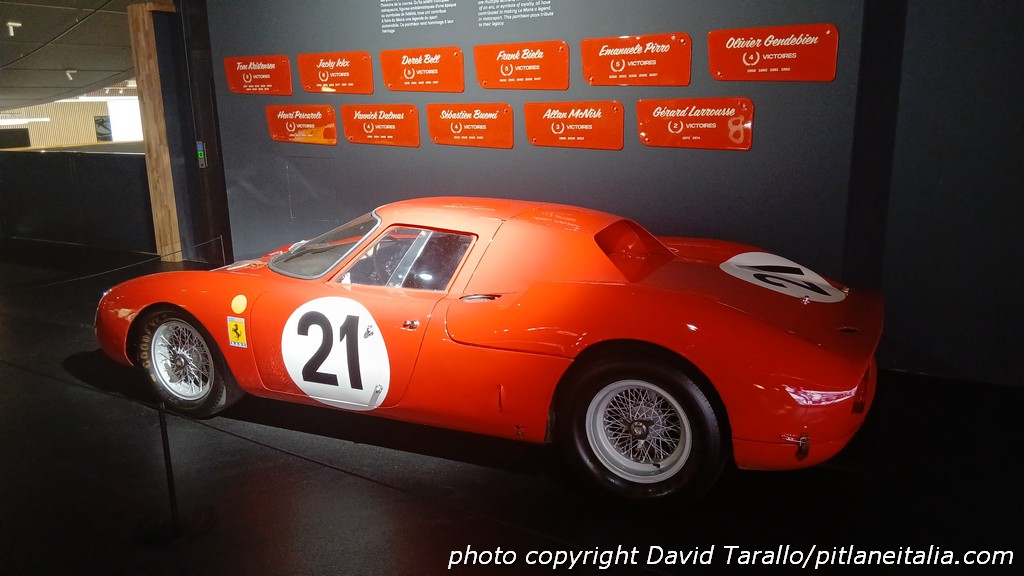
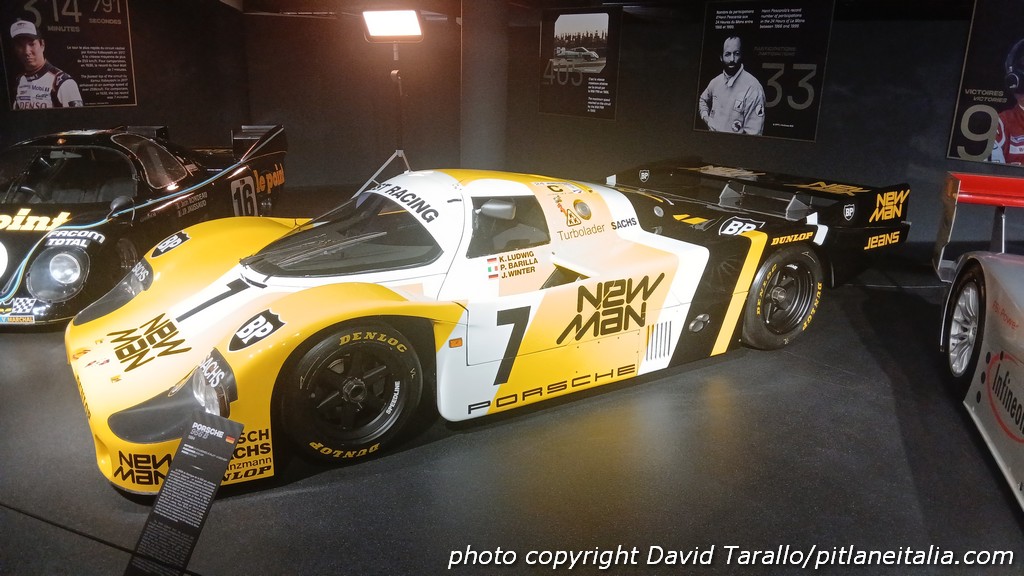
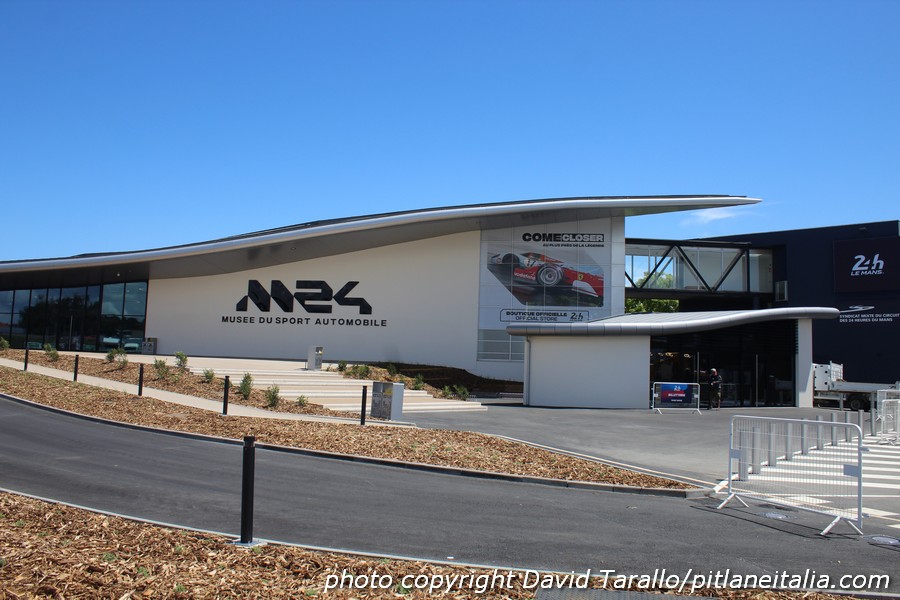
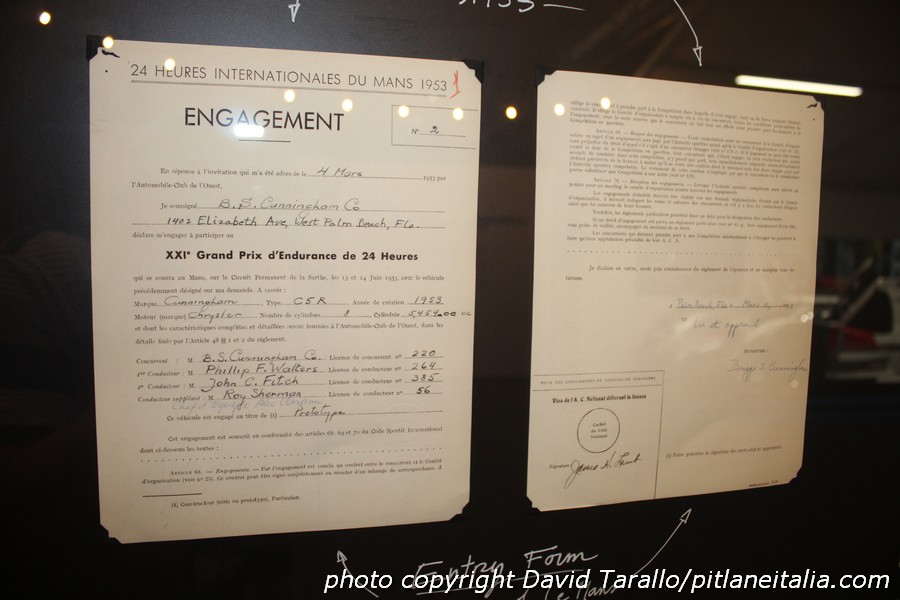
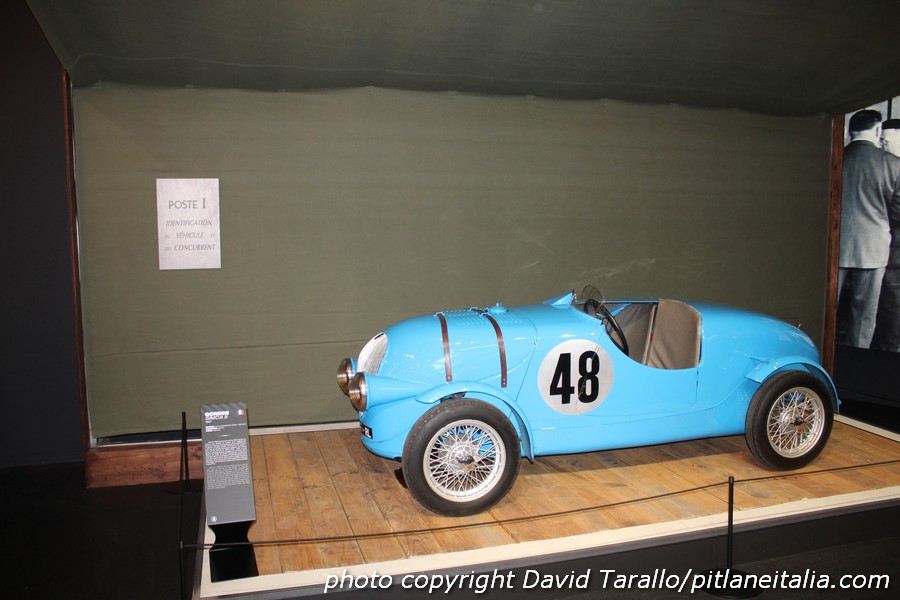
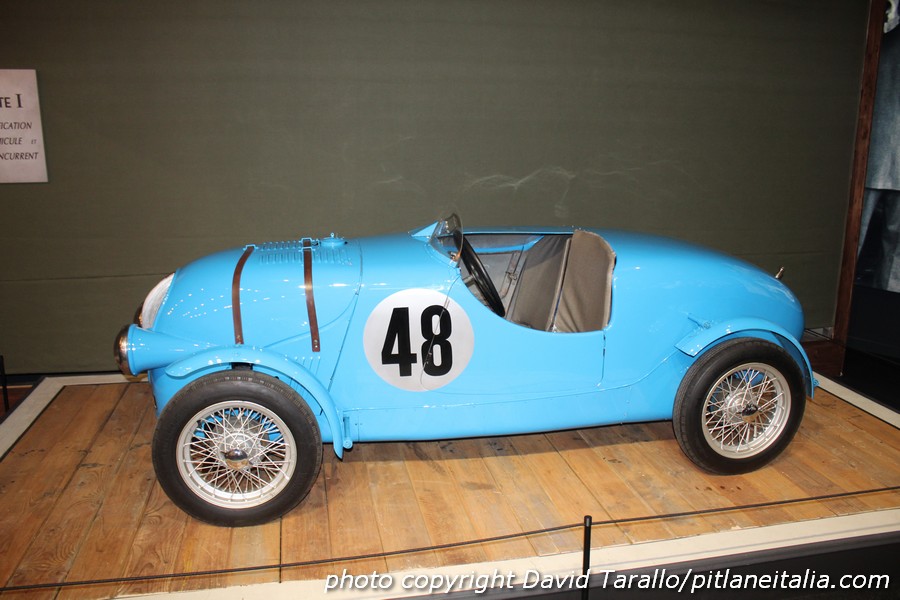
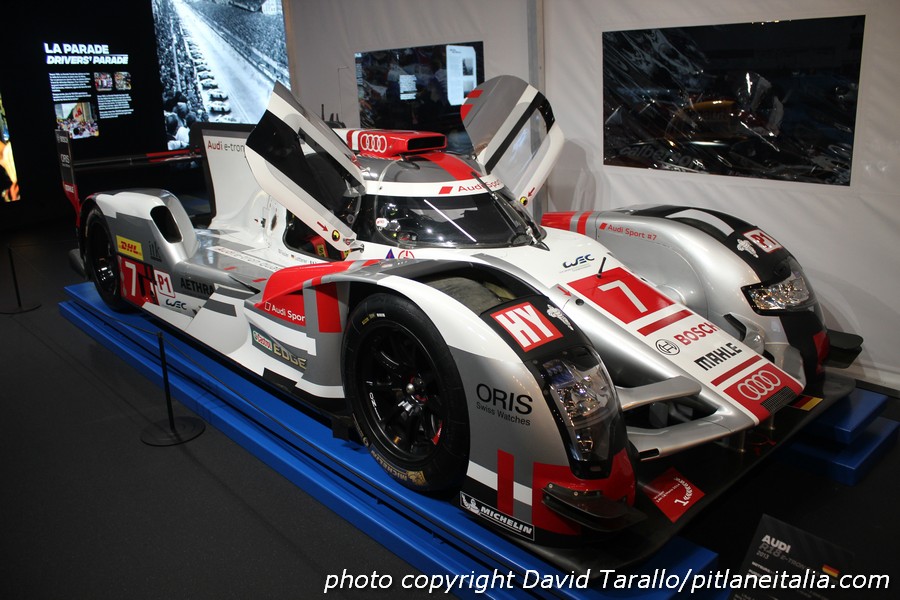
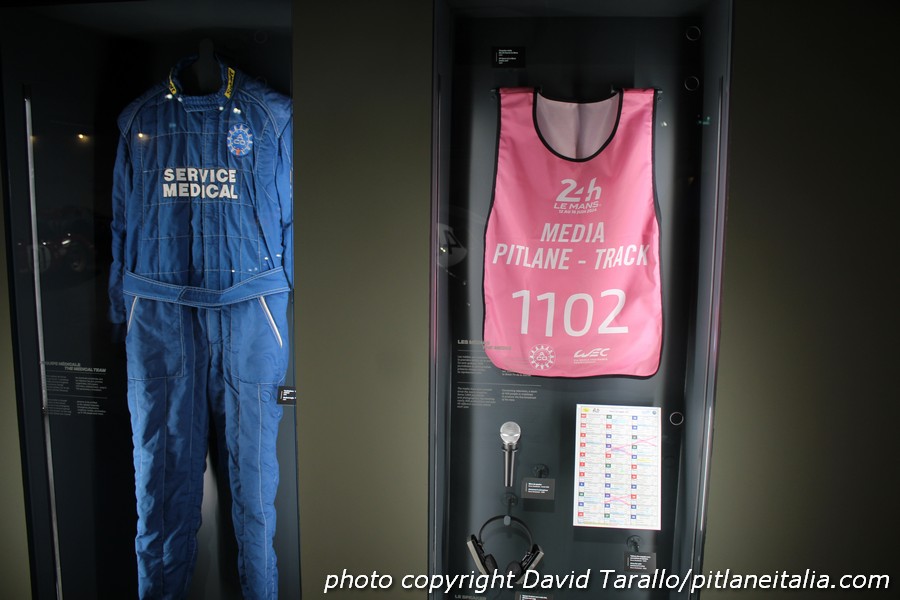
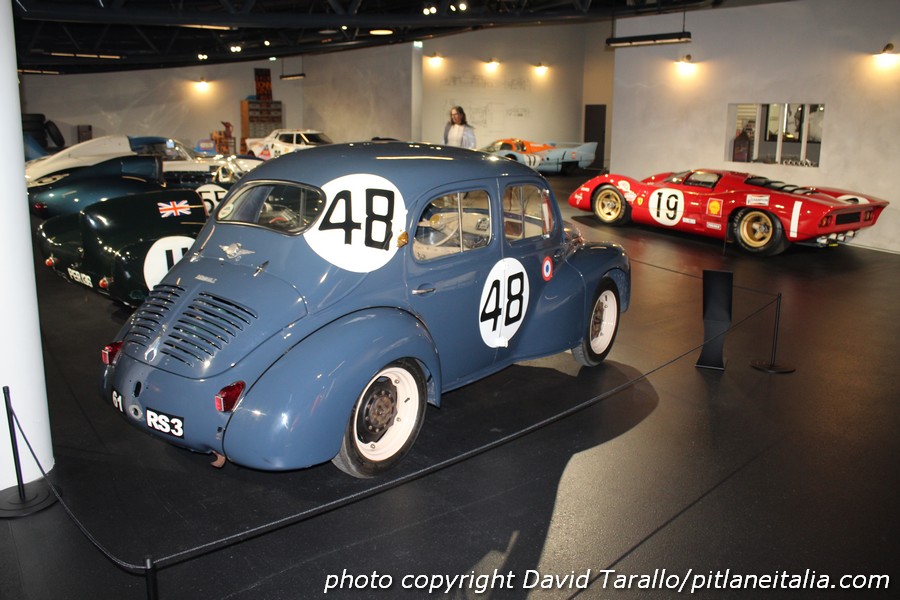
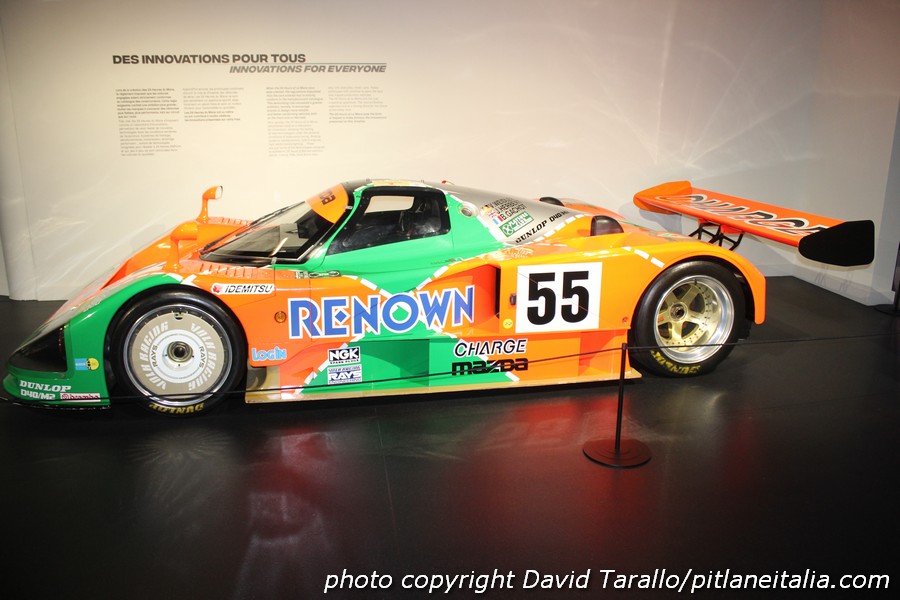
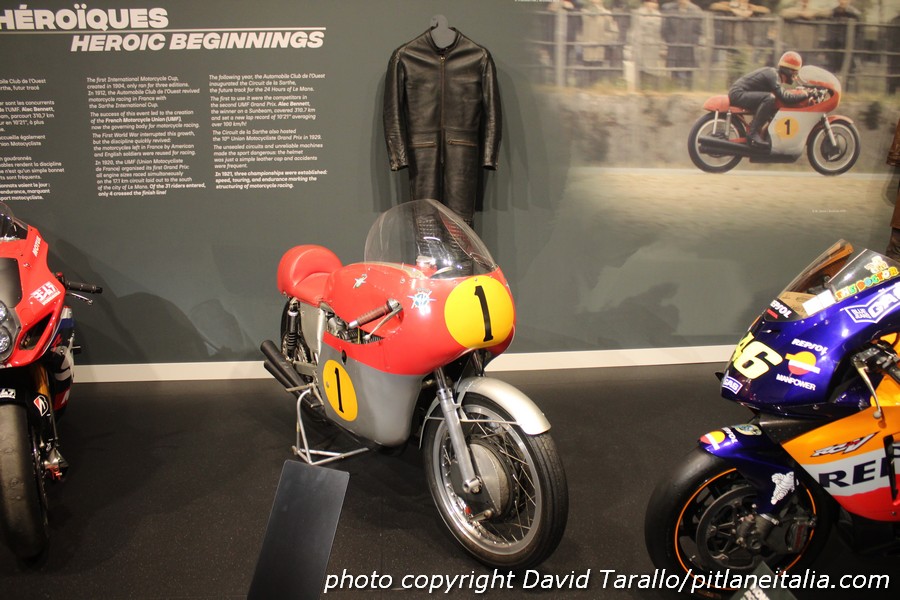
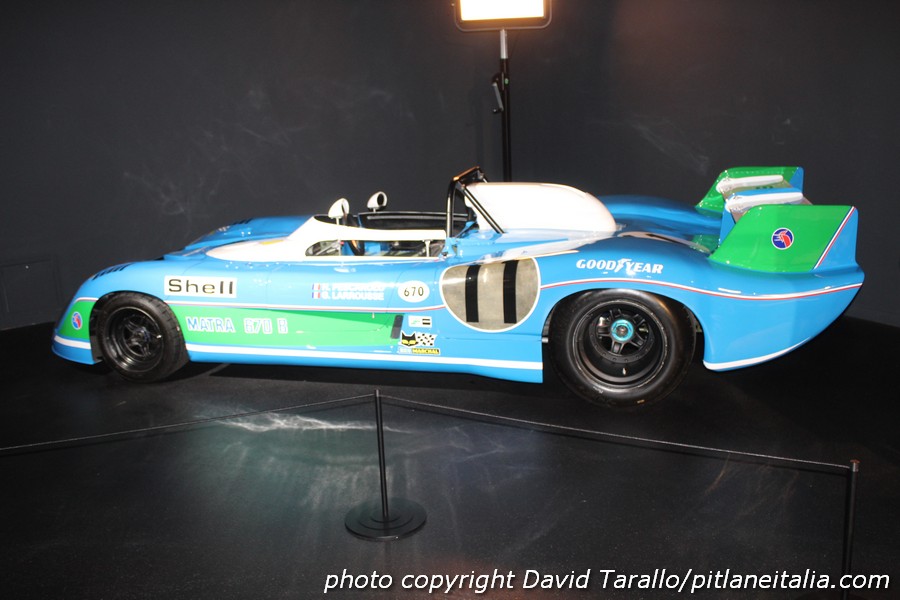
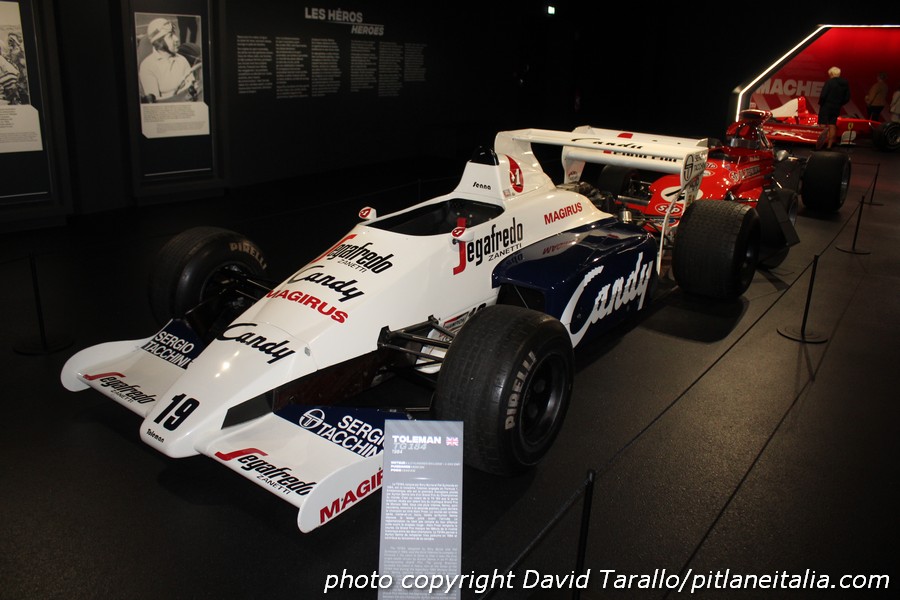
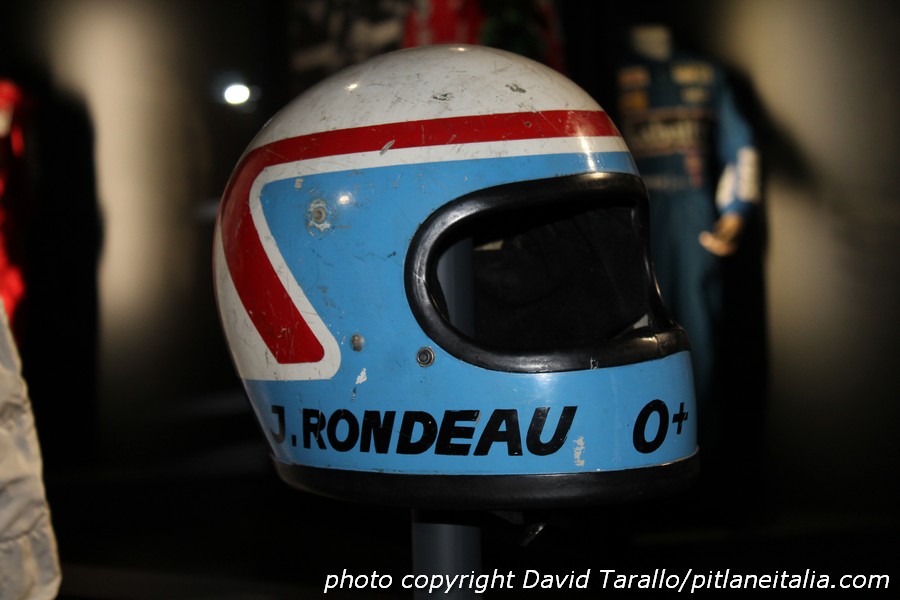
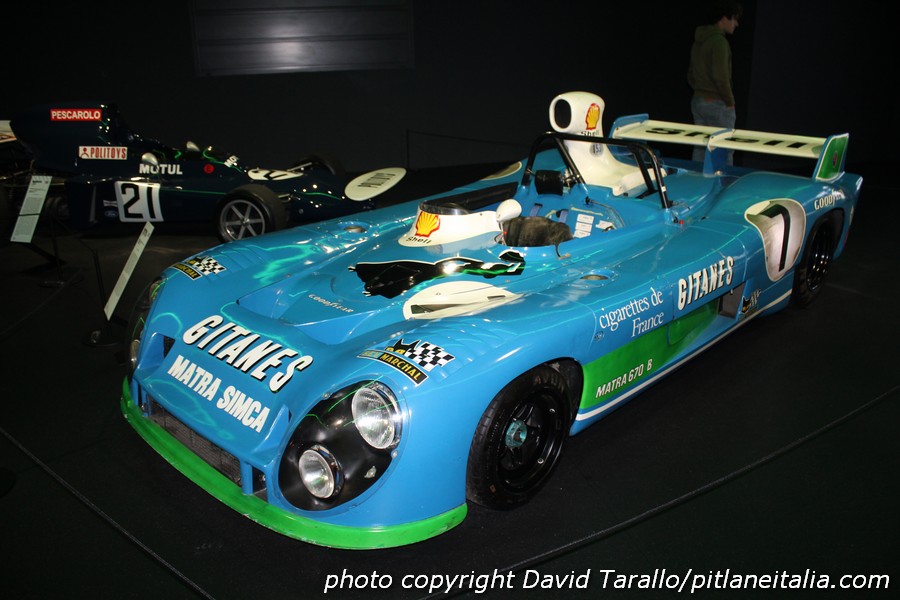
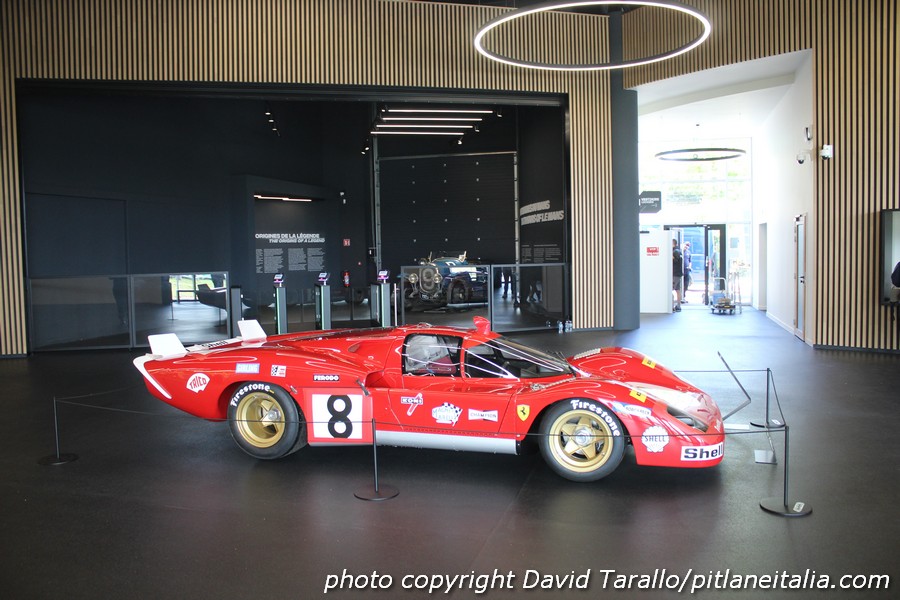
Inaugurato alla fine di maggio, il nuovo museo del circuito di Le Mans sfrutta la medesima posizione della vecchia struttura ma tutto è stato radicalmente trasformato. Chi era abituato all’ambiente tutto sommato casareccio del tradizionale museo sarà forse un po’ deluso nel constatare che l’ambiente ha perso molta di quella connotazione fortemente locale, per assumere un tono più asettico, anche se la suggestione resta intatta.
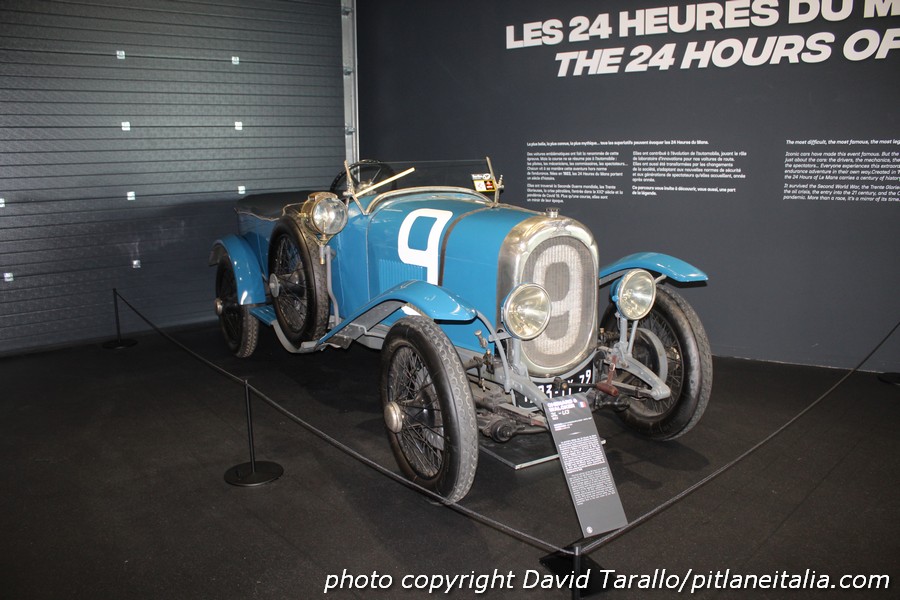
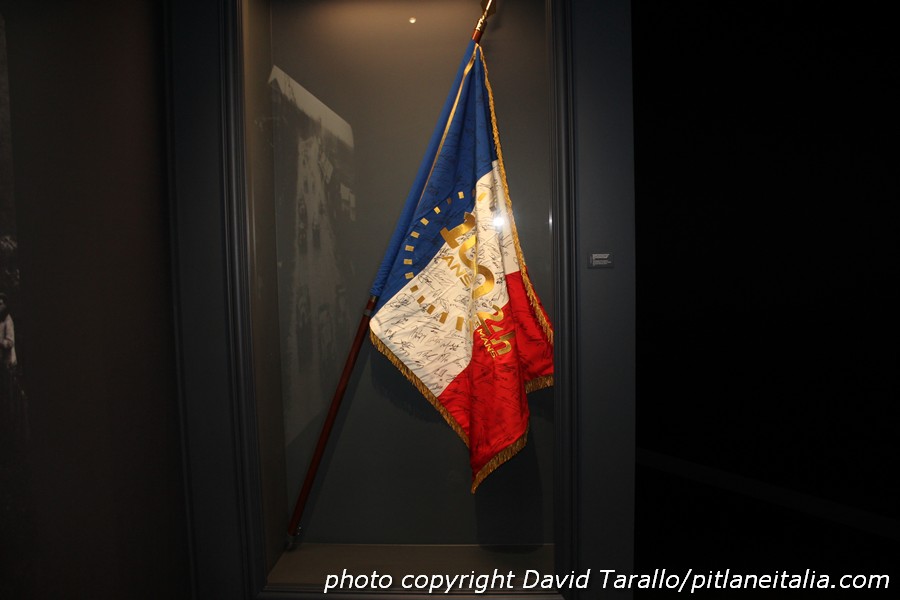
L’intero concetto è stato rivoluzionato: ora il percorso dell’M24 – così si chiama ora il museo – è più immediato e razionale. Non mancano i cimeli che gli tutti appassionati adorano, collocati in modo meno casuale, all’interno di un preciso percorso museale volto a spiegare, seppure in un tempo limitato, la storia, l’importanza e il significato della 24 Ore. Belli alcuni stand “immersivi”, dove riuscitissimi filmati in alta risoluzione riescono a far vivere le sensazioni di pilotaggio nel corso della gara. Interessanti anche alcune sezioni che illustrano l’evoluzione dei materiali impiegati sulle vetture attraverso i decenni.
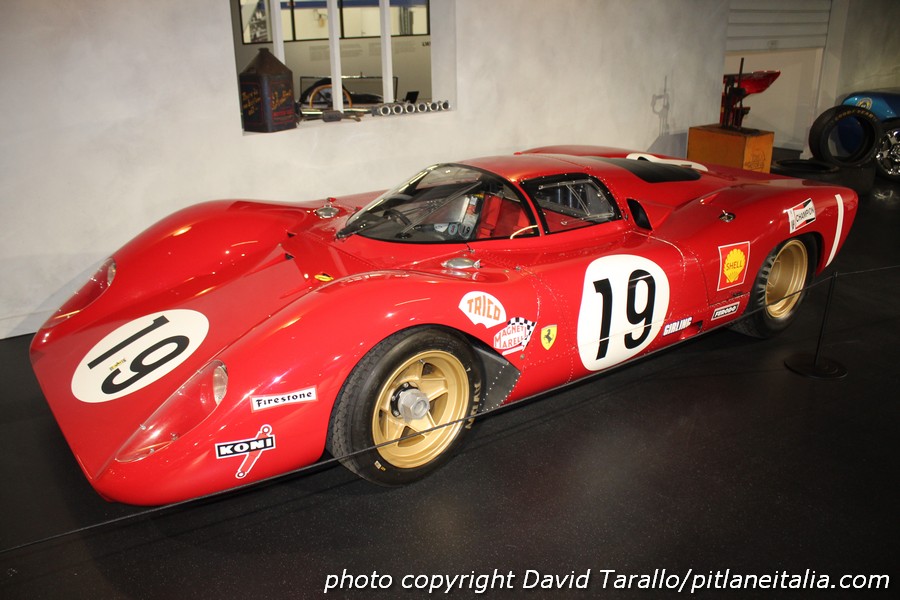
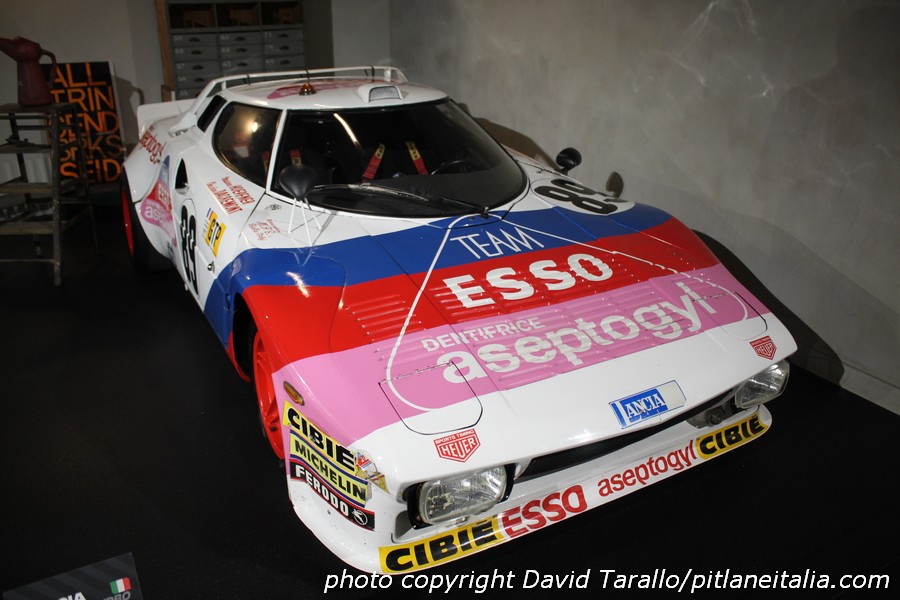
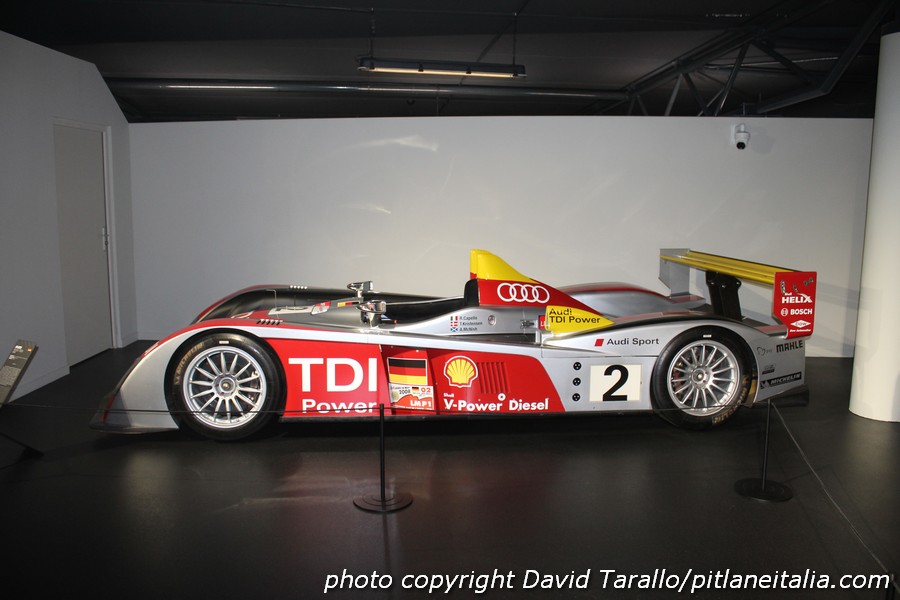
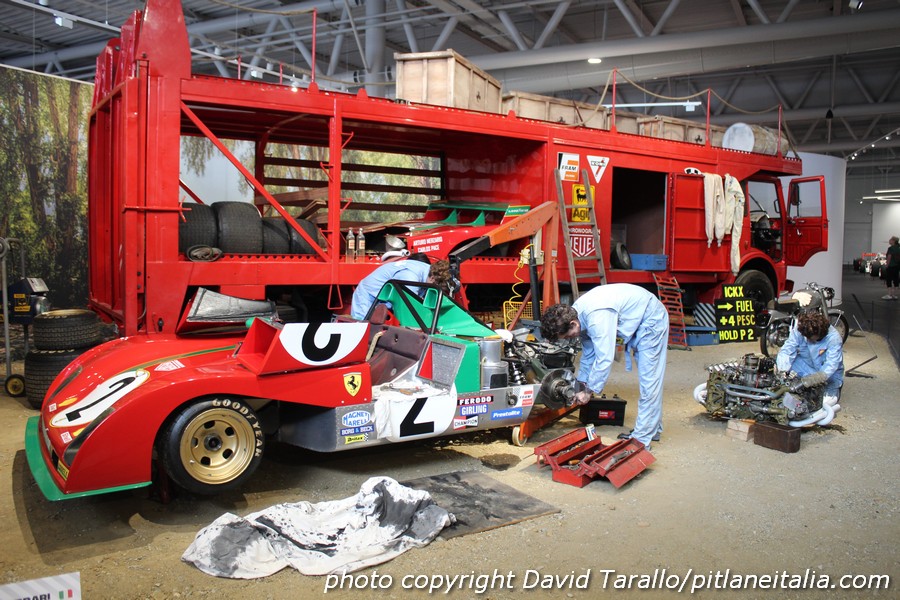
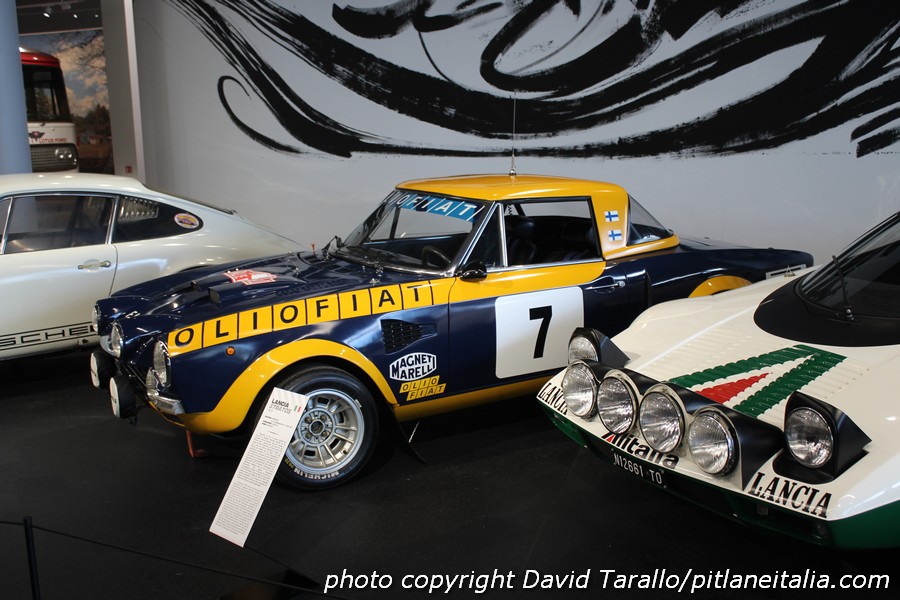
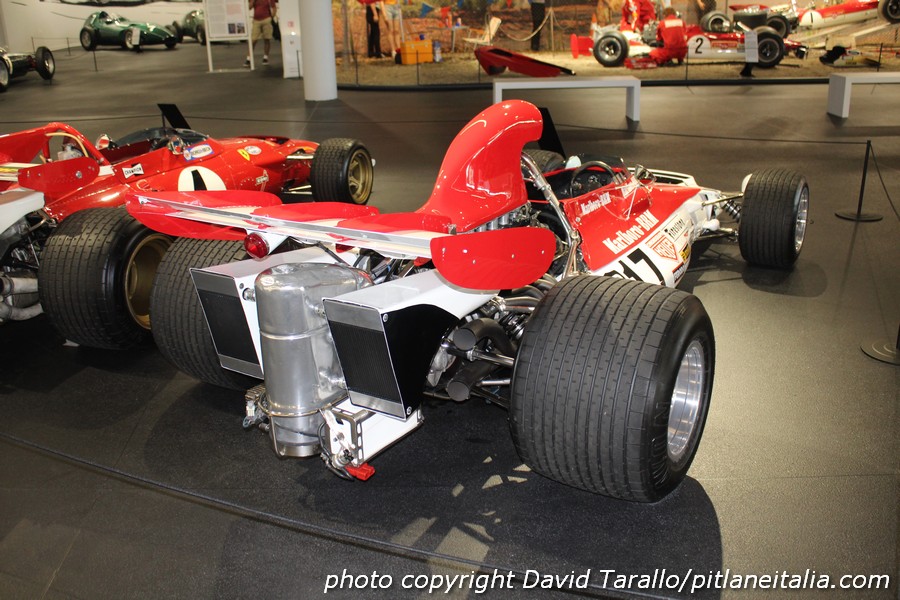
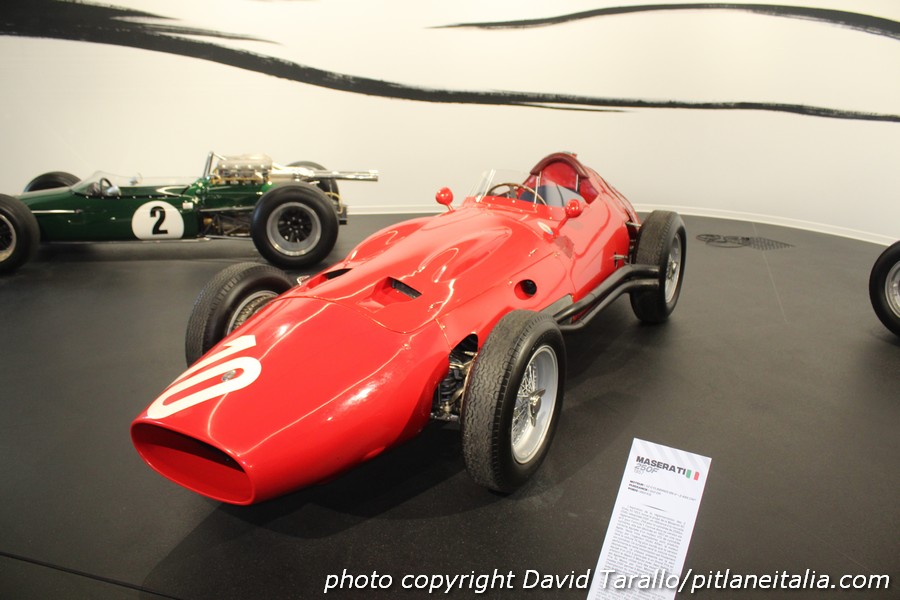
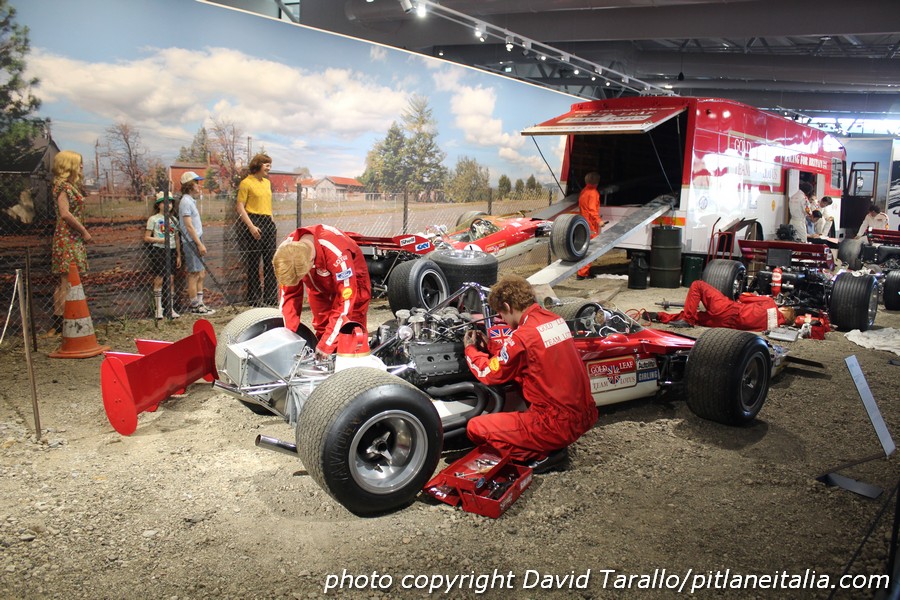
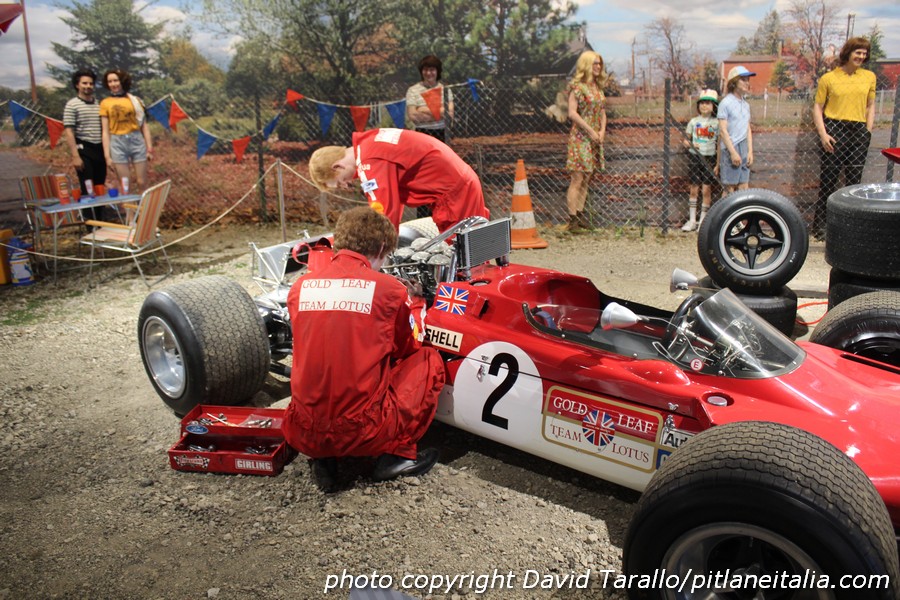
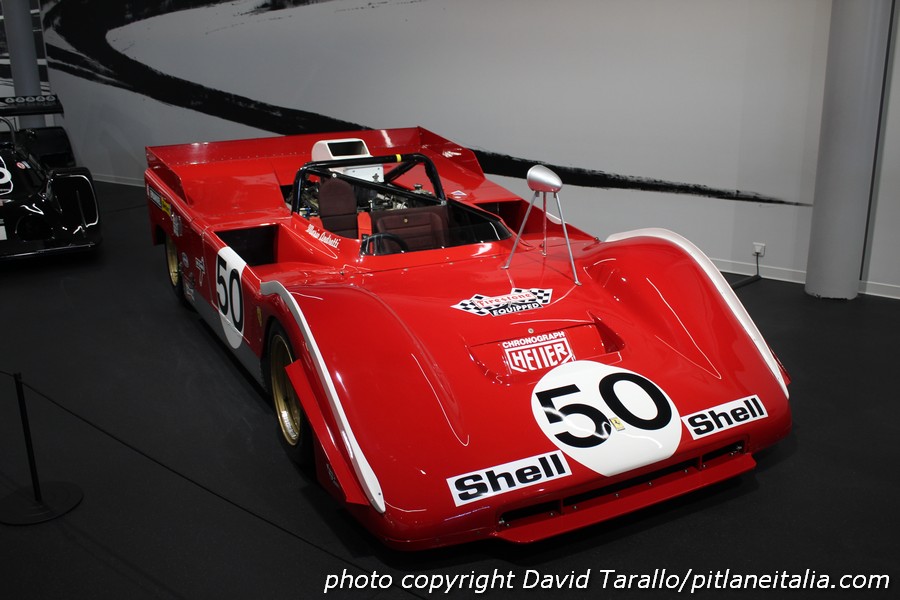
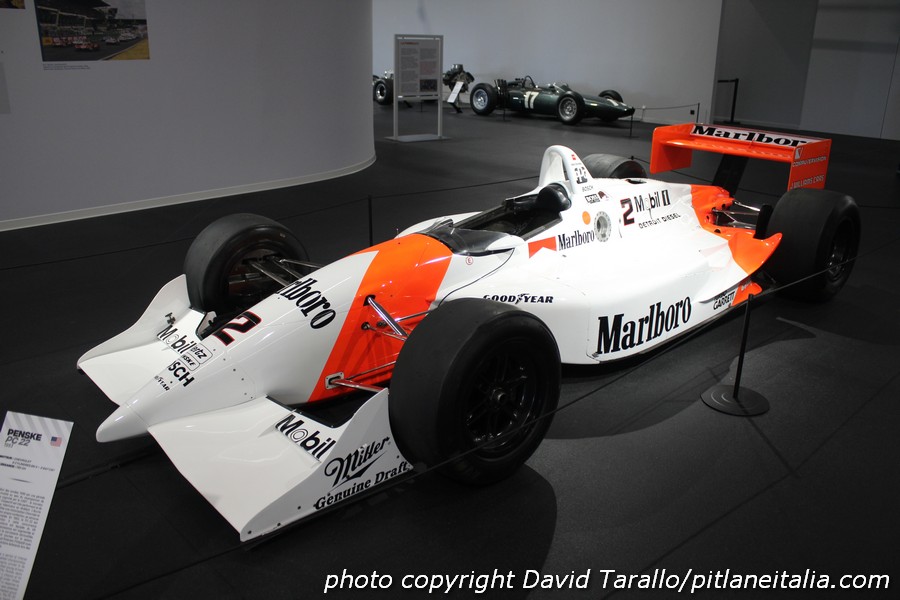
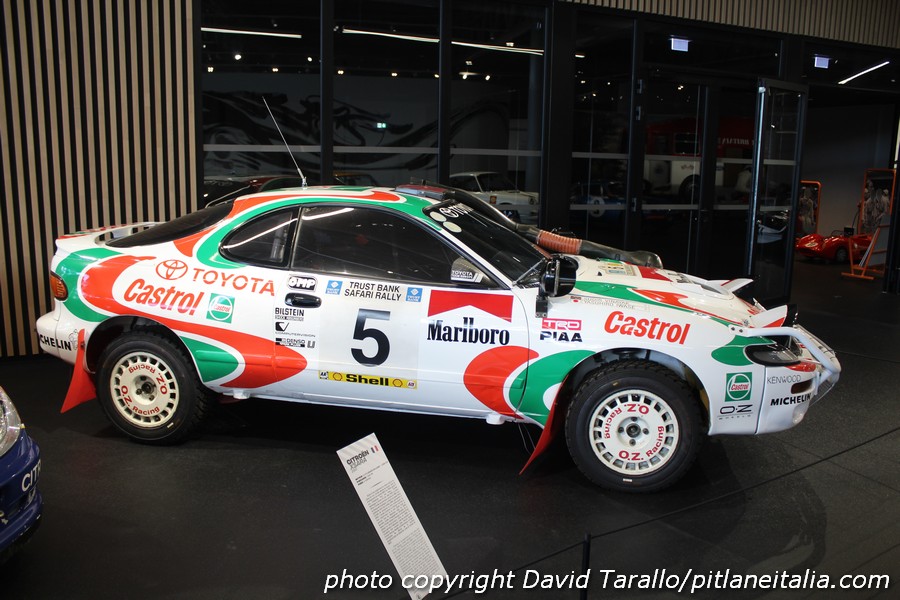
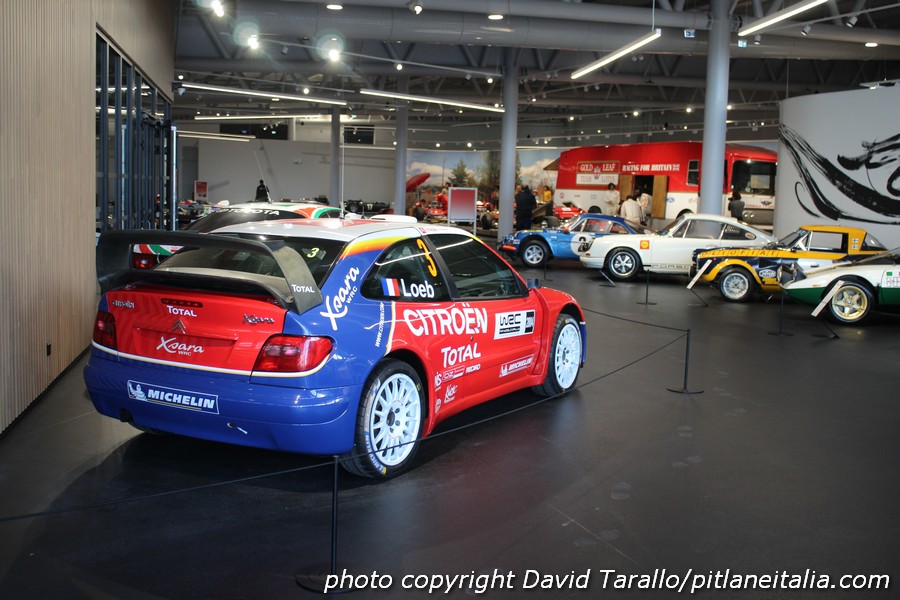
L’M24 non è comunque più solo il museo della 24 Ore di Le Mans ma è uno spazio in cui trovano posto anche le altre principali categorie dell’automobilismo sportivo oltre all’endurance: Formula 1, Rally, Indycar, Can-Am e così via. Le vetture esposte, in parte prestate da istituzioni e musei, sono di ottimo livello. Molto belli e particolari i due diorami in scala 1:1 a tema Ferrari e Lotus: davvero suggestivi oltre che realistici.
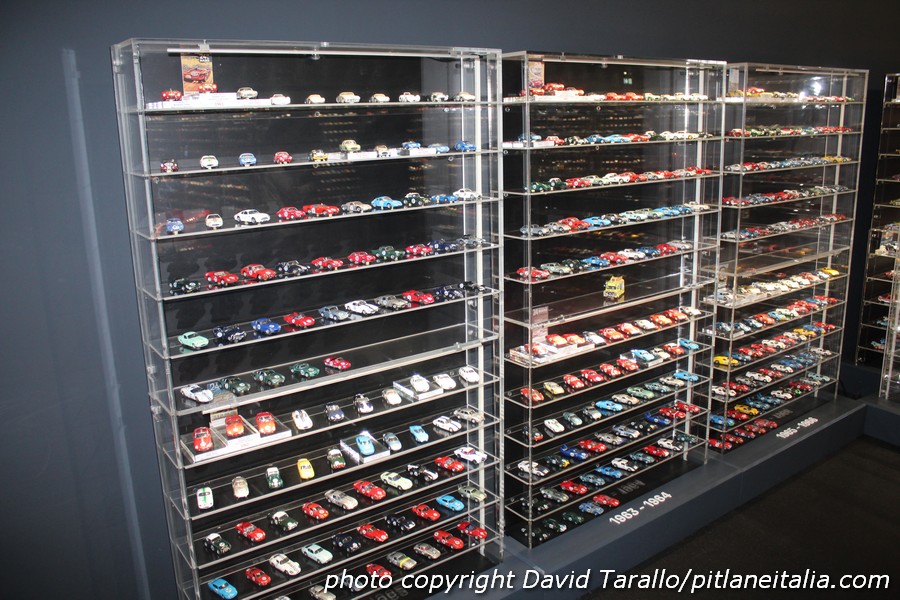
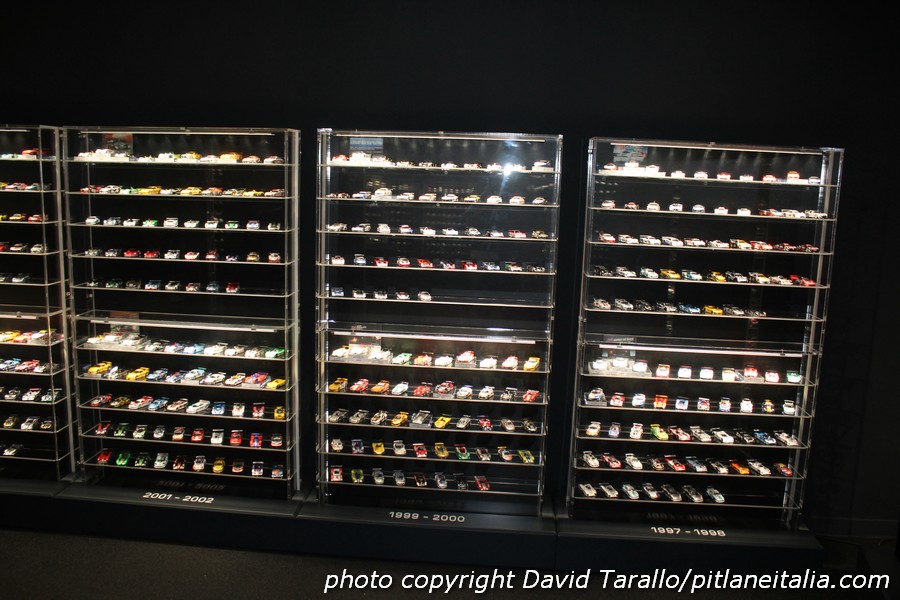
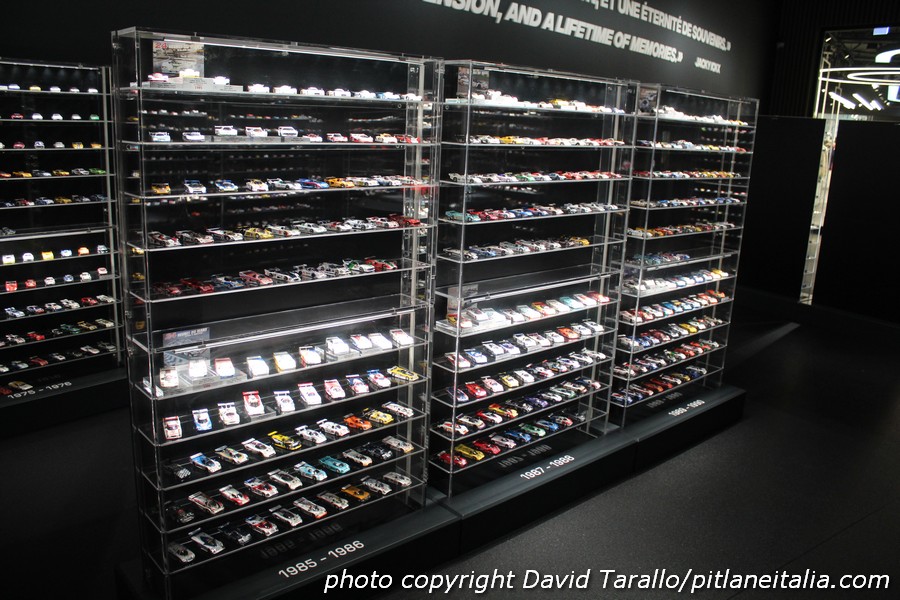
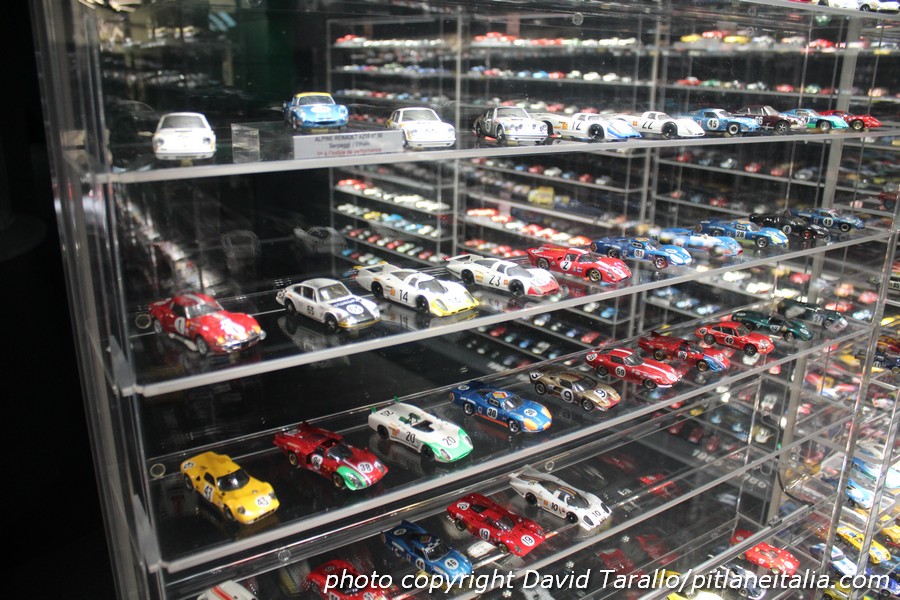
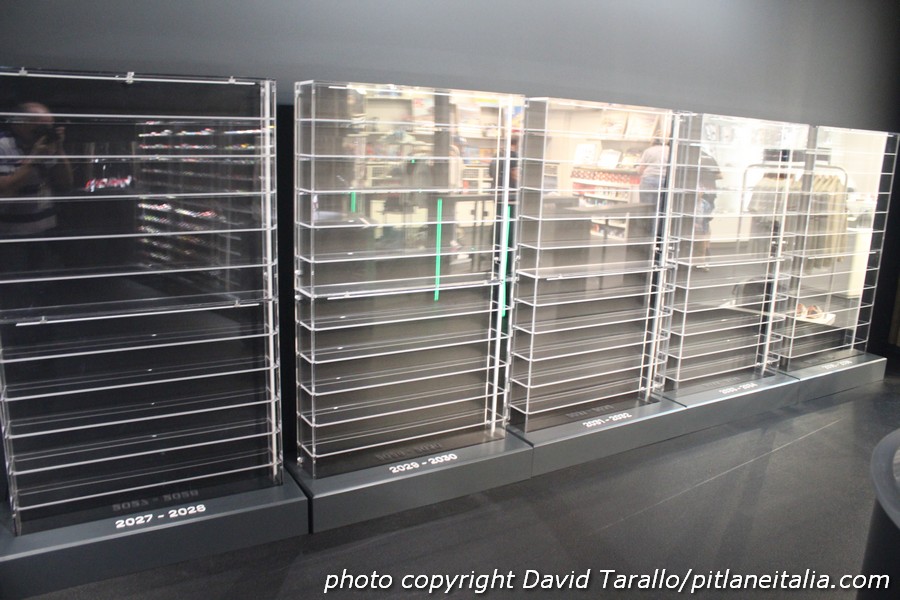
La collezione di Michel Elkoubi è stata risistemata in uno spazio in cui può essere ammirata con più facilità (e l’ACO ha già riservato le vetrine per le vetture dei prossimi anni!). La raccolta, le cui annate recenti sono composte ormai soltanto da modelli Spark e Looksmart, viene costantemente aggiornata man mano che escono le novità in 1:43. Alcuni collezionisti/modellisti si occupano inoltre della manutenzione e del restauro dei pezzi originali che sinceramente avrebbero meritato maggior cura nel corso di questi ultimi anni.
Come anticipato, pubblichiamo uno studio inedito sul marchio norvegese Minicar 43, a cura di Fedor Eliseev, che fa da ideale pendant alla storia di Conquest apparsa di recente su PLIT. L’attività di questi marchi conferma l’intensa collaborazione intercorsa soprattutto negli anni ’80-90 fra aziende continentali (soprattutto del nord Europa) e gli artigiani britannici del metallo bianco. [David Tarallo]
text by Fedor Eliseev
When I started exploring white metal manufacturers, I noticed that many companies had never been mentioned in articles and books. In my opinion, they can be divided into three groups. The first consists of well-known names such as Brooklin Models, SMTS and Western Models. The second includes more specialised companies known primarily in England but not abroad, such as Crossway Models, Pathfinder Models, Kenna Models, Spa Croft Models, etc. The third group is represented by very little-known companies from all over the world whose production volumes were never particularly large. There are many names in this group, and I hope that someday these pages of history will become available to everyone interested in hand-built models.
This article is about one of the companies that is not very well known today: Minicar 43 from Norway.
After World War II, sales of motor cars in Norway were restricted until 1960. As a result, there were not many cars on the country’s roads. Geir Andreassen spent his childhood during these years. Geir was fascinated by cars, and this passion has never faded. He was very happy when his father was finally able to buy a private car: a Ford Anglia Estate.
After graduating from university, Geir Andreassen became an architect and started working on many projects in Oslo. Cars and their history remained his hobby. As a motoring enthusiast, Geir also began collecting scale models. He realised that this was the best way to own examples of all the marques he dreamed about if collecting real cars was not possible.
Some time later, Geir and his friends established a collectors’ club in Oslo. At that time, there were not many hobby shops in Norway, and collectors had very few opportunities to buy everything they wanted. Only those who could visit swap meets in other European countries had good sources for finding new items. Geir recognised this problem and, in July 1989, established his own company, Minicar 43. Strictly speaking, Minicar 43 was never a conventional store; it operated through mail order and local markets in Norway and partly in Sweden. Geir offered club members and other customers a huge selection of die-cast models such as Brumm, Eligor and Rio, as well as hand-built models from Brooklin, Western, Conquest, SMTS, Pathfinder and others.
At that time, some stores had begun commissioning manufacturers to produce special models. This provided a good opportunity for both sides to expand their business and increase sales. Geir therefore decided not only to sell standard models but also to commission special editions in order to attract attention in the marketplace. Naturally, his aim was to reproduce vehicles whose full-size prototypes had been sold in Norway and Sweden.
The first model for Minicar 43 – Saab 99 made by RobEddie in 1991
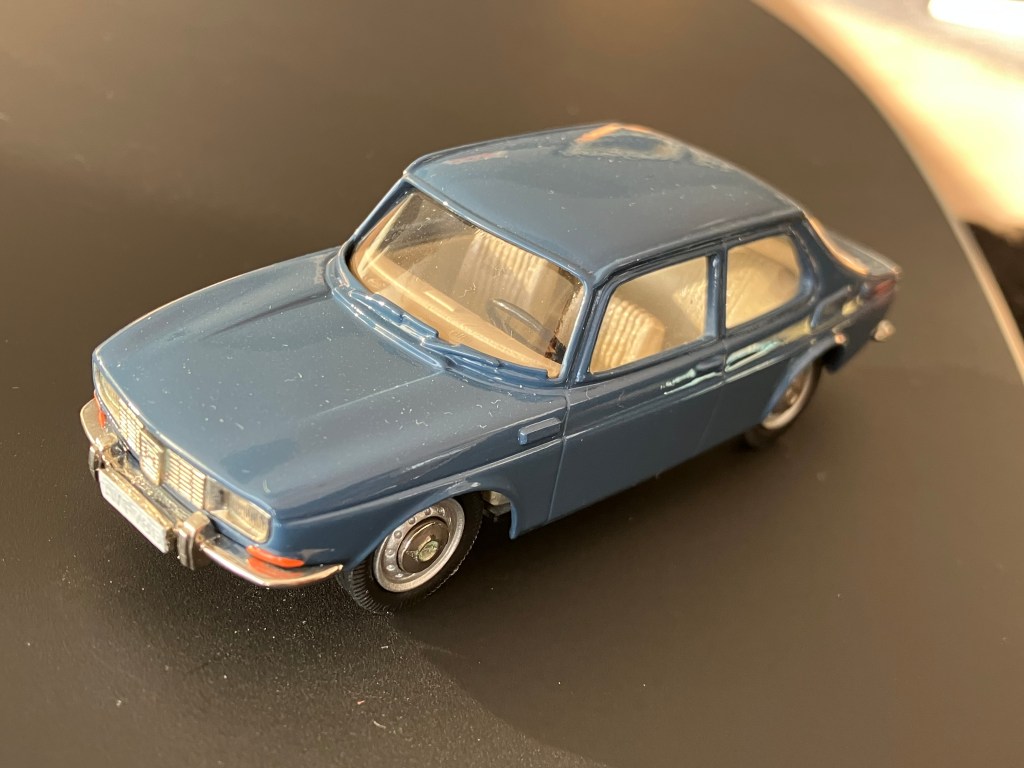
In November 1991, Minicar 43 released its first special edition: the 1968 Saab 99 2-door saloon by RobEddie (a sub-brand of Brooklin). Only 200 examples of the model, painted in Caroline Blue with a tan interior, were produced.
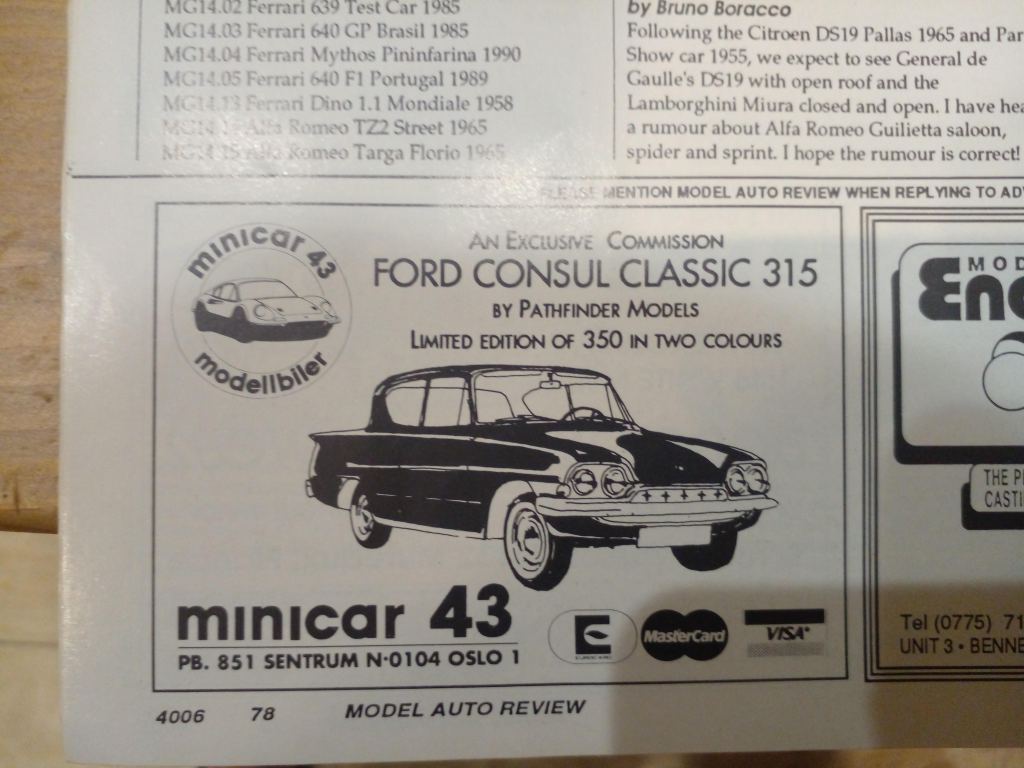
MAR advertisement (1993)
This venture proved very successful and brought attention to the small Norwegian company not only on the domestic market but also abroad. Geir placed an advertisement in Model Auto Review magazine, which led to increased sales. Until the end of Minicar 43’s activity, its advertisements and production programme were regularly published in MAR. Moreover, Geir donated several models as prizes for readers’ competitions.
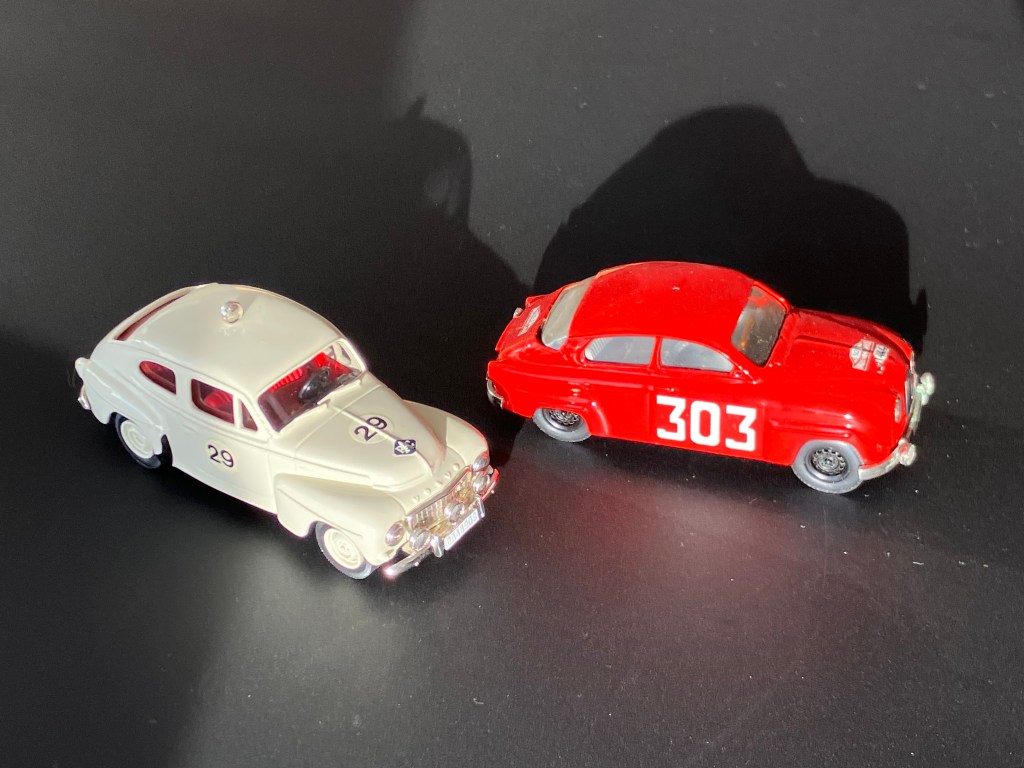
In 1993, Minicar 43 commissioned two models. The first was the Volvo 544 of Tom Trana, winner of the 1963 RAC Rally. The model, carrying number 29, was based on a standard RobEddie release. A total of 300 examples were produced.
The Volvo driven by Tom Trana – 1963 RAC Rally winner – and Carlsson’s Saab 96 of Eric Carlson, 1962 Monte Carlo Rally winner. Photo by Geir Andreassen
The second model was the Saab 96 of Erik Carlsson, which won the 1962 Monte Carlo Rally. Small Wheels (a sub-brand of Western Models) built only 100 examples of this superb model, commemorating one of Carlsson’s most important victories.
The next step for Minicar 43 was to commission not only special editions of standard models but also an original range produced exclusively for the company. Among all white metal manufacturers, Pathfinder was Geir’s favourite. Established in 1986 by Jeff and Sue Sharrock, the company produced attractive and finely finished miniatures that were capable of capturing a car’s character, even though the models themselves were relatively simple. For this reason, Geir chose Pathfinder as his principal production partner, and together they agreed to create a series of cars for Minicar 43.
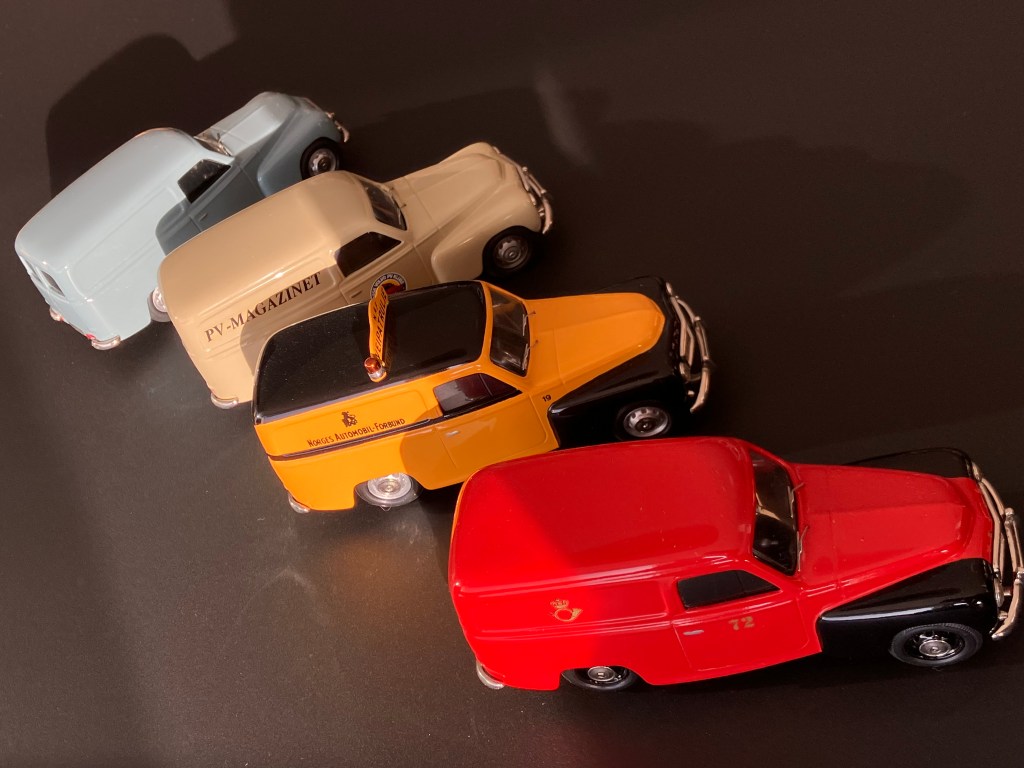
A series of Volvos 210 Duett by Somerville. Photo by Geir Andreassen
Geir decided to concentrate primarily on British Fords because the marque was closely connected with his family. His father’s car had been a Ford Anglia Estate, while Geir’s own first car was a Ford Escort.
Another reason was that during the 1950s and 1960s the British and German divisions of the Ford Motor Company operated independently, and British-built Fords were sold throughout Europe, including Norway.
Naturally, Geir initially wanted to reproduce his father’s car, but Jeff and Sue persuaded him to begin with the standard saloon version.
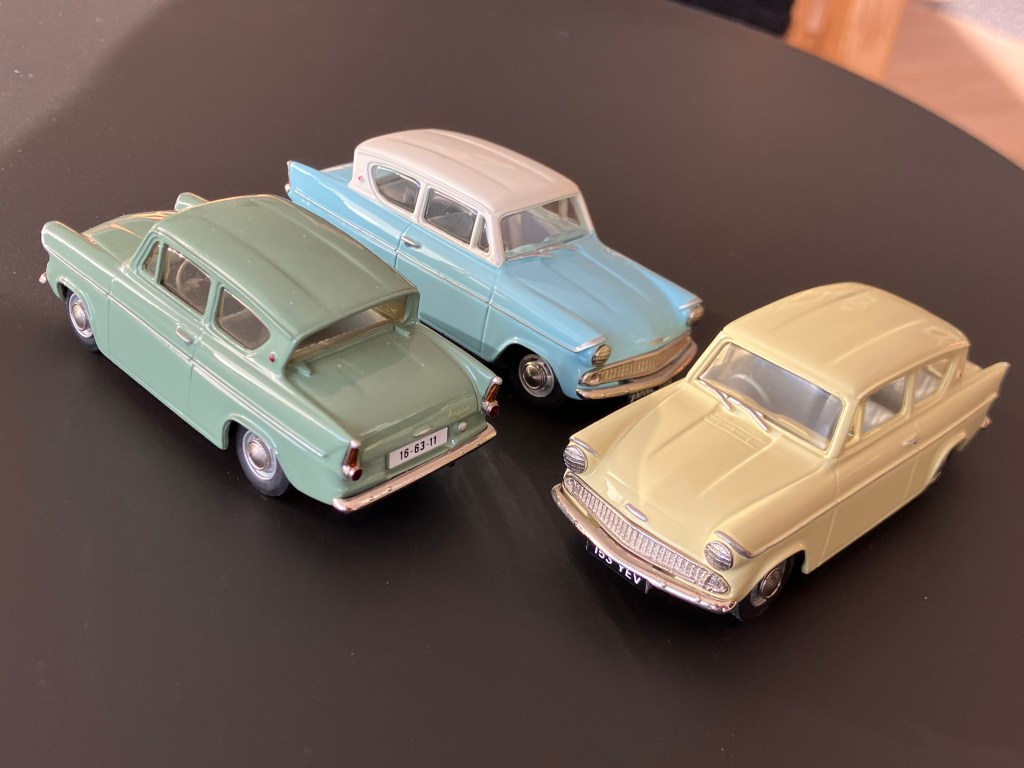
The 1961 Ford Anglia 105E was released in June 1992. Introduced in 1959, the Anglia 105E became extremely popular, with approximately one million examples produced by 1967. Styled with American influences and featuring a reverse-raked rear window reminiscent of contemporary Mercury and Lincoln models, the 105E was equipped with a 4-cylinder 1-litre 39 hp engine and a 4-speed gearbox.
1961 Ford Anglia 105E. Photo by Geir Andreassen
Such a famous car had, of course, already been modelled by die-cast manufacturers including Dinky Toys, Matchbox and Spot-On, but none of them had produced a truly accurate representation. Pathfinder therefore created the first precision model of this vehicle. Produced in typical Pathfinder style, it featured windscreen wipers and door handles cast integrally with the body. At the same time, details such as the chrome trim, rear lights and hubcaps were reproduced with considerable accuracy.
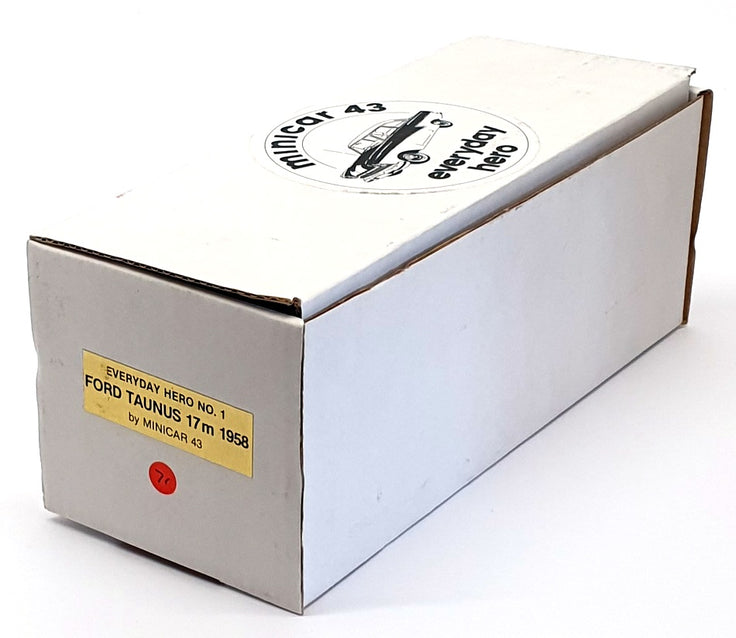
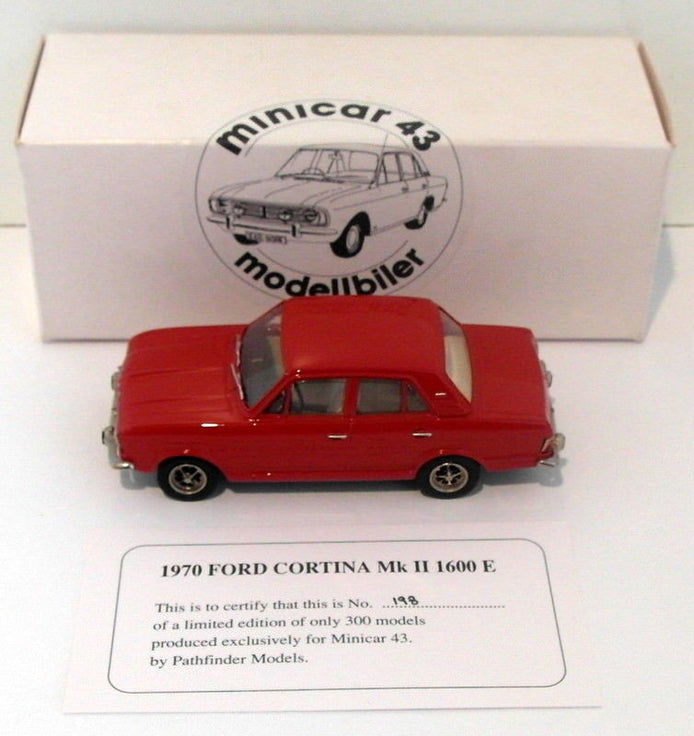
The models were packaged in white cardboard boxes bearing a round Minicar 43 logo depicting a copy of the car. Each model was accompanied by a certificate stating that it had been specially produced by Pathfinder exclusively for Minicar 43, together with the model’s full name and its individual number within the total production run.
As British Fords were sold not only in the United Kingdom but also throughout Europe, including Norway, Geir decided that every model should be offered in both right-hand-drive (RHD) and left-hand-drive (LHD) versions. The Ford Anglia 105E was produced in three versions: Green (Norwegian registration plates, LHD), Yellow (LHD) and Blue with a White roof (British registration plates, RHD). A total of 450 examples were produced.
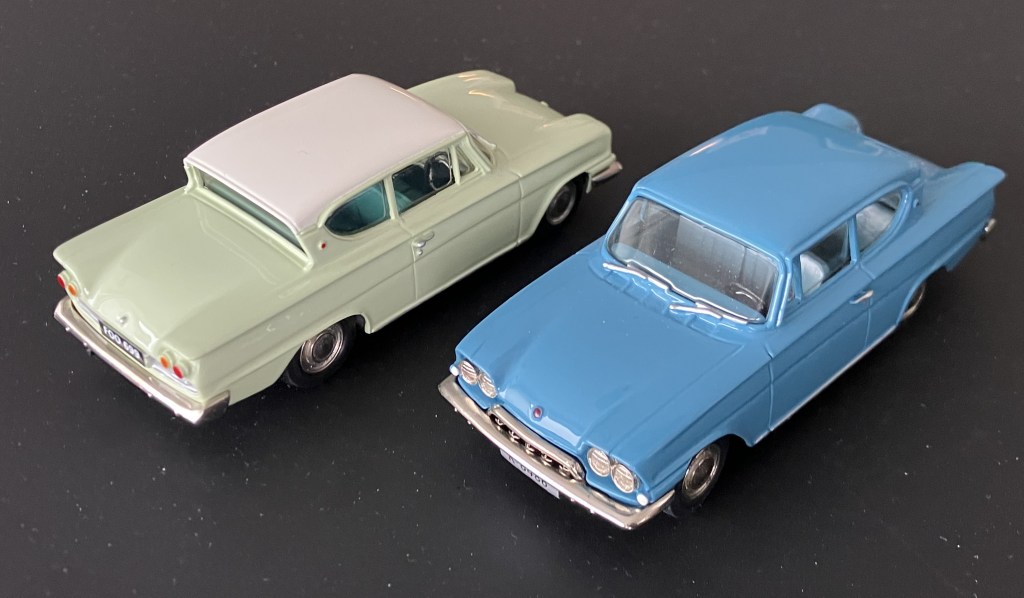
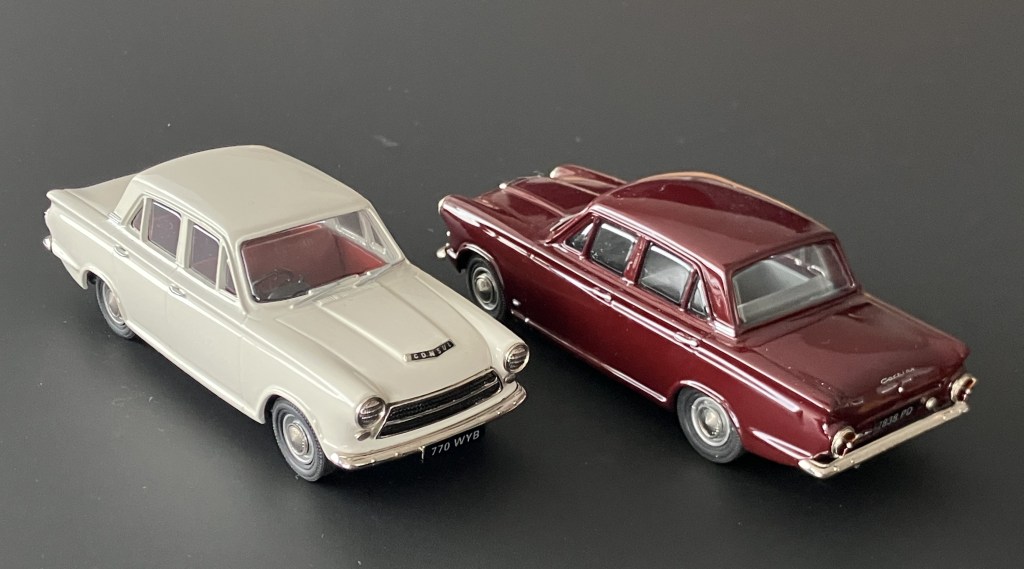
The 1962 Ford Consul Classic followed the Anglia 105E in June 1993. This mid-sized car had been introduced in 1961 and was available as a 2-door or 4-door saloon, as well as a 2-door coupé. It was initially equipped with a 1.3-litre 54 hp engine, which was replaced in 1962 by a 1.5-litre 60 hp unit. Other features included a 4-speed manual gearbox with either floor-mounted or column-mounted gearshift, independent front suspension with MacPherson struts and disc brakes. Like the Anglia 105E, the Consul Classic’s styling was inspired by American cars and incorporated a reverse-raked rear window.
1962 Ford Consul Classic 2-door saloon. Photo by Geir Andreassen
The car was available in Standard and DeLuxe versions, while export models were marketed as the Ford Consul 315. Production ceased in 1963 after approximately 111,000 units had been built, as the Dagenham plant shifted its focus to the Cortina.
For reproduction, Geir chose the 2-door saloon version. A total of 350 models were produced in two variants: Sky Blue LHD, representing a friend’s car, and Light Greenish Yellow RHD with British registration plates.
Ford Consul Classic production was succeeded by the Ford Corsair, introduced in 1964. Designed by the same team that had created the Cortina, the Corsair borrowed many of its components. The model was based on a long-wheelbase Cortina chassis and used the Cortina’s windscreen and side windows. Many body panels were also fundamentally similar. Initially fitted with a 1.5-litre Kent engine, the range was later expanded with 1.7-litre and 2-litre versions, including the V4 DeLuxe and V4 GT. The body styles available included 2-door and 4-door saloons, an estate and a convertible built by Crayford Engineering.
1968 Ford Corsair 2000E. Photo by Geir Andreassen
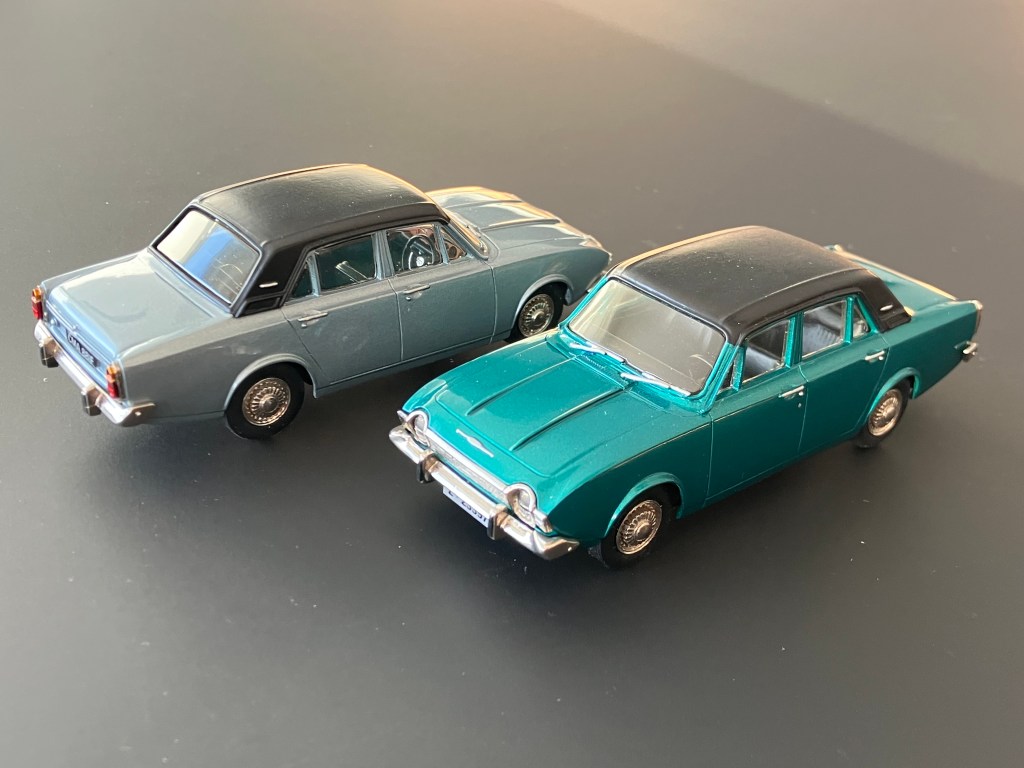
In 1967, a special Executive version known as the 2000E was introduced. Its purpose was to compete in a more luxurious market segment than the DeLuxe and GT models. These cars featured a 2-litre 103 hp Essex V4 engine, a choice of 4-speed manual or 3-speed automatic transmission, a vinyl roof, special wheel trims, an upgraded interior and a polished wood dashboard. By the end of production in 1970, approximately 310,000 Corsairs had been built.
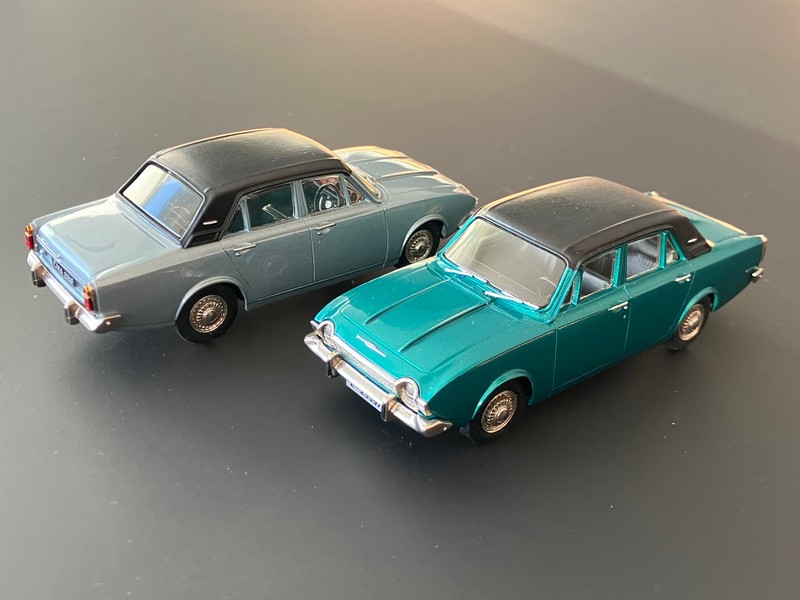
Minicar 43 commissioned Pathfinder to produce the most elegant version, the 4-door saloon 2000E. The model was released in August 1994 in two variants: Turquoise Metallic LHD with Norwegian registration plates and Light Blue Metallic RHD with British registration plates. A total of 350 examples were produced.
While developing the range of British Fords with Pathfinder, Geir began his collaboration with Pete Kenna. By the early 1990s, Pete had added a wide selection of Standard Vanguards and Triumph Heralds in various versions to his range. During the 1950s and 1960s, a number of these cars had been sold in Scandinavian countries, and Geir took advantage of this opportunity to reproduce models based on actual vehicles.
In 1993, Minicar 43 commissioned Pete Kenna to produce 50 examples of the Standard Vanguard Van “Norsk Bygdekino”. This organisation travelled throughout rural Norway, showing films in small towns and villages that did not have cinemas. To support these activities, Norsk Bygdekino purchased a fleet of 16 Vanguard vans.
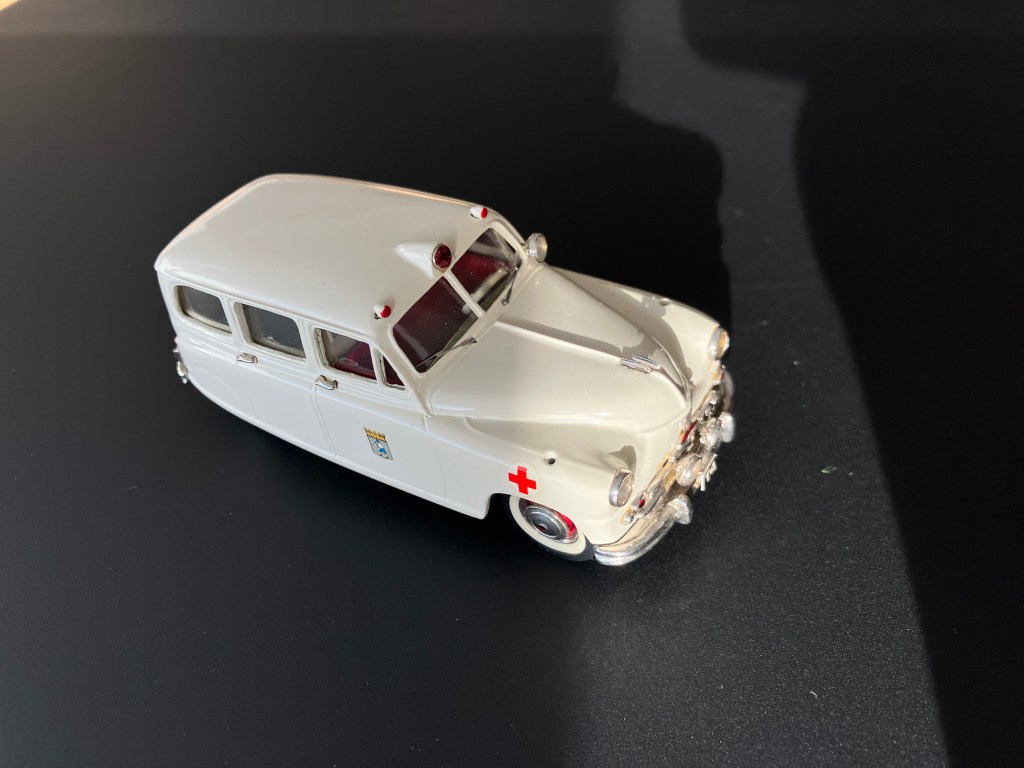
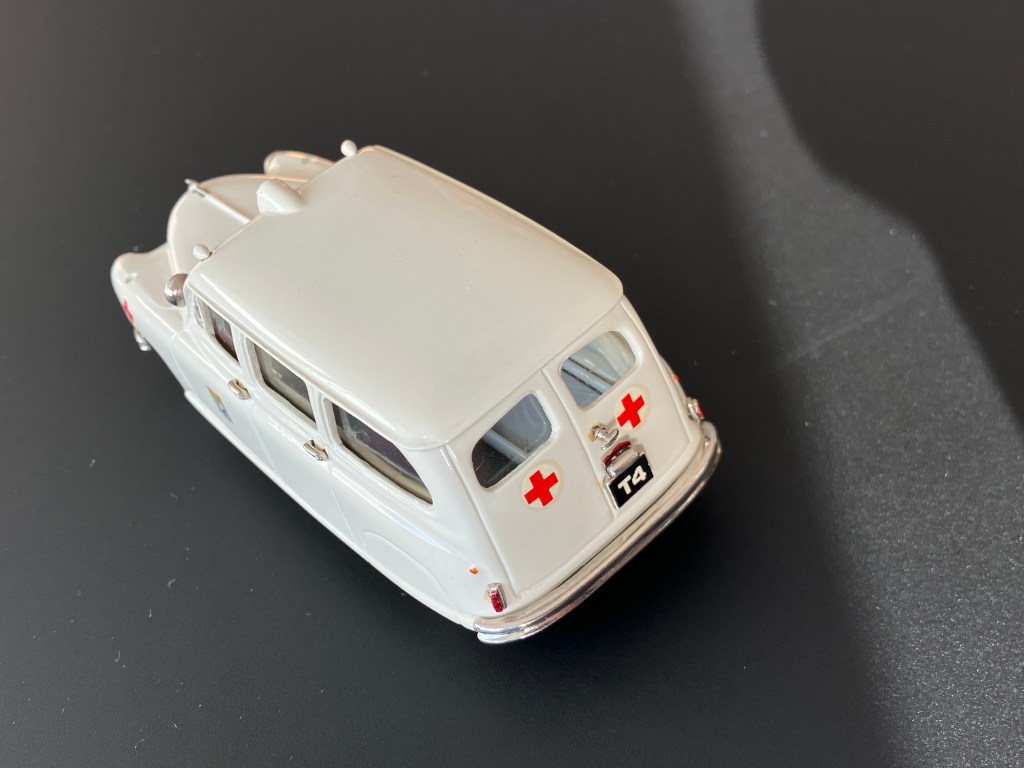
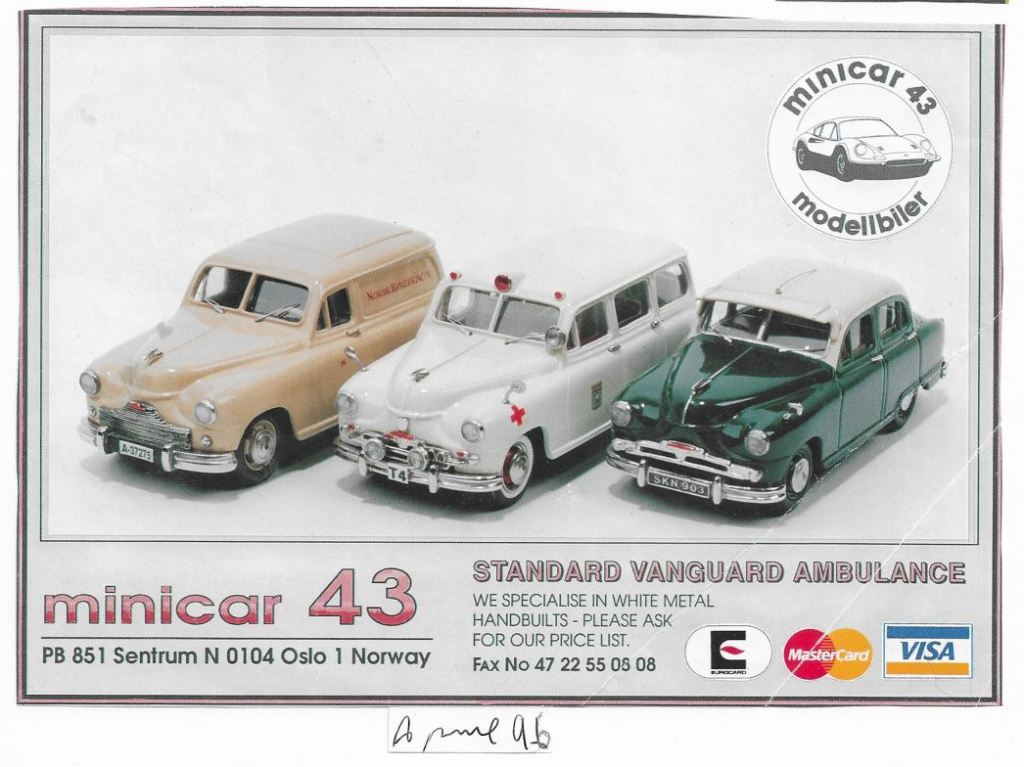
Continuing the Scandinavian Standard Vanguard theme, in April 1994 Geir commissioned a specially designed ambulance model. This LWD Ambulance served in the small Swedish town of Askersund during the 1950s and 1960s and was based on period photographs. Kenna Models produced 150 examples exclusively for Minicar 43.
1959 Triumph Herald 13/60 Convertible (open/closed) and Saloon. Photo by Geir Andreassen
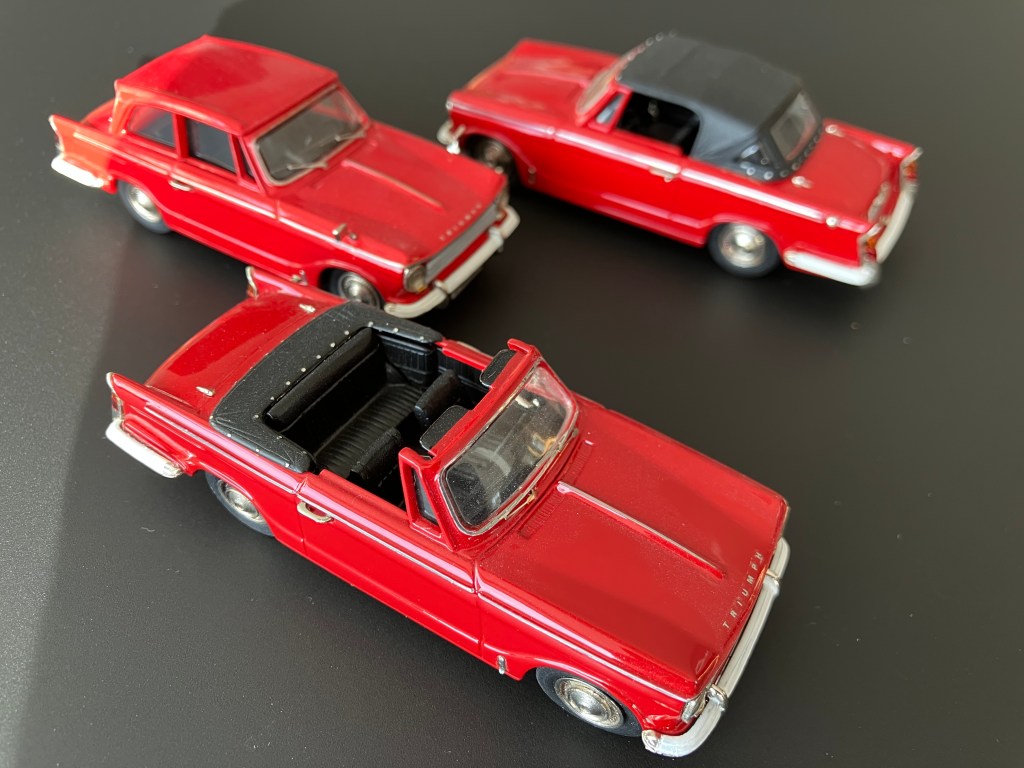
The Triumph Herald 13/60, introduced in 1959, was also well known in Sweden and Norway. Geir commissioned a red convertible version to reproduce the car of a friend who was a member of the club. It was produced in two variants: open (30 units) and closed (20 units).
Standard 2-door saloons were represented by a vehicle from Falken, a Norwegian roadside assistance company founded in 1949. During the 1960s, Falken purchased ten Triumph Heralds for use by its inspectors. One hundred models in this livery were produced.
Other models produced by Kenna for Geir and based on standard releases included the Standard Vanguard Mk2 finished in Dark Green with a Cream roof and gangster cap, as well as the Triumph Herald Saloon in Red, of which only 25 examples were produced.
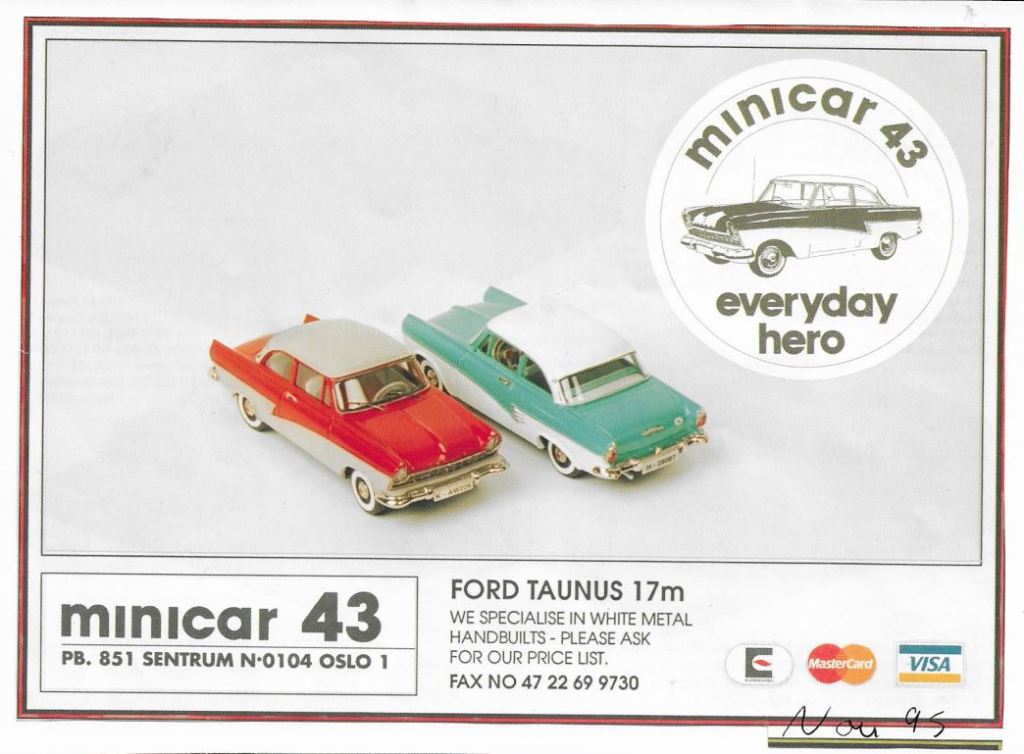
Usually, the most stylish and powerful cars receive the greatest attention. Geir did not share this view and decided instead to create a series dedicated to ordinary German Fords. He named this collection “Everyday Hero” and commissioned Pete Kenna to design and produce the models.
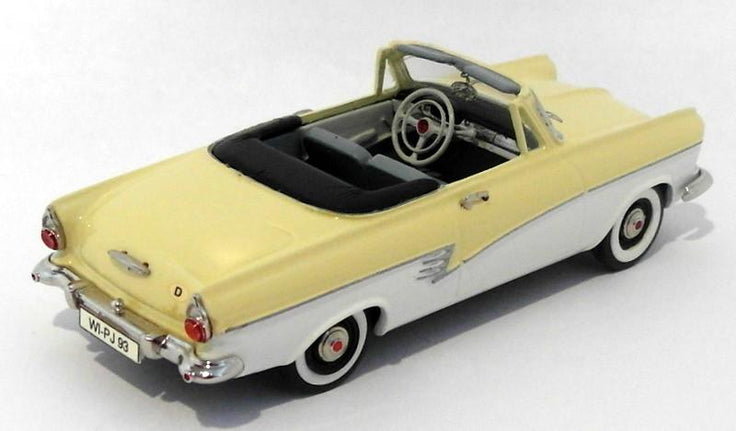
Taunus 17M convertible, open. Photos by RM Toys Ltd
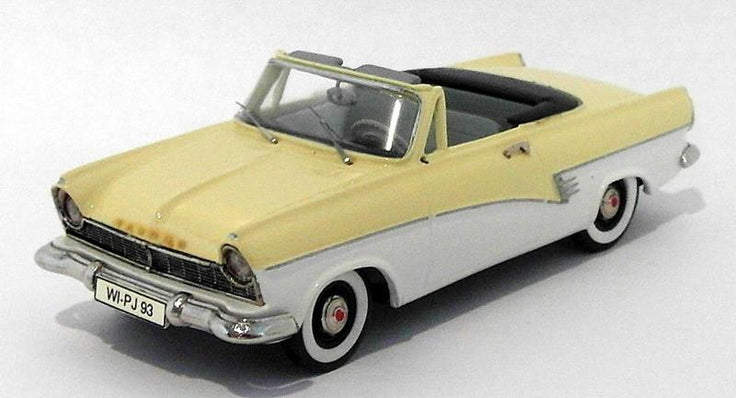
The Everyday Hero series, released in 1995–96, consisted of three models: the 1958 Ford Taunus 17M 2-door Sedan, the 1958 Ford Taunus 17M Convertible and the 1960 Ford Taunus 17M Badewanne. Each model was produced in a total run of 300 examples.
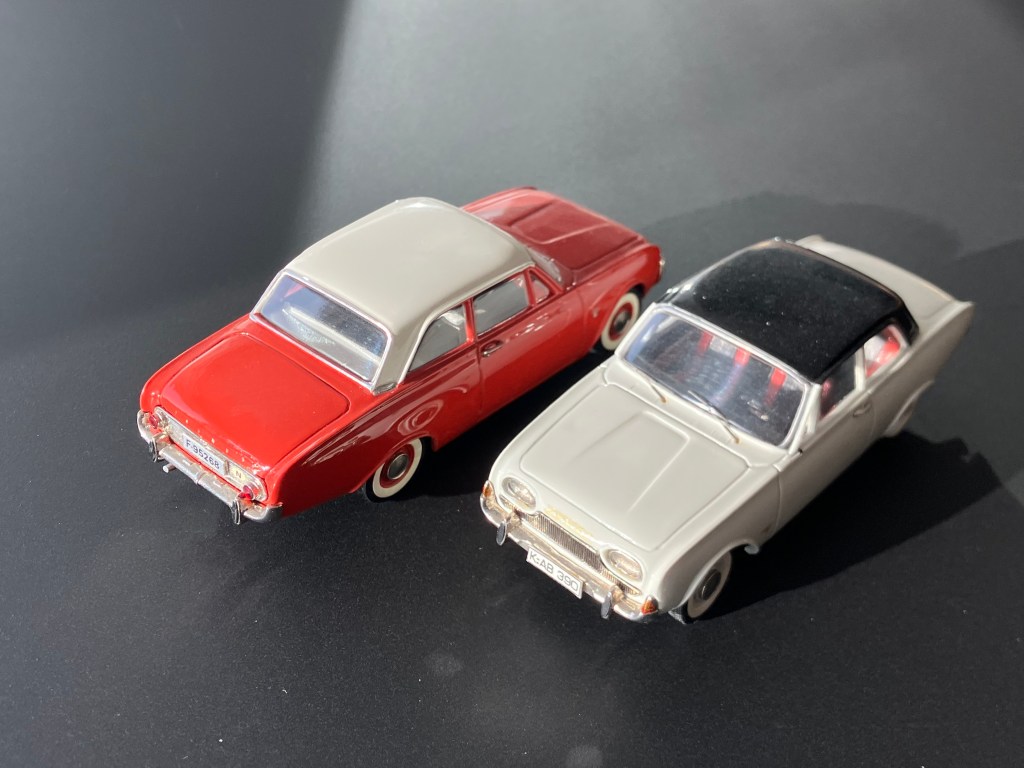
1960 Ford Taunus 17M, a model from the Everyday Hero series produced by Kenna Models. Photo by Geir Andreassen
The models produced by Pete Kenna featured a higher level of detail than the Pathfinder releases. Among the additional features were separate door handles, photo-etched windscreen wipers, chrome window surrounds and fully detailed dashboards.
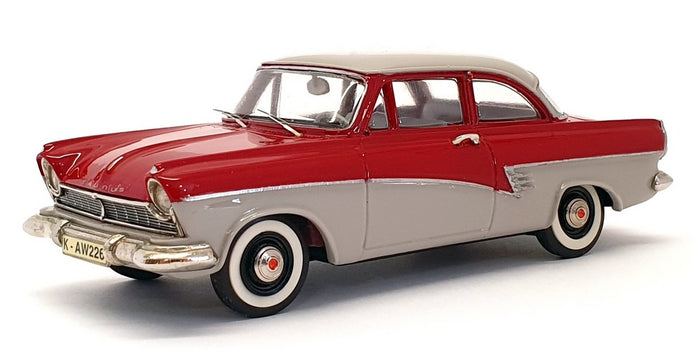
The Ford Taunus 17M P2 was introduced in 1957 and, like many cars of the period, was styled with strong American influences, particularly those of the 1955 Ford Fairlane. This mid-sized car was equipped with a 1.7-litre 60 hp engine and became the first Ford Germany model to feature MacPherson front suspension. The P2 was available as a 2-door or 4-door sedan, convertible and estate, in both Standard and DeLuxe specifications. Customers and the German motoring press nicknamed it “Barocktaunus” because of its distinctive styling. By the end of production in 1960, approximately 240,000 examples had been built at the Cologne plant.
1958 Ford Taunus 17m 2-door saloon. Photo by RM Toys Ltd
For reproduction, Geir selected the DeLuxe versions finished in two-tone colour schemes and fitted with additional chrome trim. The 2-door sedan was available in Red/White and Green/White, while the convertible was offered in Yellow/White (open version) and Red/White (closed version).
In 1960, the Ford Taunus 17M P3 Badewanne replaced the earlier P2 Barocktaunus. Unlike its predecessor, the new model featured a distinctly European design. The Taunus P3 became a major success, with approximately 670,000 examples sold by 1964, substantially outperforming the P2.
Packaging of Everyday Hero Taunus 17M. Photo by RM Toys Ltd
The Minicar 43 model represented the 2-door sedan and was available in two colour schemes: Paprika Red with a White roof and Norwegian registration plates, and a German-market version finished in White with a Black roof.
This model became the final release in the small Everyday Hero series.
While working on new models with Pathfinder and Kenna, Geir continued commissioning special versions of standard models produced by other manufacturers such as Somerville, Durham Classics and Brooklin.
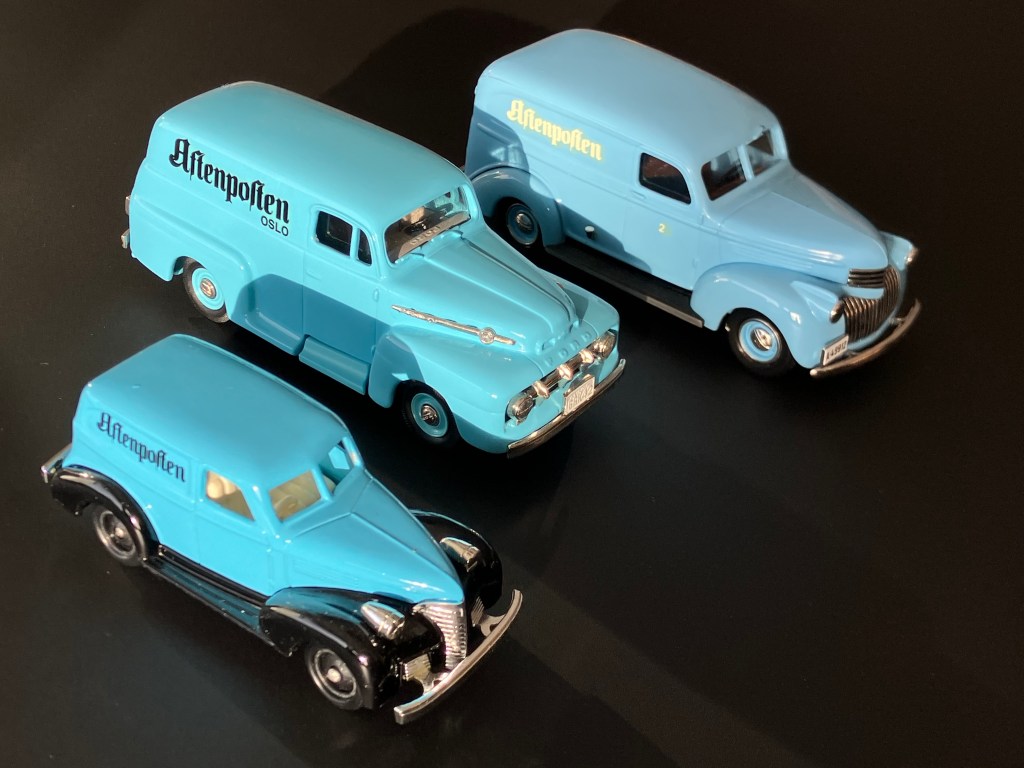
One of the most interesting groups included vehicles carrying the “Aftenposten” livery, based on the Chevrolet Panel Delivery Van by Durham Classics, the Chevrolet Van by Lledo and the Ford F1 by Brooklin. Aftenposten is one of Norway’s largest newspapers, and Geir himself worked for the company as an architect. The models reproduced actual vehicles used by the newspaper. For example, the Light Blue Ford F1 Van represented a vehicle used during the Olympic Games in Oslo in 1952.
Aftenposten cars. Photo by Geir Andreassen
Somerville produced a range of special Volvo 210 Duett models for Minicar 43, including the Norwegian Mail version finished in Red with Black wings (125 units), the NAF (Norwegian Automobile Association) version in Yellow with Black wings, the “PV Magasinet” edition produced exclusively for members of the Norwegian Volvo PV Club (50 units), and a civilian version finished in Dove Grey (65 units).
Standard Vanguard Ambulance serving in a small Swedish town. Photo by Geir Andreassen
Other special Somerville releases included the Volvo Amazon 123 GT in Metallic Blue (100 units), the Volvo 544 in Foggy Green (150 units) and the Saab 93 in Cream with Red wheels (60 units).
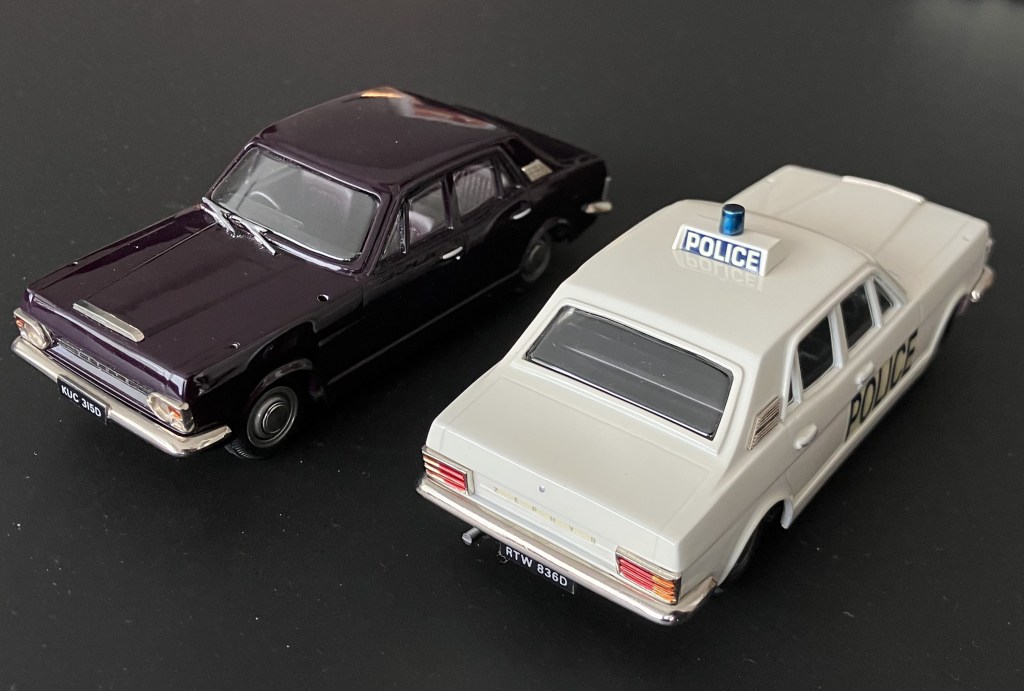
Collaboration with Pathfinder continued successfully and, in 1995, the fourth model in the British Ford series was released: the 1966 Ford Zephyr Mk4 V6. This full-size car occupied the top position in the British Ford range. Designed by Roy Haynes, the Zephyr was available with Essex V4 and V6 engines, together with either a 4-speed manual or a 3-speed automatic gearbox. Production ended in 1972, when the model was replaced by the Consul/Granada.
1966 Ford Zephyr Mk4 V6. Photo by Geir Andreassen
For Minicar 43, Pathfinder reproduced the powerful 2.5-litre V6 112 hp version. Unlike the previous models in the range, this one was available only in British right-hand-drive form: a civilian version finished in Aubergine and a Police version. The latter was based on a vehicle featured in a popular television series of the period. A total of 300 examples were produced.
November 1995 and April 1996 MAR advertisements on the back page. 1957 Taunus and a range of Vanguards. Shared by Pete Kenna
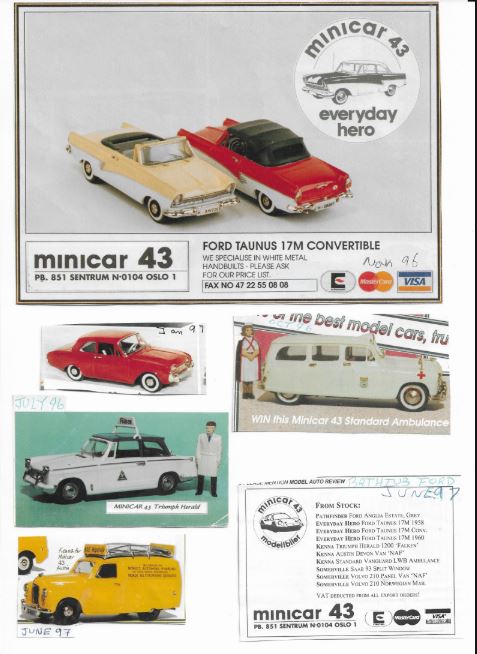
A mix of advertisement from MAR (1996-1997) with the 1958 Taunus 17M Convertible, Standard Vanguard Ambulance, Triumph Herald 13/60 Falken with a figure of inspector, and a 1960 prototype of the Ford Taunus 17M. Shared by Pete Kenna
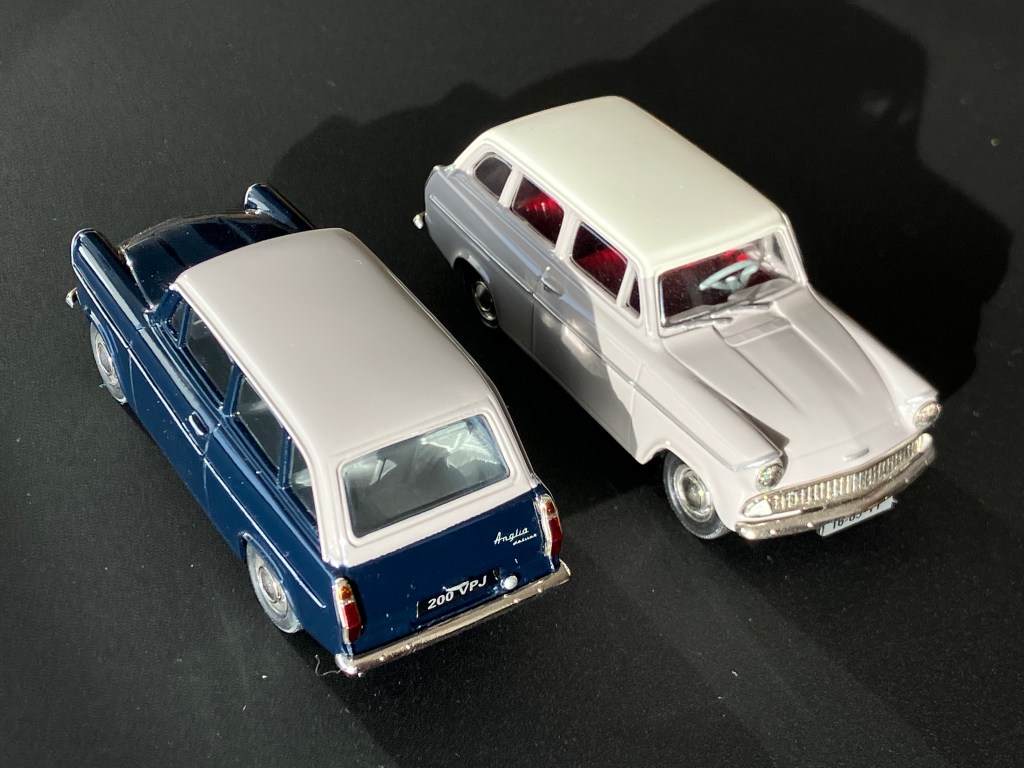
Finally, in 1996, Geir was able to release the 1962 Ford Anglia 105E Estate, the same model owned by his father. This miniature inaugurated a series of vehicles that had never previously been reproduced by other manufacturers. Like most Pathfinder commissions, it was produced in a run of 300 examples.
Even today, no manufacturer has produced the Anglia Estate, and, frankly speaking, there seems little chance that Brooklin or Vanguards will pay attention to it under current market conditions. Pathfinder reproduced both a Light Grey LHD version carrying Geir’s father’s registration plates and a Dark Blue RHD British version with a Light Grey roof.
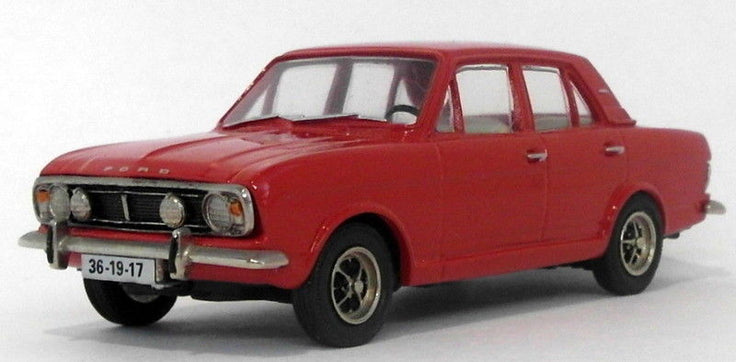
The next model, the 1970 Ford Cortina Mk2 1600E, was released in 1997 and filled another significant gap in the market. The four-door 1600E version, introduced at the Paris Motor Show in 1967, was the highest-trim model in the Cortina Mk2 range.
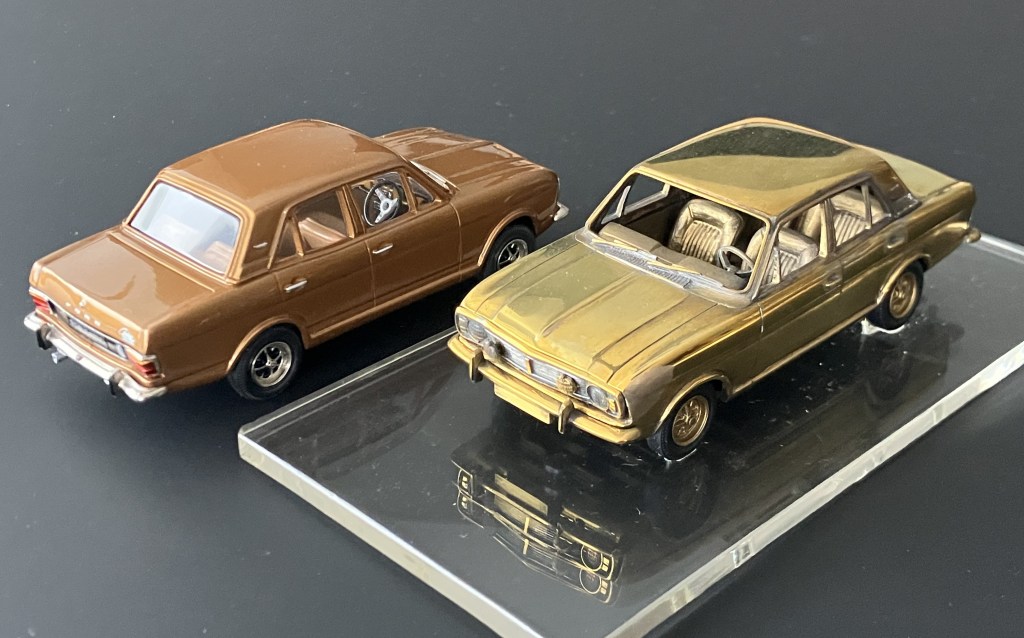
1970 Ford Cortina Mk2 1600E: a finished model and the brass pattern. Photo by Geir Andreassen
It featured the lowered suspension from the Lotus Cortina and the high-performance 1600 GT Kent engine. Distinctive features included Rostyle wheels fitted with radial tyres, a wooden dashboard, a black radiator grille, bucket seats, a leather-covered aluminium steering wheel and numerous other refinements.
1963 Ford Cortina Mk1 4-door saloon. Photo by Geir Andreassen
The Minicar 43 model represented one of the final cars produced in 1970 before the second-generation Cortina was replaced by its successor. The left-hand-drive version, carrying Norwegian registration plates, was finished in Red, while the British right-hand-drive version was produced in Gold.
1970 Cortina 1600E in original packaging (photo by RM Toys Ltd)
Many years later, in 2012, GTA Models, a former production partner of Pathfinder, released an exclusive version of the Cortina Mk2 1600E for British Heritage Models to commemorate the 50th anniversary of the Ford Cortina.
Cortina 1600E continental version. Photo by RM Toys Ltd
This model was based on the same master pattern and was essentially a copy of the Minicar 43 version. The differences were limited to the colours, some details and the packaging.
1962 Ford Anglia Estate. Photo by Geir Andreassen
Apparently, Graham Price, owner of GTA Models, used either the original drawings or Pathfinder castings that had been preserved.
The 1963 Ford Cortina 4-door Sedan became the final model in the Minicar 43 range. Released in autumn 1998, it filled an extremely important gap for Ford collectors, as many manufacturers who had previously modelled the Cortina Mk1 had focused exclusively on the 2-door saloon versions.
The model was exceptionally well executed and featured numerous plated details, including the grille, hubcaps, bumpers, fuel filler cap and the Cortina emblem on the bonnet. Both versions – White with a Red interior and Imperial Maroon – were produced as British right-hand-drive cars.
In 1999, Geir Andreassen stopped commissioning new models. Minicar 43 had always been a hobby project that he developed in his spare time. During the late 1990s, the demands of his architectural career increased significantly, leaving him with little free time. The company gradually ceased operations in 2000, and the last remaining models were sold by 2005.
Today, after retirement, Geir Andreassen continues to collect models, and the collectors’ club also remains active. His passion for automotive history has never diminished, and every year he visits the Retromobile exhibition together with a group of friends.
Many thanks to Geir Andreassen, Trygve Krogsaeter, Pete Kenna and Kevin Bailey for their assistance in writing this article and for providing photographs for illustration. Thanks also to RM Toys Store for permission to use the photographs.
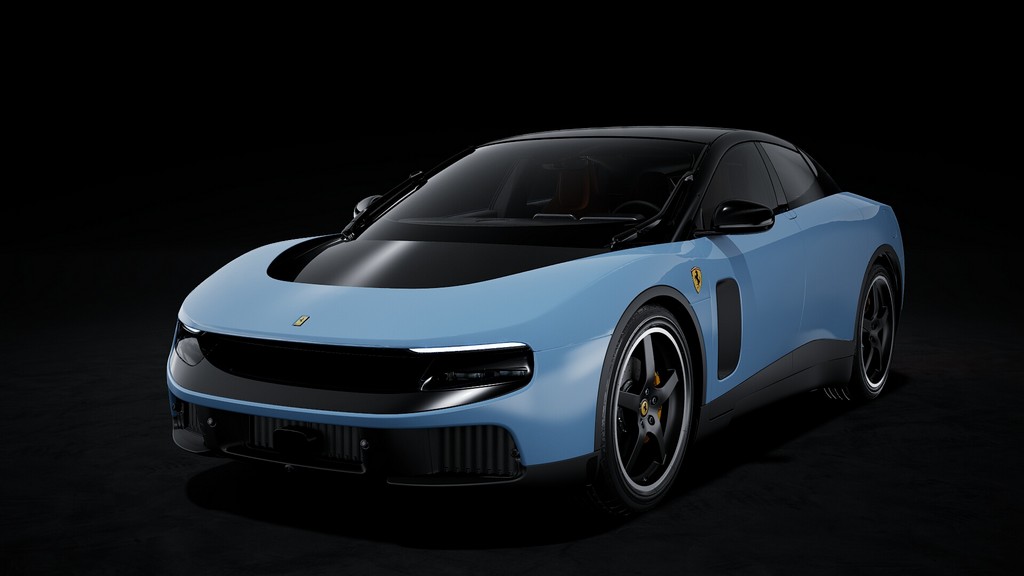
Com’era naturale immaginarsi, i produttori ufficiali hanno iniziato ad annunciare la Ferrari Luce in scala. Arriva prima di tutti Looksmart, con la versione in 1:43, che sarà inizialmente disponibile in sei colorazioni:
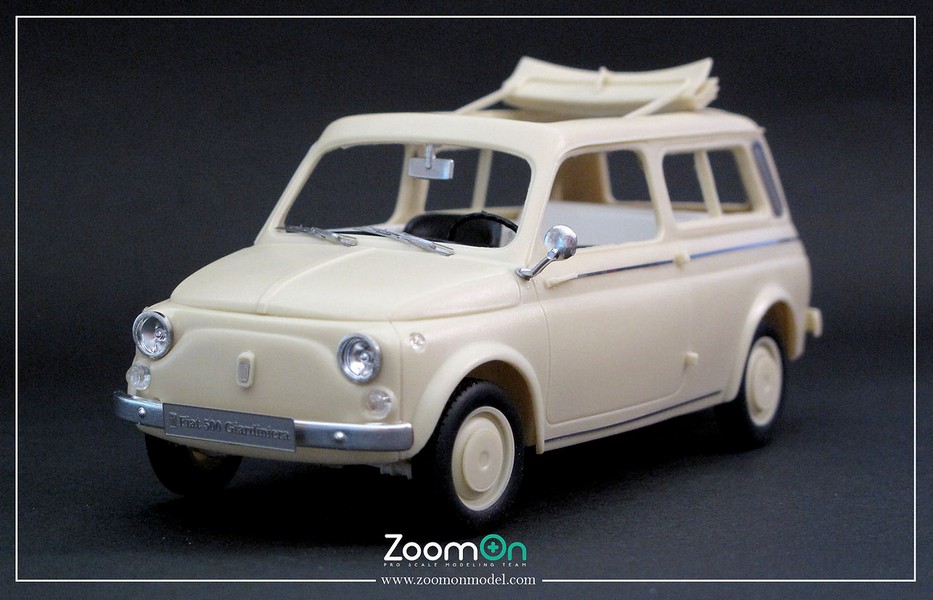
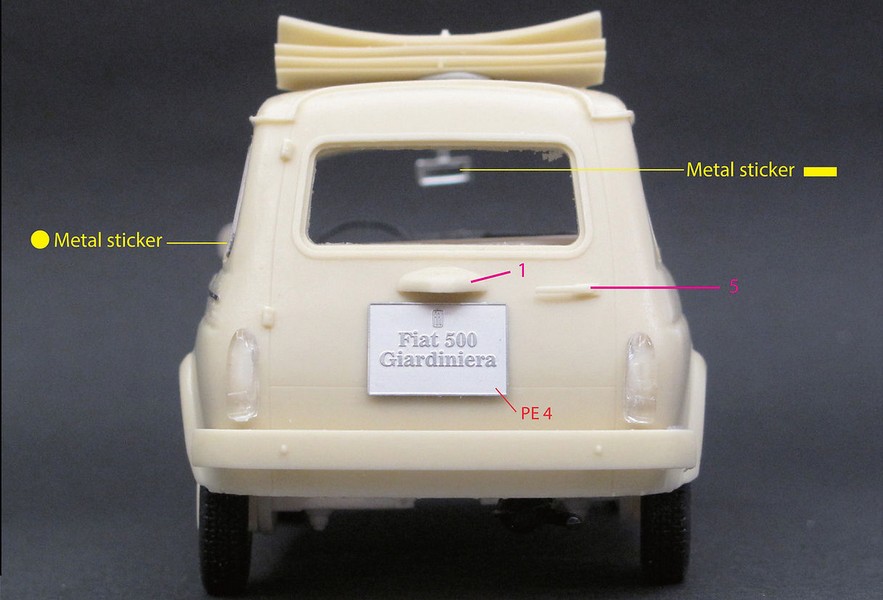
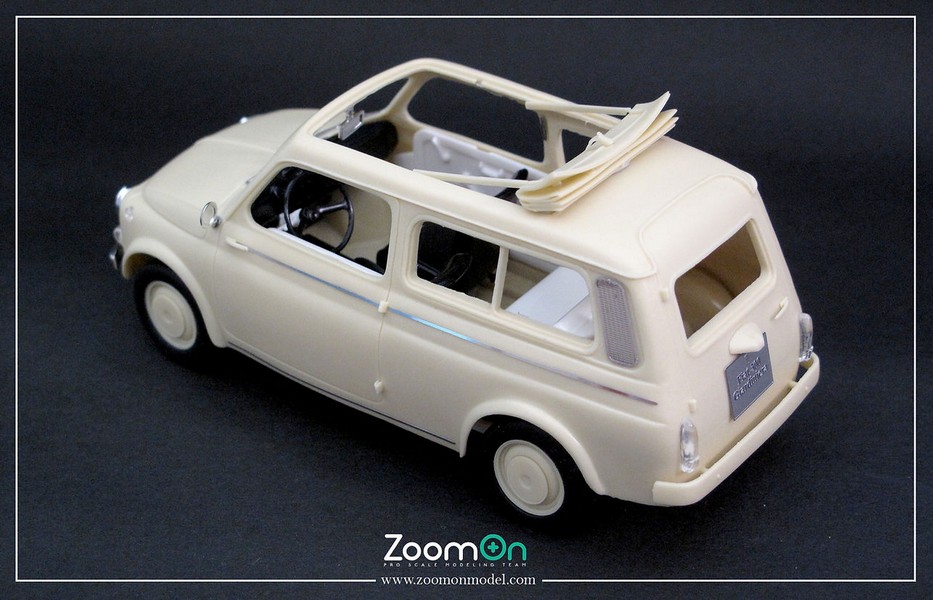
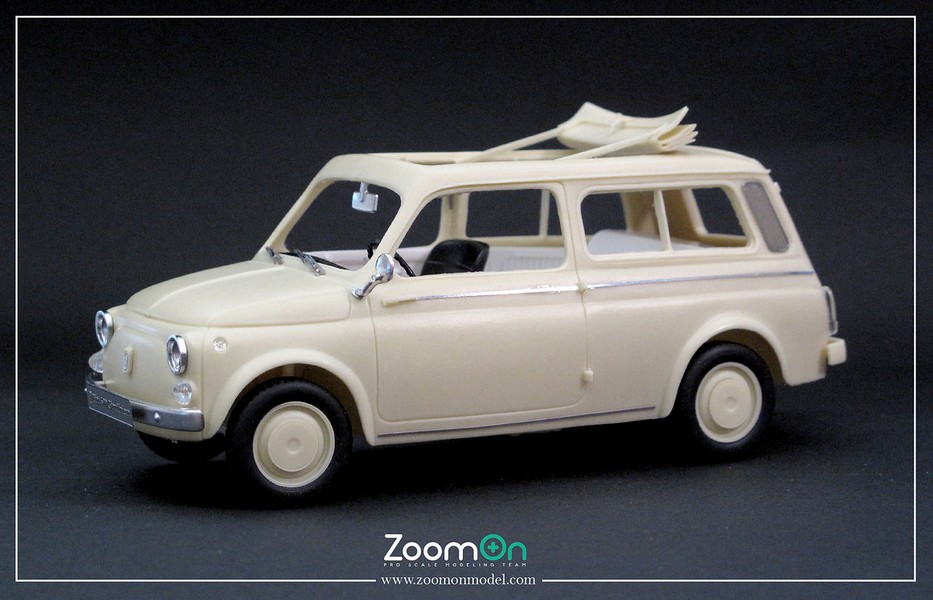
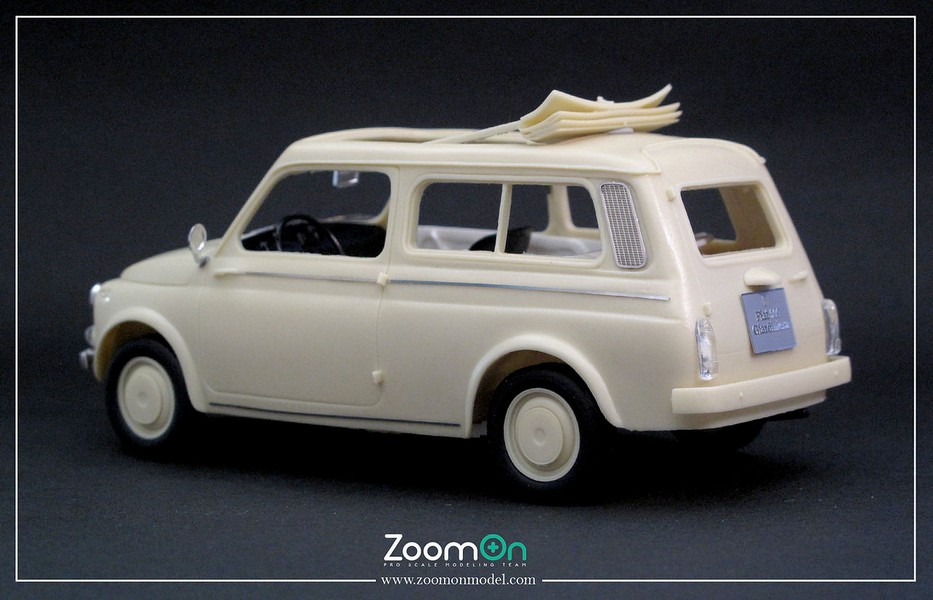
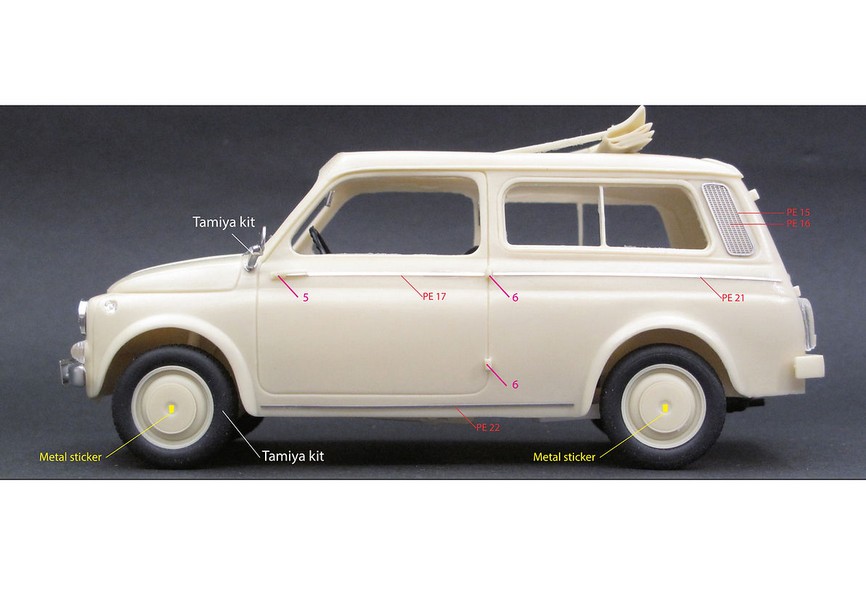
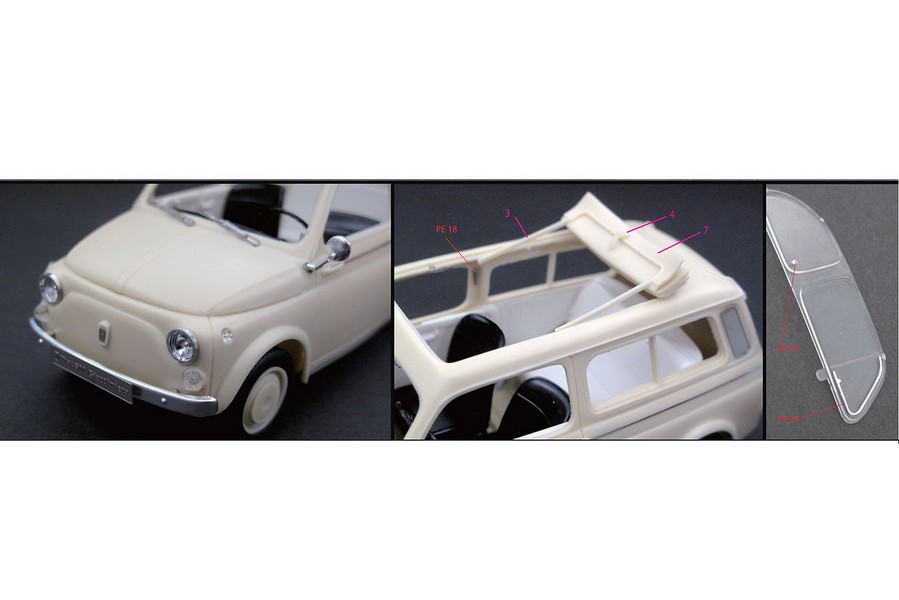
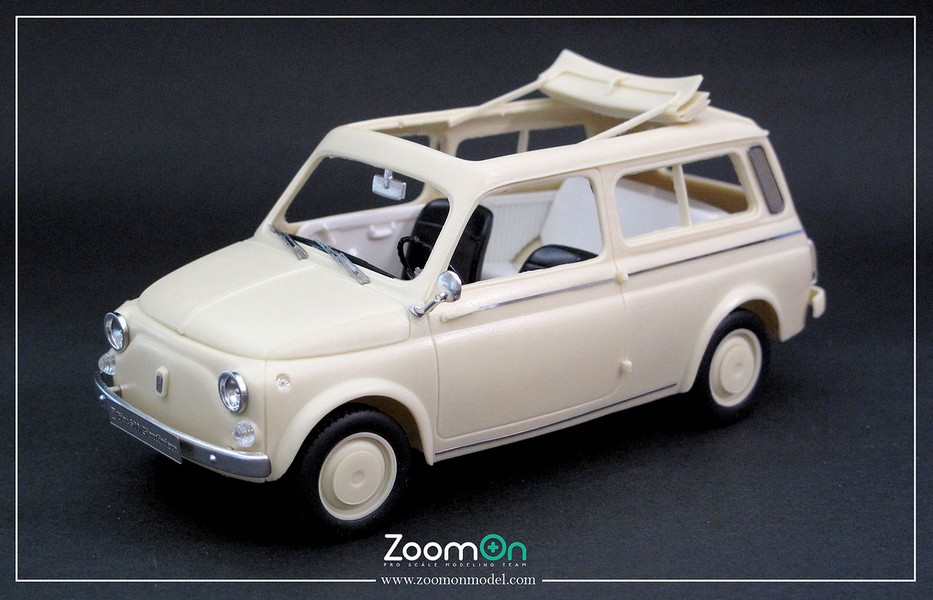
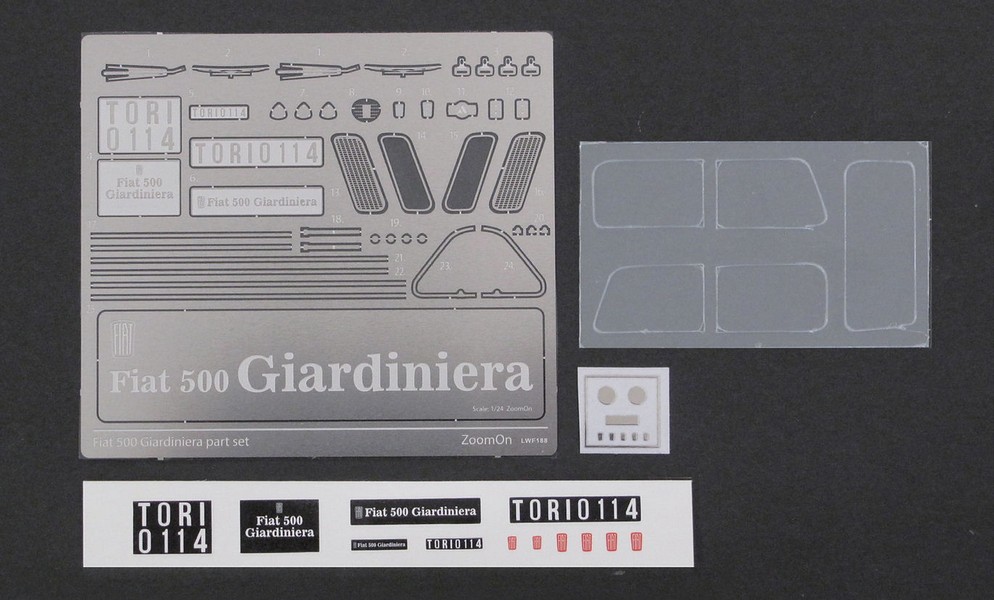
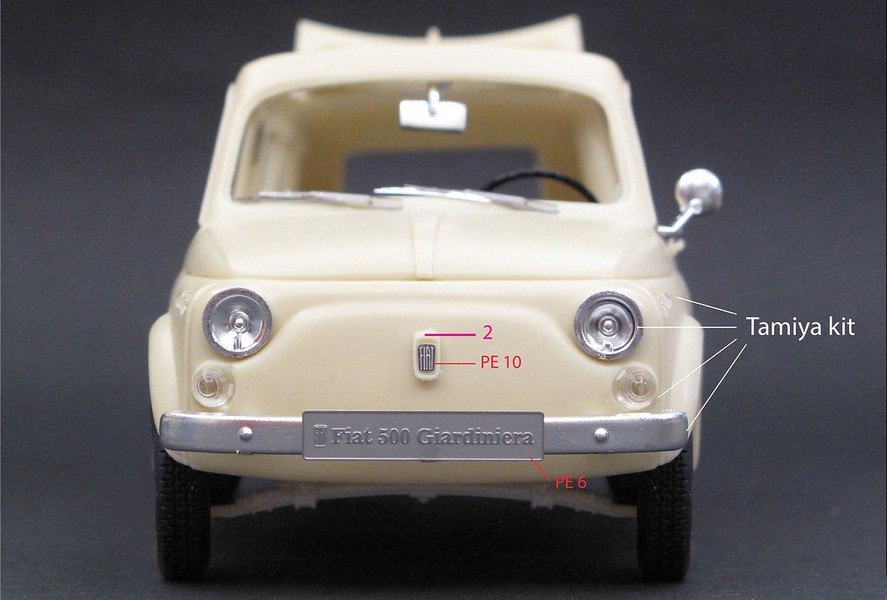
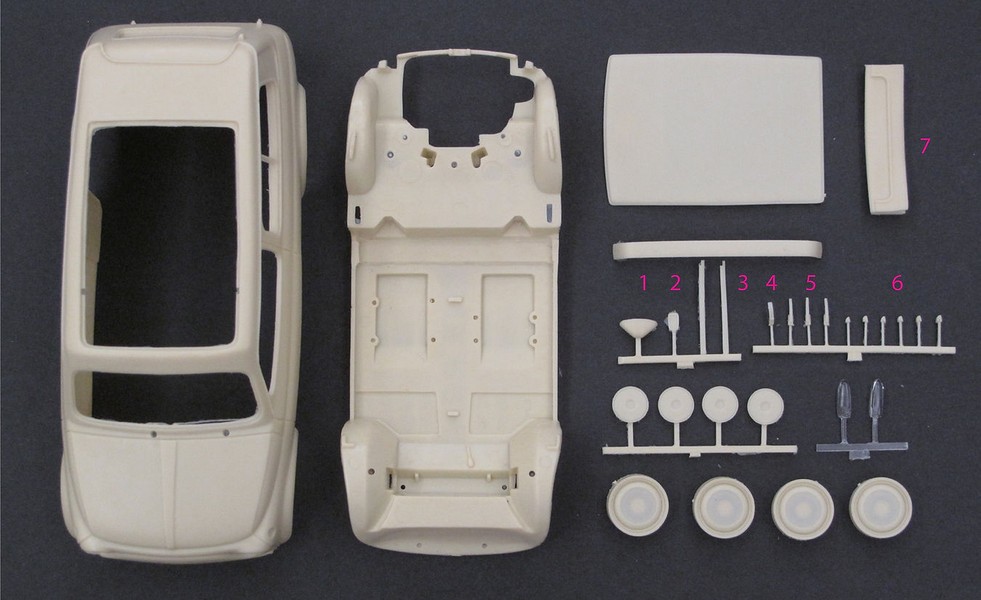
ZoomOn, marchio di Hong Kong, ha appena presentato un transkit per la Fiat 500 di Tamiya (1:24), che consente la trasformazione del modello nella configurazione Giardiniera. Nel set sono comprese la carrozzeria e varie altre parti.
Grazie alla disponibilità di Fedor Eliseev, su Pitlaneitalia potrete presto leggere il seguito della storia di Old Cars, oltre ad un articolo del tutto inedito che traccerà le vicende di Minicar 43.
PLIT continuerà a dedicare molto spazio alla storia dei marchi modellistici del passato e sono allo studio ulteriori articoli.
La Peugeot 404 è uno dei modelli più emblematici nella storia del Marchio del Leone e rappresenta un punto di svolta fondamentale nella produzione automobilistica della casa francese. Presentata nel 1960, inaugura la Serie “04” e raccoglie l’eredità della Peugeot 403, elevando ulteriormente gli standard di stile, comfort, affidabilità e robustezza.
Disegnata da Pininfarina, la Peugeot 404 si distingue immediatamente per una linea elegante e moderna: montanti sottili, superfici laterali pulite, leggere pinne posteriori e un uso raffinato delle cromature. Un design equilibrato, capace di coniugare sobrietà e personalità, che contribuisce al successo commerciale del modello in numerosi mercati internazionali.
Stile italiano, classe francese Dal punto di vista tecnico, la Peugeot 404 nasce con una solida struttura monoscocca, progettata per garantire resistenza e durata nel tempo, mantenendo al contempo un peso a vuoto contenuto, inferiore ai 1.100 kg. L’impianto frenante inizialmente a tamburo, assistito dal servofreno Hydrovac, garantiva prestazioni adeguate agli standard dell’epoca, mentre le sospensioni a lunga escursione offrivano un comfort di marcia superiore anche su fondi sconnessi.
Come da tradizione Peugeot, alla versione berlina si affiancarono sin dall’inizio le varianti Coupé e Cabriolet, prodotte negli stabilimenti Pininfarina e successivamente meccanizzate a Sochaux. La gamma motori si dimostrò particolarmente avanzata: accanto ai propulsori a benzina tradizionali, la 404 fu una delle prime vetture di grande serie a offrire l’iniezione meccanica di benzina, soluzione allora riservata a modelli di fascia alta e da competizione. Parallelamente, Peugeot propose anche versioni diesel, una scelta pionieristica condivisa all’epoca soltanto con pochissimi altri di costruttori.
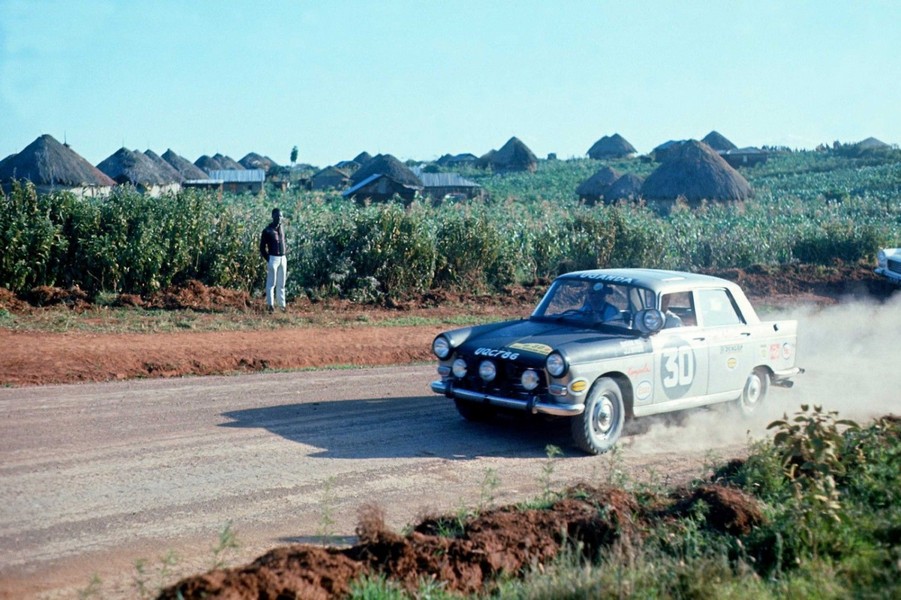
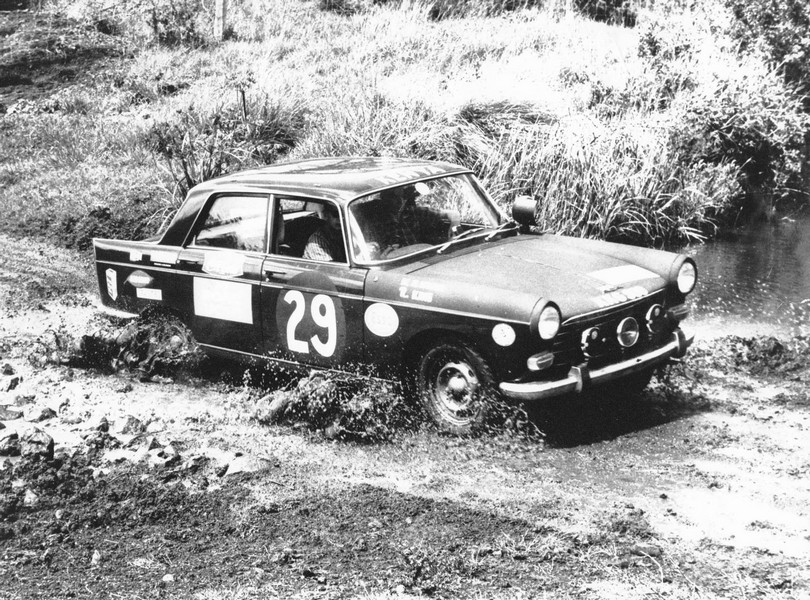
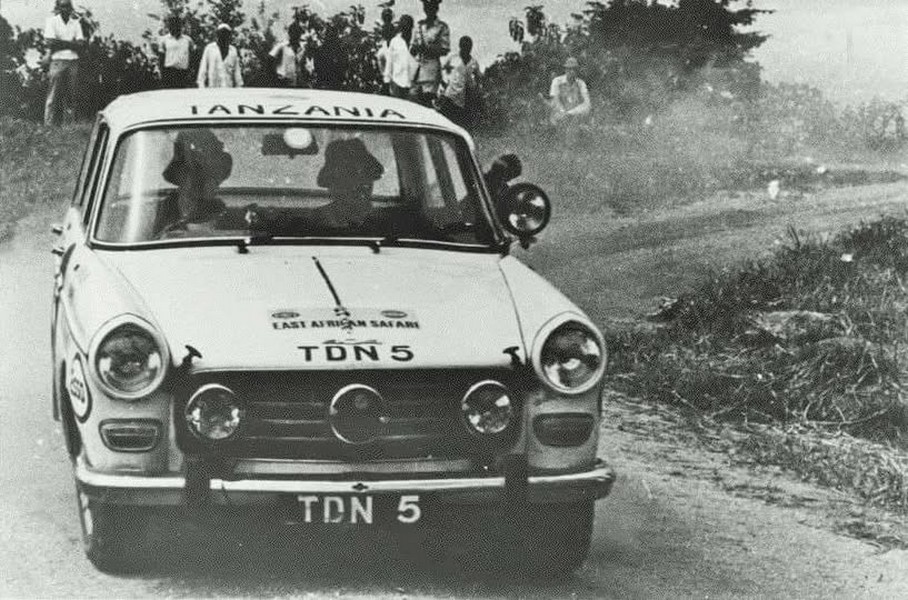
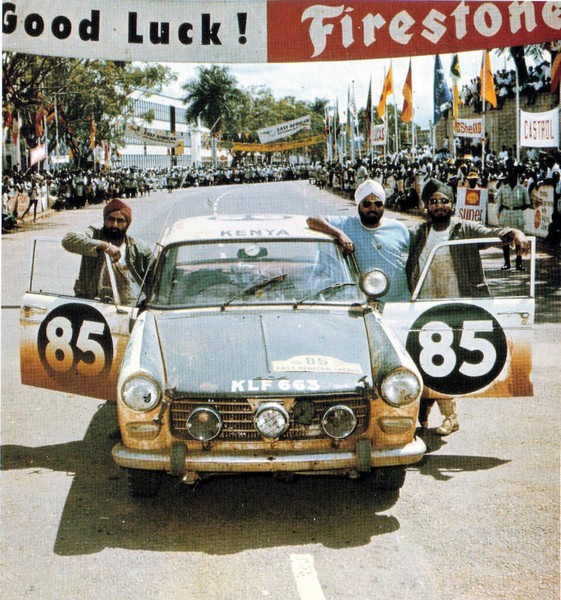
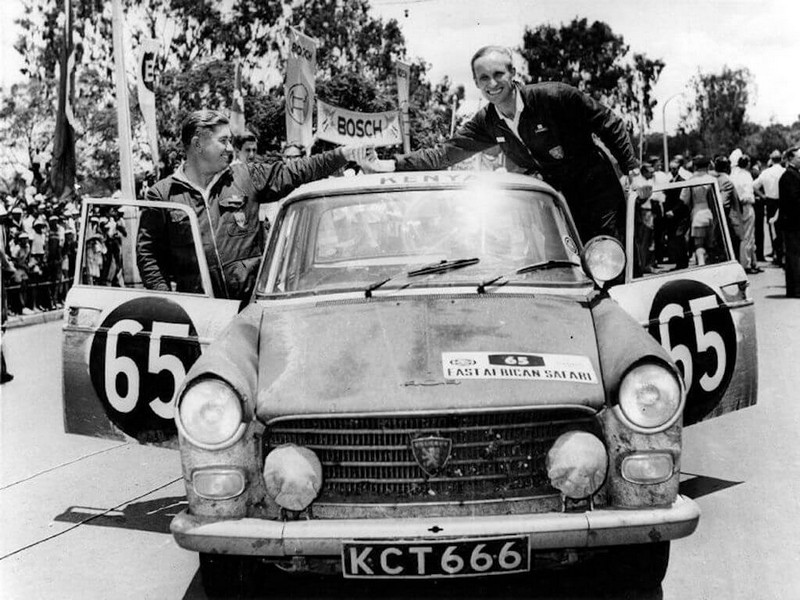
Un’annata da incorniciare Ma è soprattutto nel motorsport che la Peugeot 404 entra definitivamente nella leggenda. Negli anni Sessanta, l’East African Safari Rally rappresentava la prova più dura e selettiva del calendario internazionale: un evento estenuante, lungo oltre 5.000 km, con base a Nairobi e tappe in Kenya, Uganda e Tanzania, capace di mettere in ginocchio vetture ed equipaggi a causa di condizioni climatiche e ambientali estreme.
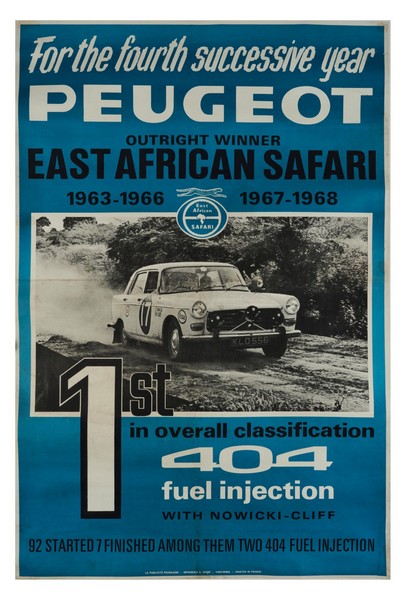
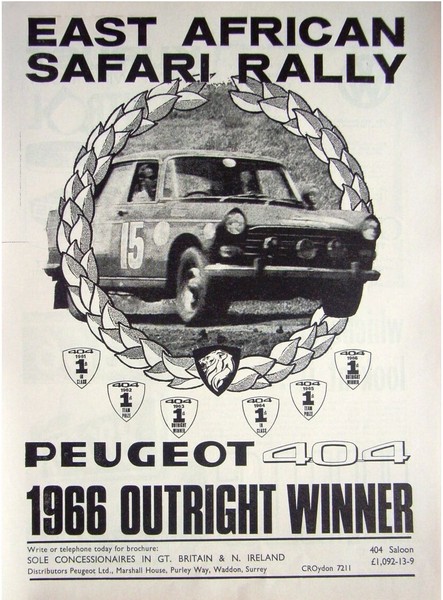
Nel 1966, esattamente 40 anni fa, la 404 ottenne una storica tripletta di vittorie assolute in tre rally tra i più impegnativi al mondo: il Rally del Congo, il Tour de Corse e l’East African Safari Rally con Bert Shankland ed il suo navigatore Chris Rothwell, che si ripeteranno anche nel 1967. Il Safari di quell’anno fu particolarmente devastante, tanto che gli organizzatori furono costretti ad estendere il tempo massimo consentito da quattro a dieci ore a causa di piogge torrenziali, inondazioni, fango profondo e tratti completamente impraticabili.
Nel corso degli anni Sessanta, la 404 conquistò quattro vittorie assolute all’East African Safari, tre delle quali consecutive tra il 1966 e il 1968, oltre a numerosi successi di classe e piazzamenti di rilievo. Un dominio impressionante, soprattutto se si considera che le vetture in gara erano estremamente simili ai modelli di serie, con preparazioni limitate a rinforzi, protezioni e fari supplementari.
Tecnica d’avanguardia Il successo della Peugeot 404 nei rally africani fu il risultato di un equilibrio eccezionale tra progettazione tecnica e conoscenza del territorio. Il motore a benzina da 1,6 litri, dotato di una efficiente testata emisferica, erogava inizialmente 71 CV con carburatore Solex, saliti a 84 CV con l’introduzione dell’iniezione meccanica Kugelfischer nel 1963 e a 96 CV nel 1965, grazie anche all’adozione di un albero motore a cinque supporti di banco.
Determinante fu anche il caratteristico retrotreno “a tubo di coppia”, una soluzione tecnica che racchiudeva l’albero di trasmissione in un robusto tubo metallico solidale con il ponte posteriore. Questo schema garantiva un controllo ottimale dell’assale, un’enorme escursione delle ruote posteriori e una trazione eccezionale anche sui terreni più accidentati, contribuendo in modo decisivo alla superiorità della Peugeot 404 nelle condizioni estreme del Safari.
Le vittorie furono ottenute grazie al contributo di equipaggi locali altamente esperti, spesso legati agli importatori Peugeot in Kenya, Tanzania e Uganda. La loro profonda conoscenza del territorio africano permise di sfruttare al massimo le qualità della vettura e di adattarne la preparazione alle condizioni più estreme, trasformando le competizioni in un vero e proprio laboratorio di sviluppo per i modelli di serie.
Il marketing delle corse Il dominio della Peugeot 404 all’East African Safari non rappresentò soltanto un trionfo sportivo, ma anche uno straordinario strumento di marketing e di validazione tecnica. La reputazione di robustezza e affidabilità costruita in Africa contribuì in modo decisivo al successo commerciale del modello in tutto il mondo, inclusa l’Australia, dove le condizioni stradali delle aree rurali erano spesso paragonabili a quelle africane.
La Peugeot 404 incarna come poche altre vetture lo spirito di un’epoca in cui qualità costruttiva, semplicità tecnica e resistenza assoluta facevano la differenza. Un’auto capace di muoversi con la stessa naturalezza davanti al Palais Garnier di Parigi quanto sugli sterrati africani, diventando una leggenda senza tempo nella storia dell’automobile.
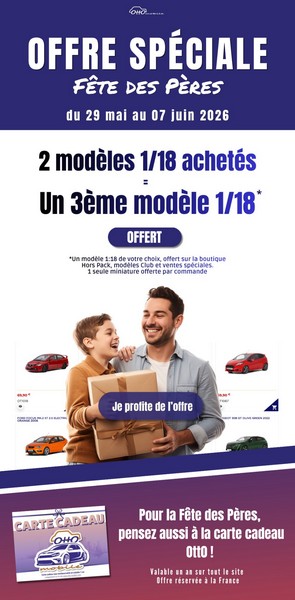
Dal 29 maggio al 7 giugno, per ogni due modelli 1:18 acquistati sul sito ufficiale OttOmobile, se ne potrà scegliere un terzo gratuito (esclusi i set, le referenze club e le vendite speciali). Questo il link da cui è possibile accedere all’offerta: https://otto-models.com/fr/#header. Basta aggiungere il terzo modello ad un ordine e verrà automaticamente dedotto l’importo (in caso di differenze di prezzo, viene scontato quello più basso).


 PITLANEITALIA