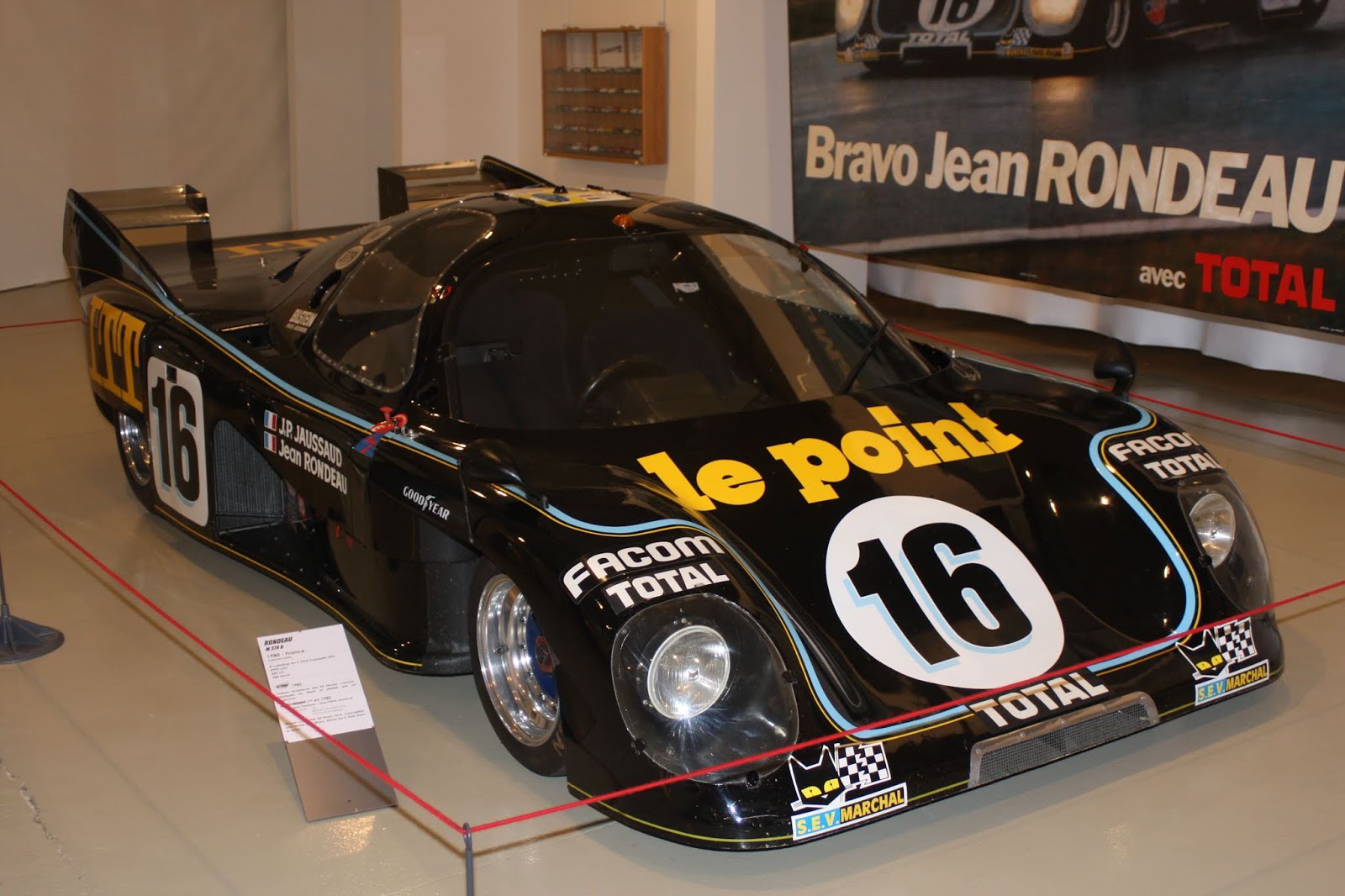
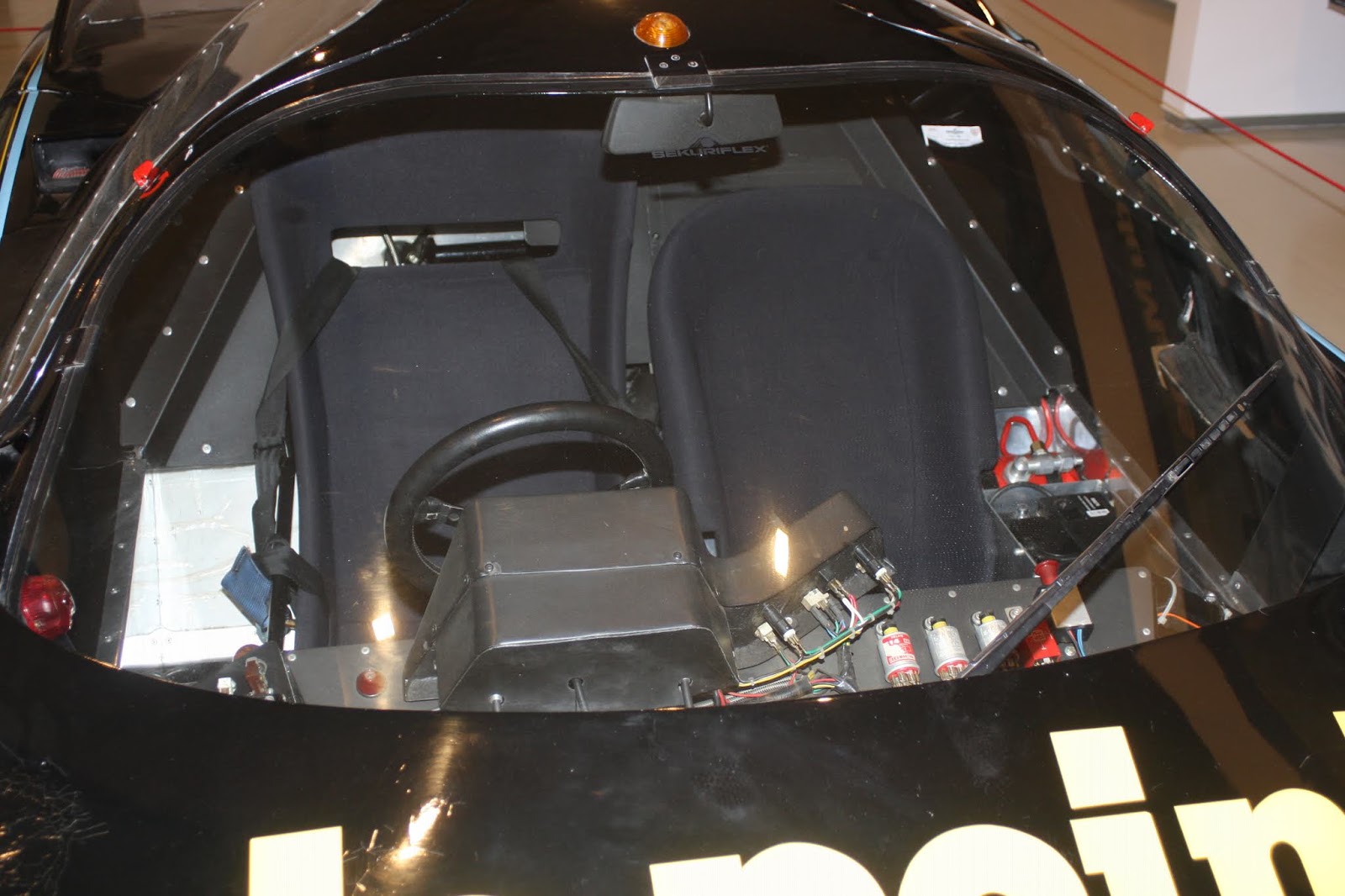
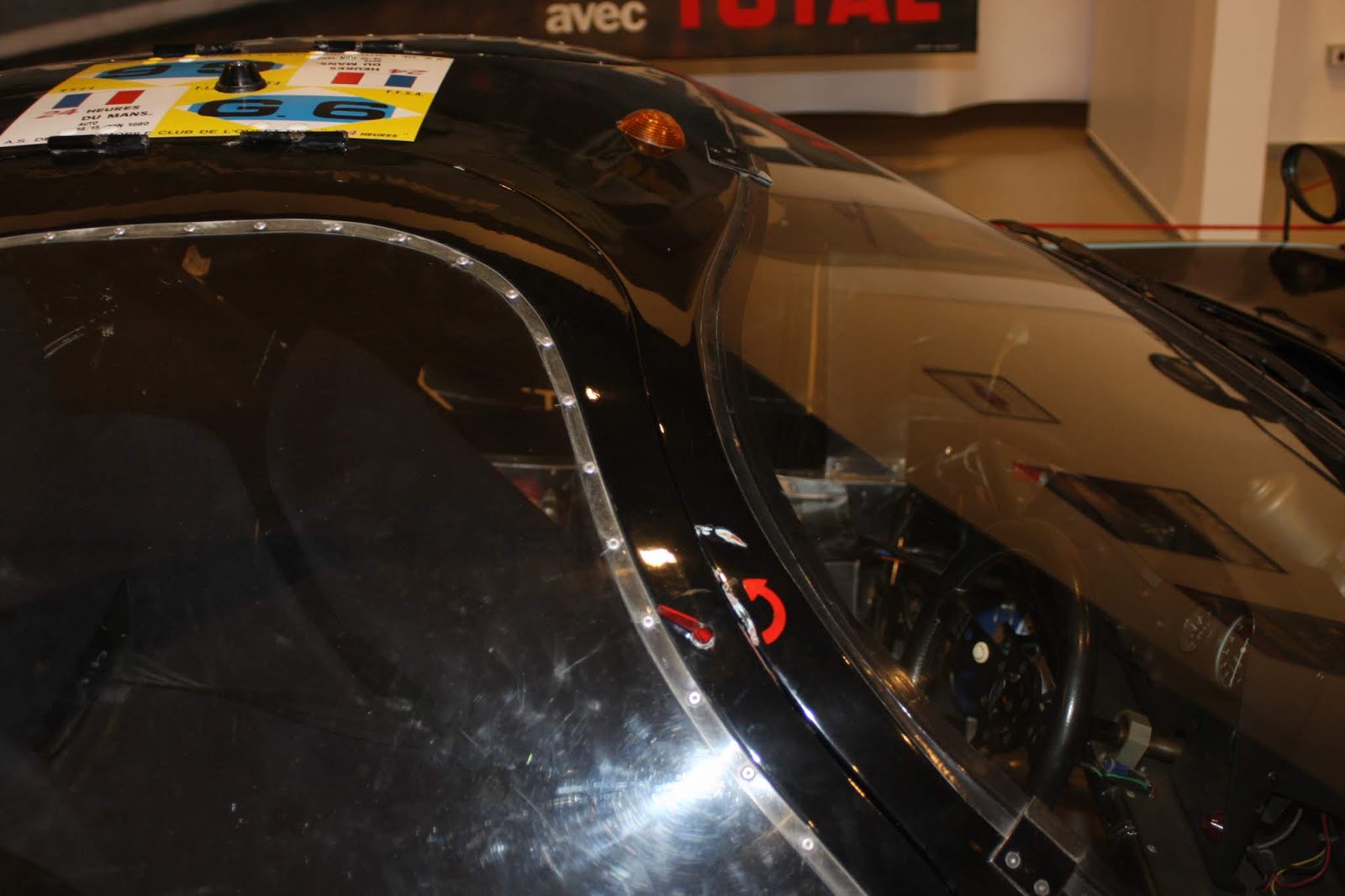
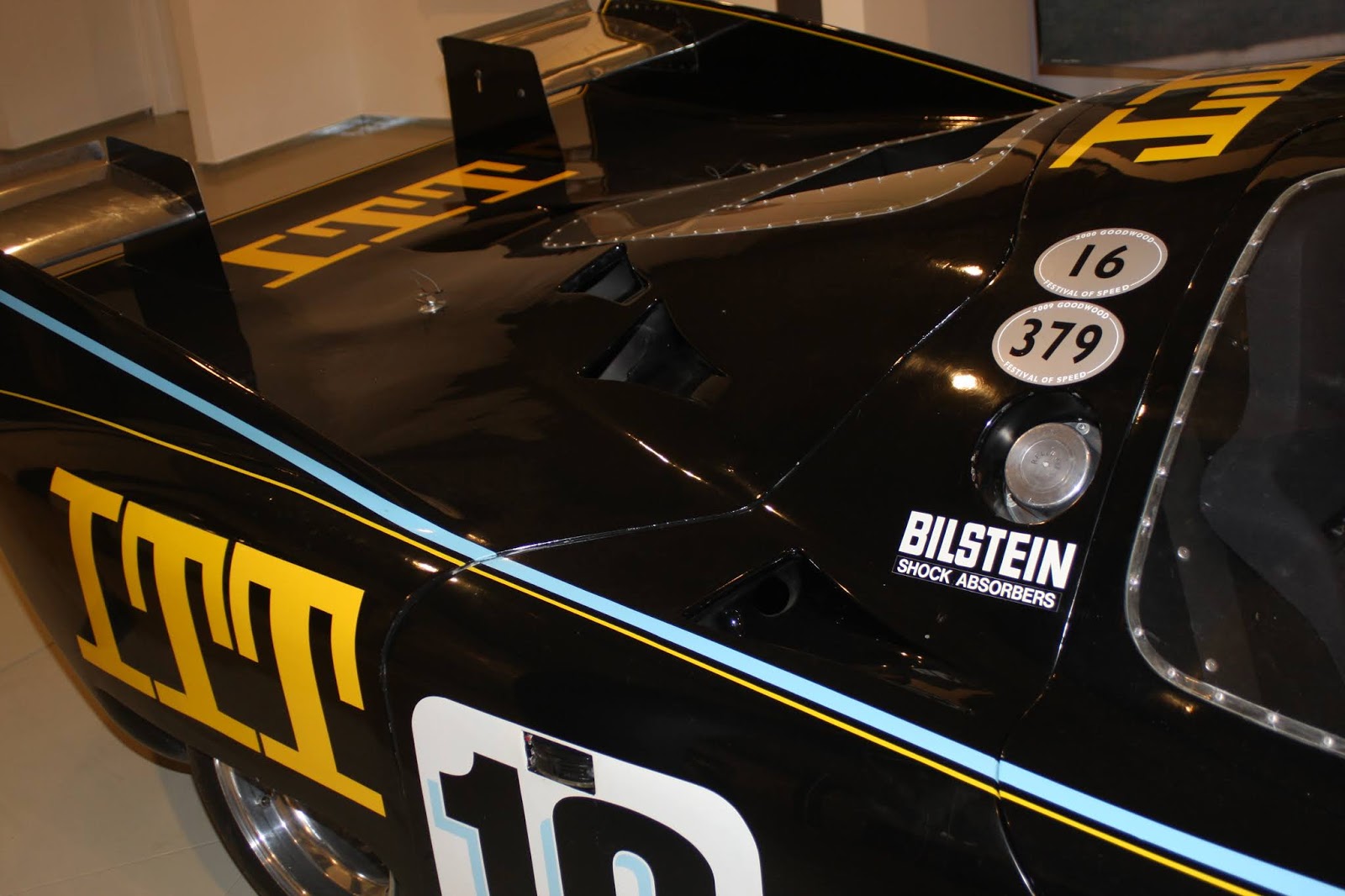
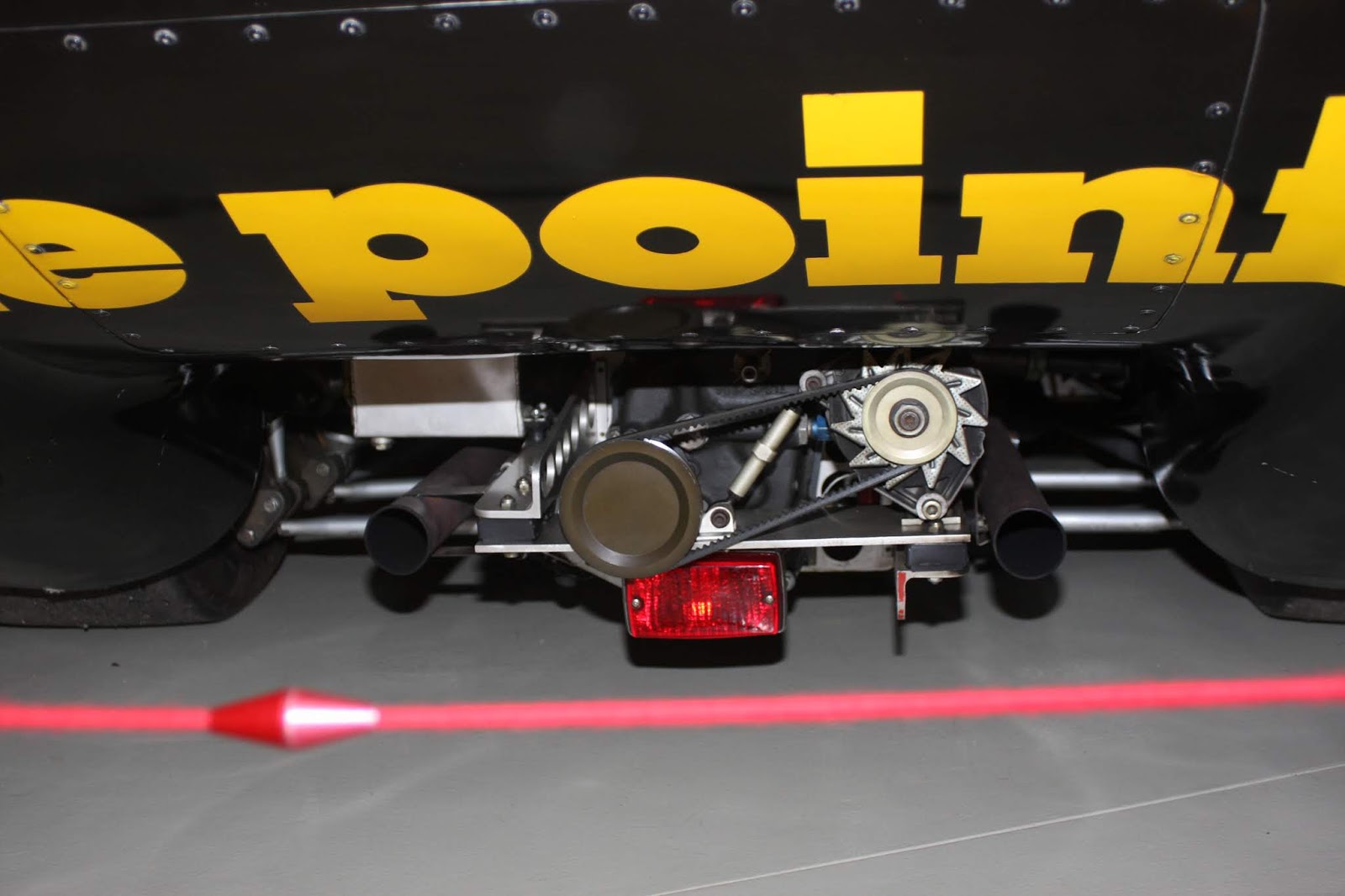
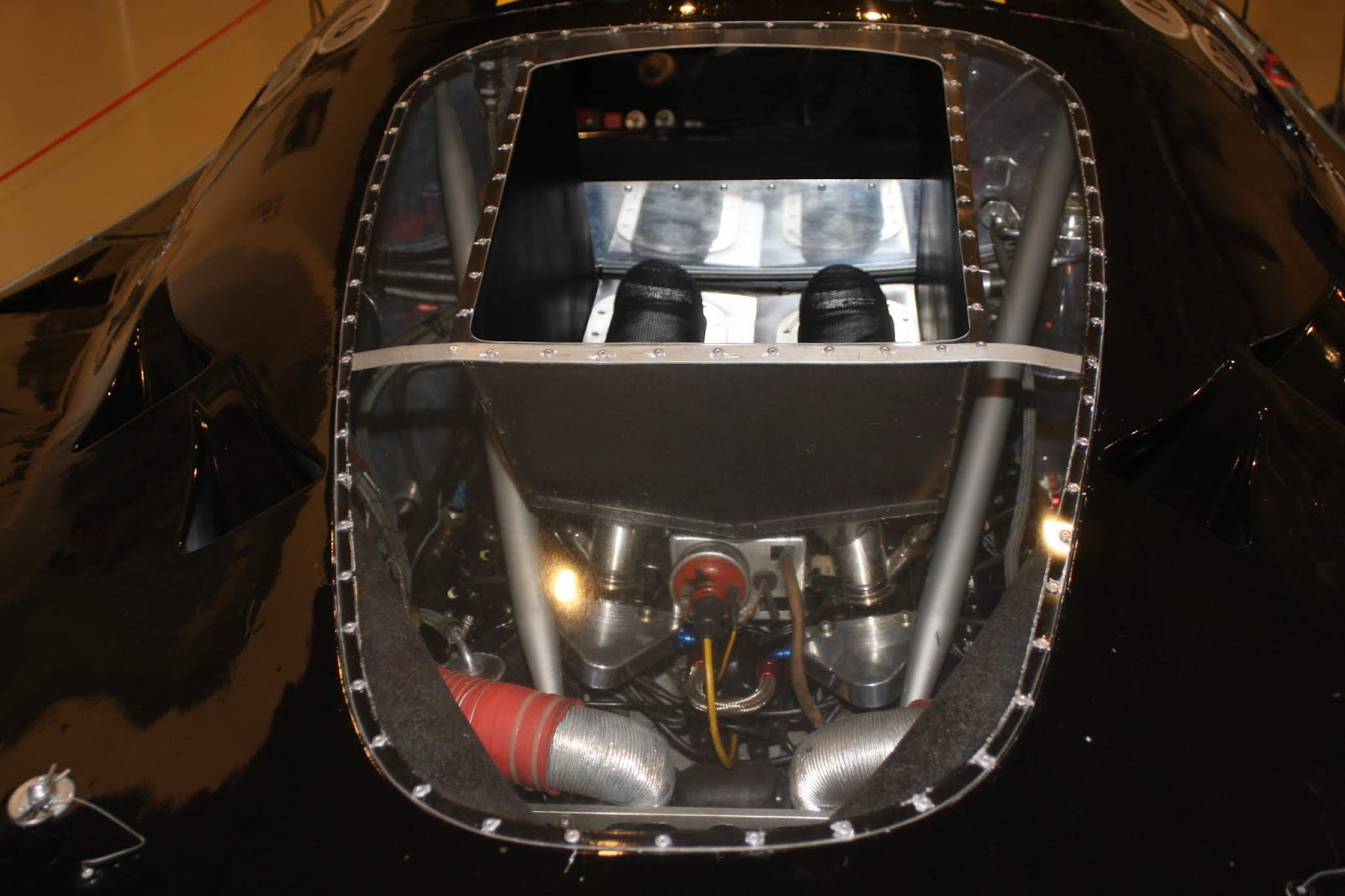
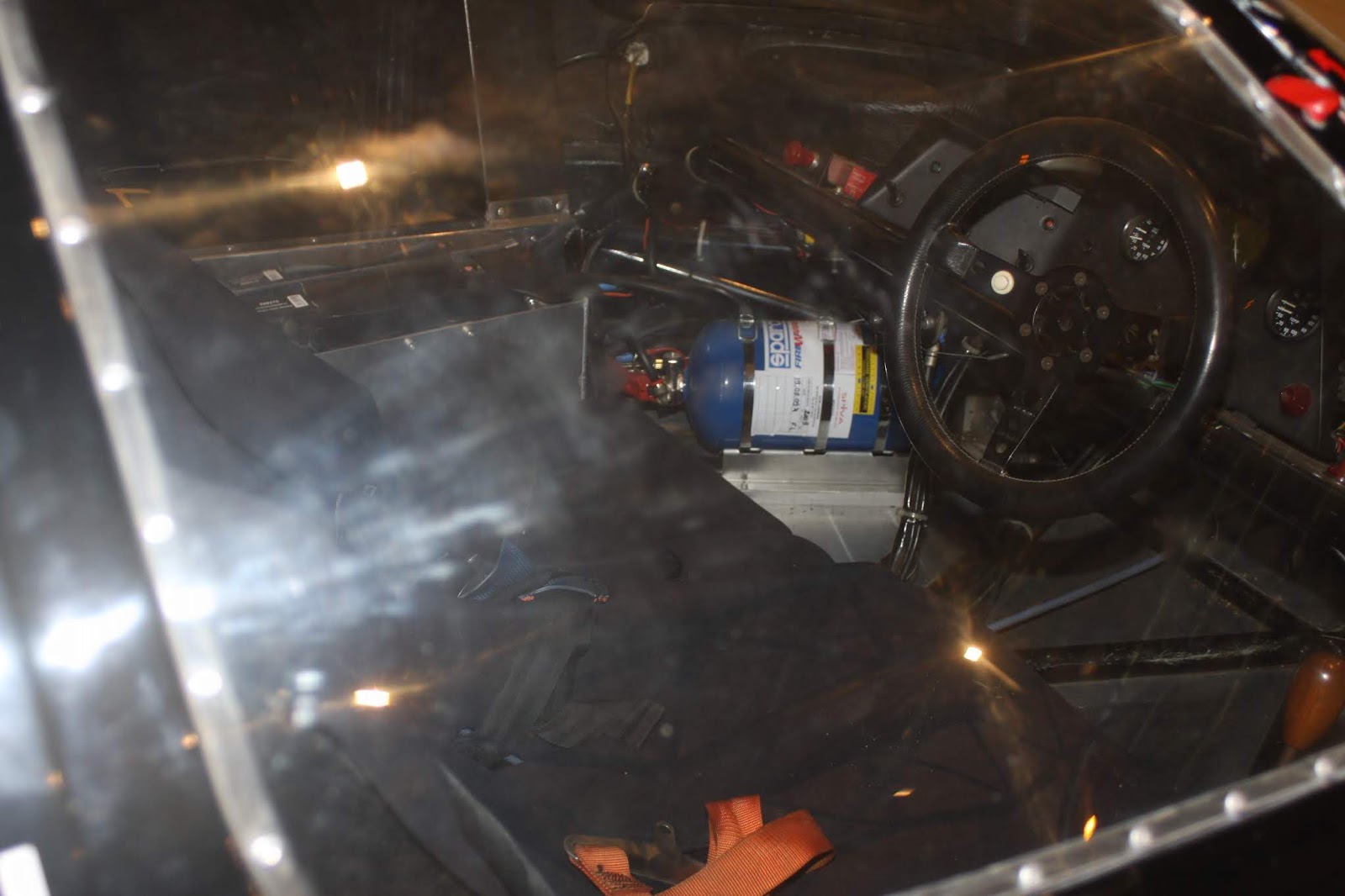
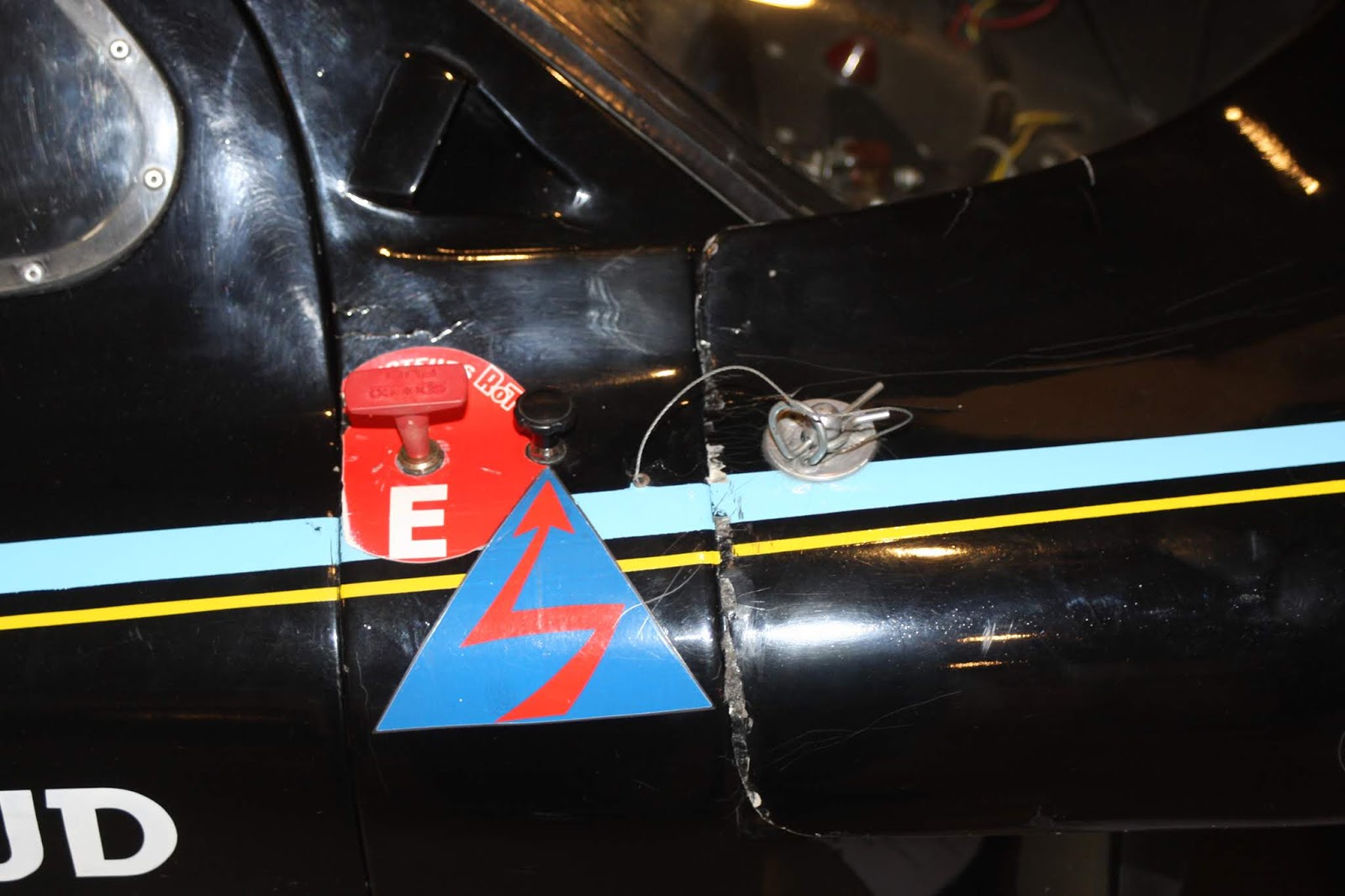
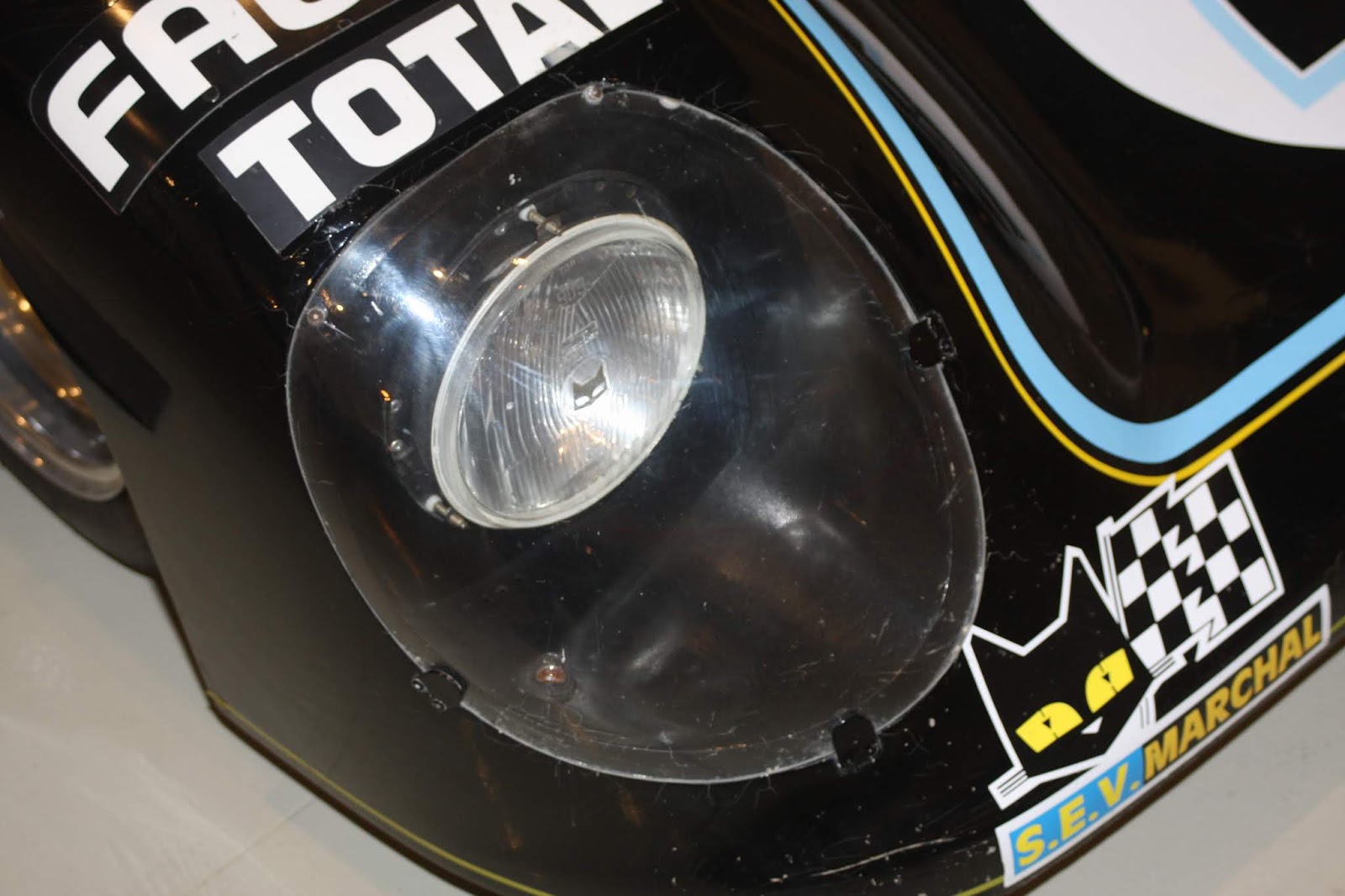
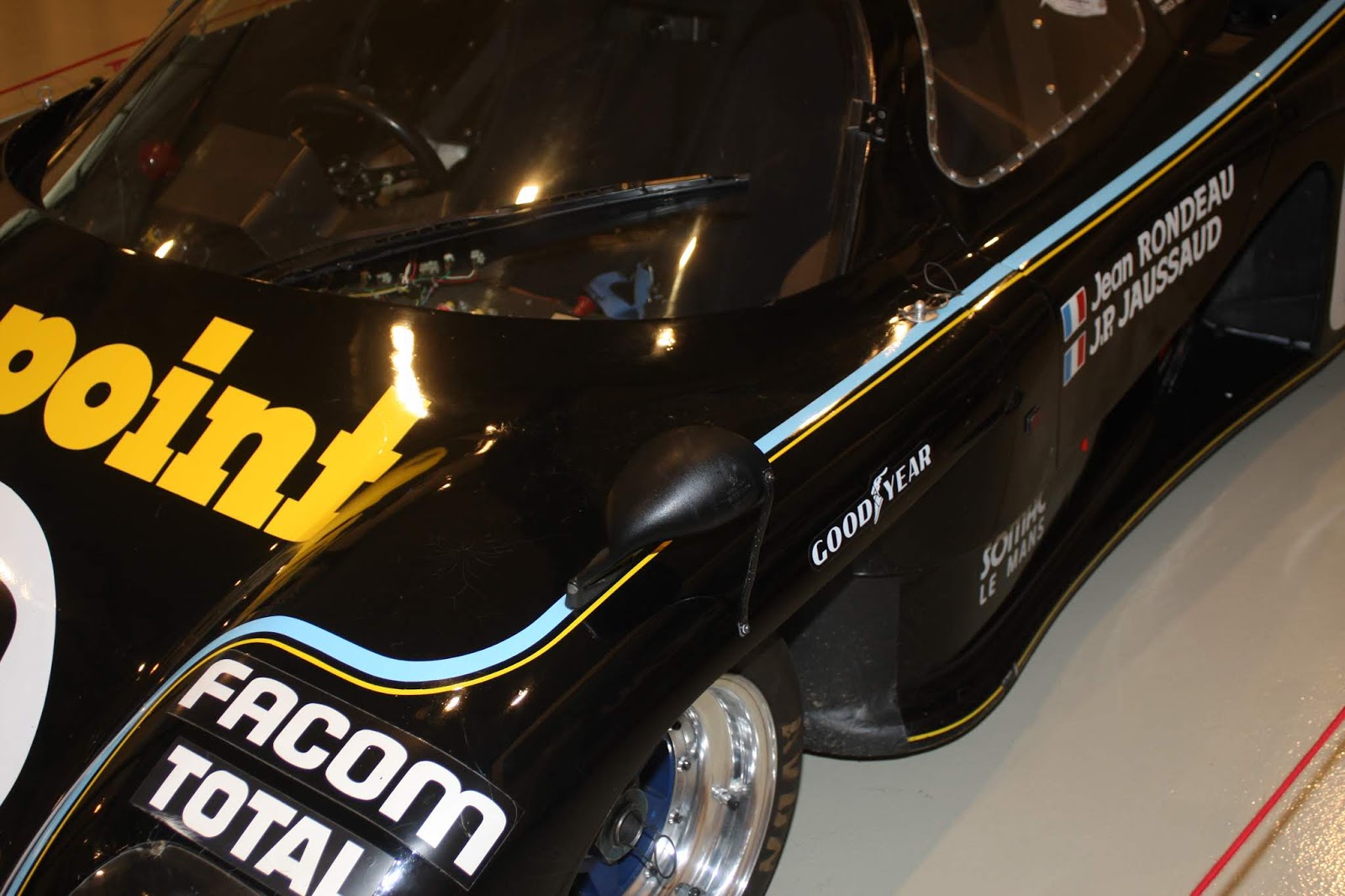
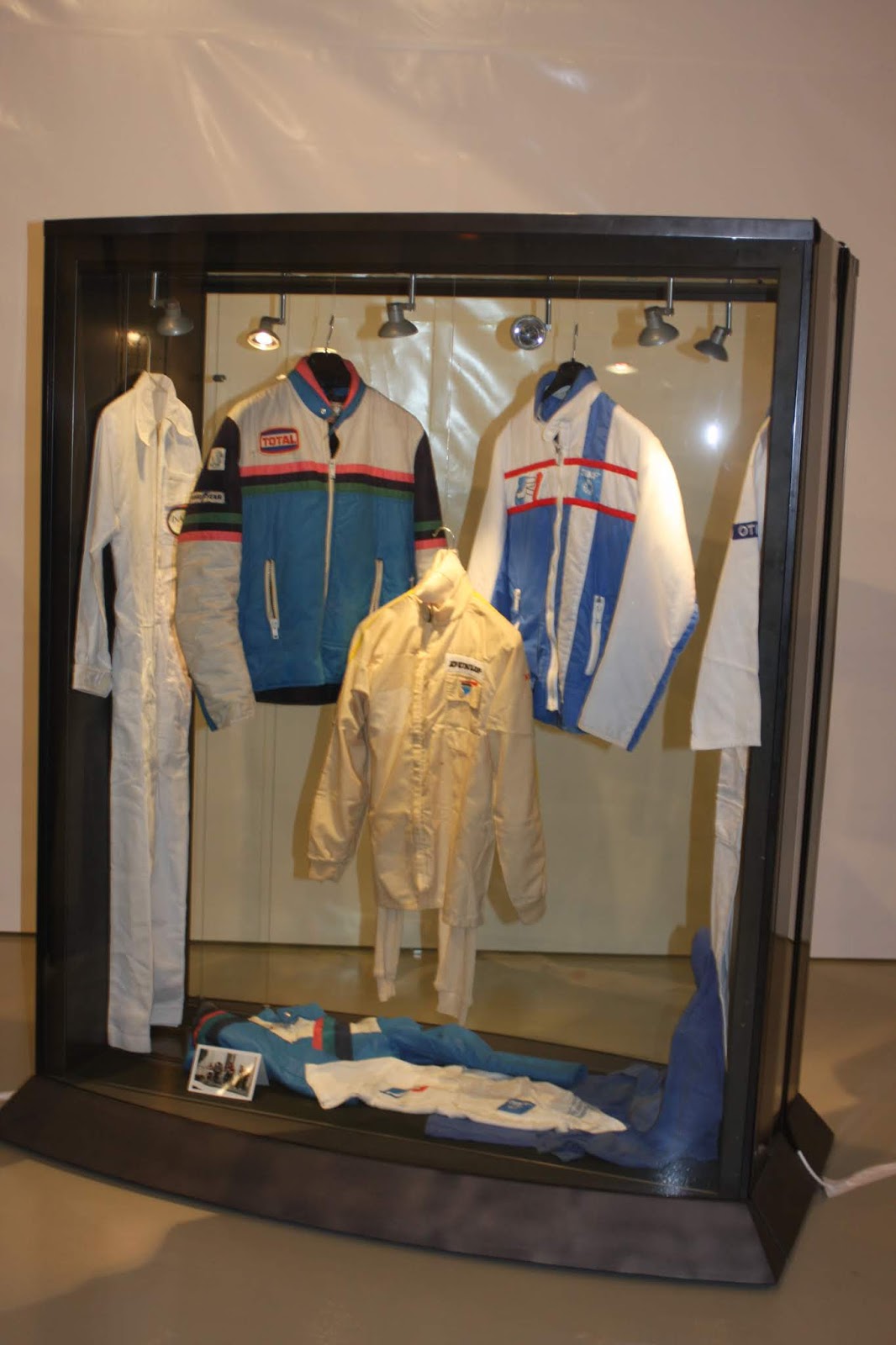
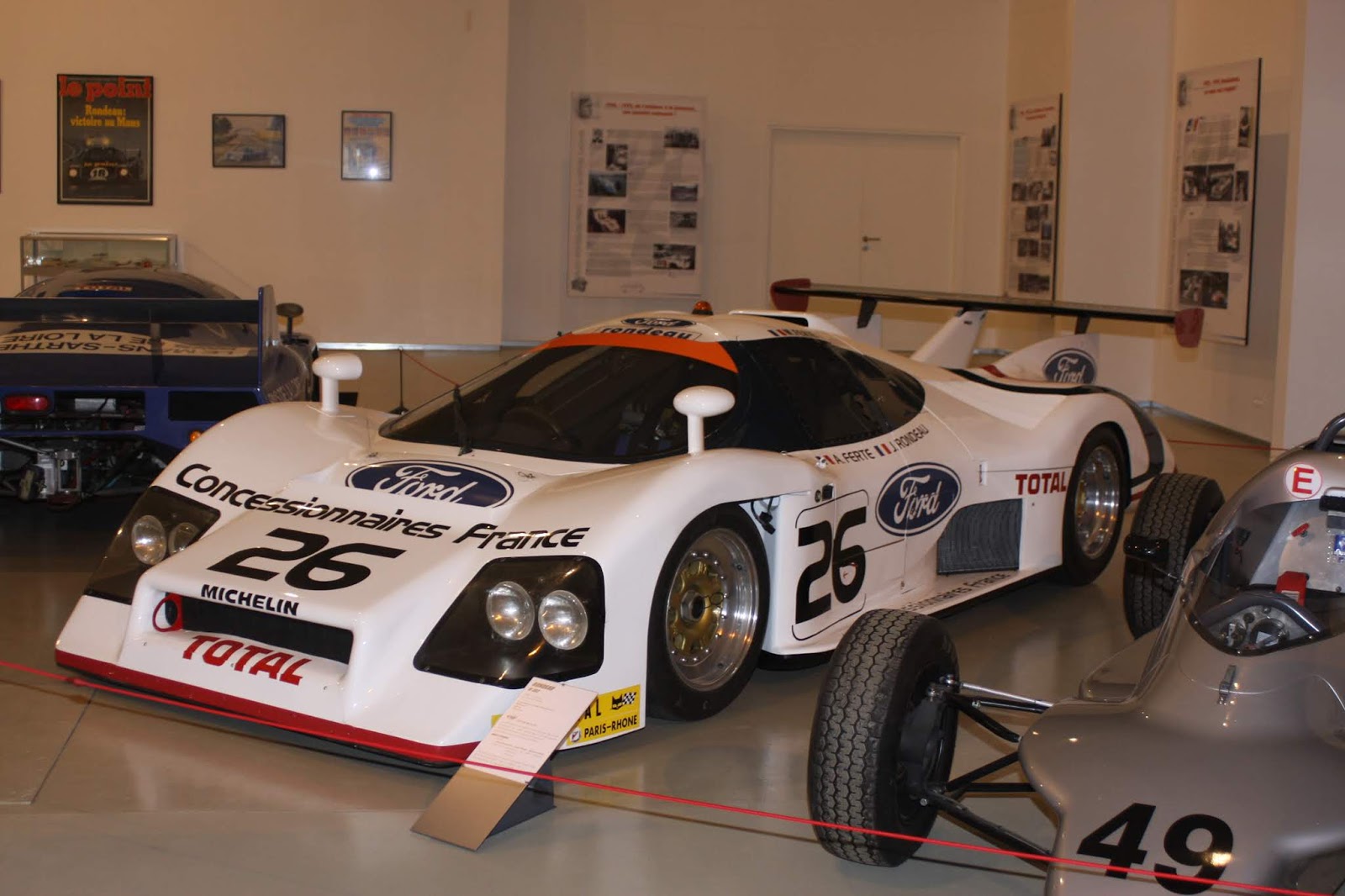
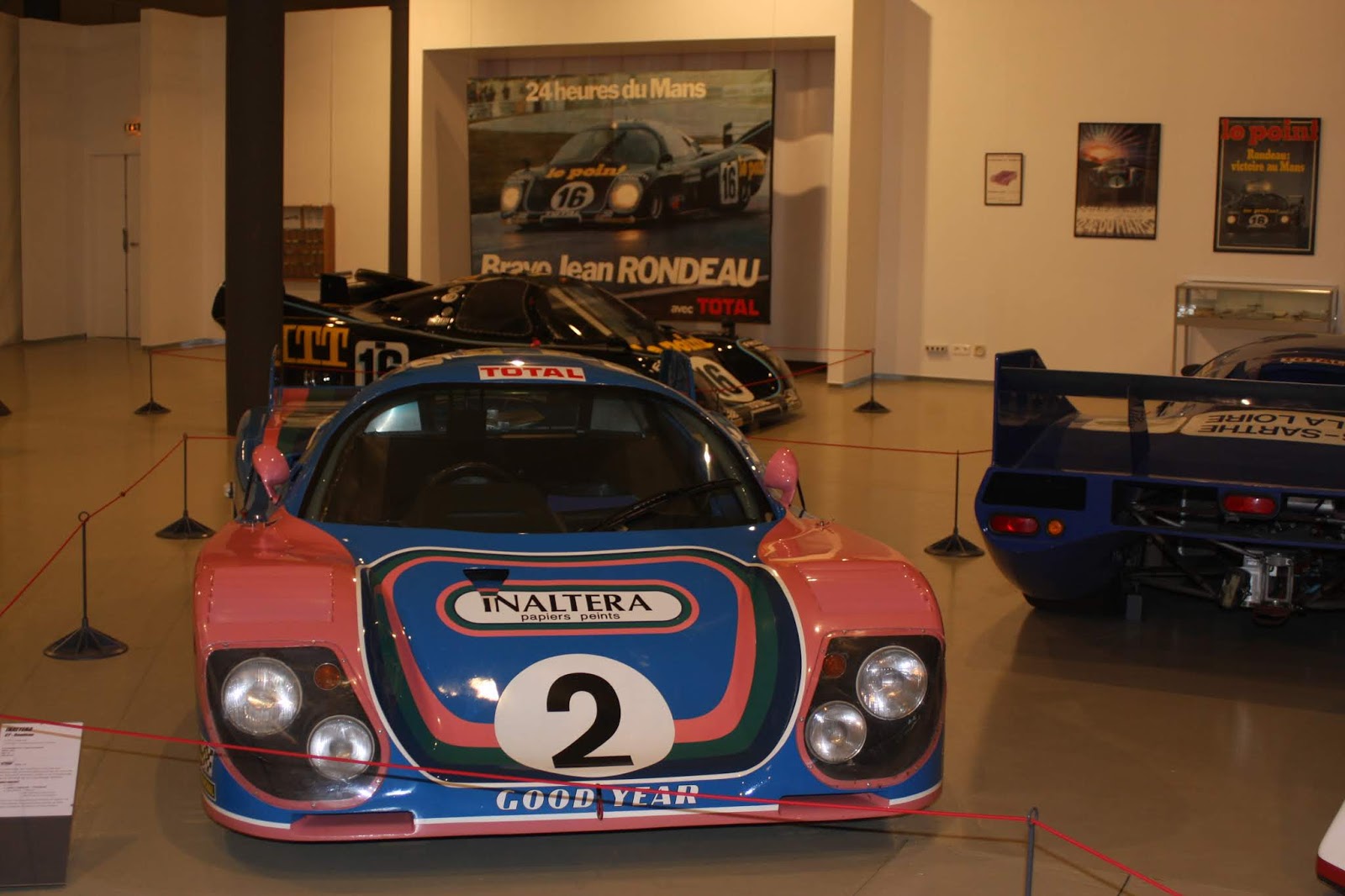
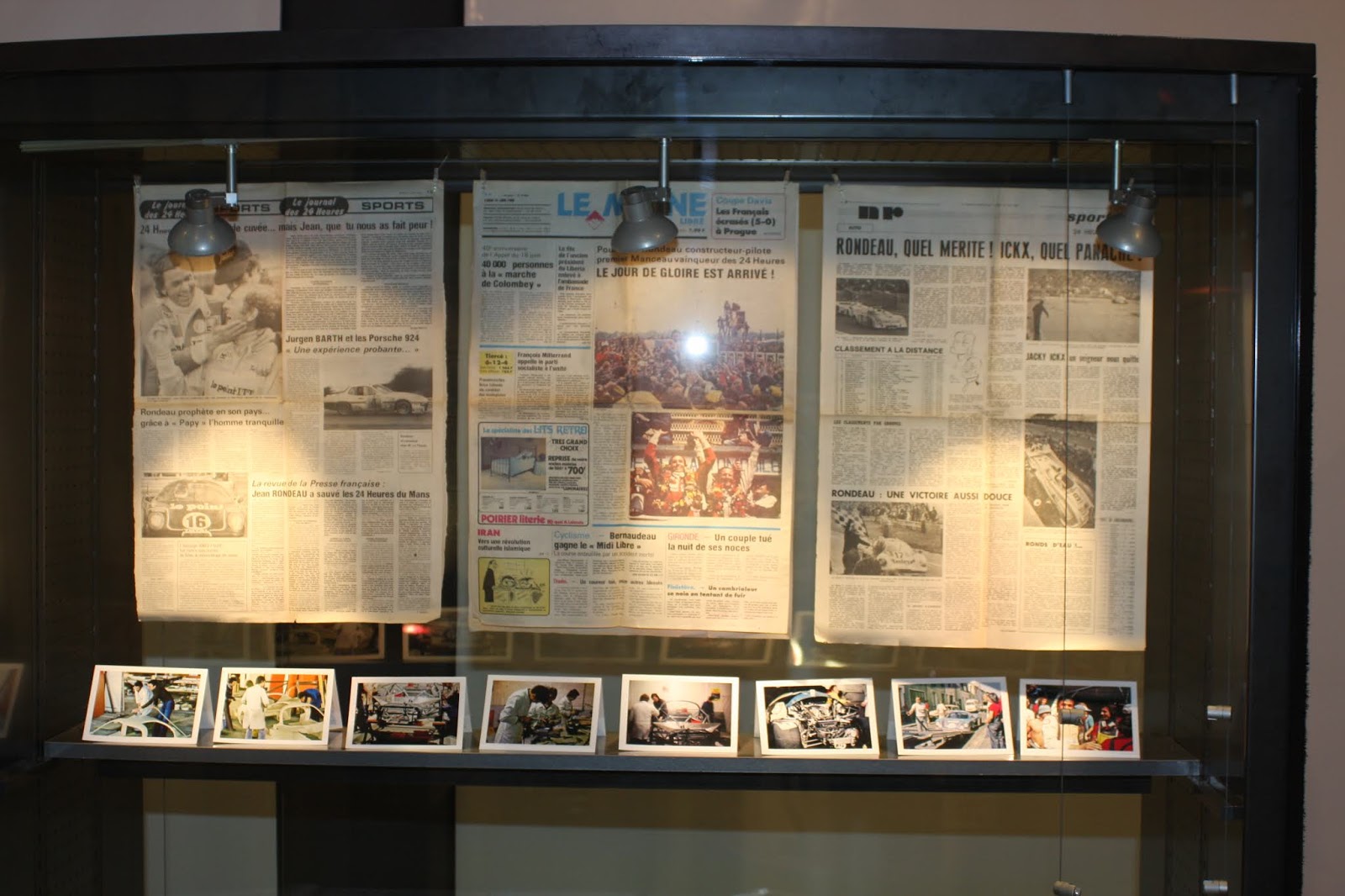
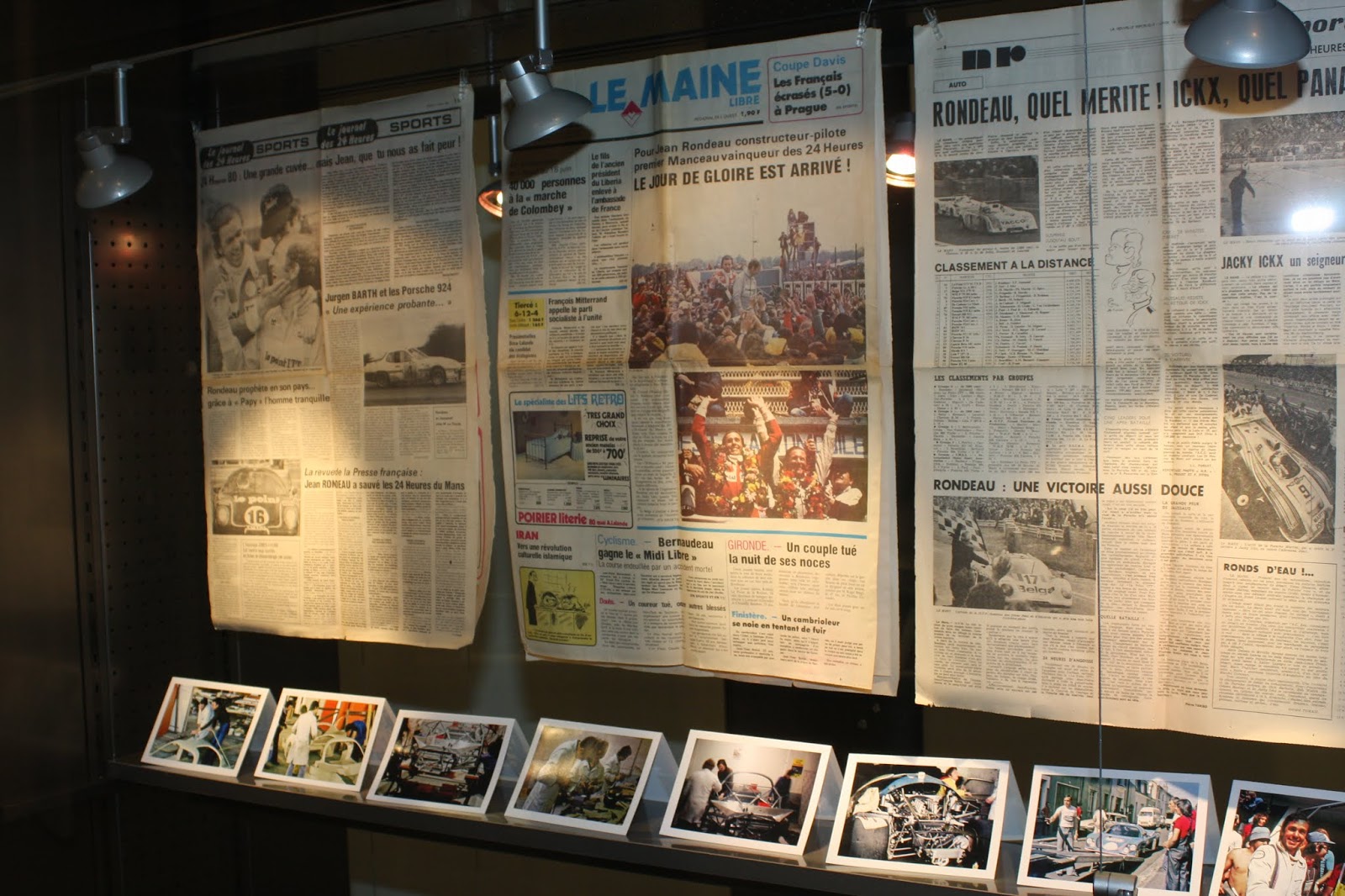
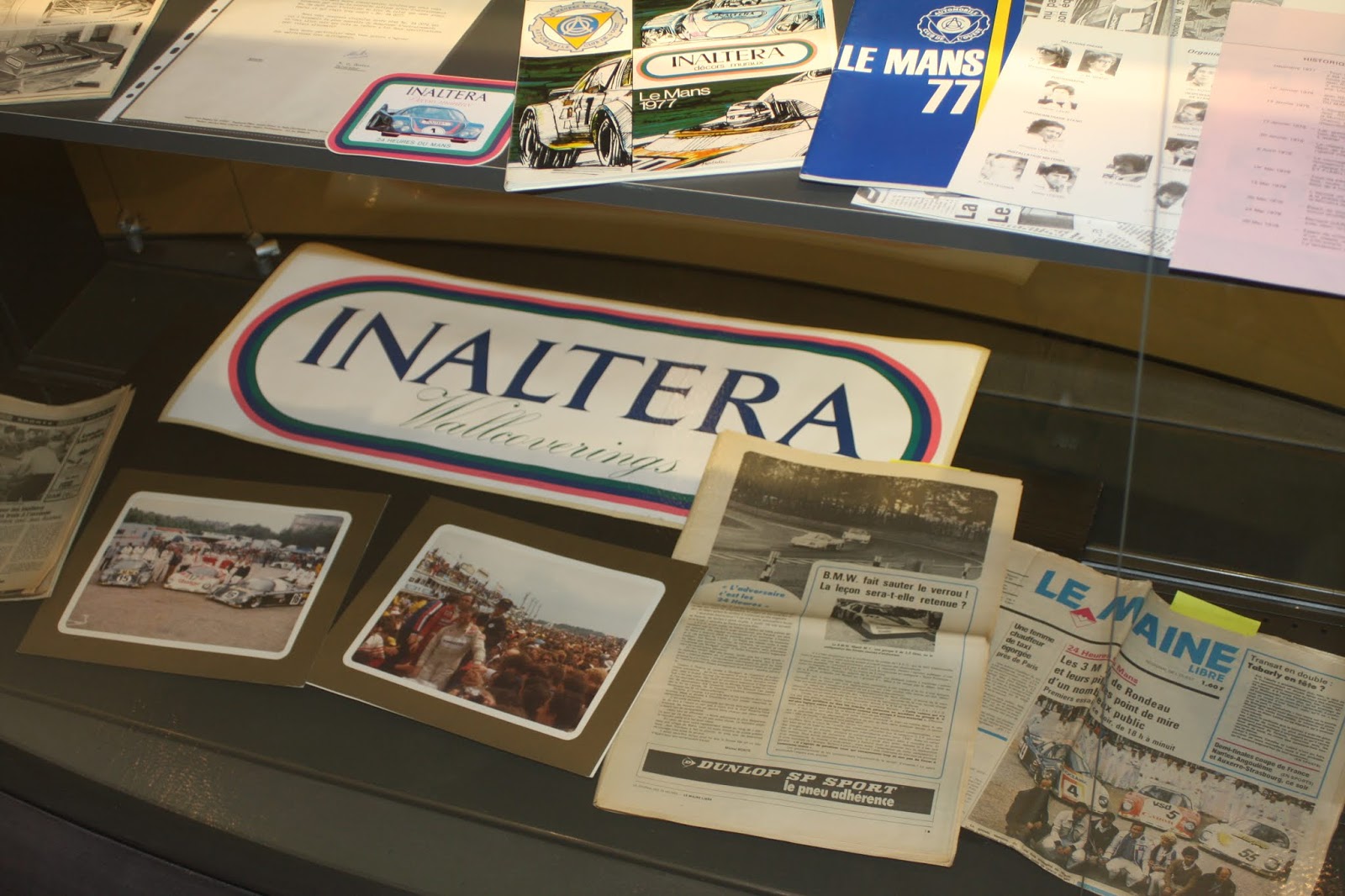
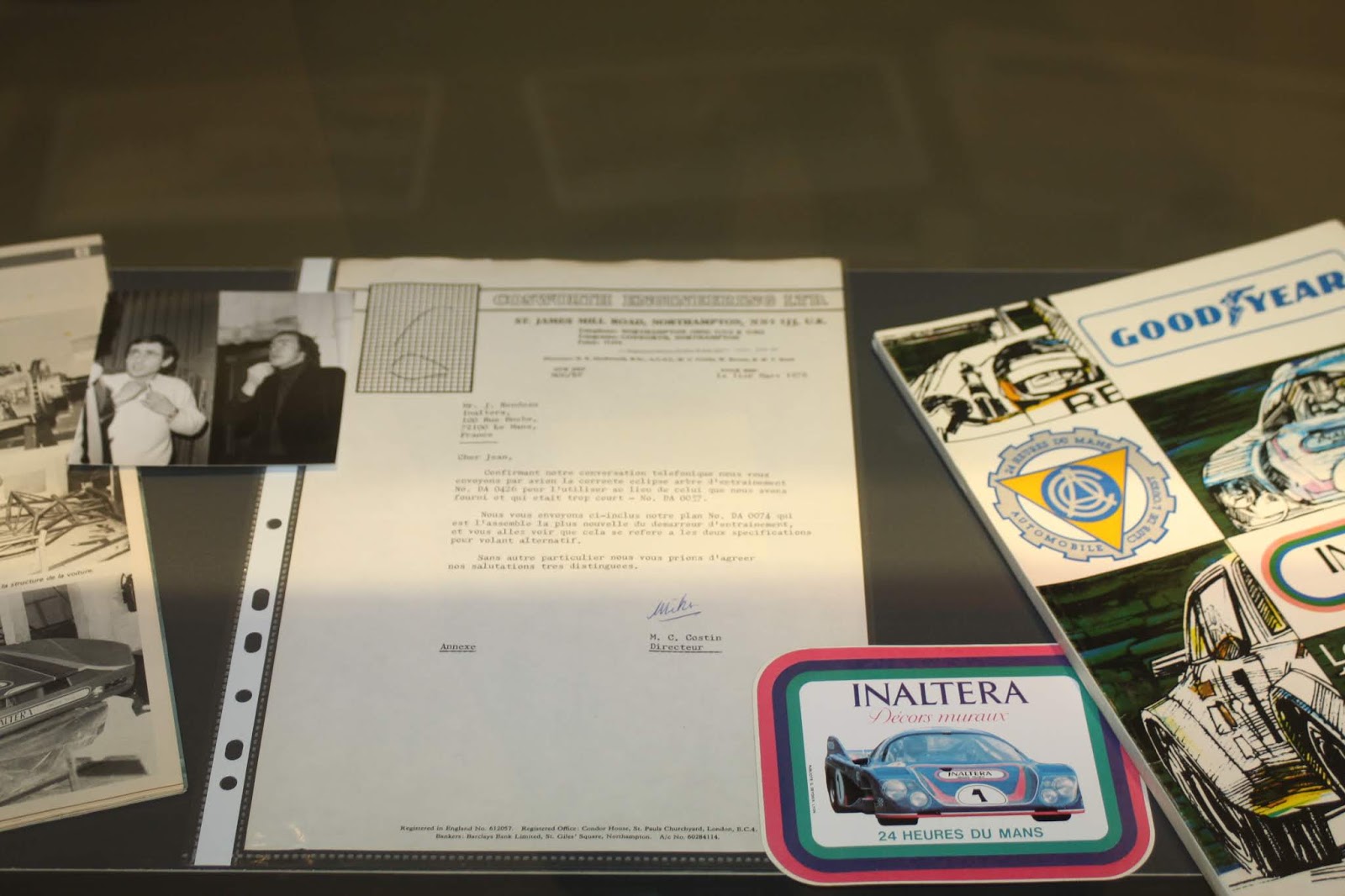
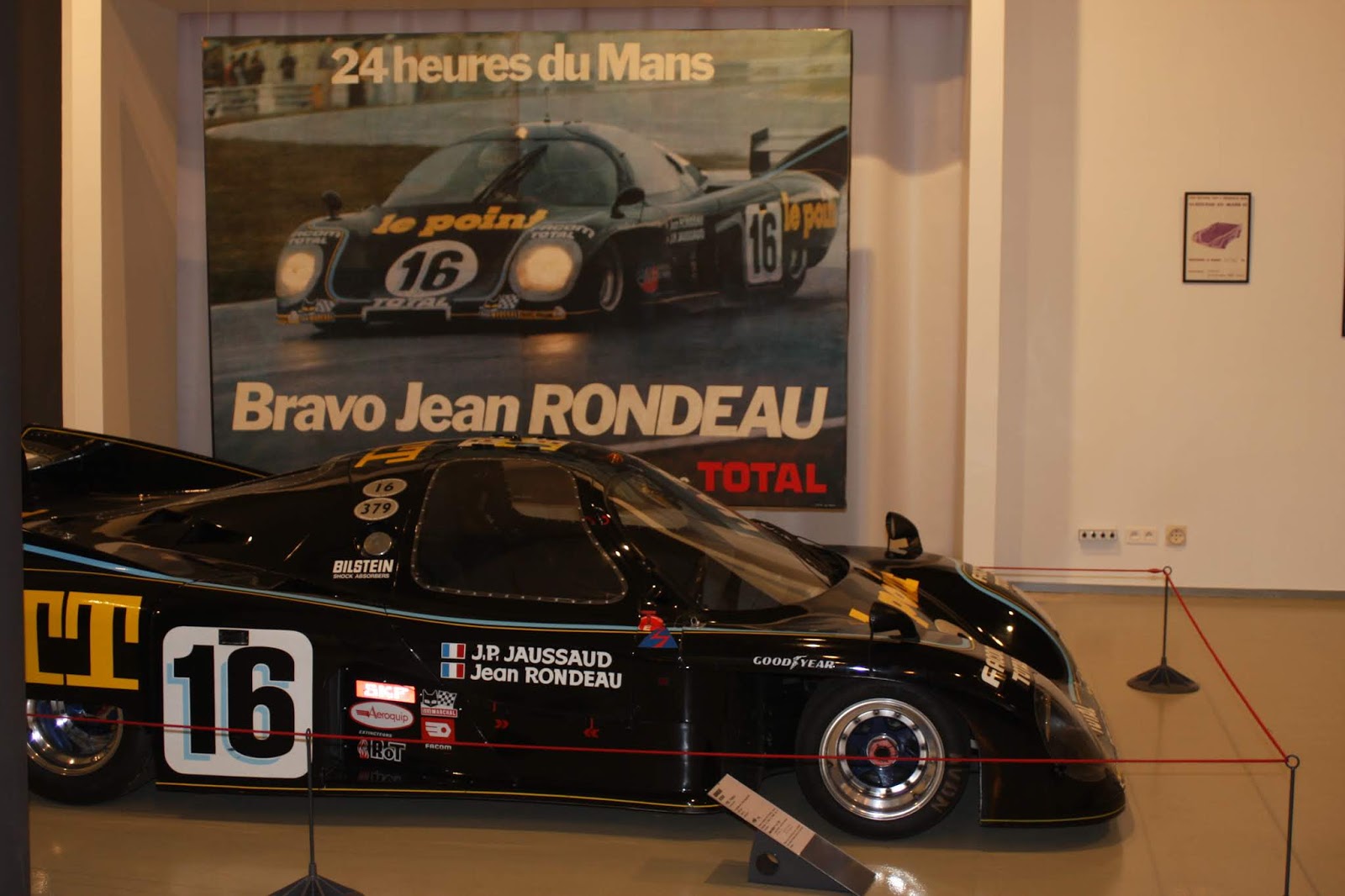
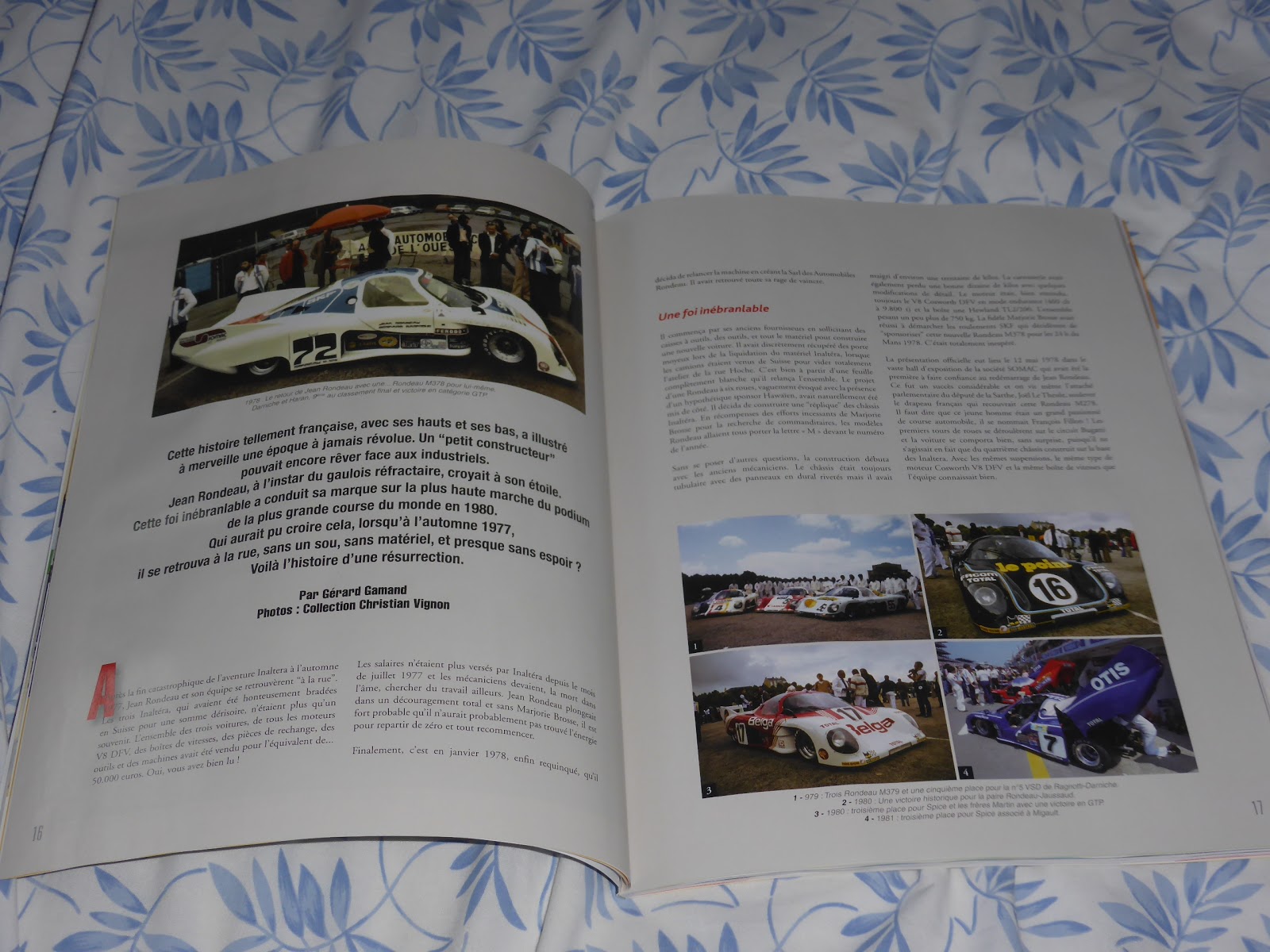
Ricorre quest\’anno il quarantennale della vittoria di Jean Rondeau a Le Mans, un avvenimento storico in un\’edizione alquanto atipica della 24 Ore. L\’articolo su Rondeau pubblicato nell\’ultimo numero di Autodiva (di cui leggete la recensione a questo link: http://grandiepiccoleauto.blogspot.com/2020/04/come-autodiva-analisi-di-una-rivista-un.html) mi ha spinto a cercare nei miei archivi, fino a trovare alcune immagini dell\’omaggio dedicato presso il museo di Le Mans al costruttore francese in occasione del trentennale della vittoria nel 2010. Ecco quindi una breve carrellata di quello che era possibile ammirare al museo della 24 Ore, in cui alle vetture normalmente in collezione si erano aggiunte altre auto e vari cimeli. La M379B nei colori ITT-Le Point, vittoriosa a Le Mans dovrebbe essere il terzo telaio costruito di questo modello. Dopo la vittoria del 1980, questa M379B, che aveva esordito alla 24 Ore del 1979 con i colori ITT-Oceanic, fu schierata nel 1981 con lo sponsor Otis e poi ancora nel 1982 (Primagaz). Nel giugno 1983 venne venduta a un industriale e poi a un avvocato parigino. Nel 1986 fu esposta in occasione della 24 Ore, di nuovo con la decorazione di Le Mans 1980. Non saprei se la carrozzeria utilizzata fosse una di quelle utilizzate originariamente; essa appare oggi ben vissuta, ma in ogni caso non credo sia la carrozzeria con la quale la vettura, guidata da Jean Rondeau e Jean-Pierre Jaussaud, terminarono la gara. (foto David Tarallo).
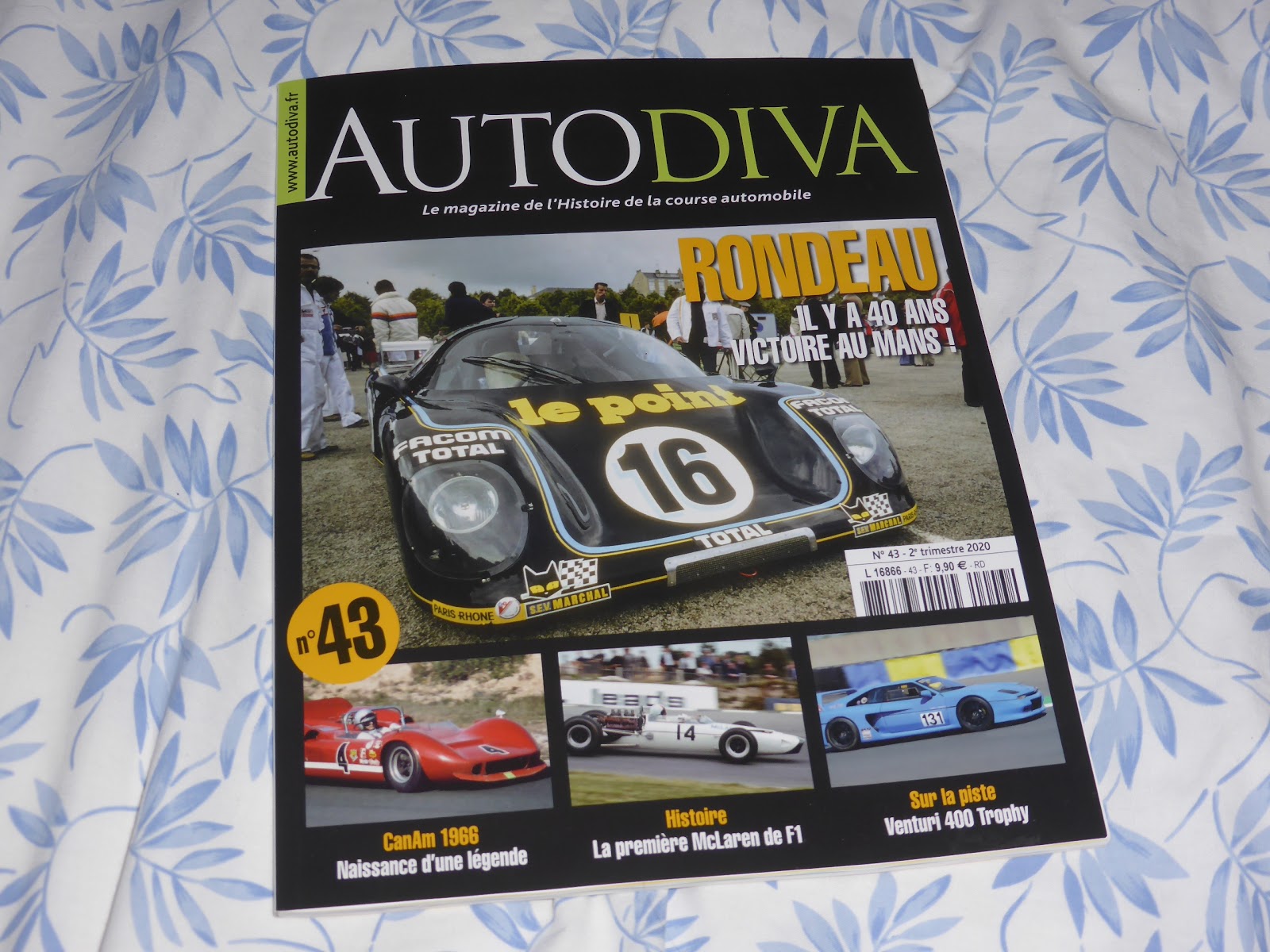
Autodiva ricorda un po\’ il nostro Autocollezioni Magazine: contenuti molto selezionati, direttore-factotum (nel nostro caso Gérard Gamand, pilota, collezionista, esperto di storia). La rivista esce ogni tre mesi e si pone come obiettivo quello di trattare temi particolari, poco conosciuti e comunque sotto un aspetto inedito con documentazione di qualità. In passato, iniziative editoriali di questo genere hanno avuto vita breve (vedi ad esempio Historic Motor Racing all\’inizio degli anni duemila) mentre altre, finanziate in modo adeguato, hanno potuto continuare in modo abbastanza tranquillo la loro vita. Autodiva, in lingua francese, costa € 9,90. La cover story di questo numero è dedicata a Jean Rondeau, di cui quest\’anno ricorre il quarantesimo anniversario della vittoria di Le Mans. Su Rondeau è stato già scritto tanto, compresi alcuni libri molto ben fatti, contemporanei alla sua attività.
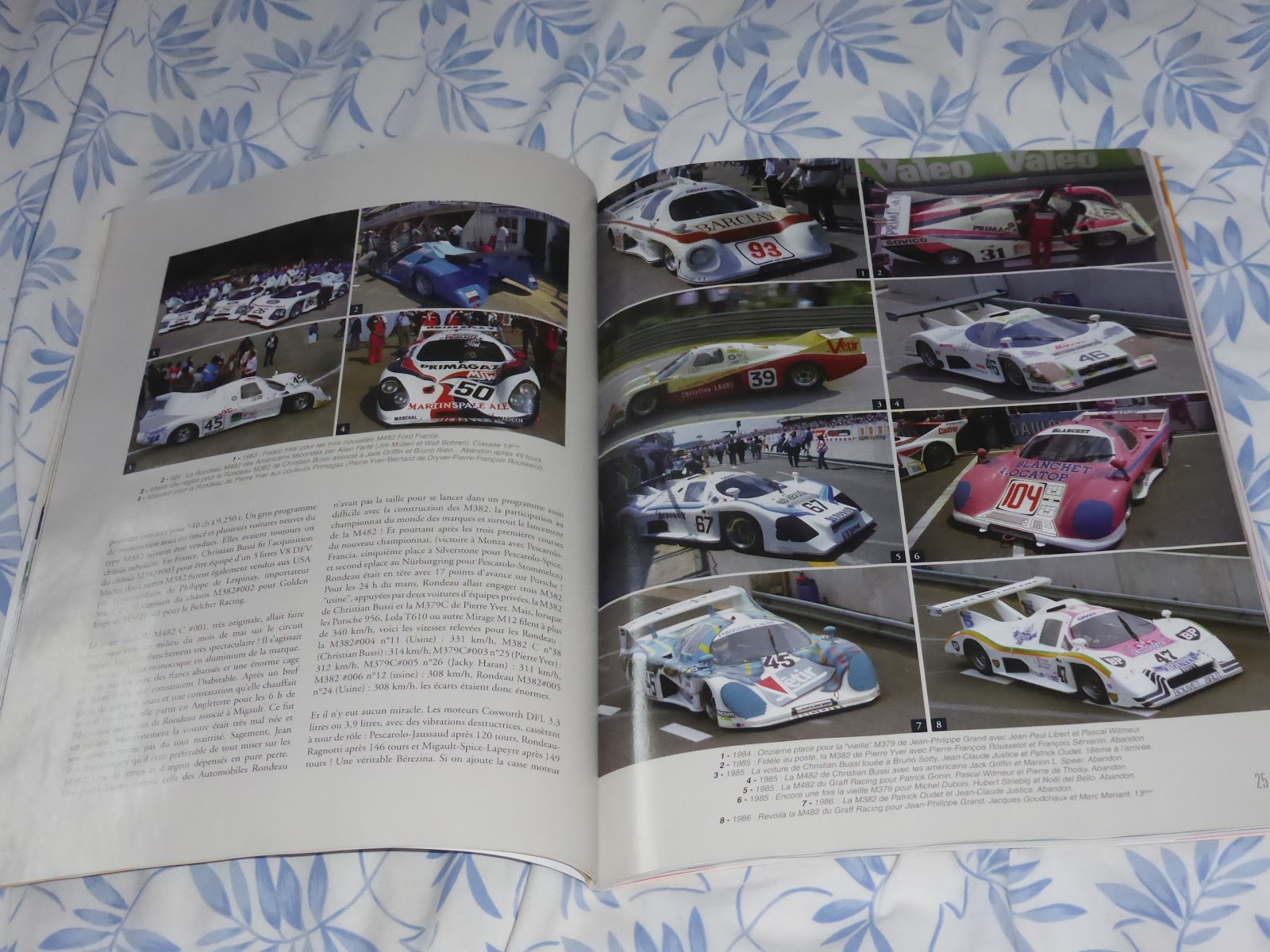
Eppure in questo articolo di 15 pagine, qualche cosa di interessante e di inedito si trova, compreso un utile schema con tutta la produzione Rondeau, con un occhio particolare per il modello M379, quello vittorioso a Le Mans. Le foto appartengono all\’archivio di Christian Vignon.
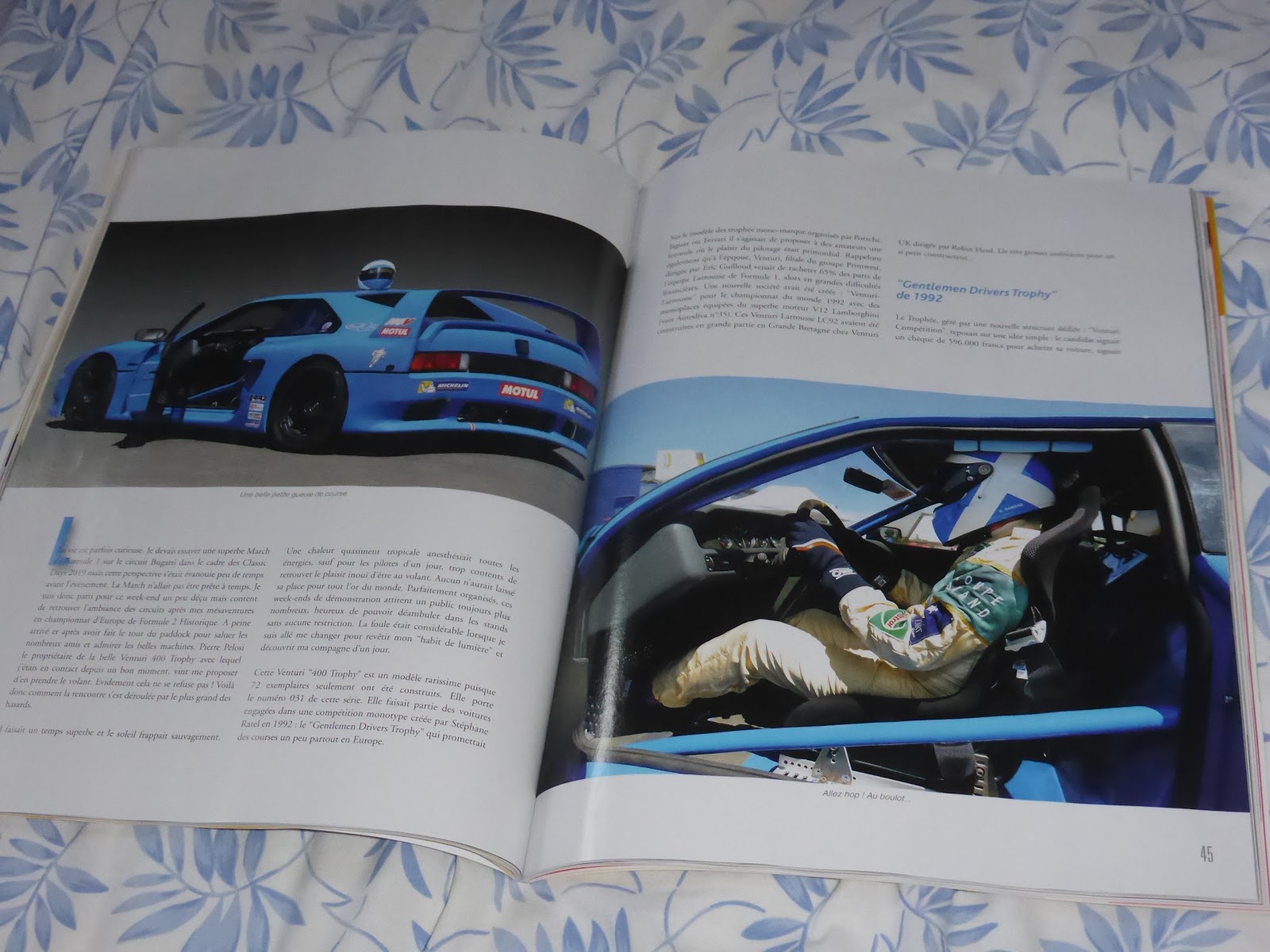
Interessante, nello stesso numero, la prova della Venturi 400 in configurazione monomarca; altri articoli storici raccontano la stagione Can-Am 1966 e l\’evoluzione della prima McLaren di Formula 1. Davvero intriganti le memorie di Guy Prat, meccanico della Matra, che racconto a Henri Gué la lunga trasferta a Buenos Aires per la 1000km del 1971, gara tristemente passata alla storia per l\’incidente di Ignazio Giunti. In sintesi, Autodiva non è forse una pubblicazione irrinunciabile come potrebbe esserlo Automobilsport, ma merita senz\’altro una certa attenzione per l\’originalità delle scelte e la cura dei testi e della documentazione.
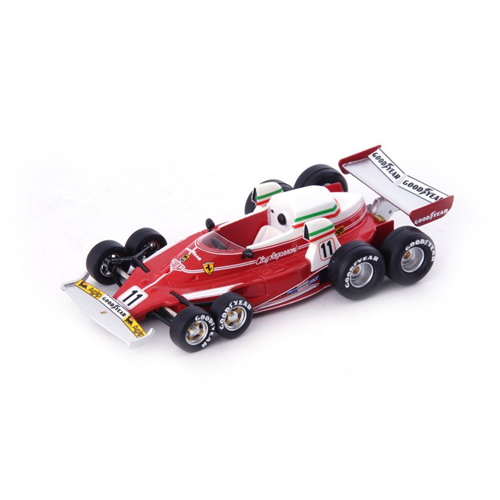
E\’ di moda sui forum, sui blog e siti vari creare, con l\’ausilio delle enormi potenzialità della post-produzione (ossia il ritocco e la trasformazione a tavolino delle foto), realtà parallele o post-verità, che sconfinano direttamente nella fantasia. Fake? Certamente, ma se sono dichiarati e onesti, perché no? E\’ il caso della Ferrari 312 T8, mitica monoposto a otto ruote mai esistita, creata non negli uffici tecnici di Maranello, ma in un laboratorio fotografico, della quale Cult Car ha realizzato un simpatico modello in scala 1:43 (foto sotto). E tutto sommato, se una monoposto a otto ruote l\’avevano immaginata i giapponesi per Takaya Todoroki, perché non pensare a un caso omologo ferrarista?
Del resto ricavare modelli da fumetti, film o cartoni animati non è certo una novità; tirarne fuori altrettanti approfittando della fervida fantasia dei photoshoppisti è un\’altra frontiera dell\’immaginazione modellistica.
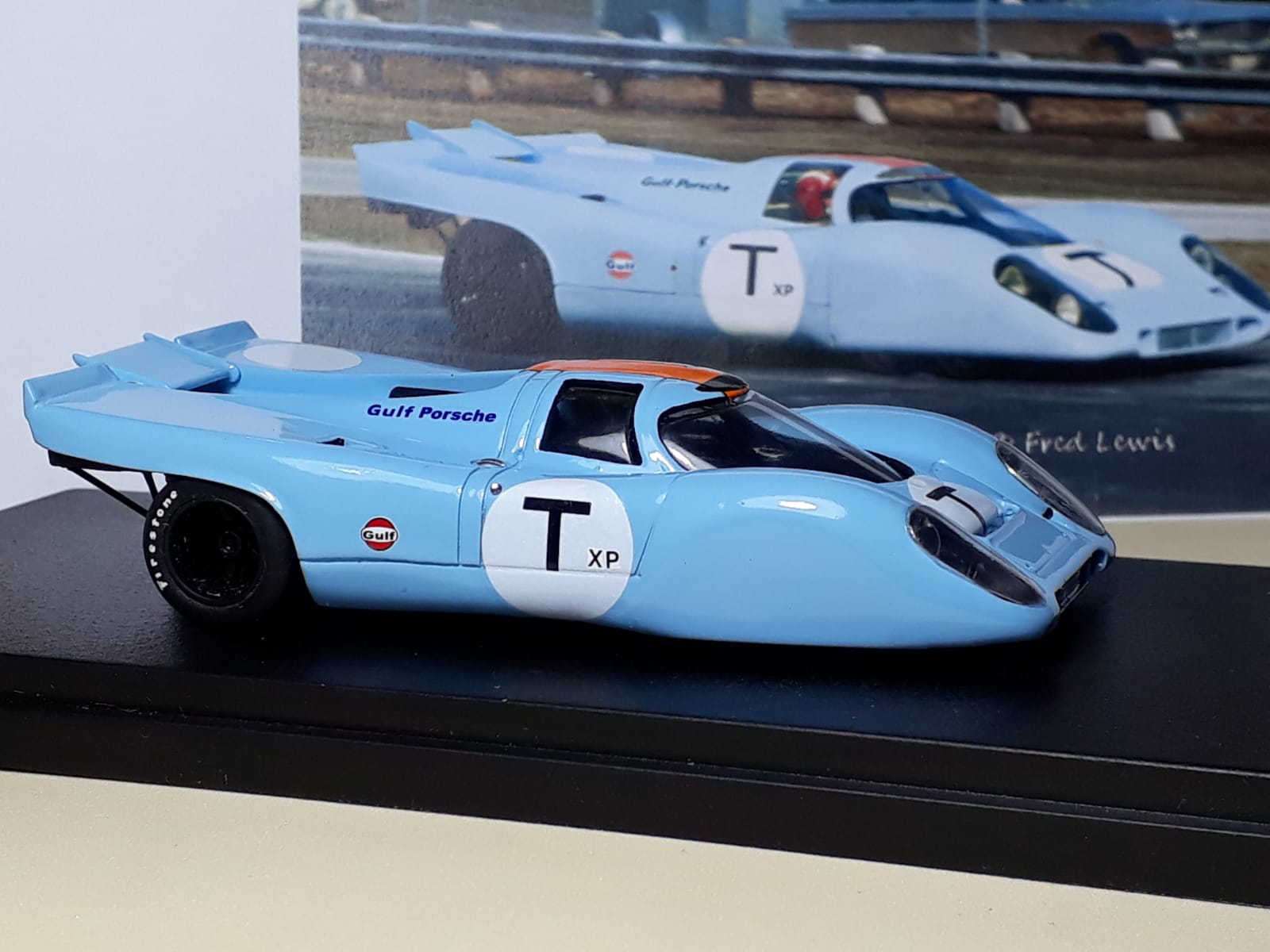
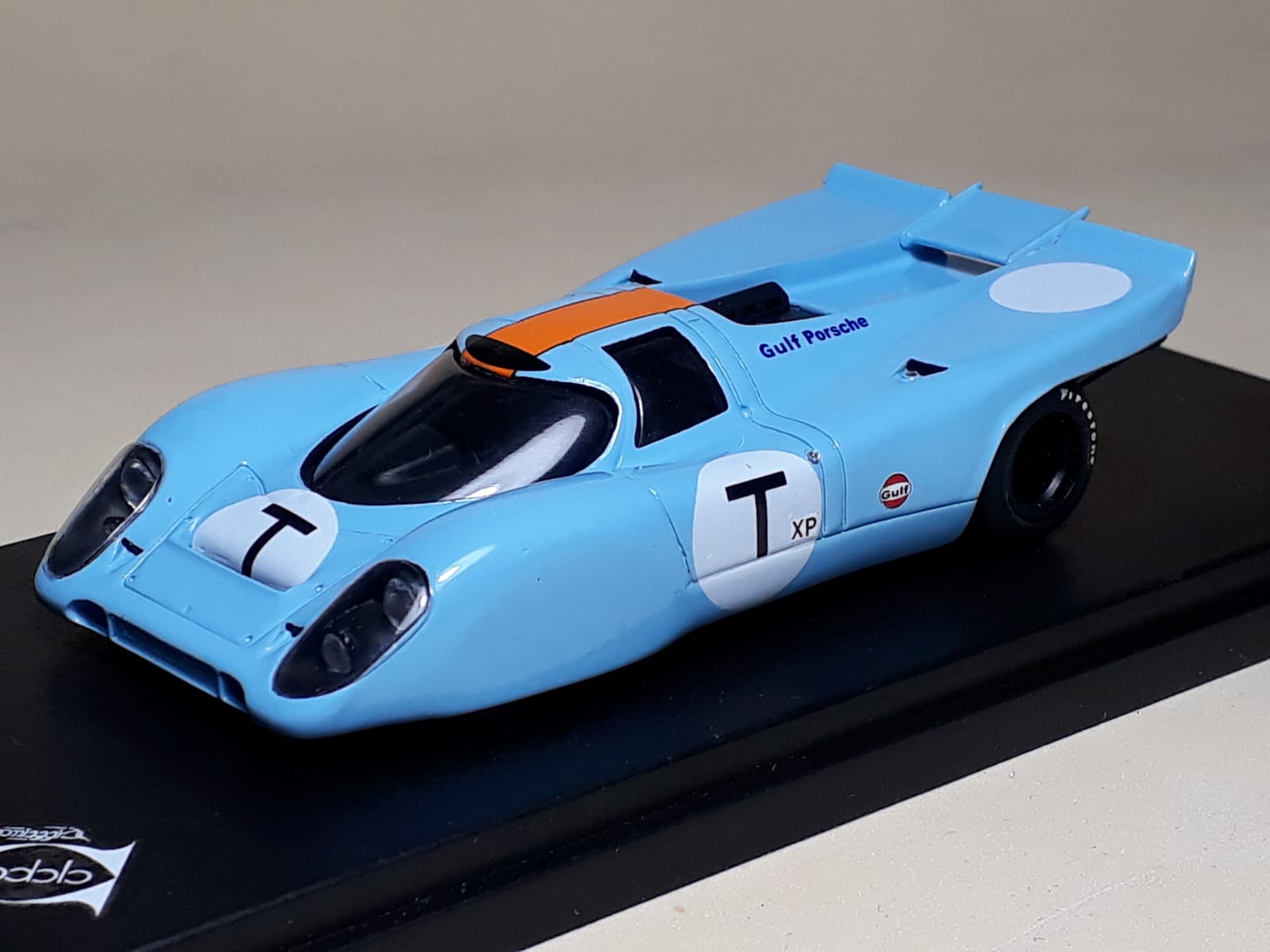
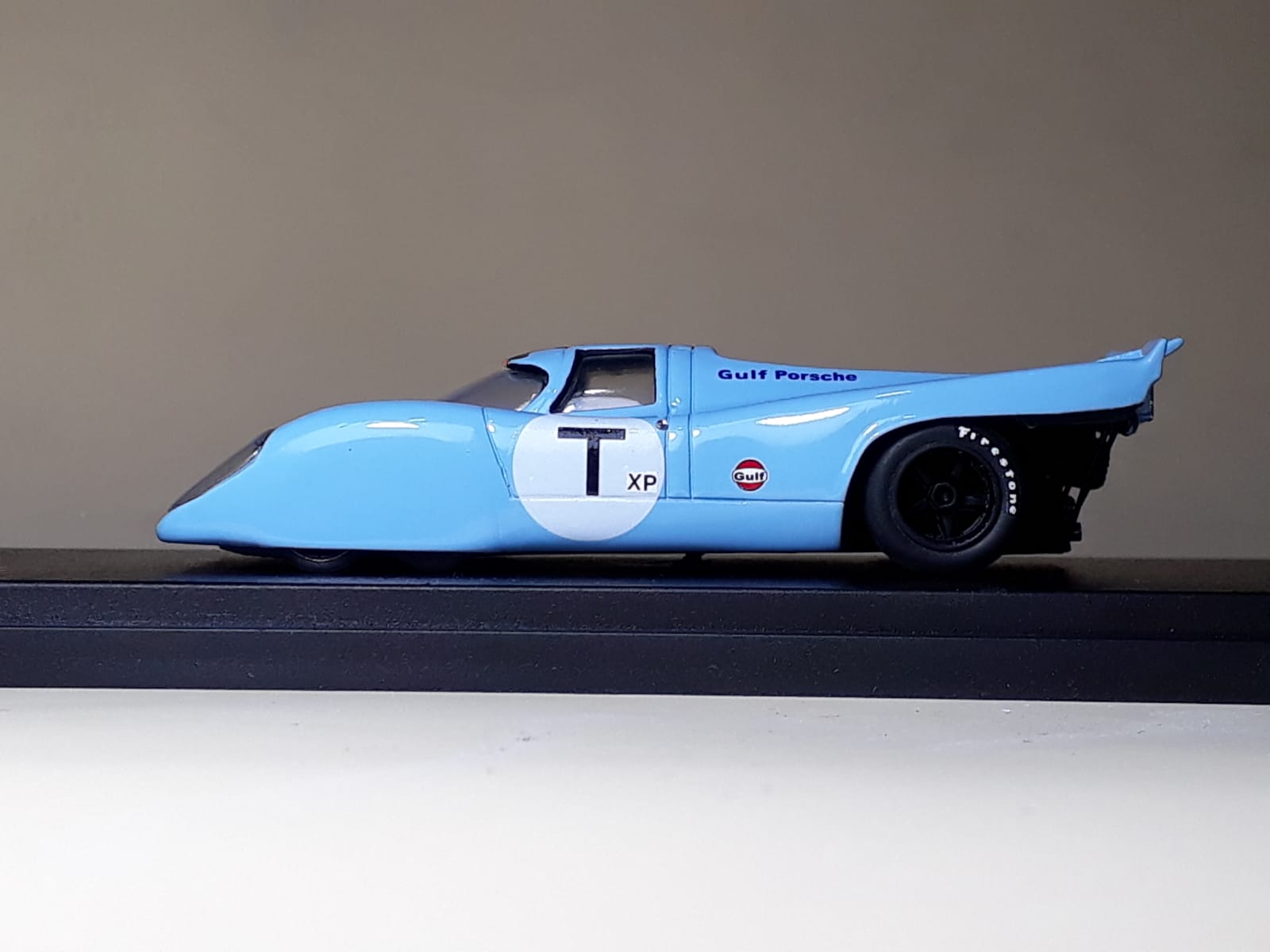
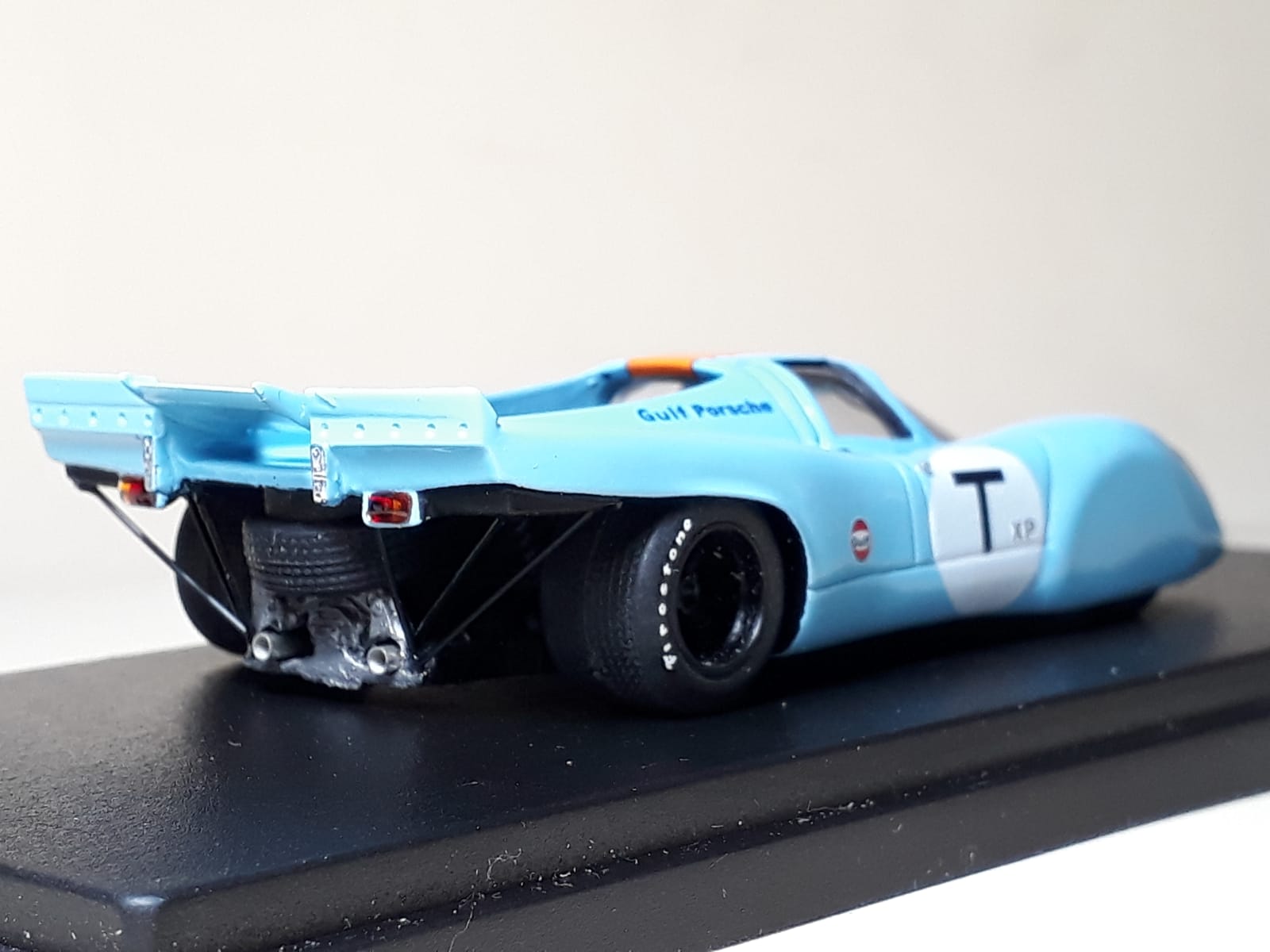
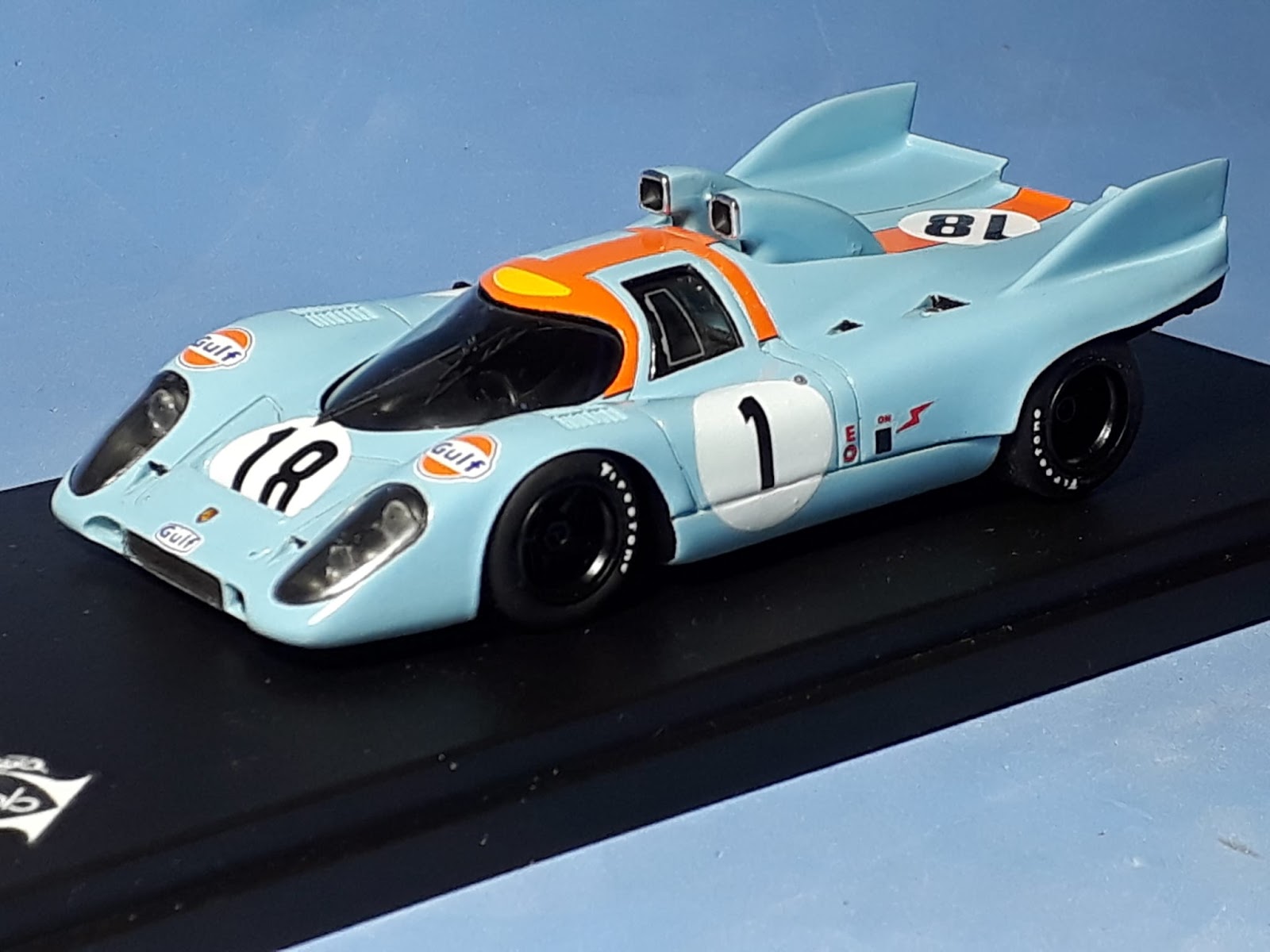
Fra le tante stranezze che girano in rete vi è una Porsche 917K a sei ruote (lo schema è quello della Tyrrell P34), che avrebbe partecipato alle prove della 24 Ore di Daytona 1970 con Jo Siffert al volante.
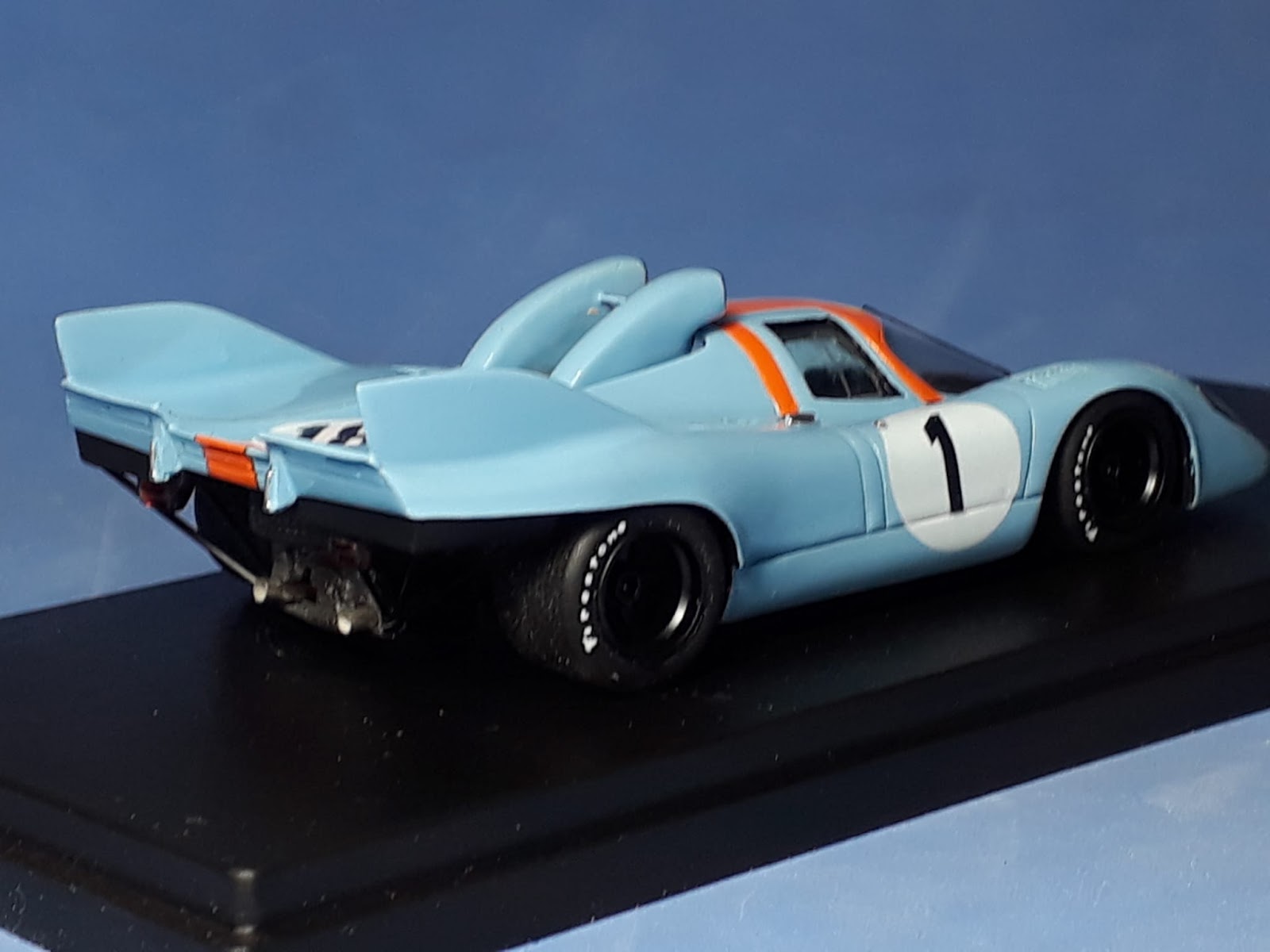
Naturalmente questa macchina non è mai esistita: o meglio, è esistito il muletto con la lettera T, ma non certo con quattro ruote anteriori. Ma proprio perché gli amanti di queste bizzarrie sono parecchi, Remember ha pensato di rendere omaggio a questo fake realizzando una serie limitata di questa 917 a sei zampe, sperando che essa venga accolta col giusto spirito.
Del resto, Rino Robustelli non faceva modelli a forma di pallone da calcio, di wurstel o in bianco e nero? Il modello della Porsche 917K a sei ruote è disponibile a questo link: https://www.geminimodelcars.com/listing/791798801/porsche-917k-gulf-team-wyer-six-wheeler Aggiornamento: Il modello non è più disponibile, qualcuno è stato molto veloce… Ci sarà forse una seconda serie.
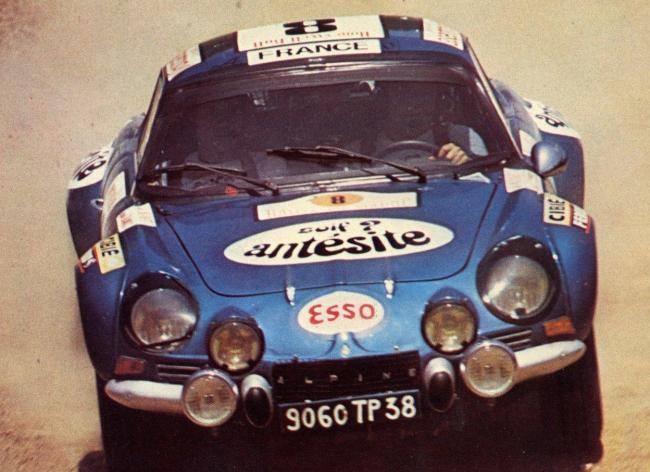
Eliomodels produrrà presto una serie limitata (si parla di 5 o 6 esemplari al massimo) dell\’Alpine-Renault A110 1800 pilotata da Neyret al Rally del Marocco 1975. La base prescelta è il Trofeu, modello già ottimo di per sé, che sarà decorato con decals disegnate da Roberto Pigorini e stampate da Fides. Pigorini, ex-manager Pirelli di Bollate (Milano), si occuperà anche del montaggio.
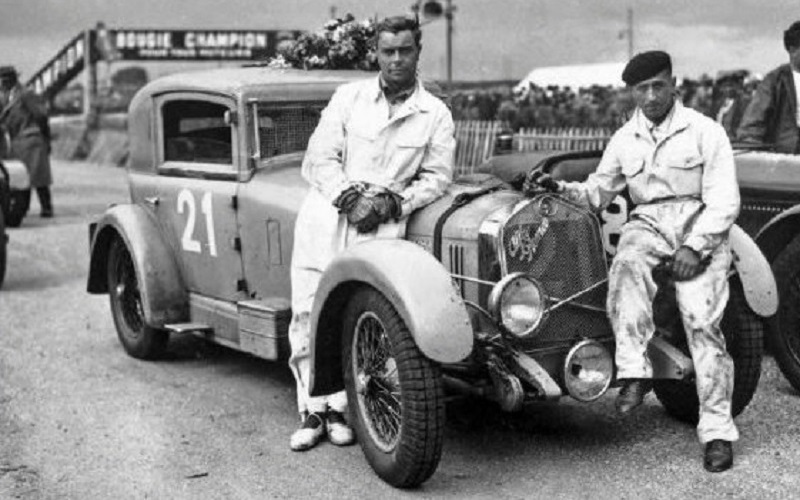
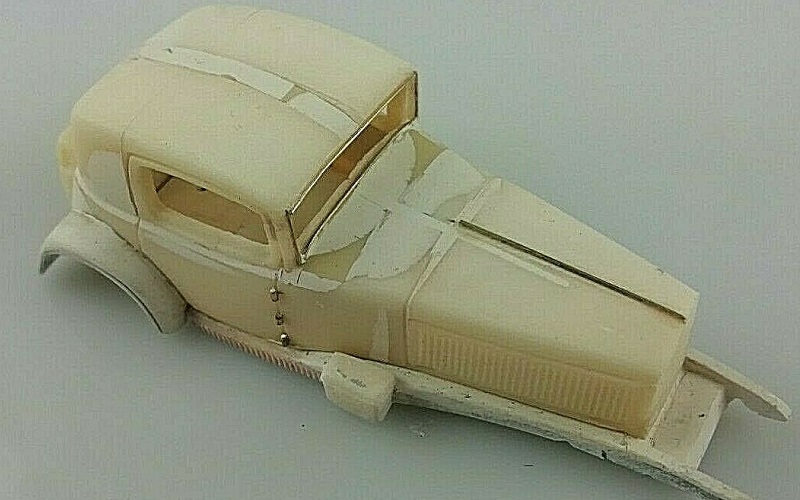
Un master di un modello può costare svariate migliaia di euro; dietro la prototipazione è spesso sottovalutato da chi non ha mai avuto a che fare, direttamente o indirettamente, con la produzione di modelli. Ecco perché chi ha acquistato per 341 euro su eBay il master dell\’Alfa Romeo 6C 1750 GS Coupé di Le Mans 1933 dovrebbe aver fatto un buon affare. Georges Pont aveva messo in vendita il prototipo di una configurazione inedita, che riproduce la vettura che con i francesi André Rousseau e François Paco concluse all\’ottavo posto assoluto e primo di categoria fino a 3 litri (nella foto sotto).
Per la verità il modello non è proprio del tutto inedito, se si considera una riproduzione di Raymond Daffaure nella serie RD Marmande, ma stiamo parlando di un modello di oltre mezzo secolo fa, autocostruito esemplare per esemplare. Molto probabilmente, chi ha acquistato il prototipo di Pont (che, ricordiamo, è il fondatore del marchio CCC, oggi proprietà di Nils Hévia), cercherà di sfruttare al massimo l\’investimento, replicandolo in serie più o meno limitata.
Ha senso andare avanti con rubriche come \”rassegna stampa\” in un periodo in cui il mondo (o una vecchia idea del mondo) sembra in procinto di collassare su se stesso ogni giorno che passa? La risposta è difficile. Ad ascoltare il \”canale unico\” italiano – credete ancora alla pluralità d\’informazione? – siamo alle soglie della catastrofe. Forse sì, forse no; fatto sta che in passato l\’uomo ha subito crisi ben peggiori di questa, solo che non ce ne ricordiamo. E poi cosa dovrebbero dire i dinosauri? Quelli mica te la raccontano, oggi.
Il numero 139 di Modelli Auto, nato e pubblicato in piena era Covid-19, è un signor numero e scusate se lo dice uno che fa parte della squadra dei collaboratori, ma quando ci vuole ci vuole. Non è un momento facile, a meno che non abbiate investito buona parte dei vostri patrimoni in carta igienica, in bitcoin o in armi.
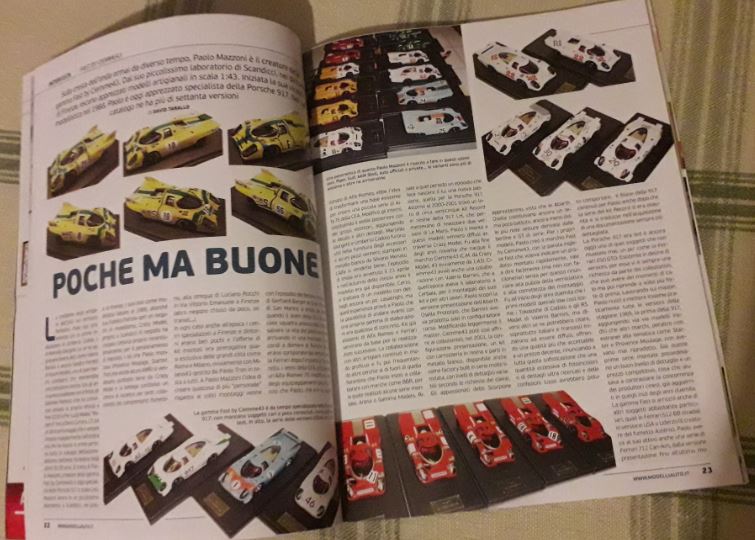
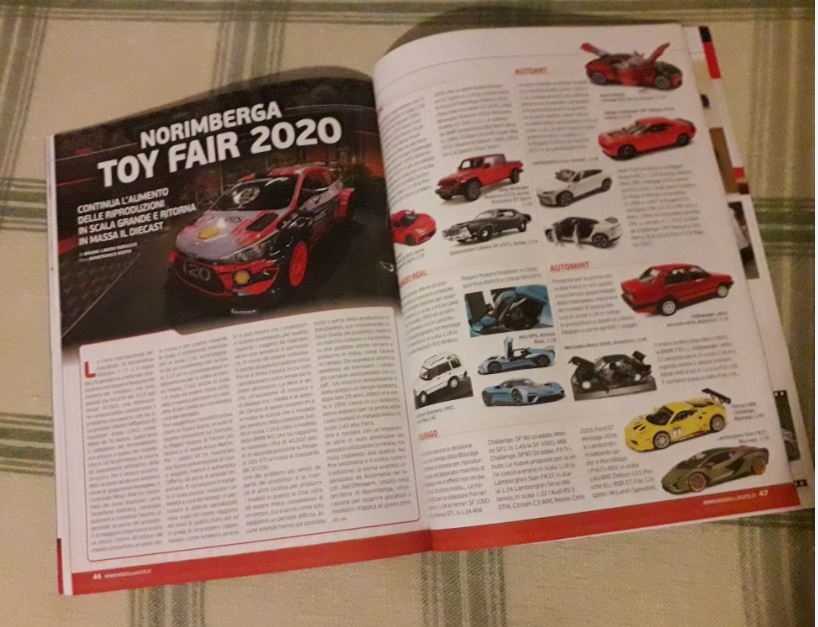
La chiusura dei negozi è una mazzata per molte delle riviste specializzate, e meno male che ci sono le edicole aperte. Gli abbonati stanno ricevendo Modelli Auto in questi giorni, ed è davvero – come dicevo – un numero ricco. Il nostro Bruno Boracco si è come al solito smazzato Norimberga, accompagnato dal Gianfranco Berto, l\’editore, armato di macchina fotografica. Affrontare Norimberga non è semplice: bisogna scarpinare e parlare con tremila persone se si vuole tirar fuori qualcosa di originale che non sappia di comunicato stampa. Molta parte della rivista è occupata dalla Toy Fair 2020 (miracolosamente scampata al ciclone coronavirus) ma non è che il resto dei contenuti sia un mero riempitivo, anzi. Troviamo le solite puntuali e competenti recensioni di Umberto Cattani, la tecnica e alcuni speciali come l\’articolo dedicato a Paolo Mazzoni, creatore del marchio Fast by Ciemme43.
A proposito di tecnica, gustoso il WIP di Alessandro Prini, settima parte di una serie di montaggi dedicati ai protagonisti della Trento-Bondone: stavolta tocca alla Giannini 650NP di Maurizio Leonardelli, elaborazione su base Tamiya. Piero Tecchio completa con ulteriori foto il resoconto del lavoro di Chan Rosso sulla Ferrari 250 GTO di AMR. E non è finita qui: Modelli Auto si conferma un ottimo mix e una delle riviste più varie sulla scena. E siamo sicuri che sconfiggerà anche il Covid-19.
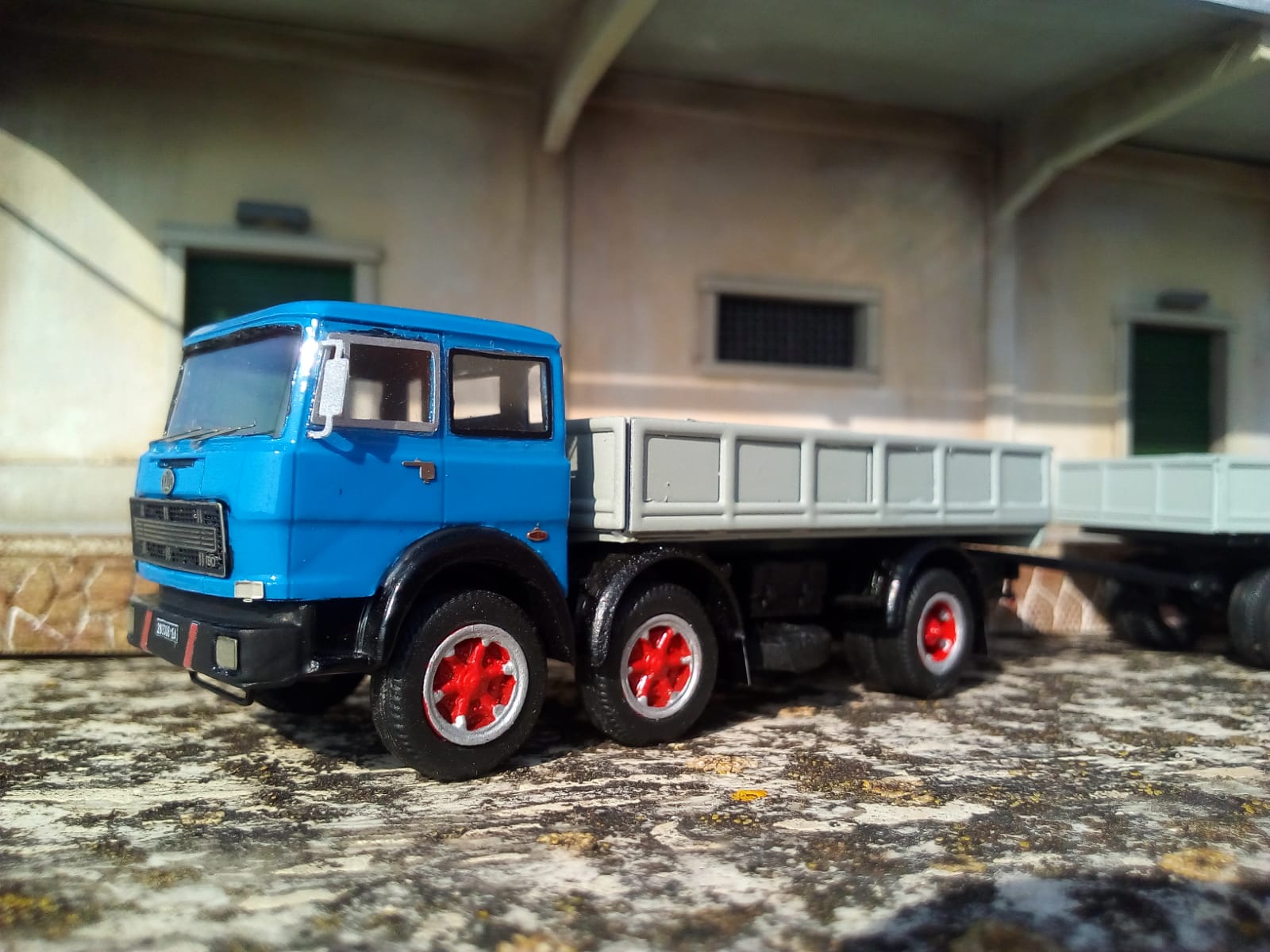
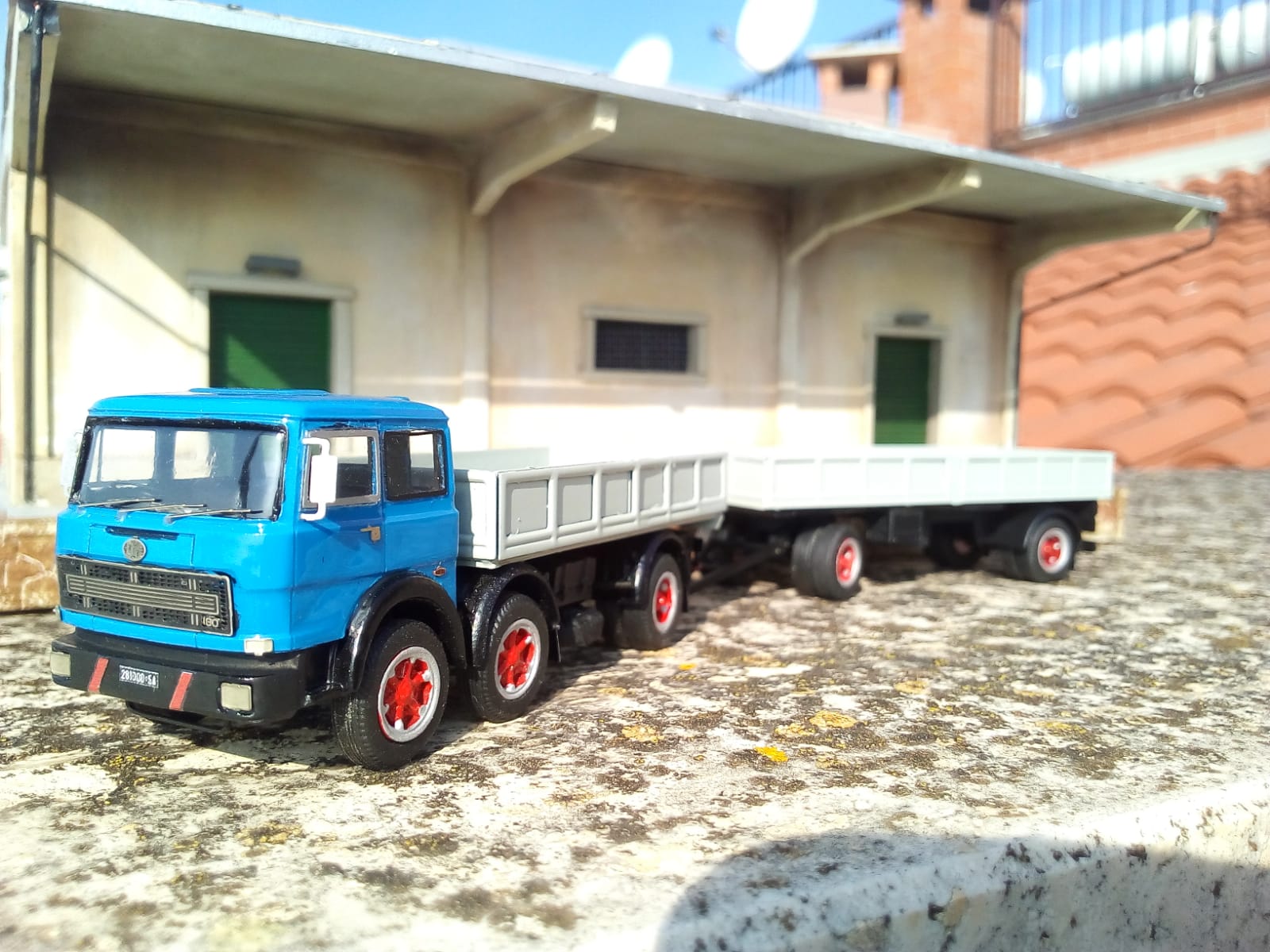
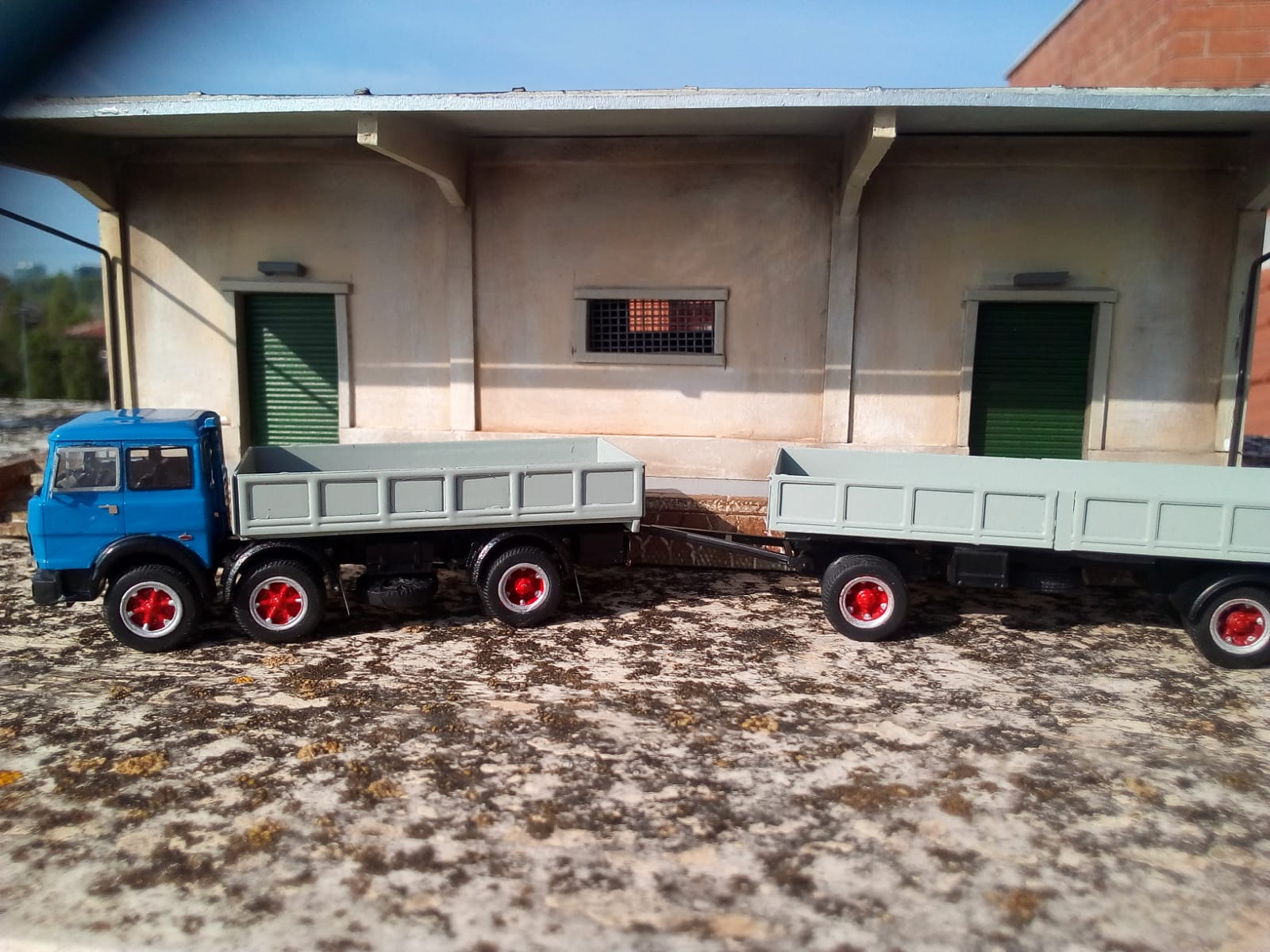
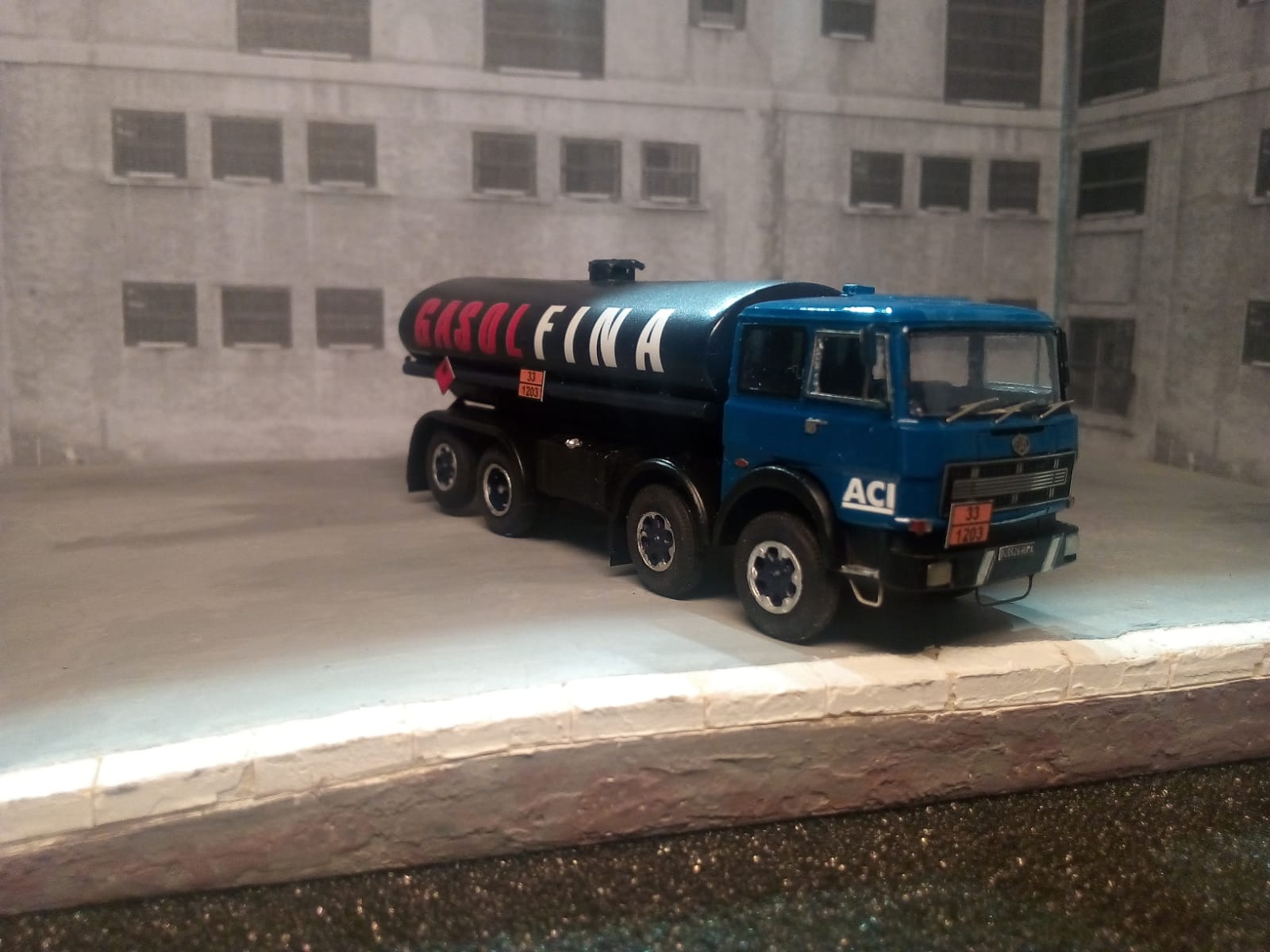
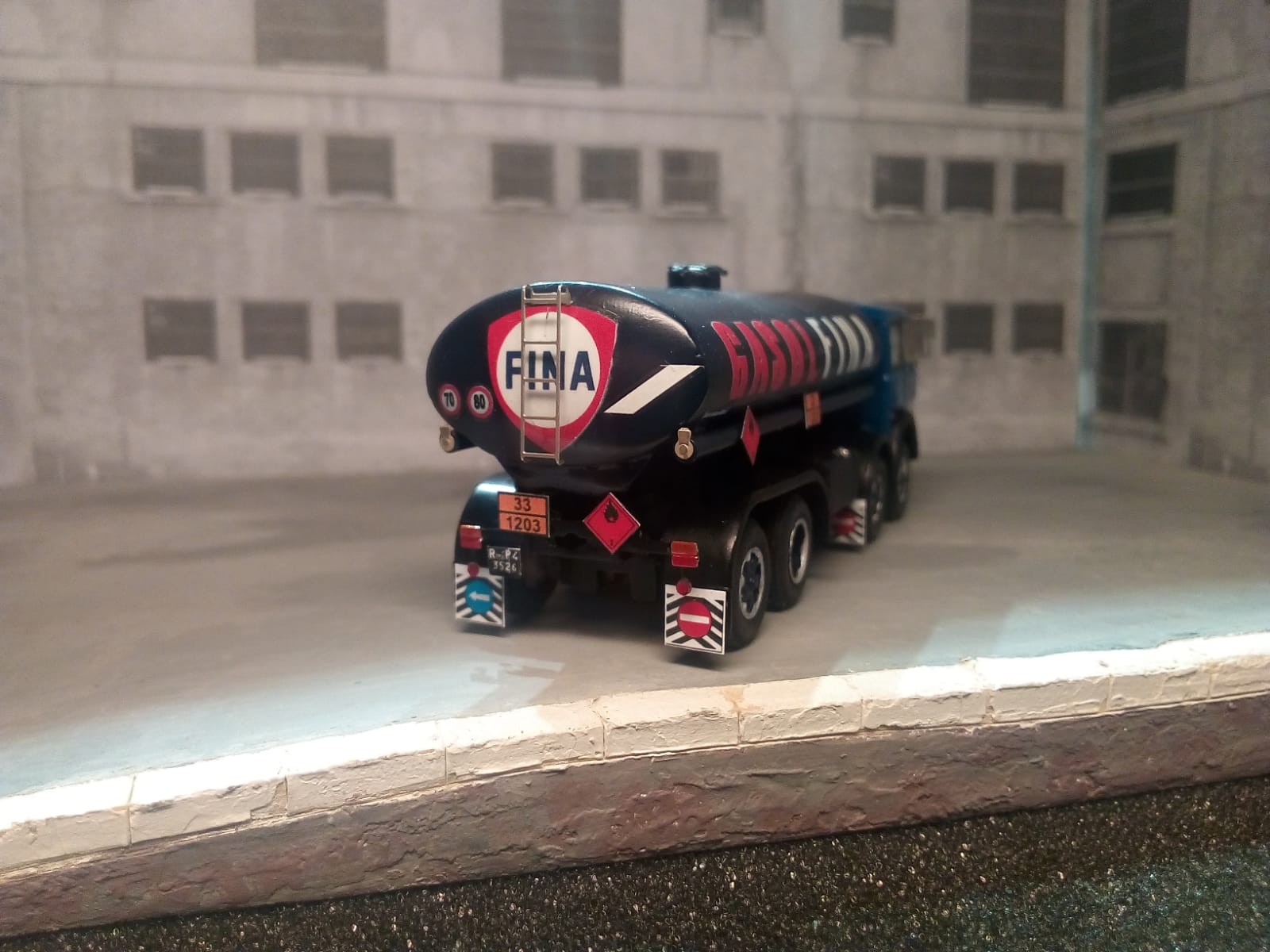
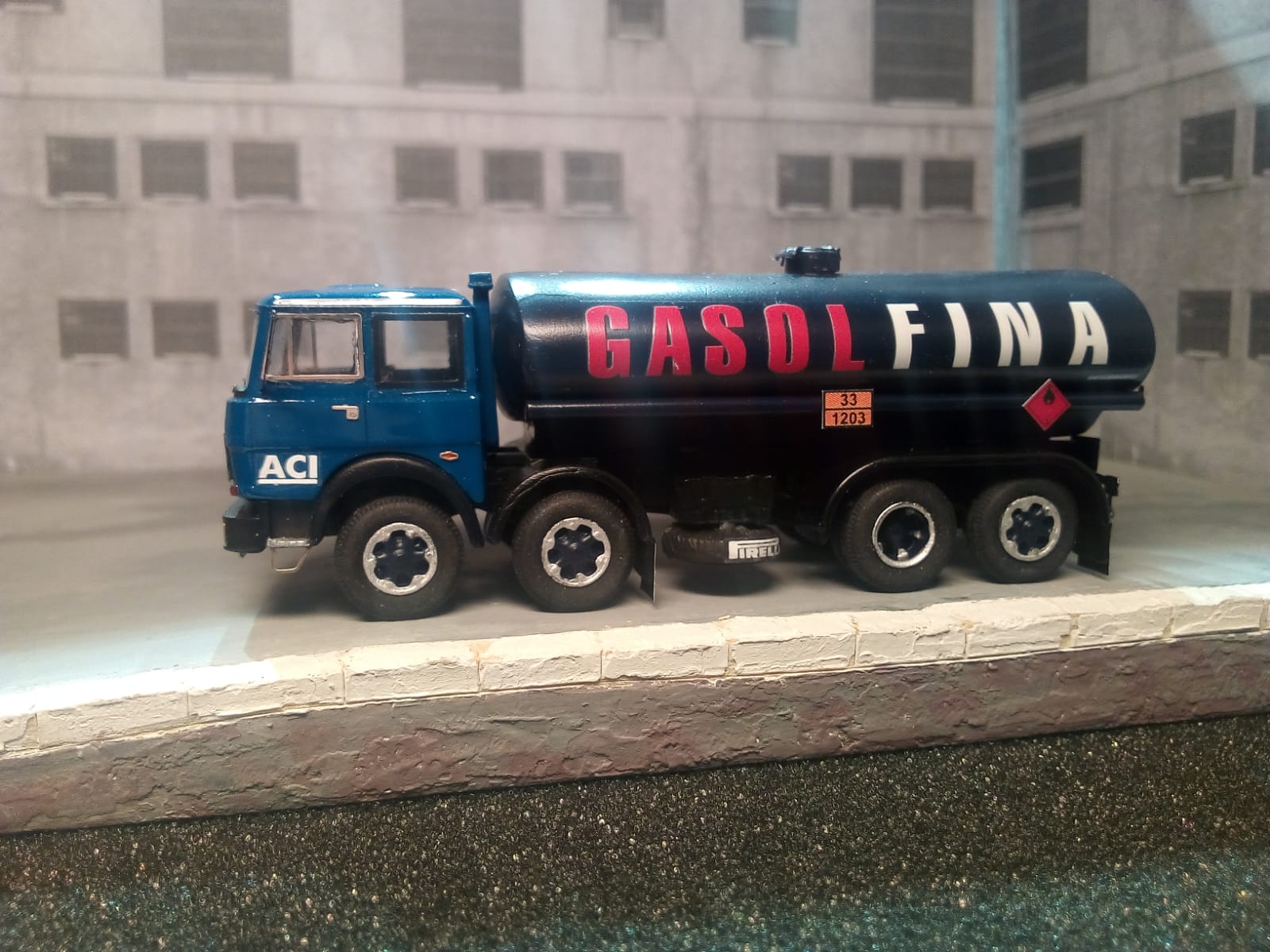
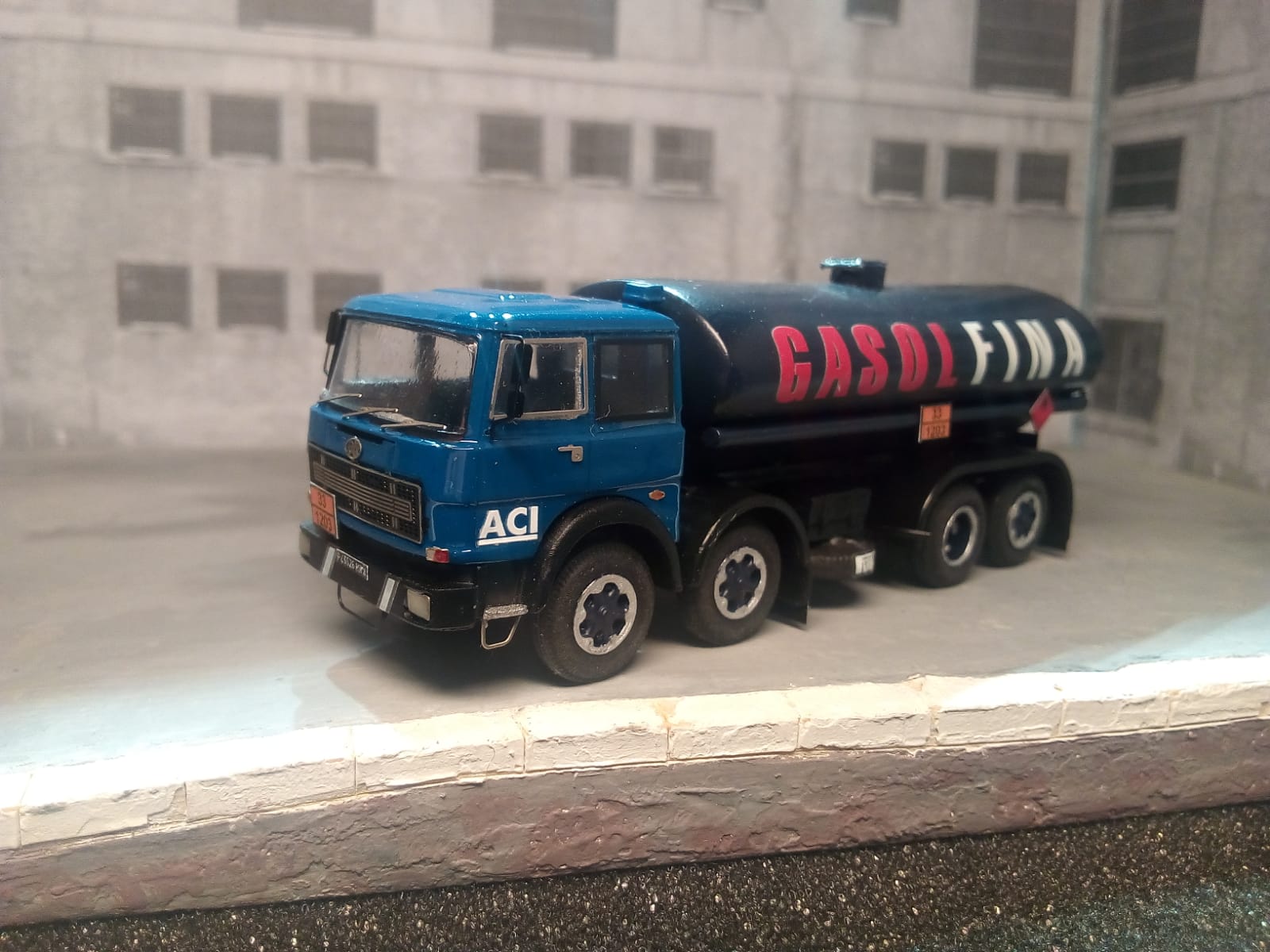
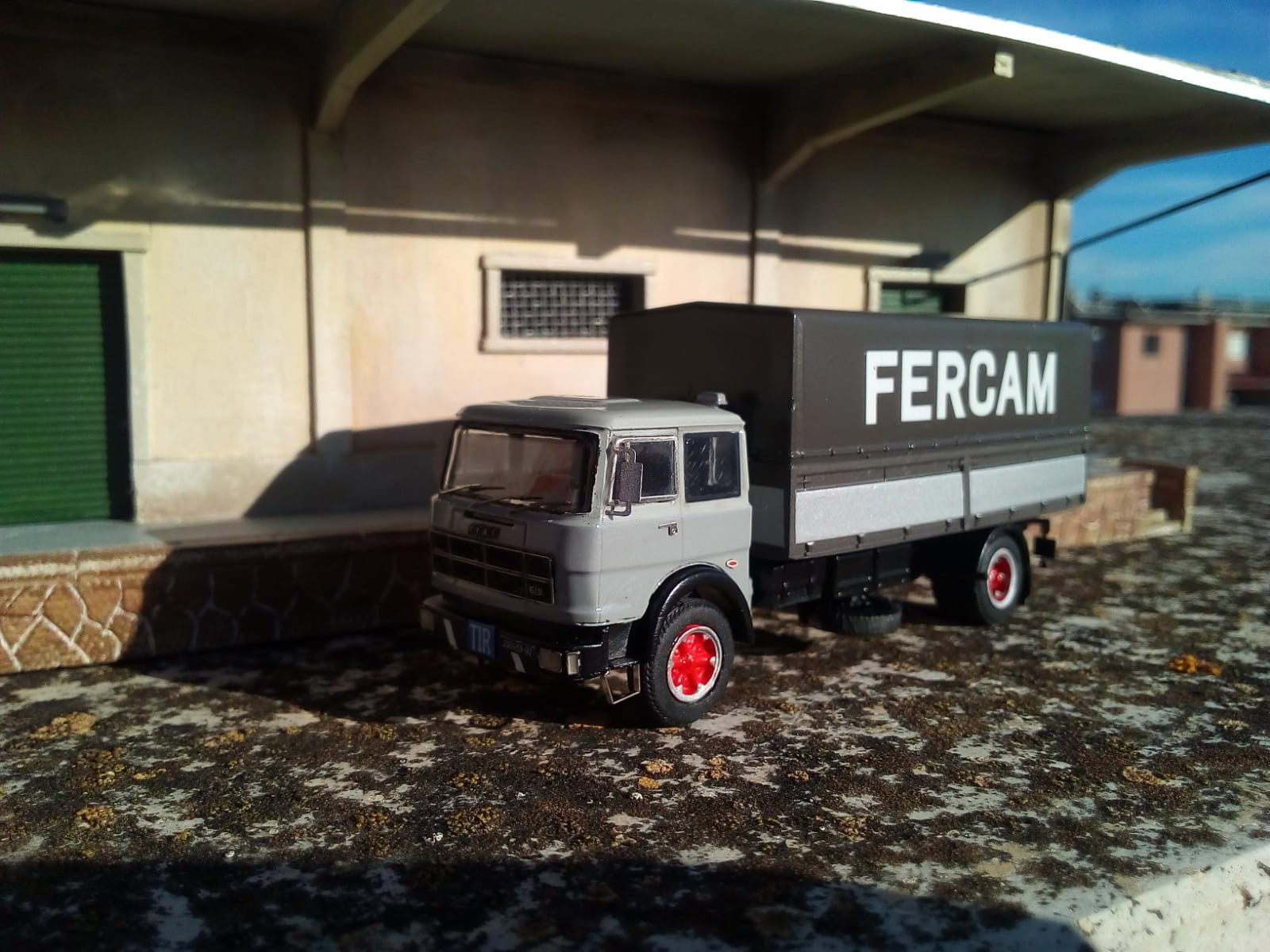
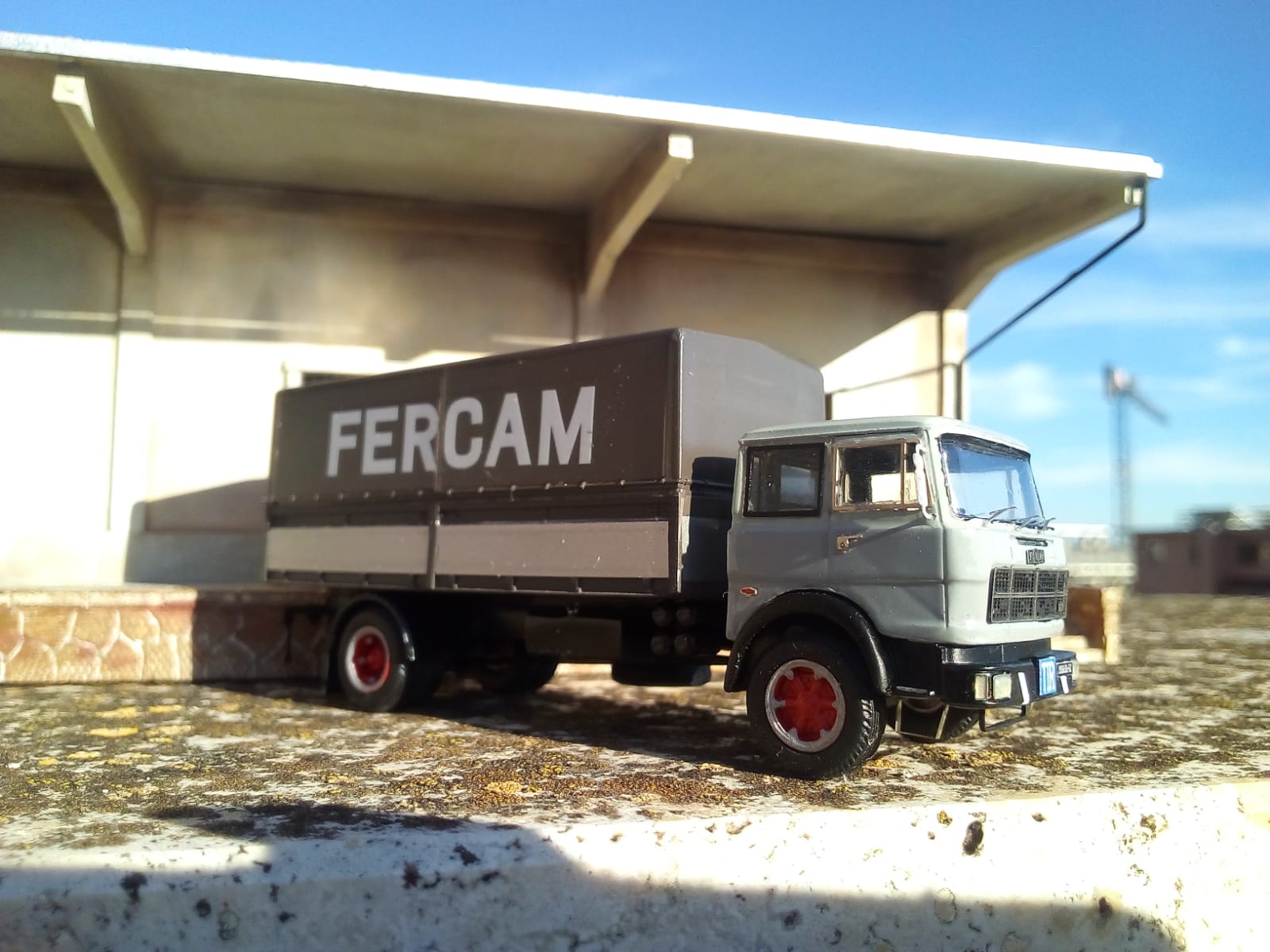
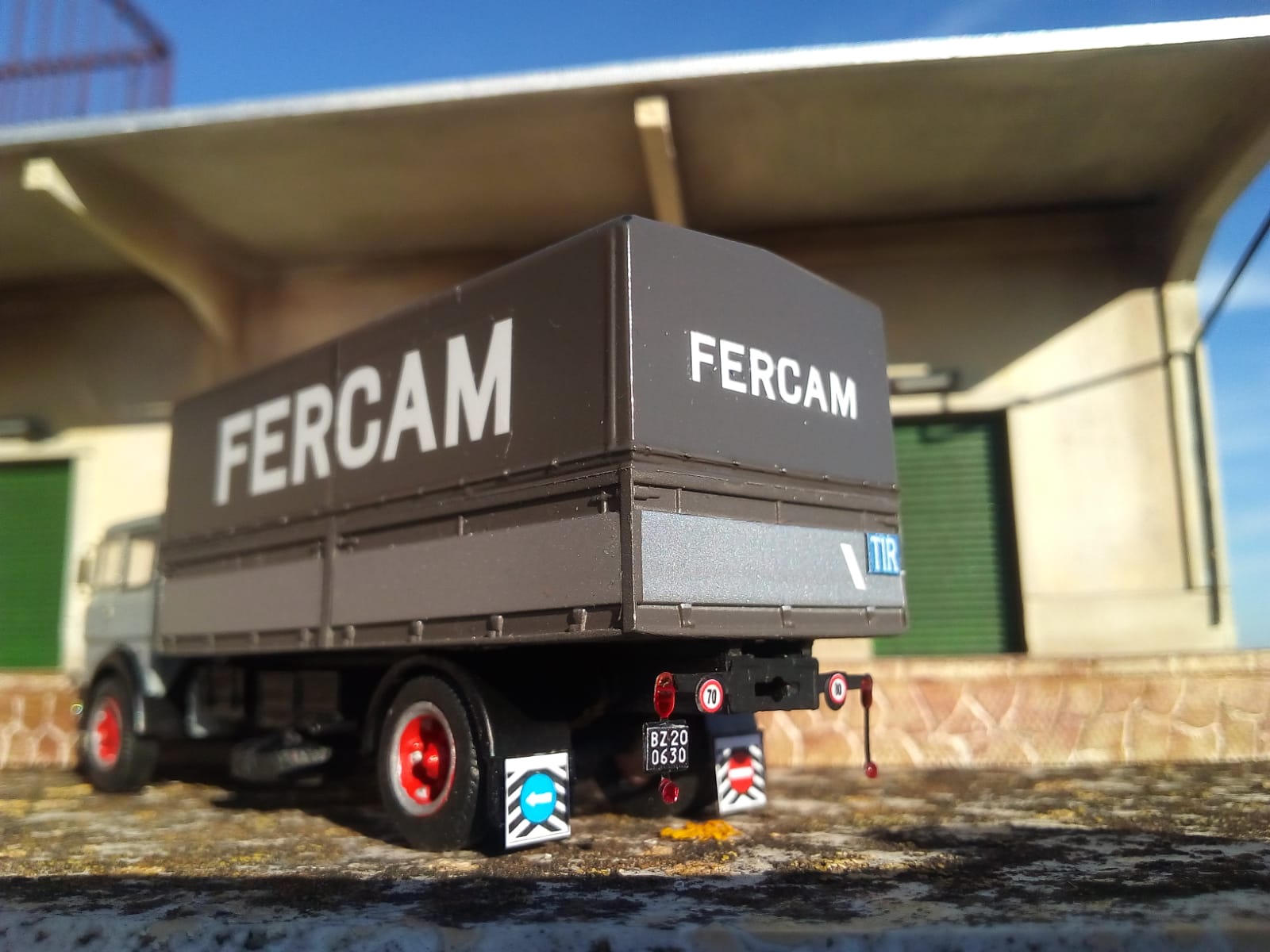
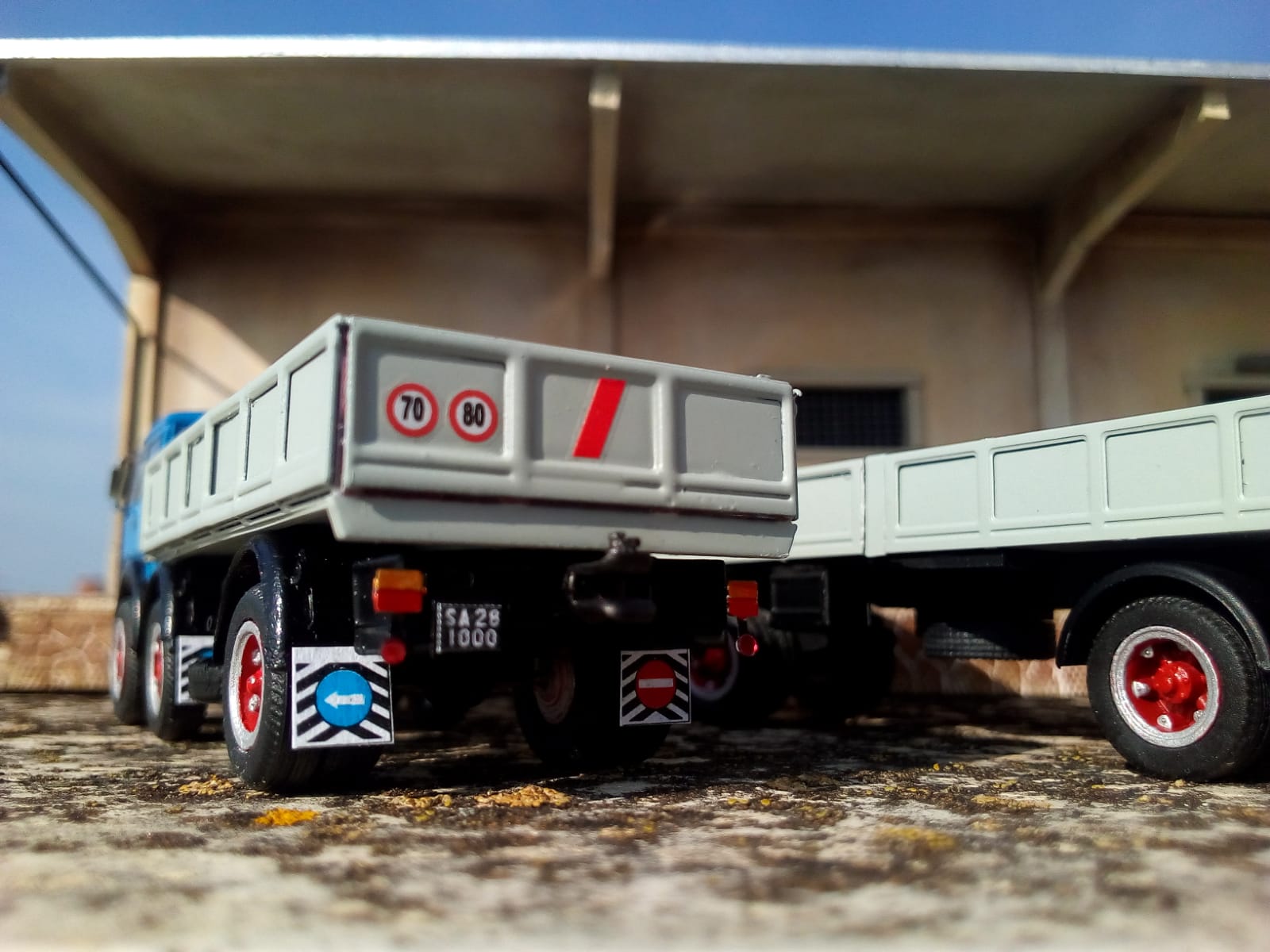
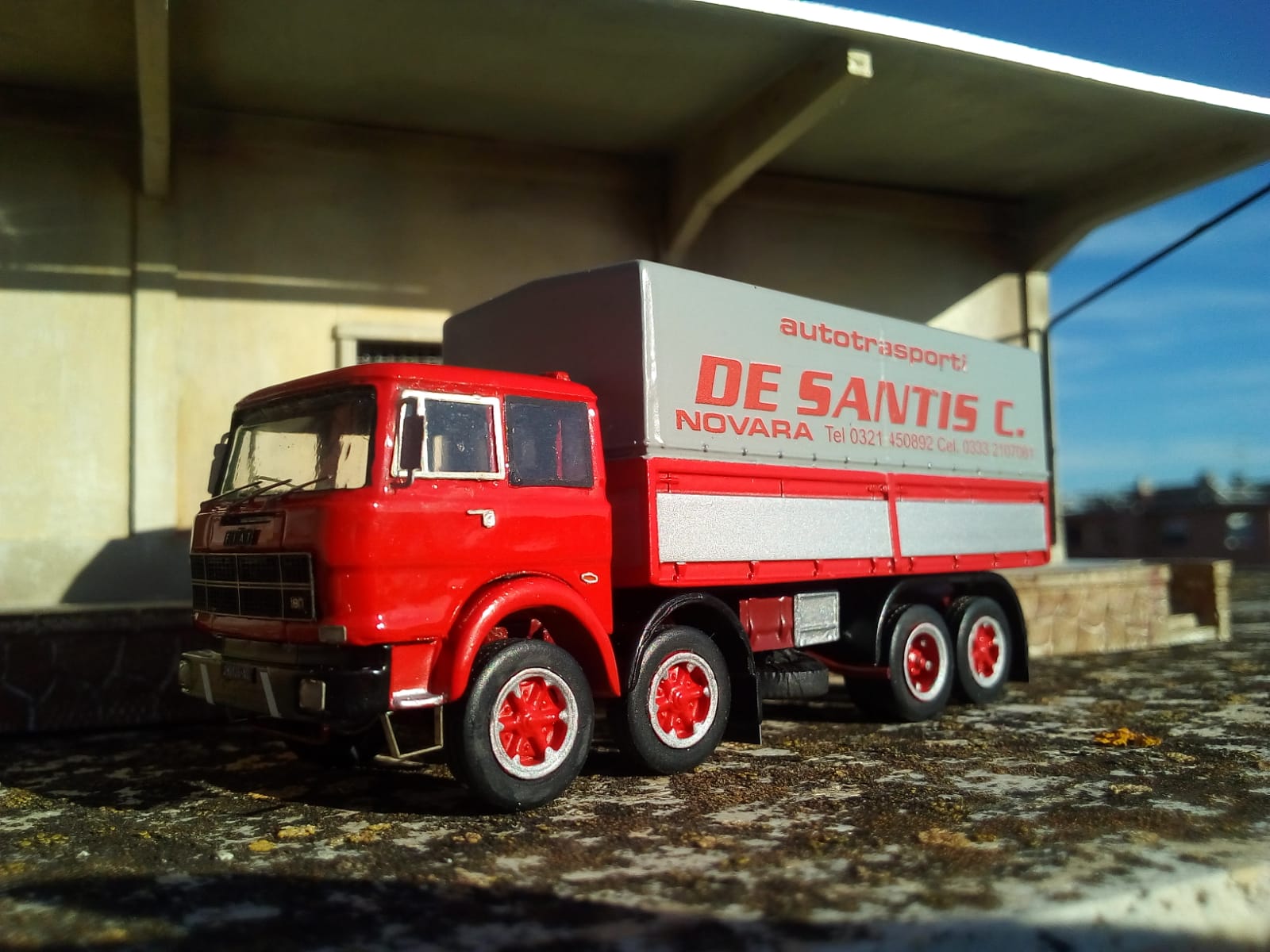
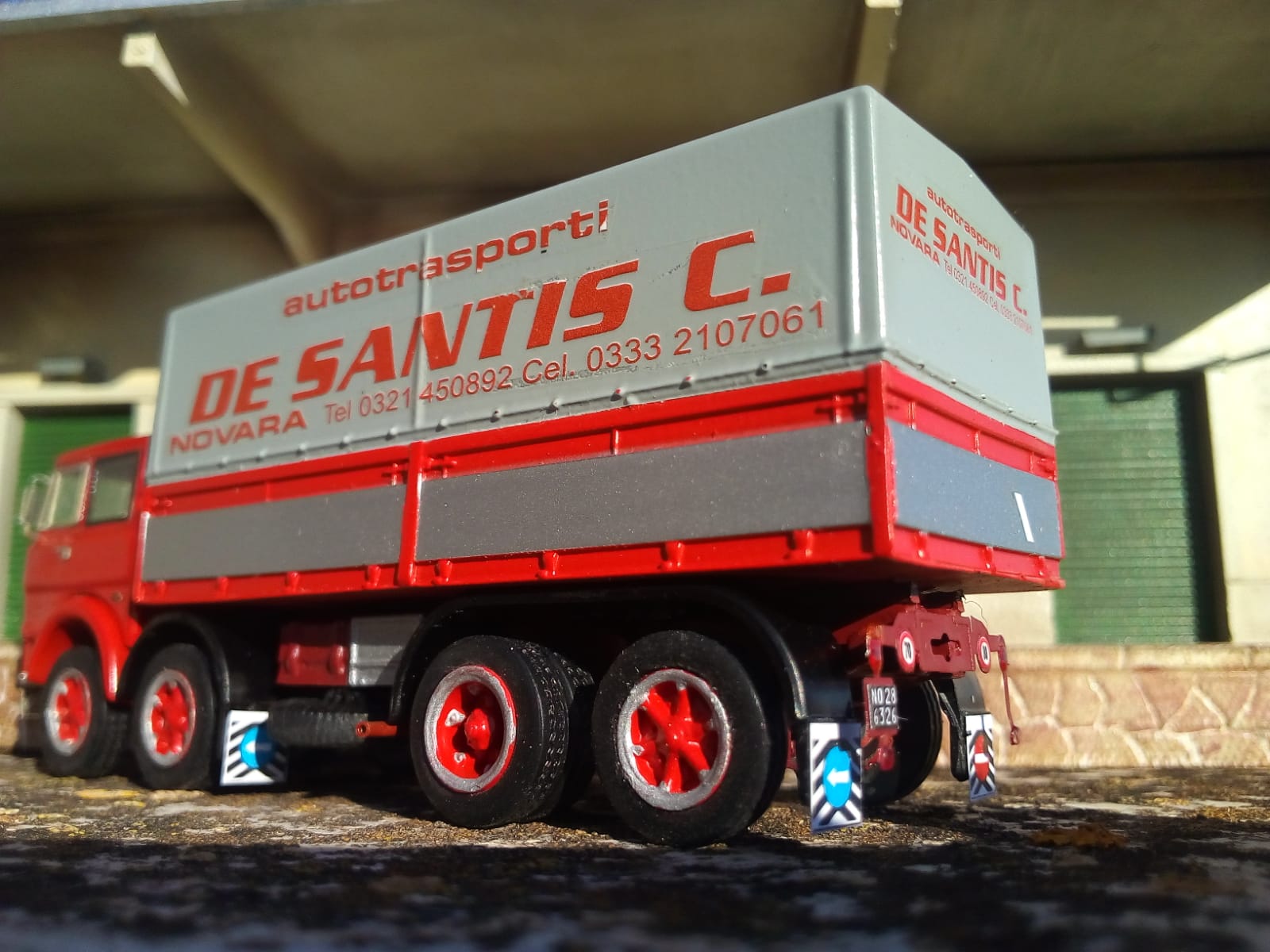
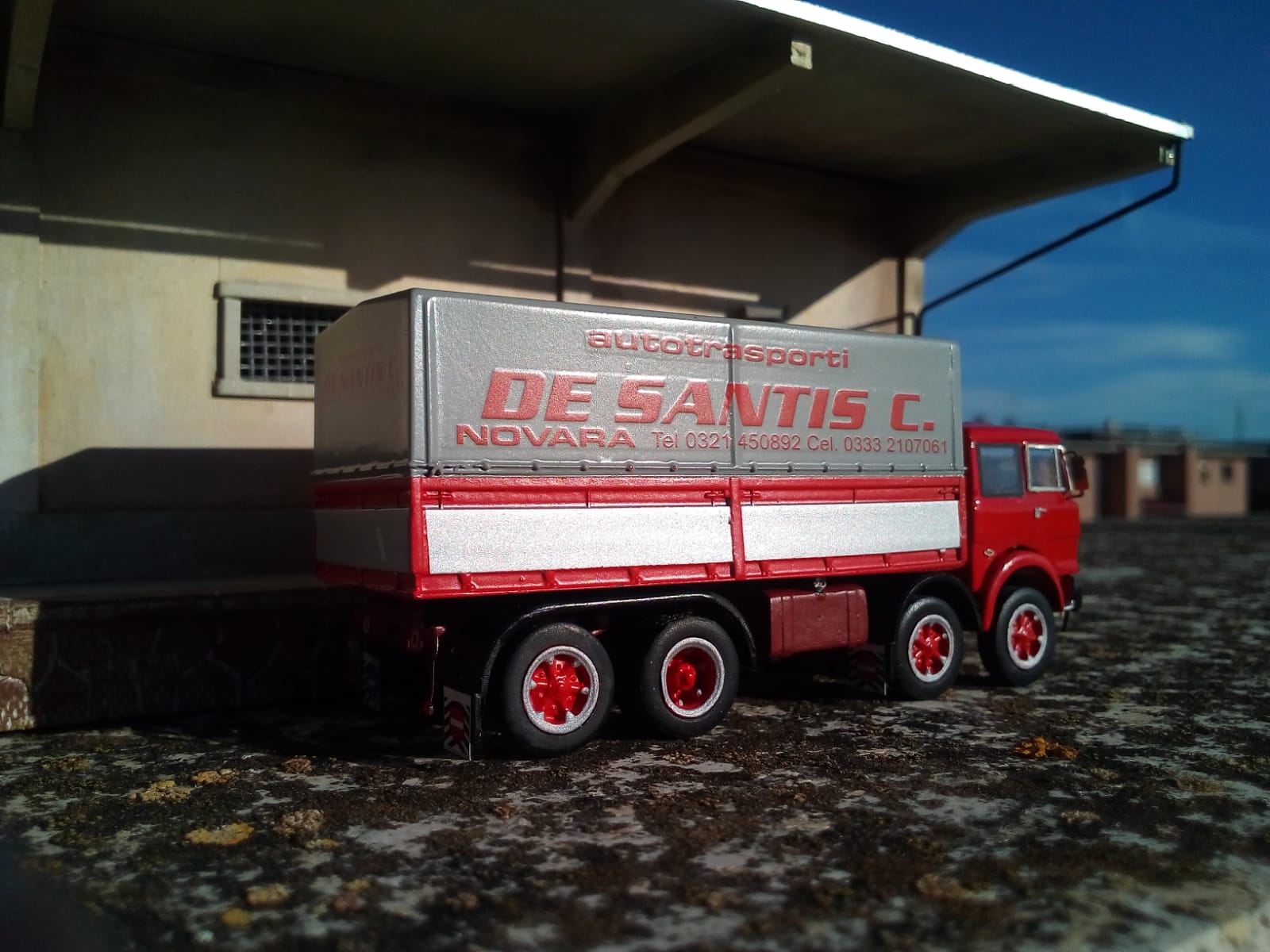
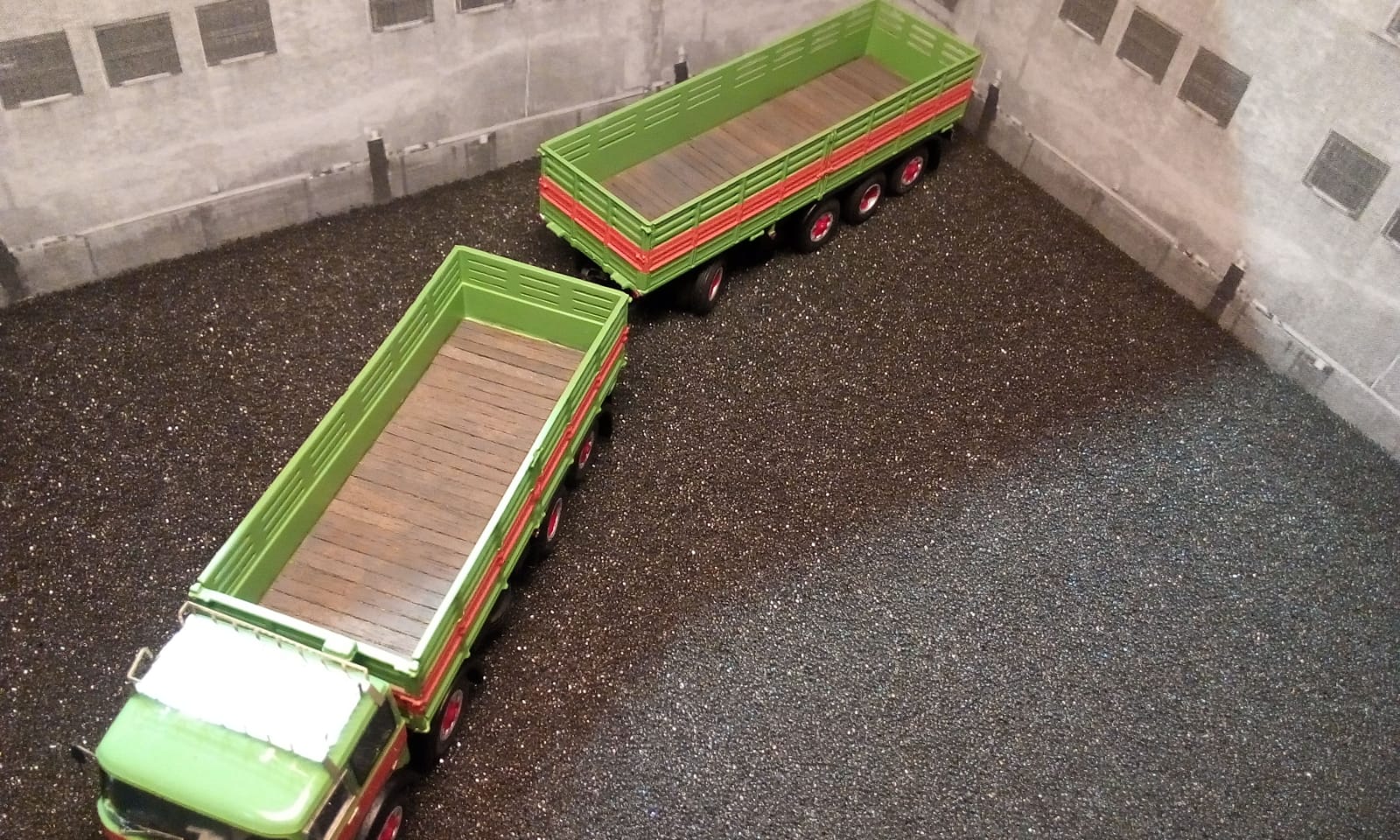
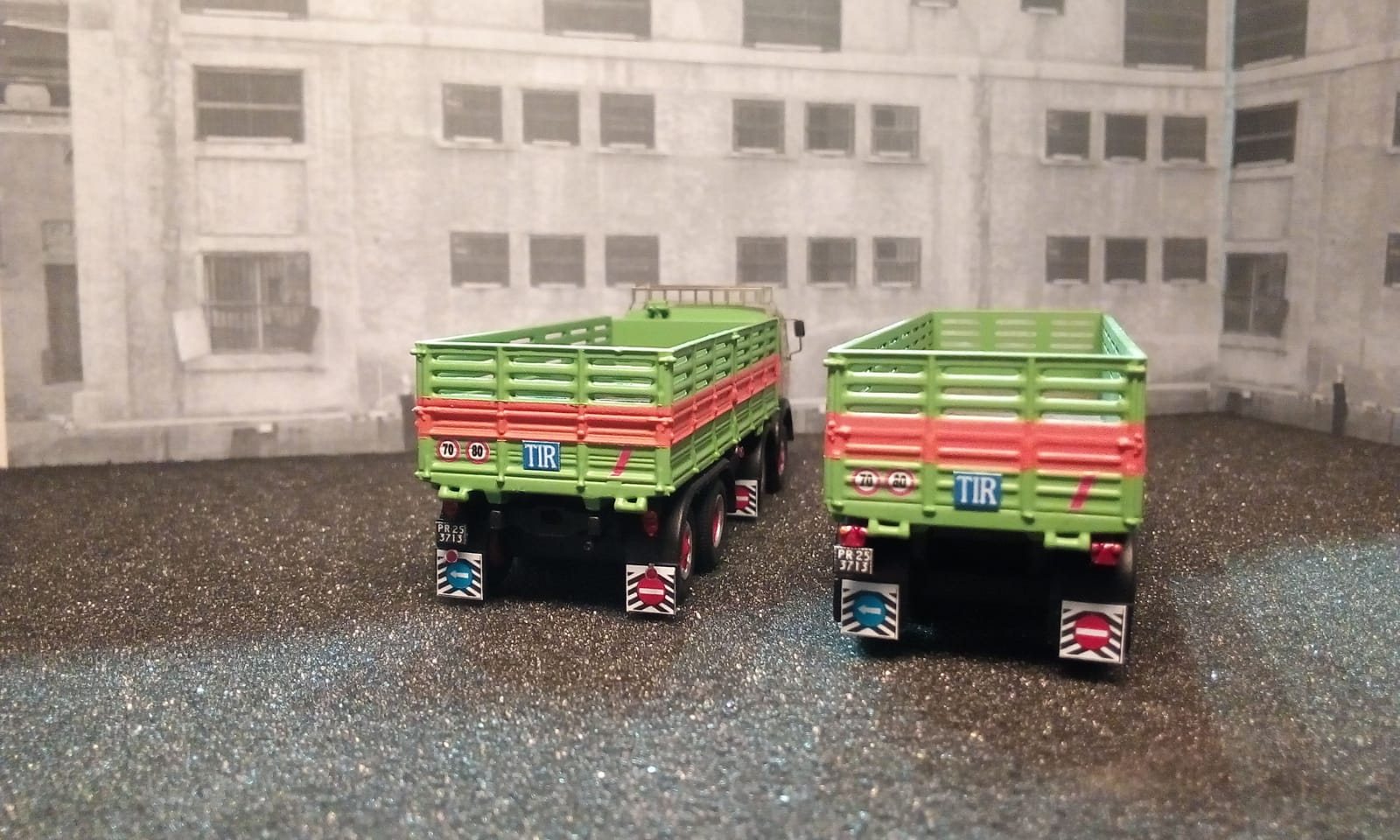
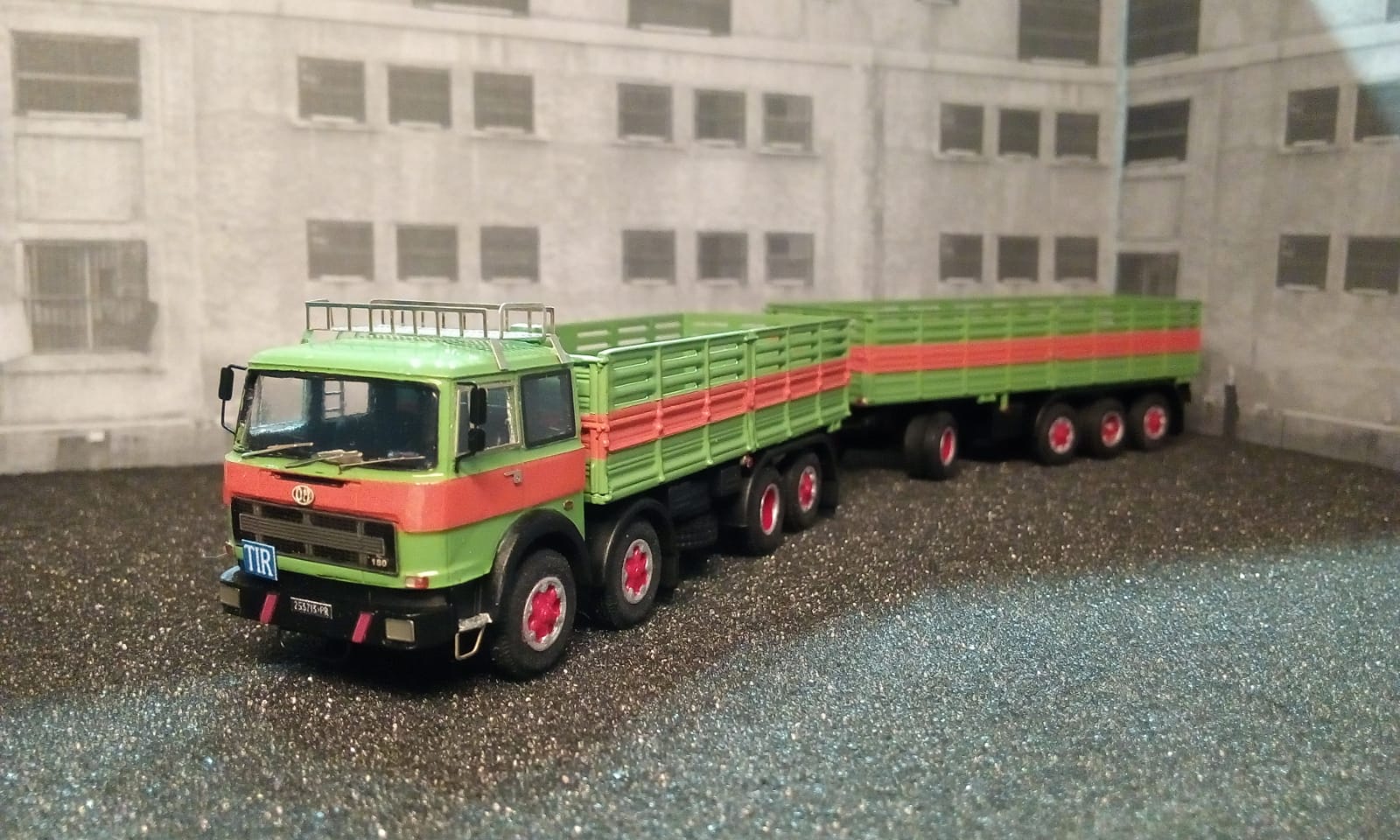
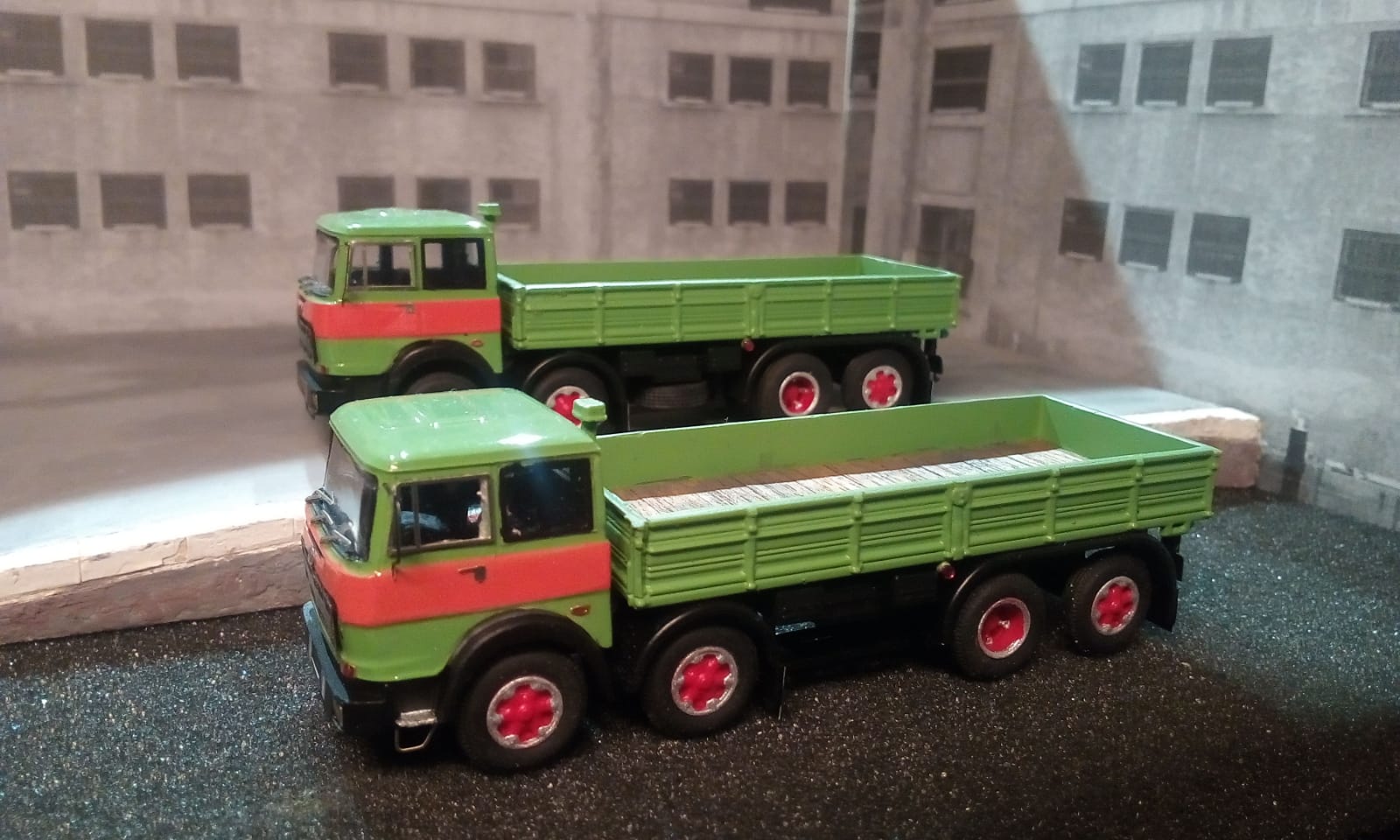
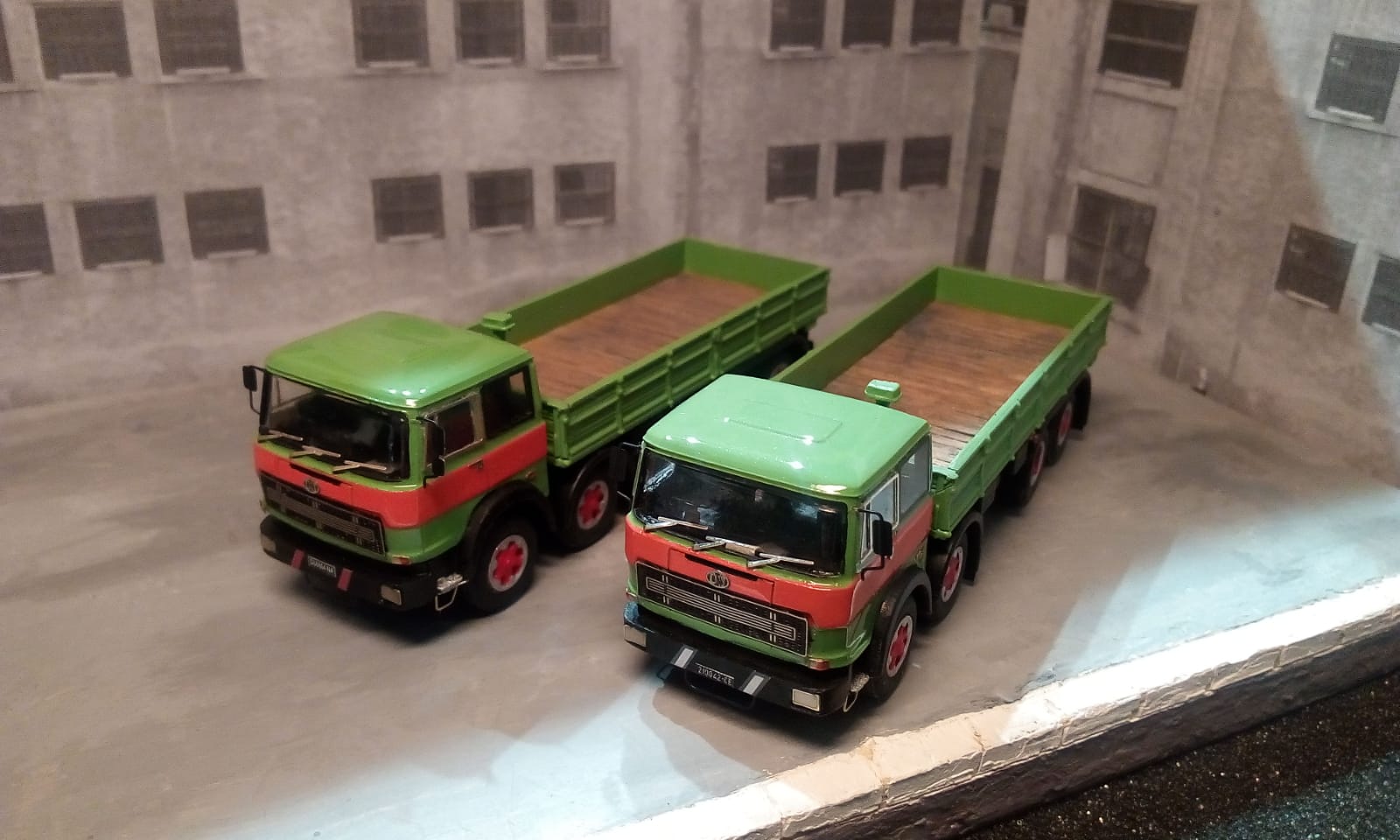
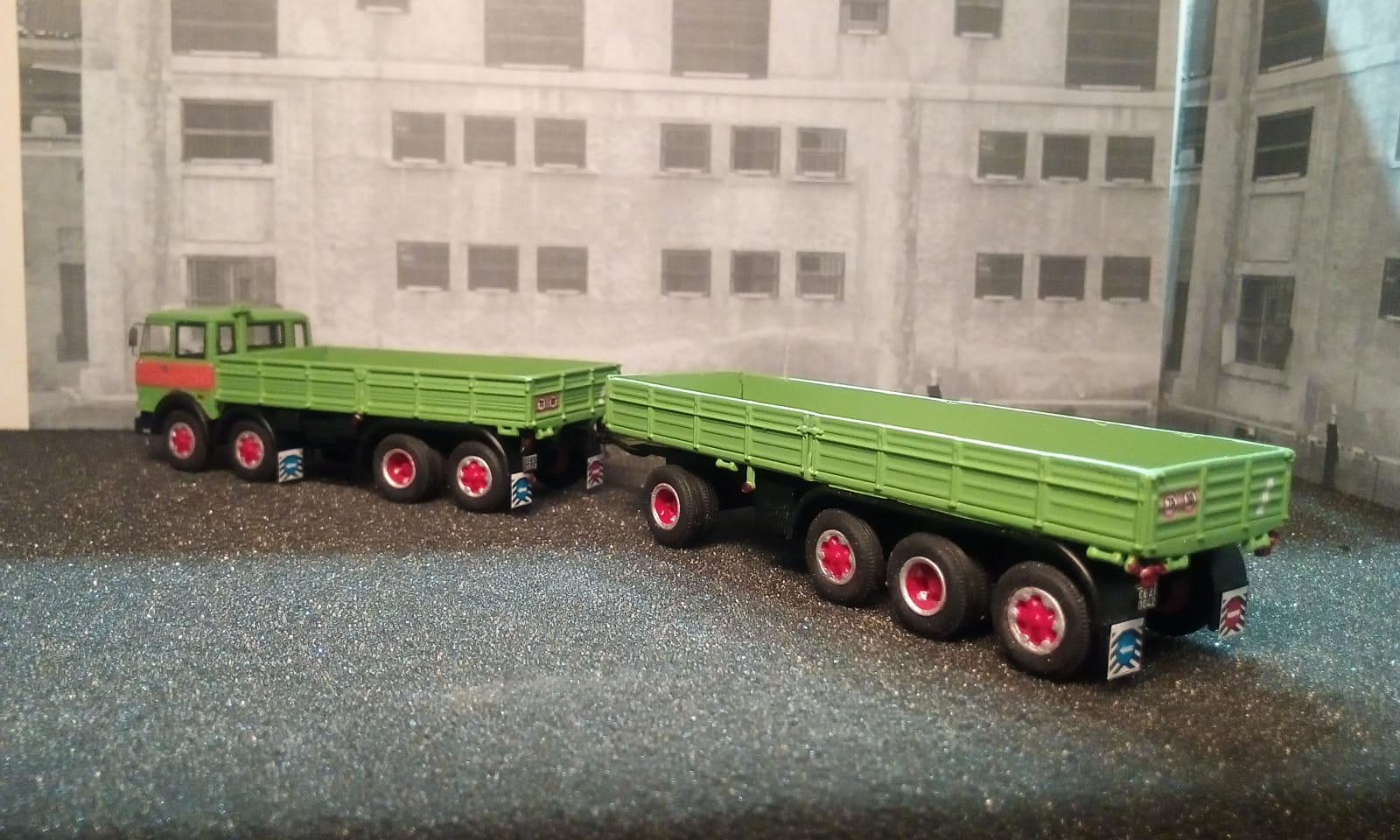
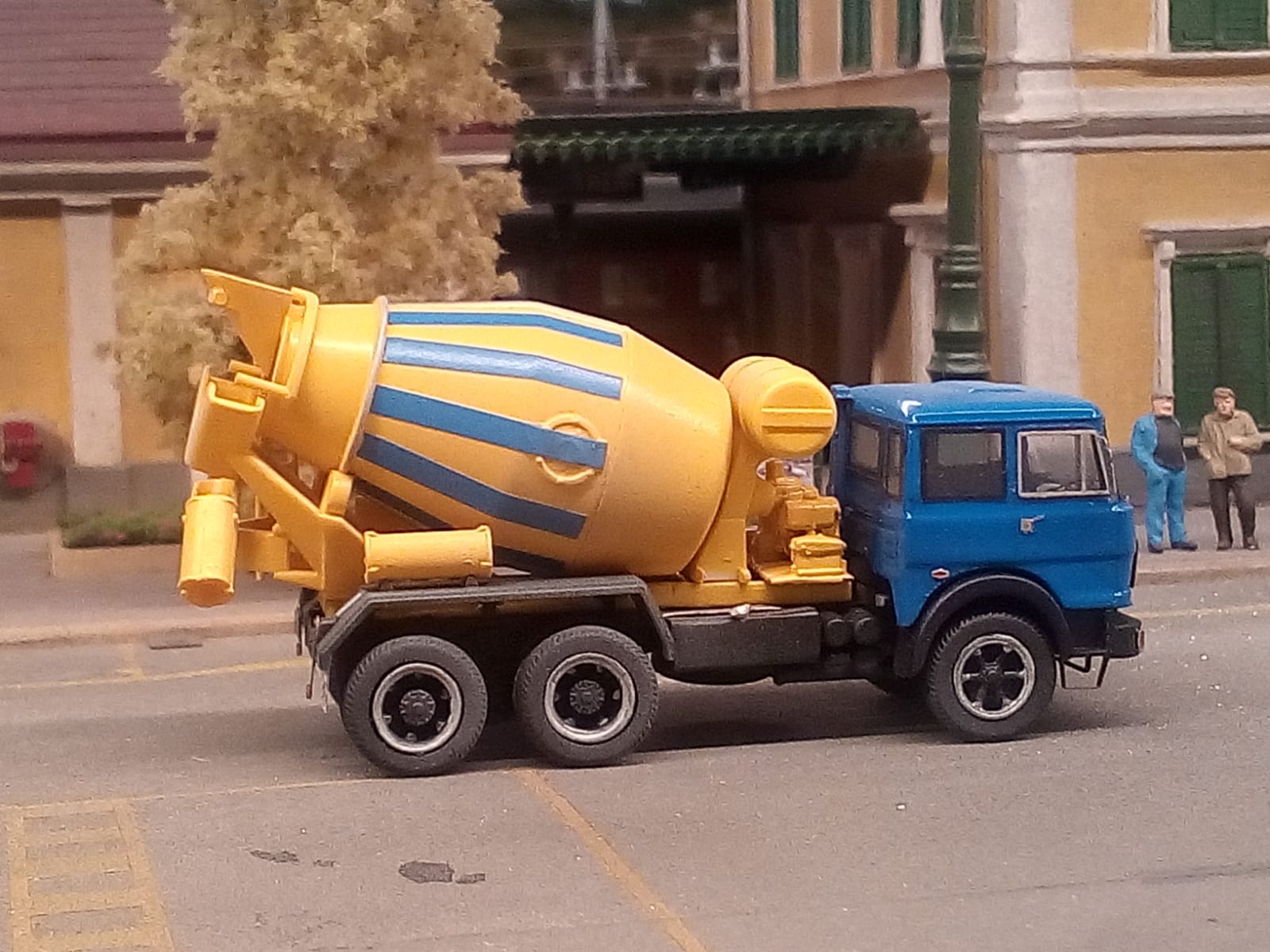
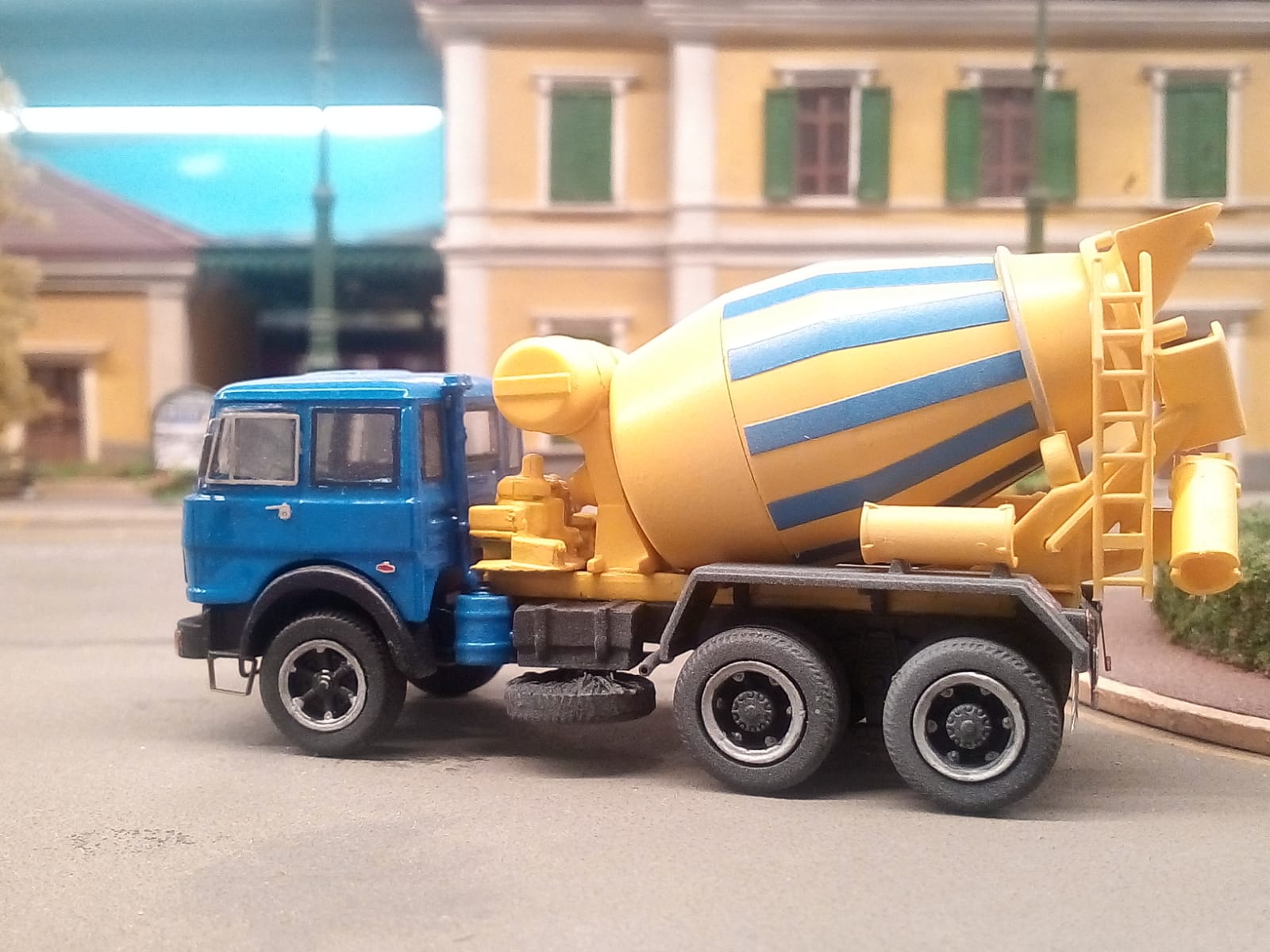
\”nonomologati\” ha presentato di recente alcune nuove referenze di camion in scala 1:87 (H0). Si tratta di modelli speciali montati in resina oppure di elaborazioni molto articolate su base industriale. Ecco il dettaglio di queste ultime uscite (è bene notare come \”nonomologati\” disponga di una doppia calandra, che permette la realizzazione sia del Fiat 619/180, sia del suo omologo OM, siglato 180):
Fiat 691/180 e OM 180, motrice tre assi con rimorchio a due assi. Allestimento cassone aperto a sponde basse:
Fiat 691/180 e OM 180 cisterna Gasol Fina:
Fiat 619 Fercam, cabina a due toni di grigio:
Fiat 691/180 e OM 180 corriere De Santis (Novara):
Fiat 691/180 e OM 180 allestimento sponde rialzate; base Brekina, porta-telone sulla cabina in fotoincisione, rivestimento pianali in vero legno. Scatolina Brekina ma con logo \”nonomologati\”:
Fiat 691/180 e OM 180, identico al modello precedente ma ma senza porta-telone sulla cabina:
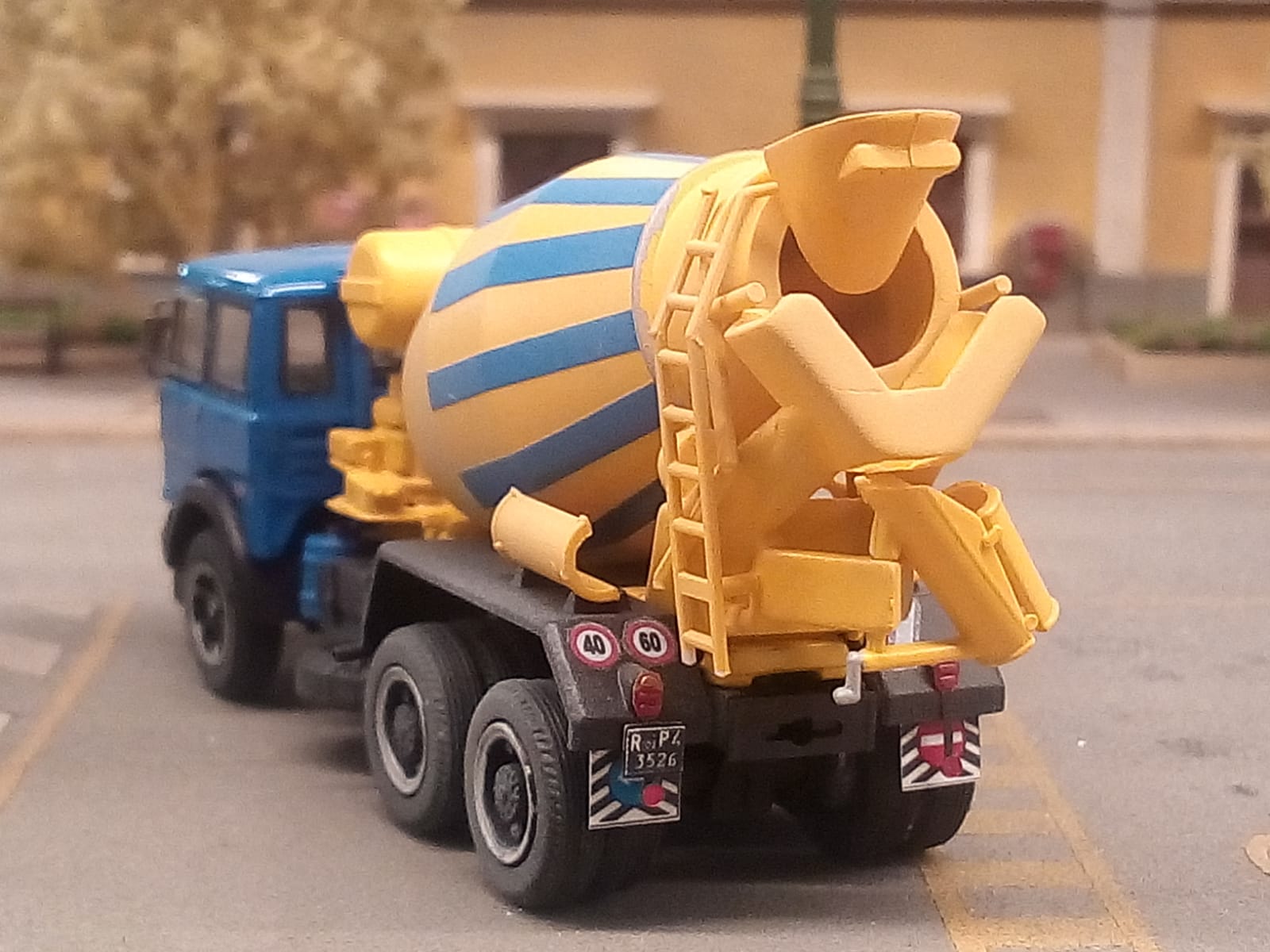
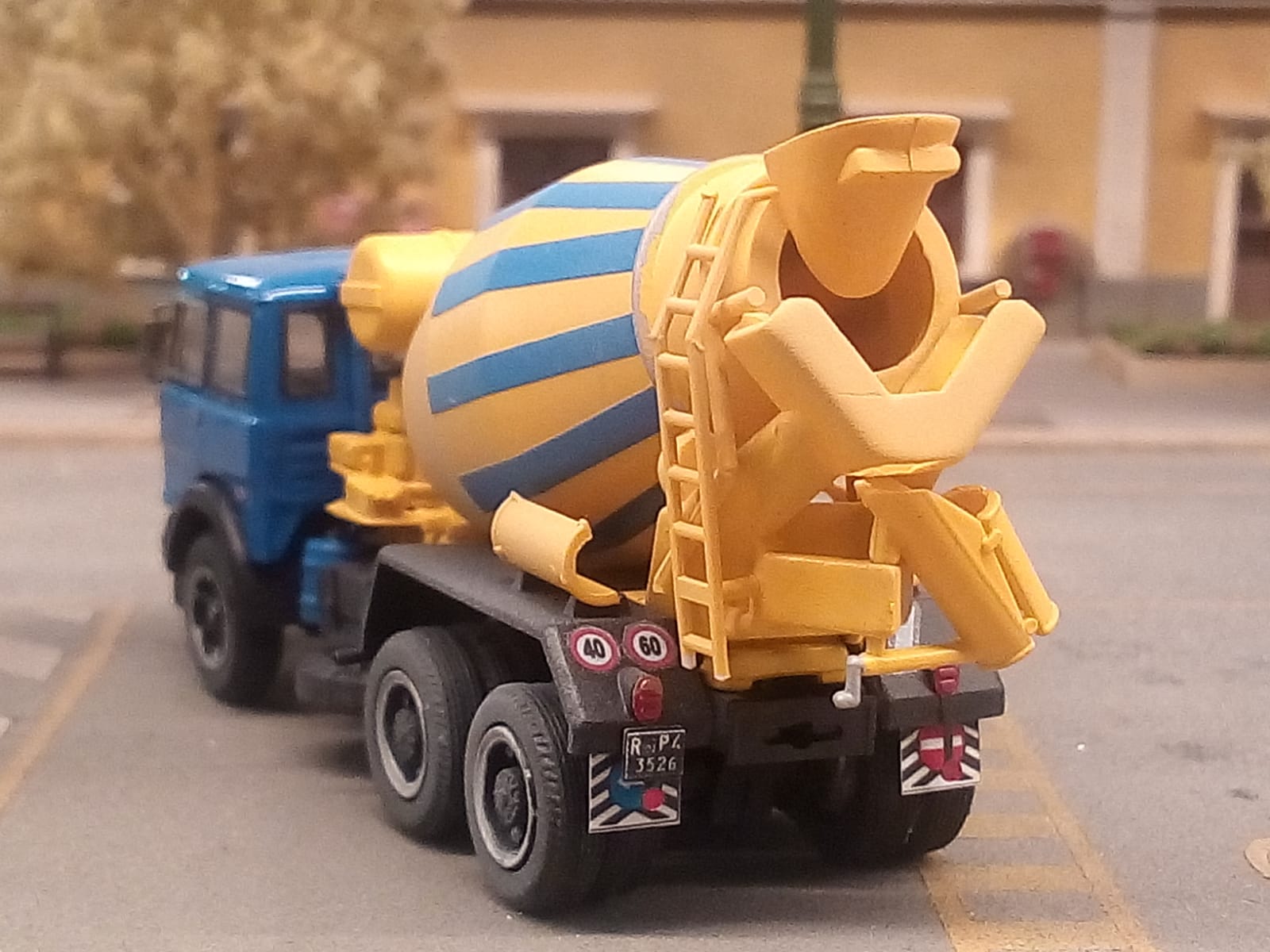
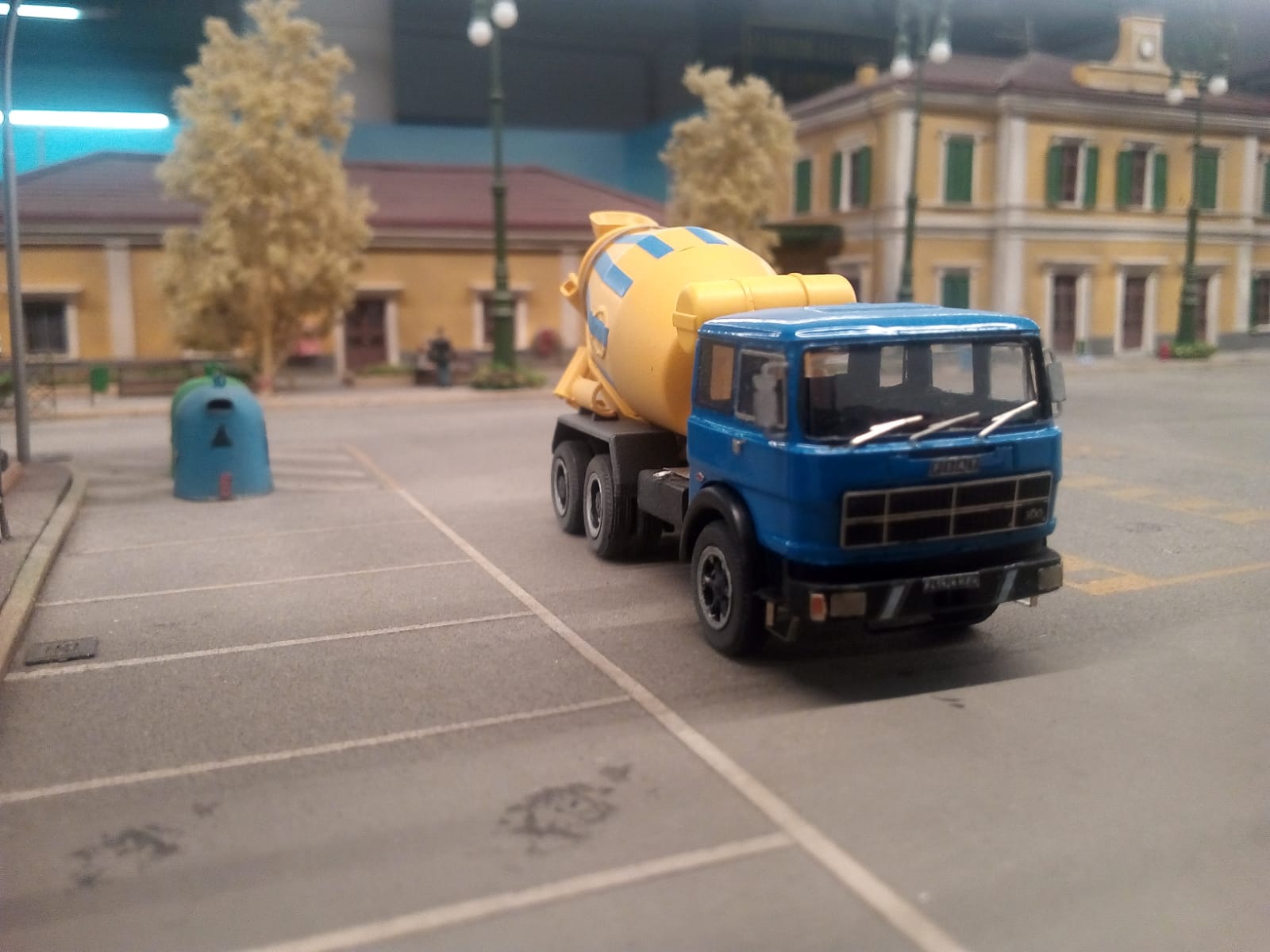
Fiat 300 betoniera, su base Kibri. Ruote posteriori con mozzo maggiorato per presenza del riduttore come nella vera. Modello leggermente impolverato ad aerografo:
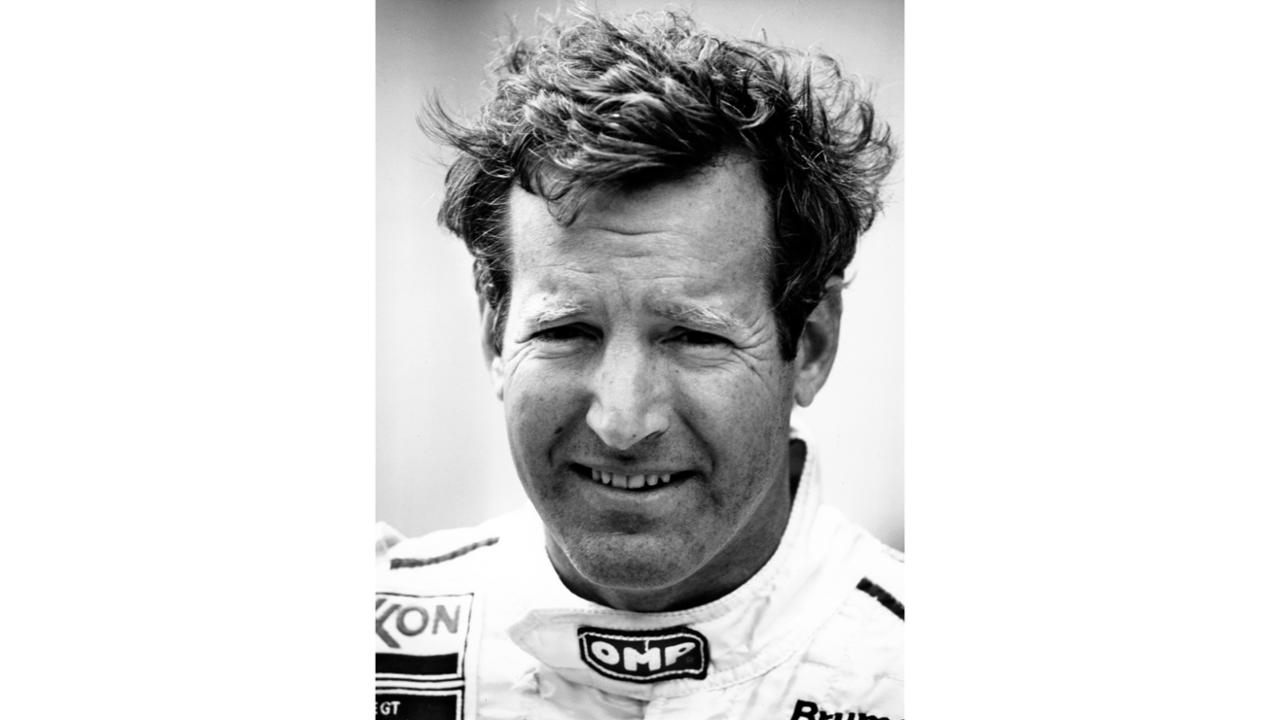
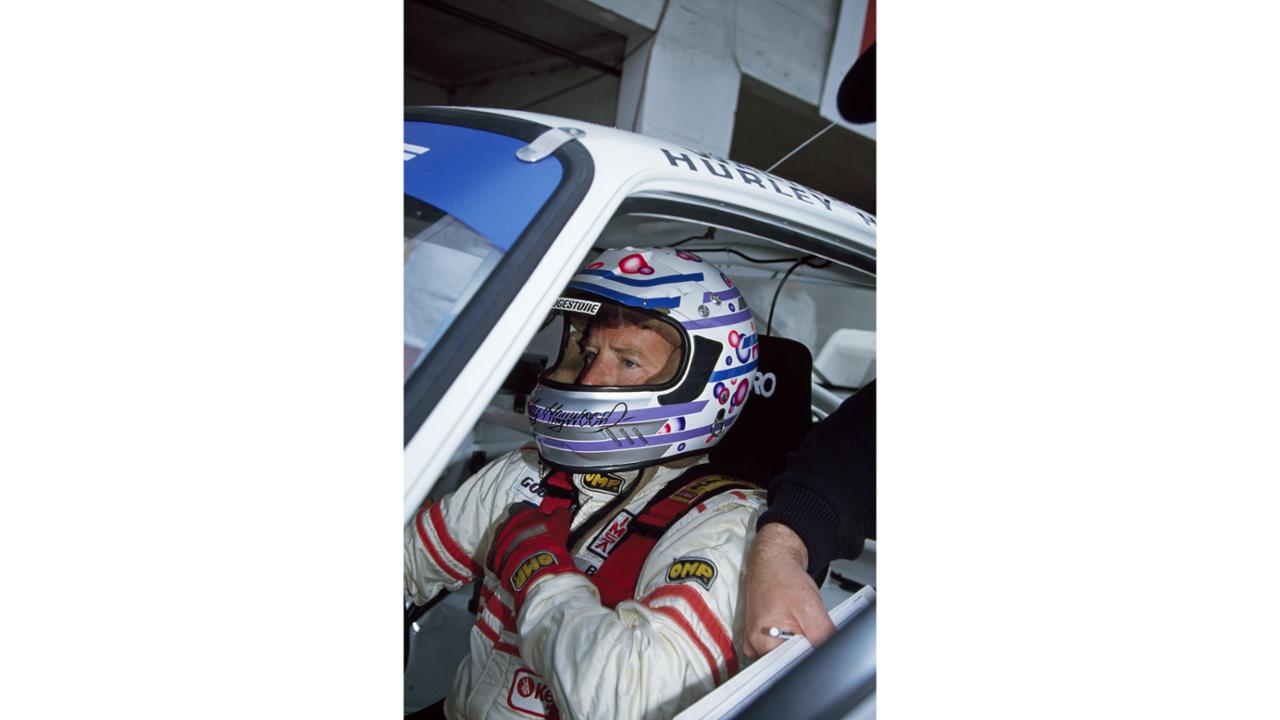
In un precedente thread abbiamo pubblicato un\’intervista con Nick Tandy e Hurley Haywood, a cura di Porsche Motorsport, che potete leggere qui: https://grandiepiccoleauto.blogspot.com/2020/03/nick-tandy-hurley-haywood-il-passato-e.html. Ecco una gallery riassuntiva della carriera di Haywood, un personaggio forse non troppo conosciuto in Europa, ma che negli Stati Uniti è considerato uno dei più forti piloti di endurance. Foto copyright Archivio Porsche Motorsport
Con la Porsche 956 Gruppo C a Le Mans nel 1983.
Daytona 1991, Porsche 962 del team Joest.
24 Ore di Daytona 1991, con la Porsche 962 Joest Racing.
Campionato Can-Am 1973: Porsche 917/10 Turbo.
Riverside, 1973: nell\’abitacolo della Porsche 917/10 della Brumos.
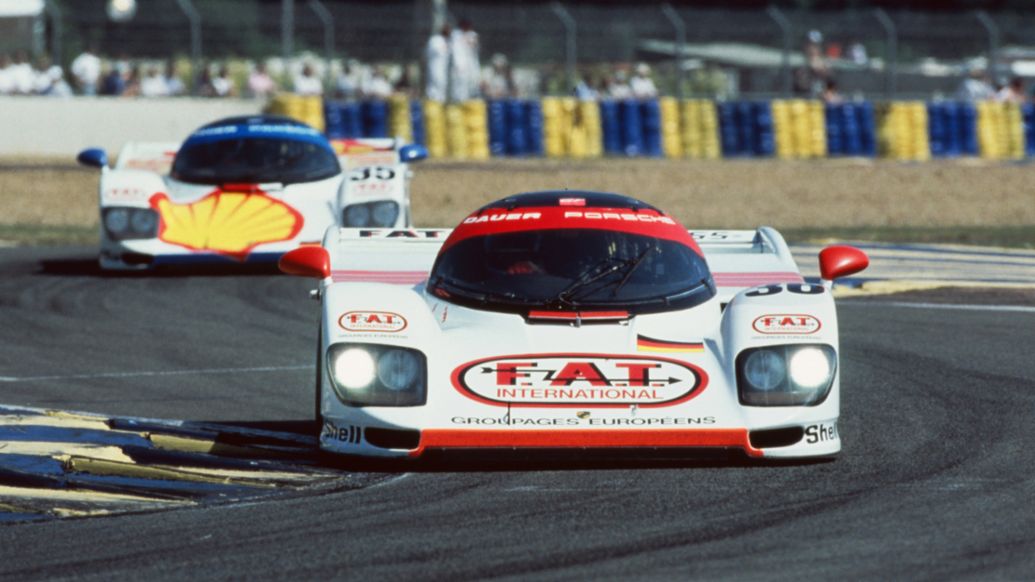
Nel 1994, anno della vittoria a Le Mans con la Dauer Porsche.
Haywood, Stuck e Roehrl a Daytona nel 1994.
Le Mans 1993.
A Le Mans nel 1983.
Ickx, Barth e Haywood, vincitori a Le Mans nel 1977.
24 Ore di Daytona 1973: con la Porsche 911 Carrera RSR 2.8 Brumos, insieme a Peter Gregg.
Le Mans 1977, al volante della Porsche 936/77 Gr.6 ufficiale.
Le Mans 1983, Porsche 956 Gr.C ufficiale.
Le Mans 1994, alla guida della Dauer-Porsche 962… GT.
Pubblichiamo un simpatico contributo a cura di Porsche Motorsport, che celebra così la presenza della casa di Stoccarda alla 12 Ore di Sebring, che come ormai tutti sanno, è stata posticipata a novembre (ammesso che il Covid-19 o chi per lui lo permetta). La 12 Ore di Sebring era un evento tipico del mese di marzo. Speriamo che presto ritorni ad esserlo, anche se personalmente ne dubito abbastanza.
This weekend, in the warmth of the Florida spring, factory Porsche 911 RSR racing cars should have been in action at the legendary Sebring race track. However, with the WEC 1000 km race cancelled and the IMSA 12 hours postponed until November, no flat sixes will howl round the old bomber crew training base. No brakes will glow in the dusk, no new history will be written …
Instead, on either side of the Atlantic, two racing legends – one past, one present – are on a video call, comparing their experiences of Sebring over the last fifty years. From seeing burning couches to leading a 200-mph, five-car convoy of 935s so far off the track they couldn’t find their way back on, there isn’t much Hurley Haywood and Nick Tandy haven’t seen at Sebring, where Porsche has claimed victory no fewer than 18 times.
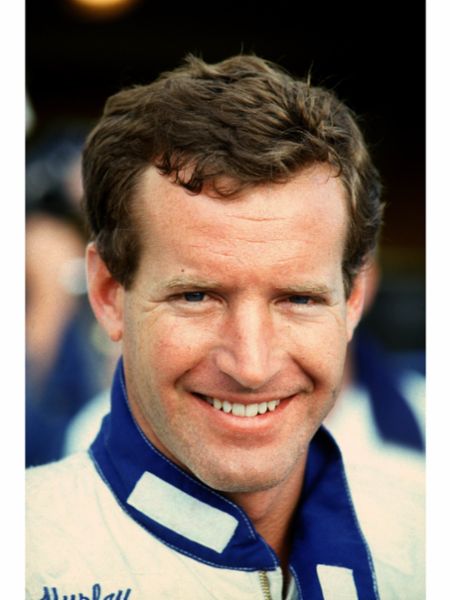
Seventy-one-year-old Haywood first won Sebring in 1973, doing it in a Porsche 911 RSR, just a month after he’d won the 24 Hours of Daytona. The American also won Sebring in 1981 as well as Le Mans three times, Daytona a total of five times and the IMSA GT Championship twice.
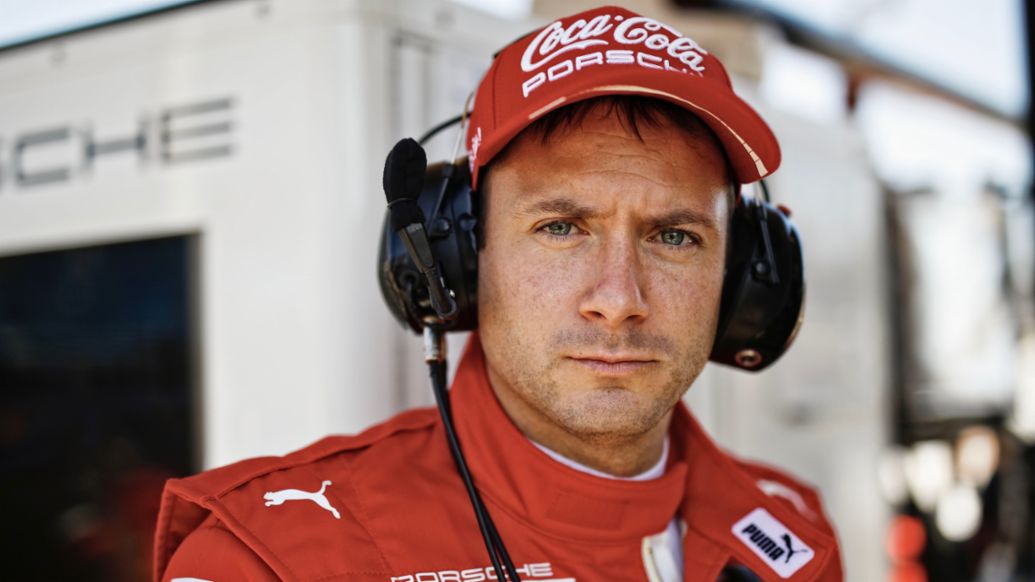
Tandy, meanwhile, is one of the current crop of elite works Porsche drivers, competing in the latest 911 RSR racer. No-one has beaten the 35-year-old Brit at Sebring since 2017, and he will be going for a hattrick of GTLM wins in November, to add to the 2018 and 2019 trophies. He has won Le Mans outright, in the Porsche 919 Hybrid. He was also third in class on the Sarthe last year, racing a works 911 RSR painted in red, white and blue as an affectionate tribute to the Brumos Porsche racing cars of old – the most famous driver of which was the man currently on the screen in front of him.
Nick Tandy
Hurley Haywood: “I keep visualising it. I’d be down at Sebring now and here I am sitting in St Augustine. Weird deal … I mean, I started racing at Sebring in 1971 and have been pretty much every year since.”
Nick Tandy: “My first time there was in 2013. It doesn’t seem that long ago but this’ll be my eighth already. It’s just one of those events. I feel so sorry for the fans, for the guys who were looking forward to their Sebring week. Sebring is more of an event than a race. Has it always been like that?”
“There sure is a certain flavour to Sebring.”Hurley Haywood
Haywood: “[Laughs] Oh yeah. There sure is a certain flavour to Sebring. It has so many unique qualities about it, it would be almost impossible to replicate it anywhere else. You’re down there in the middle of the orange belt so you have the smells of racing mixing with that of the blossom. It’s intoxicating. Back in the seventies, we used to stay at this really old hotel that used to have lots of elderly folk coming down to spend the winter in Florida, mixing with all the racing teams. You’d have these quite formal dinners, with the waiters in their white jackets and all, and then they’d open the dancefloor and you’d have this amazing array of people having a good time.
“The fans, though, are what makes Sebring special. You know a race track is a race track but the fans there are something else – you see all of humanity having a good time. I didn’t get out among them much when I was racing as I had a job to do, but as soon as I retired, I went out into the crowd and it was the most amazing experience.”
Tandy: “I must admit that I did ‘borrow’ a scooter my first year and sneak out during night practice. I reckon the Turn 7 to Turn 13 area is the place to be. There are couches burning and everyone’s on the top of their RVs having a beer. You hear these stories but you’ve got to get out there and experience it.”
Haywood: “The track’s pretty special too. Every time I went I thought that I’d never work out how to make the car controllable. You’re bouncing over the bumps, your teeth are chattering and the engineers tell you you’ve just got to deal with it. But, by the end of the weekend it comes together. Whether it’s a GT car or a prototype, it all just works.”
Tandy: “You do wonder what the hell you’re doing there. Even if you go back a year later, the first few times you get out in the car, you’re wondering how the hell this race has taken place the year before, let alone for 50 years but, after a day or two, you get used to it. I really look forward to it as an event.”
Hurley Haywood
Haywood: “I’ve driven several track configurations and back in the seventies, after the hairpin, it used to be completely pitch black at night. You were just able to see what your headlights were picking up. You had two really, really fast straights and you had a pole that stuck 50 feet up into the air, which you looked for to help with your turn in point. I remember one year I was leading a group of four or five 935s and we were all running together and I had the lead at that point. Because the lights were so bright, I was a little blinded and I missed the turn in point by the pole and suddenly I was in the middle of this knee-high grass, doing over 200 mph. And the guys behind me had, I guess, been thinking “Hurley knows where he’s going” – so they all followed me off – also doing 200 mph plus! Suddenly cars were spinning, lights were flashing past but miraculously nobody hit anyone. When we finally came to a stop, pointing in all sorts of directions, none of us knew where to go to get back to the race track. We just got lost out there and it felt like it took forever to get back onto the circuit.”
Tandy (laughing): “You do tend to follow the car in front – you just follow their brake lights, don’t you? The last corner is the darkest one at night now, but it’s also not so good if you’re in the car for the four or five laps while the sun is setting.”
Haywood: “You’re right – it’s always been just a nightmare as the sun goes down because you’re completely blind. You’ve got to pick out little reference points, not in front of you but out of the side window, to tell you where to brake, turn in or hit the apex. And it’s the worst corner for bumps, with a really high speed turn in as well. The cars are literally airborne.”
“I really look forward to it as an event.”Nick Tandy
Tandy: “You’ve actually got to watch out for the wear of the underfloor with the cars running so low to the ground that they smash into the tarmac through there. But the engineers set the car up for the rest of the track and the drivers just have to deal with the bumps. We’re bitterly disappointed not to be there this spring. We were going to Sebring as two-time defending champions. We’re going for the hattrick! It’s a global event, like Le Mans or Daytona and you know what it means to Porsche as a company – the amount of time and effort goes into building these cars and taking them to the race track – and it’s your responsibility to drive and hopefully bring your car back in one piece. It is a lot of pressure, and it falls on our shoulders to carry on the traditions of winning. Traditions established by guys like you.”
Haywood: “We’ve been really spoiled by working for a company that is so committed to winning. When I was racing, I had the privilege of working with the likes of Norbert Singer and Peter Falk. It was an enormous luxury to have them behind you, helping you understand what the car was doing. They had a totally unique way of getting the information out of you. Sometimes the drivers, especially back in the 70s or 80s, weren’t as articulate as the you guys are nowadays but it was my rule just to tell them what the car was doing and to leave it up to them to decide what to do about it. They’re the smart ones …”
Haywood: “The 962 was just such a sweet car to drive – the first one I raced with true ground effect, just a driver’s dream”
Tandy: “Everyone is an expert in their own field. That’s when a team is good. What was your favourite car at Sebring?”
Haywood: “The 962 was just such a sweet car to drive – the first one I raced with true ground effect, just a driver’s dream. The power was good, the brakes were good, the handling was good and it was so reliable. After I broke my leg and couldn’t use the clutch, I drove a Jaguar with a straight-cut gearbox for a while and the 962 was just in a different league. But it’s tough to choose just one – it’s like being asked which your favourite child is! The 914/6 GT was great too. It was amazing fun to drive that giant-killer, chasing down Mustangs and Camaros and Corvettes in a car with half their horsepower, winning not just at Sebring but the whole championship.”
Tandy: “Hopefully we’ll have the race in November and it’ll be unique as it’ll be during the winter and the last race of the season.”
Haywood: “I look forward to seeing you guys coming over here.”
Tandy: “Yeah, Hurley. We’re looking forward to seeing you too …”








 PITLANEITALIA